
Plant-Based Diet on a Budget South Africa: The Complete Staple-First Method™ Guide
By Zama Zincume — Public Health Specialist & Plant-Based Food Writer
Quick Answer
A plant-based diet is one of the most affordable ways to eat in South Africa, not one of the most expensive — if you build your meals around dried legumes, whole grains, and indigenous staples like morogo, amadumbe, and sorghum, rather than imported speciality products. This guide breaks down the real cost, the biggest myths, and a step-by-step way to start, using the Staple-First Method™.
The Myth That Won’t Die
If you’ve looked into plant-based eating in South Africa, you’ve probably hit the same wall most people do: it looks expensive. Instagram is full of quinoa bowls, almond milk lattes, and imported plant-based “meat” that costs more per kilogram than actual meat. If that’s your only reference point for what plant-based eating looks like, of course it seems out of reach for a normal grocery budget.
Here’s what that picture leaves out.
Almost none of that food is what makes a plant-based diet nutritionally complete. It’s marketing. The actual foundation of a plant-based diet- the part that provides your protein, your fibre, your energy, your micronutrients- is legumes, grains, and vegetables.
And in South Africa, those categories include some of the cheapest food available in any grocery store, alongside some of the most culturally rooted food in the country.
This guide exists to correct the picture. Not with theory, but with an actual method you can start using this week.
Why South Africa Is Actually a Good Place to Eat Plant-Based on a Budget
This might sound counterintuitive, but South Africa has a genuine advantage that many budget plant-based guides for other countries don’t: a deep food culture built around plant staples that were never marketed as “diet food” or “health food”, they were just food.
Maize meal, dried beans, samp, morogo, amadumbe, sorghum, and cowpeas are not new. They have been staples for a long time, well before plant-based diets became popular.
They have a long history and are easy to find. Plus, they don’t have the high price tag often seen with “wellness” products.
That’s the real opportunity in this country: you don’t need to import your plant-based diet. You need to recognise what’s already built into South African food culture and build around it deliberately.
The Staple-First Method™: How This Actually Works
The Staple-First Method™ is the framework behind every budget plant-based guide on this site, and it comes down to a simple ordering principle: build your food budget in a specific sequence, and don’t move to the next category until you’ve covered the previous one.
Step 1: Staples. Dried legumes (beans, lentils, cowpeas), whole grains (maize meal, rice, sorghum), and root vegetables (amadumbe, potato, sweet potato). These provide most of your calories, protein, and fibre, and they cost the least per meal on this list.
Step 2: Seasonal vegetables. Whatever’s in season locally — cabbage, butternut, pumpkin, onions, tomatoes, and leafy greens like morogo. Seasonal produce is both cheaper and fresher than produce bought out of season.
Step 3: Flavour and fat. A small, deliberately chosen set of oils, spices, and aromatics — garlic, ginger, curry powder, a stock cube, a chilli if you like heat. This is a one-time investment more than a weekly cost, and it’s what stops staple-heavy meals from feeling repetitive.
Step 4: Extras. Fruit, nuts, plant-based treats, or speciality products — only once the first three categories are fully funded.
Most people who believe plant-based eating is expensive built their food budget in the reverse order: extras and branded products first, staples as an afterthought. Flip the order, and the diet’s entire cost structure changes.
What This Actually Costs
It helps to see the categories translated into real numbers, even as a rough estimate.
| Category | Example items | Rough weekly share |
|---|---|---|
| Legumes & protein | dried beans, lentils, cowpeas, peanut butter | ~25–30% |
| Grains & starches | maize meal, rice, sorghum, oats | ~20–24% |
| Vegetables | amadumbe, cabbage, butternut, morogo, onions | ~20–26% |
| Flavour & fat | oil, garlic, spices, stock | ~12–16% |
| Extras | fruit, treats | ~4–10% |
The exact rand figures shift with the market, which is part of why this guide points you toward the full, regularly updated R500 Plant-Based Grocery List South Africa for the current numbers; this page is about the framework; that page is about the current shopping list.
Getting Started: Your First Two Weeks
Starting a new way of eating is easier when you’re not trying to overhaul everything on day one.
Here’s a realistic two-week on-ramp.
Week one: replace, don’t eliminate.
Pick two or three meals a week and rebuild them around a legume-and-grain base — beans and rice instead of a meat-and-rice plate, lentil stew instead of a meat stew. You’re not going fully plant-based yet. You’re testing whether these meals actually satisfy you, and building a small rotation of dishes you already know you like.
Week two: build your pantry.
Buy your flavour and fat category as a one-time stock-up — oil, garlic, spices, stock. This is the step people skip, and it’s the step that makes everything after it easier, because from here on, your weekly grocery trips are mostly just staples and vegetables.
By the end of two weeks, you should have three or four meals you can make without thinking about it, a stocked spice cabinet, and a realistic sense of what a full week of plant-based eating actually costs for your household — which is the point where most people are ready to go all in.
Indigenous South African Staples Worth Knowing
If you take one thing from this guide, let it be this: the ingredients below aren’t budget substitutes for “real” plant-based food. They’re the original, and in many cases, they’re more nutrient-dense than the imported alternatives they get compared to.
Morogo (wild spinach/African greens). Frequently cheaper than imported leafy greens like kale, and nutritionally comparable or superior. Available fresh in season and frozen year-round in many stores.

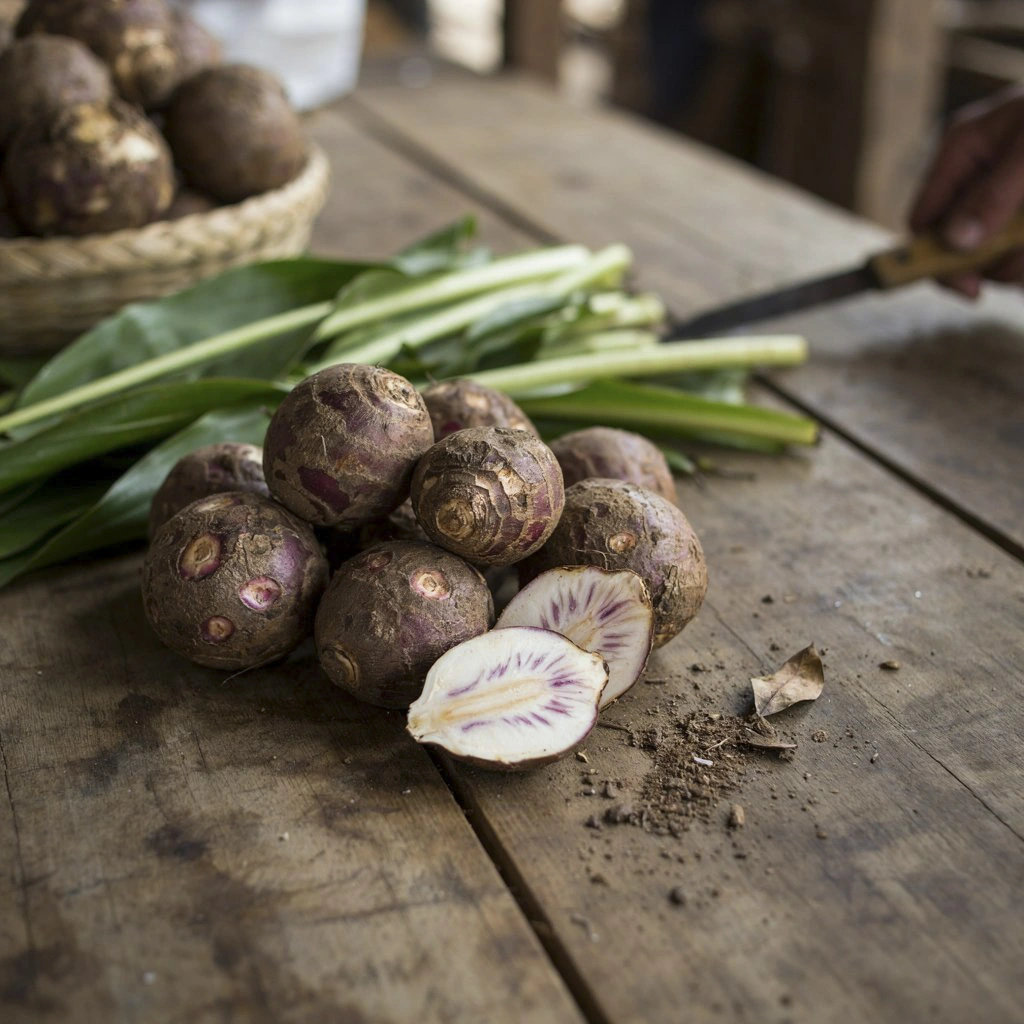
Amadumbe (African/taro potatoes). A starchy root vegetable with deep roots in Southern African cuisine, usable anywhere you’d use potato — roasted, boiled, or mashed.
Sorghum. A grain higher in fibre and several micronutrients than refined maize meal, with a long history in Southern African food culture. Worth seeking out specifically, and worth asking your local store to stock if they don’t already.
Cowpeas. A legume that’s both a strong protein source and deeply embedded in South African cooking traditions, most visibly in umngqusho (samp and cowpea stew).
Umngqusho (samp and cowpea stew). Not just a dish but a template — samp and a legume of your choice, simmered together, is one of the most cost-efficient and satisfying combinations on this entire list.
Common Objections, Addressed
“I don’t have time to cook from scratch every day.”
Batch-cook legumes and grains once or twice a week and refrigerate or freeze portions. A pot of umngqusho or lentil stew reheats well and covers multiple meals from one cooking session.
“My family won’t eat beans and rice every night.”
They won’t have to. The whole point of the category system above is variety — umngqusho one night, a butternut and lentil curry the next, a bean and cabbage stir-fry after that. Same core ingredients, genuinely different meals.
“Load shedding makes long cook times unreliable.”
Batch-cook when power is available and store portions for the week. Keep a tin or two of pre-cooked beans as backup for disrupted days, and lean on quicker-cooking staples like rice and lentils when time is limited.
“Will I get enough protein?”
Legumes paired with grains — beans and rice, lentils and pap, cowpeas and samp — form a complete protein profile across the day. Add peanut butter and you have a second reliable protein source in daily rotation.
A Note on Why This Matters Beyond the Grocery Bill
This guide has a tactical version. It includes categories, percentages, and a shopping list. The main reason this framework matters is simple. It connects nutrition to stewardship.
Eating well shouldn’t need a big budget. Most South African households can’t afford that. You also shouldn’t have to give up your food culture. Enjoy the meals you grew up with instead of switching to something foreign.
The Staple-First Method™ focuses on reclaiming indigenous food and saving money. These two goals are actually the same project.
Frequently Asked Questions
Is a plant-based diet actually cheaper than eating meat in South Africa?
Generally, yes, when the diet is built around dried legumes, grains, and seasonal vegetables rather than specialty plant-based products. Protein sources like dried beans and lentils cost significantly less per serving than most meat.
What’s the biggest mistake people make when starting a budget plant-based diet?
Building the grocery cart around plant-based specialty products — meat substitutes, plant milks, branded snacks — before covering the actual staple foundation. Flip the order and the cost drops dramatically.
How long does it take to adjust to eating this way?
Most people find two to three weeks enough to build a working rotation of meals and a stocked pantry, after which grocery shopping and meal planning become largely automatic.
Do I need supplements on a plant-based diet?
This varies by individual and is worth discussing with a healthcare provider, particularly regarding vitamin B12. This guide focuses on food-based nutrition rather than supplementation.
Where do I find an actual shopping list, not just the framework?
The R500 Plant-Based Grocery List South Africa breaks this exact method down into a specific weekly shopping list with current pricing and a full 7-day meal plan.
Where to Go From Here
This guide gives you the framework and the reasoning. If you want the exact shopping list this method produces — item by item, with a full week of meals already planned out — that’s what the R500 Plant-Based Grocery List South Africa covers next.
If you’re ready to go further than a single week, the R500 Plant-Based Pantry Starter Guide is a free next step that walks through building a full pantry using this method, and Eating Plant-Based on a Budget: Second Edition takes the Staple-First Method™ from a single grocery list into a complete, sustainable system for South African households.