Author: Zama Zincume

How to Build a Healing Kitchen

How to Build a Healing Kitchen

Do you know how to build a healing kitchen? Here’s how When I first decided to eat for healing, my kitchen was… well, let’s say chaotic. Old sauces I never used, sugary snacks hiding behind cereal boxes, and not a single legume in sight. A …

The Top Health Benefits and Side Effects of Rooibos

The Top Health Benefits and Side Effects of Rooibos

This is your guide to the top health benefits and side effects of rooibos. Rooibos tea is a delicious, comforting drink rich in wellness benefits. It might be just what you need! I enjoy sharing details about this unique South African herbal brew. It’s becoming …

Plant-Based Recipes South Africa: Your Complete Guide (2026)

Plant-Based Recipes South Africa: Your Complete Guide (2026)

Introduction: Why are plant-based recipes in South Africa thriving

Here’s your complete guide to plant-based recipes in South Africa.

More South Africans are embracing plant-based recipes that reflect their culture. This trend isn’t just about global veganism; it also celebrates South Africa’s rich food heritage.

No matter where you are, whether in Cape Town, Durban, or Joburg, people want hearty, tasty meals that are meat-free but full of flavour.

In this article, you’ll learn how to:

  • Stock your pantry.
  • Cook classic South African dishes vegan-style.
  • Prepare quick weekday meals.
  • Plan for the braai.
  • Make smart ingredient swaps.

All of this is designed for the South African context.

What makes South African plant-based recipes unique?

Plant-based recipes in South Africa stand out. They blend indigenous staples, regional spices, and rich cultural traditions.

For example:

  • The use of maize (mealie meal, also known as pap) and local grains as foundational starches.
  • Indigenous leafy greens, such as morogo (wild spinach) or umkhomo, lend a local character.
  • Cape Malay curry flavours, Durban’s Indian spice blends, and communal braai culture are now adapted for vegan and plant-based eaters.
  • South Africa’s supermarkets now offer a wider range of legumes, soya-based mince, and plant-based milks. This makes it easier than ever to try plant-based recipes.
  • In South Africa, transitioning to plant-based recipes is easier. This change is not about adopting something new.
  • It means using familiar flavours and ingredients from the local food culture.

Essential pantry for plant-based recipes in South Africa

To succeed in making plant-based recipes in South Africa, keep a well-stocked pantry. This helps you utilise local ingredients efficiently. Here are some must-haves:

  • Dry legumes and pulses: sugar beans, lentils, split peas, soya mince or textured soya protein.
  • Maize meal (mielie meal) or pap-friendly maize flour, sorghum, millet — starches are very familiar in South Africa.
  • Coconut milk, as well as plant milks (such as soy, almond, and oat), are ideal for creamy sauces and custards.
  • A spice rack featuring curry powder, turmeric, ground coriander, cumin, chilli, and local favourites like masala blends.
  • Indigenous greens and seasonal vegetables include:
    • Morogo
    • Baby spinach
    • Local cabbage
    • Carrots
    • Butternut
    • Brinjals (eggplant)
  • Chutneys, raisins, sultanas, dried fruit, and nuts are common in South African dishes. They add a sweet touch that balances savoury spices, like in bobotie.
  • Budget-friendly staples:
    • Buy dry beans in bulk.
    • Shop for seasonal vegetables at markets.
    • Choose maize meal.
  • These are all smart moves.
  • This pantry is practical because it aligns with South Africa’s dietary guidelines. These guidelines emphasise the consumption of pulses, grains, and plant-based proteins. Open Knowledge FAO+2sajs.co.za+2

Classic South African plant-based recipes

Here are some iconic South African dishes reimagined as plant-based favourites:

Vegan Bobotie

Bobotie is a classic South African dish. In this version, we use lentils, mushrooms, or soya mince instead of meat. It’s layered with curry spices and topped with a plant-milk custard.

It’s richly spiced and deeply satisfying.

For example, Contentedness Cooking offers a mushroom-rich version of vegan bobotie. Contentedness Cooking..

There’s also a version using lentils as the base. Vegan Meal Prep Sunday Method snapshot:

  1. Sauté onions, garlic, and mushrooms (or soy/vegetable mince) with curry powder, turmeric, cumin, raisins, and a bit of chutney.
  2. Add lentils or beans (if using), vegetable stock, and simmer until flavours are absorbed.
  3. Pour the custard made from plant milk and custard powder (or vegan cream) over the mixture in a baking dish. Then, bake it until golden.
  4. Serve with yellow rice, a side salad or green veg. This gives you that classic sweet-savoury flavour South Africa is famous for, but without any animal products.

Vegan Bunny Chow

Heading to Durban for inspiration: bunny chow is hollowed-out bread filled with curry.

The vegan version uses a bean or lentil curry, filled into bread just as it would be traditionally.

And the vegan adaptation by Meera Sodha showcases how familiar flavours adapt well. The Guardian Method snapshot:

  • Make a spicy bean or chickpea curry. Use cumin, garam masala, and turmeric. Add chopped vegetables like cabbage, spinach, and chilli peppers. Enjoy!
  • Hollow out a loaf (or quarter loaf), fill with the curry, and serve with salad or chutney. A fun dish that’s perfect for sharing and works excellently as a plant-based recipe in South Africa.

Chakalaka

Chakalaka is a spicy vegetable relish that pairs with pap, bread or beans.

For plant-based cooking, it’s perfect. Just fill it with beans, lentils, peppers, onions, carrots, and chilli. It becomes a vibrant, quick dish full of South African character.

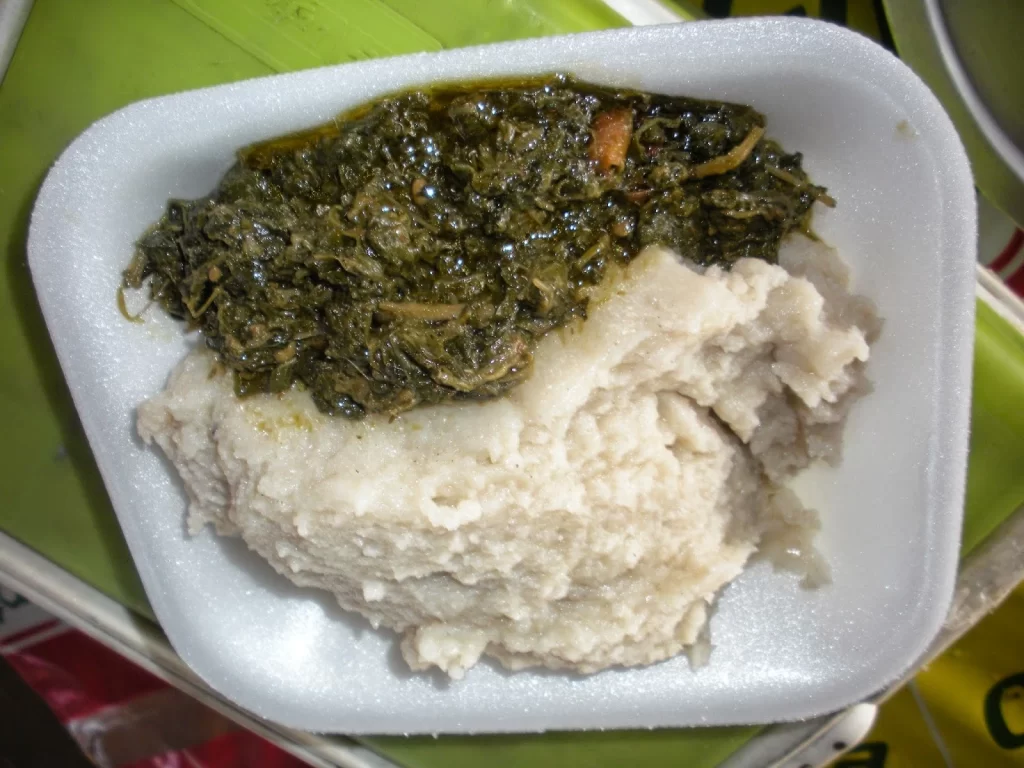
Pap & Morogo

Pap, made from maize or mielie meal, is earthy and filling. When paired with morogo, or local greens, it becomes a dish rich in culture.

Pap and morogo on a white plate, one of plant-based recipes South Africa.

To make it plant-based:

  • Cook the pap as usual (without dairy).
  • Sauté morogo or spinach with garlic, onions, a bit of oil, and chilli.

Serve together with bean gravy or tomato chilli sauce.

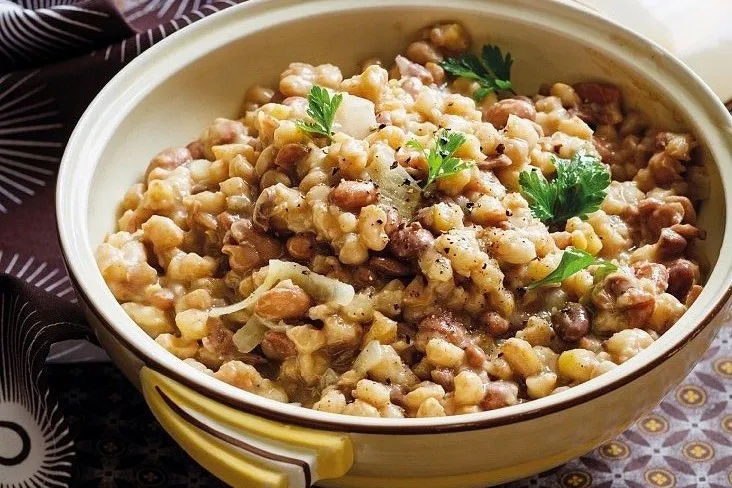
Samp & Beans (Umngqusho)

A well-known South African dish made from samp (crushed maize) and sugar beans.

Umngqusho on a bowl, plant-based recipe South Africa.

Use the pressure-cooker shortcut to make it quicker, add herbs, tomatoes and spices. It’s a hearty, one-pot dish that’s perfect as a main course or a side dish.

These classic South African plant-based recipes burst with bold flavours, reflect cultural roots, and offer nutritious goodness.

Quick weekday vegan recipes South Africa (20-30 min)

When you’re short on time, you can make a few plant-based recipes from South African favourites in 20–30 minutes:

  • Lentil bolognese served over whole-grain pasta or maize-meal-based “noodles”.
  • Sugar-bean curry: beans in a tomato-coconut sauce with curry powder. Serve it with pap or rice.
  • Chakalaka wraps: load chakalaka, beans and salad into whole-grain wraps for quick lunches.
  • Harissa-lentil & brinjal bowls: roasted brinjal, lentils, harissa spice, fresh greens.
  • Tofu or tempeh stir-fry with local veggies like butternut squash, carrots, and green beans. It’s topped with a tasty soy-ginger sauce. Use local ingredients, with legumes as the base, and add a minimal amount of meat substitute if desired. Plant-based recipes in South Africa can be quick and easy.

Budget & seasonal tips for plant-based recipes in South Africa

One significant advantage of plant-based recipes in South Africa is their cost-effectiveness when planned well. Here are some innovative strategies:

  • Buy dry legumes (beans, lentils) in bulk – much cheaper per serve than tinned options.
  • Use seasonal vegetables from local markets: seasonal vegetables are often less expensive and fresher. As I’ve explained in my article, “Seasonal Whole Food Shopping Guide for South Africa.“
  • Use maize meal, pap, sorghum, or millet as your primary sources of starch. These are staples in South African diets and are budget-friendly.
  • Plan meals around supermarket specials and bulk prep a couple of legume dishes to freeze.
  • Use simple flavourings like onion, garlic, chillies, and curry powder. Avoid exotic imports. With food prices rising in South Africa, it’s essential to stretch your plant-based cooking budget.

Plant-based braai South Africa: grills, sides & sauces

The braai is a South African icon. You can also enjoy it with plant-based recipes that stand out.

  • Grilled mushroom “boerewors” or vegan sausage alternatives on the braai grid.
  • Spiced cauliflower “steaks” brushed with peri-peri or curry marinade.
  • Sides: pap and chakalaka, grilled corn (mielie) with herb oil, and potato salad made without eggs (use vegan mayo or avocado-yoghurt).
  • Sauces: tomato-atchar, chilli relish, peanut-butter inspired sauce for bean burgers.
  • Vegan vetkoek: fried dough split open and filled with bean chilli or sautéed mushrooms and spinach.
  • These plant-based recipes from South Africa show that you can still enjoy a braai. You need to adjust the menu slightly.

Meal-prep & smart swaps for plant-based recipes South Africa

To make plant-based recipes sustainable in your week:

  • Batch-cook legumes (e.g., sugar beans, lentils) and freeze in portions.
  • Swap dairy: use coconut/almond/soy milks in custards, sauces, scrambles.
  • And Swap eggs: For malva pudding or vetkoek, use flaxseed or chia with plant milk. Another option is to use a commercial vegan egg substitute.
  • Use soy mince or textured vegetable protein for classic textures, such as in bobotie or “mince” curries.
  • Use maize-meal pap and sorghum instead of relying solely on imported grains. With these smart swaps and meal-prep tips, plant-based recipes in South Africa become a fun and lifestyle-changing choice, not a chore.

Where to shop for vegan ingredients in South Africa

Here are practical tips on where to find ingredients for plant-based recipes in South Africa:

  • Major supermarket chains: look in their “plant-based” or “free from” aisles for tofu, tempeh, plant mince, and plant milks.
  • Bulk stores or wholesale clubs offer dry legumes, maize meal, and sorghum at better price points.
  • Local farmers’ markets offer seasonal vegetables, local greens (morogo), and fresh produce for sides and salads.
  • Health-food and vegan stores offer:
    • Vegan cheese
    • Speciality flours
    • Ready-made plant-based sausages for the braai
  • Online shops: If you live in a remote area or prefer delivery, many retailers now offer a wide range of legumes, plant-based milks, and vegan substitutes.
  • Get to know local ingredients. You can incorporate plant-based recipes into your daily life in South Africa. They’re not just for special occasions.

Frequently Asked Questions (FAQs)

What are traditional South African dishes that are naturally plant-based?

Dishes such as pap, morogo, chakalaka, and samp & beans (umngqusho) are central to South Africa’s food culture. They can easily be made entirely plant-based.

Is a plant-based diet affordable in South Africa?

Yes, meals based on legumes, maize meal, seasonal veggies, and simple spices are cost-effective in South Africa. Plant-based recipes can save you money. Bulk dry beans and seasonal buys stretch the budget.

How do I get enough protein from local recipes?

Plant-based foods like lentils, sugar beans, soy mince, tempeh, and nuts or seeds offer a great source of protein. South Africa’s dietary guidelines emphasise pulses and legumes as key sources of plant protein. sajs.co.za+1

What can vegans eat at a braai?

At a braai, you can grill mushrooms or vegetable skewers. You can also make bean burgers or vegan sausages. Serve sides like pap and chakalaka, then add vegan-friendly sauces and relishes. These are all part of plant-based recipes in South Africa.

Are plant-based recipes healthy for the heart/blood pressure?

Well-planned plant-based diets lower the risks of heart disease, type 2 diabetes, and obesity.

According to South African standards, consuming balanced plant-based or vegetarian meals can help reduce cholesterol and improve overall health.

According to South African standards, consuming balanced plant-based or vegetarian meals can help reduce cholesterol levels and improve overall health. sajs.co.za+1

Where do I find gluten-free vegan ideas in South Africa?

Many plant-based recipes in South Africa are gluten-free. For example, try pap with morogo, lentil curries, and bean stews.

For baked goods or breaded “meats,” check health-food stores for gluten-free flours like sorghum, millet, or maize.

Conclusion: Your plant-based recipes South Africa game plan

Here’s a quick three-step action plan to get planting:

  1. Stock your pantry with these staples: legumes, maize meal, spices, and plant milks.
  2. Choose two classic plant-based recipes from South Africa this week. For example, try vegan bobotie and a bean curry wrap. Make a plan to cook them!
  3. Plan a tasty plant-based dish for the weekend: grilled cauliflower steaks with chakalaka and pap. This combination proves that South African plant-based recipes are rich in flavour and tradition. Enjoy! Follow this plan to shift your mindset. Instead of saying, “I’ll try one plant-based recipe,” say, “I cook plant-based recipes South Africa-style all the time.” Let’s get cooking!

External Links (for further reading)

Easy Pantry Swaps: A Simple Guide to Eating Plant-Based Daily

Easy Pantry Swaps: A Simple Guide to Eating Plant-Based Daily

If you’ve ever opened your cupboard and thought, “I want to eat more plant-based, but where do I even start?”—you’re not alone. Transitioning to plant-based eating can feel overwhelming at first, but here’s the good news: it doesn’t have to be. The secret is already …

The Complete Woolworths Vegan Product Guide 2026

The Complete Woolworths Vegan Product Guide 2026

Introduction: The Vegan Shift at Woolworths Here’s your complete Woolworths vegan product guide 2026. Welcome to your go-to guide for plant-based shopping at Woolworths, South Africa’s top store. Woolworths is at the forefront of a revolution in eating. The shift to vegan, plant-based, and flexitarian …

Seasonal Whole Food Shopping Guide for South Africa

Seasonal Whole Food Shopping Guide for South Africa

Here’s your ultimate seasonal whole food shopping guide for South Africa.

There’s something so satisfying about filling my basket with fresh, colourful, in-season produce.

I’ve found that shopping this way in South Africa saves money, supports local farmers, and keeps my meals exciting throughout the year.

This guide shares all I’ve learned, plus some mishaps and my best tips, in one easy-to-use spot.

If you’re keen to feel more confident (and creative!) with your food shopping, you’re in the right spot.

Why I Shop for Seasonal Whole Foods

Let’s start with the basics: why bother planning your shop around what’s in season?

For me, it boils down to three things—taste, nutrition, and value.

Have you ever bitten into a tomato at the height of summer, still warm from the sun? That juicy, full flavour is worlds away from the bland, mealy ones you sometimes get in winter.

Seasonal foods, harvested at their peak, tend to be fresher and have a higher nutrient content. That’s real food, loaded with the good stuff.

Plus, because there’s more of it available, prices are usually lower.

My grocery budget loves it when I choose seasonal veggies over imported ones!

Buying local, in-season produce helps the environment. I support nearby suppliers and reduce the distance my food travels. Win-win-win, if you ask me.

Understanding South Africa’s Seasons—and What’s In Each

What I love about shopping in South Africa is its diversity. Our climate offers something unique every month.

But keeping track of what’s in season can be tricky at first.

I have a fridge magnet with a chart of fruits and vegetables. You can find great printable versions online. I highly recommend it!

If you don’t have one yet, consider bookmarking an online version or even jotting down notes on your phone.

Let’s go season by season, so you’ll know what to reach for (and what to skip) next time you hit the market.

Summer: Colour, Crunch, and So Much Sweetness

Ah, summer! It brings thoughts of juicy stone fruits and crisp salads that you can hear from across the room.

Starting from December through February, the local produce is at its peak.

My Summer Shopping List

  • Fruits: Mangoes, watermelons, peaches, apricots, lychees, grapes
  • Vegetables: Butter lettuce, tomatoes, cucumbers, baby marrows, green beans

I love going to the Saturday markets early. Nothing beats the fresh produce straight from the farmer.

My trick? Chat up the stallholders—they will tell you exactly which batch they picked that morning.

If you’re like me and want good quality at a low price, check out Food Lover’s Market or your local community market. Just search for one nearby.

Local grocery stores, such as Checkers and Woolworths, are boosting their local fruit options this season.

Autumn: Hearty Meals and Cosy Comfort

When the leaves start to turn, my appetite constantly shifts toward warm, filling meals.

Autumn in South Africa runs from March to May. It offers a great variety of produce. I especially enjoy baking with apples and using butternut in many dishes.

My Autumn Shopping List

  • Fruits: Apples, pears, pomegranates, guavas, figs
  • Vegetables: Pumpkins, butternut, beetroot, broccoli

You can enjoy both summer and winter produce. Get the last peaches as the first apples come in.

I stock up and make apple crumble or a classic South African pumpkin fritter. Autumn is also when I try to buy in bulk for winter—many root veggies keep well if you store them in a cool, dry place.

Winter: Citrus and Crucifers Galore

Many believe winter is dull for fruits and veggies, but it’s actually when some of my favourite foods shine.

From June to August, I enjoy citrus season. It reminds me that even cold days can bring something fresh.

My Winter Shopping List

  • Fruits: Oranges, naartjies (tangerines), grapefruits, lemons, limes
  • Vegetables: Cabbage, leeks, sweet potatoes, spinach, cauliflower

I always keep a big stash of sweet potatoes and lemons on hand.

Roasting root veggies is my winter hobby. Citrus adds a bright touch to salads and desserts.

Farmers’ markets often offer the best deals this season. You can even find “ugly” fruit for half the price. This fruit is excellent for juicing or making marmalade.

Spring: Fresh Flavours for a New Beginning

Spring in South Africa, from September to November, always makes me feel renewed. It’s not just the flowers that bring this feeling.

The food brightens up, too!

My Spring Shopping List

  • Fruits: Avocados, guavas, strawberries, nectarines, loquats
  • Vegetables: Asparagus, artichokes, spinach, peas

Spring is the time I get most adventurous with salads and stir-fries.

And avocados?

I’ll never get tired of finding new ways to use them (avocado chocolate mousse, anyone?). Spring markets always bring excitement, like the first strawberries of the season.

Keep your eyes peeled—they go quickly.

Finding the Best Places to Shop

If I could give only one tip about shopping for seasonal whole foods, it would be this: go local whenever you can.

South Africa is full of great farmers’ markets.

Check out the Oranjezicht City Farm Market in Cape Town. You can also visit the Bryanston Organic Market in Johannesburg.

Supermarkets like Woolworths, Checkers, and Pick n Pay now offer great local produce. Just look for the “Proudly South African” label.

Don’t forget about food co-ops or farm delivery services. Some let you order custom boxes online, too.

I also keep an eye out for bulk deals and “wonky” veg—those odd-shaped items are just as tasty and often cheaper. Plus, it’s a great way to cut down food waste.

My Tips for Smart Seasonal Shopping in South Africa

Over the years, I’ve honed a routine that helps me get the best value without feeling overwhelmed:

  1. Plan your meals: Before shopping, I scribble down what I want to cook for the week. This helps limit you from buying too much of just one thing.
  2. Make (and stick to) a list: I check what’s on sale, look at my favourite produce charts, and make my list accordingly. If it’s not on the list, I think twice.
  3. Compare prices and quality: Don’t be shy to inspect produce and compare prices between markets and supermarkets. Sometimes the best bargains are at the end of the day, but earlier often means better selection.
  4. Buy store brands or local lines: I’ve found Woolworths’ “Locally Grown” or Pick n Pay’s “Fresh Living” is often just as good as top brands.
  5. Embrace leftovers and batch cooking. Roast double the vegetables or make a big pot of soup. This saves time, and you can freeze extra portions for later.

Cooking with Seasonal Whole Foods: My Go-To Recipes

Using your in-season haul for fresh meals is half the fun.

Here are a few of my easy favourites:

  • Summer: Fresh tomato and watermelon salad (with a squeeze of lime and a sprinkle of feta—trust me, it’s addictive).
  • Autumn: Roasted pumpkin with chickpeas and tahini.
  • Winter: Sweet potato and spinach soup—warm, filling, and super nutritious.
  • Spring: Asparagus and pea risotto or smashed avocado on toast with plenty of lemon.

I sometimes look at recipe sites for ideas. However, often just throwing some in-season veggies into a roasting pan makes a tasty dinner.

Storing and Preserving: Less Waste, More Taste

Let’s be honest, sometimes I come home feeling ambitious and buy way more than I need. Over time, though, I’ve discovered a few clever storage tricks:

  • Leafy greens: Put in the fridge’s crisper and wrap in a moist paper towel.
  • Root veg: Store in a cool, dark spot—don’t let them sweat in a plastic bag.
  • Herbs: Store stems down in a glass of water (like flowers).

And don’t forget about freezing! I chop and freeze extra fruit for smoothies, and blanch extra greens to use in soups later. Pickling is another way I preserve any overflow—hello, homemade beetroot relish.

Frequently Asked Questions (FAQs): Your Seasonal Whole Food Shopping Confusion—Answered!

What fruits and vegetables are in season in South Africa right now?

Check out the “Official Seasonal Produce Chart” (link below). In September, you’ll find lots of avocados, spinach, asparagus, and the first strawberries of the season.

How do I find farmers’ markets near me?

Search online for “farmer’s market + your city” or check the Local Farmer’s Markets Directory (links provided). Many small towns and cities now have their own weekend markets.

Is seasonal whole food shopping really cheaper?

From my experience, absolutely. When items are in abundance, grocers and farmers alike drop prices. I always notice my grocery bill goes down when I stick to in-season produce (and resist the imported strawberries in the middle of July!).

I worry about wasting food—any tips?

Definitely! Plan your meals, buy only what you’ll use, and learn to love your leftovers. Mix the leftover veggies into an omelette or soup. Also, keep a “use me first” box in your fridge for produce that’s almost expired.

Bringing it All Together

So there you have it—my ultimate guide to seasonal whole food shopping in South Africa.

The rewards are great: better meals, a healthier lifestyle, saving money, and the joy of supporting local farmers and the planet.

Trust me, once you get into the groove, shopping this way feels right.

If you’d like to explore more, check out these resources:

Happy shopping—and happy eating!

Every word here is based on my real experiences and the knowledge I’ve gained during my whole food journey.

If you’ve got questions, tips, or favourite markets, I’d love to hear about them.

Join the conversation!

Drop a comment and help keep seasonal shopping vibrant in South Africa.

Science-Backed Benefits of Traditional SA Foods

Science-Backed Benefits of Traditional SA Foods

This is your guide to science-backed benefits of traditional SA foods. Many people think of “superfoods” from far away. They see kale from the U.S., chia from Latin America, and matcha from Japan. In South Africa, our landscapes and cultures offer a rich variety of …

Anti-Inflammatory Plant-Based Recipes for Autoimmune Conditions

Anti-Inflammatory Plant-Based Recipes for Autoimmune Conditions

Introduction: Why Food Matters in Autoimmune Conditions Here’s your guide to anti-inflammatory plant-based recipes for autoimmune conditions. Autoimmune conditions—such as Hashimoto’s thyroiditis, rheumatoid arthritis, inflammatory bowel disease, and psoriasis—often share one core feature: chronic inflammation. While medication and medical care are essential, a plant-forward, anti-inflammatory …

Plant-Based Breakfast Ideas to Energise Your Mornings in South Africa

Plant-Based Breakfast Ideas to Energise Your Mornings in South Africa

Introduction: The Power of a Plant-Based Morning

Have you ever been stuck in the morning, not knowing what plant-based breakfast ideas to create?

If you’ve ever started your day with a sugary cereal or a quick coffee, only to crash mid-morning, you’re not alone.

Switching to plant-based breakfasts can transform your energy, focus, and health.

Whether you’re new to plant-based eating or a seasoned vegan, a good breakfast fills you up and boosts your energy until lunch.

In this guide, I’ll share simple and healthy breakfast ideas. You’ll find everything from classic smoothie bowls to warm savoury porridges.

These recipes utilise local South African ingredients, aligning with our lifestyles and seasons.

You’ll also find practical tips for prepping, protein-boosting, and keeping it budget-friendly.

Why a Plant-Based Breakfast Matters

Plant-based breakfasts are full of nutrients. They provide fibre, antioxidants, complex carbs, and plant protein.

They help:

  • Stabilise blood sugar and prevent energy dips.
  • Support digestion through high fibre content.
  • Enhance heart health by reducing your intake of saturated fat.
  • Boost mental focus and morning productivity.

Evidence cited in the Journal of Clinical Nutrition in South Africa, diets rich in legumes, whole grains, fruits, and seeds can aid weight control. They also reduce the chance of developing chronic illnesses.   (Source: SAJCN, 2024)

Simple Plant-Based Breakfast Formulas to Start With

1. Overnight Oats (Customisable & Quick)

Overnight oats are a South African breakfast hero for busy mornings. Mix rolled oats with plant milk (soy, oat, or almond), chia seeds, and a touch of sweetness.

Basic Formula:

  • ½ cup rolled oats
  • 1 cup unsweetened plant milk
  • 1 tablespoon chia seeds
  • 1 teaspoon maple syrup or date paste
  • Fresh fruit toppings: banana, berries, or apple slices

Local Tip: Use baobab powder or moringa for a superfood boost.

2. Smoothie Bowls for Energy and Recovery

Perfect for warm days, smoothie bowls blend fruits, greens, and plant proteins for a nutrient-dense start.

Try this local favourite: Granadilla-Mango Smoothie Bowl

  • 1 frozen banana
  • ½ cup mango chunks
  • 1 granadilla (passion fruit)
  • 1 scoop vegan protein powder
  • ¼ cup oats or flaxseed

Top with toasted coconut, pumpkin seeds, and seasonal berries.

Pro Tip: Freeze bananas and papayas to make your smoothies thick and creamy without ice.

3. Savoury Breakfast Bowls

Not a fan of sweet breakfasts? Go savoury with a tofu or chickpea scramble, brown rice, sautéed greens, and avocado.

Protein Scramble Bowl:

  • Crumbled firm tofu or mashed chickpeas
  • Turmeric, garlic, and black salt (for an eggy flavour)
  • Spinach, tomatoes, mushrooms
  • Serve with toast or brown rice

South African twist: Add grilled mielies (corn) and chakalaka for heat and flavour.

Warm Comforts — Hearty Plant-Based Breakfasts

4. Mielie Meal Porridge (Veganized)

A nostalgic breakfast staple—made creamy with plant milk and naturally sweetened.

How to make it:

  1. Cook ½ cup maize meal with 1½ cups oat or soy milk.
  2. Stir continuously until smooth.
  3. Add cinnamon, mashed banana, or peanut butter for flavour.

Topping ideas: roasted nuts, dates, or chopped apples.

5. Plant-Based Pancakes

Fluffy, filling pancakes made with oats, flaxseed, and mashed bananas are a wholesome treat.

Banana-Oat Pancake Recipe:

  • 1 cup rolled oats (blended into flour)
  • 1 ripe banana
  • 1 cup almond milk
  • 1 tsp baking powder
  • 1 tbsp flaxseed meal

Cook in a nonstick pan and pour with date syrup, nut butter, or fresh fruit on top.

6. Chickpea Omelette

This gluten-free, high-protein breakfast is made with chickpea flour and spices.

Base Batter:

  • ½ cup chickpea flour
  • ½ cup water
  • Turmeric, cumin, and salt
  • Chopped onions, tomatoes, and spinach

Pour into a heated pan and cook like a pancake. It’s rich in fibre, protein, and iron—great for energy.

Grab-and-Go Plant-Based Breakfasts

7. Homemade Granola Bars

Bake or press a mix of oats, nut butter, seeds, and dates into bars.

Basic Mix:

  • 2 cups oats
  • ½ cup peanut butter
  • ¼ cup maple syrup
  • ¼ cup mixed seeds (sunflower, chia, flax)
  • ½ cup chopped dried fruit

Refrigerate overnight and slice—perfect for pre-workout snacks.

8. Vegan Muffins

Bake muffins using whole-wheat flour, ripe bananas, and plant-based milk.

Flavour ideas:

  • Carrot-ginger muffins
  • Blueberry-lemon muffins
  • Apple-cinnamon muffins

Use ground flaxseed as an egg replacer and coconut sugar for natural sweetness.

9. Fruit & Nut Snack Jars

Layer fresh fruit, yoghurt alternatives (like soy or coconut), and granola in jars. Prep ahead for the week—ideal for commuters or students.

Boosting Nutrition in Every Breakfast

To keep your plant-based breakfasts balanced, focus on the three key nutrient pillars:

1. Protein Power

Add:

  • Tofu, tempeh, or chickpeas
  • Chia, hemp, and flax seeds
  • Soy or pea protein powders

2. Healthy Fats

Include:

  • Avocado, nut butters, tahini
  • Ground flax or walnuts for omega-3s

3. Complex Carbs

Choose:

  • Oats, quinoa, brown rice, whole-grain bread
  • Sweet potatoes and fruit for sustained energy

4. Micronutrient Boosters

Enhance your meals with:

  • Moringa or baobab powder for vitamin C and calcium
  • Cacao nibs for magnesium and antioxidants
  • Turmeric + black pepper for anti-inflammatory benefits

How to Plan Your Plant-Based Breakfast Week

Meal planning saves money and time while ensuring a variety of options. Here’s a sample rotation using South African favourites:

(table)

Tip: Prep dry ingredients (oats, seeds, flours) in jars ahead of time to streamline your mornings.

Keeping It Local and Affordable

Eating plant-based food in South Africa doesn’t have to be expensive.

Here are innovative ways to make your breakfast sustainable and budget-friendly:

  • Buy in bulk: oats, beans, seeds, and nut butters.
  • Choose seasonal fruit: papaya, bananas, apples, and oranges.
  • Use local superfoods: moringa, rooibos, and amaranth (morogo).
  • Make your own plant milk: soak and blend oats or sunflower seeds.

For seasonal produce, refer to the South African Seasonal Fruit and Vegetable Guide.

Make It Mindful — Eat, Don’t Rush

The best breakfasts nourish more than your body—they also centre your mind. Try these mindful habits:

  • Sit down to eat, even if just for five minutes.
  • Express gratitude before meals.
  • Savour textures and flavours.
  • Avoid screens during breakfast.

Mindful eating boosts digestion. It also helps you feel fuller and more present during your day.

External Resources and Further Reading

Conclusion: Start Every Morning with Intention and Nourishment

A plant-based breakfast isn’t just about food—it’s about how you start your day.

Nourishing your body with fibre, colour, and natural energy helps everything flow better. Your mood, focus, and workouts all improve.

So tomorrow morning, skip the processed options.

Reach for a bowl of oats, a smoothie, or a chickpea omelette instead. You’ll feel lighter, stronger, and ready to take on your day—the plant-powered way.

Call to Action

Ready to transform your mornings?

Get your free “7-Day Plant-Based Breakfast Planner” at EatingPlantBasedZA.com. Start improving your mornings now!

Plant-Based Lifestyle Tips: Your 2026 Guide to Healthier Living

Plant-Based Lifestyle Tips: Your 2026 Guide to Healthier Living

Introduction Ready to transform your life and fuel your body with the power of plants? By 2026, plant-based living will have surged in popularity. Millions worldwide are choosing this path. They do it for health, environmental, and ethical reasons. Did you know the plant-based product …