Here’s a guide that explores that 9 of 10 South Africans are entirely wrong about WFPB. And… Do you ever feel like everyone around you has misconceptions about healthy eating? South Africa, renowned for its braais and delectable curries, is a perfect setting for exploring …
This guide explores the best examples of eating plant-based food in South Africa. Ever feel guilty when you reach for a plant-based option? You worry it won’t match South Africa’s legendary braais or heartwarming stews. You’re not alone. Many people go plant-based. And they wonder …
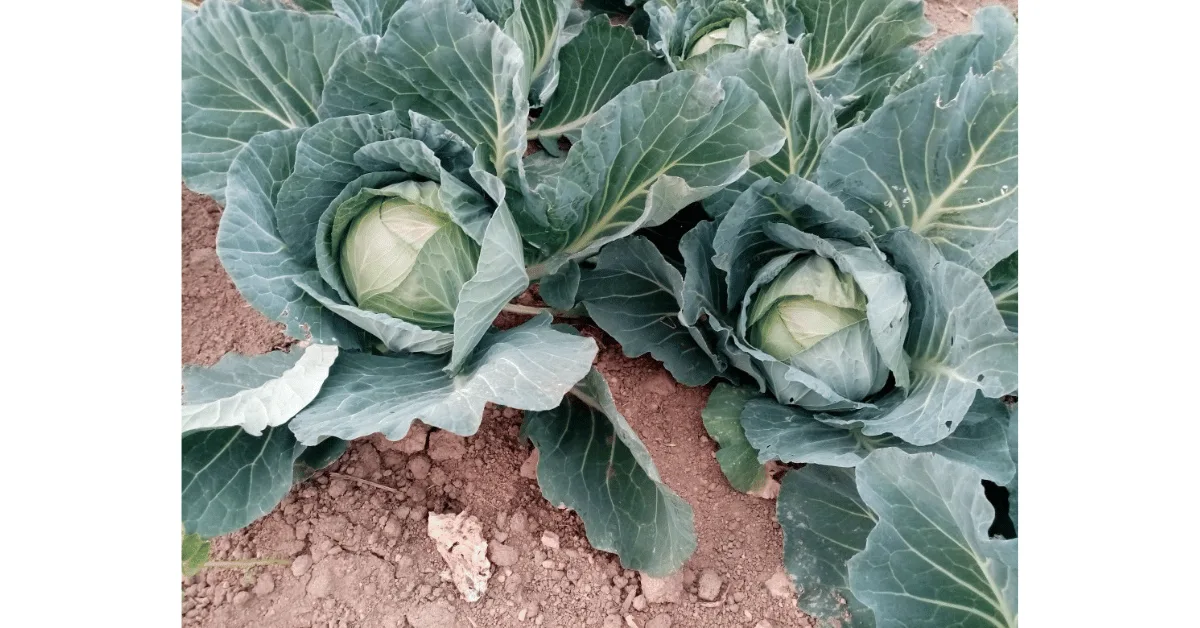
Join us as we shred the misconceptions. We will explore the tasty and healthy world of cabbage!
Beyond Coleslaw: Unveiling the Unexpected Benefits of Cabbage
Cabbage.
The name might conjure up images of bland coleslaw or boring boiled dinners.
But what if this humble veggie held the key to a healthier, more flavourful future for your meals?
Surprise!
Discover the nutritional powerhouse that cabbage is.
Cabbage packs a punch with vitamins and minerals. It boasts a range of health benefits. It deserves a starring role on your plate.
Get ready for a surprise.
Your cabbage’s nutritional facts.
Cabbage Nutrition Facts: A Low-Calorie Powerhouse
Cabbage might not be the flashiest vegetable, but remember its nutritional content!
Have you noticed some people sneer at you when buying cabbage in the fruit markets?
Don’t worry
Here’s why this leafy green (or red or purple) deserves a spot on your plate:
Low in Calories and Fat
One cup of chopped cabbage provides 22 calories.
It is a must-have choice for weight management or healthy eating.
It’s virtually fat-free, keeping your meals light and guilt-free.
Packed with Fibre
Cabbage has over 2 grams of fibre per cup. It is a good source of fibre, essential for digestive health. Fibre promotes regularity and keeps you full for longer.
It’s particularly rich in Vitamin C, an essential immune function and health nutrient. It also has Vitamin K.
It is essential for clotting and bone health. It has Potassium, too.
It helps regulate blood pressure.
Additional Nutrients
The benefits listed above are some of the highlights. Cabbage also offers other vitamins and minerals in smaller amounts. They contribute to your well-being.
But wait
What are the different types of this superfood?
A World of Cabbage: Exploring Different Varieties
Cabbage is part of the cruciferous vegetable family. It has more than just its familiar green head.
Across the globe, wide cabbage varieties offer exciting flavours, textures, and culinary uses. Let’s delve into some of the most popular types:
Green Cabbage
Green cabbage is the primary type. Its tight, round heads and crisp leaves are well-known.
Its intense, slightly peppery flavour mellows when cooking. Perfect for coleslaw, sauerkraut, and braising.
Red Cabbage
Red cabbage is like green cabbage in texture and structure. But, it has a vibrant purple hue due to its anthocyanin.
It is a bit sweeter and milder than green cabbage. It is excellent in salads or roasted for a colourful side dish.
Savoy Cabbage
It is easy to identify by its crinkled, loose leaves. Savoy cabbage has a milder flavour and a softer texture than green cabbage.
It is excellent for salads, slaws, or braising, where its leaves can wilt beautifully.
Napa Cabbage (Chinese Cabbage)
Napa cabbage is a staple in Asian dishes. It is elongated, cylindrical, and has pale green leaves.
It has a tender, crisp texture and a slightly sweet flavour. Perfect for stir-fries and kimchi and added to soups or stews.
Bok Choy (Baby Pak Choi)
Bok Choy is a smaller relative of Napa cabbage. Its dark green leafy tops are crisp white stalks.
It has a more robust flavour than Napa cabbage and cooks quickly, making it ideal for stir-fries or soups.
These are just a few of the many cabbage varieties you can explore.
Here are some more exciting options:
Brussels Sprouts
These miniature green “cabbages” grow on a long stalk and offer a complex, nutty flavour. Enjoy them roasted, steamed, or shredded in salads.
Kohlrabi
This unusual vegetable has a bulbous, turnip-like form with edible green leaves.
You can enjoy raw, roasted, or mashed bulbs and leaves because they have a mild, cabbage-like flavour.
Tuscan Cabbage (Cavalo Nero)
This heirloom variety has dark green, kale-like leaves with a strong, slightly bitter flavour. It holds its shape well during cooking and is delicious in soups, stews, and pasta dishes.
Cabbage varieties have different flavours and textures.
They have diverse uses in cooking. They offer home cooks a world of options.
Next time you’re at the market, be adventurous. Explore the exciting world beyond the familiar green cabbage head!
What are the health benefits of cabbage
The Health Benefits of Cabbage and Related Research
Cabbage goes beyond being a delicious and versatile ingredient.
Research suggests it has many health benefits.
Let’s delve into some of the key benefits and the research that supports them:
Improved Digestion
Cabbage is a good source of fibre, and it plays a critical role in promoting gut health and regularity.
Studies have shown that enough fibre prevents constipation and facilitates a healthy digestive system.
Cabbage and Heart Health
Cabbage has plant compounds like glucosinolates. They become sulforaphane in the body.
Studies have proven that sulforaphane fights inflammation. It may help lower cholesterol.
This low cholesterol could reduce the risk of heart disease.
Is Cabbage Good for Cancer
Cabbage and other cruciferous vegetables boast of glucosinolates. Some research suggests these compounds may fight cancer.
Studies show a link between eating more cruciferous vegetables and maintaining a low risk of some cancers.
These include stomach and colorectal cancer.
However, researchers must conduct more studies to understand these potential benefits fully.
Immune System Support
Cabbage is a vital source of Vitamin C. Vitamin C is a well-known antioxidant that the immune system needs.
Vitamin C gives the body the power to fight infection and facilitates the production of white blood cells.
Cabbage for Weight Loss
Low in Calories and Fat
A cup of chopped cabbage has only 22 calories, making it perfect for weight management. Its fat-free profile keeps meals light and guilt-free.
Cabbage is a Powerhouse
Cabbage boasts over 2 grams of fibre per cup.
Fibre keeps you full for longer. It promotes satiety and may cut calorie intake.
This control of satiety can help manage weight loss by curbing cravings and overeating.
Research on Fibre and Weight Loss
Studies suggest a correlation between increased dietary fibre intake and successful weight management.
A review in the journal Nutrients found that people who ate more fibre weighed less and were at a lower risk of obesity.
Disclaimer: It’s important to note that cabbage alone won’t guarantee weight loss.
However, incorporating it into a balanced, calorie-controlled diet can be a helpful strategy.
By eating cabbage, you can enjoy its delicious flavour. You might also get weight loss and diabetes benefits.
Remember, a healthy lifestyle still requires balanced meals and regular exercise.
Research is Ongoing
The research on cabbage’s health benefits is promising. But, most studies are observational. They cannot definitively prove cause and effect.
We need to do more research.
We also need to understand the mechanisms behind these potential benefits.
Additional Considerations
Some studies suggest that fermenting cabbage, as in sauerkraut and kimchi, may boost its health benefits.
This fermentation happens by increasing probiotics. These can further improve gut health [5].
Adding cabbage to your diet lets you enjoy its great flavour. It may also have many health benefits.
Can you benefit from a delicious cabbage meal?
Unleash the Cabbage: Delicious Ways to Add it to Your Diet.
Cabbage might seem like a humble ingredient, but its versatility knows no bounds!
You can add cabbage to almost any meal. You can eat it raw or cooked, fermented or fresh.
Here are some ideas to inspire your cooking creativity.
Salads
Shredded cabbage adds a delightful crunch to salads.
Try using a colourful mix of green and red cabbage for a vibrant touch.
Pair it with vegetables, fruits, nuts, and a light vinaigrette for a refreshing, healthy side dish.
Stir-Fries
Thinly sliced cabbage cooks quickly and adds a satisfying texture to stir-fries.
Add your favourite protein, vegetables, and sauce. This combination will make a quick and tasty weeknight meal.
Soups and Stews
Don’t underestimate the power of cabbage in soups and stews!
It adds a touch of sweetness and heartiness to these comforting dishes.
Napa cabbage works particularly well as it holds its shape well during cooking.
Sauerkraut and Kimchi
Options like sauerkraut and kimchi are full of probiotics. They are tasty and good for your gut.
Enjoy them as a condiment on hot dogs and burgers. Or, add them to stir-fries or rice dishes for a tangy flavour burst.
Cabbage Wraps
Ditch the tortillas and use large cabbage leaves instead!
Fill them with your best ground meat, veggies, and sauce. It’s a healthy and creative low-carb wrap option.
Coleslaw
This classic cabbage salad comes in endless variations.
Try different dressings. Add apples or carrots for sweetness. Also, add nuts and seeds for crunch.
Roasted Cabbage
Looking for a simple yet flavorful side dish?
Roasting gives the natural sweetness of cabbage.
Cut the squash into wedges. Toss them with olive oil and spices. Roast them until tender and slightly caramelized.
Stuffed Cabbage
This hearty dish has cabbage leaves stuffed with a tasty mix of rice, meat, and vegetables. It’s a delicious and comforting meal, perfect for a cold winter night.
Cabbage Pancakes
Finely shredded cabbage forms the base for these light and crispy pancakes.
Add your favourite spices and herbs, then pan-fry until golden brown.
These are just a few ideas to get you started.
Cabbage is a true kitchen workhorse with its affordability, versatility, and nutritional benefits.
A word of advice
Take notice of this healthy and tasty vegetable next time at the grocery store!
Conclusion
Be aware of cabbage as a nutritional powerhouse.
You’ve seen the benefits of cabbage.
Now it’s your turn.
Don’t let cabbage intimidate you!
Cabbage comes in many colours, textures, and flavours. There’s a type for every dish.
So be creative in your cooking. Start adding this great vegetable to your meals.
Browse the recipe ideas above. Explore various cabbages at your local market.
That’s why we’ve compiled a list of the top food blogger Instagram accounts that will make your mouth water and inspire you to try new recipes. From food influencers to professional chefs, these accounts showcase stunning food photography. They also provide a peek into the …
This dish of pap with tomato and onion stew combines the benefits of several healthy ingredients: Pap (Maize Meal) It is a good source of carbohydrates for sustained energy. Some brands incorporate vitamins and minerals, such as iron and vitamin A, to enhance the product’s …
It isn’t just a culinary gem. Unlock this nutritional powerhouse!
But wait
This humble stew simmers colourful beans like a symphony. It offers various health benefits that promote optimal well-being.
Sousboontjies can bolster your gut health and immune system, provide vital nutrients, and be a delicious path to a healthier you.
So, stop the fad diets and processed foods.
Dive into the world of Sousboontjies.
They are a taste of South Africa that nourishes your body and soul!
Sousboontjies: A Nutritional Powerhouse
Sousboontjies means “little beans” in Afrikaans. It truly lives up to its name.
This dish has a hearty mix of small beans. Each one is bursting with health benefits.
Commonly used beans include kidney beans, lentils, chickpeas, and a mix of all three!
But what makes these tiny titans of the legume world so beneficial?
Let’s break it down:
Plant-Based Protein Powerhouse
Sousboontjies is a vegetarian’s dream. It offers a complete protein source from the various bean combinations.
This plant protein is essential for building and keeping muscle. It also keeps you energized throughout the day.
Fibre Fiesta for Your Gut
Beans have a high fibre content, and Sousboontjies is no exception.
This dietary fibre is crucial for promoting gut health and aiding digestion.
A happy gut translates to a more robust immune system and better well-being.
A Nutrient Arsenal
Sousboontjies is a treasure trove of essential nutrients.
Beans contain iron, a mineral essential for transporting oxygen throughout your body.
They’re also a good source of folate, which facilitates in cell growth and development.
But that’s not all!
Sousboontjies has many other vitamins and minerals. It makes it a well-rounded nutritional powerhouse.
Unlocking Optimal Health with Sousbontjies
Sousbontjies isn’t just a delicious stew; it’s a dietary key that can unlock the door to optimal health.
Here’s how this humble dish can contribute to your well-being:
Complete Meal Magic
Forget the need for separate side dishes.
Sousbontjies packs a double punch. It has complex carbs from the beans and protein.
This whole meal keeps you full for longer. It reduces cravings and helps in weight management.
Energy Explosion
Say goodbye to afternoon slumps!
The protein and complex carbs in Sousboontjies give a slow release of energy.
This process boosts focus, endurance, and energy.
Immune System Shield
Beans are full of minerals like zinc and iron. They are vital for strengthening your immune system.
The reason?
A strong immune system is better equipped to fight off illness and keep you healthy.
One can enjoy Sousboontjies in various ways since it is a versatile dish.
Enjoy it as a hearty stew on a chilly day.
You can blend it into a healthy soup or a protein-rich salad for a lighter option.
The beauty is in adding this nutrient-rich dish to your diet often. It gives your body long-term health benefits.
It improves digestion and gut health. It also builds a more robust immune system and sustained energy. Sousbontjies is a tasty path to a healthier you!
A Taste of Tradition: The Cultural Significance of Sousboontjies
Sousboontjies transcends its role as a delicious and nutritious dish.
It holds a special place in South African cuisine. Its rich cultural heritage reflects its diverse history.
Here’s a glimpse into the cultural significance of Sousboontjies:
Dutch Roots
Dutch settlers came to South Africa in the 17th century. They trace the origins of Sousboontjies back to that time.
They brought their version of sweet and sour beans. It’s traditionally made with prune juice or syrup.
Evolution on South African Soil
Over time, the recipe adapted to local ingredients. Black-eyed beans, readily available in the region, became the dish’s star.
Vinegar replaced the sweetness. This method made the Sousboontjies tangy and savoury.
A Unifying Dish
Sousboontjies transcends cultural barriers.
It’s a staple dish enjoyed by South Africans of all backgrounds. It brings people together around the dinner table.
It’s a family braai or a potluck. Sousboontjies are a symbol of community and shared heritage.
Variations Speak Volumes
The beauty of Sousboontjies lies in its versatility.
Different regions and families spin the recipe in their way. They add their spices or vegetables.
The variations reflect South Africa’s rich culture. There, traditions change, and flavours mix to make something special.
So, the next time you enjoy a bowl of Sousboontjies, remember that you’re not just eating a tasty meal. You’re taking a bite out of South African history and culture.
It shows the country can embrace diversity. It can create new, beautiful things from its rich past.
A Delicious South African Sousboontjies Recipe
Now, you’re excited to unlock the health benefits of Sousboontjies. Let’s get cooking!
This recipe offers a basic framework, but feel free to experiment and add your personal touch.
Ingredients:
2 cups dried mixed beans (kidney beans, lentils, chickpeas, or a combination)
8 cups water
One tablespoon of vegetable oil
One onion, chopped
Two cloves garlic, minced
One teaspoon of dried thyme
1/2 teaspoon salt
1/4 teaspoon black pepper
1 cup brown sugar
1/2 cup apple cider vinegar
Chopped fresh parsley (optional, for garnish)
Instructions:
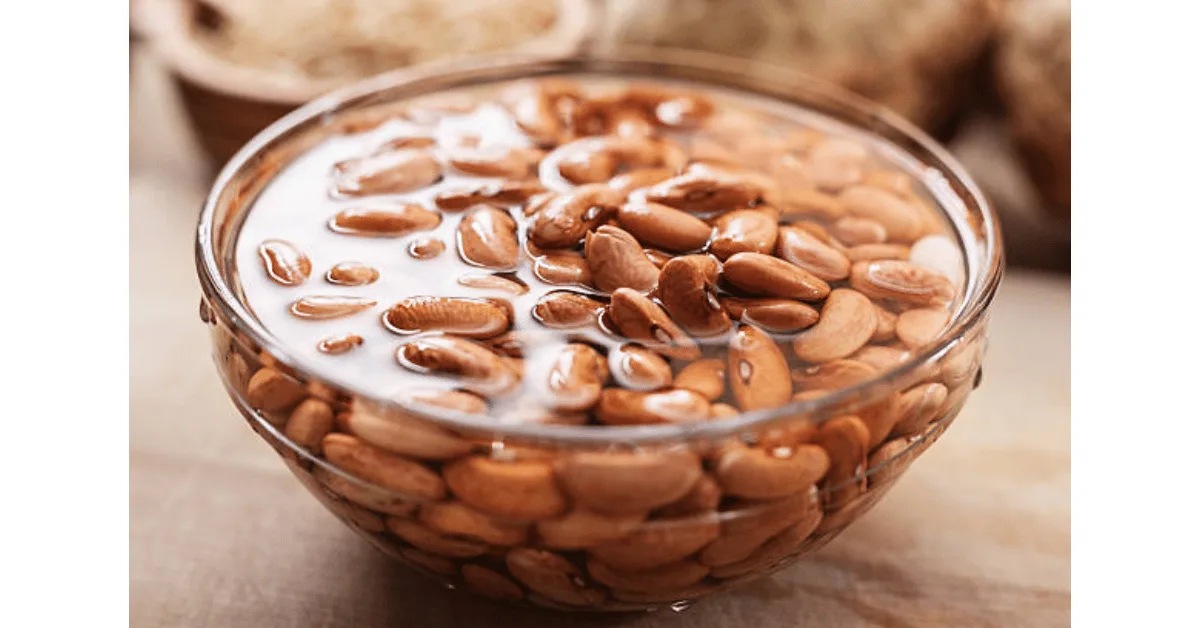
Soak the Beans: Rinse the dried beans well and soak them in water overnight. An alternative method is the quick soak. Boil the beans for one minute, then take them away from the heat and let them sit for one hour. Finally, drain and rinse the beans again.
Sauté the Aromatics: Heat vegetable oil in a pot or oven over medium heat. Add chopped onion and cook for about five minutes until softened. Add minced garlic. Cook for approximately a minute until it becomes fragrant.
Build the Flavour: Put the soaked beans, water, dried thyme, salt, and pepper in the pot. Please bring it to a boil. Then, lower the heat, cover the pot, and let it simmer for one to two hours or until the beans are soft.
Sweet and Sour Twist: Stir in the brown sugar and apple cider vinegar once the beans are soft. Increase the heat to medium and simmer for 10-15 minutes, allowing the sauce to thicken. Add more salt, pepper, or vinegar to enhance the flavour to suit your preference.
Serve and Enjoy: If desired, take the pot from the heat and sprinkle with chopped fresh parsley. Serve Sousbontjies hot with crusty bread or rice.
Tips:
You can try different types of beans. Additionally, you can include vegetables such as carrots, potatoes, or corn to enhance the dish’s flavour and texture.
Enhance the flavour by adding a tablespoon of butter or coconut oil while sautéing.
Store leftovers in the fridge for three days.
Conclusion
Sousbontjies is more than a South African dish. It’s a journey to health and a tasty look at heritage.
Sousbontjies has a potent mix of nutrients and historical significance. It offers a unique and tasty path to a healthier you.
Instead of following trendy diets, stick to traditional eating habits!
We invite you to try this recipe. You can experiment with your variations and discover the magic of Sousbontjies.
Share your Sousbontjies experience in the comments below. We’d love to hear about your take on this South African gem!
And remember, a taste of Sousbontjies is a taste of South Africa’s vibrant culture and culinary spirit.
Can you survive this day in cyberspace without apps? You could. But many netizens will have a hard time. Especially those who are food blogging. That’s why we’re bringing you the best apps for plant-based blogging every food blogger should consider. This post will explore …
South Africa has a lively food scene. It has fresh local produce and many cultural influences. But what if you want to embrace a plant-based lifestyle? You still want to enjoy the flavours of Mzansi. Fear not! This post is your guide to making healthy, …
Sprinkle it on popcorn or pasta, or add a nutty, umami boost to your morning scramble.
Just a tablespoon can fulfil a significant portion of your daily B12 requirement.
Seaweed Snacks: A B12 Blast From The Ocean
Nori, the seaweed used in sushi, is a surprising source of B12. Just a few sheets can meet your daily needs!
Other seaweeds like wakame and dulse can also contribute to your B12 intake.
Enjoy them in soups, salads, or straight out of the bag for a salty, satisfying snack.
Warning
Watch that salt!
What about the mushroom syndicate?
The Mushroom Mystery: Shiitakes With a B12 Bonus
Pexels/Bluebird Provision
Here’s a fun fact: Shiitake mushrooms can contain some B12.
While the exact amount can vary, they add a delightful umami flavour to meals and meals. They can contribute to your overall B12 intake.
But how much B12 is in mushrooms?
While these plant-based foods offer some B12, it may only sometimes be enough to meet one’s daily needs consistently.
Research also gives us vitamin B12-containing plant-based sources for Vegetarians.
Consulting a registered dietitian and considering a B12 supplement can ensure optimal B12 levels for a healthy and energized you!
Take this tip
Certain factors can affect B12 absorption. To improve absorption, limit coffee and alcohol intake and space out calcium supplements from your B12 sources.
So, ditch the myth that B12 is exclusive to animal products. With some planning and these plant-based options, you can thrive on a plant-based diet without missing a beat!
Beyond Food: Important Considerations for Plant-Based B12
Not all B12 is Created Equal:
While these plant-based sources offer a fantastic boost, it’s essential to define the two main types of B12:
Cyanocobalamin
This B12 is the most common form in fortified foods and supplements. While effective, absorption rates can be lower.
Methylcobalamin & Adenosylcobalamin
These are the natural forms in animal products and some fermented plant-based foods. They generally have higher absorption rates.
Maximizing B12 Absorption
Here are some tips to get the most out of your plant-based B12 sources:
Limit Coffee and Alcohol
They can interfere with B12 absorption. Enjoy them in moderation, and space them out from B12-rich meals.
Space Out Calcium
Calcium from supplements or fortified foods can also hinder B12 uptake. Aim for a two-hour window between calcium and B12 sources.
Consider a Digestive Enzyme Supplement
Some people may benefit from adding a digestive enzyme, like an intrinsic factor, which aids B12 absorption. However, consult your doctor before starting any new supplements.
Dietitians Are Your B12 Allies
While these plant-based foods rich in vitamin B12 are great additions to your diet, individual needs vary. A registered dietitian can help you:
Assess Your B12 Status
Blood tests can determine your B12 levels and if supplementation is necessary.
Create A personalized B12 Plan
When you consult dietitians they will assess what and how much your body needs of vitamin B12. Then, they can recommend the right amount and type of B12 supplement.
Address Any Underlying Issues
Certain health conditions can affect B12 absorption. A dietitian can help identify and address them.
Just heads up
Consulting a dietitian is an investment in your long-term health. They can ensure you get enough B12 to keep you energized and thriving on your plant-based journey!
So there you have it! With some planning and these delicious plant-based options, getting enough B12 on a vegan or vegetarian diet is a breeze.
Remember, while these foods are fantastic sources, individual needs can vary. Consulting a registered dietitian can ensure you have a personalized B12 plan that keeps you energized and thriving on your plant-powered journey.
Embrace the adventure of exploring new flavours, and rest assured, a healthy, B12-rich, plant-based life is absolutely within reach!
Conclusion
There you have it!
We’ve given you plant-based foods rich in Vitamin B12.
What steps are you going to take?
With some planning and these plant-based B12 powerhouses, you can conquer the B12 challenge on your plant-based eating path.
Are you going for fortified foods or Vitamin B12 plant-based foods?
Confused by the whirlwind of trendy diets? You’re not alone! Today, we will explore two healthy eating powerhouses. They are the Whole Food Plant-Based (WFPB) and Mediterranean diets. Both boast impressive health benefits, but how do they stack against each other? Get ready for a …