Author: Zama Zincume

Top 10 Diet & Healthy Eating Trends to Watch in 2024

Top 10 Diet & Healthy Eating Trends to Watch in 2024

Can you believe it’s already 2024? Healthy eating undergoes a continuous transformation as fresh trends surface regularly. If you’re feeling a little lost in the sea of dietary advice, don’t worry – we’ve got you covered! This post is designed to equip you with the …

Health Benefits of Green Beans: A Comprehensive Guide

Health Benefits of Green Beans: A Comprehensive Guide

This morning, while walking through the garden, the richness of green beans amazed me. I couldn’t resist picking a few for a quick salad recipe. But wait We’ll be coming to the tasty recipes. What’s this article all about? This guide covers the many health …

A Comprehensive Guide To The Health Benefits Of Chillies

A Comprehensive Guide To The Health Benefits Of Chillies

This guide looks at the health benefits of chillies. 

These benefits include improved digestion and more energy.

Discover how chillies can help improve your health and well-being.

Spice Up Your Life and Your Health: A Look at the Benefits of Chillies

Chillies, those fiery little fruits, aren’t just about adding a kick to your salsa. 

People love chillies for their vibrant colours and flavours. 

They also boast a surprising secret: a treasure trove of health benefits! 

Eating fiery jalapenos to the scorching ghost pepper. These versatile ingredients may be doing more for your body.

Is there a secret in these little fruits that benefits your health?

Yes

A compound called capsaicin. 

This compound is what excites your taste buds. It also unlocks exciting health possibilities. 

So, ditch the bland and embrace the bold! 

Let’s examine chillies. 

We’ll explore how they can boost your well-being, one spicy bite at a time.

Capsaicin and Its Properties: The Science Behind the Spice

Source: Catalyst University

Chillies are in all shapes, sizes, and colours. But they share one defining trait: heat.

This fiery sensation isn’t magic or a cooking prank. It’s a chemical reaction. A fascinating compound called capsaicin triggers the response. 

To appreciate the heat and its impact on our bodies, you must understand capsaicin. You must understand its properties.

The Burning Truth: How Capsacin Creates Heat

Capsaicin is the major capsaicinoid in chilli peppers. It doesn’t directly interact with taste buds. 

Instead, it targets transient receptor potential vanilloid 1 (TRPV1) receptors. 

TRPV1 receptors occur throughout the body. 

They are ubiquitous in skin, mouth, and throat sensory neurons.

Heat (around 43°C or 109°F) activates TRPV1 receptors. 

However, capsaicin mimics heat’s effects. It tricks the TRPV1 receptors into sending a signal to the brain that interprets it as burning. 

That’s why eating chillies makes an intense burning feeling. 

We link it with spiciness.

Spice Levels and the Scoville Scale

All chillies do not have equal levels of spiciness. 

Pepper varieties have varying amounts of capsaicin. These varieties lead to a range of spice levels. 

We quantify this heat using the Scoville Heat Unit (SHU) scale. 

(the heat from capsaicin)

This scale measures the concentration of capsaicinoids in pepper. A higher SHU means a hotter chilli. 

Bell peppers, for example, have a SHU of 0. At the same time, the infamous Carolina Reaper can reach 2.2 million SHU in the scorching heat!

Beyond the Burn: Other Properties of Casaicin

Capsaicin’s effects extend beyond the initial burning sensation. 

Here are some more properties worth noting:

Pain Relief

Capsaicin initially triggers pain signals.

However, repeated exposure can deplete substance P, a neurotransmitter involved in pain perception. 

For this reason, healthcare providers use topical capsaicin creams for pain management.

Anti-inflammatory Potential

Capsaicin may have anti-inflammatory properties, potentially aiding in conditions like arthritis.

Antifungal Activity

Studies suggest capsaicin might inhibit the growth of certain fungi.

To appreciate the health benefits of chillies, you must first understand capsaicin. You must understand its properties. 

Next, we’ll explore how this fiery compound might improve your well-being.

Health Benefits of Chillies: Fact or Fiction?

Chillies have been a staple in cuisines worldwide for centuries. They add that fiery kick to dishes.  

But beyond their culinary appeal, chillies have also emerged as potential players. They are players in the realm of health and wellness. 

Let’s explore some of the science-backed benefits associated with these spicy fruits:

Pain Relief

The burning from chillies might be more than just a fleeting discomfort. 

Studies have shown capsaicin, the heat-inducing compound in chillies, possesses pain-relieving properties. 

Studies suggest capsaicin depletes substance P.

 Substance P is a neurotransmitter in pain signals in neurons. 

That’s why people use capsaicin creams. 

Patients use them to manage pain from arthritis, psoriasis, and shingles.

Potential Weight Management Aid

The thermogenic effect of capsaicin is another area of exciting research. 

Thermogenesis refers to the body’s process of burning calories to produce heat. 

Studies suggest capsaicin may speed up metabolism. It may boost calorie burning and help with weight management. 

However, it’s important to remember that chillies alone cannot suffice for weight loss. 

You should add them to a healthy diet to get the best results. You should also exercise.

Improved Circulation and Heart Health

Chillies promote healthy blood flow. Capsaicin may help relax blood vessels, potentially improving circulation. 

Also, some studies suggest capsaicin may thin blood. This property could benefit heart health.

However, more research is necessary in this area.

Antioxidant Powerhouse

Chillies are full of antioxidants. These compounds fight cell damage from free radicals. 

These antioxidants include vitamins A and C, carotenoids, and flavonoids. 

They may improve health and cut the risk of chronic diseases.

Other Potential Benefits

While research is ongoing, chillies hold promise for other potential health benefits. Studies suggest capsaicin may have:

Anti-inflammatory Properties

Capsaicin might offer relief from inflammation associated with various conditions [8].

Improved Blood Sugar Control

Some studies suggest capsaicin may help regulate blood sugar levels. However, we need more research to confirm this benefit.

These are potential benefits. 

But, researchers need to conduct more studies. There is a need to understand the long-term effects of eating chilli. 

Additionally, individual tolerance to capsaicin varies greatly. 

It’s best to start with small amounts and gradually increase your intake as you can tolerate it.

Next, we’ll discuss critical things to consider when adding chillies to your diet.

Here’s a section combining the nutritional value and health benefits of chillies:

Nutritional Value: Chillis and Your Health

Chillies aren’t about the fiery heat. 

These bright fruits pack vital nutrients. They can complement a healthy diet. 

Let’s look at their nutrition. Then, we’ll explore the health benefits they offer.

A Burst of Vitamins and Minerals

Don’t let their small size fool you. 

Chillies are full of vitamins and minerals. They give a significant boost to your intake. It’s true even if you eat a little. 

Here are some essential nutrients found in chillies:

Vitamin C

Chillies are vitamin C champs. They have a very high percentage of your daily recommended intake. Vitamin C is vital for immune function, wound healing, and antioxidant activity.

Vitamin A

Chillies are rich in carotenoids, especially beta-carotene. They help with vision, cell growth, and the immune system.

Potassium

This essential mineral helps regulate blood pressure, muscle function, and nerve transmission.

Vitamin B6

Chillies are an excellent source of vitamin B6 and facilitate energy metabolism and brain function.

Other Vitamins and Minerals

Chillies also contain smaller amounts of vitamin K1, folate, iron, and copper.

While chillies offer a range of potential benefits, it’s important to remember:

Individual Tolerance

Capsaicin sensitivity varies. Start moderately and gradually increase intake as tolerated.

Digestive Issues

Capsaicin may irritate the stomach lining for some people, causing heartburn or indigestion.

Consult a Doctor

If you take blood thinners or other drugs, ask your doctor before eating chillies.

Here’s a kicker

Adding chillies to your diet can add flavour. They may also boost health.

Remember to listen to your body and enjoy chillies in moderation.

Essential Considerations When Embracing the Heat: Chillies and You

Red Chilli peppers close up photography by Arina Krasnikova Pexels.

Pexels/Arina Krasnikova

Chillies can be a delicious and potentially health-promoting addition to your diet. 

However, it would help if you considered some essential things first. 

Don’t just dive into a bowl of fiery salsa.

Spice Tolerance Varies

We all know that “spicy” is a subjective term. 

What sends one person running for milk might be a delightful itch for another. Capsaicin sensitivity varies from person to person. 

It would help if you started slow. Then, increase your chilli intake as your tolerance grows. 

This process allows your body to adjust to the capsaicin. It minimizes any potential discomfort.

Digestive Discomfort

The fiery kick of chillies comes at a cost for some. 

Capsaicin can irritate the stomach lining. 

This irritation can cause heartburn, indigestion, or stomach cramps. It’s for people with sensitive stomachs.

If you have these issues, eat less chilli or choose milder varieties.

Medications Interactions

Capsaicin might interact with certain medications, so caution is essential.

If you take blood thinners or other drugs, ask your doctor before eating lots of chillies. 

They can tell you about potential interactions. Health professionals can also help you find a safe way to enjoy chillies.

Not For Everyone

Chillies are generally safe for most people in moderation. But they are only suitable for some. 

People with ulcers, gastritis, or haemorrhoids should consult their doctor before eating chillies. 

Chillies may irritate. 

Also, pregnant or breastfeeding women may want to be cautious about eating chillies. They should discuss it with their doctor.

Taming The Heat

If you love the flavour of chillies but find the heat overwhelming, there are ways to manage it. Here are some tips:

Tip #1: Remove the Seeds and Membranes

The seeds and membranes of chillies contain the highest concentration of capsaicin. Removing them can reduce the spice level.

Tip #2. Dairy To The Rescue

Milk, yoghurt, or cheese (plant-based alternatives) can soothe the burning from capsaicin. The casein protein in dairy products binds to capsaicin, neutralizing its effects.

Tip #3: Go Green

Leafy greens and vegetables can also help ease the burning sensation.

Tip #4: Cook With Them

Cooking chillies can mellow out some of the heat.

Follow these tips. They will let you enjoy the taste and health benefits of chillies. 

They will minimize any discomfort. 

Remember, moderation is key!

Conclusion

Chillies are more than just fiery little flavour bombs.

You’ve been through the health benefits of chillies.

So, are you ready to spice up your life (and potentially your health)? 

Share your favourite chilli-infused recipes in the comments below!

Let’s inspire each other. We can do it with tasty and creative ways to add these fiery fruits to our meals.

We’d also love to hear about your experiences with chillies.

 Do they help manage your pain? 

Have they boosted your metabolism? 

Share your thoughts and start a conversation!

The Best Plant-Based Foods for Menopause and Perimenopause

The Best Plant-Based Foods for Menopause and Perimenopause

This article comprehensively reviews the best plant-based foods for menopause and perimenopause. It includes their nutrients, potential effects, and how to add them to a healthy diet. But wait What is menopause and perimenopause? Taking Charge of Your Health During Menopause and Perimenopause Menopause is …

Plant-Based Foods High In Testosterone

Plant-Based Foods High In Testosterone

Ever heard the whispers?  They say that plant-based diets make you sluggish and zap your testosterone.  This misconception is common.  But, the truth is, a well-crafted plant-based lifestyle can significantly boost health.  This post goes deep into the science.  It reveals the plant superstars that …

Best Plant-Based Foods For Weight Loss In South Africa

Best Plant-Based Foods For Weight Loss In South Africa

Shedding kilos can feel like an uphill battle. 

Fad diets never end. They count calories and restrict. The battle against cravings is constant. It can leave you defeated. 

But what if there was a better way? 

A way to lose weight that’s not just sustainable but enjoyable?

The answer lies in the vibrant world of plant-based eating.

South Africa has a rich and diverse culture and cuisine. 

It offers many tasty and healthy options. They can transform your weight loss journey. 

It’s not about deprivation. It’s about embracing a lifestyle that fuels your body and delights your taste buds.

So, ditch the restrictive diets and dive into a world of flavour! 

This blog post will be your guide. It will unveil the best plant-based foods for weight loss in South Africa. They will help you lose weight while feeling energized and satisfied. 

We’ll cover many topics, including legumes full of protein and veggies rich in fibre. We’ll also cover some unique South African gems. 

Let’s start a weight loss adventure. It’s more than just practical. It’s also delicious!

Ditch the Diet, Embrace the Power of Plants: Top Picks for South African Weight Loss

Dieting.

 Ugh. 

The word brings bland salads, tasteless meals, and constant hunger to mind. 

But what if there was a way to lose weight that didn’t feel like punishment? A way that’s not only effective but also delicious and leaves you feeling energized? 

Enter the incredible world of plant-based eating!

But wait 

The easy and delicious way is the reason to opt for weight loss.

 Imagine shedding kilos while enjoying flavour explosions in every bite. 

Sounds pretty good.

Shedding Kilos: The Plant-Based Way

Looking to slim down and feel inspired by a vibrant plant-based lifestyle? 

You’re on the right track! 

South Africa offers a trove of tasty, healthy options. They can fuel your weight loss journey. 

Here are the best plant-based foods for weight loss in South Africa. Add them to your meals.

Protein Powerhouses

Legumes

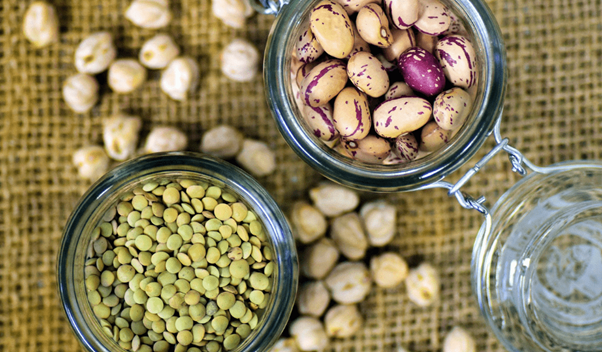
legumes on bowl upon a jute bag

Lentils, beans (like sugar, kidney, and chickpeas), and peas are budget-friendly champs that are all-stars for protein and fibre. 

Enjoy them in hearty stews and curries, or whip up a protein-packed Buddha Bowl.

Soy Products

Tofu, tempeh, and edamame are fantastic sources of complete plant-based protein. Experiment with stir-fries and crumbles for tacos. Or, bake marinated tofu for a satisfying main course.

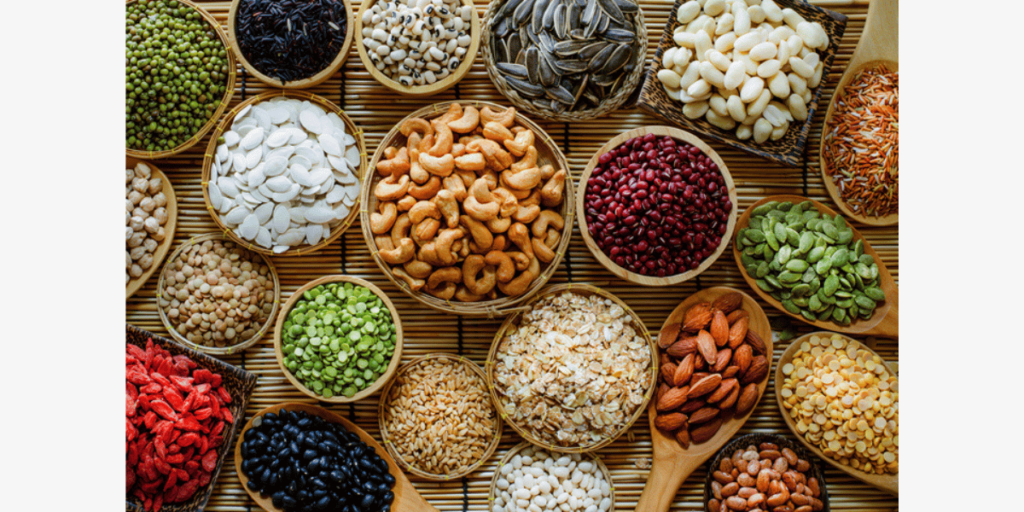
Nuts and Seeds

Nuts and Seeds

These powerhouses pack a protein and healthy fat punch.

 Sprinkle them on salads or yoghurt parfaits, or enjoy a handful for a mid-morning snack. 

Favourites include almonds, cashews, pumpkin seeds, and chia seeds.

Fibre Fantastic Friends

Whole Grains

Brown rice, quinoa, oats, and whole-wheat couscous give lasting energy and keep you full for longer. 

Make them the base of your meals, or whip up a power breakfast with rolled oats, nuts, and berries.

Dark Leafy Greens

They’re not just Popeye fuel! 

Kale, spinach, and Swiss chard are low-calorie and high in fibre, which helps to keep your digestive system happy and aids in weight management.

Add them to smoothies, salads, or stir-fries.

Vegetables Galore

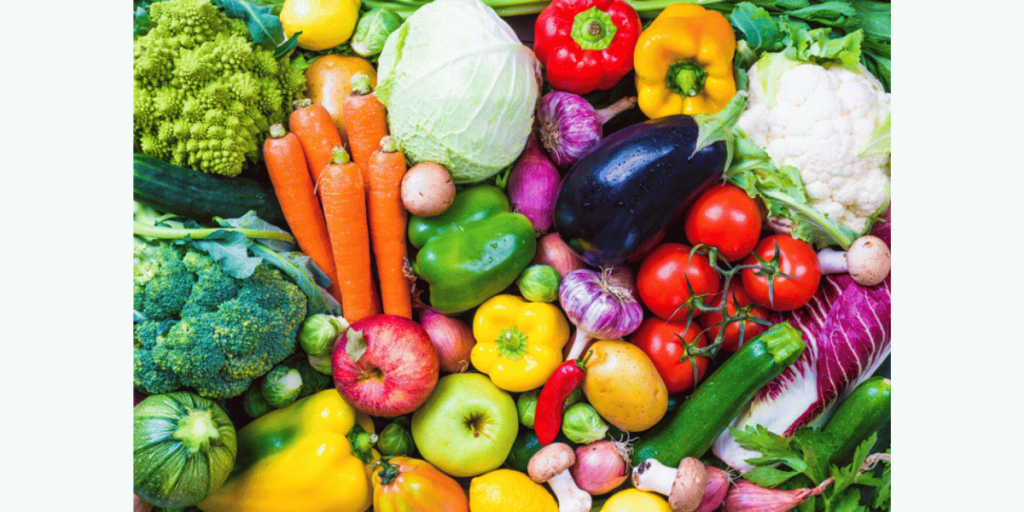
Variety of vegetables

Embrace the rainbow! Bell peppers, eggplant, butternut squash, and cauliflower are all low-calorie, high-fibre superstars. Roast them, add them to curries, or enjoy them raw with a hummus dip.

South African Gems

Mopane Worms

They are native to South Africa.

They are rich in protein and a great source of iron and calcium. 

Enjoy them dried and ground into savoury stews, or add them to veggie burgers for a unique twist.

Mielie Pap (Maize Porridge)

A South African staple, this corn-based porridge can be a great source of fibre when made with a whole maize meal. Top it with chopped fruit and nuts for a balanced and delicious breakfast.

African Yam Beans

African Yam Bean/IITA Video

These nutritious legumes pack a punch with protein and fibre. 

Boil and mash them for a creamy side dish, or roast them for a satisfying snack.

Remember

Weight loss is nothing more than creating a calorie deficit. 

These foods are naturally low in calories and fill you up. But it would help if you still controlled portions. 

Focus on a balanced diet with various nutrients, and remember to stay hydrated!

Bonus Tips

Tip #1: Visit local farmers’ markets for fresh, seasonal produce.

Spice your meals with herbs and spices to add flavour without extra calories.

Tip #2: Plan your meals and snacks to avoid unhealthy temptations.

Tip #3: Consult a registered dietitian for personalized guidance on your weight loss journey.

Add these tremendous plant-based foods for loss to your diet. 

They will help you lose weight. 

Here’s a kicker

You will do this while enjoying the exciting world of South African flavours!

Conclusion

Read this blog post to find the best plant-based foods for weight loss in South Africa.

Share this post with friends and family who aspire for plant-based weight loss.

Leave a comment below with your favourite plant-based South African dish or ingredient. 

Let’s create a community of support and share delicious recipe ideas!

Remember, losing weight is a journey. 

This blog post is your roadmap to a tasty and sustainable destination. 

Let’s transform your weight loss journey into a vibrant exploration of plant-based flavours!

Asparagus: Easy Cooking Methods and Recipes South Africa

Asparagus: Easy Cooking Methods and Recipes South Africa

Asparagus is a superstar vegetable. It’s those vibrant green spears that pop up at the market. And you know, spring is here. Not only is Asparagus loaded with nutrients, but its taste is incredibly versatile. You can enjoy this springtime favourite by roasting it. You …

Behind The Scenes: A Day In The Life Of A Food Vlogger

Behind The Scenes: A Day In The Life Of A Food Vlogger

Ever wondered what goes into those mouthwatering food videos you love? The life of a food vlogger seems like an endless stream of tasty dishes. But there’s a lot more that goes on behind the scenes! Food vlogging has become a tasty part of internet …

Top 10 Must-Have Plant-Based Food Research Projects You Need To Know About

Top 10 Must-Have Plant-Based Food Research Projects You Need To Know About

Is the future of food green?

Plant-based diets are rising fast.

Researchers worldwide are racing to unlock the power of plants.

But what exactly are they working on?

The list covers the top 10 must-have plant-based food research projects.

They range from engineering meatless marvels to unlocking the secrets of a happy gut. These projects could revolutionize the way we eat.

Get ready, plant-powered food enthusiasts!

We are about to reveal groundbreaking science. It will shape the future of what you eat!

Plant-Based News/Shocking Effects of a Whole Food Plant-Based Vegan Diet

Top 10 Must-Have Plant-Based Food Research Areas: Unlocking the Future of Your Plate

Plant-based diets are trendy.

A table topped with plates of food and bowls of vegetables/Unsplash: Olimpia Davies

They focus on health and the environment.

But to truly thrive, plant-based eating needs a solid scientific foundation.

Here, we explore the top 10 must-have plant-based food research areas that will unlock the full potential of a plant-based diet.

1. Plant Protein Powerhouse

Our bodies crave protein for building and repairing tissues.

But can plants compete with animal sources?

Research in this area is focusing on:

Maximizing Protein Content and Digestibility

Scientists are finding ways to raise the protein in plant-based meals. They do this by using combinations of grains, legumes, nuts, and seeds.

They’re also investigating methods to improve protein absorption by our bodies.

Unearthing Lesser-Known Protein-Rich Plants

Researchers are exploring exciting possibilities beyond familiar options like lentils and soybeans.

They are looking at hemp seeds, lupin flour, and chia seeds.

These hidden gems offer a complete protein profile and a variety of nutrients.

Creating Complete Protein Combinations

Not all plants boast of all the essential amino acids our bodies need.

Research is figuring out how to combine different plant foods.

It’s to create complete protein sources. These sources will ensure we get all the building blocks for a healthy body.

2. Fortified Plant-Based Alternatives

We all love plant-based alternatives, but do they deliver the necessary nutrients?

Research in this area is focusing on:

Fortifying Plant-Based Milk, Meats, and Cheeses

Many plant-based alternatives lack essential vitamins and minerals like B12, calcium, and iron.

Scientists are developing strategies to fortify these products without compromising taste or texture.

With these innovations can science maintain a desirable taste and texture?

Ensuring Fortified Foods Maintain a Desirable Taste and Texture

Fortification shouldn’t come at the expense of a delicious experience.

Research is finding ways to add nutrients. It does this while keeping plant-based options as enjoyable as animal-based ones.

3. Gut Happy with Plant-Based Power

Did you know?

The bacteria in our gut are essential for digestion, immunity, and health.

Research in this area is focusing on:

Plant-Based Prebiotics and Probiotics

Prebiotics nourish beneficial bacteria in the gut. Probiotics introduce beneficial bacteria directly.

Research is exploring how to add these elements to plant-based diets.

This research will promote a healthy gut microbiome.

Fermented Plant Foods with Potential Health Benefits

Fermentation is an old technique.

It unlocks new nutrients and health benefits in foods.

Research is studying the potential of fermented plant-based foods. These include tempeh, kimchi, and sauerkraut.

The question they are asking is, can these foods boost gut health?

4. Plant-Based Fats That Fuel

Fat isn’t the enemy, especially when it comes from plants!

Research in this area is focusing on:

Healthy Plant-Based Fats

Plants like flaxseeds, walnuts, avocados, and olives contain vital omega-3 and omega-6 fatty acids.

Research is exploring how to add these fats to plant-based diets for optimal health.

Sustainable Sources

As the demand for plant-based fats grows, finding sustainable sources is crucial.

Research is exploring ways to grow and process these fats well, helping to reduce their environmental impact.

5. Flavour & Texture: Plant-Based Perfection

Plant-based food is delicious, but can it replicate the taste and texture of meat?

Research in this area is focusing on:

Creating Mouthwatering Plant-Based Alternatives

Scientists are developing new techniques. They use plants to mimic the texture and flavour of the meat.

This research includes exploring new protein sources and innovative processing methods.

Unlocking a Wider Variety of Plant-Based Flavours

Plant-based cuisine offers a world of flavours beyond burgers and sausages.

Research is finding ways to make new plant-based dishes. They will have diverse flavours to cater to all tastes.

These findings are a glimpse into the exciting world of plant-based food research.

By studying these areas more, scientists are paving the way. They are for a future where plant-based eating is tasty and sustainable.

It will also be very nutritious and satisfying.

We’ve explored some fascinating areas. Research is boosting the potential of plant-based food.

But the journey doesn’t end there!

Let’s delve into five more crucial research areas.

They will shape the future of plant-based eating.

6. Sustainability of Plant-Based Agriculture

While plant-based diets are generally considered more eco-friendly, there’s room for improvement. Research in this area is focusing on:

Sustainable Farming Practices for Plant-Based Protein Sources

Legumes and grains are the backbone of many plant-based diets.

Research is exploring ways to grow these crops sustainably. It aims to cut water use, limit soil erosion, and boost biodiversity.

Minimizing the Environmental Impact of Plant-Based Food Production

From processing to transportation, every step has an environmental footprint.

Research is finding ways to optimize systems for making plant-based food. The goal is to do this with minimal harm to the environment.

7. Plant-Based Diets for Specific Needs

One size doesn’t fit all, especially regarding dietary needs.

Research in this area is focusing on:

Tailoring Plant-Based Diets for Athletes

Athletes have high protein and calorie requirements.

Research is developing plant-based meal plans. They provide the nutrients for top performance and recovery.

Plant-Based Diets for Children, Pregnant Women, and Older Adults

These populations have specific nutritional needs.

Research is figuring out how to adapt plant-based diets.

The goal is to ensure they get all the essential vitamins and minerals. Healthy growth and development need these.

8. Long-Term Health Impacts of Plant-Based Diets

Plant-based diets have promising health benefits.

However, we need to explore their long-term effects further.

Research in this area is focusing on:

Investigating the Long-Term Effects of Plant-Based Diets on Chronic Diseases

Can plant-based eating help prevent or manage heart disease, diabetes, and certain cancers?

Research is following large groups of people over time. It aims to understand the long-term health impact of plant-based lifestyles.

Unveiling Potential Benefits for Health and Well-Being

Plant-based diets offer advantages beyond specific disease prevention.

Research explores how eating plants can affect weight, mental clarity, and longevity.

9. The Future of Food Technology

Innovation is critical to making plant-based food even more appealing and accessible.

Research in this area is focusing on:

Cellular Agriculture for Creating Plant-Based Meat Alternatives

This cutting-edge technology uses animal cells. It grows meat in a lab without raising animals.

Research is exploring the ethical, safety, and scalability of this approach.

Exploring Other Novel Technologies

It includes 3D printing food. It also includes using AI to design ideal plant-based meals. The future is full of exciting possibilities.

Research is constantly finding new ways to push the bounds of plant-based food tech.

10. The Social and Economic Impact of Plant-Based Diet

The rise of plant-based food goes beyond individual plates. Research in this area is focusing on:

Impact on Food Security

Plant-based protein sources can be more efficient to produce than animal agriculture.

Research is exploring how plant-based food can help create a better food system. This system must feed a growing population and be secure and sustainable.

Job Creation and Economic Opportunities

The plant-based food industry is growing.

Research is analyzing the economic impact of this shift.

It includes creating jobs in new sectors. These sectors include plant protein production and alternative food technology.

By working in these diverse areas, scientists and innovators ensure a future.

Plant-based food is not just a trend but a powerful force for good. It will benefit our health, planet, and global food systems.

What you’ve read is a glimpse into the exciting world of plant-based food research.

There’s more

Bonus Bite: Dive Deeper into the Plant-Based Food Revolution!

Hungry for more?

Here are some resources. They will fuel your exploration of the exciting world of plant-based food research:

Organizations Leading The Charge

The Good Food Institute

It is a leading non-profit that drives innovation in plant-based food through funding, research, and advocacy.

The Plant-Based Foods Institute

It is a non-profit that provides research and resources and aims to speed up the shift to plant-based food.

The European Alliance for Plant-Based Foods

A coalition of European organizations promotes plant-based food growth. They want these foods to become widespread.

The Physicians Committee for Responsible Medicine

A non-profit advocating for plant-based diets and conducting research on their health benefits.

Staying on Top of the Latest Research

Food & Nutrition Sciences – National Institute of Health

Explore the latest government-funded research on plant-based nutrition and health.

Science & Technology News – Good Food Institute

Stay updated on cutting-edge advancements in plant-based food technology.

Get Cooking with Plant-Based Power

Forks Over Knives

A website with delicious plant-based recipes and resources for healthy vegan living.

Oh She Glows

A popular blog featuring creative and easy-to-follow plant-based recipes.

Pinch of Yum

Lindsay’s food blog with simple and tasty recipes.

Using these resources allows you to become a more informed advocate for plant-based food. You can also help create a healthier and more sustainable future for our planet.

Let’s continue to learn, grow, and nourish ourselves and the world with the power of plants!

The Future of Food is Plant-Powered: A Final Bite

The world of plant-based food research is brimming with exciting possibilities.

Scientists are unlocking plant protein’s potential.

They are harnessing innovative technologies.

We’ve provided you with a list exploring the top 10 must-have plant-based food research areas. It is a glimpse into the vibrant world of plant-based food innovation.

What are you going to do about this knowledge?

Are you going to explore the resources provided?

Are you going to help create a future where food is a powerful force for good?

Share this post and leave your comments NOW.

Top 10 Must-Have Plant-Based Foods Of The World

Top 10 Must-Have Plant-Based Foods Of The World

Imagine this: You close your eyes and picture a meal that brings back warm memories. It could be a rich lentil soup. Your grandma simmered it to perfection. Or, a lively bean burrito overflows with childhood joy. It could be the cosy smell of roasted …