This article provides an in-depth look at the best apple types and their health benefits. We explore them from sweet to tart and offer tips on selecting, storing, and preparing them. So, whether you’re a snacking pro or a baking lover, find your new favourite …
Imagine a world where every meal is a flavour explosion. These foods pack nutrients and are kind to your kidneys. Sounds too good to be true! Get ready with your forks. A plant-based diet might be the key to better kidney health! You have received …
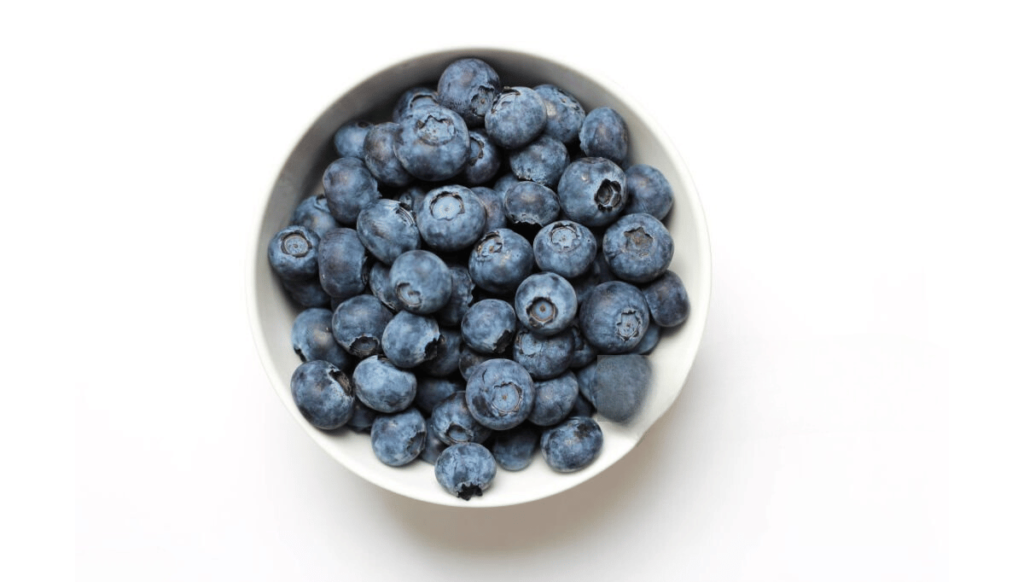
Blueberries are nature’s tiny gems. They burst with anthocyanins, which make them great for the mind and heart.
Strawberries
These sweet treats contain anthocyanins and flavanols, offering a delightful antioxidant punch.
Raspberries and Blackberries
Remember to consider these dark beauties! They’re loaded with anthocyanins and boast anti-inflammatory properties.
Veggie Vibrancy
Red Onions
Pexels/Kindel Media
Red onions are not just for flavour. They are rich in quercetin, a flavonol with potential anti-inflammatory benefits.
Bell Peppers
Bell peppers come in many colours. They are a rich source of various flavonoids, like quercetin and hesperidin, which may help heart health.
Kale and Spinach
These leafy greens are full of flavonols like kaempferol. They may protect against chronic diseases.
Legume Love
Kidney Beans and Black Beans
These protein-packed legumes are a great source of anthocyanins. They add a heart-healthy boost to your meals.
Lentils
Remember to consider these tiny lentils!
They provide various flavonoids, such as catechin, offering antioxidant benefits.
Fruity Extras
Citrus Fruits (Oranges, Grapefruits)
Packed with hesperidin, a flavonol linked to improved blood vessel health.
Apples
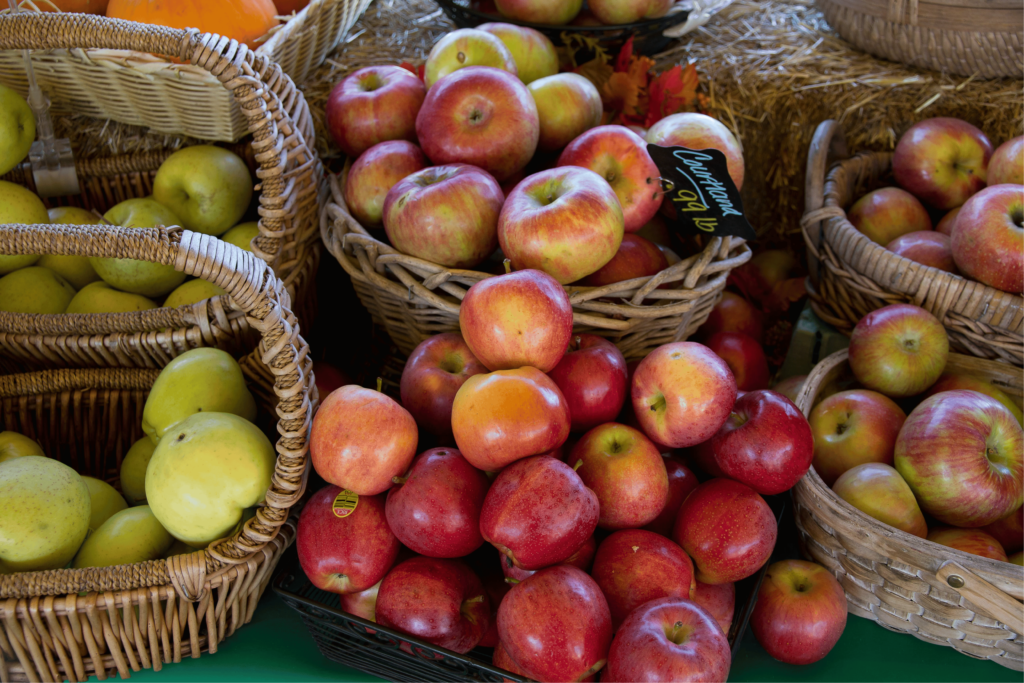
A classic for a reason! Apples are a good source of quercetin, offering antioxidant and anti-inflammatory properties.
Grapes (Red and Purple)
Pexels/Kai-Chieh Chan
Another anthocyanin powerhouse, grapes, may contribute to improved cognitive function and heart health.
Tea time!
Green Tea
This traditional drink is a true champion of flavonoid compounds.
It is rich in flavanols, which could benefit brain function and blood pressure.
It’s your starting point!
Remember, the flavonoid world is vast and exciting.
Try fruits and vegetables of different colours. Add legumes to your meals. And enjoy a cup of green tea.
Your taste buds and body will thank you!
Flavonoid Feast: Simple Ways to Embrace Colourful Goodness
So you’re ready to unlock your diet’s vibrant world of flavonoids?
Fantastic!
The good news!
Adding these health-boosting plant-based foods can be easy and delicious.
Here are some simple ways to weave flavonoid-rich goodness into your daily routine:
Breakfast Bonanza
Berry Blast Smoothie
Kickstart your day with a flavonoid punch!
Blend frozen berries, such as blueberries and raspberries. Add a scoop of Greek yoghurt and spinach. This mix will make a refreshing, antioxidant-rich smoothie.
Flavonoid-Packed Oatmeal
Jazz up your oatmeal with a sprinkle of chopped apples or berries for flavour and flavonoids.
Add a dollop of dark chocolate chips (cocoa is a flavonoid source) for extra antioxidants.
Lunchtime Brilliance
Rainbow Salad Sensation
For a salad party, chop many colourful vegetables.
These include red peppers, red onions, and leafy greens. Drizzle with a vinaigrette dressing for added flavour.
Lentil Power Bowl
Cook up some lentils. Toss them with chopped vegetables, such as bell peppers and cherry tomatoes. Add a sprinkle of chopped parsley for extra flavonoids and a touch of freshness.
Dinnertime Delight
Stir-Fry Extravaganza
This method is a great way to sneak in various flavonoid-rich veggies.
Stir-fry peppers, broccoli, and onion with your favourite protein. Use a light sauce.
Black Bean Burgers
Who says burgers can’t be healthy?
Make some black bean burgers. They contain anthocyanins. Serve them on whole-wheat buns with a salad rich in flavonoids.
Snacking Smart
Fruit and Nut Mix
Skip the processed snacks. Choose a homemade trail mix. It should have dried berries, chopped nuts, and dark chocolate chips. It’s a delicious and flavonoid-rich energy booster.
Edamame Power
Edamame (soybeans) are a great source of isoflavones. For a satisfying and protein-rich option, snack on a handful of cooked or roasted edamame.
Remember, consistency is key!
Aim to incorporate a variety of these flavonoid-rich plant-based foods throughout the day. Soon enough, vibrant health and a delicious diet will go hand in hand.
Beyond the Rainbow: Unveiling the Additional Benefits of a Flavonoid-Rich Plant-Based Diet
Flavonoids are the star.
But a plant-based diet offers even more health benefits beyond these colourful champions.
Here’s why embracing a plant-forward lifestyle is a wise investment in your well-being.
They give you the health benefits of flavonoids and much more.
Fibre Fantastic
Plant-based foods are a natural source of dietary fibre. Dietary fibre is essential for digestive health and gut function.
Fibre keeps you full for longer. It also helps with regularity and may even regulate blood sugar.
Vitamin and Mineral Powerhouse
Fruits, vegetables, legumes, and whole grains contain many essential vitamins and minerals your body needs to thrive.
A plant-based diet provides natural vital nutrients. It has vitamin C for immunity and potassium for healthy blood pressure.
Weight Management Magic
Plant-based foods tend to be lower in calories and fat than animal-based ones.
This low-calorie food can help keep you at a healthy weight. It can also help with weight loss.
Reduced Risk of Chronic Diseases
A plant-based diet may reduce the risk of chronic diseases.
It is likely because of the mix of flavonoids, fibre, and other good plant nutrients.
Environmental Champion
Animal agriculture has a significant environmental impact.
By choosing more plant-based meals, you can help make food more sustainable.
You can also reduce your carbon footprint.
A Feast for the Senses
Let’s remember the sheer joy of a plant-based diet!
The fruits, vegetables, and whole grains are colourful. They have tempting textures and varied flavours.
They create a culinary adventure for your taste buds.
Remember, a balanced diet is vital.
Adding more plant-based meals is a significant step, but feel free to include occasional lean protein and healthy fats. This method makes for a well-rounded approach to nutrition.
The key takeaway?
Eat the rainbow on your plate. It will unlock a world of vibrant health. It has the power of flavonoids and the extra benefits of a plant-based diet!
Unveiling the Flavonoid Feast!
Flavonoid Feast: A Sample Meal Plan for a Day
Ready to put your newfound flavonoid knowledge into action?
Here’s a sample meal plan featuring delicious and colourful plant-based options:
Breakfast
It has Greek yoghurt and granola. Also, it has sliced berries (blueberries, raspberries) and a drizzle of honey. (Flavonoid punch: berries)
Mid-Morning Snack
Handful of mixed nuts and dried cranberries. (Flavonoid power: nuts and cranberries)
Lunch
Make a wrap with hummus, bell peppers, red onion, and spinach. It’s on a whole-wheat tortilla and has avocado. (Flavonoid fiesta: peppers, onion)
Afternoon Snack
Green tea with a sprinkle of chopped apple or pear slices. (Flavonoid focus: green tea and apples/pears)
Dinner
Here’s a delicious meal: lentil soup with carrots and celery. Serve with a side salad topped with balsamic vinaigrette. (Flavonoid friends: lentils and salad greens)
So
Feel free to mix and match based on your preferences. Also, explore other flavonoid-rich options!
Pro Tip: Choosing Organic Produce for Maximized Flavonoid Content
At times, this choice isn’t possible. However, choosing organic fruits and vegetables may offer a slight advantage. They have more flavonoids.
Organic produce may have more of these helpful compounds. This advantage is because of less pesticide exposure.
However, the most crucial factor is to eat many colourful plant-based foods. This choice is valid whether they’re organic or not.
Embrace the Flavonoid Journey
The world of flavonoids is vast and exciting.
Adding these champions to your diet will treat your taste buds.
You will also invest in a lifetime of vibrant health.
So, grab your shopping list.
Unleash your inner plant-based intuition and start a tasty journey full of flavonoid goodness!
Conclusion
The journey towards optimal health doesn’t have to be bland.
Flavonoid-rich plant-based foods have power. They bring a world of vibrant colours, delicious flavours, and many health benefits. Embrace them!
These tiny warriors can be your allies. They reduce inflammation, boost immunity, and protect your brain.
Remember, consistency is critical.
Aim to incorporate a variety of these colourful plant-based options throughout your day.
Try new recipes.
Use different fruits and vegetables. Discover the joy of a flavonoid feast!
So, what are you waiting for?
Start your journey toward a vibrant future. Flavour and health will fill it, one tasty bite at a time!
Forget the braai for a second (we’ll return to that sizzling goodness later). South Africa’s food scene is growing something new. It’s fresh, tasty, and all plant-based! You may be a seasoned vegan. Or, you may be just trying to eat more mindfully. Finding the …
The Best Ever Food Review Show is very popular and successful.. It takes viewers on a tasty trip across the globe. The host is charismatic and has a penchant for trying outlandish dishes. It’s no wonder that fans are curious about the secrets of the …
I’m finishing the seventh decade and beginning the eighth decade. All this achievement is due to plant-based eating.
Here’s where plant-based eating shines!
A plant-based diet goes beyond fruits and vegetables. It includes whole grains, legumes, nuts, seeds, and healthy fats.
Plant-based diets are rich in whole foods. Whole foods are foods that are unprocessed and unrefined, or processed and refined as little as possible, before being consumed. They include whole grains, legumes, nuts, seeds, and healthy fats.
These include whole grains, legumes, nuts, seeds, and healthy fats.
Here are three key ways a plant-based diet can significantly benefit your health over 50:
It can improve digestion, reduce the risk of chronic diseases and enhance cognitive function.
A Heart-Healthy Hero
As we age, heart health becomes a top concern.
Plant-based diets have a low content of saturated fat and cholesterol. These are the bad guys that can clog arteries and raise heart disease risk. They also help reduce inflammation, a key factor in heart disease.
Evidence shows that people who eat plant-based diets have lower blood pressure and “bad” cholesterol.
This eating lifestyle promotes a healthier heart.
Plant-Based Diet and Brain Health
Worried about memory decline?
Plant-based power to the rescue!
Plant-based diets boast of antioxidants and phytonutrients. They fight inflammation and oxidative stress, which causes cognitive decline.
Research suggests that eating plants can boost one’s thinking and memory.
This eating habit can also lower the risk of dementia.
Plant-Based Diet and Bone Health
Source: Physicians Committee
Bone health becomes a concern after 50. But plant-based eating is surprisingly bone-friendly.
While dairy is often linked to calcium, many plant-based sources have it. These sources include leafy greens, fortified plant milk, tofu, and nuts.
Also, plant-based diets are lower in acid-forming foods. These foods can cause bone loss.
So, nourish your bones with the power of plants!
As we age, prioritising our health and nutrition becomes even more critical.
Here are your healthy plant-based recipes.
Delicious Recipe Ideas: Plant-Powered Goodness for Over 50
Are you prepared to enjoy plant-based meals?
Will you experience the tasty side of plant-based eating?
Here are three easy and flavourful plant-based diet recipes perfect for those over 50: Lentil Shepherd’s Pie: A Hearty Comfort Classic. This comforting dish is a plant-based twist on a beloved favourite. It’s packed with flavour and nutrition, proving that plant-based eating can be both delicious and beneficial.
Lentil Shepherd’s Pie: A Hearty Comfort Classic
Source: How to Cook Smarter
This comforting dish is a plant-based twist on a beloved favourite.
It is full of protein-rich lentils. It also has nutritious veggies like carrots, peas, and corn.
They are all smothered in a creamy mashed potato topping. This Shepherd’s Pie will satisfy you.
Chia Seed Pudding with Berries: A Refreshing and Nutritious Breakfast
Start your day with a burst of energy and flavour!
This quick and easy chia seed pudding contains protein, fibre, and healthy fats.
Mix chia seeds with plant-based milk and a bit of sweetener. Then, top with fresh berries. It’s a delicious and nutritious breakfast.
Here is a bonus of extra delicious recipes for people over 50.
Quinoa-Stuffed Bell Peppers
Ingredients:
Bell peppers
Quinoa
Black beans
Corn
Tomatoes
Instructions:
Preheat the oven to 375 degrees Fahrenheit.
Cook quinoa according to the package instructions.
Combine quinoa, black beans, corn, and tomatoes in a bowl.
Stuff the mixture into halved bell peppers.
Bake for 25-30 minutes.
Chickpea Salad Sandwich
Ingredients:
Canned chickpeas
Celery
Red onion
Vegan mayo
Mustard
Instructions:
Mash the chickpeas in a bowl.
Add chopped celery and red onion.
Mix in vegan mayonnaise and mustard.
Serve on whole-grain bread or lettuce wraps.
Tips for Transitioning to a Plant-Based Diet Over 50
Making a dietary shift can feel daunting. This shift is especially true after 50 years of habits.
But fear not!
Here are some practical tips to help you transition to a plant-based diet:
Tip #1: Start Small, Aim Big
Wait to overhaul your entire diet overnight.
Begin with small, manageable changes.
Try incorporating “Meatless Mondays” or “Plant-Powered Wednesdays” to ease your way in gradually.
Tip #2: Focus on Abundance, Not Deprivation
Think about all the delicious plant-based options you can add to your diet rather than what you take away. Explore the vibrant world of whole grains, legumes, nuts, seeds, and colourful vegetables.
Tip #3: Find Your Flavor Favorites
All plant-based meals are not created equal!
Experiment with recipes and cuisines to discover dishes that tantalise your taste buds.
A plant-based version exists for almost any comfort food you crave. Discover it!
Tip #4: Swap It, Don’t Stop It
Craving your favourite burger?
Explore plant-based burger alternatives made with lentils, black beans, or mushrooms! These swaps can be surprisingly delicious and satisfying, which might surprise you.
Tip #5: Listen to Your Body
Pay attention to how your body feels as you make dietary changes.
Experiment with portion sizes and find what energises you throughout the day.
Tip #6: Embrace the Power of Plants. Remember, a plant-based diet isn’t just about restriction. It’s about empowering your body with the incredible nutrients found in plants. You have the power to make this change and reap the benefits.
Remember, a plant-based diet isn’t just about restriction. It’s about empowering your body with the incredible nutrients found in plants.
Celebrate the vibrant colours, textures, and flavours of this dietary approach.
Tip #7: Consider Consulting a Doctor or Registered Dietitian
A healthcare professional can give personalised guidance.
They make sure you meet your nutrition needs. It is mainly for Vitamin B12 and critical minerals.
Conclusion
As you’ve seen, plant-based eating over 50 is more than just a diet; it’s an investment in your health and well-being.
The benefits are clear. They include a healthier heart and a sharper mind.
They also include stronger bones and renewed vitality.
And the best part?
It’s all backed by delicious and satisfying food!
Ready to unlock the potential of a plant-powered life?
Don’t wait!
Start by exploring the recipe links above and discover the world of flavour waiting for you.
Are you taking steps for optimum health?
Leave your comments now.
Plant-Based FAQs for Over 50
You may have some questions as you consider a plant-based diet. Here are some answers to common concerns for people over 50:
1. Can I get enough protein on a plant-based diet?
Absolutely!
Plant-based proteins come from various sources
. These include legumes (beans, lentils, peas), nuts, seeds, whole grains, and vegetables.
Meet your daily needs by adding these protein-rich options to your meals. Do it at every meal and snack.
2. What about Vitamin B12? Don’t I need animal products for that?
Vitamin B12 is vital in nerve function and red blood cell production.
You usually find it in animal products.
But fortified plant milk and nutritional yeast are good sources for vegans. Some tempeh is, too.
However, B12 absorption can decrease with age.
Ask a doctor or dietitian about your needs. They may suggest a B12 supplement.
3. Won’t I feel tired and sluggish without meat?
Many people report feeling more energised on a plant-based diet.
This energetic feeling is because plant-based foods are often high in fibre. Fibre keeps you full for longer and keeps your blood sugar stable.
Eat enough calories and various plant-based foods to get all the nutrients your body needs.
4. Is a plant-based diet too expensive?
Plant-based staples like beans, lentils, whole grains, and seasonal vegetables are often affordable. Some plant-based products are pricier. But, focusing on whole foods cuts costs.
5. What if I need more time to cook elaborate meals?
Plant-based meals can be speedy and easy!
Explore pre-cooked lentils, beans, frozen vegetables, and minimally processed whole grains. Grocery stores are also offering a growing number of convenient plant-based meal options.
Remember, a plant-based diet is a journey, not a destination. Embrace the exploration, ask questions, and don’t be afraid to experiment.
With some planning and these tips, you can enjoy the tasty world of plant-based eating over 50!
In today’s world, plant-based diets are taking centre stage. People are embracing the power of plants for their health and well-being, from busy cities to quiet countryside retreats. The plant-based diet phenomenon is everywhere. But this trend has been around for a while. For centuries, African cultures have …
Cancer. The word itself evokes fear and uncertainty. Many are changing their diets to fight this complex disease. Topping them all is a plant-based diet. You’ve heard anecdotal stories or wondered: Can a plant-based diet reverse cancer? The truth has nuances. Plant-based eating has many …
By improving insulin sensitivity, ACV may help regulate blood sugar spikes. These spikes trigger cravings.
Reducing Blood Sugar Levels
ACV shows promise in managing hypertension in individuals with type 2 diabetes.
Studies show that using ACV before meals can help lower blood sugar spikes.
The acetic acid in ACV slows the breakdown of carbohydrates in the gut, leading to a slower rise in blood sugar.
However, ACV should not replace prescribed diabetes medications.
ACV and Heart Health
Some research suggests that ACV may have benefits for heart health.
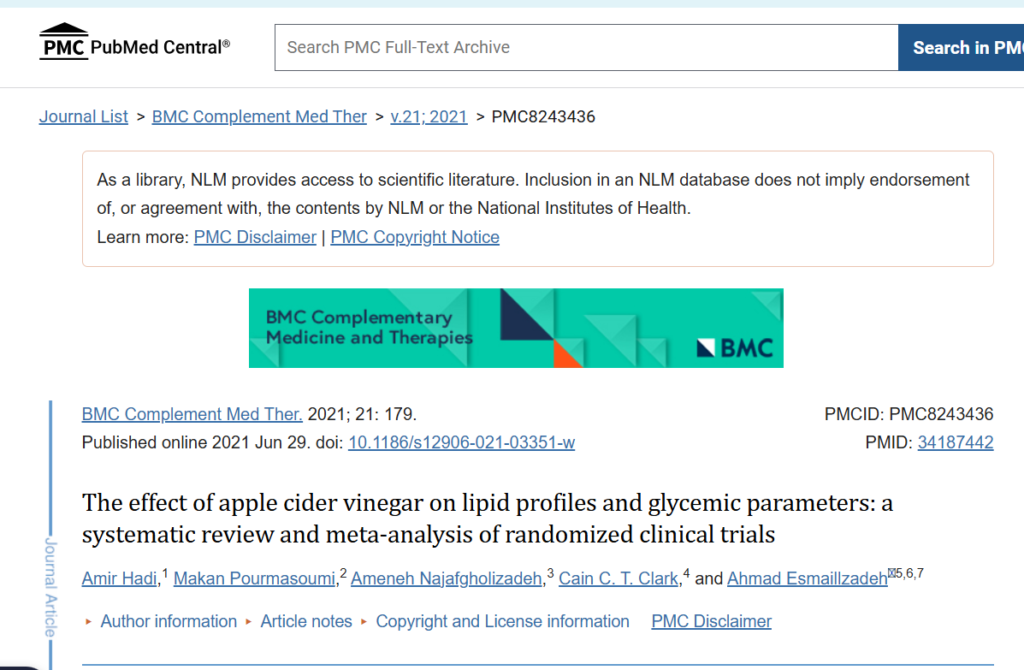
Studies show that consumption of ACV may lead to modest reductions in “bad” LDL. It also impacts cholesterol and triglycerides and increases “good” HDL cholesterol.
However, there is a need for more research to understand ACV’s impact on heart health.
A healthy gut microbiome impacts various health benefits. These include improved digestion and immune function.
But, it’s important to note that pasteurized ACV will not contain live probiotics.
Remember
While these studies show promise, we need more research. Research to enable us to understand the long-term effects of ACV consumption.
Important Considerations
Apple cider vinegar boasts potential health benefits. However, before using it, some essential factors should be considered.
Dosage and Safe Consumption
ACV is acidic, and undiluted consumption can irritate your throat and oesophagus. It’s essential to dilute ACV with water before consumption.
A standard recommendation is 1-2 tablespoons (15-30 ml) diluted in a large glass of water. Start with a smaller amount and increase if tolerated.
Side Effects and Potential Risks
Excessive ACV consumption can lead to side effects like:
Tooth enamel erosion: The acidity of ACV can erode tooth enamel over time. Consider using a straw when drinking ACV. Dilute it in water and rinse your mouth with water afterwards.
Digestive issues:
ACV may cause heartburn, nausea, or stomach upset in some individuals. Stop using it if you experience any discomfort.
Medication interactions:
ACV may hinder certain medications, such as diuretics and blood-sugar-lowering drugs. Consult your dietitian or any doctor before using ACV if you take any medications.
Not a Miracle Cure
Remember, ACV is not a magic bullet. It will not help with weight loss, blood sugar, or other health conditions.
A healthy lifestyle consists of a balanced diet and regular exercise. It would help if you practised these for your well-being. ACV may complement your efforts but shouldn’t replace healthy habits.
How to Incorporate ACV into Your Diet
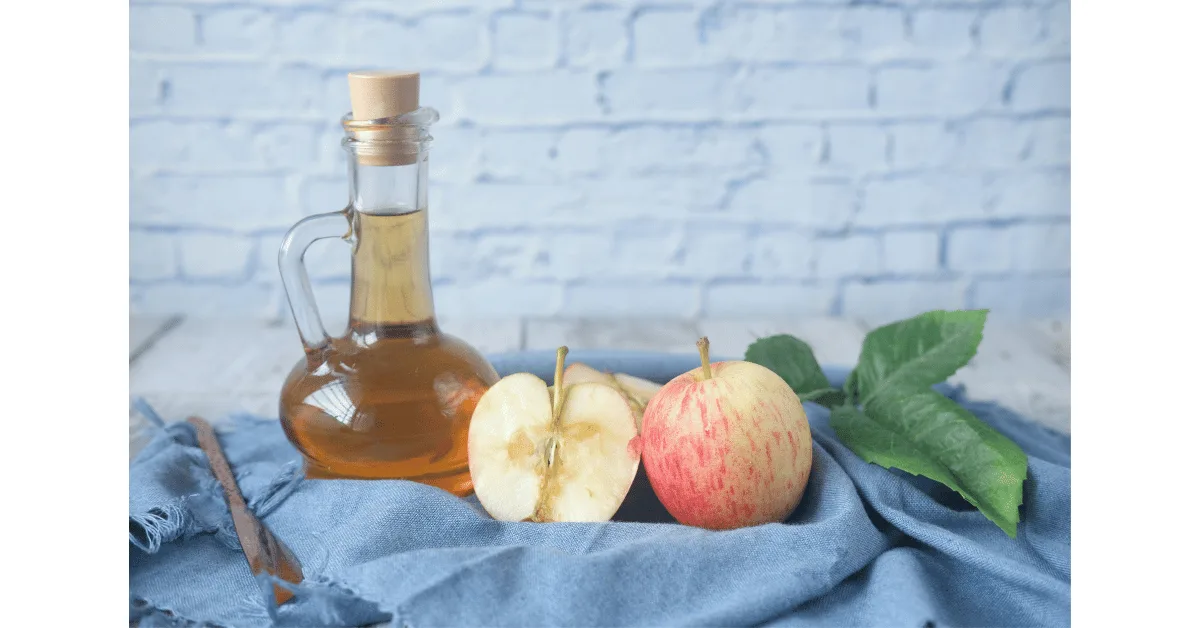
Apple cider vinegar’s tangy flavour can add a delicious twist to your meals.
Here are some ways to incorporate ACV into your diet safely and enjoyably:
Salad Dressings
ACV is a classic ingredient in homemade salad dressings.
Mix olive oil, Dijon mustard, honey, and your favourite herbs and spices to make a healthy and tasty vinaigrette.
Marinades
The acidity in ACV helps tenderize meat and fish while adding a burst of flavour. Use ACV in marinades for chicken, pork, or tofu alongside herbs, spices, and your favourite oils.
Sauces and Dips
ACV can add a delightful tang to sauces and dips. Add a splash to your following barbecue sauce, chimichurri, or yoghurt-based dip.
Beverages
A popular way to consume ACV is to dilute it in water.
Mix 1-2 tablespoons of ACV with a glass of water and add a touch of honey or lemon for a refreshing drink.
You can also incorporate ACV into herbal teas or infused water recipes.
Cooking Applications
A small amount of ACV can enhance the flavour of savoury dishes like soups, stews, and stir-fries. Experiment by adding a teaspoon or two during the cooking process.
Here are some additional tips:
Tip #1: Start Slow:
If you’re new to ACV, begin with a diluted form and gradually increase the amount as tolerated.
Tip #2: Listen to Your Body:
Stop use if you experience any discomfort.
Tip #3: Quality Matters:
Choose organic, raw, and unfiltered ACV with the “mother”. It has more health benefits.
Adding ACV to your diet can let you enjoy its taste. You can also explore its health benefits.
Remember, moderation and safe consumption practices are essential.
Conclusion
Apple cider vinegar offers fascinating culinary versatility and potential health benefits.
From aiding weight management to supporting gut health, ACV may promote well-being.
Ready to explore the world of ACV?
We’ve provided some delicious and safe ways to incorporate it into your diet.
So, grab a bottle and get creative.
In the comments below, please tell us how you’re using ACV to add a tangy twist to your health routine!
Bonus Section: Apple Cider Vinegar FAQs
Apple cider vinegar has sparked much curiosity, and there is good reason! Here, we answer some of the most common questions that people have about ACV:
Q: Is Bragg’s ACV the best brand?
There are many brands of ACVs available, and Bragg’s is a popular choice.
Always look for organic, raw, and unfiltered types. They should have the “mother” for more health benefits.
Ultimately, the “best” brand depends on your preferences and what is readily available.
Q: Can I take ACV shots?
ACV shots are trendy. But remember that strong vinegar can harm your teeth and oesophagus. It’s always best to dilute ACV in water before consumption.
Q: How much ACV should I take daily?
There’s no one-size-fits-all answer, and research on optimal dosages is ongoing.
The standard recommendation is to dilute 1-2 tablespoons (15-30 millilitres) in a big glass of water.
Start with a smaller amount and gradually increase if you can tolerate it. Listening to your body and discontinuing use if you experience discomfort is essential.
Q: Can One use apple cider vinegar for cleaning or beauty purposes?
ACV has various household uses, including as a natural cleaning agent.
However, it would help if you diluted skin and hair applications. This method is crucial to avoid irritation.
Always do a patch test on a small skin area before applying it more widely.
Consult reliable online resources or a dermatologist for guidance on ACV.
Remember, this blog post provides general information. Please do not take it as medical advice.
Consult your health professional before making significant dietary changes with apple cider vinegar.
Can transitioning to a plant-based diet be challenging? Is there a way you can make it more manageable to transition to a plant-based diet? Indeed, there is hope. This article provides an overview of the benefits of transitioning to a plant-based diet for optimal health …