Ah, boerewors. The word “barbecue” conjures up images of smoky grills and parties. It also recalls the rich, savoury taste that is a vital part of South African cuisine. I bet no one in Mzansi isn’t touched by the sizzling sound of boerewors. But what …
The shift is evident. You can see it in meatless Mondays and the boom in plant-based milk. The world is moving to whole food plant-based (WFPB) diets. But this trend isn’t just about personal health choices. It can change South Africa’s future. With a concerning …
South Africa’s food scene is bursting with fresh, seasonal ingredients, and the plant-based movement is taking root in exciting ways.
So, pack your walking shoes and your reusable water bottle. Get ready to discover a new world of tasty plant-based food!
Planning Your Plant-Based South African Adventure: A Stress-Free Guide
Now, you’re excited to explore South Africa’s lively food scene. You’re on a plant-based journey.
Let’s dive into the details!
Here’s your guide to planning a smooth and delicious plant-based South African adventure:
Accommodations
Plant-Based Paradise Retreats
Research eco-lodges, guesthouses, and even some hotels that cater to a plant-based lifestyle. These havens often serve tasty vegan meals.
Pexels/Max Vakhtbovycn
They also offer on-site activities like cooking classes or yoga retreats.
AirBnB with a Kitchen
Choose AirBnBs with good kitchens. They allow you to cook your plant-based feasts with fresh local ingredients.
Grocery Shopping
South African supermarkets are catching up to the plant-based wave! Here’s what you can expect:
Major Chains
Look for familiar names like Pick n Pay, Checkers, and Woolworths.
They offer a growing selection of plant-based milk, yoghurts, and meat alternatives. They also have pre-made vegan meals.
Local Markets
Pexels/Meruyert Gonullu
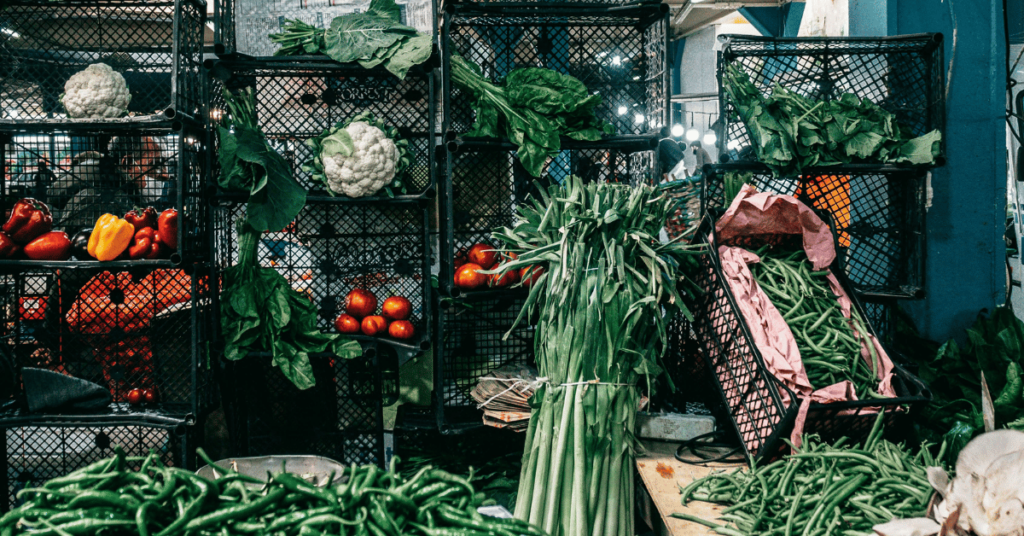
Take advantage of the lively local markets. They overflow with fresh fruits, vegetables, legumes, and nuts.
Buy seasonal produce like mangoes, pomegranates, and local greens. Use them to make healthy meals that taste great.
Pantry Staples
Here are some key ingredients to keep an eye out for:
Lentil and Beans
Lentils and beans are great. Stock up on brown lentils, black beans, and chickpeas. Use them for hearty stews, curries, and salads.
Canned Tomatoes and Coconut Milk
Essential for recreating your favourite South African dishes with a plant-based twist.
Spices and Herbs
Turmeric, cumin, coriander, paprika, and chilli powder are your gateway. They will help you create authentic South African flavours.
Remember fresh herbs like parsley and coriander (dhania) for a touch of freshness.
Restaurant Scene
Plant-Based Powerhouses
Leafy Green Restaurant Interior, Muldesdrft, Gauteng
Significant cities like Cape Town and Johannesburg have many vegan restaurants. They offer everything from casual cafes to fine dining experiences.
HappyCow to the Rescue
Download the HappyCow app. You can use it to find vegan-friendly restaurants wherever you roam in South Africa.
Navigating Limited Options
Feel free to ask questions at restaurants!
Many restaurants can make dishes vegan by omitting cheese and using plant-based alternatives. “Sonder broodjie” (without bread) can be a helpful phrase when ordering.
Remember
With some planning and these tips, you can easily navigate the South African food scene. You can do this even as a plant-based traveller.
The following section will explore tasty, plant-based twists on South African dishes. They will get your taste buds tingling!
Essential Plant-Based Tips for South African Dishes: A Culinary Adventure Awaits!
South Africa’s cuisine has bold flavours, fresh ingredients, and a rich cultural heritage.
While some traditional dishes might include meat, you can swap them for a delightful plant-based meal.
Below are some delicious dishes that you must try to excite your taste buds:
Lentil Bobotie
This South African classic gets a plant-based makeover!
You make it with spiced minced meat, raisins, and apricots.
A creamy egg custard tops them.
The vegan version swaps the meat for protein-packed lentils.
The curry spices are aromatic. Sweet raisins and creamy cashew sauce join them to make a comforting and flavorful dish.
Don’t forget to serve it over fluffy brown rice for a complete meal.
Rainbow Veggie Salad
Enjoy the vibrant colours and textures of South Africa’s diverse produce. They are in this refreshing salad.
Pile on a rainbow of roasted vegetables. Include sweet potato, butternut squash, and peppers.
Add chopped cucumber, juicy tomatoes, and fresh herbs for brightness. Remember the protein!
Top it with chickpeas or crumbled tempeh. Add a dollop of creamy hummus. It’s a satisfying lunch or light dinner.
Bunny Chow Bowl
Deconstruct the Durban favourite, Bunny Chow, into a delicious and portable bowl.
Spiced chickpeas take centre stage, simmered in a flavorful coconut curry sauce. Pair it with fluffy roti or brown rice for a comforting and satisfying meal.
Improve the taste by squeezing some fresh lime juice and sprinkling chopped coriander (dhania).
Smoky Braai Vegetables
The South African braai (barbecue) doesn’t have to be meat-centric!
Marinate chunky vegetables such as bell peppers, onions, and zucchini with a smoky and flavorful spice blend.
Grill them to perfection for a side dish bursting with smoky goodness.
Marinated Portobello mushrooms in balsamic glaze are another great option. Their meaty texture is perfect for those who crave a satisfying bite.
Creamy Butternut Squash Soup
This South African staple gets a plant-based twist!
Roasting butternut squash enhances its inherent sweetness. Coconut milk and cashews make it velvety smooth.
Remember to add warming spices. Turmeric and cumin are examples. They make comforting, soul-satisfying soup, perfect for chilly evenings.
These are just a taste. There are endless plant-based possibilities in South Africa.
Be creative. Let these tasty options inspire you. Then, you can go on a culinary adventure.
It will celebrate fresh, local ingredients and vibrant flavours. It will stay true to your plant-based lifestyle.
So, get hungry and get ready to explore the tasty world of plant-based South African food!
Plant-Based Travel Tips Beyond the Plate: Exploring South Africa’s Natural Wonders
South Africa offers a wide range of unique and exciting experiences. These go beyond the bustling cities and vibrant food scene.
As a plant-based traveller, you’ll find many exciting activities. Breathtaking landscapes also await exploration.
Here’s how to embrace a plant-powered South African adventure. It goes beyond the plate.
Hiking and Outdoor Activities
Hit the Trails
South Africa has stunning national parks. They include Kruger National Park and Table Mountain National Park.
The parks offer many hiking trails for all fitness levels.
Breathe in the fresh air. Immerse yourself in nature’s beauty. Enjoy the region’s fantastic biodiversity.
Pack plenty of water. Also, bring plant-based snacks, like trail mix, fruit, and energy bars. They will fuel your adventures.
Embrace Adventure
Explore South Africa’s diverse landscape.
You can kayak in lagoons. You can explore the coasts. You can also sandboard down dunes.
Many adventure companies cater to dietary needs. They offer pre-packed lunches or snacks with vegan options.
Exploring Local Farms and Markets
Farm Stays
Stay at a sustainable farm to immerse yourself in the heart of South Africa’s farm scene.
Learn about local farming. Join in harvest activities. Enjoy tasty farm-to-table meals with fresh, seasonal produce.
Many farms cater to plant-based diets. They offer meals made with ingredients grown right on their land.
Vibrant Markets
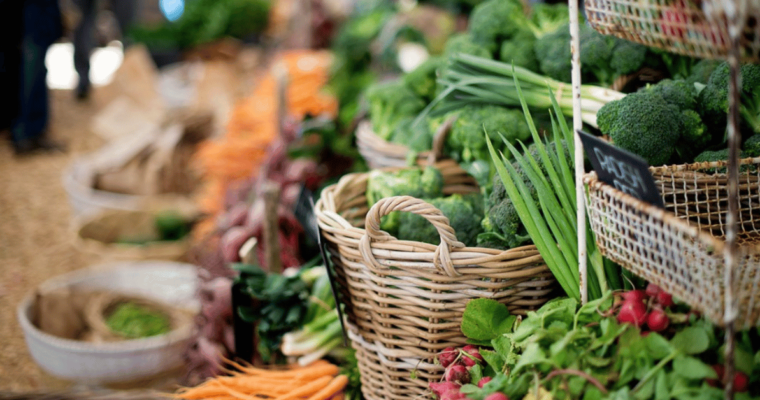
Experience the vibrant atmosphere of busy local markets with their sights, sounds, and smells.
Buy fresh fruits and vegetables. Find exotic spices. Connect with local farmers.
Be prepared to practice your bargaining skills – it’s all part of the experience!
A Note on Remote Areas
South Africa’s big cities are becoming increasingly plant-based friendly. However, exploring remote areas might require more planning.
Pack extra snacks. Include items like nuts, dried fruit, and high-protein bars. They ensure you have access to healthy options on the go.
Consider buying a small camping stove.
Do this if you plan to spend long periods in remote areas. It will let you cook simple plant-based meals.
Embrace the Challenge
Travelling as a plant-based person in South Africa can be exciting. It lets you connect with nature, help local communities, and explore new cultures.
With some planning and these tips, you can create a memorable and tasty South African meal.
It will be plant-based and go far beyond the dinner plate.
So, put on your hiking boots and pack your reusable water bottle. Prepare yourself to explore the beauty and marvels of South Africa through plant-based experiences.
Bonus Tips for Plant-Based Travelers in South Africa: Mastering the Journey
Here are more insights.
They will make your plant-based South African adventure smoother.
Download Language Apps
Learning a few basic Afrikaans phrases can go a long way in local markets and restaurants.
Download translation apps like Google Translate. They help bridge the language barrier and ensure clear communication regarding your dietary needs.
Embrace Reusable Alternatives
Pack reusable water bottles, shopping bags, and utensils. This planning will minimize waste and reduce your impact on the environment.
Many South African establishments are actively embracing sustainability. We will appreciate your eco-conscious choices.
Stay hydrated
South African climate can be hot and sunny. Make sure to invest in a high-quality water bottle and remember to stay hydrated while you are travelling.
Look for natural sources of hydration. They include fresh coconut water or homemade fruit-infused water.
Pack adapters
South Africa uses a different plug type (three-round prongs) than some countries. Ensure you have the correct travel adapter to charge your electronics while on the go.
Connect with the Plant-Based Community
Join online forums or Facebook groups dedicated to plant-based travel in South Africa.
Connect with similar travellers. Share experiences and get tips for restaurants, accommodation, and activities.
By adding these bonus tips, you’ll be on your way to a smooth and fun plant-based adventure in South Africa.
Enjoy the vibrant flavours, stunning landscapes, and warm hospitality. They await you and will create memories that will last a lifetime!
Conclusion
As we conclude this guide on plant-based travel tips for South Africa, you don’t have to compromise on taste or experience as a plant-based traveller.
With some planning and the ideas in this blog post, you can go on a South African adventure. It will nourish your body, excite your taste buds, and connect you with the heart and soul of this great country.
So, pack your bags and grab your walking shoes. Get ready to discover the magic of South Africa – plant-based style!
Remember, this is just the beginning. The diverse cuisine, stunning scenery, and friendly people await your arrival.
Embrace the challenge.
Savour the flavours. Get ready to make unforgettable memories on your plant-powered South African adventure!
Ready to start planning?
Share your dream South African destinations. Or share your favourite plant-based travel tips in the comments below!
Confused about whether beans are off-limits because of lectins? Are spinach and almonds healthy choices despite containing oxalates? You’re not alone! Plant-based nutrition can complicate understanding as it uses terms like “anti-nutrients”. Lectins, phytates, and oxalates are naturally occurring compounds in various plants. While they …
This blog article explores the 11 amazing immediate benefits of a plant-based diet. But wait Did you know that 80% of people feel more energetic after two weeks on a plant-based diet? Yes. Swapping animal products for nutrient-rich plants can boost your energy for the …
They have been in grocery stores and restaurants lately.
Veggie burgers “bleed.”
From veggie burgers that ‘bleed’ to many other plant-based alternatives, the options are no longer niche products but diverse choices.
The shift in consumer tastes towards plant-based diets is not just a trend but a reflection of a growing awareness of their benefits.
But the impact goes beyond personal health.
Choosing to eat more plants isn’t just a health-conscious decision; it’s a smart financial move that can save you money and contribute to the overall health of our economy.
This blog post will explore how eating plant-based meals can impact health. It will also cover their impact on the economy.
We’ll look at the research on the health benefits of a plant-based diet. It can lower chronic disease risks and improve gut health.
We’ll also explore the economic factors. They include possible cost savings and the growing plant-based food industry.
Are you a seasoned vegan or just curious about plant-based options?
This post will empower you with the information you need to make wise choices for your plate and wallet.
Health Benefits of Plant-Based Diets
Eating plant-based food is not just a trend; it’s a robust investment in your long-term health.
Here’s a breakdown of some key benefits you might experience:
Reduced Chronic Disease Risk
Plant-based diets contain fibre, vitamins, minerals, and antioxidants, crucial in preventing chronic illnesses.
Studies have shown a link between eating plants and a lower risk of heart disease. Eating these foods can also lower the risk of developing cancer and type 2 diabetes.
Weight Management
Plant-based meals are naturally lower in calories and fat than meat-based ones.
It also has lots of fibre.
Fibre keeps you full for longer, reduces cravings, and helps with weight management.
Improved Gut Health
Eating plant-based foods provides fibre as a prebiotic, nourishing the beneficial bacteria in your gut.
This process promotes a healthy gut microbiome.
A healthy microbiome is crucial for digestion, nutrient absorption, and immune function.
Overall Well-Being
Many people switch to a plant-based diet. They report higher energy, better mood, and improved digestion.
One reason is the abundance of critical nutrients. Also, meat-heavy diets lack processed foods and saturated fats.
Remember, these are just some of the potential health benefits.
A well-planned plant-based diet is crucial for reaping these rewards.
Later, we’ll discuss strategies. They ensure a balanced, healthy, plant-based approach.
Economic Benefits of Plant-Based Diets
The shift towards plant-based eating is good for your health, wallet, and the economy.
Here’s how:
Reduced Healthcare Costs
Chronic diseases, like heart disease and diabetes, strain healthcare systems. They place a significant burden on them.
Studies suggest that everyone could reduce these conditions by eating only plants.
This eating habit would lead to significant cost savings.
This approach translates to a healthier population and potentially lower healthcare costs for everyone.
Potential Grocery Bill Savings
Some plant-based alternatives can be pricier. But, essential plant-based foods like legumes, grains, and vegetables are cheaper than meat.
Cutting processed meats and dairy can also save on groceries. The amount depends on your diet.
Job Growth and Innovation
The plant-based food industry is booming. It creates new jobs in making, researching, and making.
This economic growth benefits communities. It also creates opportunities for innovation in plant-based food tech.
Environmental Considerations
Animal agriculture has a significant impact. It adds to greenhouse gas emissions and resource depletion.
Eating more plants can reduce this footprint. It can bring economic benefits by saving resources and supporting sustainability.
It’s important to acknowledge this.
The impact of plant-based diets on the economy can be complex.
The plant-based sector may bring cost savings and jobs. But, it may also cause job losses in animal agriculture.
However, the economic benefits and the positive environmental impact suggest that a slow shift to plant-based eating could help the economy.
Addressing Challenges and Concerns
Plant-based eating has significant benefits. But, there are also valid concerns and challenges to address:
Nutrient Deficiencies
A common concern is nutrient deficiencies. They often lack protein, iron, calcium, and vitamin B12.
However, a well-planned plant-based diet can do this. It should include whole grains, legumes, nuts, seeds, and fortified foods. They can ensure you get all the nutrients your body needs.
Guidance from a registered dietitian can help in developing a customized plan for your dietary needs.
Finding Balance
It’s not about eliminating all animal products overnight.
Adding more plant-based meals each week is a sustainable and fun approach. It brings many benefits.
Cost Concerns
Plant-based staples can be cheap. But, some processed plant-based alternatives can cost more than meat.
Focus on whole foods, cook at home, and use budget-friendly options.
The options include beans, lentils, and seasonal vegetables. They can help keep costs down.
Social Pressures
Social interactions often connect with eating habits.
Be prepared to navigate situations where food choices may differ.
Offer to bring a plant-based dish to potlucks.
Suggest restaurants with vegetarian options.
Or, politely explain your dietary choices.
There are also online communities and resources. They are for plant-based people to connect and share.
Remember, a plant-based journey is a personal one.
There’s no right or wrong way to do it.
Start small. Try new recipes. Focus on your health and the planet.
Recipe, Tips, and Resources
Recipe
Easy Lentil Soup with Lemon and Herbs (Serves 4)
This hearty and flavorful soup is a fantastic plant-based meal with protein and fibre.
It’s budget-friendly, easy to make, and perfect for a satisfying lunch or dinner.
Ingredients:
1 tbsp olive oil
One onion, chopped
Two carrots, chopped
Two celery stalks, chopped
Two cloves garlic, minced
1 cup brown lentils, rinsed
4 cups vegetable broth
One can of diced tomatoes, undrained
1 tsp dried oregano
1/2 tsp dried thyme
Salt and ground black pepper to taste
1/4 cup chopped fresh parsley (optional)
1/4 cup lemon juice
Instructions:
Let olive oil heat in a large pot, preferably on medium heat. Toss celery, carrots, and onions and cook until softened about five minutes.
After adding the garlic, cook for one more minute.
Add lentils, vegetable broth, diced tomatoes, oregano, and thyme. Boil the mixture, lower the heat and let it simmer for twenty to twenty-five minutes until the lentils are soft.
Season with salt and pepper to taste. Stir in chopped parsley (if using).
Serve hot with fresh lemon juice and your favourite crusty bread.
Tips
Feel free to add other vegetables to this soup, such as chopped zucchini, spinach, or kale.
Blend some of the soup directly into the pot to achieve a creamier texture using an immersion blender.
Use a sealed container to keep leftovers in the fridge for three days.
South Africa is sizzling with a plant-powered revolution! People are embracing a plant-based lifestyle. This movement is evident in bustling cities and charming coastal towns. Even in the deepest rural villages of Tzaneen, Limpopo, and the vast array of Tabase in Mthatha. People are aware …
The sizzle of boerewors hitting the grill and the smoky smell of roasting vegetables. The laughter and chatter of friends and family. A South African braai is different. But what if you, or some of your guests, follow a plant-based lifestyle? Does that mean giving …
Have you ever scrolled through endless recipe pages?
Did you find yourself closing the tab out of boredom?
We’ve all been there.
But fear not, fellow food enthusiasts!
Here’s the secret:
Engaging in recipes is about more than just about the food.
They’re about sparking excitement and igniting the imagination.
This blog post will reveal the magic recipe for crafting recipes. They shouldn’t just tempt taste buds and make you eager to dive into the kitchen.
We’ll explore turning recipes from dull instructions to culinary adventures. We’ll look at layering flavours and textures and weaving a captivating story.
So, grab your whisk and get ready to unleash your inner recipe rockstar!
The Recipe’s Secret Sauce: Flavor & Texture
When crafting an engaging recipe, flavour and texture are the dynamic duo that steal the show. Flavour and texture are the magic ingredients.
They turn a simple dish into an unforgettable meal.
Let’s dive into the secrets of harnessing these powerhouses.
Flavour Profiles
Imagine a symphony orchestra.
Each instrument plays its part, yet together, they create a harmonious symphony.
That’s the essence of a well-developed flavour profile.
It combines the five basic tastes: sweet, salty, sour, bitter, and umami.
A recipe that leans heavily on just one taste dimension becomes monotonous.
Here’s how to create depth and complexity:
Contrasting Flavours
Think sweet and savoury (sweet and sour jackfruit) or salty and creamy (think pasta with parmesan).
These contrasting elements keep your palate engaged and wanting more.
Contrasting Flavours
Certain flavours naturally sing together.
Think of the classic pairing: chocolate and peanut butter. Or the refreshing combo: strawberries and balsamic vinegar.
Explore these harmonious relationships to elevate your recipe.
Textual Contrast
Food isn’t just about taste; it’s a whole sensory experience.
Texture plays a crucial role in keeping things interesting.
Imagine a plate of limp noodles – not precisely mouthwatering, right?
Now, picture those same noodles tossed with crispy vegetables and crunchy peanuts.
The contrast in textures adds excitement and dimension to each bite.
Here’s how to play with texture:
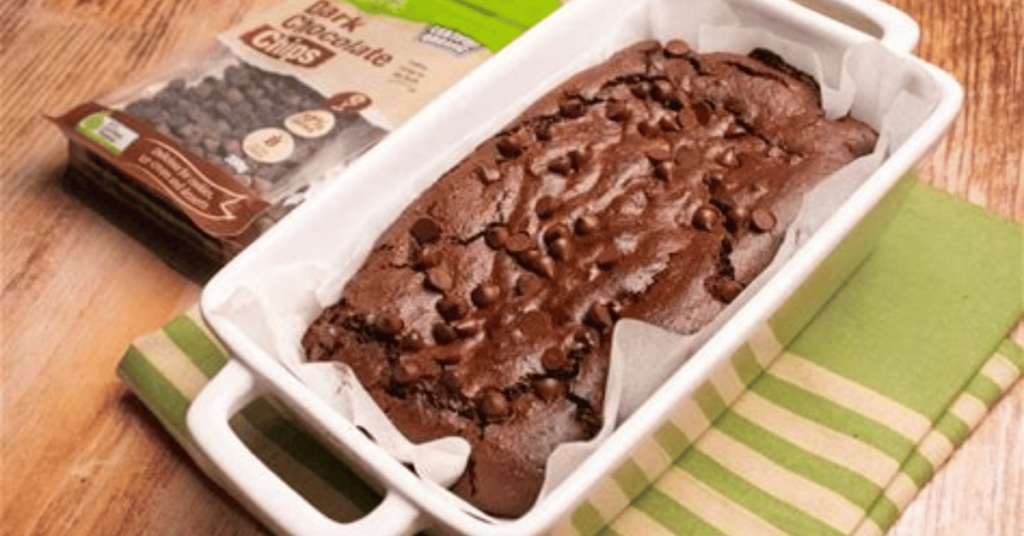
Think Crunchy vs. Creamy
Source: absoluteorganic.com.au
A velvety soup craves a crispy crouton, while a fluffy pancake begs for a drizzle of sweet, syrupy sauce.
Soft vs. Chewy
Tender fish pairs well with roasted vegetables. Chewy gnocchi matches perfectly in smooth pesto.
When you add these elements, you can create a delicious recipe. It will be a captivating adventure for the senses.
Let’s go for the ultimate: your senses.
Beyond the Plate: Engaging the Senses
A genuinely engaging recipe goes beyond just the taste and texture of the final dish.
It’s about crafting a multi-sensory experience. It draws the cook in from the start.
Here’s how to awaken all the senses and create a recipe that’s as captivating as it is delicious.
Visual appeal
We all eat with our eyes first. A visually stunning dish instantly sparks excitement and whets the appetite.
Plating Power
Remember not to underestimate the power of plating!
Use contrasting colours, appealingly arrange ingredients, and add a touch of garnish.
Fresh herbs or a balsamic reduction drizzle elevates a dish’s visual appeal.
Food Photography
Pixabay/Anelka
In today’s digital world, a captivating photo can be the key to grabbing attention.
Invest in good lighting, experiment with angles, and capture the essence of your dish in a way that makes people want to reach through the screen.
Aromatic Allure
The enticing aroma of a dish simmering on the stove can be a powerful draw. It sets the stage for the culinary experience and builds anticipation.
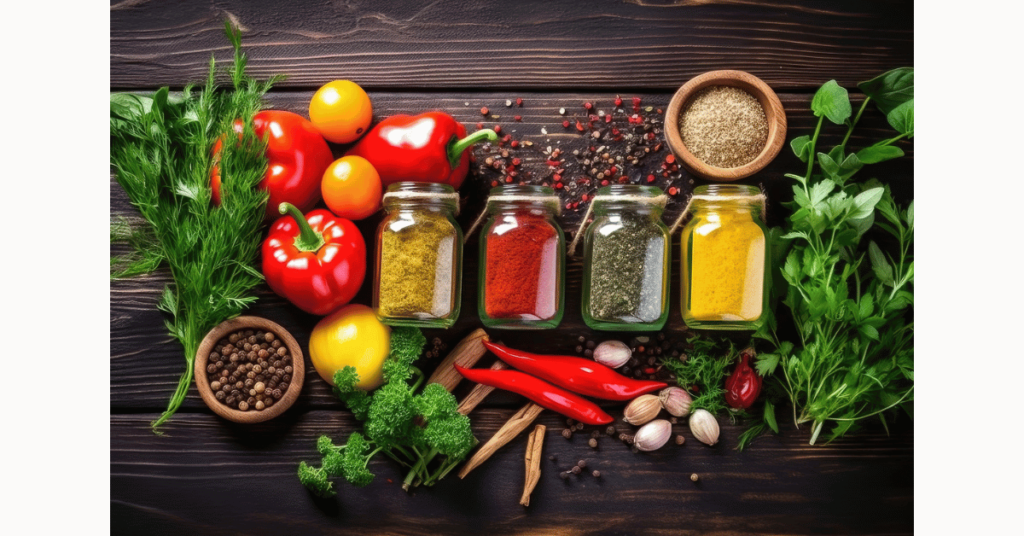
Fragrant Herbs & Spices
Use fragrant spices like rosemary and thyme. It would help if you used aromatic spices like cinnamon and star anise.
These ingredients don’t just add flavour. They create an irresistible scent. It draws people into the kitchen.
Sizzling Techniques
Cooking meat at high heat, browning onions, or toasting spices releases fantastic smells. They fill the kitchen and signal a tasty meal.
Storytelling Through Food
Food has the power to tell a story, and weaving a narrative around your recipe can make it even more engaging.
Family Traditions
Share a story about a recipe passed down through generations or a dish with special memories.
Cultural Significance
Explore the cultural roots of a dish and weave that history into your recipe.
Travel Inspiration
Unsplash/Jerome Jome
Did a trip abroad inspire a culinary creation? Share your travel story and the flavours that influenced your recipe.
Engage all the senses. It turns a recipe from instructions into a vibrant, immersive experience. It draws in your audience and leaves them eager to start their culinary adventure.
Practical Tips for Recipe Writing
Pexels/Shkraba
You’ve unlocked the secrets of crafting engaging flavours, textures, and sensory experiences. Now, let’s turn that magic into clear recipe writing.
Here are some tips to make sure your recipes are not only tasty but also easy to use:
Clear & Concise Instructions
Imagine a friend asking you how to make your fantastic dish. Your recipe should feel like a conversation, guiding them effortlessly through each step.
Structure is Key
Break down your instructions into numbered steps or bullet points for easy readability.
Be Specific, Not Vague
Don’t leave room for guesswork.
Specify cooking times, temperatures, and necessary adjustments based on ingredient variations.
Ingredient Accessibility
The best recipes don’t need a shopping spree for exotic ingredients.
Readily Available
Focus on using common ingredients found in most kitchens.
Embrace Substitutions
Offer suggestions for substitutions or variations for harder-to-find items.
Quantity is Key
Be precise with ingredient measurements. Spell out quantities (one tablespoon, not 1 tbsp) to avoid confusion.
Enticing Titles & Headings
Think of your recipe title and headings as your elevator pitch. They must be clear, informative, and capture the reader’s attention.
Descriptive Titles
Choose a title like “Lemon Herb-Roasted Chicken with Crispy Potatoes” instead.
Informative Headings
Use headings to break down sections, such as “For the Marinade” and “Baking Instructions.” This method will make the recipe well-organized and easy to follow.
These tips can change your recipes from hard to understand.
They empower anyone to recreate your masterpieces.
Conclusion
So there you have it, the secret ingredients to creating engaging recipes!
Focus on flavours, textures, and the senses. It can turn a simple dish into a culinary adventure.
Clear and brief instructions, easy ingredients, and enticing titles are the tools. They will help your readers to bring your creations to life.
Now, it’s your turn to unleash your inner recipe rockstar!
Don’t fear to experiment. Explore new flavours and weave your stories into your dishes.
Remember, the kitchen is your playground.
With these secrets, you can create recipes. They are delicious and ignite a passion for cooking in all who read them.
Happy cooking, and remember to share your culinary creations with us!
In the comments below, let us know what tips resonated most. Also, feel free to share your secrets for crafting engaging recipes.
Ready to put your newfound recipe-writing magic into action? Here are a couple of ways to get started and keep the culinary inspiration flowing:
Challenge Accepted!
We’d love to see you create a recipe incorporating this post’s tips. Please share what you’ve on social networks using the hashtag #EngagingRecipes, and tag us!
Recipe Swap!
Need help with recipe ideas?
Please share a favourite cuisine or flavour profile, and let’s exchange recipe ideas!
Have you ever wondered what babies drink besides milk? Cow’s milk formula has been the top choice for families who can’t breastfeed for centuries. But did you know a whole new world of plant-powered options is blooming on the shelves these days? Brewers make these …