
Best Plant-Based Foods Rich in Iron & B12: The Essential Guide
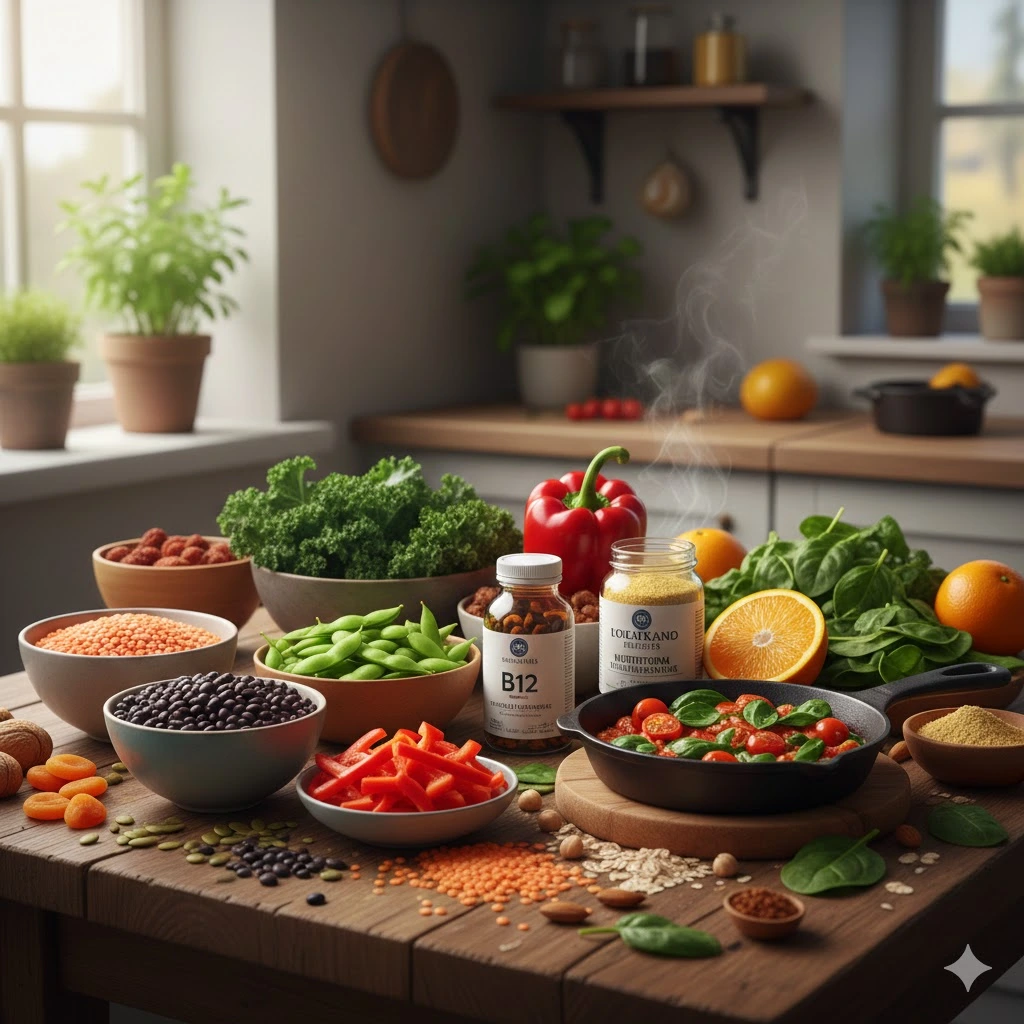
Here’s your guide to the best plant-based foods rich in iron & B12.
A comprehensive resource for maximising essential micronutrients on a vegan or vegetarian diet.
Introduction: Fueling a Plant-Based Diet with Essential Micronutrients
Plant-based eating is growing in popularity. Many people are discovering its health benefits and sustainability.
However, embracing a meat-free diet requires mindfulness, particularly regarding essential micronutrients.
Two components that commonly spark concern among newcomers and veterans alike are Iron and Vitamin B12.
A vegan or vegetarian diet is full of vitamins and minerals. However, you need to plan carefully for specific nutrients, especially B12.
So, people often wonder: How can I get enough Iron and Vitamin B12 from plant-based foods?
This guide showcases the top plant-based foods high in iron and B12. It also offers practical tips for better absorption and intake.
You can stay healthy on a plant-based diet. Just pick bright food pairings and reliable sources.
What are essential nutrients, and why are they vital for plant-based health?
Understanding the Essentials: The Crucial Roles of Iron and B12 in Plant-Based Nutrition
Why Iron is Essential for Plant-Based Eaters
Iron is a key mineral for life. It helps form red blood cells (erythropoiesis) and transports oxygen (haemoglobin) in the body.
On a plant-based diet, you get only non-heme iron. This type is not absorbed as well as heme iron from animal products.
Consequently, plant-based eaters need to pay extra attention to their intake to avoid Iron deficiency, which can lead to anaemia, characterised by symptoms such as extreme fatigue, weakness, and shortness of breath.
The Critical Nature of Vitamin B12 for Vegan and Vegetarian Diets
Vitamin B12 (Cobalamin) is key to nerve function. It supports DNA synthesis and the production of healthy red blood cells.
Crucially, B12 is produced by bacteria and accumulates reliably in animal tissues.
This creates a special challenge for people on a vegan diet. Plant-based foods don’t naturally provide the active form of B12.
The human body can’t store nutrients for long. If you’re deficient for too long, it can cause serious problems, like nerve damage and cognitive issues.
Therefore, proactive B12 intake is non-negotiable for anyone following a strict plant-based diet.
Now that we understand why they matter, let’s explore the best plant-based foods that deliver these vital nutrients.
Top-Tier Plant-Based Foods Rich in Iron: Maximising Your Iron Intake
You can easily get enough iron on a meat-free diet by eating various, rich plant-based foods.
However, remember that the bioavailability of non-heme iron is key, which we will address in detail later.
Powerhouse Pulses: Beans and Lentils for Plant-Based Iron
Pulses are the undisputed champions of plant-based iron.
They are rich in protein and fibre. Plus, each serving offers a good amount of non-heme iron.
A half-cup of cooked lentils provides about 3.3 mg of iron.
This makes lentils a key staple.
Similarly, chickpeas, kidney beans, black beans, and soybeans (edamame) are all excellent sources of iron.
Always soak and cook thoroughly to improve digestibility and mineral absorption.
Dark Leafy Greens: Iron-Rich Vegetables for a Vegan Diet
Dark leafy greens are a valuable addition to your arsenal of plant-based iron sources. Spinach and kale are famous for their mineral content.
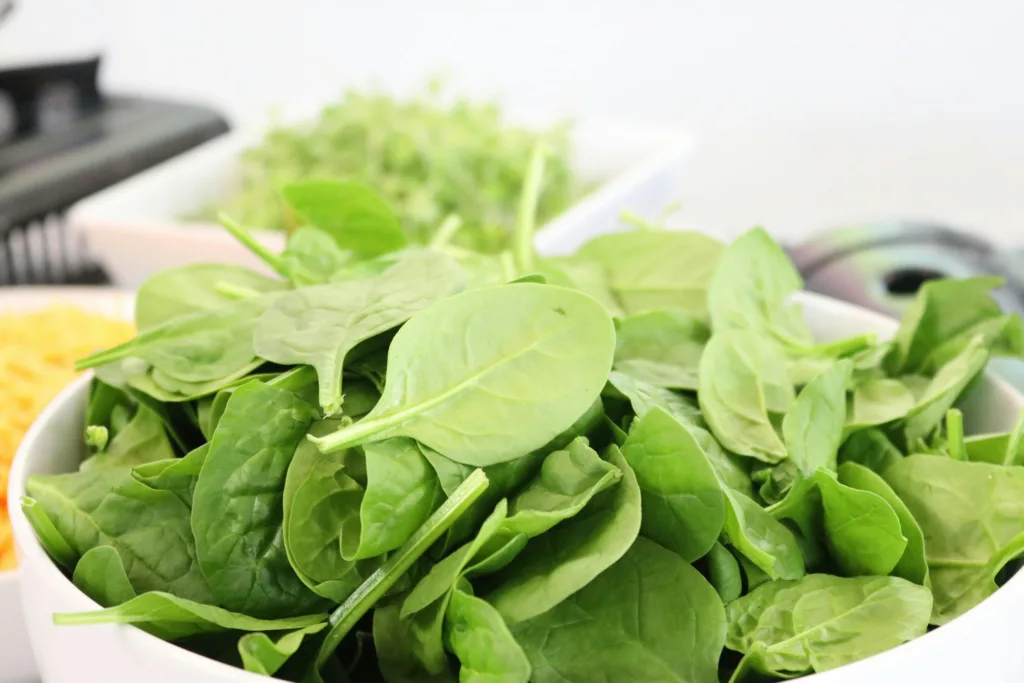
Lightly cooking these greens lowers their oxalate levels. Oxalates can block iron absorption, but cooking helps the body take in more iron.
Other great options are Swiss chard and collard greens. They’re rich in iron and full of essential vitamins, like Vitamin K.
Iron-Fortified Grains and Cereals for Plant-Based Meals
Many common breakfast foods are specifically enhanced to provide essential micronutrients.
Fortified breakfast cereals are a great source of iron. They make it easy to kick off your day.
Whole grains like quinoa, oats, and amaranth are rich in iron. They offer natural nutrition beyond just fortification.
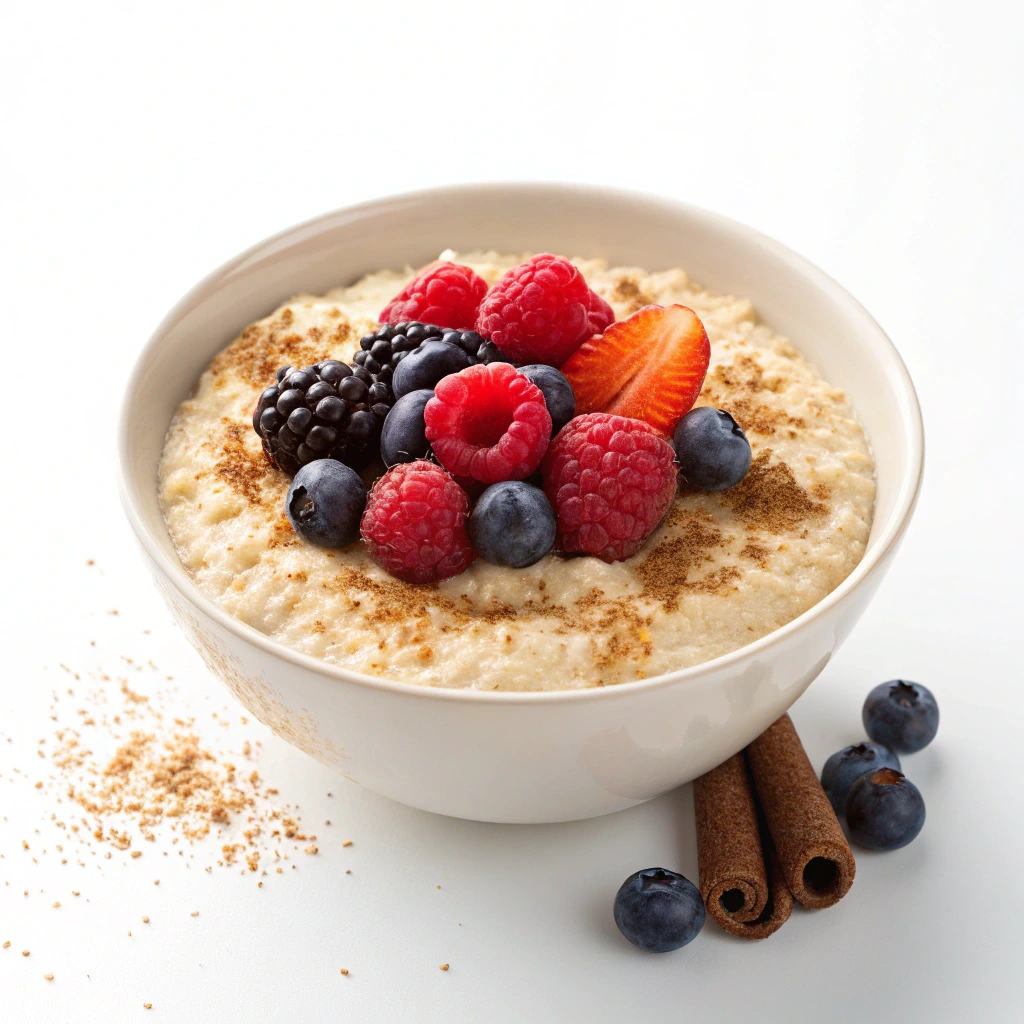
Whole grains have phytic acid, which can block absorption.
However, their nutritional value makes them very beneficial.
Nuts, Seeds, and Dried Fruits: Delicious Plant-Based Iron Snacks
For high concentration in a small package, look no further than nuts and seeds.
Pumpkin seeds (pepitas) and sesame seeds (tahini) are rich in iron. A quarter-cup serving provides about 4 mg of iron.
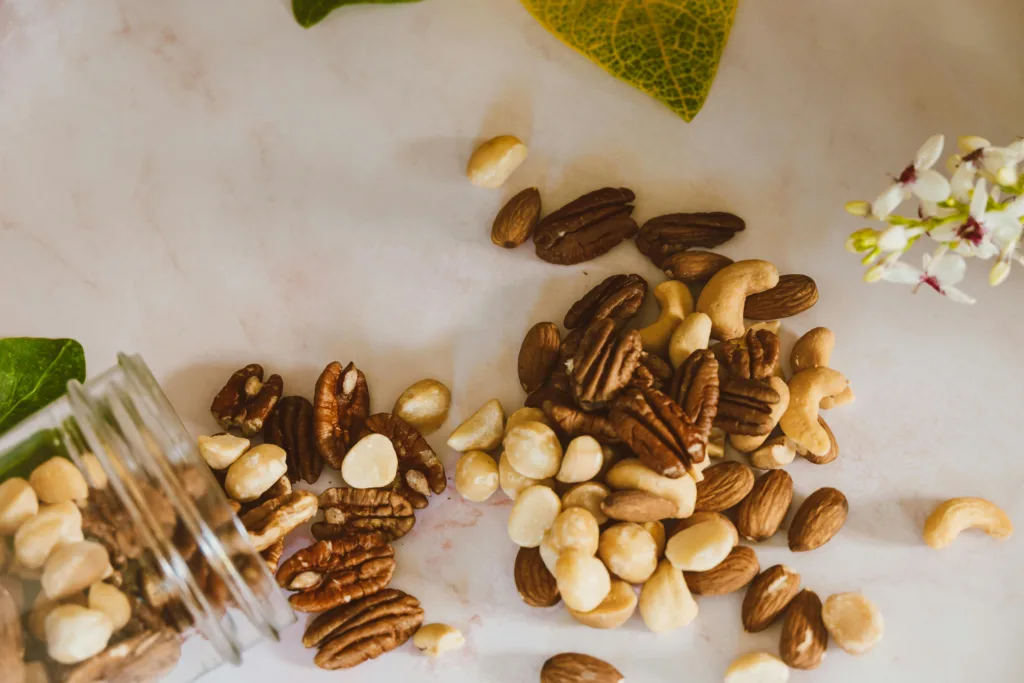
Cashews and almonds are also good sources of iron.
By Jess Loiterton, https://www.pexels.com/@Jess Loiterton
For a sweet, iron-rich snack, try dried fruits like apricots, prunes, and raisins. They’re convenient, but watch out for their higher sugar content.
Reliable B12 Sources: Plant-Based Strategies for Vitamin B12 Intake
When it comes to Vitamin B12, the approach must differ from that of iron.
Vegans often miss out on a reliable source of B12 from plant foods. So, fortification and supplements are key to ensuring enough intake.
B12-Fortified Plant-Based Milks and Yoghurts
A straightforward way to add B12 to a plant-based diet is by drinking fortified beverages.
Most commercial plant-based options, including soy, almond, and oat milks, are crucial for vegan B12 intake.
Check the nutrition labels to see if the product is fortified. The amount can vary widely between brands and types.
Drinking one cup of fortified milk twice a day is a common strategy to meet daily needs.
Nutritional Yeast: The Vegan‘s Cheesy Secret to B12
Often referred to as “nooch,” nutritional yeast is a popular condiment for plant-based eaters due to its cheesy flavour.
However, its value is significantly enhanced when fortified with B12.
A single tablespoon of fortified nutritional yeast can often provide more than the daily requirement of Vitamin B12.
You can sprinkle this tasty addition on pastas, soups, and veggies. It’s a great way to boost your B12 intake.
Fortified Tofu, Tempeh, and Meat Alternatives
The market for plant-based meat is growing fast. Many companies fortify these products, along with some brands of tofu and tempeh. This helps vegans meet their micronutrient needs.
Always inspect the packaging to confirm Vitamin B12 fortification.
Note: Unfermented soy products and non-fortified fermented foods, such as tempeh and miso, often lack sufficient B12.
Do not assume fermentation provides active B12 unless specifically labelled.
B12 Supplementation: The Most Reliable Plant-Based Strategy
For peace of mind, a dedicated B12 supplement is the best plant-based choice.
Vitamin B12 is water-soluble. The body absorbs only a small amount at once. So, high-dose supplements are often suggested weekly or bi-weekly for strict vegans.
Recommended dosages are about 10 μg daily or 2000 μg weekly.
This ensures adequate intake regardless of dietary variables.
Simply eating iron-rich foods isn’t enough; we need to optimise how the body utilises this non-heme iron.
Enhancing Absorption: Practical Tips to Maximise Plant-Based Iron Utilisation
To boost iron absorption from plant-based foods, pair them wisely.
Non-heme iron isn’t as well absorbed. So, mixing foods can boost your intake of this vital mineral.
The Vitamin C Connection: Boosting Iron Bioavailability
This is the most critical tip for plant-based eaters.
Vitamin C (ascorbic acid) boosts non-heme iron absorption. It changes iron into a form that’s easier for the body to absorb. You should always aim to consume a source of Vitamin C alongside your main iron-rich meals.
Here are some great pairings: add bell peppers or a citrus dressing to your spinach salad. You can also enjoy lentils with tomato sauce.
Other sources of Vitamin C include strawberries, broccoli, and kiwi.
Inhibitors of Iron Absorption: Foods to Separate from Iron-Rich Meals
Certain compounds can significantly inhibit non-heme iron absorption. Be mindful of:
- Phytates (Phytic Acid): Found in whole grains, nuts, seeds, and legumes. You can lessen their impact by soaking, sprouting, or fermenting your pulses and grains before eating.
- Tannins: Present in coffee and tea (both black and green). It is best practice to avoid consuming these beverages for at least an hour before and after eating a major iron-rich meal.
- Calcium: High levels of calcium, mainly from supplements or fortified plant milks, can hinder iron absorption. If you take a calcium supplement, try to consume it at a different time of day than your primary iron source.
Cooking Methods for Iron Retention
Believe it or not, the pan you use matters!
Using cast-iron cookware is a timeless way to boost the iron in your plant-based meals.
This works exceptionally well with acidic foods, like tomato sauces.
B12 Absorption Factors (Digestive Health)
Food pairing isn’t the main way to get B12. Instead, focus on good digestive health.
You need enough intrinsic factors and stomach acid to help release B12 from its binding proteins.
If you have digestive health issues or take specific medications, talk to your doctor about having your B12 levels checked.
Frequently Asked Questions (FAQ) about Plant-Based Iron & B12
Can I get enough Vitamin B12 without a supplement on a Vegan Diet?
The short answer is no, not reliably. The only good sources of B12 for a strict plant-based diet are fortified foods. This includes plant milks, nutritional yeast, and supplements. Some fermented or ocean-based plant foods may have small amounts of vitamin B12. However, these are often inactive forms. They can also block the absorption of active B12. So, it’s a good idea to take a B12 supplement if you’re on a strict plant-based diet.
How much iron do vegetarians and vegans need compared to meat-eaters?
The World Health Organisation and other health groups say plant-based eaters need about 1.8 times more iron than those who eat meat. This is because non-heme iron from plant foods is less available for the body to absorb. This is particularly relevant for high-risk groups, such as menstruating women. Constantly monitor your ferritin levels with a healthcare provider.
Are Iron-Rich Plant Foods like Spinach really a good source of Iron?
Yes, spinach is highly concentrated in iron, but its absorption is significantly limited by its high oxalate content. However, the overall nutritional value of spinach remains high. Always eat plant-based iron with a strong source of Vitamin C. Good options include lemon juice or tomatoes. This helps improve absorption.
Does soaking beans and lentils improve iron absorption?
Soaking, sprouting, or fermenting foods like beans and lentils reduces phytic acid (phytates). Phytates block non-heme iron absorption, so these preparation methods are key. They help you get the most nutrition from iron-rich plant foods.
Where can I find the Iron Fact Sheet from the NIH?
The National Institutes of Health (NIH) provides key information on dietary supplements. Their Iron Fact Sheet covers recommended daily allowances and trusted sources. Consulting such expert guidance is essential for navigating plant-based health effectively.
Conclusion: Thriving on a Plant-Based Diet with Iron & B12
A good plant-based diet can provide enough iron. You can find iron in tasty foods like pulses, seeds, and leafy greens.
To succeed, know the difference between non-heme and heme iron. Pairing your iron with Vitamin C can boost absorption.
To tackle the B12 challenge, focus on B12-fortified foods or a dependable B12 supplement. This is the best way to ensure you get enough B12 for a healthy vegan or vegetarian lifestyle.
Try different foods, think about how they pair, and you’ll improve your plant-based diet.