
Evidence-Based Plant-Based High-Protein Recipes SA
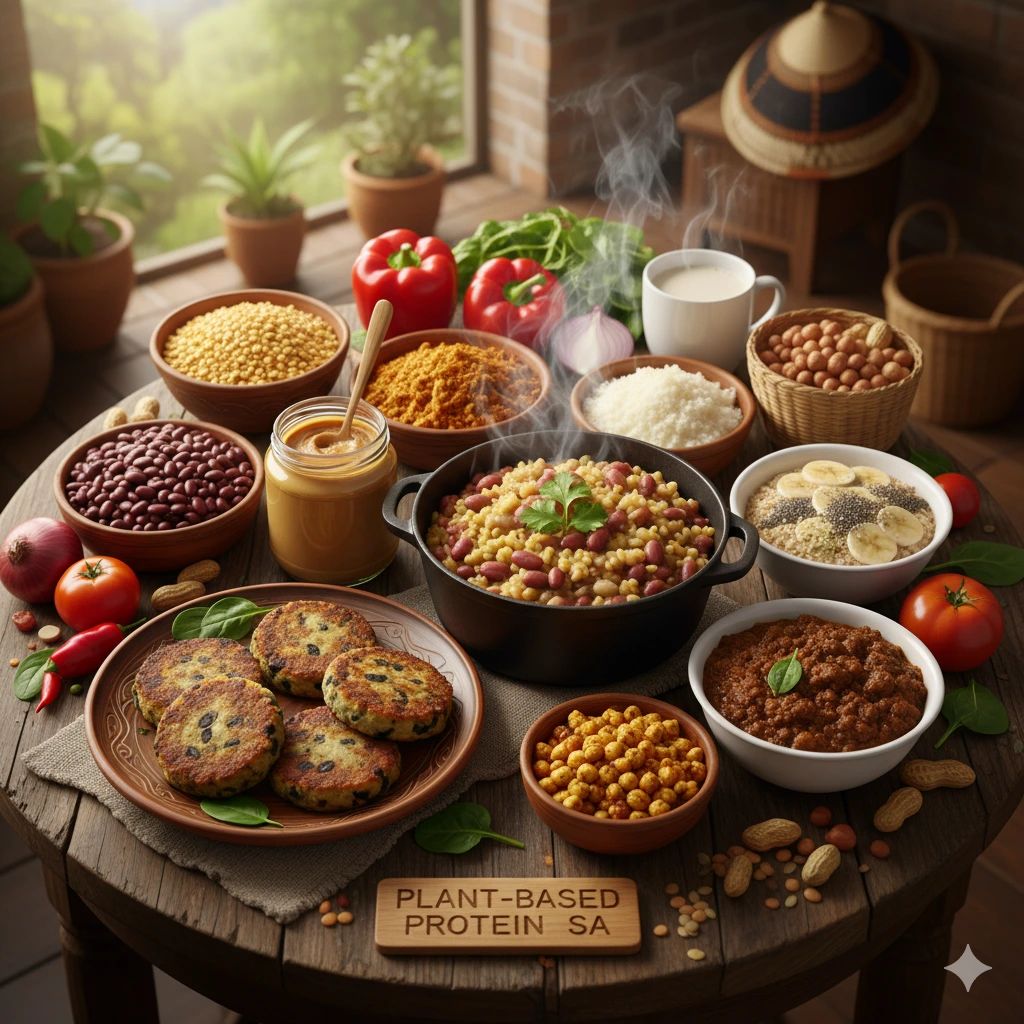
Here’s your guide to evidence-based plant-based high-protein recipes SA.
The common question, “Where do you get your protein?” on a plant-based diet can stop here.
Welcome to the ultimate guide that connects WFPB nutrition to science and links it to the South African pantry.
If you follow a whole-food, plant-based (WFPB) lifestyle, you know the benefits are great. You get more energy, better heart health, and wellness.
The protein question often comes up at family dinners, during gym schedules, or on trips to the local tuck shop.
The great news?
You don’t need expensive imported powders or speciality items to meet your goals.
South Africa has many affordable and accessible protein sources. They are strong options for everyone.
This article cuts through the noise.
We’ll share facts about plant protein. Next, we’ll dive into delicious, high-protein recipes. We’ll use local favourites like sugar beans, soya, and samp.
Get ready to discover the plant-based high-protein recipes SA needs to thrive!
The Evidence-Based Truth About Plant Protein
It’s time to banish the decades-old myths.
As advocates of evidence-based nutrition, we rely on facts:
Protein Adequacy is Achievable, and Easy!
The science is precise: a well-planned plant-based diet offers enough protein for everyone, from babies to top athletes.
Our bodies are great at using amino acids, the building blocks of protein, from the food we eat.
Read more about Protein Adequacy on a Plant-Based Diet.
Debunking the “Incomplete Protein” Myth
Do you remember being told to carefully pair certain foods at each meal, like rice and beans, to make a “complete protein”?
This concept, known as protein combining, has long been debunked.
Your body maintains a “pool” of amino acids. Consume a variety of protein sources daily to ensure you get all nine essential amino acids (EAAs) for optimal function. This is easy on a WFPB diet!
Check out the science, Debunking the Complete Protein Myth.
The WFPB Advantage
Choosing plant protein goes beyond just meeting a need. It’s about getting better nutrition.
When you choose a portion of lentils over meat, you are choosing:
- Zero Cholesterol & Lower Saturated Fat: Critical for heart health.
- High Fibre: Essential for gut health, satiety, and regulating blood sugar.
- Phytonutrients and Antioxidants: Disease-fighting compounds found only in plants.
Every scoop of beans or handful of nuts offers health benefits that animal products can’t match.
SA’s Local Protein Powerhouses
Our local supermarkets, spaza shops, and farmers’ markets are brimming with high-protein heroes.
Affordable and accessible options are key for sustainable, whole-food eating in South Africa.
Legumes and Pulses: The WFPB Foundation
These are the hidden heroes of South African cooking. They provide high levels of protein and iron at a much lower cost than meat.
| The SA Protein Source | Protein Per 100g (Cooked, Avg.) | Why It Works for WFPB SA |
| Sugar Beans | 9g | Used widely in Istambu (Samp and Beans) and hearty curries. |
| Lentils (All Types) | 9g | Cook quickly and are perfect for dhal and soups. |
| Chickpeas | 9g | Versatile for hummus, braai salads, and chickpea curries. |
| Soya Mince | The king of affordable plant protein is a perfect meat substitute. | The king of affordable plant protein, a perfect meat substitute. |
Learn about the Nutritional Analysis of Legumes and Pulses available locally.
Grains, Seeds, and Nuts: The Essential Complements
While legumes are the stars, these staples add bulk, texture, and fill in any amino acid gaps.
- Samp (Umngqusho): Samp is often overlooked. It’s a whole grain made from coarsely ground maize. This grain offers a good source of complex carbs and protein. Combining Samp and Beans is a traditional, perfect protein combination.
- Soya Milk and Tofu: Soya is a complete protein source. Tofu, made from curdled soya milk, is very versatile. It easily absorbs bold South African spices.
- Peanuts (Groundnuts): Affordable, high in protein, and a staple in many traditional dishes. Making your own is easy!
Get an Easy Homemade Peanut Butter Recipe—no added oil or sugar needed!
Plant-Based High-Protein Recipes SA Edition
Time to put the science into practice!
These recipes fit the WFPB lifestyle. They focus on whole ingredients and boost protein.
1. Breakfast Power: The High-Protein “Booster” Overnight Oats (Ready in 5 mins)
Start your day with about 20-25g of protein to keep you full and energised.
- The Protein Hack: Use Soya Milk (the highest protein plant milk) and mix in both chia and hemp seeds.
- Ingredients:
- 1/2 cup rolled oats
- 1 cup unsweetened soya milk
- 2 Tbsp. chia seeds
- 1 Tbsp. Hemp seeds (if available) or ground flaxseed
- 1 Tbsp. Natural peanut butter
- Handful of sliced seasonal fruit (mango, banana, berries).
- Method: Mix all ingredients in a jar the night before. Enjoy the cold in the morning.
2. Lunchbox Champion: The SA High-Protein Samp and Bean Salad
A classic SA favourite, reimagined as a cool, hearty salad. This is a complete protein powerhouse.
- The Protein Hack: The combination of whole grain (Samp) and legume (Sugar Beans) provides all EAAs.
- Ingredients:
- 1 cup cooked Samp
- 1 cup cooked Sugar Beans (or Black Beans)
- 1/2 cup chopped red onion
- Half a cup of fresh or frozen corn kernels
- Dressing: Lemon juice, olive oil (optional, use sparingly for WFPB), herbs like coriander (dhania) or parsley, salt, and black pepper.
- Method: Combine all ingredients. Serve cool or at room temperature. Perfect for meal prep!
3. Dinner Comfort: High-Protein Soya Mince Curry
Soya mince is cheap and easy to find. It packs a lot of protein, so it’s a must-have for plant-based high-protein recipes in South Africa.
- The Protein Hack: Pure soya mince is a complete protein.
- Ingredients:
- 1 cup textured vegetable protein (TVP)/Soya Mince, soaked in hot vegetable stock.
- 1 chopped onion, two crushed garlic cloves, and 1 inch of grated ginger.
- 2 Tbsp. Mild curry powder or masala.
- 1 can chopped tomatoes.
- Carrots and potatoes (optional).
- Method: Sauté onion, garlic, and ginger. Cook for one minute after adding the curry powder. Add soaked soya mince, tomatoes, and stock. Simmer until thick. Serve over brown rice or with dombolo (dumplings).
4. Braai Favourite: Black Bean & Quinoa Patties
Perfect for your next vegan braai or simply a hearty weeknight burger.
- The Protein Hack: Quinoa is one of the few plant foods considered a complete protein.
- Ingredients:
- 1 cup cooked black beans, mashed.
- 1/2 cup cooked quinoa.
- 1/4 cup oats or breadcrumbs (for binding).
- 1 Tbsp. Smoked paprika, pinch of chilli (optional).
- Method: Mix all ingredients. Form into patties. Grill, pan-fry, or bake until firm. Serve with a chakalaka relish on a whole-wheat bun.
Optimising Protein Absorption and Intake
A WFPB diet is rich in vitamins and minerals. Here are some easy tips to make sure you get the most from your high-protein meals:
- Spread the Protein: Aim to include a protein source at every main meal, rather than trying to get it all in one sitting. This helps your body utilise the amino acids efficiently for tissue repair and maintenance.
- Focus on Iron and B12: Plant foods are rich in non-haem iron, especially legumes and leafy greens. Pair them with Vitamin C sources like tomatoes, oranges, and peppers to boost absorption. Always supplement with Vitamin B12, as it is not reliably found in plant foods.
- Active Lifestyles: If you’re an athlete or very active, you need more protein. The RDA for most people is 0.8g/kg, but athletes may require 1.2−2.0g/kg. Focus on post-workout meals rich in legumes and grains.
Get detailed advice on how to Meet Your Protein Needs as a Vegan Athlete from local experts.
Conclusion: WFPB Protein is Local and Delicious
The journey to a whole-food, plant-based diet in South Africa is exciting and tied to our culinary heritage.
Forget the expensive powders and highly processed meat substitutes.
Our local staples—samp, sugar beans, lentils, and soya—are strong and affordable. They provide the complete, high-quality protein your body needs to thrive.
Enjoying these tasty, plant-based, high-protein recipes with SA ingredients is a win-win. You eat healthy and support local food systems.
Which high-protein SA staple will you be preparing first?