Tag: plant-based foods

Where to Buy Tempeh in South Africa: Your Guide

Where to Buy Tempeh in South Africa: Your Guide

By Zama Zincume — Public Health Specialist & Plant-Based Food Writer · Quick answer: You can buy tempeh in South Africa at Woolworths, which stocks its own PlantLove™ Tempeh (220 g) in the plant-based protein fridge, the only mainstream supermarket that reliably carries it. Beyond that, …

Top Eaten and Bought Plant-Based Foods in South Africa

Top Eaten and Bought Plant-Based Foods in South Africa

This is your 2025 price and usage analysis of the top-eaten and bought plant-based foods in South Africa. Why Plant-Based Foods in South Africa are Booming in 2025 The South African food market is changing very quickly. More people are choosing to eat plant-based foods …

Can a Plant-Based Diet Combat Obesity in South Africa?

Can a Plant-Based Diet Combat Obesity in South Africa?

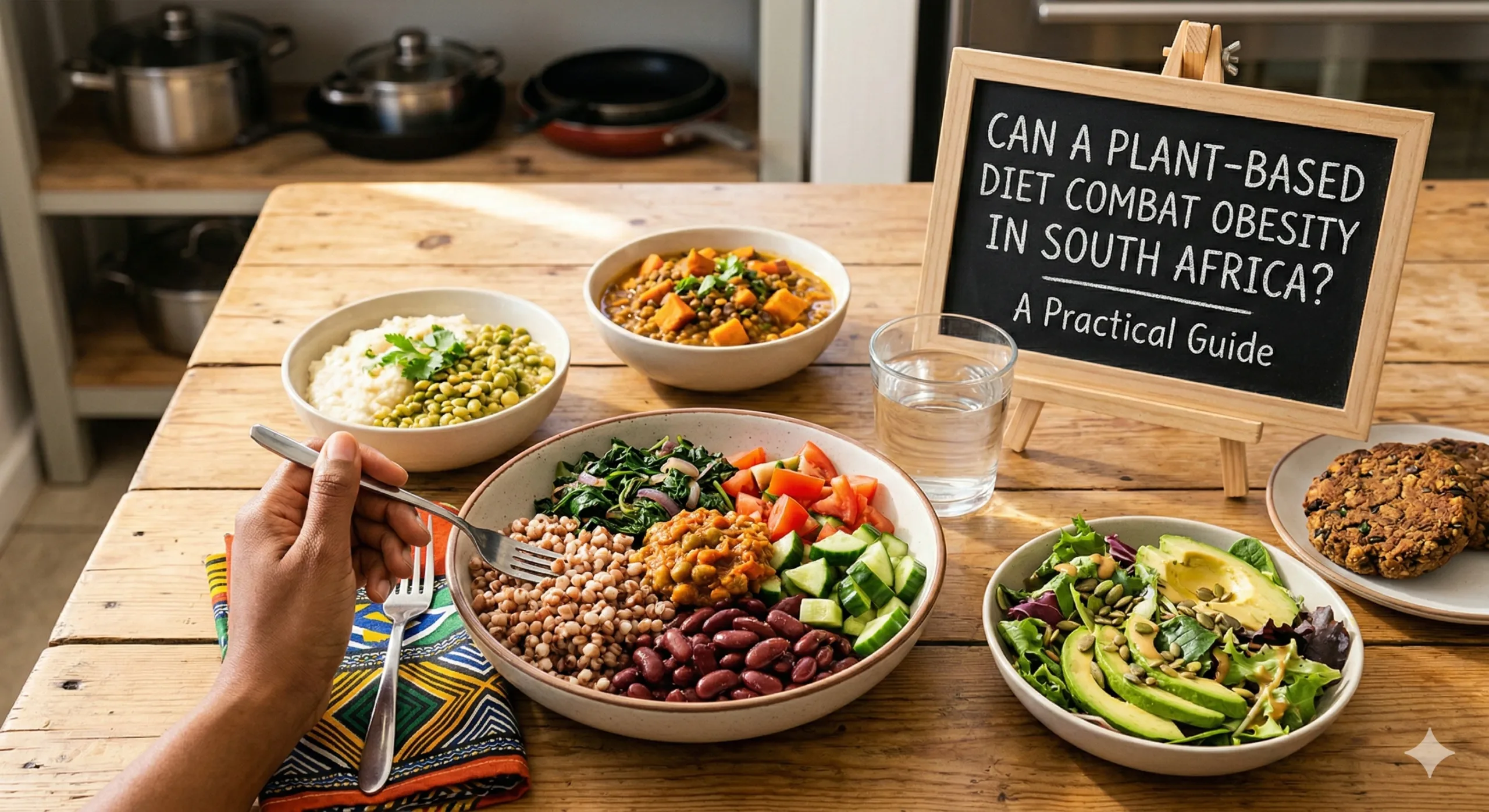
Can a plant-based diet combat obesity in South Africa?

We’ll address this question.

South Africa is in a health crisis.

Obesity rates are going up. This increase leads to more non-communicable diseases (NCDs). These include type 2 diabetes, hypertension, and heart disease.

This challenge connects to city life.

However, it affects communities all over the country. It crosses socio-economic lines.

The search for sustainable, accessible solutions is urgent. Could a shift towards plant-based eating be part of the answer for South Africa?

This guide examines how plant-based diets can help combat obesity in South Africa. It offers practical strategies and takes local needs into account.

Understanding the Obesity Crisis in South Africa

The burden of obesity in South Africa is significant and growing.

The World Health Organisation (WHO) says South Africa has very high obesity rates. It is one of the highest in Africa. This issue is especially common among women. A complex interplay of factors is linked to this rise.

  • Dietary Shifts: People are changing their diets. They used to eat whole foods like vegetables, legumes, and grains. Now, they eat more processed foods, sugary drinks, refined carbs, and animal products.
  • Urbanisation and Sedentary Lifestyles:
    • More processed convenience foods are available.
    • Physical activity has decreased because of urban planning and transport.
    • Job demands have shifted as well.
  • Socio-economic Factors: Food insecurity can contribute to obesity. When money is tight, people buy cheaper food. These foods are high in calories but low in nutrients. Access to fresh, healthy options can be limited in certain areas.
  • Marketing and Advertising: Unhealthy food and drinks are heavily marketed. This is especially true for kids and teens.
  • Cultural and Social Norms: Views on body weight and the importance of food are changing. This is especially true for high-calorie, “modern” foods.

This crisis has serious consequences. It puts a heavy strain on the healthcare system. It also affects individual well-being and productivity.

New strategies are desperately needed.

What is a Plant-Based Diet?

A plant-based diet emphasises plant-derived foods, with few or no animal products. This includes:

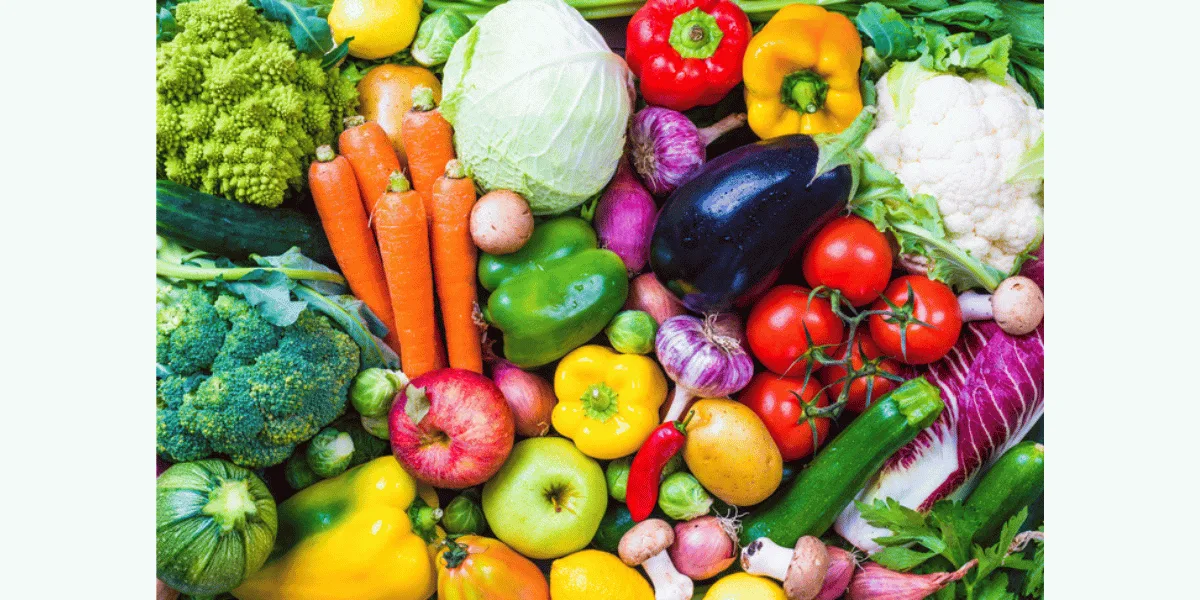
  • Vegetables: All types, including leafy greens, root vegetables, cruciferous vegetables, etc.
  • Fruits: A wide variety of fruits, consumed whole.
  • Legumes: Beans, lentils, chickpeas, peas (e.g., sugar beans, kidney beans, split peas).
  • Whole Grains: Brown rice, oats, sorghum (mabele), millet, whole wheat (e.g., in whole wheat mealie meal or bread).
  • Nuts and Seeds: Almonds, walnuts, pumpkin seeds, sunflower seeds, chia seeds, flaxseeds.
  • Plant-Based Protein Sources:
    • Tofu
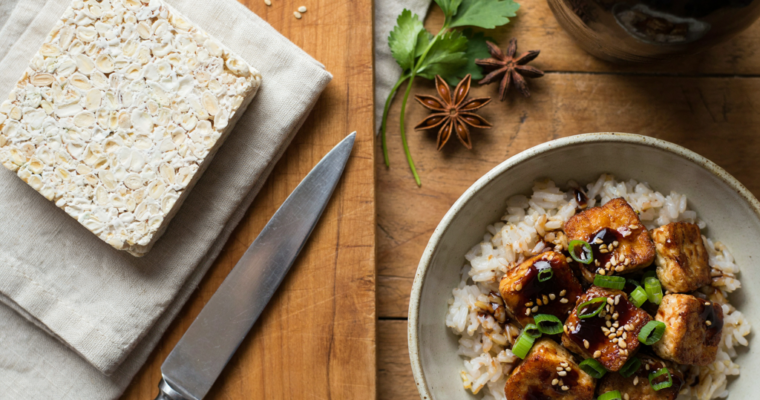
    • Tempeh
    • Seitan
  • These may not be common in traditional SA cuisine, but they are becoming more available.

It’s important to distinguish between “plant-based” and “vegan.” Veganism excludes all animal products for ethical reasons. A plant-based diet can be flexible or strict. It often minimises animal products and focuses mainly on whole plant foods.

The Case for Plant-Based Eating for Weight Management

The evidence linking plant-based eating patterns to healthier weight outcomes is strong:

  • Lower Calorie Density: Plant-based foods have lower calorie density. They fill you up more than processed foods and fatty animal products. This means you can eat a satisfying amount of food while consuming fewer calories.
  • Higher Fibre Content: Fibre, found only in plant foods, promotes satiety (feeling full). It aids in blood sugar regulation and slows digestion. This prevents quick spikes and crashes, which can lead to overeating. High-fibre diets are consistently linked to lower body weight.
  • Lower Intake of Unhealthy Fats: Plant-based diets have less saturated fat. This fat mostly comes from animal products. They also contain less trans fat than processed foods. Both types of fat can cause weight gain and increase disease risk.
  • Better Insulin Sensitivity: A high-fibre plant-based diet helps your body use insulin more effectively. It works more effectively this way. Whole foods are key for this. This can lower the risk of type 2 diabetes. Research shows obesity is associated with type 2 diabetes.
  • Positive Impact on Gut Microbiome: Fibre from plant foods supports a healthy gut. Studies suggest it helps with weight control and boosts overall health.
  • More Micronutrients and Antioxidants: Plant foods are full of vitamins and minerals. They also have antioxidants. These help your health and boost metabolism.

People on plant-based diets often have lower Body Mass Indexes (BMIs). They also face a lower risk of obesity-related diseases.

A plant-based approach can help with weight loss. It is a sustainable way to manage weight. You don’t need restrictive, short-term diets.

Practical Guide to Plant-Based Eating in South Africa

To adopt a plant-based diet in South Africa, you must adapt the principles to fit local needs:

Embrace Traditional Staples

  • Legumes are Key: Legumes, like beans and lentils, are cheap and easy to find. They are high in fibre and protein. Incorporate sugar beans (a staple), kidney beans, chickpeas, and brown lentils. Prepare them in stews (curries, soups), salads, or even as bean patties.
  • Rediscover Traditional Grains: Move beyond refined mealie meal. Embrace sorghum (mabele), millet, and whole maize meal. Use them for porridges (baba), side dishes (putu, phutu, pap), or in baking. They are rich in fibre and micronutrients.
  • Leafy Greens (Morogo/Imifino): South Africa has many leafy greens. They are wild and cultivated. People call them morogo or imifino. Some examples are Amaranthus species, Swiss chard, and pumpkin leaves. These foods are very nutritious and easy to find. You can often forage for them or buy them informally. You can steam, sauté, or add them to stews.

Optimise Common Ingredients

  • Elevate Pap: Turn the humble pap into a nutrient-rich base. Use whole maize meal or maize meal. Serve with vegetable stews rich in beans and morogo. Experiment with adding chopped vegetables or legumes directly into the pap during cooking.
  • Spice it Up: Use the wide variety of spices and herbs in South African cooking. turmeric, ginger, garlic, chillies, and hinds curries. They make plant-based meals tasty and fulfilling by adding flavour without adding excessive calories.
  • Vegetable-Centric Cooking: Shift the focus. Make the vegetable the main attraction rather than “meat and two veg.” Consider large salads, roasted vegetable platters, substantial lentil soups, and vegetable curries.

Address Affordability

Seasonal and Local: Prioritise seasonal and locally grown produce. Check local markets (fresh produce markets, informal vendors) for the best prices. In general, seasonal fruits and vegetables are more tasty and less expensive.

  • Buy in Bulk: Buy staple items like beans, lentils, and whole grains. Look for brown rice, oats, nuts, and seeds. Get them in bulk whenever you can. Store them properly in airtight containers.
  • Grow Your Own: Even in small spaces, try container gardening. Herbs such as parsley, thyme, and basil can be grown. Leafy greens and cherry tomatoes also thrive in containers. Community gardens can also be an option.
  • Limit Processed Foods: Avoid expensive vegan-branded meat or cheese alternatives initially. Focus on whole, unprocessed plant foods, which are inherently more affordable.

Modify Traditional Dishes (Gently)

  • Chakalaka: Keep this delicious spicy relish, but reduce the oil slightly. Serve it alongside bean stews or pap.
  • Braais (Barbecues): Yes, you can still enjoy braais! Try marinated vegetable skewers instead of meat. Use mushrooms, peppers, onions, and zucchini. You can also substitute large portobello mushrooms for burger patties. Corn on the cob is a great option, too. If you like, add spiced tofu or tempeh if available. Baked potatoes or sweet potatoes are great sides. Focus on diverse salads and sides.
  • Stews: Create hearty stews using beans or lentils. Add lots of veggies, such as carrots, potatoes, sweet potatoes, greens, and cabbage. Use vegetable stock and spices for flavour. You can occasionally use “meaty” plant-based options like soya chunks or seitan.

Smart Substitution Strategies

  • Milk: Try plant-based milks like soy, almond, oat, or rice milk. Look for fortified options (calcium, vitamin B12). You can also make your own simple oat or rice milk.
  • Butter/Cooking Oil: Use plant oils like sunflower, canola, or olive oil for cooking. When baking, consider using applesauce or mashed banana in place of fat. It depends on the recipe.
  • Eggs: In baking, use flax eggs (1 tbsp ground flaxseed + 3 tbsp water) or chia eggs. For an “eggy” taste, try scrambling crumbled tofu with black salt and turmeric (kala namak).

Planning and Preparation

  • Meal Plan: Sketch out your meals for the week. This helps with shopping, reduces waste, and makes it easier to stick to your goals.
  • Cook in Batches: Make a lot of staples like brown rice, beans, or lentil stews on the weekend. This provides ready-to-use bases for quick weekday meals.
  • Keep Your Pantry Stocked: Always have canned or dried beans on hand. Keep lentils, whole grains, nuts, and seeds on hand. Don’t forget basic vegetables, too.

Addressing Local Challenges and Misconceptions

  • “Plant-Based is Expensive“: Speciality vegan products can be costly. A diet with whole plant foods—like beans, lentils, seasonal veggies, and local grains—can cost less. It’s a simple way to save money. It often costs less than a diet full of meat and processed foods. The emphasis must be on whole, unprocessed plant foods.
  • “Not Enough Protein“: You can meet protein needs on a plant-based diet. Just include beans, lentils, chickpeas, nuts, seeds, whole grains, and leafy greens. Variety is key.
  • “Culturally Inappropriate”: Food is deeply cultural. The goal isn’t to dismiss traditional foods. It’s about taking back and improving the plant-based ingredients we already use. This includes grains, morogo, and legumes. We aim to adapt traditional dishes in healthier ways. It’s about a “South Africanized” approach to plant-based eating.
  • Availability: In some places, access to fresh produce is low. This often happens in rural areas and low-income city neighbourhoods. These places are called “food deserts.”” Improving access is important. Supporting local markets helps too. Using preserved vegetables, like canned or frozen, can be a key strategy.
  • Lack of Awareness: Education is crucial. Public health campaigns should promote plant-based eating. They must show their benefits. They also need to give simple, relevant tips for different cultures.

Overcoming Hurdles and Staying Motivated

  • Start Gradually: Don’t try to change everything overnight. Begin by incorporating more plant-based meals into your weekly meals. Try Meatless Mondays. Swap one meal a day for a plant-based option.
  • Find Community: Connect with people exploring plant-based eating. Join online groups. Take local cooking classes. Look for support groups. Sharing experiences, recipes, and challenges makes the journey easier.
  • Focus on Additions, Not Deprivations: Add more tasty foods. Choose healthy and varied options. Don’t dwell on what you’re removing.
  • Celebrate Small Wins: Recognise your progress. This could be trying a new recipe, enjoying a meal out, or feeling more energetic.
  • Listen to Your Body: Pay attention to how different foods make you feel. Find a balance that works for you. Make sure to get enough important nutrients. You can do this with fortified foods or supplements. For example, consider Vitamin B12, Vitamin D, and Omega-3 fatty acids. Consult a registered dietitian for personalised guidance.
  • Don’t Aim for Perfection: Slip-ups happen. Don’t let a meal that wasn’t strictly plant-based derail your entire effort. Get back on track with the next meal.

Conclusion: A Healthier Path Forward

South Africa’s obesity crisis demands innovative, accessible, and culturally relevant solutions. Eating more plant-based foods helps with weight management.

It also improves health. Science backs this approach.

Authorities can make plant-based eating easier for many communities. We can use traditional South African staples like legumes, whole grains, and morogo.

By optimising these ingredients, we can also make meals affordable. Smart strategies will help with this.

This transition isn’t about rejecting culture. Instead, it’s about reconnecting with the healthy plant-based roots of traditional diets. We need to adapt these for today’s health challenges.

To overcome barriers, we need individual effort. We also need community support. System changes will help. These changes will improve access and promote education.

Starting this journey can boost well-being. It can also make South Africa healthier and more vibrant.

Choosing plant-based foods empowers you. It builds resilience. Plus, it creates a healthier future for all.

Evidence-Based Plant-Based High-Protein Recipes SA

Evidence-Based Plant-Based High-Protein Recipes SA

Here’s your guide to evidence-based plant-based high-protein recipes SA. The common question, “Where do you get your protein?” on a plant-based diet can stop here. Welcome to the ultimate guide that connects WFPB nutrition to science and links it to the South African pantry. If …

Affordable, Evidence-Based Plant-Based Eating in South Africa

Affordable, Evidence-Based Plant-Based Eating in South Africa

Hi there — I’m Zama Zincume from Eating Plant-Based South Africa, and today I’m taking you on a journey to discover how affordable, evidence-based plant-based eating isn’t just a dream for the privileged in South Africa. With food prices rising and health concerns growing, switching …

Plant-Based Lifestyle Tips: Your 2026 Guide to Healthier Living

Plant-Based Lifestyle Tips: Your 2026 Guide to Healthier Living

Introduction

Ready to transform your life and fuel your body with the power of plants?

By 2026, plant-based living will have surged in popularity.

Millions worldwide are choosing this path. They do it for health, environmental, and ethical reasons.

Did you know the plant-based product market is expected to reach $160 billion by 2030?

If you’re curious about veganism, need more energy, or want easy meal swaps, this article offers tips, fun facts, and inspiration.

Explore the lively world of plant-powered living. Your body and the planet will thank you!

Key Benefits of a Plant-Based Lifestyle

When I decided to start living a plant-based lifestyle, I was curious about all the buzz.

Today, I can’t help but shout about the excellent benefits I’ve seen!

Here are the key benefits of a plant-based lifestyle, plus some surprising facts backed by science.

Boosts Health (and Energy!)

One of the best things I noticed right away was a natural boost in my energy levels.

Plant-based diets include fruits, veggies, whole grains, nuts, and legumes. They provide a lot of fibre, antioxidants, and vitamins that are good for you.

Cutting back on animal products lowers saturated fat and cholesterol. It also boosts nutrients that help me feel light and vibrant.

I love knowing that decades of research back this up!

Research shows that eating plant-based foods can lower heart disease rates. It also helps improve cholesterol levels. Plus, those who eat this way are less likely to get high blood pressure or type 2 diabetes.

That’s a win for a happy, healthy heart and a strong immune system.

Aids in Weight Management

If you’ve ever struggled with weight loss, this lifestyle can feel like a miracle.

Foods from plants have fewer calories and more fibre. So, I feel fuller for longer without counting every bite.

Studies indicate that those adhering to plant-based diets typically exhibit a reduced Body Mass Index (BMI). They also experience steady weight loss without bouncing back.

Protects Against Chronic Diseases

Let’s talk prevention!

Research connects plant-based diets to lower risks of various issues. These include some cancers, heart diseases, and strokes.

Plants help protect us because they are full of compounds. These compounds fight inflammation and boost our body’s natural defences.

Supports a Healthy Planet

What I put on my plate also impacts the world around me.

Living a plant-based lifestyle cuts my carbon footprint. It also uses less water and lessens the impact of animal farming on land and resources.

Adopting plant-based diets worldwide could prevent one in five early deaths. It’s also key for a sustainable food future.

Encourages Mindful, Joyful Eating

Plant-based eating is fun and creative. Think of colourful salads, hearty grain bowls, and exciting new flavours!

Planning meals helps me be more mindful of my eating habits. Sharing dishes with friends and family brings us together for real connections.

Quick Recap

Switching to a plant-based lifestyle isn’t just about what I no longer eat—it’s about enjoying what I add.

More variety, more colour, and more energy. Oh, and did I mention that scientists and doctors the world over are on board, too?

If you’re even a little curious, I say give it a shot—it just might change your life, and the planet’s future, for the better!

Getting Started with Plant-Based Eating

When I began plant-based eating, I felt excited but confused. Switching to a new way of eating needs some thought!

Looking back, I’m grateful I broke things down step by step.

If you’re ready to jump in, let’s make this journey simple, fun, and sustainable together.

Start Small and Celebrate Progress

At first, I didn’t try to swap everything overnight. I chose one meal, such as “Meatless Monday,” and fully embraced plant-based flavours.

Each week, I added more veggies or tossed in some beans to my favourite salad.

The transition was much easier by focusing on small, consistent changes. Be patient with yourself—it’s a marathon, not a sprint.

Stock Your Kitchen for Success

Before I started cooking seriously, I cleaned out my pantry and fridge. I donated animal products to friends and family.

I stocked up on plant-based staples like fruits, veggies, whole grains, beans, lentils, tofu, and nuts. Having plant-powered foods ready made it way less tempting to fall back on my old habits.

Pro tip: Prepare simple snacks like hummus and roasted chickpeas. They’re lifesavers when hunger hits!

Plan Delicious Meals

Meal planning was a game-changer.

I began looking for easy vegan and vegetarian recipes online. Then, I created a weekly plan to avoid feeling stuck.

Breakfast might be a tofu scramble, lunch a crunchy veggie wrap, and dinner a hearty lentil stew.

Pinterest and Instagram became my go-to friends. They were full of beautiful meal ideas that excited me to try new things.

Embrace New Ingredients and Flavours

I loved experimenting with different grains (hello quinoa and brown rice!) and proteins like tempeh and chickpeas.

And have switched to dairy-free milks. I also tried vegan cheese. Then, I got adventurous with new vegetables. Each week, I made it a goal to try one new food.

Remember—You Don’t Need to Be Perfect

Slip-ups happen!

Sometimes I craved old comfort foods, but I reminded myself that this is a learning process. Every plant-based choice is a win, so I focused on progress, not perfection.

Need help? Reach out to online communities or join a local plant-based group. You can swap recipes and share meals there.

Starting a plant-based diet means trying new foods. It also requires planning and making small changes.

Trust me, each small step adds up—before you know it, eating plants feels second nature, and you will be grateful.

Why not leap today and savour the journey?

Simple Plant-Based Meal Ideas

When I switched to plant-based eating, I worried about keeping my meals fun and straightforward.

I was really surprised by how simple, tasty, and affordable plant-based meals can be!

Feeling stuck? Here are some simple plant-based meal ideas. They’ll keep your taste buds happy and your energy high.

Breakfast: Start Strong

I love kicking off my day with overnight oats. I soak rolled oats with plant milk, toss in chia seeds, fresh berries, and a sprinkle of nuts.

If I feel like something warm, I’ll whip up a quick tofu scramble loaded with spinach, mushrooms, and bell peppers.

Smoothies are a must-have. Try banana, kale, almond butter, and a scoop of protein powder for a tasty start.

Lunches That Don’t Disappoint

For lunch, vibrant grain bowls are my jam. I mix quinoa (or brown rice), black beans, roasted sweet potato, shredded carrots, and avocado. Then, I drizzle it all with a zesty tahini dressing.

Sometimes I opt for a chickpea salad sandwich with vegan mayo and crunchy celery—so good and easy to pack for work!

If I need something warm, I go for homemade vegetable soup or a hearty lentil chilli.

Simple Suppers

Dinner is all about cosy comfort. One of my favourites?

Stir-fried tofu and mixed veggies over rice, seasoned with ginger, garlic, and soy sauce.

When I feel lazy, loaded baked sweet potatoes come to the rescue. They’re simple to top with steamed kale, chickpeas, and a scoop of hummus.

I often make veggie pasta with tomato basil sauce. Sometimes, I whip up savoury veggie tacos with black beans and fresh salsa.

Handy Snacks & Quick Bites

Throughout the day, I reach for nuts, fruit, energy bars, or roasted chickpeas. Hummus with veggie sticks is a snack I could eat forever.

When I crave something hearty and quick, I grab a vegan burrito filled with black beans, rice, and peppers. I also like to make lettuce wraps with whatever I find in the fridge.

Mix and Match for Endless Variety

Here’s what I’ve learned: you don’t need fancy ingredients or hours in the kitchen.

Here are some easy plant-based meal ideas. Use whole grains, beans, veggies, and fun spices to make them tasty.

Trying new herbs, textures, or global flavours turns each meal into an adventure. You’ll always find excitement!

Why not try a new recipe this week and see how easy it can be?

With every meal, I find myself feeling lighter, nourished, and full of energy.

So go ahead—dive into plant-based simplicity and let food work its magic!

Nutrition & Balanced Eating

When I began my plant-based journey, I felt nervous about nutrition and balance.

Would I get enough protein? What about iron, calcium, or vitamin B12?

I soon found that a bit of planning helps. Eating a balanced plant-based diet is doable and really tasty!

Focusing on Plant-Based Protein

I love sharing my favourite protein sources when asked. They include lentils, chickpeas, tofu, tempeh, quinoa, and whole grains like oats and brown rice.

By mixing and matching beans with grains, I never feel like I’m missing out. Add in seeds and nuts—think chia, hemp, almonds—and I’m set for muscle recovery and feeling full after every meal.

Tracking Iron, Calcium, and Omega-3s

Next up: minerals!

Spinach and kale are two examples of green, leafy vegetables that are high in iron. Pair them with beans or pumpkin seeds to meet your goals easily.

I always add a source of vitamin C, like bell peppers or oranges, when I eat iron-rich foods.

This helps my body absorb the iron better.

For calcium, I reach for fortified plant milk, tahini, almonds, and broccoli.

As for omega-3 fatty acids, flaxseeds and walnuts have become pantry staples for me.

B12 and Supplement Basics

If there’s one supplement I never skip, it’s vitamin B12.

Plant foods don’t provide enough B12. So, I take a daily supplement or use fortified nutritional yeast. It adds a cheesy kick to popcorn and pasta, too.

I check in with my doctor periodically. I do this to monitor my vitamin D and omega-3 levels, especially in winter.

Eating the Rainbow

One of my guiding mantras is: eat the rainbow! I always fill my plate with colourful foods. Carrots, berries, leafy greens, and purple cabbage—all of them!

This method helps me get plenty of fibre, antioxidants, and phytonutrients. They keep my body healthy and my meals fun.

Building a Balanced Plate

I fill half my plate with vegetables and fruit. I add a quarter for whole grains and the last quarter for plant-based protein.

This keeps my meal balanced. I drizzle on healthy fats, like avocado or olive oil, for satiety and flavour.

Meal prepping helps me stay on track. Rotating recipes keeps me motivated and engaged.

Balanced eating on a plant-based diet means variety, thoughtful planning, and some creativity.

With every bite, I feel more energised, confident—and honestly, I’ve never enjoyed food more!

If you’re starting or want to improve your nutrition, it’s easier and tastier than you think. Give it a try and let your meals work for you!

Managing Social Situations & Eating Out

I’ll admit it—going out and sticking to a plant-based diet used to stress me!

At first, I worried about seeming difficult, being the odd one out, or not finding something to eat.

I’ve learned some great strategies to make socialising and dining out easy and fun. I’m excited to share them!

Planning Makes All the Difference

Whenever I get invited to a party or restaurant, I do a little homework first.

If it’s a restaurant, I look at the menu online first. I also called to ask about plant-based options or swaps.

When I visit a friend’s house, I like to bring a dish. This way, there’s always something tasty and plant-based to enjoy.

Plus, I can share my favourite recipes!

Making a quick snack at home helps me avoid feeling “hangry.” This way, I won’t make impulsive choices later.

Communicate with Confidence—But Keep It Simple

I’ve learned that a simple, positive explanation works wonders.

I don’t give a long speech about plant-based benefits. I say, “I feel great eating this way, and it matches my values!”

Many friends and family value honesty.

They might even get curious and want to try new foods too. If I need a deeper conversation, I keep it friendly and never turn it into a debate.

Getting Creative with the Menu

Eating out can be a fun adventure!

If a place lacks clear vegan or plant-based options, I ask politely for some changes. For example, I might request veggies instead of cheese or ask for the sauce on the side.

I’ve found that most chefs love a good challenge and often come up with something tasty and unique when I ask.

Leverage Your Support Network

Connecting with other plant-based eaters has really helped me. I find support online and in local groups.

We share tips on tasty places to eat, favourite products, and ideas for plant-based dishes at group events.

If you’re new and worried about standing out, having one or two allies can help. Support from a friendly community is excellent, too, if questions come up.

Remember to Stay Positive

At the end of the day, I remind myself why I chose this lifestyle. I focus on the joy of sharing a meal, spending time with people I care about, and knowing I’m sticking to my values.

Sure, I have some awkward chats or slip-ups. But I don’t let them ruin my experience. Plant-based eating should be fun, inspiring, and social!

Whenever I go out to eat or socialise, I prepare myself. I speak kindly and enjoy the experience.

Eating plant-based food while out is possible and empowering with these strategies!

Why not bring a new dish to your next gathering? You could also ask your local restaurant about their plant-based options!

You might find it surprisingly easy—and enjoyable—it becomes.

Overcoming Challenges & Staying Motivated

I’ll be honest—embracing a plant-based lifestyle has had its fair share of challenges for me!

You know the feeling. Cravings hit hard, old habits tug at you, and social situations can be awkward.

The great news?

With some strategy and a positive mindset, you can conquer any obstacle. Staying motivated becomes easier over time.

Progress Over Perfection

I used to think I had to be perfect, but that expectation only stressed me out. Now, I remind myself to aim for progress, not perfection.

If I mess up or eat off my plan, I don’t feel bad. I think about what happened and get back on track.

Every plant-based meal is a victory, and I celebrate each step along the way.

Remembering My Why

Whenever my motivation wavers, I reconnect with my purpose.

I wonder, “Why did I choose this lifestyle? Was it for my health, the environment, animal welfare, or maybe all three?”

Sometimes, writing a note or recording how I feel on a good day inspires me when I hit a slump. Revisiting those reasons regularly keeps me grounded and inspired to keep going.

Planning Makes Everything Easier

I noticed that busy days and a lack of planning can open the door for old habits to sneak in.

Planning meals and prepping snacks ahead of time helps me avoid last-minute choices. These choices often don’t support my goals.

I stock my kitchen with whole foods like beans, grains, and veggies. This way, quick and balanced meals are always easy to grab.

Building a Support Network

I’ll be real—going it alone is tough. I’ve learned to seek out a supportive community, whether online or in person.

I get new ideas and encouragement by sharing stories, recipes, and tips with other plant-based eaters.

Whenever I hit a rough patch, having others to lean on makes all the difference.

Focusing on Action, Not Just Results

I focus on action-based goals instead of worrying about outcomes. For example, I don’t stress over weight loss or lab results.

For example, I aim to try a new recipe each week or pack a homemade lunch.

These small wins add up and create habits that last.

Plus, I allow myself to enjoy the journey and have fun along the way.

Staying Curious and Inspired

When I feel bored or tempted, I mix things up. I try new cuisines, get creative with ingredients, or discover new favourite meals.

And I love reading transformation stories. I enjoy learning about the science of plant-based nutrition, too. This curiosity keeps things exciting and renews my commitment to the cause.

Switching to a plant-based lifestyle isn’t always smooth sailing, but I promise it’s worth it.

Practising self-compassion helps me stay motivated. I plan, seek support, and remember my “why.” This way, I keep finding new reasons to stay on track.

Every challenge is just another opportunity to grow—and every day offers a fresh start!

Sustainable Living Beyond Food

When I started a plant-based lifestyle, I found that sustainable living is more than just food.

I’ve found that my daily choices—at home, in beauty, and with fashion—can genuinely impact the planet.

Ready to boost your sustainability efforts?

Here are some easy habits you’ll enjoy.

The Power of Seasonal, Local, and Homegrown

I love browsing farmers’ markets and choosing organic, seasonal produce. It’s fresher, tastier, and supports local farmers (a win-win!).

Some weekends, I tend to my herb pots on the balcony. Growing basil and tomatoes feels great and helps reduce my carbon footprint.

These habits connect me to nature. They also reduce packaging and transit emissions.

Eco-Friendly Swaps in Everyday Life

A few years back, I stopped using single-use plastics. Now, I carry a reusable water bottle, cloth shopping bags, and containers for takeout.

Composting leftover food scraps has become second nature—plus, it feeds my garden!

Using energy-efficient lighting and saving water at home helps the environment. Shorter showers and fixing leaks are easy ways to be more environmentally friendly.

It also helps lower my utility bills.

Beauty That’s Kind to People, Animals, and Planet

Seeing my beauty routine packed with plastics and chemicals made me happy. I loved making sustainable changes.

Now, I opt for cruelty-free, vegan skincare and makeup. I prefer brands that use eco-friendly packaging and source ingredients ethically.

I sometimes choose easy DIY recipes. For example, I use coconut oil as a moisturiser or apple cider vinegar as a hair rinse.

Fashion: Express Yourself Responsibly

Each season, I check thrift stores and online sites for gently used clothes. I do this instead of buying new ones.

I don’t follow fast fashion trends. Instead, I upcycle old shirts into bags or cleaning cloths. This gives my wardrobe more life.

When I buy from sustainable fashion brands that use organic fabrics or biodegradable dyes, I vote for the planet with every purchase.

Why These Choices Matter

Each small swap—like using reusable bags, picking sustainable makeup, or enjoying a local dinner—empowers me.

My plant-based choices align with my care for animals, the environment, and my own health. Every action, no matter how tiny, adds up.

If you’re starting, pick one area—home, beauty, or fashion—and make a simple, eco-friendly change today. You’ll soon see how connected and impactful sustainable living is, not just in food!

Want to start living greener?

Grow fresh herbs, switch a single-use item, or try a DIY beauty recipe this week.

These changes can really improve your well-being. They also help protect the Earth for future generations.

Conclusion

Embracing a plant-based lifestyle is a journey, not a destination!

Make small changes—like one meal or one habit at a time.

You’ll find vibrant flavours, feel better, and help create a healthier world. In 2026 and beyond, let’s lead with compassion, creativity, and a love for plants.

Try one tip today and inspire someone else tomorrow. Let’s grow together!
Complete Vegan Grocery List South Africa 2025

Complete Vegan Grocery List South Africa 2025

Here’s a complete vegan grocery list in South Africa for 2025. I am amazed by South Africa’s vibrant markets and modern supermarkets. They are offering more vegan options. I know a comprehensive vegan grocery list can overwhelm you. This is true for long-time vegans and …

The Best Plant-Based Diet in South Africa: Ultimate Guide for 2025

The Best Plant-Based Diet in South Africa: Ultimate Guide for 2025

This guide will teach you about a plant-based diet in South Africa. It covers local ingredients and cultural factors. Are you looking to go plant-based in South Africa? You’re not alone! I was amazed to learn that, since 2020, people here have increased their consumption …

How to Eat Whole Food Plant-Based Diet in South Africa?

How to Eat Whole Food Plant-Based Diet in South Africa?

Eating a whole food plant-based diet in South Africa is unlike any other diet you’ve’ve experienced.

If you read no more than one message about health and nutrition this year, this health topic should be it.

Did you know?

There are many places in the world where people live longer. Where achieving age levels exceeding one hundred healthy years is common.

What is their secret?

The key has been plant-based diets. The whole-food plant-based diet stands out as a powerful and transformative approach to nourishing our bodies.

But here is a kicker:

The man considered the father of medicine by health professionals everywhere is Hippocrates. This famed Greek physician made a vital discovery over two thousand years ago.

There is a clear connection between nutrition and health.

Where is this all going?

This post will explain how to eat a whole food plant-based diet. Looking at the health benefits of a whole food plant-based diet.

Tips for transitioning to a whole food plant-based lifestyle. We will also delve into building a nutrient-dense meal plan for optimal health.

This post is your go-to comprehensive guide on how to eat a whole food plant-based diet in South Africa.

Now:

What is a whole food plant-based diet?

Chapter One

What is a Whole Food Plant-Based Diet (WFPB)

A whole food plant-based diet emphasises consuming natural, unprocessed foods derived from fruits, vegetables, legumes, whole grains, nuts, and seeds. Whole food plant-based (WFPB) excludes animal products and highly processed foods.

So, the underlying principle of a whole food plant-based diet is twofold:

Whole foods that are natural without processing. Eating foods that are not heavily refined and processed.

Also, eat foods that come from plants. Excluding animal products and ingredients such as milk, eggs, meat, and honey.

It gets better:

Whole food is plant-based and is not a diet of vegetables only.

You do not rely on counting calories and worrying about nutrients.

You eat a variety of foods.

Foods such as:

  • Fruits
  • Vegetables
  • Tubers
  • Whole grains
  • Legumes

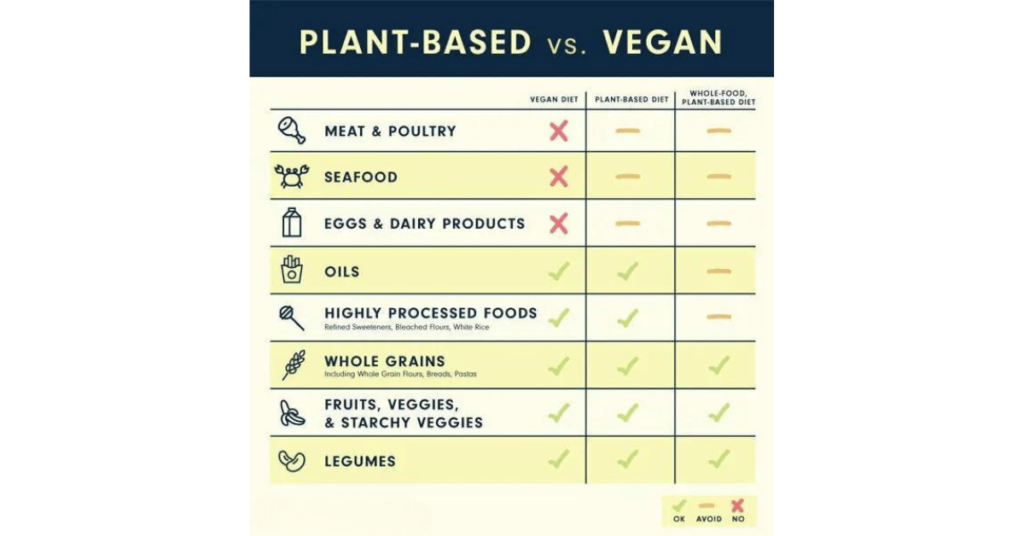
Is eating a whole food plant-based diet (WFPB) like vegan or plant-based?

The critical factor in a whole food plant-based diet is the elimination of oils.

The folks from Fork Over Knives have illustrated this difference clearly.

Source: Forks Over Knives

This dietary choice benefits our health and has positive implications for the environment.

Chapter Two gives you the fundamental principles of a whole food plant-based diet.

Chapter Two

The Key Principles of a Whole Food Plant-Based Diet

Adopting a whole food plant-based diet is not just a passing trend.

This lifestyle choice has gained recognition for its many health benefits.

Did you know that shifting your focus to eating plant-based whole foods will significantly improve your well-being?

Yes!

Just eat more fruits and vegetables and incorporate whole grains and legumes. Also, reduce processed foods and animal products.

Eating More Fruits and Vegetables

The first fundamental principle of a whole food plant-based diet is increasing the consumption of fruits and vegetables.

These natural powerhouses contain essential vitamins, minerals, and antioxidants that promote optimal health.

Do you want to ensure your body receives the nutrients for vitality and disease prevention?

Incorporate a variety of colourful produce into your meals.

Focusing on Whole Grains and Legumes

Another essential principle is to prioritise whole grains and legumes.

Whole grains like quinoa, brown rice, and oats provide complex fibre-rich carbohydrates. The fibre helps to regulate blood sugar levels and maintain digestive health.

Legumes such as beans, lentils, and chickpeas are excellent protein sources while being low in saturated fat. They also contain fibre, which aids in digestion and promotes satiety.

Reducing Processed Foods and Animal Products

Reducing processed foods and animal products is another crucial aspect of this dietary approach.

Processed foods often contain elevated added sugars, unhealthy fats, sodium, preservatives, and artificial additives. These processed foods can have detrimental effects on your health. Minimising or eliminating your consumption of unhealthy foods will reduce the risk of chronic diseases.

Similarly, reducing animal products like meat and dairy helps decrease the intake of saturated fats and cholesterol. At the same time, increasing the intake of plant-based proteins and healthy fats in sources like nuts, seeds, and avocados.

Eating a whole food plant-based diet in South Africa based on these critical principles offers many benefits. Benefits include improved heart health and better weight management. WFPB enhances digestion and reduces inflammation.

Opting for WFPB lowers risk factors for chronic diseases.

Let us unpack the health benefits of a plant-based diet.

Chapter Three

The Health Benefits of a Whole Food Plant-Based Diet

What is so special about eating a whole food plant-based diet in South Africa? What makes it the best option among other diets?

Improved Heart Health

One of the benefits of a plant-based diet is its impact on heart health.

Research shows that plant-based diets reduce blood pressure and cholesterol levels. 

The abundance of fibre, vitamins, and minerals in whole plant foods helps to support optimal heart function.

Whole Food Plant-Based Diet and Weight Management

Weight management is another advantage of embracing a whole food plant-based diet.

Plant-based foods have a lower caloric content and are richer in fibre than animal products.

This combination promotes satiety. Low-calorie content and fibre help you maintain a healthy weight or shed excess pounds.

Moreover, the high nutrient density of plant-based foods ensures that you receive essential nutrients while controlling your calorie intake.

Reduced Risk of Chronic Disease

patient high blood pressure and measuring device for high blood pressure

Furthermore, a whole food plant-based diet helps reduce the risk of non-communicable diseases.

It also helps in inflammatory conditions. The phytonutrients in fruits, vegetables, legumes, and whole grains possess potent antioxidant and anti-inflammatory properties, supporting health and well-being.

Eating a whole food plant-based diet can pave the way towards better long-term health outcomes.

By exploring these topics thoroughly,

we aim to provide valuable insights into why incorporating more plant-based foods into your daily meals gives you a more sustainable lifestyle.

Lowering Cholesterol and Blood Pressure Naturally

Lowering cholesterol and blood pressure is a goal shared by many individuals looking to improve their well-being.

Several strategies and lifestyle changes can help achieve this. Strategies include incorporating cholesterol-lowering foods and a plant-based diet for high blood pressure.

Modify your diet and give your body the most effective ways to lower cholesterol levels. Consuming foods rich in soluble fibre, such as oats, legumes, and fruits, can help reduce LDL (harmful) cholesterol levels.

Additionally, incorporating heart-healthy fats like those found in avocados, nuts, and seeds can positively impact cholesterol levels.

Plant-based diets are low in sodium and high in potassium-rich foods like leafy greens, bananas, and sweet potatoes. This combination helps promote healthy blood pressure levels by reducing sodium intake while increasing potassium intake.

Embracing these strategies provides an opportunity for long-term health benefits that go beyond just numbers on a chart.

Boosting Immunity and Preventing Illness

Plant-based immune system support is popular because it boasts vitamins, minerals, and antioxidants.

These nutrients are vital in strengthening the body’s defences against illnesses and diseases. Adding a variety of fruits, vegetables, legumes, nuts, and seeds will provide you with the essential nutrients needed for optimal immune health.

Whole foods offer a natural and sustainable approach to boosting immunity.

Unlike synthetic supplements or processed foods that may contain artificial additives or preservatives, whole foods provide pure nutrition straight from nature.

 By consuming a diverse range of colourful fruits and vegetables, you can benefit from their unique array of phytochemicals shown to enhance immune function.

By nourishing your body with nature’s bounty of nutrients and antioxidants, you can fortify your defences against common ailments while enjoying the many benefits of a wholesome diet.

You have explored the whole food plant-based diet principles and their health benefits.

Here are the steps you will take to achieve these health outcomes.

Chapter Four

Step 1: Tips for Transitioning to a Whole Food Plant-Based Lifestyle

Transitioning to a whole food plant-based lifestyle can be transformative and rewarding.

By making gradual dietary changes, you can effectively embrace this lifestyle without feeling overwhelmed. Here are some valuable tips to help you ease into this new way of eating and discover delicious plant-based recipes.

  • Take it one step at a time. Add more fruits, vegetables, whole grains, and legumes to your meals. Then, gradually reduce your intake of animal products. Thus making the transition more sustainable.
  • Explore many plant-based ingredients available to you. Experiment with different fruits, vegetables, grains, nuts, and seeds. Eating extra fruits will add variety and excitement to your meals. Don’t be afraid to try new flavours and textures.
  • Seek inspiration from reliable sources such as cookbooks, online recipe platforms, or cooking classes tailored explicitly to plant-based diets. These resources offer a wealth of delicious recipes to keep you motivated.

Remember that transitioning to a whole food plant-based lifestyle in South Africa doesn’t mean sacrificing taste or enjoyment in your meals. It opens kitchen creativity opportunities as you explore new flavours and combinations.

 Embrace this adventure with an open mind and allow yourself to savour the incredible tastes that nature has provided.

By following these tips and embracing the abundance of delicious plant-based recipes available, transitioning to a whole food plant-based lifestyle can become an enjoyable process of health benefits for both body and mind.

Step 2: Busting Common Myths About the Whole Food Plant-Based Diet

Do you need clarification about the diets out there?

When talking to your friends and colleagues, they discredit your new lifestyle for a lack of proteins and other nutrients!

One of the most prevalent misconceptions is protein intake in plant-based diets. Many believe it is challenging to obtain sufficient protein from solely plant sources.

However, this couldn’t be further from the truth.

 Legumes, tofu, tempeh, quinoa, and nuts must be part of your meals. They can quickly meet the recommended daily intake.

Research shows that most individuals on a whole food plant-based diet consume adequate protein without additional supplementation.

Furthermore, these plant-based proteins often have added benefits such as fibre and essential nutrients unavailable in animal-based proteins.

It’s important to note that a well-balanced, whole food plant-based diet can provide all the necessary amino acids for optimal health. You can fulfil your protein needs by incorporating various plant foods into your meals while enjoying multiple flavours and textures.

So, let’s bust this myth once and for all.

 You don’t need to worry about inadequate protein intake on a whole food plant-based diet. With proper meal planning and knowledge about nutrient-rich plant sources, you can thrive nutritionally and ethically on this dietary choice.

Step 3: Overcome Common Challenges and Maintain a Whole Food Plant-Based Lifestyle

Transitioning to a whole food plant-based lifestyle can face its fair share of obstacles.

However, good strategies can overcome these obstacles, allowing you to maintain a healthy and sustainable plant-based diet.

One of the most common challenges individuals face in adopting a plant-based lifestyle is socialising.

It can be inaccessible when attending gatherings or dining out with friends and family who may not follow the same dietary choices.

But fear not; there are effective ways to navigate these situations while staying true to your plant-based principles.

Here is what you can do:

  • Communicate your dietary preferences politely but assertively. Letting others know about your nutritional choices will help them make accommodations or provide alternative options. They can also offer to bring a dish or suggest restaurants with plant-based menu options. These offers can make socialising more accessible for both you and your companions.
  • The challenge of finding suitable alternatives for favourite non-plant-based foods. Fortunately, there are numerous delicious and nutritious plant-based substitutes available today.
  • Experimenting with different types of recipes and exploring new ingredients can help you recreate familiar flavours while still adhering to your whole food plant-based diet. Maintain motivation during challenging times. Surround yourself with people who share similar dietary goals. They can provide support and encouragement along the way. Joining online communities or local groups focused on whole food plant-based eating can offer valuable advice, recipe ideas, and even opportunities for group meet-ups or potluck gatherings.

Step 3: Building a Nutrient-Dense Meal Plan for Optimal Health

Creating a nutrient-dense meal plan is essential for optimal health, especially for plant-based diets.

 By carefully selecting and combining various food groups, you can give your body all the necessary nutrients to thrive.

A nourishing meal plan should provide balanced nutrition, incorporating various plant-based protein sources, carbohydrates, healthy fats, vitamins, and minerals.

Balanced nutrition ensures you meet your daily caloric needs and fuel your body with the essential building blocks.

When building your meal plan, consider including protein-rich foods such as legumes (beans, lentils), tofu, tempeh, and quinoa.

These protein sources in plant-based foods provide all the vital amino acids needed for proper bodily functions. Adding whole grains like brown rice or oats will provide complex carbohydrates for sustained daily energy.

Remember to include abundant fruits and vegetables in your meal plan, as they are rich in vitamins, minerals, and antioxidants. Aim for various colours to ensure you get a wide range of nutrients.

To round out your nutrient-dense meal plan, incorporate healthy fats. Healthy fats like nuts and avocados are critical for brain health and the absorption of fat-soluble vitamins.

STEP 4: Incorporate Variety into Your Whole Food Plant-Based Meals

You can enjoy delicious plant-based breakfast, lunch, or dinner meals with the right recipe ideas.

With breakfast, there are plenty of tasty options to kickstart your day.

How about trying a hearty tofu scramble loaded with colourful vegetables and spices? Or a stack of fluffy vegan pancakes topped with fresh fruits and maple syrup?

These recipes will meet your needs and provide essential nutrients to fuel your day.

You can explore a world of flavours for lunch by experimenting with different grains, legumes, and vegetables.

A nourishing Buddha bowl filled with quinoa, roasted sweet potatoes, avocado slices, and a tangy tahini dressing can be satisfying and visually appealing.

Alternatively, you can try a vibrant chickpea salad wrap packed with crunchy veggies and zesty dressing for a refreshing midday meal.

Dinner is the perfect time to get creative in the kitchen.

How about indulging in mouthwatering plant-based burgers made from black beans or lentils? Serve them on whole grain buns alongside oven-baked sweet potato fries for a guilt-free treat.

Are you looking for something lighter yet equally flavourful?

 Consider making a colourful stir-fry with various vegetables and protein-rich tofu or tempeh.

Incorporate variety into your whole food plant-based meals throughout the day. You can ensure you get various nutrients while satisfying your taste buds.

So don’t hesitate to explore new recipes and experiment with different flavours – endless possibilities!

Conclusion

Now that you know how to eat a whole food plant-based diet in South Africa, it is a surefire way of gaining optimal health and well-being.

All that is left is for you to do what it takes to live a healthy life.

To do that, you need to get leverage on yourself.

A whole food plant-based diet can succeed when implemented precisely as prescribed.

But diet or lifestyle programs, no matter how powerful, will only work if there is the power of commitment behind them.

Now I would like to hear from you.

What steps are you taking?

Are you going to incorporate more whole food plant-based foods in your meals? Or are you taking one tip for transitioning to a whole food plant-based lifestyle?

Either way, let me know by leaving a comment below right now.

A Whole Food Plant-Based Strategy: Manifesting a Healthy Lifestyle in 2024

A Whole Food Plant-Based Strategy: Manifesting a Healthy Lifestyle in 2024

Introduction Are you interested in changing your life and manifesting a healthy lifestyle in 2024? How would you feel about living without visiting the doctor’s office? While doing that, enjoy more energy and vitality. I had that desire a few years back. But now I …