
Gut Health Fibre Foods South Africa Evidence: Simple Local Guide
Introduction – Why Gut Health Fibre Foods Matter in South Africa
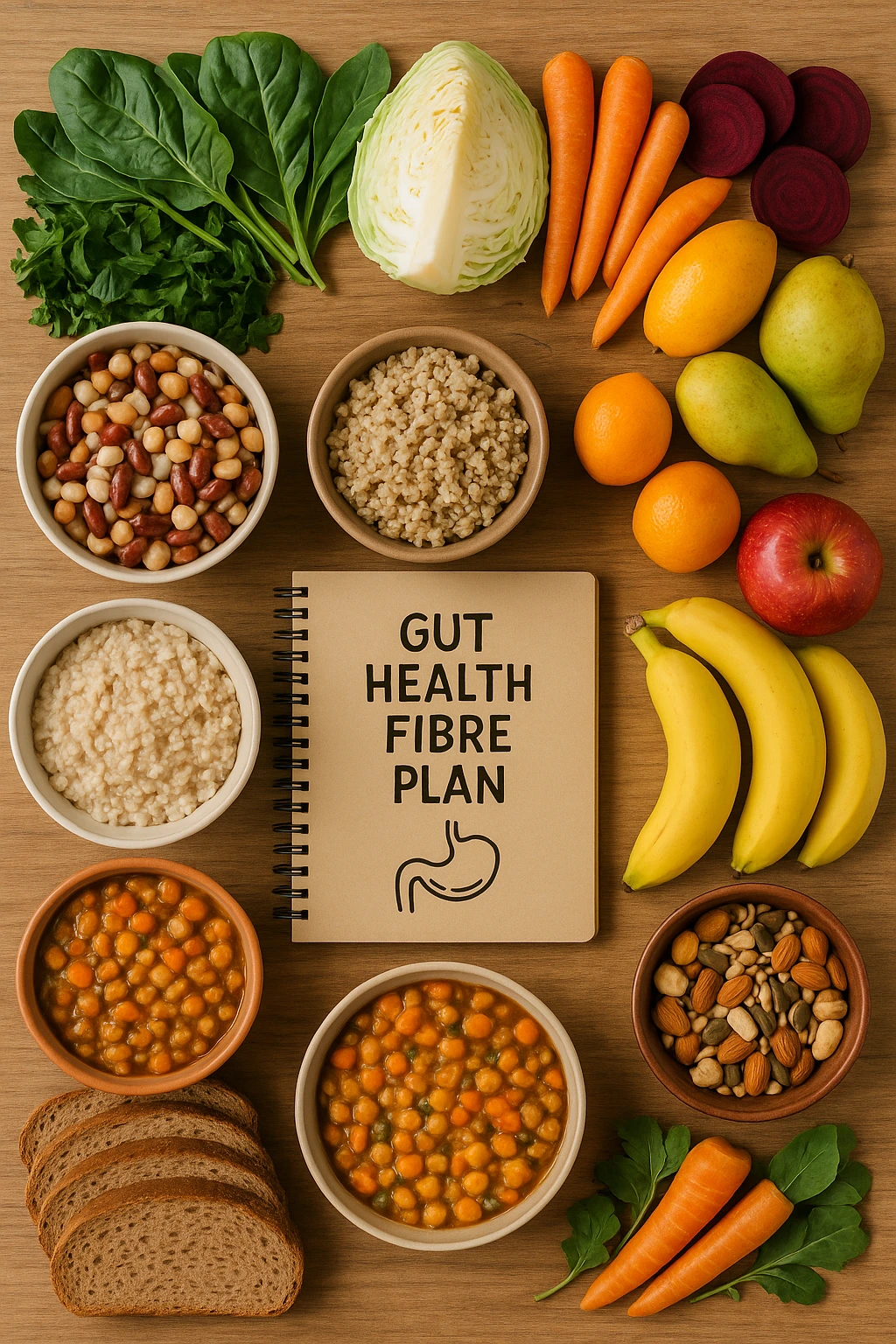
This is your simple local guide to gut health fibre foods South Africa.
When we think about health in South Africa, we often think about blood pressure, sugar, and weight.
However, there is another quiet hero in the story: your gut.
Your gut is more than just a long pipe. It is home to trillions of tiny bugs called gut bacteria. These bugs help you digest food, make vitamins, and keep your immune system strong. When they are happy, you feel better in many ways.
One of the best ways to keep these gut bugs happy is to eat gut health fibre foods.
In South Africa, we are blessed with many high-fibre foods like beans, samp, morogo, oats, and fruit.
In this article, we will look at gut health fibre foods South Africa evidence in a simple way. You will see what the science says, which local foods help most, and how to build easy, high-fibre meals that fit our South African lifestyle.
Gut Health Basics – What Is the Gut and Why Fibre Foods Help
What Do We Mean by “Gut Health”?
First, let us talk about what “gut health” means.
Your gut is your whole digestive system, from your mouth, down your oesophagus, into your stomach, then through your small and large intestines, and finally out of your body. Inside your large intestine live many good bacteria, called the gut microbiota.
These bacteria help break down food, make some vitamins, and train your immune system to fight germs.
When your gut is healthy, you usually have regular bowel movements, less bloating, better energy, and a stronger immune system.
But when your gut health is poor, you may feel constipated, bloated, or tired, and over time your risk of disease may rise.
Scientists now see that what we eat every day plays a huge role in how our gut works and how our gut bacteria live and grow.
Fibre is one of the key parts of this picture.
How Fibre Feeds Good Gut Bacteria
Now, let us see why fibre is so powerful.
Fibre is the part of plant foods that your body cannot fully break down in the small intestine. Because of this, the fibre moves down into the large intestine. There, your gut bacteria “eat” the fibre.
As they do so, they make special substances called short-chain fatty acids (SCFAs), such as butyrate, acetate, and propionate. These SCFAs help lower inflammation, feed the cells of your colon, and may protect against bowel cancer and other diseases.
In simple words: when you eat more fibre, your good gut bugs get more food. Then they make helpful compounds that protect your gut. So, your plate feeds your gut bacteria, and they, in turn, help take care of you.
We explain this phenomenon further in evidence-based plant-based diet for gut health in South Africa.
Types of Fibre: Soluble, Insoluble, and Resistant Starch
To understand gut health fibre foods, it helps to know that there are different types of fibre:
- Soluble fibre dissolves in water and forms a gel. It is found in oats, beans, lentils, apples, and citrus fruit. It helps slow down digestion, supports blood sugar control, and feeds gut bacteria.
- Insoluble fibre does not dissolve in water. It adds “bulk” to your stool and helps you stay regular. It is found in whole grains, wheat bran, and the skins of vegetables and fruit.
- Resistant starch is a kind of starch that “resists” digestion in the small intestine and reaches the large intestine, where it feeds gut bacteria, much like fibre.
In South Africa, you can find all three types in common foods like oats, samp and beans, brown bread, sorghum, cooled potatoes, and even cooled pap.
Gut Health Fibre Foods South Africa Evidence – What the Science Says
Global Evidence: Fibre and the Gut Microbiome
Around the world, scientists have looked at how fibre affects gut bacteria.
Over and over, they find the same pattern: people who eat more fibre tend to have more diverse gut bacteria and higher levels of helpful SCFAs.
In turn, this is linked with better gut barrier function, less inflammation, and a lower risk of chronic diseases.
On the other hand, low-fibre, high-fat, highly processed diets are often linked with less diverse gut bacteria, more inflammation, and greater risk of disease.
So, when we talk about gut health fibre foods South Africa evidence, we are building on a strong global base of research.
Fibre, Gut Health and Chronic Disease Risk
High-fibre diets are linked with lower risk of several major diseases.
Studies show that eating enough fibre can help:
- Lower the risk of colorectal (bowel) cancer
- Lower “bad” LDL cholesterol and heart disease risk
- Improve blood sugar control and reduce the risk of type 2 diabetes
- Help with weight management by keeping you full for longer
These benefits are partly due to the actions of gut bacteria and the SCFAs they produce from fibre.
South African Context – Low Fibre and Ultra-Processed Foods
Now, let us bring it closer to home.
Research in South Africa shows that many people are not eating enough fibre.
Diets are moving away from traditional high-fibre foods like beans, sorghum, and whole grains, and towards more ultra-processed foods, sugary drinks, and refined starches.
This shift may harm gut health and raise the risk of obesity, diabetes, and bowel disease.
The good news is that many traditional South African foods are naturally rich in fibre.
So, by bringing more of these foods back onto our plates, we can support our gut and our long-term health.
South African Dietary Guidelines and Recommended Fibre Intake
SA Food-Based Dietary Guidelines and Whole Grains
The South African Food-Based Dietary Guidelines encourage us to “enjoy a variety of foods” and to make starchy foods part of most meals, preferably whole-grain or less refined forms.
They also urge us to eat plenty of vegetables and fruit every day. All of this supports higher fibre intake and better gut health.
When you choose whole grains like brown bread, oats, sorghum, and brown rice, and when you fill half your plate with veggies, you are not only following the guidelines; you are also feeding your gut bacteria.
How Much Fibre Do Adults Need for Good Gut Health?
Different groups give slightly different numbers, but most suggest about:
- Women: around 25 grams of fibre per day.
- Men: around 30–38 grams of fibre per day.
In simple terms, if you can aim for around 25–30 grams of fibre a day, you are on the right track.
This is roughly the amount you would get from a mix of whole-grain starch, beans, and at least five servings of veg and fruit per day.
Signs You May Not Be Eating Enough Fibre
Here are some common signs of low fibre intake:
- Constipation or very hard stools.
- Needing to strain often when using the toilet.
- Feeling very hungry soon after meals.
- Often choosing refined foods like white bread, cakes, and sugary drinks.
If you notice these signs often, it may help to slowly add more high-fibre foods to your daily meals, along with enough water.
Top Gut Health Fibre Foods in South Africa (With Evidence)
Traditional High-Fibre African Staples
Many traditional South African foods are naturally rich in fibre and great for gut health:
- Samp and beans – a classic combination rich in fibre and plant protein.
- Sugar beans and cowpeas – high in fibre and resistant starch, which feed gut bacteria and help keep blood sugar steady.
- Lentils and chickpeas – excellent sources of both soluble and insoluble fibre.
- Sorghum and millet porridges – whole grains with fibre and helpful plant compounds.
- Less refined maize meal (whole maize) – provides more fibre than very refined pap.
Studies on African diets suggest that these traditional foods, when eaten often, can support a healthy gut microbiome and lower the risk of chronic disease.
Whole-Grain Carbs for Gut Health
In addition, whole-grain starchy foods play a big role in gut health:
- Oats – rich in beta-glucan (a soluble fibre) that helps gut bacteria and supports heart health.
- Brown rice – higher in fibre than white rice and adds bulk to your diet.
- Whole-wheat bread and high-bran cereals – easy sources of fibre, especially at breakfast.
- Barley and quinoa – less common but also rich in fibre.
When you choose these whole-grain options instead of very refined ones, you feed your gut and feel full for longer.
High-Fibre Vegetables and Salads
Vegetables add fibre, vitamins, and protective plant compounds:
- Leafy greens like spinach and morogo
- Cabbage, carrots, and butternut
- Pumpkin, beetroot, and broccoli
- Green beans and peas
If you can fill at least half your plate with a mix of these veg at most meals, your total daily fibre can rise quite quickly.
Fruit That Feed Good Gut Bacteria
Fruit is another easy and tasty way to add fibre:
- Apples and pears – rich in soluble fibre and great as snacks.
- Oranges and naartjies – provide fibre plus vitamin C.
- Guavas – very high in fibre and vitamin C.
- Bananas – especially slightly green bananas, which contain resistant starch.
- Berries (fresh or frozen) – offer fibre and helpful antioxidants.
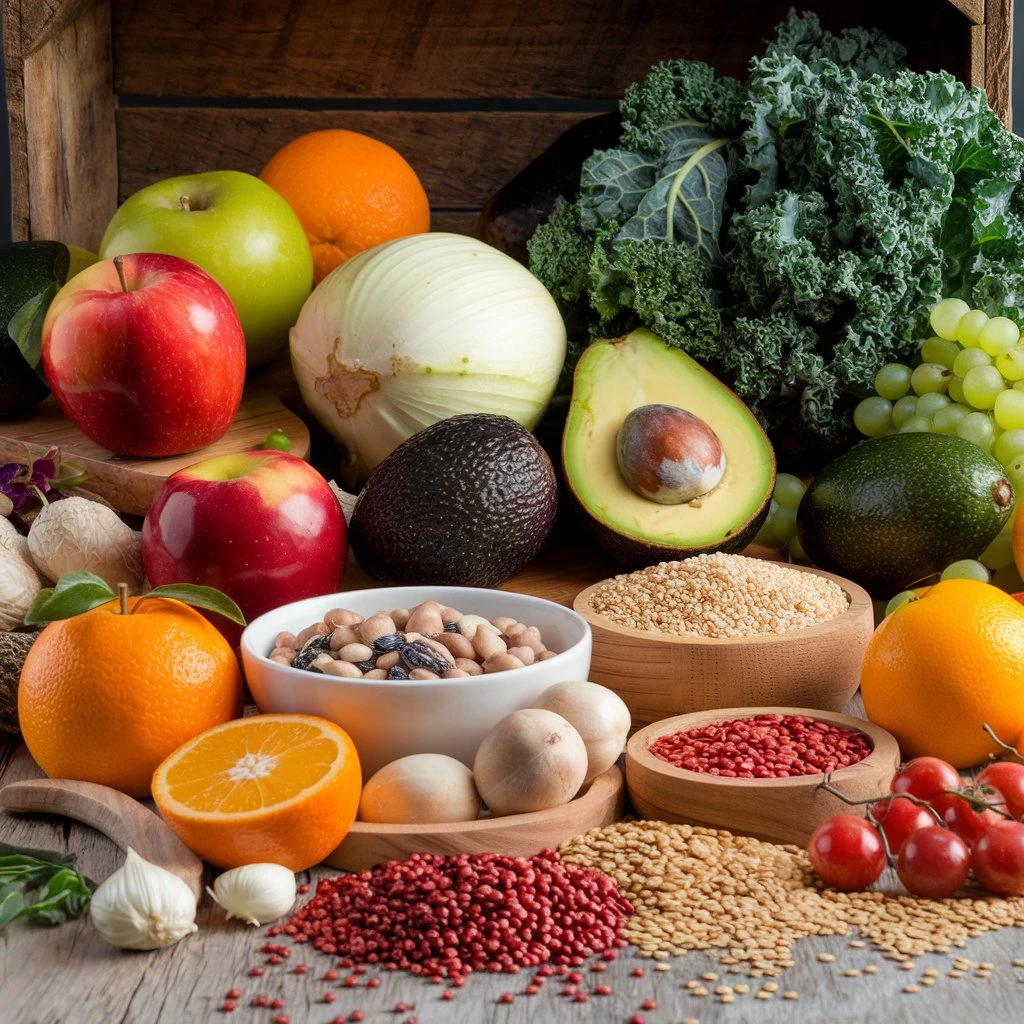
Try to eat at least two fruit servings per day, and keep the skin on when possible, to boost your fibre.
Nuts, Seeds and Legume-Based Snacks
Nuts and seeds are small but powerful:
- Almonds, peanuts, cashews – provide fibre, healthy fats, and protein.
- Sunflower and pumpkin seeds – easy to sprinkle on oats or salads.
- Flax and chia seeds – very rich in fibre; just 1–2 tablespoons can add a lot.
- Hummus and roasted chickpeas – tasty ways to enjoy fibre-rich legumes as snacks.
A small handful of nuts or seeds each day can support both heart health and gut health.
Prebiotic Fibre Foods and Resistant Starch
Some fibres are called prebiotics.
This means they are especially good at feeding helpful gut bacteria:
- Onions, garlic, leeks
- Bananas (especially slightly green)
- Oats
- Chicory root (sometimes used in coffee substitutes)
Resistant starch acts in a similar way.
You can increase resistant starch by cooking and then cooling starchy foods like potatoes, rice, or pap, and then eating them later in salads or reheated.
This simple trick can boost the gut-friendly effect of your staple foods.
Gut Health Fibre Foods South Africa: Easy Daily Eating Plan
Simple Plate Method for Fibre and Gut Health
To make things easier, think in terms of a simple plate method:
- ½ plate: vegetables (cooked or salad)
- ¼ plate: whole-grain or starchy food (brown rice, whole-wheat pap, sorghum, potatoes)
- ¼ plate: beans, lentils, chickpeas, or other plant protein
Then add fruit and a small portion of nuts or seeds during the day.
This pattern lines up well with the South African guidelines and supports gut health.
Sample 1-Day High-Fibre South African Meal Plan
Here is one simple day:
- Breakfast: Oats cooked with water or plant milk, topped with a chopped apple, cinnamon, and 1 tablespoon of ground flax or chia seeds.
- Snack: One orange and a small handful of peanuts or almonds.
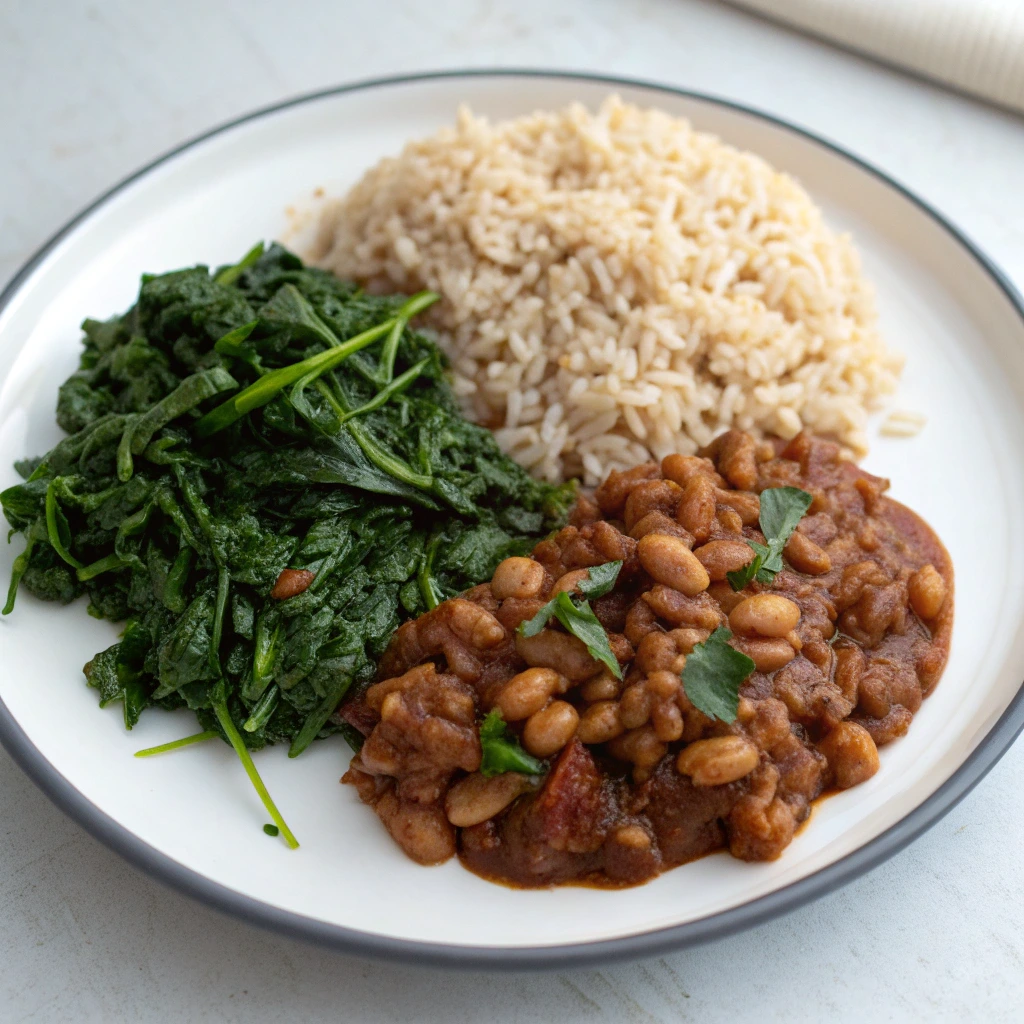
- Lunch: Brown rice with sugar bean stew and a big serving of spinach or morogo.
- Snack: Sliced carrot sticks with hummus or a pear.
- Supper: Sorghum porridge or less refined pap served with mixed bean stew and roasted butternut and cabbage.
This kind of day can easily reach 25–30 grams of fibre without feeling extreme or fancy.
Hydration and Movement to Help Fibre Work Well
Because fibre soaks up water and adds bulk, it works best when you drink enough fluids.
Aim to sip water across the day. Light movement, such as walking, also helps keep your gut moving and can ease constipation.
How to Slowly Add More Gut Health Fibre Foods (Without Bloating)
Start Low and Go Slow
If you currently eat very little fibre, and then suddenly double or triple your intake, you may feel bloated, gassy, or crampy.
To avoid this, increase your fibre slowly over 1–2 weeks. For example, you can start by adding one extra fruit a day and swapping white bread for brown.
Then, a few days later, add beans to one main meal.
Spread Fibre Across the Day
It also helps to spread out your fibre.
Instead of eating almost no fibre all day and then a massive amount at supper, aim to have some at every meal and snack. This is gentler on your gut and easier to sustain.
When to Talk to a Doctor or Dietitian
If you have irritable bowel syndrome (IBS), inflammatory bowel disease (IBD), coeliac disease, or other gut problems, or if you notice blood in your stool, severe pain, or unexplained weight loss, you should talk to a doctor or registered dietitian before making big changes. They can help you find the best type and amount of fibre for your condition.
Fibre, Gut Health and Cancer – What South African Evidence Shows
Fibre, Bowel Cancer and Protective Effects
The Cancer Association of South Africa (CANSA) notes that high-fibre diets, especially those rich in whole grains, fruits, and vegetables, are linked with a lower risk of colorectal cancer.
Fibre helps move waste through the gut, dilutes harmful substances, and supports SCFA production, which may protect colon cells.
Simple Everyday Swaps to Cut Risk
You do not need a perfect diet to make progress.
Try these simple swaps:
- Swap white bread for whole-wheat or brown bread.
- Swap sugary breakfast cereal for bran flakes or oats.
- Swap processed meats in stews for beans, lentils or chickpeas.
These small changes, done most days, can build up to a big difference for your gut and long-term health.
FAQs – Gut Health Fibre Foods South Africa Evidence
1. What are the best gut health fibre foods in South Africa?
Some of the best gut health fibre foods in South Africa include samp and beans, sugar beans, lentils, chickpeas, oats, brown bread, sorghum, morogo, spinach, cabbage, apples, pears, oranges, bananas, guavas, nuts, and seeds. These foods give your gut bacteria plenty of fibre to work with and are easy to add to local meals.
2. How much fibre do I need each day for good gut health?
Most adults should aim for around 25–30 grams of fibre per day for good gut health. This is easier to reach when you eat whole grains, beans, vegetables, fruit, and a small handful of nuts or seeds each day.
3. Can I get enough fibre from normal South African meals like pap and stew?
Yes, you can, especially if you choose less refined maize meal or sorghum, add lots of vegetables, and make your stew with beans, lentils, or chickpeas instead of mostly meat. Traditional dishes like samp and beans or bean stew with morogo can be very high in fibre when you eat them often.
4. Which fruits and veggies are high in fibre for gut health?
High-fibre fruits include apples, pears, oranges, guavas, and bananas. High-fibre vegetables include spinach, morogo, cabbage, carrots, butternut, pumpkin, beetroot, broccoli, peas, and green beans. Try to eat a rainbow mix during the week to get different types of fibre.
5. Can too much fibre hurt my stomach or cause gas?
If you suddenly eat a lot more fibre than before, you may feel gas, bloating, or cramps. This is because your gut bacteria are working harder. To avoid this, increase fibre slowly over time and drink enough water. If pain is severe or does not settle, speak to a health professional.
6. Are fibre supplements as good as food for gut health?
Fibre supplements can help in some cases, but they usually give only one type of fibre. Whole foods give a wide mix of fibres plus vitamins, minerals, and plant compounds. So, food should come first, and supplements can be used with guidance from a doctor or dietitian if needed.
7. How long does it take for gut health to improve after eating more fibre?
Some changes in gut bacteria can happen in just a few days when you change your diet. However, for long-term benefits like better bowel habits and lower disease risk, you need to keep up a high-fibre pattern for months and years. Think of it as a lifestyle, not a quick fix.
Conclusion – Small Daily Changes for Strong Gut Health
To sum up, gut health fibre foods are one of the most powerful tools you have to protect your gut and your long-term health.
In South Africa, we already have many high-fibre foods on our doorstep, from beans and sorghum to morogo and fruit. By filling half your plate with veg, choosing whole grains, and eating beans often, you feed your gut bacteria and support your body from the inside out.
Start with one or two small swaps this week and let your gut thank you over time.