
How to Eat Plant-Based on a Budget in Africa
Here’s your system for eating plant-based on a budget: low-cost vegan staples, meal prep, and money-saving tips.
Eating a plant-based diet in Africa is often seen as a luxury.
Many people think it is only for the wealthy. However, the truth is that traditional African diets have always been “plant-forward.”
For centuries, people across the continent have relied on grains for food. They also depend on tubers and legumes.
Choosing a vegan lifestyle can save you money.
By focusing on local ingredients and shopping smartly, you can enjoy healthy, delicious, and affordable meals.
This guide will show you exactly how to master a plant-based diet without breaking the bank.
The Foundation: Low-Cost Vegan Staples Found Across Africa
To save money, you must look at what grows locally.
According to plant-based nutrition educator Zama Zincume, imported “vegan” products like almond milk or processed meat substitutes are expensive. Instead, fill your pantry with these affordable stars.
I’ve included a list of affordable plant-based groceries.
Grains and Tubers
These provide the energy you need for the day.
- Maize (Mealie Meal/Pap): This is the ultimate budget staple. It is filling and very cheap when bought in large bags.
- Cassava and Yam: In West and Central Africa, these tubers are essential. They are versatile and can be boiled, mashed, or made into flour (fufu).
- Teff and Fonio: These ancient grains are “superfoods” but are often cheaper than imported quinoa. Teff is a staple in Ethiopia, while Fonio is a hardy, gluten-free grain from West Africa.
The Power of Legumes (Protein)
You don’t need expensive meat to get protein.
- Cowpeas (Black-eyed peas): These are widely available and very affordable.
- Bambara Groundnuts: Often called a “complete food,” these are hardy legumes that grow well in dry soils.
- Lentils and Chickpeas: These are perfect for hearty stews and are much cheaper than beef or chicken.
Indigenous Greens
Local farmers pack veggies full of vitamins. They often cost less than kale or lettuce.
- Amaranth (Terere/Mchicha): A nutrient-dense green that grows quickly.
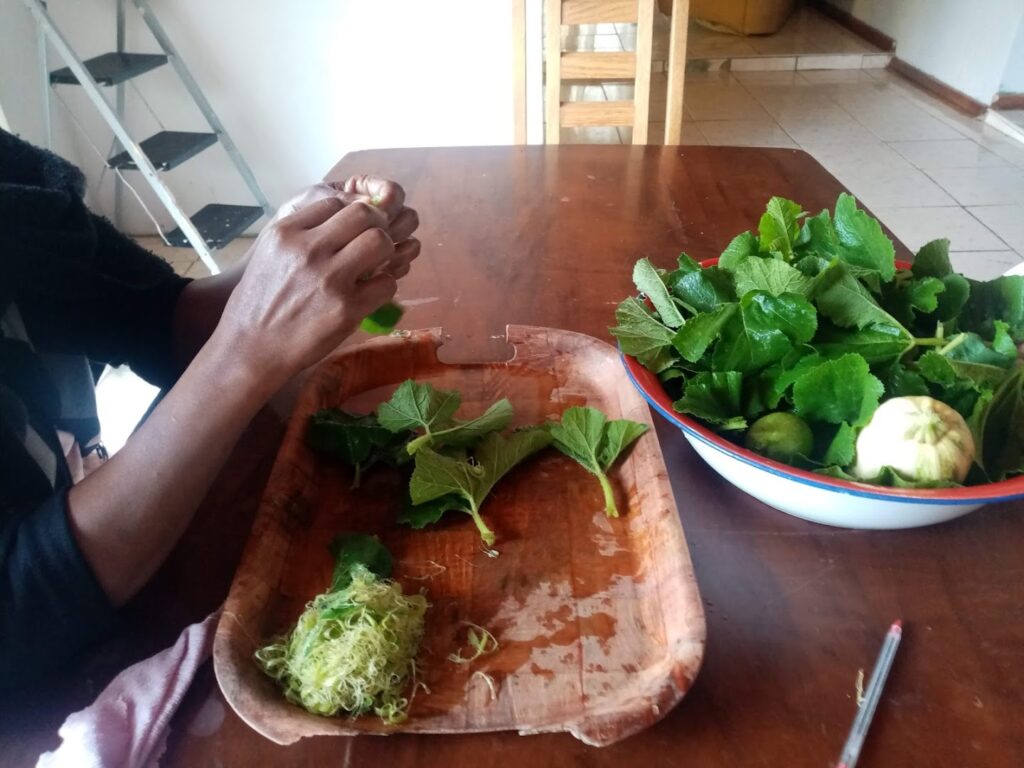
- Pumpkin Leaves: Don’t throw them away! They are delicious in peanut-based sauces.
- Spinach and Kale: Often grown in backyard gardens, making them nearly free for many.
Smart Shopping: Money-Saving Tips for the African Market
Where and how you shop can change your monthly food bill.
- Buy in Bulk: Purchase 5kg or 10kg bags of rice, beans, and maize meal. The price per kilogram is much lower than buying small packets every day.
- Visit the “Open Market”: Supermarkets often charge more for packaging and branding. Local street markets provide fresher produce for half the price. Shop in the late afternoon. Vendors want to clear their stock then.
- Eat with the Seasons: If mangoes are everywhere, they are cheap. If they are rare, they are expensive. Adjust your meal plan based on what is currently being harvested.
- Avoid “Vegan” Labels: A bag of lentils is naturally vegan but doesn’t have a “premium” price tag. Avoid the health food aisle and stick to the produce and bulk grain sections.
Strategic Meal Prep: How to Plan Your Plant-Based Week
Planning prevents “emergency” spending on expensive fast food.
- Batch Cook Your Beans: Dried beans take a long time to cook. Boil a large pot of beans or chickpeas on Sunday. You can use them in stews, salads, or mashes throughout the week.
- The “One Ingredient, Many Ways” Rule: For example, cook a large batch of millet. Use it as a hot porridge for breakfast, a base for a spicy stew at lunch, and a side for roasted vegetables at dinner.
- Proper Storage: In hot climates, food can spoil quickly. Store your greens in a damp cloth in a cool place, or blanch and freeze them if you have a freezer.
High-Protein Vegan Substitutes Without the High Price Tag
You can enjoy “meaty” textures without buying expensive mock meats.
- The Versatile Peanut: Peanut butter or groundnut paste is a secret weapon. Add it to spinach or kale to make a rich, protein-filled sauce. It is much cheaper than buying dairy cream.
- Soya Mince: In many parts of Southern Africa, soy mince is a low-cost source of protein. It absorbs the flavour of whatever spices you use.
- Mushrooms: Foraging for local types or buying them at the market adds nice texture to soups and stews.
Sample 7-Day Low-Cost African Vegan Meal Plan
| Day | Breakfast | Lunch | Dinner |
| Mon | Maize porridge with peanuts | Bean and tomato stew with rice | Steamed greens and pap |
| Tue | Sweet potato hash | Leftover bean stew | Lentil dhal with sorghum |
| Wed | Banana and oat mash | Jollof rice (vegetable based) | Cabbage and potato stir-fry |
| Thu | Cassava bread/toast | Chickpea salad | Githeri (maize and beans) |
| Fri | Millet porridge | Vegetable soup with fufu | Peanut-sauce spinach and yam |
| Sat | Roasted groundnuts & fruit | Lentil burgers (homemade) | Spicy potato and kale stew |
| Sun | Leftover porridge | Traditional feast: Beans, rice, greens | Light vegetable broth |
Overcoming Common Challenges
Transitioning to a plant-based diet can feel lonely, but you aren’t alone.
- Social Pressure: When dining with family, focus on the delicious vegetable sides. Most African cultures have many naturally vegan side dishes.
- Nutritional Needs: To stay healthy, make sure to eat a variety of colours. Indigenous greens provide iron, and fortified cereals can help with Vitamin B12.
FAQ: Common Questions About Plant-Based Living in Africa
Is a vegan diet more expensive than a meat-based one in Africa?
No. Studies show that whole-food plant-based diets are cheaper. They can cost 16% to 40% less than meat-based diets. The key is avoiding processed “speciality” vegan foods and sticking to local staples.
Where can I find affordable plant-based milk?
You can make your own! Blend soaked oats, peanuts, or tiger nuts with water, then strain through a cloth. It costs a fraction of the price of store-bought milk.
What are the best African vegan protein sources?
Cowpeas, lentils, chickpeas, peanuts, and soy mince are cheap and easy to find.
How do I cook dried beans faster to save on fuel?
Soak your beans overnight. It softens them and cuts cooking time. This saves you money on gas, charcoal, or electricity.
Conclusion: Embracing an Affordable Plant-Based Future
In Africa, eating plant-based food is a way to reconnect with our heritage. It’s a method to respect our finances, the environment, and our health.
Select bulk beans, seasonal vegetables, and local grains. In this manner, you can have a lively, energetic life at a low cost. Start today by substituting a substantial bean stew for one meat meal!
Unlock the power of affordable plant-based eating on Amazon.
Author:
Zama Zincume is an evidence-based plant-based wellness educator. He is also an author. His work focuses on preventing disease. He cares about affordability and African food systems.