
Impact of Dietary Measures in Autoimmune Diseases
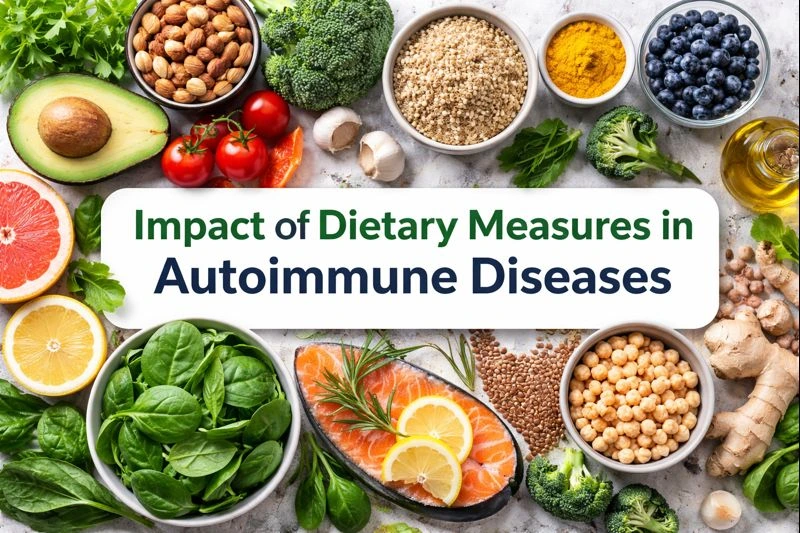
Here’s your guide to the impact of dietary measures in autoimmune diseases.
Autoimmune diseases are long-term health issues.
In these cases, the immune system wrongly targets healthy cells in the body.
Autoimmune disorders include:
- Rheumatoid arthritis
- Lupus
- Multiple sclerosis
- Inflammatory bowel disease
Although genetics has a role, lifestyle decisions—particularly diet—have a significant impact on the course of disease.
Diet is essential, according to recent research. It aids in symptom management, improving gut health, and reducing inflammation.
This article examines the impact of nutrition on autoimmune illnesses. It is based on clinical evidence and study.
Understanding Autoimmune Diseases and the Role of Diet
When the immune system is overactive, autoimmune disorders develop. It then starts attacking the body’s own tissues. This leads to inflammation, pain, fatigue, and other long-term symptoms.
Common autoimmune conditions include:
- rheumatoid arthritis (RA),
- systemic lupus erythematosus (SLE),
- celiac disease, psoriasis,
- and multiple sclerosis (MS).
Why Diet Matters
Diet is one of the most direct ways to influence the immune system. Food provides the body with nutrients that either promote or reduce inflammation.
Chronic inflammation can result from diets high in processed foods, refined sugars, and saturated fats.
Plant-based, whole-food diets are high in fibre, vitamins, minerals, and antioxidants. Immune responses are balanced and supported by these factors.
In a 2022 study, lupus patients who switched to a plant-based diet reported feeling better and experiencing less fatigue (Knippenberg et al., 2022).
Plant-Based Diets and Autoimmune Diseases
A plant-based diet centres on plant-based foods. This includes vegetables, fruits, grains, nuts, seeds, and legumes. It minimises or eliminates animal-based foods.
What Makes Plant-Based Diets Effective?
Plant-based foods have antioxidants and phytonutrients. These help lower oxidative stress, a key trigger for autoimmune flare-ups.
They are high in fibre. This helps keep a healthy gut microbiome. A healthy microbiome is key to controlling the immune system.
Scientific Findings
Studies show that plant-based diets can help decrease inflammation markers in autoimmune diseases:
- A study in Frontiers in Nutrition found that vegan and vegetarian diets can ease rheumatoid arthritis symptoms. They also improved mobility (Alwarith et al., 2019).
- A systematic review in Nutrition Reviews (2025) found that RA patients improved their pain and disease activity scores after following a plant-based diet (Bostan et al., 2025).
Consuming legumes, fruits, vegetables, and whole grains can significantly reduce systemic inflammation. This inflammation is a key factor in the progression of autoimmune diseases.
Other Dietary Measures Impacting Autoimmunity
Though plant-based diets get much attention, other diets also affect autoimmune conditions.
Anti-Inflammatory Diets
The anti-inflammatory diet cuts out processed foods, sugar, and trans fats. It replaces them with healthy options like fatty fish, olive oil, berries, and leafy greens.
These foods help lower inflammatory cytokines. This can reduce autoimmune flare-ups.
A 2021 study published in Nutrients (Jiang et al., 2021) showed that anti-inflammatory diets can improve outcomes in:
- Inflammatory bowel disease (IBD)
- and other immune-mediated disorders.
Elimination Diets
Elimination diets take out potential trigger foods like gluten, dairy, and soy for a few weeks. Then, you slowly add them back in.
This helps identify foods that trigger or worsen inflammation.
Patients with celiac disease or Hashimoto’s thyroiditis often do well on gluten-free or low-iodine diets.
Mediterranean Diet
Whole grains, vegetables, fish, and olive oil are all abundant in the Mediterranean diet. It balances omega-3 fatty acids and antioxidants, which reduce inflammation.
This diet boosts heart health and may reduce autoimmune symptoms. It emphasises healthy fats and plant-based diets.
Mechanisms: How Diet Influences Autoimmune Processes
Diet affects autoimmunity through three main pathways: inflammation, gut microbiota, and immune regulation.
1. Inflammation and Immune Modulation
Autoimmune diseases are driven by chronic inflammation. Foods high in sugar, saturated fats, and refined carbs can cause inflammation. They trigger the release of cytokines like IL-6, TNF-α, and CRP. In contrast, plant-based foods like turmeric, berries, and leafy greens help reduce these molecules.
According to Pucca et al. (2023), diets high in polyphenols and fibre enhance immune regulation and reduce oxidative stress.
2. Gut Microbiota Connection
The equilibrium of the immune system is greatly influenced by the gut microbiota. A diet rich in fibre and plants helps good bacteria grow.
These bacteria make short-chain fatty acids (SCFAs). SCFAs like butyrate help reduce intestinal permeability, also known as “leaky gut.” This issue is often associated with flare-ups of autoimmune diseases.
3. Nutritional Biomarkers
Diet also affects measurable biomarkers. A 2020 study in Nature showed that people on anti-inflammatory diets had lower C-reactive protein (CRP) levels. They also had better immune cell function.
Clinical Outcomes and Quality of Life
Dietary changes can help autoimmune patients. Clinical studies show they improve symptoms, reduce pain, and enhance quality of life.
Disease Activity and Pain Management
In rheumatoid arthritis, researchers found that plant-based diets and fasting reduce disease activity scores (DAS28). They also improve joint movement (Hartmann et al., 2022).
Lupus patients on a plant-forward diet reported feeling less tired and better well-being (Knippenberg et al., 2022).
Weight Management
Excess body weight contributes to chronic inflammation.
Diets high in whole plant foods have fewer calories and more fibre. This supports healthy weight loss. In turn, weight loss helps lower inflammation and reduce symptoms.
Limitations and Controversies
Although dietary measures show promise, evidence remains mixed.
Some clinical trials find only modest improvements, while others note significant symptom relief.
Challenges include:
- Small sample sizes.
- Variability in diet definitions.
- Differences in patient adherence.
- Lack of long-term randomised controlled trials.
Most research shows that diets high in plant foods can support health and decrease inflammation, even with some limits.
Frequently Asked Questions (FAQs)
Q1. Can diet cure autoimmune diseases?
No, diet alone cannot cure autoimmune diseases. An anti-inflammatory or plant-based diet can help ease symptoms and improve your quality of life.
Q2. What is the best diet for autoimmune diseases?
There isn’t a one-size-fits-all answer. The most commonly recommended diets are plant-based, Mediterranean, and anti-inflammatory diets. These approaches emphasise fruits, vegetables, whole grains, and healthy fats.
Q3. Can I eat meat if I have an autoimmune disease?
Yes, but moderation is key. Omega-3 fatty acids can be found in lean meats and fatty fish like salmon. These acids help reduce inflammation. However, red and processed meats may worsen inflammation.
Q4. Do supplements help with autoimmune conditions?
Some supplements, like vitamin D, omega-3s, and probiotics, may help. A healthcare provider should always be consulted before beginning a new supplement regimen.
Q5. What foods trigger autoimmune flare-ups?
Common triggers include processed foods, added sugars, refined grains, and trans fats. Some people also react to gluten, dairy, or nightshades (tomatoes, peppers, potatoes).
Takeaways and Recommendations
Dietary measures are essential in the management of autoimmune diseases. They help control inflammation, manage symptoms, and regulate the immune system.
No single diet suits everyone, but a whole-food, plant-based or anti-inflammatory diet can lead to real health benefits.
Key takeaways:
- Eat different types of colourful fruits and vegetables.
- Reduce processed foods, sugar, and refined carbs.
- Include omega-3-rich foods like flaxseeds and walnuts.
- Support gut health with fibre-rich foods and probiotics.
- Stay hydrated and maintain a balanced lifestyle with physical activity.
Final Thoughts
Dietary choices are potent tools in managing autoimmune diseases. They don’t replace medical treatments. They complement them. And they boost energy, reduce inflammation, and support overall well-being.
Mindful dietary changes can help those with autoimmune conditions boost their health—one meal at a time.
Further Reading & Resources
- Dietary Inflammatory Index Insights – Learn how foods are scored for inflammation.
- Plant-Based Nutrition and Autoimmune Disease Overview – Explains how plant foods aid immune balance.
- PubMed Study on Vegan Diets in RA – Evidence showing diet’s effects on rheumatoid arthritis.