Introduction Here’s your guide to Ozempic and Wegovy compared to plant-based eating for weight loss. Are you tired of the ongoing debate about weight loss? Over 73% of American adults face obesity. So, finding effective weight loss solutions is more critical than ever. On one …
Introduction to Turmeric and Its Anti-Inflammatory Properties Here’s your guide to 5 turmeric recipes to fight inflammation. When I first found turmeric, I was amazed. This bright yellow spice does more than add colour and flavour to my meals. Turmeric is a root related to …
Gone are the days when people believed you had to load up on meat to build muscle or fuel endurance.
Plant-based diets can provide the body with all the necessary nutrients and energy it needs. They also offer extra health benefits.
In South Africa, we have access to a wide variety of legumes, grains, and fresh produce. So, switching to a plant-powered athletic lifestyle is easier than you think.
Whether you’re a weekend warrior, a marathoner, or a rugby player, a plant-based diet can be beneficial. It boosts recovery, reduces inflammation, and supports optimal performance.
If you’re interested in learning about plant-based nutrition for athletes in South Africa, you’ve come to the right place.
Why Plant-Based Eating Works for Athletes in South Africa
When I first transitioned to a plant-based diet as an athlete in South Africa, I wasn‘t sure what to expect.
Would I have enough energy?
Could I recover fast enough?
But let me tell you, plant-based eating hasn’t just worked, it’s helped me thrive.
Plant-Based Lifestyle for Sustained Energy
A plant-based lifestyle includes foods high in complex carbs, antioxidants, and anti-inflammatory compounds.
These are all essential for sustained energy, quicker recovery, and reduced muscle soreness. As someone who trains regularly, I recover more quickly after long runs or intense sessions.
Plant-based foods like lentils, beans, sweet potatoes, and leafy greens are affordable in Mzansi. They’re packed with the nutrients my body needs to perform well.
I love that eating more whole foods helps me stay lean without feeling deprived.
Another benefit?
Fewer digestive issues and better health.
Honestly, I feel lighter, stronger, and more in tune with my body.
Plant-Based Nutrition
If you’re an athlete in South Africa considering a plant-based diet, it can work.
It’s not just about cutting out meat. It’s about fueling smarter, recovering better, and performing stronger.
Plant-Based Nutrition Guidelines for South African Athletes
When I started taking my training more seriously, I knew I needed to fuel my body with intention. As an athlete in South Africa, I had to find new ways to replenish my energy and recover using a plant-based diet.
At first, it seemed too much. However, with some simple guidelines, things began to fall into place.
Carbohydrates Needs
First, I focus on carbohydrates. They’re my primary fuel source, especially on training days. Foods like maise meal, brown rice, sweet potatoes, and fruit help me stay energised and perform my best.
Protein Targets by Athlete Type
Next, plant-based protein is a non-negotiable. I make sure to include legumes, tofu, lentils, quinoa, and even peanut butter to meet my daily protein goals. I learned that it’s not only about quantity. It’s also about variety. This way, I can get all the essential amino acids.
Micronutrient Focus: B12, Iron, Calcium, Omega-3
I focus on key nutrients like vitamin B12, iron, omega-3 fatty acids, and calcium.
I find it challenging to get enough from plant foods, so I supplement when needed. I also add fortified foods and leafy greens to most meals.
Once I understood it, plant-based nutrition for athletes felt natural. It’s all about balance, consistency, and listening to what my body needs.
Top Local South African Plant-Based Superfoods for Athletes
One thing I love about eating a plant-based diet in South Africa is the variety of nutrient-rich foods available at home.
As an athlete, I rely on local plant-based superfoods. They fuel my workouts, speed recovery, and boost my immune system.
For starters, amadumbe (African potato) is one of my go-to carbs. It’s high in complex carbohydrates and provides long-lasting energy during training. Samp and beans are a classic pair. They’re affordable and rich in plant protein and fibre.
Another staple in my kitchen is moringa. This local green powder is packed with iron, calcium, and antioxidants. It’s great for boosting endurance and lowering inflammation. I also love baobab powder, which I mix into smoothies for a natural vitamin C boost and digestive support.
And of course, I can’t forget chickpeas, lentils, and pumpkin seeds. These readily available foods are rich in protein, iron, and healthy fats. They are all key for plant-based athletes like me.
Honestly, eating plant-based in Mzansi isn’t just healthy—it’s empowering.
I can boost my strength, stamina, and resilience with local superfoods right from my kitchen.
Performance and Recovery Benefits of Plant-Based Diets in Local Athletes
When I switched to a plant-based diet as an athlete in South Africa, I wondered how it would impact my performance and recovery. Now, I can confidently say that it’s made a noticeable difference in both.
For one, I feel lighter and more energised during workouts.
Now, I fuel my body with whole, nutrient-rich foods. This keeps me energised all day instead of feeling sluggish after meals.
Since I began eating more anti-inflammatory foods, I’ve felt better. Leafy greens, berries, nuts, and legumes help reduce muscle soreness.
Now, I recover faster after strenuous workouts. That means I can train harder, more frequently, and recover faster.
I love that plant-based eating is good for my heart. It also helps control inflammation. These factors are key for long-term performance.
Additionally, you’ll experience reduced digestive discomfort and bloating after meals.
As a local athlete, I can demonstrate how a plant-based diet enhances strength, speed, and recovery.
Implementing Plant-Based Meal Plans for South African Athletes
As a South African athlete, meal planning was a big challenge for me when I switched to a plant-based diet.
I didn’t want to feel hungry, tired, or miss out on key nutrients. But with a bit of trial and error—and a lot of flavour—I figured out a system that works.
I usually start my day with a hearty breakfast. I enjoy oats topped with peanut butter, banana, and chia seeds.
It’s simple, local, and loaded with carbs and protein. For lunch, I might go for a hearty chickpea curry with brown rice and spinach. Dinners are often a mix of grilled veggies, lentils, and sweet potatoes or samp and beans.
And yes, I usually snack—fruit, nuts, homemade energy bars—especially after training.
Before workouts, I choose light, carb-rich foods. I often grab fruit, toast, or a smoothie. After training, I focus on recovery meals. I prefer options that balance plant protein and carbs. Examples include tofu stir-fry and lentil stew.
Supplementing wisely has also helped. I take vitamin B12, as well as omega-3 fatty acids and iron, to ensure I’m adequately covered.
I was surprised by how affordable and easy it is to find plant-based meals in South Africa. With beans, maise, lentils, and fresh veggies on hand, making a sustainable plan is simple.
If you’re serious about performance and recovery, plant-based meal planning is not only doable—it’s a game-changer. It keeps me strong, satisfied, and always ready to move.
Common Nutritional Challenges in Plant-Based Athletic Diets
I’ll be honest. When I started following a plant-based diet for sports, I encountered some nutritional issues.
Eating plant-based foods as an athlete has clear benefits, but it needs careful planning.
One of the first challenges I faced was getting enough protein.
It wasn’t that plant-based foods lacked protein. I just needed to combine sources more intentionally. Now, I ensure that I eat a variety of legumes, grains, nuts, and seeds throughout the day to meet my nutritional needs.
Another issue was iron. As an endurance athlete, I need plenty of it, and plant-based sources are harder for the body to absorb.
I learned to pair spinach and lentils with foods rich in vitamin C, such as oranges and tomatoes. This helps boost absorption.
Vitamin B12 was another concern—it’s not found naturally in plant foods. That’s why I supplement regularly to stay on top of it.
I’ve also learned that omega-3 fatty acids, which support joint and brain health, are crucial. I now include ground flaxseeds, chia seeds, and walnuts in my diet daily.
Yes, there are some challenges. But with a good strategy, a plant-based diet for athletes in South Africa can be balanced and strong.
FAQs: Plant-Based Eating for Athletes in South Africa
Is a plant-based diet enough protein for South African athletes?
Initially, I worried that I wouldn’t get enough protein on a plant-based diet. Once I added different legumes, lentils, tofu, quinoa, and seeds, I realised I was getting plenty. It’s all about balance and eating regularly.
Local favourites like samp and beans or peanut stew help me easily obtain plant-based protein.
How can I prevent iron deficiency on a plant-based diet?
Iron was a concern for me, mainly because I’m active and need more of it. Plant-based iron (non-heme) is harder to absorb. I pair iron-rich foods, such as spinach, lentils, and chickpeas, with vitamin C-rich sources. Citrus fruits and tomatoes work great for this. I also cook in a cast-iron pan, which helps boost iron intake. It takes some intention, but it’s doable for plant-based athletes in South Africa.
Does a plant-based diet help with recovery and inflammation?
Absolutely. One of the first things I noticed was how much quicker I recovered from workouts. My joints felt better, and post-training soreness became less intense. I include anti-inflammatory foods like berries, leafy greens, nuts, and turmeric. Since I switched to a plant-based recovery diet, I’ve been able to train harder. I also train more consistently and avoid burnout.
What supplements should plant-based athletes take?
Even though I eat a varied diet, I still supplement with vitamin B12, which isn’t naturally found in plant foods. Depending on the season and my training load, I also take omega-3s (from algae oil) and sometimes iron. I recommend consulting a dietitian who specialises in plant-based nutrition for athletes. It has helped me personalise my diet and stay strong all year.
Success Stories: South African Athletes Thriving on Plant-Based Diets
A highlight of my plant-based journey has been seeing South African athletes succeed on plant-based diets.
Knowing I’m not alone has kept me motivated, especially on tough training days.
Take Siphiwe, a local trail runner I met at an event—he’s been fully plant-based for over three years.
He said his energy levels have shot up. Additionally, his recovery time has improved significantly. Lerato is a cyclist from Cape Town. She loves her lentil stews and smoothies, which fill them with vegetables. She says it’s the best decision she’s ever made for her performance.
Even elite-level athletes are getting on board.
South African Olympians are trying plant-based diets. They hope to reduce inflammation and improve endurance. Their stories prove that we don’t need animal products to excel—we need the right fuel.
These stories demonstrate that plant-based eating is not only possible for athletes in South Africa but also highly effective.
Practical Tips for Transitioning to Plant-Based Eating in South Africa
When I first started transitioning to plant-based eating in South Africa, I had no idea where to begin. But over time, I’ve picked up a few practical tips that made the journey smoother—and way more enjoyable.
First, I didn’t go all-in overnight. I started by swapping out meat a few days a week, trying simple dishes like lentil curry or chickpea stew.
It helped ease the pressure and gave me space to experiment. I also checked out local markets. The fresh veggies, beans, and grains are tasty and cheap!
Meal prepping on Sundays became a game-changer.
With cooked grains, roasted veggies, and beans ready, I could whip up meals in minutes, even on busy days.
Most importantly, I kept my meals familiar.
I just created plant-based twists on South African favourites. For example, I made lentil bobotie and bean bunny chow.
Trust me, with a bit of patience and planning, going plant-based becomes second nature.
Conclusion: Plant-Based Eating for Athletic Success in South Africa
Looking back, choosing a plant-based lifestyle as an athlete in South Africa was one of the best decisions I’ve made.
It has boosted my performance. I recover faster, feel stronger, and eat more mindfully. Yes, it took some adjusting, but once I figured out what worked for my body, everything fell into place.
We’re lucky to have many healthy plant foods available in Mzansi. So if you’re thinking about making the switch, go for it.
Eating plant-based is not only sustainable; it’s also a strong way to support long-term athletic success.
Introduction This guide covers plant-based diets and food security in South Africa. South Africa boasts a rich culture and diverse landscapes. However, it faces a significant issue: food insecurity. Recent Stats SA data indicate that many households struggle to access sufficient healthy food. This affects …
Introduction Greetings, fellow food adventurers! Here’s your comprehensive guide to plant-based eating lifestyle books by Zama Zincume. If you’re like me, you’ve heard a lot about plant-based living. You may be curious to try it out. I’m thrilled to share a name that transformed my …
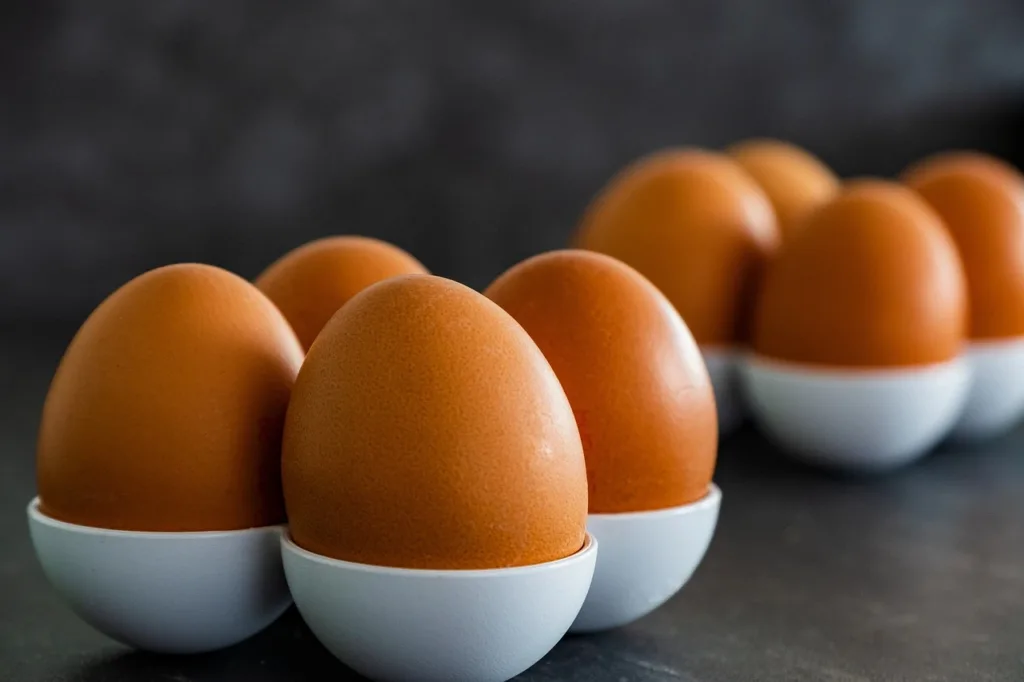
This is your guide to eating eggs on a plant-based diet in South Africa.
You know what…
Food trends are constantly changing. Here in South Africa, we’re noticing a significant shift.
More people are trying plant-based diets. The health benefits, environmental advantages, and ethical considerations draw them in. As this movement gains momentum, a common question often pops up: Where do eggs fit into the picture?
For many, “plant-based” brings to mind strict veganism. But the truth is more complex.
Consider flexitarianism or lacto-ovo vegetarianism. In these diets, plants take centre stage, but animal products, such as eggs, also play a role.
So, are eggs truly out of bounds, or can they be a valuable addition to your plate on a plant-based diet in South Africa?
This article examines the debate surrounding the inclusion of eggs in a plant-based diet in South Africa.
We’ll examine the benefits, potential concerns, and practical aspects.
And we’ll guide you through this exciting world of dietary options. You’ll make choices that fit your health, values, and South African lifestyle.
Understanding Plant-Based Diets in South Africa
So, what exactly do we mean when we talk about a “plant-based diet in South Africa“?
That’s a great question!
The term can have a different meaning for different people.
Many people think of veganism first. It’s the strictest type since it means no animal products at all. This includes dairy, meat, fish, and eggs.
However, the plant-based world is much broader and more flexible than just veganism.
Think of it as a spectrum, and in South Africa, we’re seeing people embrace various shades of it.
Lacto-Ovo Vegetarianism
This is where eggs truly find a comfortable home within a plant-based diet.
People on this path enjoy dairy and eggs in their meals. They still avoid all meat and fish. It’s a popular choice for several reasons. It provides a good mix of nutrients and is flexible in cooking.
Ovo-Vegetarianism
A slightly less common but still valid approach. Here, individuals include eggs but opt out of dairy, meat, and fish. So, if you’re avoiding dairy but still want the goodness of eggs, this could be your sweet spot.
Flexitarianism
This is the most rapidly growing trend in South Africa, and it’s all about flexibility! Flexitarians mainly eat plant-based foods. They sometimes enjoy animal products, such as meat, fish, dairy, and eggs, but only in moderation.
It’s a practical way for people to enjoy a plant-based diet without strict rules.
Now, why are so many South Africans making this shift?
The reasons are as diverse as our nation itself.
Many people like the incredible health benefits. Some of the benefits include improved heart health, better weight control, and a reduced risk of developing chronic diseases.
Reducing meat consumption is key for the environment. It can lower your carbon footprint and use less water. This is especially important in water-scarce South Africa.
Concerns about animal welfare in commercial egg production affect these dietary choices.
For many, it means choosing a healthier, greener, and often more affordable way to eat.
The Nutritional Powerhouse: Why Eggs are Valued in a Plant-Based Diet
We’ve defined “plant-based diet in South Africa,” covering everything from strict veganism to flexitarian. Now, let’s explore a hot topic: eggs.
Eggs are a great source of nutrition for anyone on a plant-based journey who chooses to eat them. They offer many benefits.
Unpacking Egg Nutrition for a Plant-Based Lifestyle
When you look at what a single egg brings to the table, it’s easy to see why they’re so valued. First and foremost, eggs are renowned for their high-quality protein.
A complete protein source has all nine essential amino acids. Our bodies can’t produce these amino acids, so we must obtain them from food.
One large egg gives about 6-7 grams of this vital nutrient. This makes eggs an excellent choice for increasing protein on a plant-based diet. This is very useful in South Africa. There, a variety of protein sources is always a wise choice.
But the goodness doesn’t stop there.
Eggs are packed with essential vitamins. Take Vitamin D, for instance. Many South Africans may be deficient in this nutrient, despite the country’s abundance of sunshine. Two large eggs can provide a significant portion of your daily Vitamin D needs!
You’ll also find essential Vitamin B12. This vitamin can be a concern for those reducing their intake of animal products. It also contains Vitamin A, which helps with vision, and Vitamin E.
Moving beyond vitamins, eggs also deliver key minerals.
Selenium is a key antioxidant. Two eggs provide about 40% of your daily needs! You also get Iron, Folate, Iodine, Phosphorus, and Zinc.
Choline is very high in the yolk. This nutrient is key for brain health and development. A large egg contains about 113mg of Choline.
Eggs are good for eye health. They have essential antioxidants, such as Lutein and Zeaxanthin.
Eating eggs boosts your micronutrient intake. This helps make your plant-based diet more complete.
Addressing Cholesterol Concerns: Eggs and Heart Health in South Africa
For years, eggs got a bit of a bad rap due to their cholesterol content.
However, scientific understanding has undergone significant evolution.
Recent studies show that the cholesterol in eggs typically does not raise blood cholesterol levels in healthy individuals.
Research has shown that eating eggs can help raise levels of HDL cholesterol, which is beneficial for you. This is good for heart health.
In South Africa, people choose a plant-based diet primarily to improve their overall eating habits, rather than focusing on specific foods.
Eating a variety of fruits, whole grains, vegetables, and legumes is beneficial for your heart. Adding eggs in moderation also helps.
If you have worried about cholesterol and eggs, you may need to rethink that. Eggs can fit nicely into your plant-based journey.
South African Dietary Guidelines and Eggs
It’s easy to discuss the benefits of eggs.
How do they relate to our local context, like the South African Food-Based Dietary Guidelines (FBDGs)?
These guidelines are essential. Local experts created them to meet the health needs and dietary habits of people in South Africa.
Official Stance: How South African Food-Based Dietary Guidelines Classify Eggs
You’ll be pleased to know that our local dietary experts approve of eggs!
The FBDGs explicitly state: “Fish, chicken, lean meat and eggs can be eaten daily.”
Eggs aren’t just a casual choice. They are a key and recommended part of a balanced diet for South Africans.
Eggs provide essential micronutrients that are often lacking in the typical South African diet.
We focus on key nutrients.
These include Vitamin A, some B vitamins, and especially Vitamin B12 for those who follow a plant-based diet. Iron and zinc are also essential. So, far from being excluded, eggs are seen as a practical and accessible way to boost your nutrient intake.
Integrating Eggs into a Balanced South African Plant-Based Plate
If you want a plant-based diet with eggs in South Africa, you’re in luck. National guidelines support this choice.
The emphasis is always on balance.
You can include eggs daily, but ensure they are part of meals that focus on a variety of plant-based foods.
Pair your eggs with our fresh local fruits and veggies. Add whole grains like sorghum or pap, and mix in legumes such as lentils and beans.
Adding eggs to these staples makes your diet more balanced and nutritious.
This flexible approach fits well with the plant-based lifestyle. It also follows the practical advice outlined in the South African dietary guidelines.
Navigating Concerns: Ethical and Environmental Considerations of Eating Eggs in South Africa
Eating eggs has clear nutritional benefits for a plant-based diet in South Africa. However, many people’s dietary choices also consider factors beyond personal health.
When transitioning to a plant-based diet, it’s essential to consider the impact on animals and the environment. Let’s address some of these critical issues right away.
Ethical Egg Consumption in South Africa
Many who care about animal welfare worry about the well-being of hens that lay our eggs. Not all eggs are the same when it comes to egg production in South Africa.
The most significant distinction often lies between cage-free and caged eggs.
Sadly, many egg farms in South Africa still use battery cage systems. In these systems, hens live in very cramped spaces.
This practice raises big ethical questions about the birds’ quality of life.
However, conscious consumers have the power to make a difference! When you choose ethically produced eggs, you support your values.
Look for labels like “free-range eggs South Africa” or “pasture-raised.”
“Free-range” standards can vary, but they typically mean hens have access to the outdoors. “Pasture-raised” often implies even more space and a more natural diet. It’s important to understand these labels.
We should also ask producers for better animal welfare in egg production in South Africa.
Environmental Impact of Egg Production in South Africa
Beyond ethics, let’s consider the environmental side.
Eggs have a much smaller environmental impact than red meat. This is excellent news for people choosing a plant-based diet, as well as for the planet.
However, it’s still important to consider how eggs are produced.
Industrial egg farming can cause environmental problems. This includes greenhouse gas emissions, high water use, and waste management issues.
The good news is that the industry is shifting toward sustainable egg farming. This change is occurring worldwide, particularly in South Africa.
This can involve better feed management, waste recycling, and more efficient resource use.
Choosing eggs from sustainable farms is a great, eco-friendly option for your plant-based diet in South Africa.
Ultimately, understanding the origin of eggs enables us to appreciate their nutritional value more fully. This way, we can make wise and responsible food choices.
Practicalities of Including Eggs in a South African Plant-Based Diet
We’ve discussed why eggs can be a suitable option for many on a plant-based diet in South Africa. We also examined the ethical and environmental aspects.
Let’s talk about the tasty and useful part: how can you add them to your meals each day?
Eggs are beautiful because they are so versatile. This makes them a kitchen staple for a good reason!
Delicious Egg-Centric Plant-Based Meal Ideas
If you need inspiration, plant-based egg recipes offer a wealth of options.
Breakfast Boosts
Forget just plain scrambled eggs!
Start your day with bright scrambled eggs mixed with colourful seasonal veggies from South Africa. Try bell peppers, spinach, and mushrooms for added flavour.
Or, try a hearty egg and avocado toast on whole-wheat bread, sprinkled with chilli flakes. For a quick protein punch, a simple hard-boiled egg can be a perfect grab-and-go option.
Lunchtime Delights
Transform your lunch with a protein-rich egg salad. Use plant-based mayonnaise, crunchy celery, and fresh herbs for a delicious and healthy option. Serve it in lettuce cups or on rye bread.
A great idea is a frittata filled with local ingredients. You can use butternut, baby marrow, and fresh herbs. It’s perfect for using up leftover veggies.
Dinner Innovations
Don’t limit eggs to just breakfast!
This dish (Shakshuka) comes from North Africa and the Middle East. It features eggs poached in a rich tomato sauce. This dish packs in flavour and goes great with crusty bread.
Try curried eggs with lentils and rice. Or enjoy an “egg in a hole” in whole-wheat bread. Serve it with a healthy lentil salad for a complete meal.
These ideas demonstrate how easily eggs can be incorporated into various dishes while adhering to your plant-based values.
Sourcing Eggs Responsibly in South Africa
As we discussed, where your eggs come from truly matters. When you’re in South Africa, make an effort to source eggs responsibly.
Local Farmers’ Markets
These are great spots to get truly free-range eggs or pasture-raised eggs straight from the producer. You can often speak to the farmers themselves about their practices.
Supermarket Labels
Look for labels like “free-range” or “pasture-raised” when shopping for groceries.
These labels typically indicate better animal welfare than those for eggs produced in cages.
However, rules may differ. Understanding local certifications can help you make an informed choice.
Egg Storage and Safety Tips
Finally, a quick note on safety!
To make sure your eggs are safe to eat and fresh:
Proper Refrigeration
Always store your eggs in their carton in the coldest part of your fridge.
Thorough Cooking
To avoid foodborne illnesses like Salmonella, always cook eggs well. This is particularly important for vulnerable individuals.
Here are some simple tips for adding eggs to your plant-based diet in South Africa.
Beyond Eggs: Complementary Plant-Based Protein Sources in South Africa
Eggs provide high-quality protein and essential nutrients.
They are great for plant-based eaters in South Africa. This includes flexitarians and lacto-ovo vegetarians. However, it’s also essential to have a variety of protein options.
After all, the beauty of plant-based eating lies in the incredible variety it offers.
Even if you eat eggs, it’s a great idea to try other plant-based proteins. This way, you can have a balanced and nutrient-rich diet.
A Diverse Plant-Based Protein Portfolio
Think of your plate as a canvas, and these plant-based ingredients as your vibrant colours!
Legumes
These are the superstars of plant-based protein. We’re discussing tasty lentils, chickpeas (great for hummus!), and many kinds of beans. This includes black beans, kidney beans, and our local soybeans. They’re not just protein powerhouses but also packed with fibre.
Grains
Don’t underestimate grains! Quinoa is a complete protein. Oats are also a staple, making them an excellent choice for breakfast! Brown rice also makes a significant contribution to your protein intake.
Nuts and Seeds
These little powerhouses are fantastic for snacking or adding to meals. Almonds, peanuts (a South African favourite!), pumpkin seeds, sunflower seeds, flaxseeds, and chia seeds are rich in protein, healthy fats, and fibre.
Soy Products
Tofu, tempeh, and edamame are excellent sources of protein from soybeans. They are thick and absorb flavours effectively.
Nutritional Yeast
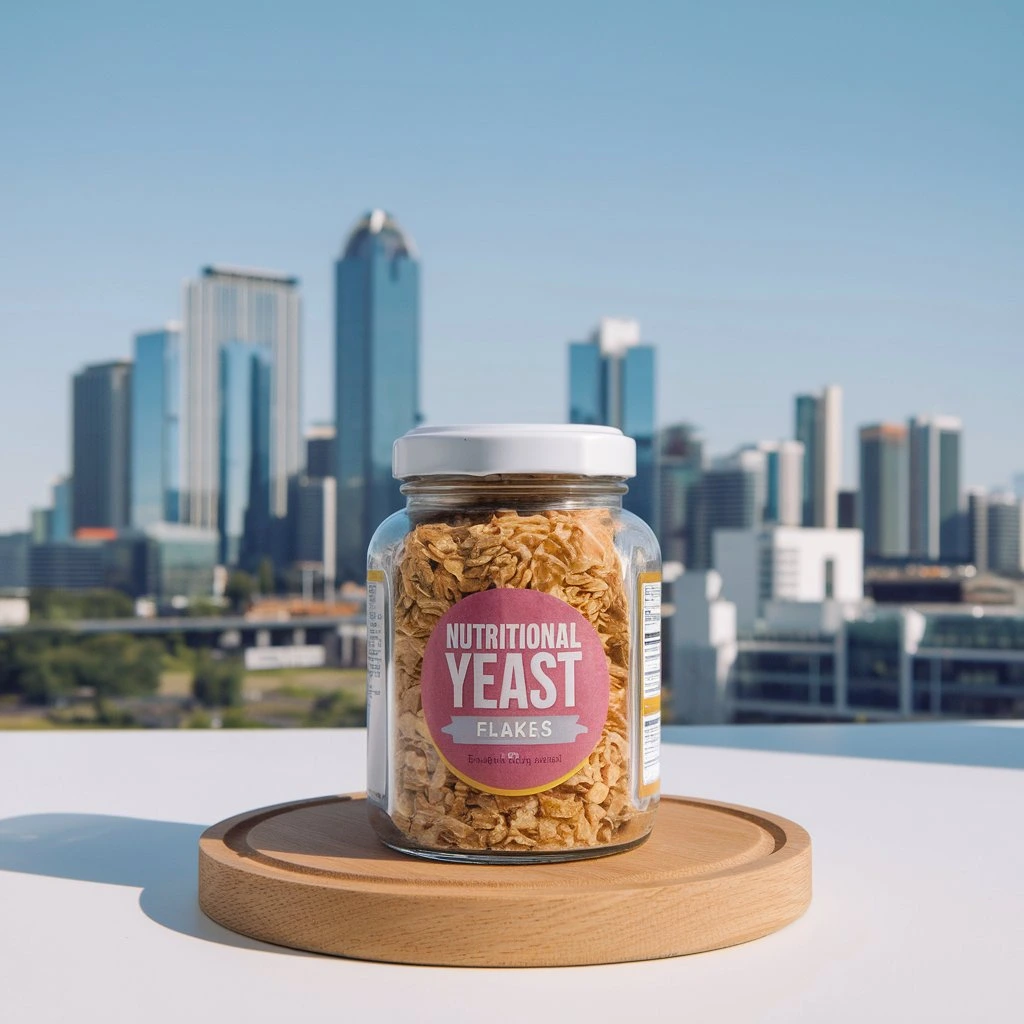
Often referred to as “nooch,” this cheesy flake is an excellent source of protein. It also provides Vitamin B12, which is essential for plant-based diets.
Why Diversity Matters
The reason for embracing such a wide array of plant-based protein sources in South Africa is simple: diversity.
It also boosts your intake of vitamins and minerals.
This holistic approach promotes good health. It makes your meals fun and showcases the benefits of a well-planned plant-based diet. It’s all about enjoying the abundance of nature!
FAQ Section
Got more questions about eating eggs on a plant-based diet in South Africa?
Here are common questions people ask about diet, answered to help you make choices.
What is the difference between a vegan and a plant-based diet when it comes to eggs in South Africa?
Great question! A vegan diet excludes all animal products, including eggs and dairy. A broader plant-based diet in South Africa emphasises the consumption of plant foods. It also allows for more flexibility. This often includes eggs for those who are lacto-ovo vegetarians, ovo-vegetarians, or flexitarians. It depends on personal choices and beliefs.
Are eggs considered a plant-based food in South Africa?
No, technically, eggs are an animal product, as they come from hens. Many popular “plant-based” diets include them. This is especially true for diets like the flexitarian approach in South Africa. It’s not strictly vegan.
How many eggs can I eat on a plant-based diet in South Africa?
Most healthy individuals can safely consume one egg per day. Research shows this can even be good for you. If you have diabetes or another health condition, talk to a qualified doctor or dietitian. They can give you personalised advice about eating eggs.
What are the benefits of including eggs in a plant-based dietin South Africa?
Eggs offer fantastic benefits! They provide high-quality protein and essential vitamins. These include Vitamin D and Vitamin B12. They also supply essential minerals, such as iron, selenium, and Choline. A plant-based diet offers versatility and convenience. It also helps fill nutrient gaps.
What are the common concerns about eating eggs on a plant-based diet in South Africa?
Two main concerns often arise. First, worries about cholesterol in eggs have been disproven mainly for healthy individuals. Many people worry about hen welfare. They worry about how industrial egg production in South Africa affects the environment. Choosing free-range eggs can address some of these ethical concerns.
What are good plant-based egg substitutes for baking and cooking in South Africa?
If you need to skip eggs entirely, excellent plant-based substitutes are available.
For baking, use mashed bananas, applesauce, or a “flax egg.” Mix three tablespoons of water with a tablespoon of ground flaxseed to make a flax egg.
Silken tofu is great for scrambles. You can also find commercial egg replacers in South Africa for many recipes.
Conclusion
Eating eggs on a plant-based diet in South Africa offers many exciting options!
Many people, especially flexitarians and lacto-ovo-vegetarians, consider eggs a crucial component in a plant-based diet.
They consider eggs nutritious and valuable in their meals.
We’ve explored the great nutrition of free-range eggs. South African dietary guidelines support their use. Also, responsible sourcing helps address ethical and environmental issues.
In South Africa, incorporating eggs into your plant-based diet means making informed choices. These choices should match your health goals and personal values.
Focus on balance, diversity, and mindful eating.
Enjoy the benefits of eggs as you thrive on your colourful, plant-based journey.
Introduction to Plant-Based Diet for Hashimoto’s Disease Here’s your guide to a plant-based diet for Hashimoto’s disease. But what is this disease? Hashimoto’s Thyroiditis is a common autoimmune disease. It is the leading cause of hypothyroidism around the world. It’s a long-term fight. The immune …
Learn about a plant-based diet for osteoarthritis. Discover actionable steps, a meal plan, and scientific backing in this guide! Introduction: Embracing a Plant-Based Diet for Osteoarthritis Relief This is your guide to a plant-based diet for Osteoarthritis. Living with osteoarthritis often brings ongoing joint pain …
We’re not just discussing a diet. We’re exploring a lifestyle choice centred on plant-based foods. This includes fruits, vegetables, grains, legumes, nuts, and seeds.
It’s mainly about compassion, sustainability, and justice. Our food choices have a significant impact. They affect not only our health but also the health of animals, the planet, and other people.
Indeed, the ethical case for plant-based eating is compelling and multifaceted.
Choosing plant-based foods is kind, helps the environment, and promotes a fairer global food system.
Get ready as we explore the key ethical reasons for adopting this kind and caring approach to eating.
This journey will show why a plant-based lifestyle is a growing ethical choice for a better world.
Animal Welfare: The Moral Foundation of Plant-Based Eating
The ethical case for plant-based eating often emphasises animal welfare as its primary concern.
Many people choose a plant-based lifestyle. They do this because they care about living beings.
Sentience and Suffering
At the root of this argument is the undeniable fact of animal sentience.
Modern science largely agrees: animals, especially food animals such as cows, pigs, chickens, and fish, are not just things. They are capable of feeling pain, fear, joy, and even complex emotions. They form bonds, seek comfort, and desire to live.
If we see that they can suffer, don’t we have a duty to stop needless harm?
Understanding the worth of animal life, beyond what they can do for us, is essential to vegan and plant-based ethics.
Factory Farming’s Ethical Crisis
Most animals raised for food today suffer terrible conditions in factory farming. This industrial system aims to achieve high output at a low cost.
However, it often overlooks the fundamental needs and natural behaviours of animals. This can cause them great suffering.
Picture chickens stuffed into small cages, unable to stretch their wings. Also, think of pigs trapped in crates so tiny they can’t even turn. These aren’t just isolated cases. They are standard practices in intensive animal farming.
Additionally, painful procedures such as debeaking, tail docking, and castration are often performed without anaesthesia.
This widespread system shows a severe ethical crisis. It highlights animal exploitation that goes against our values of compassion and decency. In this reality, people treat animals as just things. They take away their uniqueness and respect.
Ethical alternatives: A Plant-Based Solution
This is precisely where plant-based eating emerges as a direct and impactful solution.
Choosing plant-based foods lets us avoid a system that causes animal cruelty. We stop buying products that exploit animals. This helps create a world that values the ethical treatment of animals.
It’s a strong statement against the widespread suffering in industrial animal farming.
A compassionate diet promotes nonviolence and respect for all living things. It shows a desire to live in harmony rather than causing harm.
Many people choose a plant-based lifestyle to reduce animal suffering.
Environmental Impact: Plant-Based Eating for a Sustainable Future
We’re all aware that we’re facing a severe environmental crisis. Increasingly, how we grow and consume food is being viewed as a significant part of the problem.
Choosing a plant-based diet sends a strong message for a sustainable future.
Climate Change and Animal Agriculture
Let’s talk about climate change, a defining challenge of our time. It may come as a surprise to some, but animal agriculture is a significant player in this context.
Greenhouse Gas Emissions
Cattle and other livestock create large amounts of greenhouse gases. In the short term, methane warms the globe significantly more than carbon dioxide does.
The industry’s size encompasses manure management and energy use, which contributes to our carbon footprint.
Deforestation for Grazing and Feed Production
It’s not just about what the animals emit, though; consider the sheer amount of land required.
This leads to deforestation, particularly in key areas such as the Amazon rainforest. Large sections are cleared for cattle grazing and crop cultivation to support livestock feeding. This destruction of vital carbon sinks exacerbates global warming and has devastating consequences.
Resource Depletion and Pollution
Then there’s the issue of resource depletion and pollution.
Water Consumption
Think about water.
Producing animal products is extremely water-intensive.
A pound of beef needs a lot more water than a pound of lentils or vegetables. Choosing a plant-based approach to sustainability helps us utilise our planet’s freshwater resources more efficiently. Similarly, land use efficiency is a critical concern.
Feeding many people a diet rich in animal products needs much more land than a mostly plant-based diet.
Land Use Efficiency
This pressure on land drives the need for more intensive farming. This, in turn, leads to severe water pollution. Agricultural runoff carries excess nutrients and antibiotics. This runoff can cause “dead zones” in oceans. It can also contaminate drinking water, posing a significant risk to human health and ecosystems.
Biodiversity Loss
Finally, we cannot overlook the devastating impact of biodiversity loss.
When natural habitats turn into grazing land or feed fields, many species lose their homes. This leads to extinction for countless animals.
Disrupting the interconnected web of life weakens ecosystems. This makes them more vulnerable.
Plant-based eating reduces the demand for animal products. This helps ease pressure on our ecosystems. As a result, these vital areas can recover and thrive.
The Environmental Case for Plant-Based Eating
One of the most effective strategies to reduce our environmental impact is to adopt a plant-based diet.
It’s a genuine way to combat climate change, conserve resources, and safeguard our planet’s rich biodiversity.
To live sustainably and eat eco-friendly, we must consider our food choices. Adopting a plant-based diet is a crucial part of our responsibility to the Earth.
Human Health and Global Food Security: An Interconnected Ethical Dimension
Animal welfare and environmental sustainability support plant-based eating.
However, the ethical argument is even stronger. The food we eat has a significant impact on our health, and the safety of food worldwide.
These dimensions connect closely. They demonstrate why adopting a plant-based lifestyle is essential.
Public Health Implications of Animal Agriculture
First, let’s consider some crucial public health implicationsof current animal agriculture practices. A significant concern is the widespread use of antibiotics in livestock.
Animals often receive antibiotics. This helps them grow and prevents disease in crowded and dirty conditions.
This overreliance leads to more antibiotic resistance. As a result, treating infections in humans becomes harder. It’s a silent crisis that jeopardises our ability to fight common illnesses.
Additionally, keeping animals tightly confined in industrial farms can lead to the spread of diseases. Illnesses spreading from animals to people are called zoonotic illnesses.
Consider our duty to protect public health. It’s not just for us; it’s for everyone.
Optimising Resource Allocation for Global Food Security
Our global food system has considerable inefficiencies, especially in meat production.
Imagine all the land, water, and crops required to feed billions of farm animals. That’s a vast number of resources. They could feed people directly.
Producing meat is an inefficient way to create calories and protein. This inefficiency exacerbates food insecurity worldwide.
By choosing plant-based foods, we’re advocating for a more optimal allocation of resources. We could feed more people using the same land and water.
We need to grow crops for direct human consumption instead of using them for livestock.
Ethical Implications for Future Generations
Food justice is key to creating an ethical food system. It helps us sustainably feed our growing global population.
By adopting a plant-based diet, we can enhance our overall health. We also show our commitment to a healthier and fairer future for everyone.
We must ensure that everyone has access to sufficient nourishing food, not just for ourselves. This is an ethical duty that prioritises the well-being of all humanity and future generations.
Addressing Common Objections and Misconceptions About Plant-Based Eating
Okay, let’s tackle some of those common questions and clear up a few things.
It’s normal to feel uncertain about new diets. You may also encounter myths, particularly about a plant-based lifestyle.
One of the most frequently asked questions is, “But where do you get your protein?” This is a classic plant-based myth!
Protein is plentiful in plant foods. You can find it in lentils, beans, tofu, nuts, seeds, and even some vegetables. With a varied plant-based diet, getting enough protein is not an issue for most people.
Another common objection is, “Isn’t it expensive?”
Speciality vegan products may cost more, but basic plant-based foods are often cheaper.
Vegetables and fruits that are in season, as well as staples like rice, beans, and potatoes, are often more affordable than meat and dairy products.
Eating plant-based food can be budget-friendly. While processed options can pose challenges, focusing on whole foods helps.
Then there’s the idea that it’s too complicated or restrictive.
Plant-based options are everywhere now. It’s easier and more delicious than ever to transition to a plant-based diet!
Finally, some might say, “Eating meat is just a personal choice.”
Individual choice plays a significant role in many aspects of life.
Supporters of ethical plant-based eating focus on three main points:
animal welfare,
environmental impact,
and global food security.
These issues make it more than just a personal choice. It becomes an ethical imperative that calls for conscious consideration.
Addressing these everyday worries demonstrates the benefits and simplicity of this caring dietary change.
The Path Forward: Embracing an Ethical Plant-Based Future
Okay, we’ve explored the profound reasons behind the ethical case for plant-based eating.
So, what’s next?
How do we move from understanding to action?
The good news is that the Path forward starts with each one of us. Choosing a plant-based meal helps animal welfare. It also promotes a healthier planet and supports a fairer food system.
It’s not just about what one person does. It’s about seeing how our choices together make significant changes. These choices can drive change in the food industry and beyond.
As more people choose plant-based options, demand increases. This makes these alternatives easier to find and cheaper for everyone.
Moving to a plant-based future isn’t just a trend; it’s a profound shift in ethics.
It shows that we are becoming increasingly aware of our connection to all life and our planet. It’s an opportunity to align our daily habits with our deepest values of compassion and sustainability.
Let’s think about making ethical choices with our food. This can help us live sustainably now and for future generations.
It’s a journey, and every step you take makes the world a more caring place.
Frequently Asked Questions about The Ethical Case for Plant-Based Eating
Let’s address some common questions about the ethical reasons for adopting a plant-based diet.
It’s normal to have these thoughts. Clarifying them can help you better understand this vital topic.
Is a vegetarian diet as ethical as a vegan diet?
A vegetarian diet reduces harm by eliminating meat. A vegan diet goes further with its ethical choices. The dairy and egg industries often cause profound animal suffering. This includes practices like male chick culling and forced impregnation. They also have a significant impact on the environment. For many, a plant-based diet aligns more closely with vegan ethics.
What about local, sustainable meat? Isn’t that ethical?
This is a great question! “Sustainable” or “local” meat can help alleviate some environmental concerns compared to factory farming. For many plant-based eaters, the primary ethical concern is preventing animal deaths and minimising suffering. We must respect the animals’ right to live, regardless of how well their caregivers have raised them.
Can one truly make a difference by adopting a plant-based diet?
Absolutely! Every single plant-based meal you choose sends a signal to the market. Together, these choices lead to significant changes in demand. This, in turn, has a substantial impact on food production. Your choice helps reduce animal exploitation. It also lowers the environmental impact of our food system. It’s a powerful act of compassionate living.
How can I go on a plant-based diet in a way that is fair?
Start gradually! Explore new plant-based foods, discover delicious recipes, and learn about balanced nutrition. Focus on adding more plant foods rather than just eliminating animal products initially. The key is to make it a sustainable and enjoyable transition to a plant-based lifestyle for you.
Does plant-based eating mean never eating meat again?
For many, an ethical approach to plant-based eating means eliminating animal products. However, some adopt a flexitarian approach as a stepping stone. The main idea is to reduce consumption for ethical reasons. This means living in a way that reflects your growing compassion and care for the planet.
Conclusion
We’ve journeyed through the compelling landscape of the ethical case for plant-based eating.
It also examined its impact on animal welfare. It is essential for maintaining a healthy environment.
Plus, it helps improve human health and global food security.
Choosing a plant-based lifestyle goes beyond diet. It’s a strong and growing ethical choice.
Each day, we serve compassion, justice, and responsibility. This is for all living things and our planet.
As we progress, making ethical food choices is not just about what we avoid; it’s also about what we choose to consume. It’s also about the hopeful future we want to create.
We’re experiencing a growing demand for plant-based products in South Africa. South Africa offers an excellent opportunity for adopting a plant-based diet. Approximately 67% of consumers are open to trying plant-based meat products. In 2022, analysts valued the market at $416.77 million and projected it …