Recent Posts

How to Cook with Legumes for Delicious and Nutritious Meals

How to Cook with Legumes for Delicious and Nutritious Meals

Introduction Ever wondered how to master cooking with legumes truly? You’re in the right place! This guide will help you discover the incredible power of these flexible ingredients. So, what exactly are legumes? They’re a great family of plants that includes your favourite beans, lentils, and …

The Ecological Benefits of Plant-Based Eating

The Ecological Benefits of Plant-Based Eating

Introduction This is your comprehensive guide to understanding the ecological benefits of plant-based eating. But wait Have you ever stopped to think about the incredible power your plate holds? It’s true! In our rapidly changing world, more people recognise that what we eat has a …

Quick & Easy Plant-Based Weeknight Dinners in South Africa

Quick & Easy Plant-Based Weeknight Dinners in South Africa

Introduction

Here’s your guide to quick & easy plant-based weeknight dinners in South Africa.

It’s great to see so many South Africans choosing plant-based diets, and I’m with you!

You may wonder about health benefits, environmental impacts, or want to explore new flavours.

Whatever your reason, you’ve likely encountered a common challenge: time-crunched weeknights.

Life goes quickly. After a long day, no one wants to deal with complicated cooking. This is especially true for those on a plant-based diet.

That’s precisely why I’ve put together this comprehensive guide. I want to help you find quick and easy plant-based dinners for weeknights.

These meals perfectly fit the South African lifestyle.

We’ll explore local ingredients and celebrate the vibrant flavours we love.

Get ready to sizzle and sauté!

Enjoy tasty, plant-based meals made for your busy life.

The South African Plant-Based Landscape: Ingredients & Accessibility

Living in South Africa, I’m amazed at how easily and affordably plant-based meals are now available. This is great for anyone wanting quick weeknight dinners.

Navigating Local Stores for Plant-Based Staples

Navigating local stores for plant-based staples is surprisingly simple.

You’ll discover excellent, affordable plant-based protein sources. Lentils, chickpeas, and different beans are lifesavers in a busy kitchen.

Tofu and tempeh are readily available in large stores, such as Woolworths, Checkers, and Pick n Pay. This makes vegan dinners in SA simple.

Moreover, we are truly spoilt for choice when it comes to fresh produce.

Seasonal fruits and vegetables are diverse and tasty. They are often budget-friendly too, especially at local markets.

You can make fantastic South African plant-based meals with regular grocery store ingredients. Speciality stores and online shops have unique items, but everyday options can be just as good.

Budget-Friendly Plant-Based Eating in South Africa

For budget-friendly plant-based eating in South Africa, I recommend smart grocery shopping.

Buying in bulk, utilising seasonal produce, and stocking up on legumes can help you save money.

Additionally, reducing food waste allows you to utilise every ingredient fully. This makes your plant-based meals more appealing and economical.

It’s truly empowering to see how easily we can embrace this lifestyle here!

Core Principles for Quick & Easy Plant-Based Weeknights Dinners

Planning is beneficial when preparing quick and easy plant-based dinners on weeknights.

Meal Prep Like a Pro

My absolute game-changer has been embracing meal prep like a pro. It truly transforms the week!

On Sundays, I usually spend some time batch cooking grains and legumes. This includes rice, quinoa, lentils, and chickpeas. Having these ready in the fridge means half the work is already done when I come home hungry on a Tuesday night.

Cut up vegetables ahead of time and keep them in containers that won’t let air in. This saves time during the week.

Additionally, preparing versatile sauces and dressings in advance allows my plant-based meals to come together quickly.

One-Pot Wonders & Sheet Pan Dinners

Beyond prepping, I’m a massive advocate for one-pot wonders & sheet pan dinners.

These methods are great not only for their tasty results but also for their ease of clean-up. That’s a real help on hectic weeknights!

I enjoy a tasty South African-inspired one-pot plant-based meal. Everything cooks together, blending the flavours perfectly.

Speedy Cooking Techniques

To further speed things up, I rely on a few speedy cooking techniques.

Stir-frying fresh veggies and tofu is super quick. My air fryer is a must-have for crispy plant-based food.

Pressure cooking legumes can significantly reduce cooking time. This makes quick, plant-based dinners possible.

Flavour Boosters for Plant-Based Weeknight Dinners

Finally, let’s talk about flavour boosters for plant-based weeknight dinners. This is where the magic happens!

I always have a stocked spice rack. It includes essentials like curry powder, peri-peri, and our favourite braai spice.

These, along with condiments, can elevate a simple meal. And for that elusive umami, I often turn to mushrooms, a sprinkle of nutritional yeast, or a dash of soy sauce.

Trust me, these tips will make your plant-based weeknights easy and delicious.

Quick & Easy South African-Inspired Plant-Based Weeknight Dinner Recipes

Now for the exciting part – the recipes!

I think South African-inspired plant-based dinners can be simple and tasty. They can also be deeply satisfying for any weeknight.

Here are some of my top picks that combine speed with the flavours we love in South Africa.

Let’s explore some cosy plant-based dinners.

They’re great for those nights when you want something warm and familiar, but easy to make.

Lentil & Vegetable “Bobotie” Bowl

This is my go-to when I’m yearning for South African vegan comfort food but have zero time for a traditional bake. I start by quickly sautéing onions, garlic, and grated carrots.

Next, I mix in cooked brown lentils (usually pre-cooked from my meal prep!). I add a splash of vegetable stock, a generous spoonful of mild curry powder, a dash of turmeric, and a sprinkle of allspice. These are the classic bobotie spices.

Instead of baking, I simmer it until it is heated through. To serve, I spoon this tasty mix over fluffy rice or quinoa. Then, I top it with coconut yoghurt or quick cashew cream. This adds a creamy touch, just like an egg layer.

It’s a simple, quick take on bobotie. This dish is perfect for a plant-based weeknight dinner.

Speedy Chakalaka & Bean Stew with Pap

Nothing says South Africa quite like chakalaka!

Chakalaka for your quick & easy plant-based weeknight dinners.

Source: https://recipesfromapantry.com

For a quick & easy plant-based weeknight dinner, I often whip up a simplified version. I use a good quality canned chakalaka as my base – it’s a brilliant shortcut. To this, I add a can of drained butter beans or cannellini beans, some chopped bell peppers, and a handful of spinach. A quick simmer until the spinach wilts and everything is heated through is all it takes. While that’s simmering, I get my pap going.

Cooking pap might seem daunting, but it’s straightforward and incredibly comforting. This easy twist on a classic dish is both tasty and affordable, making it great for busy family nights.

It’s genuinely one of my favourite vegan dinners in SA.

Curried Chickpea & Potato Potjie (Quick Version)

Who says potjies have to take hours?

Curried chickpea & potato potjie on a bowl a recipe for quick & easy plant-based weeknight dinners in south africa.

Source: https://www.foodnetwork.com

For a flavourful, simplified potjie for weeknights, I grab my largest pot or Dutch oven. I begin by sautéing onions, garlic, and ginger, then add cubed potatoes and a mix of my favourite curry powder blend. After a few minutes, I stir in a can of diced tomatoes, vegetable stock, and a can of drained chickpeas.

Sometimes I’ll add chopped carrots or butternut squash for extra goodness. I boil it, then turn down the heat and let it simmer until the potatoes are soft, which generally takes 20 to 25 minutes. A sprinkle of fresh coriander at the end truly elevates this quick vegan curry.

It’s hearty and aromatic. Plus, it’s a great plant-based meal with a South African twist.

“Boerewors” Style Mushroom & Lentil Crumble with Creamy Samp

This is my creative spin on a classic, perfect for a plant-based weeknight dinner.

I make the “boerewors” crumble by quickly sautéing finely chopped mushrooms for a meaty texture. I also add cooked brown lentils. I season them generously with classic boerewors spices. This includes coriander, allspice, black pepper, and a hint of nutmeg. While that’s browning, I prepare quick-cooking samp.

Many supermarkets now sell samp that cooks quicker than the traditional type. I also use instant polenta for a fast option.

I serve the savoury mushroom and lentil crumble over a bed of creamy samp, perhaps with a side of steamed greens.

It’s a plant-based twist on a South African staple that is both nostalgic and incredibly easy.

Let’s switch to fresh and vibrant plant-based dinners. They are great for warm evenings or when you want something light but filling.

Rainbow Veggie & Tofu Stir-Fry with “Monkey Gland” Sauce (Veganised)

This dish is a burst of colour and flavour, and it’s unbelievably fast.

I press my tofu beforehand (a quick press with paper towels and a heavy pan works wonders) and then cube it. In a hot wok or large pan, I stir-fry my favourite veggies. I usually use bell peppers, broccoli florets, snap peas, and shredded carrots. Once tender-crisp, I add the tofu.

The star, though, is the veganised “Monkey Gland” sauce. I mix tomato sauce, soy sauce, and vegan Worcestershire sauce. If I don’t have that, I use a bit of balsamic vinegar. Then, I add a little apricot jam and a pinch of chilli.

Pour it over the stir-fry, mix it to coat, and serve it right away with jasmine rice or noodles. This is a speedy Asian-inspired meal with a local twist, and it’s one of my favourite fast vegan dinners.

Roasted Sweet Potato & Black Bean Salad with Avocado Dressing

For a truly effortless plant-based weeknight dinner, I often turn to roasted vegetables. I cut sweet potatoes into cubes. Then, I mix them with olive oil, smoked paprika, and cumin.

After that, I roast them in the oven or air fryer until they are tender and a bit caramelised. While they cook, I make the rest of the salad. I add a can of black beans that have been drained, chopped red onion, fresh corn if it’s in season, and a lot of fresh coriander.

For the dressing, I blend ripe avocado with lime juice, a touch of water, and add a little salt and pepper until it is smooth and creamy. When the sweet potatoes are ready, I mix everything in a big bowl. Then, I drizzle the avocado dressing on top and gently toss it.

It’s a light and satisfying plant-based choice. It’s full of flavour and nutrition, showing that healthy weeknight meals can be delicious.

Quick Plant-Based Power-Ups for Weeknights

One key to quick and easy plant-based dinners is knowing my protein power-ups.

Besides the tasty recipes, these ingredients make meals better.

Having these staples ready makes it easy to whip up a healthy meal.

First up, lentils & beans are absolute superheroes in my kitchen.

Legumes and grains for perfect meal planning

I keep various canned beans, such as chickpeas, black beans, and cannellini. They’re great for adding to curries, salads, or quick stews.

Dried lentils, especially red lentils, cook quickly. This makes them great for dishes like hearty dhal or meatless mince in shepherd’s pie. Their versatility in quick plant-based dinners is truly unmatched.

Then there’s tofu & tempeh. These are fantastic for absorbing flavours. For speed, I often buy pre-pressed or extra-firm tofu, which requires less prep.

A quick pan-fry or air-fry with a marinade, such as soy sauce and spices, makes them a protein-rich addition to stir-fries, bowls, or wraps.

Their quick cooking methods for plant-based protein make them ideal for busy evenings.

Chickpeas, specifically, deserve a special mention. I love using chickpeas for more than just hummus. They make crispy roasted snacks that add a nice crunch to salads or bowls.

Chickpea flour makes quick savoury pancakes or ‘omelettes.’ It’s excellent for fast plant-based meals.

And of course, I can’t forget nutritional yeast. This flaky ingredient is the “cheesy” secret for many easy plant-based dinners. A sprinkle over roasted veggies or in a sauce adds a lovely umami and cheesy flavour.

Finally, nuts & seeds are my go-to for adding healthy fats and protein.

Nuts and seeds on display your protein powerhouses for your plant-based weeknights dinner.

A few almonds, cashews, or pumpkin seeds can enhance a basic salad. They also make a great quick snack while dinner wraps up.

Knowing these key plant-based protein sources makes my weeknight meals satisfying and nutritious.

Tips for Success: Making Plant-Based Weeknights Effortless

Sure! We’ve covered tasty recipes and great ingredients.

Now, let’s dive into making plant-based weeknights easy!

I’ve picked up a few invaluable tips over time, and I’m excited to share them with you.

Kitchen Essentials for Quick Plant-Based Cooking

Having the right kitchen tools for quick plant-based cooking is key.

For me, a good-quality sharp knife, a sturdy cutting board, and a large non-stick pan are non-negotiable essentials.

My air fryer is my go-to appliance for making crispy tofu and quickly roasting veggies. It boosts my plant-based dinners.

Batch Cooking & Smart Leftovers

Secondly, I’m a massive proponent of batch cooking & smart leftovers. It’s not only about saving time. It’s about turning one effort into many tasty meals.

For example, when I make a big pot of lentil soup, I cook extra. I then portion it for lunches or freeze it for an easy plant-based dinner later in the week.

Repurposing leftovers, such as using curry as a filling for wraps, makes meals quicker.

Involving the Family in Plant-Based Meal Prep

Involving the family in plant-based meal prep has been very helpful.

Even little ones can help with washing veggies or stirring ingredients. It not only makes the process quicker but also gets everyone invested in healthy eating. It can genuinely be a fun and efficient process!

Lastly, remember that flexibility is key.

Adapting Recipes for Different Dietary Needs

I often adapt recipes to accommodate various dietary needs, such as gluten-free or nut-free diets.

Often, simple swaps are all it takes. For instance, you may use tamari instead of soy sauce for gluten-free plant-based foods.

Remembering these tips helps my plant-based weeknights go smoothly. This gives me more time to relax and enjoy my meals.

FAQ: Quick & Easy Plant-Based Weeknight Dinners in South Africa

I often receive many questions about switching to a plant-based diet. This is especially true for fitting it into a busy South African schedule.

I want to address some common questions about quick and easy plant-based weeknight dinners in South Africa.

What are some quick and easy plant-based weeknight dinners suitable for South Africa?

I enjoy recommending quick meals, like a speedy lentil “bobotie” bowl. You might also try a fast chakalaka and bean stew with pap. A simplified curried chickpea and potato potjie is another excellent option.

Air fryer falafel wraps, quick stir-fries with local vegetables, and simple tomato and spinach spaghetti are also excellent choices. The key is using ingredients that cook fast or are already prepared.

Where can I find South African-inspired vegan recipes for busy weeknights?

I often draw inspiration from local food blogs and vegan sites in South Africa, as well as this article. Brands like Fry’s Family Food usually have excellent recipe sections on their websites. South African vegan Facebook groups are a treasure trove of ideas and tips from locals!

Are there readily available plant-based ingredients in South Africa for quick meals?

Absolutely! Our leading supermarkets—Woolworths, Checkers, and Pick n Pay—now offer great choices. You can easily find many types of legumes, like canned and dried ones. There’s also tofu, tempeh, frozen veggies, and fresh produce. Health stores offer a unique selection of items, but you can always find the basics for quick, plant-based meals.

How can I make plant-based weeknight dinners affordable in South Africa?

This is a big one for me!

My top tips include using staples like lentils, beans, rice, and seasonal vegetables. They are very budget-friendly. Buying in bulk can save money. Plan meals with similar ingredients. Additionally, consider using affordable plant-based proteins, such as soy mince, to reduce costs.

What are popular South African plant-based dishes that are quick to prepare?

Quick dishes like chakalaka, easy bobotie (made with lentils or mushrooms), and different curries are popular. They are also easy to prepare. You can adapt even a speedy umfino (pap and spinach) for a fast weeknight meal.

It’s all about streamlining those traditional flavours into a rapid cooking process!

Conclusion

I hope this guide has shown you how easy and rewarding plant-based weeknight dinners can be in South Africa.

Using local ingredients and quick cooking, I think a plant-based lifestyle is tasty and easy, even on busy nights.

So, why not give some of these South African-inspired plant-based recipes a try?

You might find them effortlessly delicious and incredibly satisfying.

You will nourish your body, save money, and help the planet.

Happy cooking, and enjoy your delightful plant-based meals!

A Plant-Based Approach to Traveller’s Health

A Plant-Based Approach to Traveller’s Health

Introduction Here’s your guide to a plant-based approach to traveller’s health. Starting a journey is exciting, but let’s face it—travellers’ health often gets ignored amid the thrill. Long flights, unfamiliar foods, and altered routines can leave us feeling off. This is where a plant-based approach …

Affordable Vegan Meal Plan in South Africa

Affordable Vegan Meal Plan in South Africa

Introduction Here’s your guide to an affordable vegan meal plan in South Africa. Let me ask you a question. Ever thought about going vegan but worried it would break the bank? In South Africa, plant-based eating is gaining popularity. More people are discovering its excellent …

The Best Essential Plant-Based Ingredients for Optimal Health

The Best Essential Plant-Based Ingredients for Optimal Health

Introduction

Ever wondered how to truly thrive on a plant-based diet?

Would you like to incorporate more healthy plant-based foods into your meals?

You’re in the right place! Essential plant-based ingredients offer amazing flavours and significant health benefits.

Forget the old myths about what you “can’t eat” on a plant-focused plan. Let’s look at the best plant-based ingredients. They can boost your health and energy.

Hearty legumes, vibrant leafy greens, and healthy fats are key plant-based nutrients. They form the foundation of a nourishing diet.

More people are discovering the clear benefits of whole-food, plant-based eating, and it’s easy to see why!

These healthy vegan ingredients do more than avoid animal products. They are rich in fibre, antioxidants, and various vitamins and minerals. These nutrients help lower your risk of chronic diseases.

Get ready to unlock your plate’s full potential! We will explore essential plant-based ingredients.

Then, we’ll show you how to make them a tasty part of your daily meals for better health and well-being.

The Core of Plant-Based Nutrition: Essential Macronutrients from Plants

Let’s explore the essential plant-based ingredients that fuel our bodies: macronutrients!

These are the big three: proteins, fats, and carbohydrates.

Luckily, plants provide plenty of each. You might be surprised at how easily you can obtain all the macronutrients you need from nutrient-dense plant foods.

Best Essential Plant-Based Proteins: building Blocks for a Healthy Body

One of the most common questions people ask about a plant-based diet is, “Where do you get your protein?” It’s a valid question, but thankfully, the answer is wonderfully diverse and straightforward!

Many people believe that eating a plant-based diet means you won’t get enough protein. But that’s not true at all.

Plants provide essential plant-based proteins. These proteins are great for muscle repair, growth, and body function.

Some animal proteins contain all nine essential amino acids, making them “complete.”

Many plant proteins are “incomplete” because they lack some amino acids. But here’s the good news: by eating a mix of plant foods each day, you easily get all the amino acids your body needs. It’s all about variety and balance!

So, what are some of the top essential plant-based protein sources?

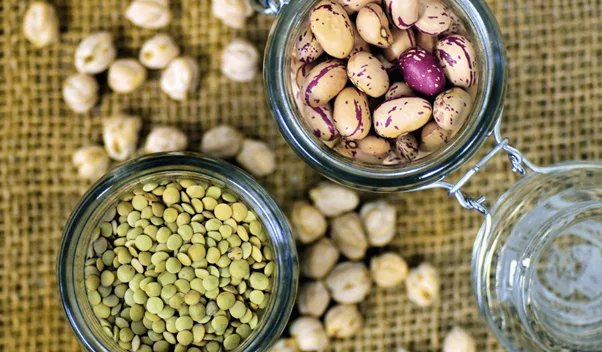
Legumes such as lentils, black beans, chickpeas, and edamame are nutritional powerhouses. They are rich in protein and high in fibre. They’re incredibly versatile for everything from curries to salads!

Tofu and Tempeh are complete proteins derived from soybeans. Tofu absorbs flavours well, while tempeh has a firmer, nuttier texture. Both are great healthy vegan options for stir-fries, scrambles, and more.

Don’t forget Quinoa and Buckwheat! These grains are special. They offer all essential amino acids. This makes them great complete plant proteins for any meal.

Hemp seeds, chia seeds and almonds are all wild seeds that are very good for you because they are high in healthy fats, protein, and vitamins. Sprinkle them on oatmeal, blend them into smoothies, or enjoy them as a satisfying snack.

Nutritional yeast gives dishes a cheesy, savoury taste and is a unique source of B vitamins, including B12. It’s a favourite in many plant-based recipes.

Best Essential Plant-Based Healthy Fats: Fuelling Your Body and Mind

Next, let’s discuss fats.

Healthy fats are key for brain health. They help make hormones and absorb fat-soluble vitamins. The plant world offers a wealth of healthy fat sources for those who follow a plant-based diet.

When it comes to essential plant-based omega-3 fatty acids, you’ll want to focus on:

Flaxseeds (ground) and Flaxseed Oil: These are superstars for ALA (alpha-linolenic acid). Just a spoonful can go a long way!

Chia Seeds: Another excellent source of ALA, plus they’re fantastic for thickening puddings or adding to smoothies.

Walnuts: These nuts are brain-shaped and are not only delicious but also offer a good amount of ALA.

Hemp Seeds: They have a good amount of omega-3 & omega-6 fatty acids, so that you may use them on nearly anything.

Algae Oil is a great vegan source of EPA and DHA, the omega-3s your body efficiently uses. Many plant-based eaters add it to their diets. It helps boost brain and heart health.

Beyond omega-3s, other beneficial plant-based fats include:

Avocado: Rich in heart-healthy monounsaturated fats, along with a host of vitamins and minerals. Perfect for toasts, salads, or just by the spoonful!

Olive Oil: A staple in many kitchens, known for its monounsaturated fats and antioxidant properties.

Best Essential Plant-Based Complex Carbohydrates: Sustainable Energy Sources

Finally, let’s talk carbs!

The best essential plant-based complex carbohydrates are the good stuff. They give you lasting energy, are high in fibre, and are rich in micronutrients. These aren’t refined sugars. They are your body’s favourite fuel for lasting energy.

Our top essential plant-based complex carb sources include:

Whole Grains: Think oats, brown rice, farro, barley, and whole wheat. They’re bursting with fibre, B vitamins, and essential minerals, offering slow-releasing energy.

Root Vegetables: Sweet potatoes, carrots, and beets are all delicious. They are rich in vitamins, antioxidants, and complex carbohydrates. These nutrients give you steady energy.

Starchy Vegetables: Potatoes, corn, and peas are rich sources of energy and key nutrients. Yes, potatoes can be incredibly healthy when prepared well!

And of course, Fruits: Berries, apples, bananas, and so many more! They are rich in vitamins, antioxidants, natural sugars, and essential fibre for digestion.

By focusing on these great plant-based macronutrients, you’re on your way to a strong and lively diet.

Enjoy the wide variety of nutrient-rich plant foods available to you!

Crucial Micronutrients: Best Essential Vitamins and Minerals from Plants

We’ve discussed the leading players: macronutrients, including proteins, fats, and carbohydrates. You can easily find these in the best essential plant-based ingredients.

But let’s not forget the unsung heroes: micronutrients!

These vitamins and minerals are essential. Although needed in small amounts, they play crucial roles in all bodily functions. They help with everything from generating energy to maintaining a healthy immune system.

And guess what?

These plant foods are full with nutrients, and the plant kingdom is full of them!

Best Essential Plant-Based Iron Sources: Combating Fatigue

Iron helps move oxygen around your body and keeps your energy levels high. If you’re feeling sluggish, a lack of iron could be a factor.

Great news! Many excellent plant-based sources of iron are available.

Now, a quick note: iron from plants (non-heme iron) isn’t absorbed quite as easily as iron from animal sources. To absorb iron better, pair iron-rich plant foods with Vitamin C. For example, squeeze lemon juice on spinach or enjoy an orange with lentil soup.

Some of the top essential plant-based iron-rich ingredients include:

Lentils, Beans, and Chickpeas: These legumes are stars in the plant-based world. They provide protein, fibre, and a good amount of iron.

Kale, collard greens, and spinach are all leafy greens that are very good for you. Just cook them down, and you’ll be surprised by how much iron you obtain!

Many Fortified Cereals and Breads can also contribute to your daily iron intake – check the labels.

Tofu isn’t just a good source of protein; it’s also a good source of iron.

Pumpkin seeds are a tasty and quick snack that is full of iron.

Dried fruits, such as apricots and prunes, surprisingly increase your iron intake.

Best Essential Plant-Based Calcium Sources: Strong Bones and Beyond

When people think of calcium, dairy often comes to mind first. There are many excellent plant-based sources of calcium. They help build strong bones, support healthy nerves, and ensure proper muscle function.

Some plant compounds, such as oxalic acid and phytates, can slightly reduce calcium absorption. However, many plant foods still contain a significant amount of calcium. Eating a variety of these foods is especially helpful.

Your go-to top essential plant-based calcium-rich ingredients include:

Fortified Plant Milks (soy, almond, oat) are a convenient and popular way to get calcium. Just look for brands that fortify their products.

Calcium sulfate makes Calcium-Set Tofu a fantastic source of calcium.

Certain leafy greens, such as kale, collard greens, and bok choy, are excellent choices for a healthy diet. They have lower oxalate levels, which helps with calcium absorption.

Sesame Seeds and tahini (sesame paste) are surprisingly high in calcium.

And don’t forget Figs, a sweet treat that also provides calcium!

Best Essential Plant-Based Vitamin D: The Sunshine Vitamin

Vitamin D is vital for getting calcium into your body and keeping your immune system strong. It’s known as the “sunshine vitamin” since our bodies make it when we get sunlight.

For people on a plant-based diet, finding natural food sources can be tough. This is especially true in South Africa during winter when sunlight is less reliable.

Your best essential plant-based Vitamin D sources come mainly from:

Fortified Plant Milks and Cereals: Again, check those labels!

Farmers grow mushrooms under UV light to boost their vitamin D content. This is an exciting step toward healthy vegan foods!

Many people use supplements to obtain the necessary nutrients. This is common, especially for those who don’t get much sun.

Best Essential Plant-Based Vitamin B12: A Non-Negotiable Nutrient

Now, this is one essential plant-based nutrient that requires special attention. Vitamin B12 is crucial for nerve health and red blood cell formation.

Key takeaway for those on a plant-based diet: B12 isn’t found in unfortified plant foods. Bacteria produce it, not plants or animals. Animals usually get it from their diet or supplements.

Therefore, B12 supplementation is key for vegans. Your best essential plant-based B12 sources are:

Fortified Foods include nutritional Yeast, many plant milks, and cereals.

B12 Supplements: This is the most reliable way to ensure you’re getting enough vitamin B12. Consult a healthcare professional for recommended types and dosages. This is one nutrient you don’t want to overlook!

Best Essential Plant-Based Iodine and Selenium: Thyroid and Antioxidant Power

Let’s look at two more vital minerals that are easily found in nutrient-dense plant foods.

  • Selenium is a strong antioxidant that keeps your cells safe from harm.
    • Eat just one or two Brazil nuts each day. They give you all the selenium you need. But don’t eat too many!
    • Sunflower Seeds and Mushrooms are also good plant-based sources.

Best Essential Plant-Based Zinc: Immunity and Growth

Zinc is critical for your immune system, healing wounds, and growing cells. You can get enough zinc from healthy plant-based eating. Your top essential plant-based zinc sources include:

  • Legumes like lentils and chickpeas.
  • Various Nuts such as cashews and almonds.
  • Seeds like pumpkin seeds and hemp seeds.
  • and Whole Grains.

Other Important Essential Plant-Based Nutrients

A whole food plant-based diet also offers many essential micronutrients, such as:

  • Potassium (abundant in sweet potatoes, bananas, and spinach).
  • Magnesium (found in leafy greens, nuts, seeds, and whole grains).
  • Vitamin K (plentiful in leafy greens).

Focusing on these key micronutrients from good plant sources can boost your health. They strengthen your immune system and help maintain your energy levels.

It truly shows the incredible power of the plant kingdom!

Incorporating Best Essential Plant-Based Ingredients into Your Diet

Adding more nutrient-rich plant foods to your diet can be easy.

You can quickly and easily start eating a whole-food, plant-based diet and enjoy its health benefits. Just follow some easy tips and try out tasty ideas!

Meal Planning with Essential Plant-Based Ingredients: Strategies for Success

To use the best plant-based ingredients, planning is key.

Firstly, always aim for variety. Don’t get stuck eating the same thing every day! Try rotating various plant proteins, whole grains, and colourful fruits and veggies. This way, you can enjoy a broad spectrum of nutrients.

Secondly, consider “batch cooking” or “meal prepping.” Set aside some time on a Sunday to cook a big batch of lentils or quinoa. Chop up various vegetables or prepare a large batch of a delicious plant-based sauce.

Assembling quick and easy meals during the week is a breeze. This helps you stay on track with your healthy plant-based eating goals, even on busy days.

Delicious Recipes Featuring Best Essential Plant-Based Ingredients

Ready for some inspiration?

These essential plant-based ingredients are incredibly versatile!

Start your day with filling oatmeal. Top it with nuts, chia seeds, and berries. This adds fibre and healthy fats.

A savoury tofu scramble packed with spinach and mushrooms is another protein-rich option. Make a fruit smoothie. You may quickly and simply switch to a whole-food, plant-based diet and enjoy its health benefits.

When Lunch Ideas strike, try a comforting lentil soup. A vibrant quinoa salad with roasted veggies and chickpeas also works well. Or opt for a simple whole-wheat wrap filled with hummus and fresh vegetables.

For dinner ideas, try black bean burgers on whole-grain buns. A colourful tempeh stir-fry with broccoli and bell peppers is also a great option. You can also enjoy a hearty whole wheat pasta with lentil bolognese sauce. These dishes make the most of your plant-based ingredients.

And don’t forget Snack Ideas! Try crunchy edamame, a mix of your favourite nuts and seeds, or fresh fruit with a tablespoon of nut butter. They are perfect pick-me-ups.

Smart Swaps for Essential Plant-Based Ingredients

Making your diet more plant-focused can also be about simple, clever swaps. Instead of conventional dairy milk, try fortified plant milk like oat, soy, or almond milk. It’s great in coffee, cereals, and recipes.

Looking to reduce meat?

You can easily swap it for versatile legumes, firm tofu, or chewy tempeh in your favourite dishes. Swap out butter for a healthy avocado or a plant-based spread.

Gradually swap refined grains for wholesome whole grains. Try brown rice, oats, and whole wheat bread. This change boosts your fibre and nutrient intake.

A plant-based diet that is more enjoyable and full of nutrients can be achieved by making small, persistent changes.

Benefits of a Diet Rich in the Best Essential Plant-Based Ingredients

We talked about the best plant-based ingredients. We also covered how to add them to your diet.

But why go to all this tremendous effort?

There are many good things about a diet that is high in plant foods that are full of nutrients. They affect your daily energy and your long-term health. It’s not just about eating “healthy.”

It’s about improving your well-being.

Enhanced Health and Well-Being

Focusing on essential plant-based ingredients is important. They have a substantial effect on your health.

Eating whole-food, plant-based meals can significantly reduce your risk of chronic diseases.

We’re talking about heart disease, type 2 diabetes, and some cancers. That’s a huge benefit right there!

Also, plant-based diets are good for your gut and digestion because they are high in fiber.

A happy gut often means better nutrient absorption and vitality.

Many people find that incorporating more plant-based foods into their diet helps them manage their weight. This change often leads to a healthier body.

Also, you may feel more energised. This comes from the steady fuel of complex carbohydrates and the many vitamins and minerals.

These healthy vegan ingredients have natural antioxidants and phytonutrients. They help reduce inflammation in your body. This contributes to your overall feeling of well-being.

Environmental and Ethical Advantages

Selecting the best plant-based ingredients not only enhances your health but also benefits the planet.

A plant-based diet usually leaves a smaller carbon footprint than a diet rich in animal products. This is a great way to fight climate change.

It also uses much less water, making it a more efficient way to eat.

Many people pick these healthy plant foods. They help animal welfare and create a kinder food system.

The “Game Changer’s” Effect

You might remember the popular documentary “The Game Changers.” It highlighted the significant benefits of plant-based nutrition, particularly for athletes.

The study demonstrated that a diet rich in key plant-based foods can improve athletic performance. It can also significantly improve recovery times.

These ingredients do more than help you survive. They can help you thrive and excel in everything you do!

Addressing Common Concerns and Misconceptions

It’s normal to have questions or hear myths when starting a plant-based diet.

Let’s address the most frequent ones with a friendly, reassuring tone.

One of the most frequently asked questions is:

“Where do you get your protein?”

There are many different types of plants that can give you protein. These are lentils, beans, tofu, and quinoa. Eating a lot of different plant-based foods every day will help you acquire enough protein. When you eat full foods, it’s really not a problem.

Another common misconception is, “Is it expensive?”

Some speciality vegan products can be expensive, but whole food plant-based diets are very affordable!

Beans, lentils, rice, oats, and seasonal vegetables are affordable staples. They are the building blocks of a nutritious diet based on plants. Many find that their grocery bills go down!

And finally, some worry, “Is it restrictive?”

Not!

Exploring essential plant-based ingredients is not restrictive. It opens a vibrant world of flavours, cuisines, and textures you may never have tried before.

You can make countless dishes using nutrient-rich plant foods. Think of spicy curries, hearty stews, and vibrant salads.

A plant-based diet is excellent for many people.

Still, it’s smart to get expert advice. Suppose you have specific health conditions or dietary concerns. If that’s the case, talk to a registered dietitian or healthcare professional.

They can give you personalised advice. This helps you get all the key plant-based nutrients. They can help you live a better life and love eating plants.

Frequently Asked Questions about Best Essential Plant-Based Ingredients

It’s normal to have some questions as you dive into plant-based nutrition.

Here are some common questions we receive. We’ve included helpful answers to support your plant-based eating journey!

What are the most essential plant-based ingredients for beginners?

If you’re new to this, stick to basics like legumes—such as lentils, chickpeas, and black beans. Also, try versatile tofu and bright dark leafy greens like spinach and kale. Don’t forget about fortified plant milks. These are fantastic foundational healthy vegan ingredients.

How can I ensure I’m getting enough iron on a plant-based diet?

Great question!

Pair iron-rich plant foods, like lentils and spinach, with Vitamin C-rich options. Use oranges, bell peppers, or a squeeze of lemon juice on your salad. Cooking in a cast-iron pan can also help!

Do I need to take supplements on a plant-based diet?

Most people should take Vitamin B12 supplements. It’s not easily found in plant foods. Depending on the amount of sun you receive, Vitamin D can be beneficial. Some people also choose Omega-3 algae oil for its EPA and DHA content. Always chat with a healthcare professional about your specific needs.

Are all plant-based foods healthy?

This is important! We support whole food plant-based eating. But remember, “plant-based” can mean processed vegan junk food, too. This includes some cookies and fast food options. Focus on whole, nutrient-dense plant foods for the most significant health benefits.

Can children and pregnant women thrive on a plant-based diet?

Absolutely, yes! A well-planned plant-based diet is beneficial for everyone, including children and pregnant women. It provides all the essential nutrients needed for every life stage. Consulting a dietitian is always a good idea for tailored advice.

Conclusion

Unlocking the benefits of top plant-based ingredients can change your health and well-being.

Eat nutrient-rich plant foods and make wise, tasty choices. This way, you can enjoy a lively plant-based lifestyle with confidence.

In South Africa, we are fortunate to have a variety of amazing, healthy vegan ingredients available throughout the year.

Explore the endless possibilities of plant-based nutrition. Your body and the planet will thank you!) will thank you for it!
Is Veganism Too Expensive in SA?

Is Veganism Too Expensive in SA?

Introduction A common question arises whenever someone talks about going vegan in South Africa: “Isn’t that too expensive?” Bringing it home, “Is veganism too expensive in SA?” The notion that a plant-based diet is expensive has been a common misconception, particularly in South Africa. You’ve …

Plant-Based Desserts for South African Celebrations

Plant-Based Desserts for South African Celebrations

Have you noticed how much our South African tables are changing? A significant change is happening. People are embracing tasty plant-based desserts for South African celebrations. Gone are the days when “vegan” meant bland. Plant-based eating is on the rise nationwide, and our desserts are …

The Best Green Accommodations in South Africa

The Best Green Accommodations in South Africa

Here’s your definitive guide to the best green accommodations in South Africa.

South Africa, oh, South Africa!

The name evokes stunning landscapes. Picture the Big Five wandering across vast savannas. Imagine clear coastlines and colourful fynbos biomes.

It’s a country with amazing natural diversity. For many, visiting these incredible places is a dream come true.

More people are becoming aware of their global impact. There’s a growing trend towards responsible travel. It’s no longer just about seeing the sights; it’s about preserving them for future generations to enjoy.

This is precisely where the concept of green accommodations in South Africa comes into play.

Choosing an eco-friendly stay is more than just a trend. It’s a choice that helps the environment and supports local communities.

So, what exactly makes an accommodation “green”?

It means a property aims to reduce its environmental impact. It achieves this by using energy efficiently, conserving water, and reducing waste.

Furthermore, many of the best green accommodations in South Africa also actively engage in community upliftment and dedicated conservation efforts, ensuring that your visit has a positive impact.

In this article, we delve into the world of sustainable tourism in South Africa. We’ll explore the top green accommodations in South Africa.

These special places show what responsible tourism is all about. Most importantly, they promise you an unforgettable and sustainable travel experience.

Get ready to explore this fantastic country! You can enjoy its wonders and make a real difference, too!

The Pillars of Green Accommodation: What Makes a South African Stay Truly Eco-Friendly

When discussing green accommodations in South Africa, we must look beyond mere claims of being “eco-friendly.”

Sadly, “greenwashing” is common. This is when companies claim to be eco-friendly but fail to adopt genuine sustainable practices.

So, how can you tell the difference?

Genuine green accommodations follow key principles and practices. These aim to reduce their environmental impact and enhance their positive effects.

Let’s delve into what makes a South African stay truly eco-conscious:

Energy Efficiency

First off, energy efficiency is paramount.

Imagine solar panels capturing South Africa’s bright sunshine. Add LED lights and innovative appliances to save energy around the property. Many green lodges aim to be off-grid. This helps them reduce their use of fossil fuels.

Water Conservation

Water conservation is crucial in a water-scarce country like South Africa.

Check for projects like rainwater harvesting and greywater recycling. Greywater recycling treats water from sinks and showers for irrigation.

Also, consider water-wise landscaping with native, drought-resistant plants. Low-flow fixtures in bathrooms are also a small but impactful detail.

Waste Management

Waste management is another big one. This goes beyond just having a few recycling bins.

It includes recycling programs and composting organic waste to achieve zero waste. The focus is also on reducing the use of single-use plastics whenever possible.

Community Engagement & Fair Trade

In South Africa, genuine green hotels also place a strong emphasis on fair trade and community involvement.

This means focusing on local jobs. It also means ensuring fair wages. We must support local businesses and artisans. Finally, we need to fund community projects. It’s about giving back and ensuring that tourism benefits the local community.

Biodiversity Conservation

Crucially, many of these properties play a significant role in biodiversity conservation. They protect natural habitats and participate in rewilding projects, while also supporting anti-poaching efforts. They also provide environmental education to guests. And also they work to support and protect South Africa’s amazing wildlife and natural heritage.

Sustainable Sourcing

Lastly, sustainable sourcing plays a vital role.

They source local produce, often from organic farms. They also use sustainable materials for building and renovations.

Look for accreditations and certifications when searching for the best eco-friendly accommodations in South Africa.

Look for eco-labels such as Green Key and Fair Trade Tourism. Also, look for local South African certifications. These labels indicate that a property commits to sustainability.

Understanding these pillars enables you to make informed choices and adopt sustainable travel practices.

Top Green Safari Lodges in South Africa: An Immersive Eco-Experience

Now, let’s talk about the heart of many South African adventures: the safari!

Dreaming of the Big Five? Want your trip to count? Explore the best eco-friendly lodges in South Africa, offering exceptional safari experiences.

These lodges mix luxury and comfort with a strong focus on conservation and community.

Thonga Beach Lodge (Isimangaliso Wetland Park, KwaZulu-Natal)

Thonga Beach Lodge is located in the stunning Isimangaliso Wetland Park, KwaZulu-Natal.

This place stands out not just for its beautiful coastal wilderness. It is essential for protecting turtles, especially loggerhead and leatherback turtles.

They are active in the local community. Additionally, support projects through the Isibindi Foundation and assist the Madibi school.

It’s a great example of eco-friendly lodging in South Africa. Here, marine conservation and responsible tourism come together.

Sanbona Wildlife Reserve (Little Karoo, Western Cape)

Sanbona Wildlife Reserve sits in the vast Little Karoo of the Western Cape.

This place shows how rewilding works. It has transformed from farmland into a vibrant wildlife sanctuary.

They’re doing fantastic work to protect the unique fynbos biome. They’ve also earned the Green Leaf™ Eco Standard certification. This shows their strong dedication.

Mountain view from Sanbona Logde, Western Cape.

Karongwe Portfolio (Limpopo)

Next, consider the Karongwe Portfolio in Limpopo. These lodges are situated next to large game reserves, such as Makhutsi and Greater Makalali. You’ll be right in the middle of the action.

They focus on more than just wildlife viewing. Karongwe also work on conservation and community outreach. They provide jobs and training for local people.

Additionally, many of their lodges are thoughtfully designed around existing trees, demonstrating a genuine respect for the natural environment.

Singita

You can’t discuss luxury and conservation in South African safaris without mentioning Singita.

Singita stands out in sustainable tourism with beautiful properties in Sabi Sand and Kruger National Park.

They manage large areas of land for conservation. Their eco-friendly accommodations are renowned for their strong community ties and environmental focus. It’s a truly high-end, high-impact safari experience.

Rhino Ridge Safari Lodge (Hluhluwe Umfolozi Park, KwaZulu-Natal)

Next is Rhino Ridge Safari Lodge. It’s located in Hluhluwe Imfolozi Park, KwaZulu-Natal. This park is Africa’s oldest nature reserve.

This lodge represents community benefits. It sits on the Mpembeni community land, and the community is the owner.

They played a significant role in hiring and training local workers during the construction phase. They still do this for their staff. This makes it a great example of a sustainable safari destination that benefits its neighbours. Their anti-poaching and environmental education efforts are equally commendable.

Sibuya Game Reserve (Eastern Cape)

Sibuya Game Reserve, situated in the Eastern Cape, is a renowned eco-tourism destination that has garnered numerous awards. It’s especially charming that you often arrive by boat up the Kariega Estuary. This gets you right into nature.

They emphasise local sourcing for goods and services. They hire local staff and participate in river cleanups. It’s a unique blend of ocean, forest, and bushveld, all experienced in a sustainable manner.

Umlani Bushcamp (Timbavati Private Nature Reserve, Kruger National Park)

Umlani Bushcamp is located in the Timbavati Private Nature Reserve. It has an unfenced border with Kruger National Park.

This real bush camp is Fair Trade Tourism certified. This means they carefully consider every aspect of their operation. They mainly run on solar power. For evening light, they use candles and oil lamps. They focus on minimal impact in design and operations.

It’s an immersive experience that connects you to nature while honouring your eco-values.

These green safari lodges in South Africa show that amazing wildlife experiences can also help the planet and its people.

Urban and Coastal Green Retreats: Sustainable Stays Beyond the Bush

South Africa is renowned for its incredible safaris, but its commitment to sustainability extends far beyond.

You’ll find excellent green accommodations in South Africa. They’re in vibrant cities, beside gorgeous coastlines, and in other lovely natural places. These spots offer diverse, eco-friendly experiences that don’t sacrifice comfort or style.

Hotel Verde (Cape Town, Western Cape)

Let’s start in the Mother City, Cape Town, where you’ll find Hotel Verde.

This hotel stands out as one of the most environmentally friendly in Africa. It has earned many awards from the US Green Building Council.

What makes it so green?

First, it provides a 100% carbon-free stay. It features wind turbines, an innovative greywater recycling system, and an electric shuttle for guests.

They follow a strict “zero waste to landfill” policy. They also offer “Verdinos” to guests who help save energy and water.

It’s truly a leader in urban sustainability.

The Peech Hotel (Johannesburg, Gauteng)

Venturing into Johannesburg, a bustling urban centre, we discover The Peech Hotel. This lovely boutique hotel is certified by the Fair Trade Tourism Organisation. It shows a real commitment to ethical practices.

They promote recycling and use solar water heating. Their design also reduces their carbon footprint. Green hotels can thrive in busy cities by focusing on sustainable sourcing and supporting their local communities.

Teniqua Treetops (Garden Route, Western Cape)

Embark on a unique experience along the famous Garden Route and visit Teniqua Treetops. Imagine staying in a unique tented tree house, truly becoming one with nature!

This eco-accommodation has an innovative design. It uses rainwater harvesting, dry toilets, and natural building materials. It provides a deep forest experience. It’s ideal for anyone seeking peace and a minimal ecological impact.

Mariner Guesthouse & Villa (Hermanus, Western Cape)

In Hermanus, a whale-watching hotspot, the Mariner Guesthouse & Villa stands out. It proudly holds the “5 Green Hearts” award.

This charming guesthouse prioritises sustainability and responsibility. It recycles, uses eco-friendly cleaning products, and embraces eco-architecture. It also supports sustainable energy solutions.

They help uplift the community by developing skills. This shows that a coastal retreat can be luxurious and sustainable.

Four Rosmead (Cape Town, Western Cape)

In Cape Town, Four Rosmead is an excellent example of eco-friendly lodging in South Africa. It combines luxury with responsibility.

They adhere to a firm and fair trade policy. Four Rosmead employ strict water-saving practices, such as greywater irrigation. They also focus on energy efficiency by using LED lights and gas. Four Rosmead also invest in their staff’s growth. This ensures a well-rounded approach to sustainability.

The Oyster Box Hotel (Umhlanga, KwaZulu-Natal)

Even iconic luxury establishments are embracing the green movement. The Oyster Box Hotel in Umhlanga, KwaZulu-Natal, follows key green practices in its operations.

This includes solar power, greywater recycling, and rainwater harvesting. These efforts demonstrate that even large hotels can make a concerted effort to be more eco-friendly.

You can find eco-friendly accommodations in urban and coastal areas throughout South Africa.

Unique Eco-Lodges and Off-Grid Adventures

Let’s check out some unique green stays in South Africa. These special spots offer off-grid adventures and a chance to connect with nature!

Here are spots for travellers who want to connect with nature and leave a small footprint.

Bulungula Lodge (Wild Coast, Eastern Cape)

One incredible example is Bulungula Lodge, nestled on the remote Wild Coast of the Eastern Cape.

This isn’t just a luxury resort; it’s a unique eco-lodge and backpackers’ retreat. It runs on solar power. The vibrant Nqileni village community owns and manages it fully.

Imagine waking up to the sound of waves. Your stay helps the local economy and culture. It’s a hidden gem for anyone seeking a genuine, meaningful experience on stunning, pristine beaches.

iKhaylamafu (Central Drakensberg, KwaZulu-Natal)

Then, high up in the Central Drakensberg of KwaZulu-Natal, you’ll find iKhayalamafu. This amazing eco-estate runs on solar and hydropower. That means no ugly electric lines, just clean energy.

They dedicate themselves to protecting indigenous forests by removing alien plant species. This helps the natural ecosystem thrive. They produce their honey and vegetables. Wildlife roams freely on the property. This makes it an excellent escape for nature lovers who value true self-sufficiency.

Jaci’s Lodges (Madikwe Game Reserve, North West)

For a fantastic safari that emphasises sustainability, visit Jaci’s Lodges. It’s located in the Madikwe Game Reserve in North West province.

These tented-style tree houses offer a comfortable yet environmentally conscious stay. They have strong recycling programs. They grow their vegetables for fresh food. Additionally, they use non-toxic cleaning products throughout the facility.

They commit to reducing waste and conserving water. They also offer staff shareholder opportunities. This shows their holistic approach to sustainable tourism.

Thaba Eco Hotel (Kliprivier Nature Reserve, Gauteng)

For a green retreat that’s easily accessible, visit the Thaba Eco Hotel. It’s in the Kliprivier Nature Reserve in Gauteng. It’s often referred to as “green in the concrete jungle,” and for good reason!

This hotel exemplifies how sustainability can be effectively integrated into an urban setting.

They utilise xeriscaping, a water-wise landscaping approach, to minimise water usage. They also rely on solar-powered geysers and continually improve their green practices.

It’s an excellent option for an eco-friendly getaway near Johannesburg. This shows that the top green stays in South Africa vary in form and location.

How to Choose Your Ideal Green Accommodation in South Africa

Great! You’re set to book your dream trip to South Africa. You want to make your stay eco-friendly – awesome!

How do you choose the perfect green accommodation in South Africa with so many great options? It can feel overwhelming, but here are some friendly tips to guide you.

Research Certifications

Firstly, and perhaps most importantly, research certifications. Look for accommodations that proudly display recognised eco-labels and sustainability certifications.

Consider well-known names like Green Key and Fair Trade Tourism. You can also think of local South African groups, such as WESSA (Wildlife and Environment Society of South Africa) and the Green Leaf Eco Standard.

These certifications are more than just badges. An independent third party has verified the property’s commitment to sustainable practices. This helps you steer clear of “greenwashing.”

Read Reviews

Secondly, always read reviews. Hotels might boast about being eco-friendly, but guest reviews reveal the truth.

Do people discuss recycling bins, water-saving programs, or how they relate to the community? Real-world experiences paint a clearer picture.

Direct Enquiries

Don’t be shy to inquire either directly! A dedicated green accommodation will gladly share its sustainability efforts. Inquire about their energy sources. Ask about water management and waste policies. Additionally, please investigate how they support local jobs or conservation projects. Their enthusiasm (or lack thereof) can tell you a lot!

Consider Your Impact

Furthermore, consider your impact and the values you hold. Do you care about wildlife conservation? Are you interested in community empowerment? Or would you like to experience honest, off-grid living?

Pick places that reflect what you value most. Doing this will improve your travel experience.

Location, Location, Location

Finally, think about location, location, location. South Africa is very diverse. Select a green accommodation option that aligns with your travel destination and the activities you wish to participate in.

Choose a safari lodge, city hotel, or coastal retreat that suits your plans. Ensure it also aligns with your eco-friendly objectives.

Follow these steps for a responsible and rewarding adventure in South Africa!

FAQs about Green Accommodations in South Africa

If you’re considering green accommodations in South Africa, you might have questions.

Let’s look at some common tips. They can boost your confidence in sustainable travel!

What does “eco-friendly accommodation” mean in South Africa?

It means businesses that aim to minimise their environmental impact. They also support local communities and contribute to conservation efforts.

This often involves utilising renewable energy sources, such as solar power. It includes recycling water, cutting waste, sourcing locally, and ensuring fair labour practices. It’s about being responsible hosts for both people and the planet!

Are green accommodations in South Africa more expensive?

Not necessarily!

Some luxury eco-lodges cost more. They often spend a lot on conservation projects. However, many sustainable options are available to suit different budgets.

The actual value is in the unique experience. Your money helps support good environmental and social projects. Sometimes, their efficiency even leads to savings that they pass on to their customers.

How can I be sure that a place to stay is green?

This is a great question!

Check for well-known third-party certifications. Look for Green Key, Fair Trade Tourism, or local South African options.

These labels indicate that independent auditors have reviewed their practices.

Check their website for sustainability reports. Read guest reviews, too. Other travellers often share how well a property lives up to its eco-claims. Don’t be afraid to ask them directly, too!

Do green accommodations in South Africa compromise on comfort and luxury?

Not!

Many top green hotels in South Africa offer comfort, luxury, and excellent service. You can enjoy a pampering experience while travelling sustainably.

The link to nature and local culture often boosts luxury. It creates a unique and memorable experience.

Conclusion

South Africa’s eco-friendly stays offer more than stunning views and exciting wildlife. As we finish our tour, we discover the country’s rich experiences.

When we choose where to stay, we help preserve these wonders for future generations.

South Africa leads in responsible tourism. It features luxury safari lodges that support conservation efforts. There are also modern urban hotels and cosy coastal retreats that practice sustainability.

The commitment from these properties, along with travellers’ growing awareness, gives us hope for the future of travel here.

Choosing a green accommodation in South Africa goes beyond cutting your carbon footprint. It enhances your travel experience.

It helps build stronger ties to the land, its people, and its exceptional biodiversity.

As you plan your next trip, keep an eye out for these eco-friendly jewels. You can help tourism; it is good for the environment and the people in this lovely country. Your thoughtful decisions do matter!

Plant-Based Braai Ideas: A South African Twist

Plant-Based Braai Ideas: A South African Twist

This is your guide to plant-based braai ideas, a South African twist. The smell of sizzling meat, the crackle of coals, and laughter from friends and family are the heart of a South African braai. It’s not just a barbecue; it’s a beloved tradition. This …