Have you noticed how plant-based living in SA is taking root these days? It’s not just a trend. It’s a lively movement. This change is reshaping how we view food, health, and our planet in our beautiful country. You might be curious about plant-based diets …
Here’s your guide to whole foods and plant-based (WFPB) eating for chronic respiratory diseases in South Africa. Chronic respiratory diseases (CRDs) are a big problem in South Africa. They affect many people and make breathing difficult every day. Conditions like asthma and COPD significantly affect …
This is your beginner’s step-by-step guide on how to go plant-based in SA.
Have you been curious about the buzz around plant-based living in South Africa?
You may have heard friends discuss the benefits of a vegan lifestyle in South Africa. Or you’re looking for healthier, more sustainable food options. Well, you’ve come to the right place!
More people in South Africa are choosing a plant-based lifestyle, and it’s easy to see why. It’s not just a trend. It’s a tasty and often life-changing way to eat. This approach helps both your health and the planet.
Increasingly, more South Africans are opting for a diet rich in fruits, vegetables, grains, and legumes. People are finding renewed energy, improved health, and a lighter environmental footprint.
Additionally, plant-based food is now more readily available in South Africa. This change makes the transition simpler than ever.
So, what exactly does “plant-based” mean here in SA?
In short, it emphasises eating plant-based foods and limits or avoids animal products.
This beginner’s guide will make the process transparent and easy to follow. You’ll see how easy and fun this dietary change can be.
Therefore, get ready to embark on a fantastic step-by-step journey!
We’ll guide you on going plant-based in SA. Learn to fill your pantry with local goodies. Discover delicious vegan recipes from South Africa.
Let’s dive in and find your plant-powered SA life!
Understanding the Benefits of a Plant-Based Diet in South Africa
Benefits of Going Plant-Based in South Africa: Health, Environment, Ethics
Now that we’re ready let’s explore why you should consider a plant-based diet in South Africa.
The truth is that a plant-based diet offers many benefits. It helps personal health, supports the environment, and raises ethical questions. It’s a holistic approach that truly pays off.
Health Benefits: Improved Well-Being on a South African Plant-Based Diet
First and foremost, let’s talk about your health.
A South African plant-based diet can significantly enhance your well-being. Many studies show a lower risk of chronic diseases. These include heart disease, type 2 diabetes, and some cancers.
You may feel more energetic and livelier. You might also feel lighter and more active during the day.
Eating whole, unprocessed plant foods helps with weight management and digestion. This choice makes you feel better. It’s about nourishing your body with what it truly needs to thrive.
Environmental Impact: Plant-Based Living for a Greener South Africa
Choosing a plant-based lifestyle also benefits the environment. This is especially important for South Africa, given its unique ecological challenges.
Choosing plant foods helps reduce your carbon footprint and water use. This is better than diets that rely heavily on animal products.
Plant-based eating is a sustainable choice for South Africa’s future. It helps conserve valuable resources and reduces pollution. It’s a powerful way to vote for a greener South Africa with your fork.
Ethical Considerations: Compassionate Choices in South Africa
For many, choosing plant-based principles comes from ethical concerns about animal welfare.
Choosing plant-based foods shows compassion in South Africa. It aligns your values with what you eat. It’s about respecting all living beings and contributing to a more humane world. As you can see, the reasons to embark on this journey are compelling and diverse.
Preparing for Your Plant-Based Transition in South Africa
Alright, you’re convinced!
The benefits of adopting a plant-based diet in South Africa sound amazing. Now, let’s talk about the exciting part: how do you start this plant-based journey in South Africa?
Planning is important. With some foresight, transitioning to a plant-based diet can be a smooth and enjoyable process. We’re here to guide you through a practical, step-by-step approach.
Assessing Your Current Diet: Identifying Opportunities for Plant-Based Swaps
First things first, take a moment to assess your current diet. Don’t worry; this isn’t about judgment! Instead, it’s about identifying opportunities for plant-based swaps.
Look at your typical meals. Where can you easily replace a meat or dairy item with a delicious plant-based alternative? It could be swapping cow’s milk for almond milk in your coffee or trying lentil stew instead of beef stew. Small changes add up!
Gradual vs. Cold Turkey: Choosing Your SA Transition Pace
Next, consider your SA transition pace. Some people prefer to jump in “cold turkey,” going fully plant-based overnight. Others find a gradual transition much more manageable.
You could start with Meatless Mondays, then aim for plant-based breakfasts for a week, and build from there. There’s no right or wrong way to make the switch in South Africa; choose what feels sustainable for you.
Setting Realistic Goals: Sustainable Plant-Based Habits for South Africans
As you plan, remember to set realistic goals. This isn’t about perfection but about building sustainable plant-based habits for South Africans.
Don’t feel pressured to know every plant-based recipe from day one. Focus on mastering a few go-to meals and expanding from there.
Patience and consistency are your greatest allies on this path to healthy, plant-based living.
Pantry Makeover: Stocking Your South African Plant-Based Kitchen
Now for a fun part: the pantry makeover! You’ll want to start stocking your South African plant-based kitchen.
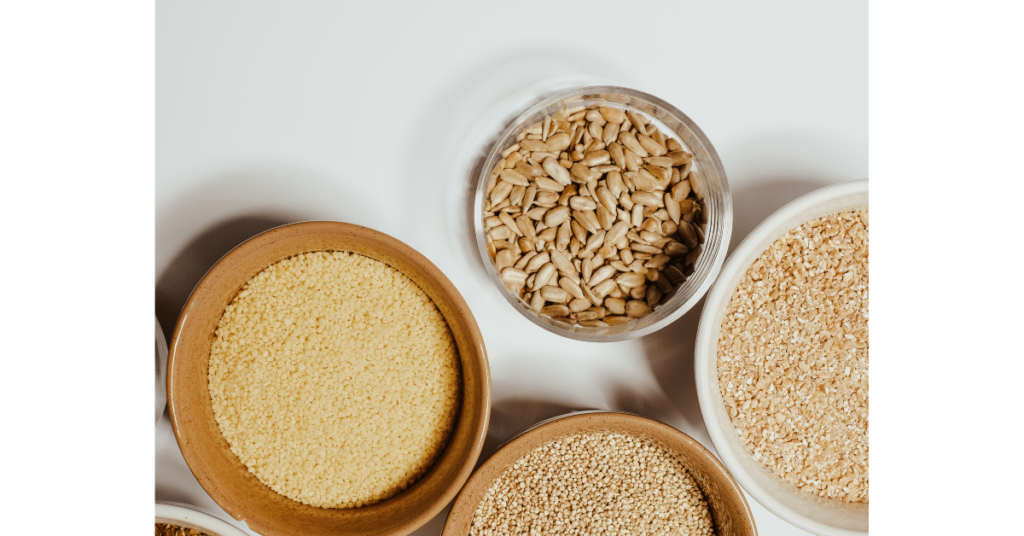
Focus on key plant-based staples in SA. Include various legumes, such as lentils, chickpeas, and beans. Add multiple grains such as brown rice, oats, and millet. Also, include a good amount of nuts and seeds.
Prioritise local South African fruits and vegetables. They’re fresh, affordable, and tasty! Think about what’s in season at your local market.
Meal Planning Essentials: Your Plant-Based SA Survey
Finally, embrace meal planning essentials. Having a plant-based meal strategy for your week will save you time, stress, and money.
Plan your breakfasts, lunches, and dinners, and make a shopping list accordingly. This proactive step truly makes going plant-based in SA a breeze! With these preparations, you’re well on your way to a thriving plant-powered life.
Navigating the Plant-Based Kitchen in South Africa
Mastering Your Plant-Based Kitchen in SA: Recipes and Techniques
You have stocked your pantry, set your goals, and are ready to get cooking! This is where the real fun begins: mastering your plant-based kitchen in SA.
Don’t feel scared! Cooking plant-based meals is versatile and often easier than you think. Let’s explore key recipes and methods to make tasty, healthy meals.
Plant-Based Protein Sources in South Africa: Ensuring Adequate Intake
One of the most common questions about adopting a plant-based diet is, “Where do you get your protein?”
Plant-based protein sources in South Africa are plentiful and varied. This makes it easy to get enough protein.
Legumes (Lentils, Chickpeas, Beans): SA’s Protein Powerhouses: These are truly your best friends! Lentils, chickpeas, and beans are high in protein and fibre. They are also cheap and versatile. Think hearty lentil stews, chickpea curries, or bean burgers – truly SA’s protein powerhouses.
Tofu, Tempeh, and Seitan: Great Plant-Based Choices in SA. Don’t miss out on these excellent plant-based options! Tofu can absorb any flavour, making it perfect for scrambles or stir-fries. Tempeh has a nutty, firmer texture, great for marinades and grilling. Seitan, made from wheat gluten, offers a chewy, meaty texture that is ideal for hearty dishes.
Nuts and Seeds: Healthy Fats and Protein for South Africans: A handful of nuts and seeds, such as almonds, walnuts, chia seeds, flax seeds, and pumpkin seeds, offer a great source of protein. Plus, they also provide essential healthy fats. Sprinkle them on your breakfast, blend them into smoothies, or use them to make creamy sauces.
Whole Grains (Quinoa, Brown Rice, Oats): More Than Just Carbs. Whole grains, such as quinoa, brown rice, and oats, aren’t just carbs. They also add valuable protein to your diet. They form the perfect base for any plant-based meal.
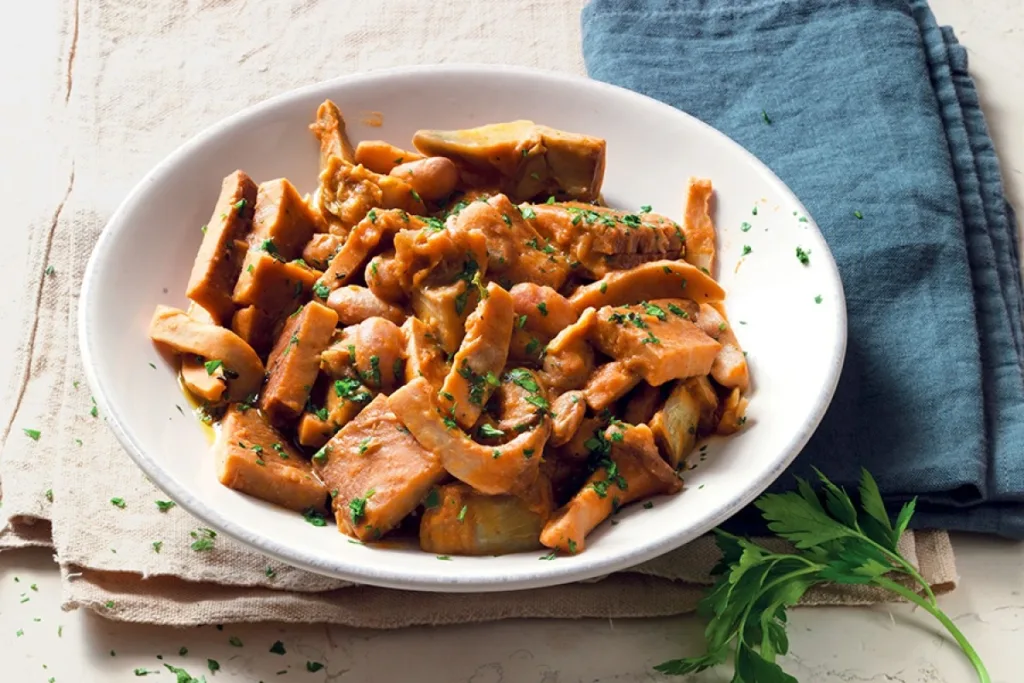
Seitan with mushroom biltong
Building Balanced Plant-Based Meals in SA: The Plate Method
The key to delicious and satisfying plant-based meals in SA is balance. Use the “plate method”: fill half of your plate with bright, South African fruits and vegetables.
Add a quarter for whole grains. Then, fill the last quarter with protein-rich legumes or other options.
Breakfast Ideas: Start Your Day Plant-Based in South Africa – Enjoy creamy oats topped with fresh fruit and seeds. Or try a tofu scramble with fresh local veggies.
Lunch Solutions: Quick and Easy Plant-Based Meals for SA:
Leftover curries
Hearty salads with chickpeas
Wraps with hummus and roasted veggies
These options are perfect for a quick meal!
Dinner Ideas: Tasty Plant-Based Meals for South African Families: Enjoy hearty stews, spicy curries, or colourful stir-fries. There are endless possibilities for plant-based recipes that the whole South African family will love.
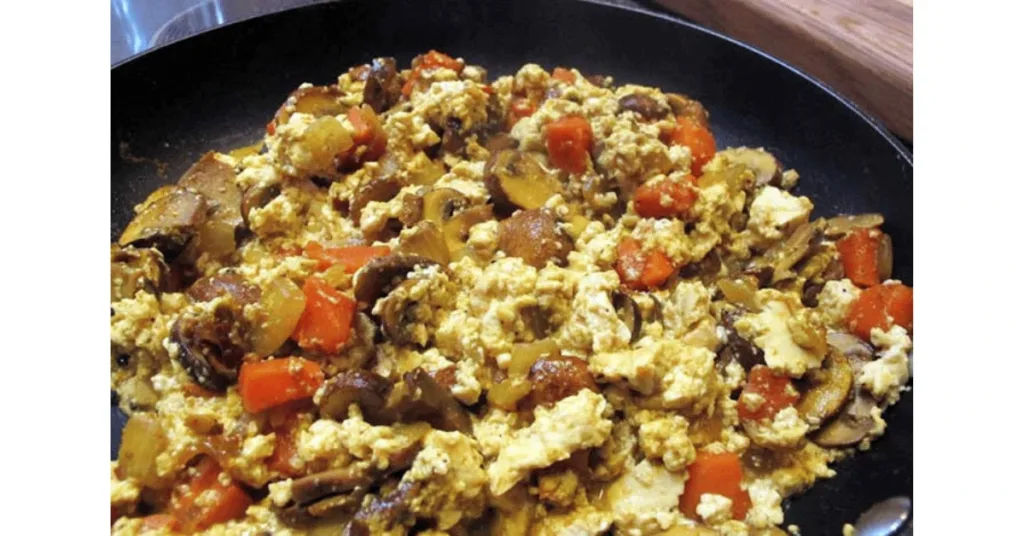
Tofu veggie scramble
Flavouring Your Plant-Based Food: Spices and Herbs from South Africa and Beyond
One of the joys of plant-based cooking is experimenting with flavour. Don’t be shy with spices and herbs!
Cumin, coriander, turmeric, paprika, garlic, ginger, and chilli can transform simple vegetables. Explore local South African spices, such as peri-peri or rooibos, for unique twists.
Cooking Techniques for Plant-Based Ingredients: Roasting, Sautéing, Steaming
Finally, master a few basic cooking techniques for plant-based ingredients. Roasting brings out incredible sweetness in vegetables. Sautéing is a quick and perfect method for cooking greens. Steaming preserves nutrients. With these tools in your plant-based kitchen, you’ll be creating culinary magic in no time!
Essential Nutrients on a Plant-Based Diet in South Africa
As you embark on your journey to adopt a plant-based diet in SA, a common question often arises: “Will I get all the nutrients I need?” It’s a valid concern, and thankfully, the answer is a resounding yes!
A well-planned plant-based diet in South Africa can provide your body with everything it needs to thrive and flourish. It’s essential to pay attention to a few key plant-based nutrients. This helps ensure you stay healthy.
Vitamin B12: Supplementation for Plant-Based South Africans
Let’s start with Vitamin B12. This is the most critical nutrient for plant-based South Africans. It mainly comes from animal products. Most fortified foods exist, but the best way to get enough B12 on a plant-based diet is to take supplements.
A simple B12 supplement, taken a few times a week or daily, is all that is needed to maintain healthy levels. It’s a non-negotiable for long-term plant-based well-being.
Iron: Plant-Based Sources and Absorption Tips in SA
Next up is iron.
You can find many excellent plant-based sources of iron in SA. These include lentils, chickpeas, spinach, kale, and fortified cereals. To boost iron absorption on a plant-based diet, pair iron-rich foods with Vitamin C. For instance, mix lentils with tomatoes or enjoy spinach with lemon juice. These tips in SA can make a big difference!
Calcium: Fortified Plant Milk and Leafy Greens for South Africans
For strong bones, calcium is key. Luckily, you don’t need dairy to get it!
Check for fortified plant milk, such as almond, soy, or oat milk. They are easily accessible in South Africa. Dark, leafy greens are great for South Africans. Spinach, kale, and broccoli are fantastic sources. Tofu, rich in calcium, sesame seeds, and fortified orange juice, also helps meet your daily needs.
Vitamin D: Sun Exposure and Fortified Foods in SA
Even with the intense South African sun, Vitamin D levels can drop. This often occurs in winter or when you spend a lot of time indoors.
In South Africa, some fortified foods, such as plant milk and cereals, contain Vitamin D. Additionally, moderate sun exposure is beneficial for your health. If you’re concerned, a supplement might be a good idea, as with any diet.
Omega-3 Fatty Acids: Flax, Chia, and Walnuts for Plant-Based SA Dieters
Omega-3 fatty acids are vital for brain and heart health. You can easily get these from flax, chia, and walnuts for plant-based SA dieters. Sprinkle ground flaxseed or chia seeds on your oatmeal, or enjoy a snack of walnuts. Algae-based Omega-3 supplements are also an option for those who prefer them.
Zinc and Iodine: Ensuring Sufficient Intake on a Plant-Based SA Diet
Finally, keep zinc and iodine in mind. Zinc is found in legumes, nuts, seeds, and whole grains. For iodine, simply using iodised salt is usually enough to ensure sufficient intake on a plant-based SA diet. Seaweed can also be a source but consume it in moderation.
Adding these key nutrients from whole, plant-based foods will boost your confidence and energy on your journey in South Africa.
Eating Out and Socialising on a Plant-Based Diet in South Africa
Plant-Based Dining and Socialising in SA: Tips for Success
A common worry for those starting a plant-based diet in South Africa is, “What about eating out and socialising?” It’s an entirely understandable concern! However, fear not.
With some clever strategies, plant-based dining and socialising in SA can be just as fun, or even more! Being plant-based in South Africa is now easy and tasty.
Restaurant Guide: Finding Plant-Based Options in South African Eateries
First, let’s discuss finding plant-based options in South African eateries. The good news is that the South African vegan food scene is booming!
Many restaurants, from upscale establishments to casual cafes, now offer vegan menus or marked plant-based options. Before you go, a quick online search or a call ahead can save you time and ensure a stress-free experience. Apps like HappyCow are also fantastic for locating plant-friendly restaurants across SA.
Ask your server for vegan changes. Often, they can easily remove cheese or cream from a dish.
Communicating Your Choices: Etiquette for Plant-Based South Africans
When it comes to communicating your choices, a friendly and straightforward approach is best. As a plant-based South African, you don’t need to make a big announcement. Just mention your dietary preference when you order or discuss meals with friends. For instance, you could say, “I’m eating plant-based, so I’ll skip the meat,” or “Do you have any vegan options?” Most people are understanding and accommodating.
Bringing Your Own: Potlucks and Gatherings with Plant-Based Food
For potlucks and gatherings, consider bringing your plant-based food. This is a fantastic solution!
It ensures you have tasty food to enjoy. Plus, it’s a great way to share the wonderful flavours of plant-based cooking with others. Your contribution might even make you the star of the show!
Navigating Family and Friends: Supporting Your Plant-Based SA Journey
Navigating family and friends on your plant-based SA journey takes patience. Open communication is key. Share your reasons, offer to cook a plant-based meal for them, and lead by example.
Many people will support you. Your commitment to a healthy, ethical, and sustainable lifestyle in South Africa may inspire others to adopt the same approach.
Socialising on a plant-based diet is achievable and can open up new culinary and social experiences!
Common Challenges and Solutions for Plant-Based Beginners in SA
Let’s be honest: any significant lifestyle change, such as going plant-based in South Africa, has its bumps.
As a plant-based beginner in South Africa, you might encounter a few common challenges. Don’t worry! Every challenge has a solution. We’re here to offer practical tips to keep your plant-based journey smooth and fun!
Dealing with Cravings and Old Habits
One of the first things you might face is dealing with cravings and old habits. It’s natural to miss familiar tastes! Instead of resisting, try to find satisfying plant-based swaps.
Craving a burger? Try a delicious lentil or mushroom burger. Want something creamy? Explore cashew-based sauces or coconut cream.
Furthermore, ensure you’re eating enough, as true hunger can often be mistaken for cravings for specific foods. Hydration is also key; sometimes, we’re just thirsty!
Budgeting for a Plant-Based Diet in South Africa
Another common concern is budgeting for a plant-based diet in South Africa. Many people assume it’s expensive, but often, it’s quite the opposite!
Choose whole, unprocessed foods. Focus on legumes, grains, and fresh, seasonal fruits and veggies.
Buying in bulk is smart. Cooking from scratch helps, too. Embracing South African staples like samp and beans or pap and relish is a great way to eat well and save money. Processed vegan alternatives can add up, so use them sparingly.
Finding Diverse Plant-Based Ingredients in South Africa
The market is growing, but finding diverse plant-based ingredients in South Africa can be tough at times. Don’t limit yourself to the big supermarkets!
Check out local farmers’ markets, small health food stores, and online shops that specialise in vegan goods. The variety will surprise you once you start looking beyond the usual aisles.
Addressing Scepticism and Misconception
Finally, you might encounter addressing scepticism and misconceptions from others. Some people might question your protein intake or health.
The best way is to stay informed (you’re doing great by reading this guide!), be confident, and set an example. Show how tasty and simple your plant-based lifestyle can be. Let your energy and vitality shine!
Remember, your journey is your own, and you’re making a positive impact.
FAQ: Your Top Plant-Based Questions Answered for South Africa
As you explore adopting a plant-based lifestyle in SA, it’s perfectly normal to have a few questions arise. You’re not alone! Many plant-based beginners in South Africa share similar concerns. We’ve gathered common questions from online searches. Here are clear answers to help you embrace your plant-powered lifestyle.
Is a Plant-Based Diet Expensive in South Africa?
Not! Some speciality vegan products may be expensive, but a plant-based diet in South Africa can be affordable.
Choose whole foods such as legumes (like beans and lentils), grains (like rice and oats), and seasonal fruits and veggies. They are typically less expensive than meat and dairy products. Buying in bulk and cooking from scratch significantly cuts costs.
How can I ensure I get enough protein on a plant-based diet in South Africa?
Getting enough protein on a plant-based diet in SA is simpler than you think! South African plant-based protein sources are abundant. Consider chickpeas, lentils, beans, tofu, tempeh, nuts, seeds, and whole grains, such as quinoa. By eating a variety of these foods throughout the day, you’ll easily meet your protein needs.
What are the best plant-based alternatives for meat and dairy in South Africa?
South Africa’s market for plant-based alternatives is booming! For dairy, you’ll find excellent almond, soy, oat, and coconut plant milk, as well as vegan yoghurts and cheeses. For meat, look for local brands producing delicious vegan burgers, sausages, mince, and even plant-based biltong made from mushrooms or jackfruit. Fry’s Family Food Co. is a popular South African brand to explore.
Will I always feel hungry on a plant-based diet?
Quite the opposite! Plant-based foods are typically rich in fibre, which helps you feel fuller for longer. Include a variety of whole grains, legumes, fruits, and vegetables in your meals. Also, include healthy fats. This way, your meals will be very satisfying.
If you’re hungry, you may need bigger portions or more calories.
Can children or athletes thrive on a plant-based diet in SA?
Yes, absolutely! With proper planning, children and athletes can thrive on a plant-based diet in SA. It’s essential to obtain sufficient amounts of all necessary nutrients. Focus on B12, iron, and calcium. Consulting with a dietitian can be very helpful for specific dietary planning for these groups. Many South African athletes and healthy, growing children successfully follow plant-based lifestyles.
What South African traditional foods can be easily made plant-based? You’ll be happy to hear that you can easily “veganise” many traditional South African foods! Think of a hearty chakalaka, which is already naturally plant-based. Delicious samp and beans are a perfect plant-based staple.
You can make boboties with lentils or mushrooms. Also, try a tasty plant-based alternative to boerewors. It’s all about creative ingredient swaps to enjoy your beloved local cuisine!
Conclusion
Well done! You’ve navigated our comprehensive, step-by-step guide to adopting a plant-based lifestyle in South Africa.
In closing, remember that choosing a plant-based lifestyle in South Africa is more than a diet. It’s a strong, sustainable choice for your health, our planet, and ethical living.
We’ve explored the many benefits of a plant-based diet. We’ve shared tips for setting up your plant-based kitchen in South Africa. You’ll learn how to get essential nutrients and enjoy dining out with friends.
This guide is just the beginning of your exciting plant-based journey in South Africa. Keep exploring new vegan recipes from South Africa. Try local ingredients and connect with the thriving plant-based community in the area.
Experience the delicious and vibrant world of plant-based living in South Africa.
You’re not just getting a new plate. You’re helping create a healthier, kinder, and more sustainable South Africa. Enjoy every plant-powered bite!
Introduction Here’s your guide to evidence-based plant-based eating for hypertension in 2025. Did you know that nearly half of all American adults have high blood pressure, yet many don’t even realise it? That’s an astonishing 116 million people living with what doctors call the “silent …
Introduction This is your guide to quick and easy plant-based meal planning in South Africa. But wait Did you know that 78% of South Africans want to eat more plant-based meals? You’re not alone in wanting healthier eating habits! Plant-based meal planning is simple and …
This is your guide to flexitarianism, a balanced eating approach in South Africa.
Eating habits are changing. A fun trend is gaining popularity, especially in South Africa: flexitarianism.
What is it all about?
Defining Flexitarianism: A Flexible Eating Approach for South Africans
Flexitarianism is a flexible eating style. It focuses on a plant-based diet but allows for occasional meat, dairy, and eggs.
Think of it as being a “flexible vegetarian.” This method is more adaptable and often more sustainable than strict vegetarianism or veganism.
The Growing Appeal of Flexitarianism in South Africa
In South Africa, the flexitarian lifestyle is gaining popularity. There is a growing interest in plant-based eating and reduced-meat diets. Several factors drive this change.
More people care about their health and recognise animal welfare. Many consider how their diets impact the environment.
A common starting point for many South Africans is “Meat-Free Monday.”
This article serves as your guide to flexitarianism in South Africa.
We’ll discuss the benefits and practical aspects of this eating style.
If you want a healthy and sustainable way to eat, consider the flexitarian approach. It’s a balanced method for meals in South Africa.
The South African Dietary Landscape and the Rise of Flexitarianism
Traditional South African Food Culture and Its Evolution
Traditional South African cuisine has often focused on meat. Think of our beloved braais, hearty stews, and shared meals. Meat usually takes the spotlight.
Meat has always played a crucial role in our culinary traditions. It reflects our farming roots and cultural traditions.
Our eating habits in South Africa are evolving, just as they are worldwide. We see an interesting blend of traditional flavours and new global food trends.
South African Food-Based Dietary Guidelines: A Foundation for Flexitarianism
These guidelines guide us to make healthier food choices. They emphasise variety, including a wide range of fruits and vegetables. They also recommend dry beans, lentils, and soya, along with lean meat in moderation.
Flexitarianism is more than a trend. It fits nicely with our national dietary guidelines. It’s about enhancing our traditional diets by focusing on incorporating more plant-based foods into our daily meals.
Driving Factors Behind the Shift Towards Flexitarianism in South Africa
So, what’s driving the shift towards flexitarianism in South Africa? There are several strong reasons.
Firstly, health and wellness are top priorities for many. Non-communicable diseases, such as obesity, diabetes, and heart disease, are increasing. Therefore, people are seeking ways to mitigate these risks. A plant-forward flexitarian diet offers a promising path to better health.
More and more people are realising how their diets affect the environment.
Many South Africans are concerned about the impact of animal farming on our resources. This includes water use, land damage, and greenhouse gas emissions.
Also, worries about animal welfare influence choices. More people are opting to eat less meat.
Economic factors matter, too. Plant-based options are often more affordable and delicious. This makes a balanced diet easier for everyone.
It’s genuinely a multifaceted movement gaining momentum across our diverse nation.
Health Benefits of Flexitarianism: A South African Perspective
Moving to a flexitarian diet in South Africa is more than a trend. It’s a strong choice for better health, weight management, and Flexitarianism in South Africa
This diet offers many significant health benefits. One of the most immediate advantages is weight management.
A plant-forward diet is high in fibre. This helps you feel full and satisfied. As a result, you may eat fewer calories. This is crucial for combating the rising obesity rates in South Africa.
Reducing Chronic Disease Risk with a Flexitarian Diet in South Africa
A flexitarian diet helps you manage your weight. It also lowers the risk of chronic diseases.
South Africa bears a significant burden of non-communicable diseases. These include heart disease, diabetes, and certain types of cancer.
Reducing saturated fat and cholesterol from a diet high in meat helps maintain a healthy heart.
Additionally, a diet rich in fibre and plant-based nutrients can significantly help regulate blood sugar levels. This is key for preventing and managing diabetes.
Fruits, vegetables, and legumes are rich in antioxidants and phytochemicals. These compounds help protect against different types of cancer.
These benefits are significant because these health challenges are common in our country.
Gut Health and Cognitive Function: The Flexitarian Advantage in South Africa
A balanced flexitarian diet can significantly improve your gut health and brain function.
High fibre feeds good gut bacteria. This helps create a healthy microbiome. A healthy gut is connected to many things. It helps boost immunity and can improve mood.
Also, nutrient-rich plant foods feed your brain. This can boost mental clarity and lower the risk of neurodegenerative diseases.
Addressing Potential Nutritional Concerns in a South African Flexitarian Diet
Now, you might be wondering, “But what about getting enough nutrients?”
It’s a good question. We should look at the nutritional aspects of a South African flexitarian diet.
When reducing your meat intake, it’s essential to ensure you’re getting enough key nutrients. These include Vitamin B12, iron, zinc, and calcium.
You can easily find these in fortified foods, legumes, dark leafy greens, nuts, and seeds. These foods are common here.
If you’re unsure, talk to a registered dietitian in South Africa. They can provide you with personalised advice to help ensure your diet meets your specific needs.
Environmental and Ethical Impact of Flexitarianism in South Africa
Flexitarianism benefits us and helps our beautiful planet, especially in South Africa.
Minimising Your Carbon Footprint: Flexitarianism and Climate Change in South Africa
A key reason to adopt this flexible eating method is its significant environmental benefit.
Livestock farming, particularly for meat production, contributes significantly to greenhouse gas emissions.
By consuming less meat and more plant-based foods, you can reduce your carbon footprint. Flexitarianism is a strong tool in our fight against climate change. This is especially important for South Africa.
Water Conservation and Land Use: Sustainable Eating in South Africa
Additionally, adopting a plant-forward diet helps conserve water and utilise land more efficiently.
Animal agriculture requires a significant amount of water. This is true for the animals and their feed.
Reducing our meat consumption lowers demand. This helps save our precious water. It’s vital in a water-scarce country like South Africa.
Similarly, enormous tracts of land are often cleared for grazing and feed production. Eating more plants helps protect our natural landscapes. This choice helps reduce deforestation and prevent land degradation.
Promoting Ethical Food Choices: Flexitarianism and Animal Welfare in South Africa
Flexitarianism not only helps the environment but also supports ethical food choices.
More people now understand animal welfare standards and how certain animals are raised.
When you eat less meat, you’re voting for kinder practices with your fork. It pushes for better and more sustainable sourcing. This could include local South African producers who care about animal welfare.
Embracing flexitarianism is a wise choice. It helps your health, supports the planet, and promotes a kinder way to eat in South Africa.
Practicalities of Adopting a Flexitarian Diet in South Africa
Are you ready to embrace flexitarianism?
Here’s how to make it work for you in South Africa!
It’s simpler than you think!
Let’s discuss the practical aspects of adopting a flexitarian diet.
Meal Planning for Flexitarians in South Africa
Firstly, meal planning for flexitarians in South Africa is crucial. The beauty of this approach lies in its flexibility.
Try focusing on plant-based proteins for your meals. Use hearty legumes, such as lentils and chickpeas, for a nutritious addition to your meals. Additionally, consider local beans, such as sugar beans or speckled beans. You can also add versatile tofu or tempeh.
South Africa offers a wealth of colourful seasonal fruits and veggies, so let them shine on your plate!
Start with “meatless Mondays” or “plant-powered Wednesdays” to kick things off. It’s all about slowly shifting your focus.
Shopping for a Flexitarian Lifestyle in South Africa
Shopping for a flexitarian lifestyle in South Africa is getting easier.
Our supermarkets are stocking an increasing number of affordable and accessible plant-based ingredients. Look for bulk dry beans, lentils, and grains, which are incredibly budget-friendly.
Explore the growing range of plant-based alternatives available here. You can find a variety of plant-based milks and innovative meat substitutes. Don’t be afraid to try them if you enjoy these options!
Our local markets offer a wide selection of fresh, seasonal produce. This inspires many tasty South African plant-forward recipes.
Flexitarian Cooking and Recipes for South African Palates
Finally, let’s get into the kitchen!
Flexitarian cooking and recipes for South African palates are inspiring. You don’t have to abandon your favourite dishes; instead, learn to adapt them.
Picture a hearty lentil bobotie instead of meat. Or, think of colourful veggie skewers as the main attraction at your next braai.
Our diverse South African cuisine is full of chances to boost flavour. You can use herbs, spices, and tasty vegetables to enhance your dishes.
Try new and fun ways to make vegetables and legumes the star of your meal. You’ll be surprised at how tasty and satisfying they can be.
It’s about creating a meal list where plants take centre stage. This way, your balanced diet stays healthy and super tasty.
Overcoming Challenges to Flexitarianism in South Africa
Trying a new diet can be tough, and flexitarianism in South Africa is no different.
One common challenge is navigating cultural perceptions and social pressures on eating habits.
Cultural Perceptions and Social Pressures on Eating Habits in South Africa
In South Africa, a braai is often the star of celebrations. Meat plays a significant role in our social life. It can feel awkward explaining why you’re choosing less meat.
My advice?
Share your dietary choices kindly. Offer to bring a tasty plant-based dish to enjoy!
Many people are curious once they see how tasty it can be.
Affordability and Accessibility of Flexitarian Options in South Africa
Many people are concerned about the affordability and accessibility of flexitarian options in South Africa.
There’s a common misconception that plant-based eating is expensive. However, this couldn’t be further from the truth!
Budget-friendly plant proteins, such as dry beans and lentils, as well as seasonal produce, are often more economical than meat.
Smart shopping can make a balanced diet very accessible.
Ensuring Nutritional Adequacy: A Key Challenge for Flexitarians in South Africa
Lastly, ensuring nutritional adequacy is a key challenge.
As you reduce your meat intake, it’s essential to be mindful of nutrients like B12, iron, zinc, and calcium. The good news is that many plant foods are rich in these, and fortified options are readily available.
If you’re concerned, consult a registered dietitian in South Africa for guidance. They can offer advice to make sure your flexible eating plan is healthy.
Flexitarianism: More Than Just a Diet in South Africa
Flexitarianism in South Africa is more than just a diet; it’s a sustainable way of life.
It’s not about strict rules or feeling deprived. Instead, it’s a flexible way to eat. This approach is easy to stick with over time.
This journey offers a great chance to explore and innovate in South Africa’s food scene.
Explore new ingredients, taste bold flavours, and refresh classic recipes with plant-based twists.
Embracing flexitarianism helps you become healthier. It also supports a sustainable South Africa for all.
It’s a decisive step towards a better future, one delicious meal at a time.
Frequently Asked Questions (FAQs) about Flexitarianism in South Africa
It’s normal to have questions when trying a new diet. Flexitarianism in South Africa is sure to spark interest!
Let’s address some of the most frequently asked questions.
Is Flexitarianism Popular in South Africa
Absolutely! We’re seeing a definite surge in interest. Recent studies show a rise in plant-based diets and flexitarianism in South Africa. Younger generations are especially driving this trend. It’s truly becoming a recognised eating approach here.
What is a Flexitarian Diet?
A flexitarian diet is a flexible way to eat. It mainly includes plant-based foods such as fruits, vegetables, grains, and legumes.
However, this diet is different from strict vegetarian or vegan ones. It allows for occasional and moderate consumption of meat and animal products. It’s all about balance and conscious choices.
What are the benefits of being a flexitarian in South Africa?
The benefits are wide-ranging! It’s great for your health. It helps lower the risk of chronic diseases in South Africa, like heart disease and diabetes.
It also aids in weight management and promotes better gut health.
Additionally, it reduces your carbon footprint and conserves water, contributing to South Africa’s sustainability.
Is a Flexitarian Diet a Good Choice for South Africans
Definitely!
Flexitarianism is considered a healthy and sustainable dietary approach ideal for South Africans.
Its flexibility allows us to adapt it to our various cooking styles and tastes. This makes it easier to keep using over time.
Pay close attention to your nutrient intake. Focus on B12, iron, zinc, and calcium. This will help you maintain a balanced diet.
Conclusion
In short, flexitarianism in South Africa offers a compelling approach to modifying our eating habits.
We’ve looked at its key health benefits. These benefits include improved wellness, support for weight control, and a reduced risk of chronic diseases.
It also plays a key role in reducing our environmental impact and encouraging ethical food choices.
On a practical level, we’ve seen how easily this flexible eating approach can integrate into the South African lifestyle.
So, consider this your gentle nudge —a call to action for South Africans to adopt a flexitarian approach.
Start adding tasty, plant-based meals to your week. Try a Meat-Free Monday first.
The beauty of this approach lies in its adaptability and the joy it brings.
By choosing a flexitarian diet, we make personal choices. Together, we’re working towards a balanced and sustainable food future for South Africa. It’s a journey worth taking, one mindful bite at a time.
Introduction Here’s your ultimate guide to the best gifts for Father’s Day. Yes, Father’s Day is coming soon. It’s the perfect time to appreciate the amazing dads and father figures in our lives. It doesn’t matter if he’s your biological father, stepfather, grandfather, or mentor. …
Do you want to discover how the gut-brain connection works and why a plant-based approach can revolutionise your health? But wait… Did you know that your gut produces 95% of your body’s serotonin, not your brain? This surprising fact highlights the significant connection between our …
Many South Africans think that only wealthy people can be vegan or vegetarian. However, that couldn’t be further from the truth!
Many people think a plant-based diet is expensive. Many people believe this, especially in South Africa. There, fresh produce is typically inexpensive and readily available.
This article explains that everyone in Mzansi can enjoy a tasty, healthy, and affordable plant-based diet.
We’ll explore innovative strategies and share tasty, affordable, plant-based meal ideas. You can get the benefits of plants without spending a lot of money.
The South African Context: Why Budget-Friendly Plant-Based Eating Matters
Let’s discuss why budget-friendly plant-based eating is essential for us in South Africa. Traditionally, our plates often featured a fair bit of meat, but things are shifting.
A growing number of people in South Africa are showing interest in a plant-based diet. They choose it for health, ethics, or to save money.
With living costs and meat prices rising, many South African families view a plant-based diet as a wise and budget-friendly choice. Beyond the financial benefits, there’s a growing awareness of the health advantages. A smart plant-based diet can help prevent and manage many common diseases.
Also, our beautiful landscapes help people see the benefits of eating less meat.
So, if you’ve ever heard the rumour that “vegan is expensive,” let’s put that to rest right now. We aim to prove that you don’t need fancy, processed vegan alternatives to thrive.
The secret to a budget-friendly plant-based lifestyle in South Africa is simple. It’s about celebrating local, wholesome plant foods. These foods are the heart of delicious and affordable meals.
Cornerstone Strategies for Eating Plant-Based on a Budget in South Africa
Alright, let’s get down to the nitty-gritty of how you can truly nail eating plant-based on a budget in South Africa. It’s all about innovative strategies, from the moment you hit the shops to when you’re whipping up a meal. Think of these as your go-to tactics for making your rand go further.
Smart Shopping for Budget-Friendly Plant-Based Groceries
First up, it’s all about Smart Shopping for Budget-Friendly Plant-Based Groceries. One of the biggest game-changers is buying in bulk.
Lentils, chickpeas, and dried beans are staples. They are protein powerhouses and save you money when bought in bulk.
Remember to include grains like rice, maize meal (also known as pap!), oats, and samp. They’re filling and great value. Many local stores and bulk suppliers in South Africa have great deals on these.
Secondly, and perhaps most importantly, is embracing seasonal and local produce in South Africa. This is where the magic happens for affordable plant-based meals.
Seasonal fruits and veggies aren’t just cheaper; they’re also fresher and taste amazing. Where do you find them? Think vibrant farmers’ markets, friendly street vendors, and even community gardens.
Look for seasonal produce. In early June, you can find great deals on citrus, cabbage, and root vegetables. If fresh isn’t an option, frozen fruits and vegetables are a great choice. They’re budget-friendly, reduce waste, and provide convenience.
A golden rule?
Skip processed vegan convenience foods. They taste good, but they often don’t fit a budget-friendly plant-based plan. Always shop with a list and stick to your budget. This simple tip helps anyone save money on groceries in South Africa.
Meal Planning and Preparation for Affordable Plant-Based Meals
You may save money by planning your meals for the week. It reduces impulse buys and food waste. These are big money wasters if you want to buy cheap vegan groceries in South Africa.
Naturally, cooking from scratch is key.
It gives you complete control over ingredients, and it’s typically more cost-effective than store-bought options.
Think about batch cooking and leftovers. Make a big pot of lentil soup or bean chilli on Sunday. This way, you’ll have easy, budget-friendly, plant-based meals for days in South Africa.
Be creative with leftovers!
And you can turn that roasted butternut squash into soup. Additionally, you can transform cooked beans into a tasty salad.
You can live in South Africa on a budget and eat delicious plant-based foods with these easy ideas.
Pantry Staples for an Affordable Plant-Based Kitchen in South Africa
So, you’ve got your innovative shopping strategies down – fantastic!
Let’s discuss how to stock your cupboards and fridge for a budget-friendly, plant-based kitchen in South Africa.
These are your key building blocks. They are the heroes who turn budget-friendly vegan staples into tasty meals.
Legumes: The Powerhouse for Budget-Friendly Plant-Based Eating
First up, the mighty legumes: the protein powerhouse for budget-friendly plant-based eating. These are your absolute must-haves.
We’re discussing different lentils: red, brown, and green. They’re very versatile and great for dishes like dhal, soups, and curries. Chickpeas are a great choice. You can use them to make hummus at home, add them to curries, or roast them for a crunchy snack.
Don’t forget about our favourite dried beans! Sugar beans, black beans, and cannellini beans are great. They work well in stews, salads, and many traditional South African dishes. They’re incredibly filling and provide excellent protein at a reasonable cost.
Grains: Filling and Frugal Plant-Based Bases
Next, we move to grains: filling and frugal plant-based bases.
Maize meal, also known as pap, is a staple food in South Africa. It’s inexpensive and plentiful, serving as a base for many dishes.
Rice, both brown and white, is a versatile option. It forms the base of many affordable plant-based dishes.
Oats make an excellent, affordable, and healthy breakfast. Samp is another traditional South African grain that adds variety to the mix. Wholewheat couscous and bread are also great for nutritious, filling meals.
Fresh & Frozen Produce Essentials for Budget Plant-Based Eating
For fresh goodness, load up on essentials for budget-friendly plant-based eating, including fresh and frozen produce. Keep onions, garlic, tomatoes, potatoes, sweet potatoes, spinach, cabbage, and carrots ready. These are generally affordable and form the backbone of many South African dishes.
Don’t forget to grab seasonal fruits for snacks and desserts as well!
Delicious & Budget-Friendly Plant-Based Recipes for South Africans
Let’s get to the fun part: making tasty, budget-friendly, plant-based recipes for South Africans!
You’ll be surprised at how easy it is to adapt classic favourites. You can also create new dishes that save money and are full of flavour.
South African-Inspired Plant-Based Meals
First off, let’s explore some fantastic South African-inspired plant-based Meals.
You absolutely must try a hearty Lentil and Vegetable Curry. This is a staple in many homes, and for good reason! It’s very flexible. Add any seasonal veggies you have. This includes butternut squash, potatoes, or spinach.
Another must-try is a Quick Bean and Lentil Bunny Chow (Meat-Free Version).
This famous South African dish is budget-friendly. It turns into a tasty plant-based meal with a rich bean and lentil curry.
For a comforting and traditional option, whip up some Tasty Umfino Pap (Plant-Based). This classic mix of maize meal and greens, such as spinach or cabbage, is mainly plant-based and very wholesome.
Try a Lentil and Butternut Bobotie (Plant-Based Version) for a fresh twist on a classic. It’s a healthy version of a favourite dish.
Try a simple and satisfying Sugar Bean Curry. It’s protein-rich and affordable, making it a staple in many South African homes.
Source: Perima’s Kitchen
Everyday Affordable Plant-Based Meals
There are many affordable plant-based meals that people love worldwide. These dishes are easy to make and budget-friendly.
A Chickpea and Vegetable Stew is easy to make, very healthy, and satisfying. It’s great for a cold night. For a super low-cost and easy option, Pasta e Fagioli (Plant-Based) – pasta and beans – is a winner every time. Feeling a bit adventurous?
A peanut butter soup and noodle salad offers a tasty and unique experience. It uses a budget-friendly pantry staple. For a wholesome and customizable meal, try Stuffed Sweet Potatoes with Bean Chilli. Just bake sweet potatoes until tender, then load them up with a spicy bean chilli.
For breakfast, try simple oats with fruit. You can quickly make plant-based smoothies with frozen fruit and water. You can also use affordable plant-based milk. These meals demonstrate how easily one can enjoy affordable plant-based meals in South Africa.
Tips for Making Plant-Based Meals Taste Meaty (Affordably)
Finally, if you’re missing that ‘meaty’ texture or flavour, here are some tips for making plant-based meals taste meaty (affordably).
Add umami-rich ingredients like mushrooms, especially dried ones, for a stronger flavour. Another fantastic choice is nutritional yeast, which can be found at health food stores. Don’t forget tomato paste!
Add smoked paprika, cumin, and a little soy sauce (or tamari, if you prefer a gluten-free option) to enhance the flavour.
How you cook matters. Pan-fry vegetables until they caramelise, or roast them until they are brown and crispy. This adds rich flavour.
Try these budget-friendly vegan meals from South Africa. You’ll find tasty dishes that won’t break the bank!
Overcoming Challenges to Eating Plant-Based on a Budget in South Africa
One common area is the social and cultural aspects. South Africa is often seen as a “meat-loving nation,” and braais are a big part of our culture.
How can you enjoy social events and braais as a budget plant-based eater?
Here are some tips:
Bring your dish. This way, you’ll have something tasty to enjoy.
Choose budget-friendly ingredients like beans, lentils, and seasonal veggies.
Share recipes with friends. You might inspire them to try plant-based meals!
Don’t be shy to speak up. Let others know your dietary choices.
Focus on the company. Enjoy conversations and connections over food.
With these tips, you can have a great time without feeling out of place.
The key is preparation and communication!
Bring a tasty, plant-based side dish or a vegan braai option. You can choose marinated mushrooms or corn on the cob. Everyone can enjoy them!
This is an excellent opportunity to introduce friends and family to affordable plant-based options. You can also show them how tasty and satisfying these meals can be.
Availability of Speciality Products
Another point that comes up is the availability of speciality products. Some vegan options can be pretty expensive, but we focus on whole foods for a good reason.
You don’t need those expensive substitutes.
Many South African supermarkets now offer plant-based options for those looking for them. Check out Pick n Pay and Checkers.
You can often find brands like Fry’s on sale.
Time Constraints
Finally, we all face time constraints.
Life gets busy!
Our earlier tips on meal planning and batch cooking help save time. Simple, quick, plant-based recipes are your best friends here. Think one-pot lentil stews or quick chickpea salads that require minimal fuss.
In South Africa, you can eat a vegan diet without spending a lot of money. Just plan and pick easy recipes. This works well, even if you have a busy schedule.
Frequently Asked Questions about Eating Plant-Based on a Budget in South Africa
Here are some common questions about eating plant-based on a budget in South Africa.
We hear these a lot, and hopefully, these answers will clear things up and motivate you further!
Is a plant-based diet affordable in South Africa?
Absolutely, yes! A plant-based diet can be an affordable option. It’s often cheaper than one that relies heavily on meat. Innovative strategies and a focus on whole, unprocessed foods make it possible.
What are the cheapest plant-based protein sources in South Africa?
Hands down, legumes are your best friends! Think lentils, chickpeas, and dried beans. Additionally, staple grains like maize meal (pap) and oats are rich in protein. Even simple foods like peanut butter are a great, low-cost source.
How can I save money on plant-based groceries in South Africa?
There are several key ways! Buy in bulk when you can. Shop seasonally for fresh produce. Plan your meals and cook from scratch whenever possible. Utilising local farmers’ markets and street vendors can also yield fantastic savings.
Are processed vegan foods expensive in South Africa?
Generally, yes, they tend to be more costly than their whole-food counterparts. Processed items are not needed for a healthy and budget-friendly plant-based diet. Your focus should be on natural, unprocessed ingredients.
Where can I find affordable plant-based recipes for South Africans?
The internet is a treasure trove!
Explore local food blogs and community groups for vegan and budget-friendly cooking options in South Africa.
Additionally, consider adapting traditional South African dishes. You can swap meat for legumes or vegetables.
Conclusion
So, there you have it!
We’ve explored plant-based eating on a budget in South Africa. This lifestyle is both possible and very rewarding.
Smart shopping, meal planning, and using local ingredients can help you enjoy a budget-friendly plant-based diet. This choice is good for your health, your wallet, and the planet.
Don’t worry! Begin with simple steps. Try new recipes and enjoy the tasty range of plant-based foods.
Nourishing yourself and your family can be a truly enriching experience. You can do this without stressing your budget.
You can thrive on a budget-friendly plant-based diet in South Africa. Happy cooking!
Here’s your ultimate vegan travel guide for Africa 2025. Africa, renowned for its incredible wildlife and scenery, has a wonderful surprise in store for plant-based travellers. It boasts a lively and diverse vegan culinary scene. A vegan adventure in Africa is not a challenge. It …