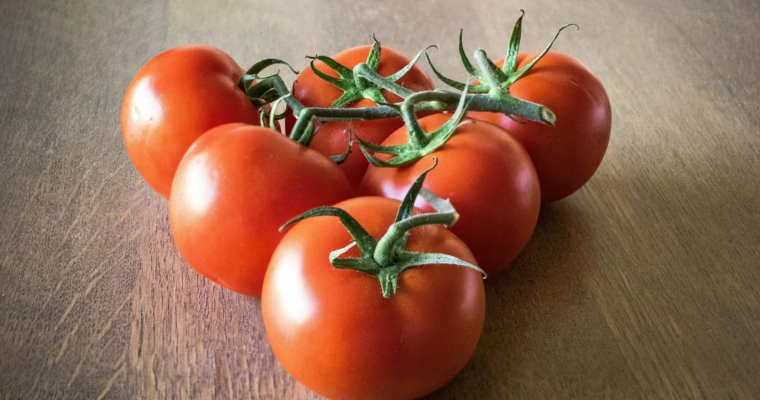
Introduction This is your ultimate guide to lycopene for its health benefits and food sources. Ever wondered why tomatoes, guavas, and watermelons have that beautiful red hue? That vibrant color comes from lycopene, a powerful antioxidant with impressive health benefits. Lycopene isn’t just about colour—it’s …
This is your ultimate guide to a vegan diet for gut health in South Africa in 2025. So, if you want to: Then you’ll love this new guide. Let’s dig in. Understanding Gut Health Fundamentals What we eat shapes our gut microbiome. I’ve learned this …
Let me share my guide for the best vegan African cookbooks for 2025.
(Note: I am an Amazon Associate, earning from qualifying purchases you make)
I’ve always been fascinated by how food connects us to culture, history, and tradition. African cuisine offers rich depth, variety, and flavour. You can’t help but love it.
Many people think African food is just meat-heavy stews and grilled meats.
The truth?
Many of the tastiest and healthiest dishes from the continent are plant-based.
That’s why I’m so excited to explore the world of vegan African cookbooks. These books are great for exploring new flavours, connecting with your roots, or adding more plant-based meals to your diet.
They each offer something unique. They capture the essence of African cooking, making it easy for everyone, from experienced cooks to those just starting with veganism.
In this guide, I’ll introduce you to some of the best vegan African books, each offering something unique.
Some highlight classic dishes with a plant-based touch. Others embrace fusion flavours from African, Caribbean, and Southern cuisines. Along the way, I’ll highlight what makes each book worth adding to your collection.
Ready to add bold African flavours to your meals?
Let’s dive in without compromising your plant-based lifestyle!
Afro-Vegan: Family Recipes from a British-Nigerian Kitchen by Zoe Alakija
When I picked up Afro-Vegan: Family Recipes from a British-Nigerian Kitchen, I knew it was more than a cookbook—it was a journey.
Zoe Alakija, the author, shares her British-Nigerian roots. She does this with lively flavours, personal tales, and beautiful photos.
She grew up between two cultures. Zoe mixed traditional Nigerian dishes with modern, plant-based twists, showing that vegan food can honour heritage while feeling fresh and exciting.
What I love most about this book is how it blends classic British dishes with the bold, spicy flavours of Nigerian food.
Zoe reimagines dishes in fun ways. She adds roasted veggies to jollof rice, replaces meat with hearty mushrooms in pepper soup, and gives the classic Scotch egg a vegan twist. Each recipe feels like a celebration of culture without sacrificing taste or tradition.
Beyond the recipes, the book is a visual feast. The vibrant and engaging photography makes you eager to eat at a beautifully set table.
Zoe also weaves in personal stories that make every dish even more special. If you want a cookbook that adds warmth, nostalgia, and bold African flavours to your kitchen, this is the one!
The South African Vegan Cookbook by Leozette Roode
Leozette began her journey to veganism because she loved animals. This love made her rethink her food choices. Instead of seeing it as a restriction, she embraced veganism as an opportunity to get creative in the kitchen.
What I love most about this cookbook is that it stays true to South African flavours while giving them a fresh, plant-based twist. Think vegan bobotie, bunny chow with spiced lentils, and even a dairy-free take on milk tart. These are the dishes many South Africans grew up with. Now, they use wholesome, plant-based ingredients but still keep their authentic taste.
I also appreciate how practical and accessible the recipes are. Most ingredients are available at grocery stores; anyone can follow the directions.
This book makes exploring South African flavours easy and fun, whether you’re new to veganism or just curious!
Afro-Vegan: Farm-Fresh African, Caribbean, and Southern Flavors Remixed by Bryant Terry
Afro-Vegan by Bryant Terry is the cookbook that changed my view on vegan cooking.
From the start, it’s clear this is more than just food. It’s about culture, history, and telling stories through flavours.
Bryant’s philosophy honours the roots of African, Caribbean, and Southern cuisine. He makes it fresh, accessible, and entirely plant-based. He’s not just changing meat; he’s rethinking classic dishes, honouring their roots, and moving them forward.
One of the things I love most is the way he blends flavours from different regions to create something truly unique.
His Coconut-Cashew Rice with Peas is comforting and rich with Caribbean flavours. His Collard Greens with smokey shallots offer a plant-based twist on Southern soul food. And the Berbere-Spiced Black-Eyed Pea Cakes? They’re full of warm Ethiopian flavour and spice.
This book offers terrific recipes and has dramatically influenced modern vegan cooking. Plant-based food can have a rich flavour, cultural meaning, and boldness without holding back. If you’re looking for a cookbook that brings soul and history to your plate, this is the one to get!
This vegan African Cookbook features recipes and tales from grandmothers in eight countries by the Indian Ocean.
Some cookbooks are about food, and some are about people. Bibi’s Kitchen by Hawa Hassan and Julia Turshen are both unique.
This book is more than just recipes. It honours the grandmothers, or “bibis,” from eight African countries along the Indian Ocean. These countries are Somalia, Kenya, Tanzania, Mozambique, Madagascar, Comoros, South Africa, and Eritrea. The book shares their stories and dishes. It offers a glimpse into their lives, traditions, and how food shapes their cultures.
This cookbook shines because each recipe is paired with personal stories.
For example, Umm Muhibu makes Digaag Qumbe. This Somali chicken and coconut stew brings back fond memories of cooking for her family. Or Ma Vicky’s Mchuzi wa Samaki, a rich Tanzanian fish curry, where she talks about growing up near the ocean. These aren’t just meals—they’re pieces of history passed down through generations.
I also love how the book highlights the diversity of African cuisine. Every country has unique flavours shaped by local ingredients, trade routes, and history.
This cookbook shows that African food is rich and diverse. From coconut and tamarind in Madagascar to spicy curries in Zanzibar, this food shows the lively cultures of its makers.
The Ghana Cookbook by Fran Osseo-Asare
If you’re curious about Ghanaian food, Fran Osseo-Asare’s The Ghana Cookbook is a great starting point.
Ghanaian food boasts bold flavours and rich spices. Its hearty ingredients are often plant-based, perfect for vegan twists, from nutrient-rich stews to hearty grain dishes.
I love that this cookbook makes classic Ghanaian dishes easy for everyone. Plant-based eaters can enjoy them, too!
For example, Fran makes a vegan version of red-red, a tasty stew made with black-eyed peas and plantains. She replaces the usual palm oil with a healthier option.
She highlights groundnut soup, a tasty peanut delight filling even without meat. Waakye is a delicious choice. It’s a simple dish made with rice and beans. People often enjoy it with spicy shito sauce.
Fran’s work goes beyond recipes. It focuses on preserving and sharing Ghana’s culinary heritage. She has spent many years documenting and celebrating Ghanaian food. This helps ensure that future generations receive traditional dishes.
If you’re new to Ghanaian food or want plant-based ideas, this cookbook is a treasure!
Flavours of Africa: Discover Authentic Family Recipes from All Over the Continent by Evi Aki
When I first picked up Flavors of Africa by Evi Aki, I knew I was in for something unique.
Evi is a first-generation Nigerian American. She grew up with the vibrant traditions of African cooking all around her. She created this cookbook from her family’s recipes and her love for food. It highlights the incredible variety of African cuisine.
What I love most about her approach is that she explores the whole continent, taking you on a flavorful journey through many countries.
One of the things that immediately stood out to me was the variety of plant-based dishes.
You can find many naturally vegan dishes in Africa. For example, Ethiopian lentil stew (Misir Wat) and West African jollof rice are great choices. They both showcase rich and diverse flavours.
She includes dishes like spiced coconut chickpeas from East Africa. She also offers North African harira, a comforting tomato-based soup. Each recipe is like a passport stamp. It introduces you to new ingredients, techniques, and traditions.
What makes this cookbook even better is how accessible it is. Evi explains each recipe with simple steps and handy ingredient swaps, making it great for home cooks of any skill level. This book is a must-have to explore the vibrant world of African cooking!
From the moment I opened Hibiscus by Lope Ariyo, I could tell it was something special.
Lope is a British-Nigerian chef. She draws inspiration from her Nigerian roots and adds a modern twist. Her culinary journey reimagines traditional West African flavours. She blends classic ingredients with new techniques for exciting results.
What I love most about this book is her fresh take on Nigerian cuisine. She shows it can be light, vibrant, and plant-based while keeping its bold identity.
Even though the cookbook isn’t entirely vegan, plenty of plant-based gems stand out. Take her hibiscus-infused stews, which are rich, tangy, and packed with depth. Her spiced yam and coconut curry warms up a classic Nigerian dish with creamy goodness.
She has a fresh take on zobo (hibiscus tea) that feels traditional and modern. Each recipe celebrates the flavours of West Africa. They are exciting and easy to try.
Since its release, Hibiscus has made a splash in the food scene. Many people love Nigerian cuisine. Modern African cooking is evolving, and traditional flavours are being preserved and reimagined. If you’re looking for a cookbook that bridges heritage with innovation, this is the one to explore!
Frequently Asked Questions (FAQs) About Vegan African Cookbooks
Exploring a new cuisine, like African food, brings many questions.
If you’re new to vegan African cooking or seeking the perfect cookbook, I can help!
Here are common questions about vegan African cookbooks and what you should know.
1. Are African cuisines naturally vegan-friendly?
Absolutely! Many African dishes are mainly plant-based. They often use staples such as beans, lentils, yams, plantains, cassava, and leafy greens. Many traditional meals have meat, but there are also many tasty vegan options in African cooking.
2. What are some must-have ingredients for vegan African cooking?
A few essentials will go a long way if you’re exploring vegan African recipes. Consider palm oil, or try a substitute like coconut oil. You can also use peanuts, black-eyed peas, and hibiscus flowers. Include grains like sorghum and millet. Don’t forget okra and a mix of aromatic spices such as berbere, suya spice, and peri-peri. These ingredients add rich flavours and depth to plant-based African dishes.
3. Which African countries have the most vegan-friendly dishes?
Ethiopia, Ghana, Nigeria, Senegal, and South Africa have some of the best plant-based foods. You can find great vegan dishes all over these countries. Ethiopian cuisine has a rich vegan tradition, thanks to religious fasting. Staples include misir wat, spiced lentils, injera, and fermented teff bread.
4. Are vegan African cookbooks beginner-friendly?
Yes! Many vegan African cookbooks offer simple instructions and tips. For instance, Bryant Terry’s Afro-Vegan and Leozette Roode’s The South African Vegan Cookbook provide beneficial ingredient swaps and cooking tips. Even if you’re new to African cuisine, these books make it approachable.
5. Where can I find the ingredients for vegan African recipes?
You’d be surprised—many ingredients can be found at your local grocery store or farmers’ market.
For speciality items like teff flour, baobab powder, or berbere spice, try these places:
African markets
International grocery stores
Online retailers
6. Can I adapt traditional African meat-based dishes into vegan versions?
Definitely! You can make many classic dishes vegan by replacing meat with hearty plant-based options. For example, you can swap fish in Senegalese Yassa for mushrooms or tofu. Try vegan bobotie! It’s a South African spiced casserole made with lentils instead of minced meat.
7. What makes vegan African cookbooks different from other vegan cookbooks?
Vegan African cookbooks highlight bold flavours and vibrant dishes. They use old cooking methods and rich ingredients. These have existed for centuries.
African vegan recipes focus on whole foods, legumes, and ancient grains. This differentiates them from Western cookbooks, which often use processed meat substitutes. As a result, these recipes are flavorful and wholesome.
8. Which vegan African cookbook should I start with?
That depends on what you’re looking for! Afro-Vegan by Bryant Terry is an excellent choice if you want a mix of African, Caribbean, and Southern flavours. Try The South African Vegan Cookbook by Leozette Roode to explore South African cuisine. And if you love stories along with your recipes, In Bibi’s Kitchen by Hawa Hassan is a must-read.
Vegan African cookbooks offer a fun way to find new flavours. They also celebrate the continent’s rich culinary traditions. No matter which book you choose, you’ll be in for a flavorful, plant-based adventure!
Conclusion
Explore the rich, diverse world of vegan African cuisine through these exceptional cookbooks!
Enjoying these plant-based twists on classic recipes lets you savour tasty meals. You’re also linking to centuries of culinary knowledge and cultural history.
If you enjoy spicy stews from West Africa, Ethiopian injera, or Moroccan tagines, a vegan African cookbook inspires your plant-based cooking.
Ready to transform your kitchen with authentic African flavours?
Pick up one of these outstanding cookbooks and start your culinary adventure today!
In this guide, you’ll discover 11 actionable whole food plant-based tips for weight loss in 2025. Losing weight doesn’t have to mean restrictive dieting or complicated meal plans! A whole-food, plant-based (WFPB) diet is a fun and lasting way to lose weight. This approach focuses …
Explore the 15 best vegan recipes for runners in South Africa 2025. Running on plant power has never been more delicious or nutritionally sound! More South African athletes are going plant-based. Now, there’s a growing need for vegan recipes. These recipes boost endurance and help …
This is your guide to the best Easter gifts for vegans in 2025.
Easter is a time for fun and gifts. However, finding the right present for your vegan friends and family can be tricky!
Traditional Easter gifts usually include chocolate eggs, candy, and treats. However, many of these aren’t vegan-friendly.
No need to worry! I have great vegan Easter gift ideas for you. They’re thoughtful and show compassion.
Did you know that interest in vegan products has increased by 257% in the last five years?
Now is the perfect time to dive into vegan Easter gifts! You can enjoy spring treats that are both ethical and tasty.
Vegan Easter Chocolate and Candy: The Best Plant-Based Treats in South Africa
Easter always makes me excited. There are so many great vegan chocolate options in South Africa!
Gone are the days when we plant-based eaters had to miss out on all the fun.
My Favourite Plant-Based Breakfast Treats for Easter Morning
Starting Easter with a special plant-based breakfast and some chocolate is simply divine!
Many popular plant-based breakfast spots in South Africa now offer Easter-themed treats. They add these goodies to their regular menu.
Ethically-Sourced Easter Chocolate You’ll Love
First, let me tell you about the incredible selection of dairy-free Easter eggs I found this year.
Many South African chocolatiers are now creating vegan versions of traditional favourites. These treats aren’t just kind to animals—they’re delicious, too!
Furthermore, I’ve been impressed by the creative shapes and flavours. There’s a treat for everyone, from dark chocolate bunnies with caramel to white chocolate eggs filled with coconut cream.
Finally, don’t forget about the vegan marshmallow options!
These gelatin-free treats are great for filling baskets. They are perfect for younger vegans who may feel excluded from Easter fun.
Whether you’re a vegan expert or new to plant-based foods, South Africa’s vegan Easter treats will satisfy your cravings!
Plant-Based Easter Baskets: Creative Vegan Gift Ideas in South Africa
Easter baskets can be great without animal products. Trust me! I’ve mastered making beautiful plant-based Easter gifts that anyone would enjoy.
The Best Plant-Based Breakfast South Africa Basket Ideas
I love including breakfast goodies in my Easter baskets! South Africa has some incredible plant-based breakfast products that make perfect gifts.
A morning basket filled with local granola, fruit preserves, and speciality coffee beans is a nice and practical gift.
Creating Eco-Friendly Basket Foundations
First, I always start with sustainable basket alternatives. Instead of plastic, I use beautiful handwoven baskets from local South African artisans.
Also, banana leaf containers and upcycled fabric bowls are great eco-friendly options for your treats.
My Favourite Vegan Fillers Beyond Chocolate
Moreover, I’ve found that Easter baskets can include so much more than candy!
I often include cruelty-free bath products, herb seed packets, or handmade crafts from local markets.
Don’t forget to add a personal touch at the end! A handwritten note or small potted plant brings everything together beautifully.
So, your plant-based Easter basket is more than a gift. It shows a caring way to celebrate, and everyone will love it!
Vegan Baking Kits and Mixes: Plant-Based Easter Delights in South Africa
I love giving vegan baking kits as Easter gifts!
Giving someone all they need to make tasty plant-based treats at home is special.
The Best Plant-Based Breakfast South Africa Baking Options
When I’m looking for morning-themed baking kits, South Africa offers some incredible options!
I recently found pre-measured ingredients for fluffy vegan pancakes and muffin mixes. They make a perfect Easter morning breakfast.
My Go-To Easter Baking Essentials
First, I always check that the kits use quality ingredients. The best options are flax eggs and aquafaba. They make vegan baking easy.
I also seek South African brands that use local flavours. These include rooibos, Amarula (dairy-free!), and Cape Malay spices. They add a unique twist to traditional Easter treats.
From Novice to Pro Baker
Furthermore, I appreciate kits that come with clear instructions.
Additionally, reusable produce bags made by local artisans are practical gifts that keep on giving!
Furthermore, South African bamboo kitchen accessories have become my go-to gifts. Sustainable cutting boards and utensils are great for anyone who loves cooking plant-based meals.
Supporting Local Eco-Entrepreneurs
Moreover, I’ve discovered beautiful recycled glass items made by small South African businesses. These gifts not only reduce waste but also support local craftspeople.
For a special gift, I often add a donation to a local animal sanctuary or an environmental group.
What better way to celebrate Easter’s themes of renewal and compassion than by caring for our beautiful South African environment?
Cruelty-Free Beauty and Self-Care Items: Vegan Easter Gifts in South Africa
It’s a significant change from regular chocolate. South Africa offers a wide variety of vegan-friendly choices.
The Best Plant-Based Breakfast South Africa Beauty Connection
I often include products that complement a morning self-care routine when putting together a beauty gift basket.
Locally-made coffee scrubs with South African coffee beans significantly boost your plant-based breakfast!
My Essential Vegan Easter Pampering Picks
First, I always look for South African brands that use indigenous botanicals. Products containing rooibos, baobab, and marula oil help local farmers and are great for the skin.
Additionally, I love including handmade soaps wrapped in seed paper. After using these thoughtful gifts to grow wildflowers, you can plant them. How perfect is that for Easter symbolism?
Supporting Ethical Local Businesses
Furthermore, many South African beauty brands now offer Easter-themed gift sets. These sets include lovely bath bombs, face masks, and body kinds of butter in spring-themed packaging.
Finally, don’t forget to check that someone has certified cruelty-free products. After all, an Easter gift should embody compassion in every way possible!
Charitable Donations and Experiences: Meaningful Vegan Easter Gifts in South Africa
I discovered that one of the best Easter gifts cannot be wrapped. It’s the gift of kindness in action!
Lately, I’ve focused on donations and experiences that match vegan values.
The Best Plant-Based Breakfast South Africa Experience Gifts
I often give vouchers to the best plant-based breakfast spots in South Africa for memorable experiences.
A breakfast date at a trendy vegan café in Cape Town or Johannesburg makes great memories. Plus, it supports ethical businesses.
My Favourite Animal Sanctuary Contributions
First, I love sponsoring animals in someone’s name at South African sanctuaries. Many sanctuaries also provide Easter-themed adoption packages. You’ll get updates and photos all year long.
Some sanctuaries also have special Easter events. Visitors can meet rescued animals there. These experiences often transform people’s views of farm animals!
Supporting Environmental Initiatives
Donations to local wildlife conservation projects are great gifts and have a significant impact. Your Easter gift can help protect South Africa’s incredible biodiversity.
Finally, consider gifting a cooking class focused on traditional South African plant-based dishes.
Empowering someone to create compassionate food is a lasting gift!
Vegan Cookbooks and Culinary Tools: Easter Gift Ideas for South African Foodies
I’m obsessed with giving culinary gifts for Easter!
Helping someone grow their plant-based cooking skills feels very personal. Beautiful cookbooks and quality kitchen tools make it even better.
The Best Plant-Based Breakfast South Africa Cookbook Recommendations
Local authors are making plant-based versions of breakfast favourites. These include pap, chakalaka, and vetkoek. They can change anyone’s morning routine!
My Essential Kitchen Tool Gift Picks
First, I always consider what unique tools might elevate someone’s vegan cooking. Specialized tools, like avocado slicers and tofu presses, make great Easter gifts and are valid all year.
Lovely ceramic bowls from local South African artisans make prep work fun. These handcrafted pieces often become cherished kitchen heirlooms!
Cooking Class Vouchers: The Gift of Skill
Vouchers for vegan cooking classes focusing on South African cuisine are great Easter gifts.
So your loved ones can try new techniques and explore plant-based takes on classic dishes.
Finally, remember to include a handwritten card with your favourite recipe! Sharing personal food traditions is what makes culinary gifts so unique.
Conclusion
Easter gifts for vegans don’t have to be complicated. Just think about what they enjoy while keeping ethics in mind!
You can celebrate spring in many ways. Enjoy tasty plant-based treats, choose sustainable goods, and seek meaningful experiences. All of these honour compassionate values.
The best gifts match the recipient’s values. Choosing vegan options shows you care about what matters to them.
Why not make this Easter extra special by selecting a gift that’s as kind to animals as it is delightful to receive?
(This article contains affiliate links and I am an Amazon Associate , earning from qualifying purchases you make)
Here’s your guide to the best plant-based breakfast in South Africa. Yes Starting your day with a tasty, healthy, plant-based breakfast is easy in South Africa! The rainbow nation’s food scene loves veganism. It offers fun breakfast choices beyond just fruit and oatmeal. Did you …
Here’s your guide for the top 15 best self-help books for success. (I am an Amazon Associate, earning from qualifying purchases you make.) Want to improve your life this year? You’re not alone! In 2025, the self-help market is booming. It offers fresh ideas and …
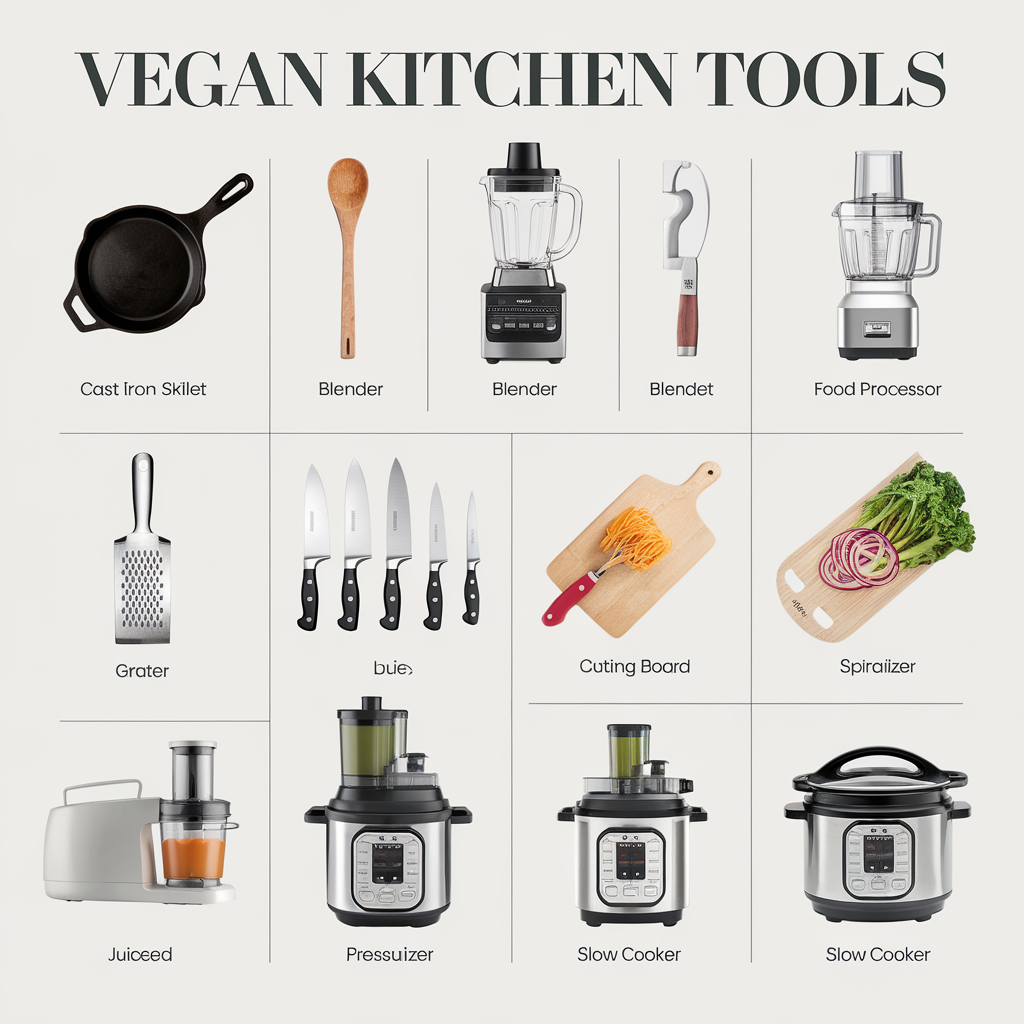
Welcome to the ultimate guide for the 15 best vegan kitchen tools in South Africa for 2025!
(I am an Amazon Associate, earning from qualifying purchases you make)
As plant-based eating grows popular, the right tools can turn ordinary meals into extraordinary dishes.
Did you know that veganism in South Africa has grown by over 50% in the last three years?
I’ve tested many kitchen tools available nearby. I’m excited to share the best ones that can change your vegan cooking experience.
Whether you’re a pro at plant-based cooking or new to veganism, these kitchen tools will help you make tasty and healthy meals!
Essential Blenders and Food Processors for Vegan Cooking in South Africa
When I started a plant-based lifestyle in South Africa, I saw that good blenders and food processors are not just helpful—they are game changers!
These powerful tools are essential in a vegan kitchen. They easily turn whole foods into creamy sauces, tasty dips, and hearty meat alternatives.
High-Speed Blender Options That Won’t Disappoint
Let me start by sharing my experience with high-speed blenders in South Africa.
I’ve tried many smoothies, soups, and sauces. The Nutribullet Pro 900 Series is an excellent pick for home cooks. Priced around R2,500, it strikes the perfect balance between power and affordability. The 900-watt motor crushes tough ingredients like nuts, seeds, and frozen fruits, which is key for making silky, smooth, plant-based dishes.
If you’re ready to spend more, the Defy Table Blender Power Blitz (about R3,200) has changed my kitchen experience.
Its powerful 1000-watt motor and durable stainless-steel blades make cashew cream and homemade seitan with ease. They deliver great consistency every time. Moreover, its glass jug is far more sustainable than plastic alternatives!
It’s less powerful at 750 watts. However, its price of around R1,800 and its reliable performance make it a solid choice for beginners starting their vegan journey.
Best Vegan Food Processors That Deliver
Beyond blenders, a good food processor completely transformed my vegan cooking. The Kenwood MultiPro Compact+ Food Processor is worth its R2,900 price tag.
This tool has several attachments, including a grater, slicer, and dough hook. It’s great for making textured plant-based cheeses and finely chopped vegetable fillings.
If you’re cooking for one or two, try the Russell Hobbs Mini Chopper. It costs about R850 and works well.
Its small size is perfect for South African kitchens with little counter space. However, it can’t handle big batches. It’s excellent for quickly chopping onions, garlic, and herbs. I use these ingredients every day in my plant-based cooking.
Budget-Friendly Vegan Kitchen Tools Options That Still Perform
Let’s face it – quality vegan kitchen equipment can be expensive in South Africa. However, I’ve discovered some budget-friendly heroes that don’t compromise on performance.
The Logik Hand Blender with Chopper Attachment (about R700) is a combination stick blender and mini food processor. Its versatility makes it great for making anything from quick hummus to blended soups right in the pot.
The Mellerware Maestro 3-in-1 Hand Blender costs about R950. I’m impressed by its durability, especially for such an affordable price. The whisk attachment is excellent for desserts made with aquafaba. It’s a must-have in my vegan baking!
Multi-Functional Appliances for Space-Saving Solutions
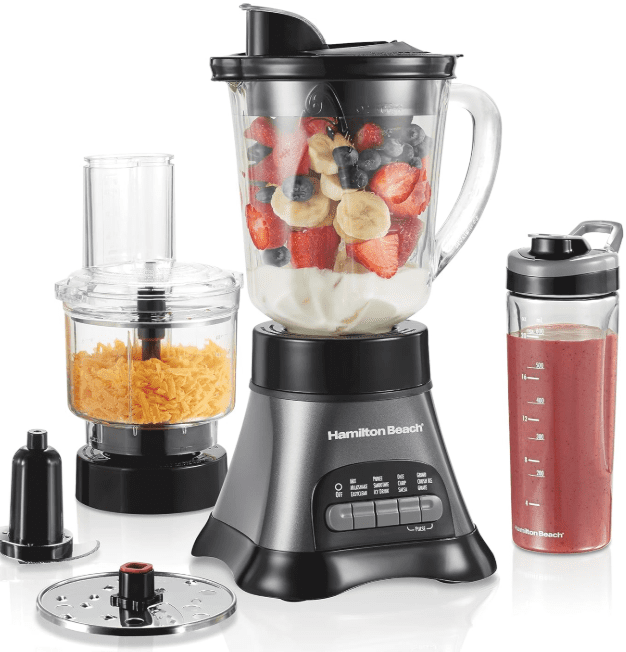
In my small Hermanus apartment, kitchen space is at a premium. I love multi-functional appliances, like the Russell Hobbs Food Processor and Blender Combo. It costs about R3,500. I also went for the Hamilton Beach Blender online, and it was worth the effort.
At first, I was unsure about the price. But now, I see how it can replace several appliances, making the investment worth it. One machine handles everything from kneading seitan dough to creating smooth cashew sauces!
The Sunbeam 3-in-1 Blender & Food Processor (about R2,200) shines in my kitchen. Its interchangeable blades and attachments make it very useful. Although it only uses the space of one appliance, it does many things, which is very valuable in smaller South African homes.
Choosing Between Blenders and Food Processors
From my years of vegan cooking, here’s my advice: if you can buy just one appliance, choose a high-quality blender first.
Why?
Blenders are great for creating smooth, creamy textures, key for many vegan recipes, such as smoothies, plant milks, creamy soups, and sauces.
If you have a good blender or like recipes that need precise chopping, shredding, or slicing a food processor will be useful.
I use mine all the time. I make veggie burgers, chop veggies evenly, and whip up vegan cheeses that taste real!
In conclusion, great blending and processing tools have improved my vegan cooking skills in South Africa.
The initial cost may seem high, but these machines pay for themselves fast. You can make many plant-based staples at home. This saves you money on expensive pre-made options.
Specialized Vegetable Prep Tools for South African Vegan Kitchens
I want to share this – switching to a plant-based diet in South Africa boosted my vegetable intake!
Suddenly, I was chopping, slicing, and dicing mountains of produce every day. I found that using the right vegetable prep tools doesn’t just save time; it also completely changes your vegan cooking experience.
Game-Changing Spiralizers for Vegetable Noodles
A good spiralizer has improved my kitchen. After testing many models in South Africa, the Spiralizer 5-Blade Vegetable Slicer is the best. It costs about R650 on Takealot.
This sturdy tool has five interchangeable blades. It makes zucchini noodles and sweet potato spirals quickly.
It is just one blade in size, but it’s great for making zucchini noodles, a key part of my weekly meals. Also, its small size fits easily in drawers, which is a big plus for my small apartment in Johannesburg!
Electric spiralizers like the Russell Hobbs Desire Food Processor with Spiralizer Attachment (about R2,200) simplify meal prep for more prominent families. When I host dinner parties, this powerful machine spiralizes veggies in seconds, saving me time and energy.
Mandoline Slicers for Professional-Quality Cuts
A good mandoline slicer has taken my vegan cooking to new heights. It’s an essential tool for achieving restaurant-quality results.
After slicing my finger too many times, I bought the Progressive International Mandoline with Safety Guard for about R500. It’s been worth every rand!
The adjustable blade makes uniform slices, which are key for dishes like potato dauphinoise or salads, where looks count.
Check out the Woolworths Mandoline Slicer if you’re on a tight budget. It’s about R280, and it’s been a pleasant surprise. Even though it’s cheaper, it makes even slices and has a safety guard to protect your fingers.
I always suggest using cut-resistant gloves, no matter which mandoline you pick. I learned that lesson the hard way!
Innovative Tools for Cauliflower Rice and Vegetable Rice Alternatives
Using dedicated tools for vegetable rice alternatives has changed my kitchen.
I started with a standard food processor to make cauliflower rice. Then, I switched to the Microplane Vegetable Rice Maker (about R400). It improves texture and prevents sogginess from over-processing.
You might also like the Joseph Rotary Grater, which costs about R650 at @Home. It works great for small batches of vegetable rice.
By using it manually, I can better control the texture. Plus, it’s much easier to clean than my food processor. That’s a big win for busy weeknights!
Avocado Tools That Work
In South Africa, avocados are a big part of my vegan diet, so having special avocado tools has been very helpful.
For a budget-friendly choice, try the Clicks Home 2-in-1 Avocado Tool. It costs around R120 and works well for pitting and slicing. While it might not be as challenging as the OXO version, it has helped me enjoy many avocado toasts and salads this past year!
Local South African Brands Making Quality Vegan Kichen Prep Tools
I love supporting local businesses. So, I was excited to find South African brands making quality vegetable prep tools.
In particular, HomeChoice’s range of vegetable preparation tools offer excellent value for money. Their 3-in-1 Vegetable Slicer (about R250) is simple, but it does a great job. It quickly makes julienne cuts and regular slices for everyday cooking.
Also, the Cape Town company Green Planet has impressed me. They offer sustainable bamboo vegetable steamers for about R300. These eco-friendly steamers aren’t just for prep. They are essential in my kitchen. I use them for cooking vegetables, keeping their nutrients and bright colours intact.
My Final Thoughts on Vegetable Prep Tools
After years of vegan cooking in South Africa, I’ve found that having the right vegetable prep tools helps. It’s not just about collecting gadgets. It makes cooking with plants more fun and efficient.
Chopping and prepping vegetables quickly and consistently helps you stick to plant-based eating.
That said, I don’t recommend buying everything at once. Think about your cooking habits. Start with tools that solve your biggest problems. I first purchased a spiralizer because I love vegetable noodles. Then, I got a good mandoline for even slicing.
Remember, the goal is to make vegan cooking more accessible and enjoyable!
You can make beautiful, tasty plant-based meals with the right vegetable prep tools in your South African kitchen. It takes less effort and lets your creativity shine.
Plant-Based Milk and Cheese-Making Equipment in South Africa
I want to share something that changed my vegan journey in South Africa: making plant-based milks and cheeses!
This has saved me thousands of rands. The freshness and customization options are also unbeatable.
Having the right equipment is key to success. I’ve spent years testing different tools in our local market.
Must-Have Nut Milk Bags Available Locally
A good nut milk bag makes smooth, pulp-free plant milk.
I’ve tried many options, but the Faithful to Nature Organic Cotton Nut Milk Bag (about R180) is worth every cent.
This durable cotton bag is better than cheaper synthetic ones. In my kitchen, it doesn’t add odd flavours and has held up through many batches of almond, oat, and cashew milk.
If you’re on a tight budget, check out Wellness Warehouse. Their house-brand nut milk bag costs about R120.
It may not be as durable as organic cotton, but it works well. It’s user-friendly for beginners who are just starting to make plant milk.
If you want maximum convenience, check out the Mellerware Nut Milk Maker. It costs about R1,200 at Takealot and eliminates straining!
This all-in-one machine grinds and filters in one step. It’s been a game changer for busy mornings when I need fresh milk fast.
Blenders That Excel at Creating Silky Plant Milk
A good blender is key for smooth homemade plant milk, even more than nut milk bags.
I’ve tested the Nutribullet Pro 900 Series, which costs about R2,500. It makes exceptionally smooth nut milk and is budget-friendly. Its powerful motor easily crushes tough nuts and seeds, ensuring smooth results every time.
If you’re ready to spend more, try the Vitamix E310 Explorian. It costs around R8,900 at Yuppiechef and has improved my kitchen.
It’s pricey, but this machine makes the smoothest plant milks. It can turn cheap ingredients like sunflower seeds into rich, creamy milk.
The Russell Hobbs Desire Matte Black Blender is great for occasional plant milk makers. At around R1,800, it’s budget-friendly, too. Harder nuts need more soaking time, but the results are still great for daily use.
Specialized Tools for Homemade Vegan Cheese
Using dedicated equipment for vegan cheese making has changed my plant-based creations. They’ve gone from “interesting alternatives” to truly delicious dairy replacements.
The Chef’s Choice Premium Electric Food Slicer (about R3,500) makes perfect, thin slices of homemade vegan cheese. This is hard to do with a regular knife.
Additionally, silicon cheese moulds have proven essential for creating professional-looking results. The Silikomart Professional Cheese Mold Set costs about R650 at Olive Branch Deli. It comes in shapes that fit different cheese types. You can find round brie wheels and rectangular blocks for slicing.
For cultured vegan cheeses, a proper food dehydrator has been indispensable.
The Mellerware Biltong King Food Dehydrator (about R1,200) maintains low temperatures, helping develop rich flavours without cheese cooking. This investment has wholly transformed my homemade vegan feta and blue cheese alternatives!
Storage Solutions for Freshly Made Plant Milks
Proper storage is crucial for maintaining freshness once you’ve made delicious plant milk.
Le Creuset Storage Bottles (around R300 each) keep homemade milks fresh longer than plastic ones. Their airtight seals and dark glass prevent oxidation and light damage, helping extend shelf life by several days.
Consol Glass Milk Bottles (approximately R40 each) offer excellent value for budget-conscious vegans.
They may not be as airtight as premium options, but they work well for 3-4 days. That’s about how fast most homemade plant milks should be used!
Woolworths sells silicone ice cube trays for around R80. They’re perfect for freezing extra plant milk, cutting waste, and providing ready-to-use portions for smoothies or coffee. This is a total game-changer for people living alone.
Cost Comparison: Store-Bought vs. Homemade
Making your plant milks and cheeses in South Africa can save you money.
For example, a litre of store-bought almond milk usually costs R40-R60. In contrast, making it at home requires only R20-R25 for raw ingredients—less than half the price!
The savings become even more dramatic with vegan cheeses.
A 200g block of imported vegan cheese in South Africa can cost over R120. In contrast, homemade cashew-based cheese costs about R35 to R40 for the same amount. Over a year, this difference adds up to thousands of rands in savings for dedicated vegans.
Homemade versions offer more than financial savings. They have fewer preservatives so that you can control sweetness, fat, and flavour. This is a big plus for health-conscious consumers.
Final Thoughts on Plant-Based Milk and Cheese Equipment
After years of experimenting, I found good equipment for making plant-based milk, and cheeses were a top choice in my vegan journey.
At first, the cost may look high. However, these tools quickly save you money compared to store-bought options.
The freshness and customization options have taken my plant-based cooking to new levels.
These kitchen tools have changed my South African vegan experience. They help me make the perfect oat milk for my morning coffee. I can also serve homemade cashew brie at dinner parties, and it impresses even my non-vegan friends!
If you’re thinking about making plant-based dairy, get the basics. A good blender and a quality nut milk bag are essential.
You can slowly grow your collection while trying new recipes and techniques.
Sustainable Food Storage Solutions for South African Vegans
One of the most significant changes in my vegan journey was switching to sustainable food storage!
When I started plant-based living in South Africa, I saw that good storage was key. It helped keep food fresh and cut down on waste, allowing me to live more in line with my environmental values.
I’m thrilled to share my top sustainable storage solutions for South African vegans. I’ve tested many options over the years, which are my favourites.
Eco-Friendly Food Containers That Last
Investing in high-quality glass containers has been worth every rand.
The Consol Preserve range starts at about R60 per container. It has become my go-to for storing all kinds of food, from leftover curries to chopped veggies.
These containers last for years. They are made locally in South Africa, which reduces the carbon footprint compared to imports.
At first, I was unsure about buying Le Creuset stoneware containers. They cost around R450-R650. However, after three years of heavy use, they were worth it.
These containers easily transfer from the fridge to the oven. I can marinate my tofu or vegetables and then cook them in the same dish, which means one less thing to wash!
For budget-conscious shoppers, Woolworths’ bamboo-lidded glass containers are a pleasant surprise. They cost between R180 and R250.
They cost less than premium brands, but they offer great durability and a nice design. They also look good when serving food right from the container at gatherings.
Silicone Solutions That Replace Single-Use Plastics
Beyond glass containers, silicone storage solutions have revolutionized my vegan kitchen.
I swear by Stasher bags. They cost about R250-R350 each at Wellness Warehouse. These bags have replaced countless disposable ziplock bags in my home. At first, the cost seemed high. But I’ve used the same bags for over two years. I freeze berries and marinate tempeh with them.
I also found silicone food covers from Faithful to Nature a great choice. They cost about R180 for a set of three and are a perfect substitute for plastic wrap.
They form a tight seal on cut fruits and veggies, greatly improving the life of my avocado halves. It’s a must-have for any South African vegan!
If you’re on a tight budget, Clicks has silicone food pouches. They cost around R150-R200 and work almost as well as the premium brands but at about half the price.
I use these to store small items, like nuts, seeds, and homemade trail mixes. They’re great for travelling or hiking.
Glass Jars: The Versatile Vegan Storage MVP
Undoubtedly, glass jars have become the unsung heroes of my sustainable kitchen.
I began by reusing pasta sauce and pickle jars. Later, I switched to proper Consol preserving jars. They cost R30-R60 each. These jars have better seals and standard sizes, so they stack nicely in my pantry.
These jars store homemade plant milks, fermented veggies, and bulk pantry items like lentils and rice.
Their straightforward design lets me see what I have. This has cut down on food waste at home. No more forgotten items stuck at the back of the fridge!
To save even more money, try visiting local restaurants and cafés. This has worked really well for me.
Many places in Cape Town and Johannesburg gladly give away their empty large glass jars. These jars would usually be recycled. These large containers are great for storing grains and legumes. They are key to my budget-friendly vegan diet.
Local South African Brands Leading the Sustainability Charge
I love local businesses and was thrilled to discover South African brands creating eco-friendly storage solutions.
In Cape Town, Mama Earth makes lovely beeswax-free vegan food wraps. A set of three costs about R185. They use organic cotton and plant-based waxes. These wraps keep my fresh herbs vibrant much longer than regular storage methods.
Earth Basics is another great local company. They make handcrafted ceramic containers with bamboo lids, which cost around R250 to R350. These containers are ideal for storing homemade vegan cheese or fermented vegetables.
These containers are both practical and beautiful. You can even use them to serve when you entertain.
I’m impressed by Green Planet, a company in Johannesburg. They create food storage containers using reclaimed plastic waste from South African beaches.
Their stackable containers cost about R200 for three. They show how recycled materials can become substantial, valuable home items.
Tips for Extending Produce Life Without Plastic
I’ve found many ways to keep fresh produce alive longer without plastic.
Store leafy greens like kale and spinach in glass containers. Use a damp cotton cloth to keep them crisp for up to two weeks. This is much better than the 3-4 days they usually last in plastic bags.
I’ve found that cotton mesh produce bags work well for storing potatoes, onions, and garlic. At Faithful to Nature, they cost about R150 for a set of five. These bags allow airflow and help keep everything organized. They are also washable. Over the years, they have replaced many plastic produce bags.
I love Sistema’s vegetable preservation containers. They cost about R120 at Pick n Pay. Each container has a small ventilation system that controls moisture levels.
These containers have doubled the shelf life of my mushrooms and berries, which reduces food waste and saves money.
My Final Thoughts on Sustainable Storage
Since switching to sustainable food storage, I can’t picture returning to disposables. At first, the investment looks big, but these items soon pay for themselves. They keep food fresher and last a long time.
As a vegan in South Africa, I find some plant-based ingredients pricey. Proper storage is key to making my lifestyle more affordable and accessible.
These sustainable solutions help keep produce fresh longer and allow for bulk buying. This has lowered my food budget and matches my environmental values.
If you’re new to sustainable storage, start with some glass containers. You might also want a set of silicone food covers.
From there, you can gradually expand your collection as your budget allows. Trust me, your kitchen will be more organized, your food will stay fresher, and you’ll help reduce your environmental footprint in South Africa.
Innovative Kitchen Gadgets for Vegan Cooking in South Africa
Let me tell you something – my vegan cooking wholly transformed when I discovered the world of innovative kitchen gadgets available in South Africa!
After years of experimenting with various appliances, I’ve found that the right tools don’t just make plant-based cooking easier; they open up entirely new culinary possibilities that I never thought possible. From perfectly crispy oil-free chips to effortless bean preparation, these innovative gadgets have revolutionized my vegan kitchen experience.
Air Fryers: The Game-Changer for Oil-Free Cooking
Investing in a quality air fryer changed my plant-based cooking for the better.
After testing many models, I found that the Philips Airfryer XXL is the best for serious vegan cooks. It costs about R4,200 at Takealot. Its larger capacity lets me make cauliflower “wings” for the whole family in one go. The innovative sensing technology ensures they are perfectly crispy each time.
If you’re on a budget, check out the Russell Hobbs 5L Digital Air Fryer. It’s priced around R1,800, and its performance pleasantly surprised me.
Even with a lower price, this model still gives excellent results. It cooks everything well, from crispy tofu to roasted vegetables. The digital controls make it easy for beginners, just like I was two years ago!
Also, air fryers cut my cooking time by about 30% compared to regular ovens. This is a real blessing on busy weeknights.
Also, using much less electricity than a standard oven has helped my monthly bills. This is a nice bonus in South Africa’s current energy situation!
Multi-Cookers and Pressure Cookers That Simplify Bean Preparation
Next, my Instant Pot Duo Nova (about R2,500) changed how I cook beans, chickpeas, and lentils.
Before I found pressure cooking, I either simmered dried beans for hours or used canned ones. Canned beans cost more and are worse for the environment in South Africa.
I can now cook tender chickpeas in just 25 minutes—no pre-soaking needed! This is a game-changer for sudden hummus cravings!
The sauté function lets me brown onions and spices first, then add other ingredients. This way, I can make tasty one-pot meals without using many pans.
If you’re looking for a local option, check out the Defy 6L Express Multi-Cooker. It costs about R1,300 and is a great value.
It might lack the preset functions of high-end models, but it does a great job with essential pressure and slow cooking.
I’ve used this model for many dishes, from jackfruit curries to bean stews, and it always delivers excellent results.
Digital Food Scales for Precise Vegan Baking
Precise measurements are key to great vegan baking, so I rely on a quality digital scale in my kitchen.
The Kenwood kMix Digital Kitchen Scale (about R950) is a top choice. It’s known for its accuracy and durability. Measuring ingredients to the nearest gram is crucial for egg-free cakes and dairy-free custards. Precision matters here.
If you’re on a budget, check out the Home Cook Digital Kitchen Scale. It costs about R300 at Game and has excellent accuracy at a low price.
It may not have the premium build of pricier models, but it does its job well. Plus, it’s been reliable in my busy kitchen for over two years.
Using a digital scale has cut down on my dishwashing. Using the tare function between additions, I can measure several ingredients right into the mixing bowl. This small convenience has made vegan baking significantly more enjoyable on busy days!
Temperature-Controlled Appliances for Fermentation and Yogurt Making
Smart gadgets have improved my vegan cooking, especially in temperature-controlled fermentation.
The Cuisipro Yoghurt Maker (about R1,500) helps make consistent coconut and soy yoghurt. Its precise temperature control creates the ideal setting for good bacteria, so you get perfectly tangy plant-based yoghurt every time.
For my advanced fermentation projects, I bought the Excalibur 5-Tray Food Dehydrator at Yuppiechef for about R3,800.
At first, I was unsure about the price. But this versatile machine has paid for itself. I’ve made many batches of cultured vegan cheese, fermented vegetables, and homemade tempeh. Buying these speciality items ready-made in South Africa would cost much more.
If you’re on a budget, check out the Mellerware Biltong Maker. It costs around R800 and is excellent for fermenting vegan cheeses and yoghurts.
When not used, the heating element acts as an insulated box, keeping the temperature steady. It’s perfect for making cashew cheese and costs much less than fancy tools.
Finding the Best Deals on Smart Kitchen Gadgets in South Africa
I’ve created some strategies for buying these gadgets in South Africa at great prices.
Like Black Friday and Cyber Monday, seasonal sales usually give the most significant discounts. Premium brands often drop by 20-30%. I picked up my Philips Airfryer at almost 35% off during last year’s November sales!
I’ve saved much money using price comparison sites like PriceCheck.co.za. They help me find the best current deals.
Price differences between stores can be huge. Sometimes, they vary by R1,000 for the same high-end appliances.
Check out Facebook Marketplace and Gumtree for second-hand kitchen gadgets. They often have great deals on quality items at lower prices. I purchased my first blender this way at about 40% of its retail value, and it served me well for years before I upgraded. Just be sure to test any second-hand appliance thoroughly before finalizing the purchase!
Final Thoughts on Smart Kitchen Gadgets for Vegan Cooking
After years of creating my vegan kitchen, I found that smart gadgets are essential, not just extras. They are crucial tools. They make plant-based cooking easier, faster, and more fun.
The initial cost may look high, but these appliances pay off fast. They save time and cut electricity use. Plus, you can make unique items at home instead of buying pricey pre-made ones.
That said, I don’t recommend buying everything at once.
I began with a good air fryer. It solved my main issue: getting crispy textures without too much oil. As I improved my cooking, I added more tools to my collection.
This approach allowed me to invest in better appliances over time. I didn’t have to settle for cheaper options that would need replacing quickly.
The right smart kitchen gadgets changed my vegan cooking. It went from being challenging to a fun, creative experience.
Irrespective of whether you’re new to plant-based eating or a seasoned vegan, these tools can improve your cooking. They make plant-based meals tastier and more sustainable in the long run.
Conclusion
Here then are the 15 best vegan kitchen tools that can change the game for anyone living a plant-based lifestyle in South Africa.
The right tools, such as strong blenders and veggie prep gadgets, make vegan cooking enjoyable and offer many new cooking choices.
Begin with a few essential tools. Then, grow your collection as you try new recipes.
Investing in quality tools pays off.
Making vegan products at home will help you enjoy healthier meals, produce less food waste, and save money.
What vegan kitchen tool will you add to your collection first?
Discover the best apps for finding vegan restaurants in South Africa. Knowing where to eat is key whether you’re travelling, new to plant-based eating, or just seeking fresh options. The good news? Some fantastic apps help you track down delicious vegan-friendly spots without the hassle. …