In today’s world, plant-based diets are taking centre stage. People are embracing the power of plants for their health and well-being, from busy cities to quiet countryside retreats. The plant-based diet phenomenon is everywhere. But this trend has been around for a while. For centuries, African cultures have …
Cancer. The word itself evokes fear and uncertainty. Many are changing their diets to fight this complex disease. Topping them all is a plant-based diet. You’ve heard anecdotal stories or wondered: Can a plant-based diet reverse cancer? The truth has nuances. Plant-based eating has many …
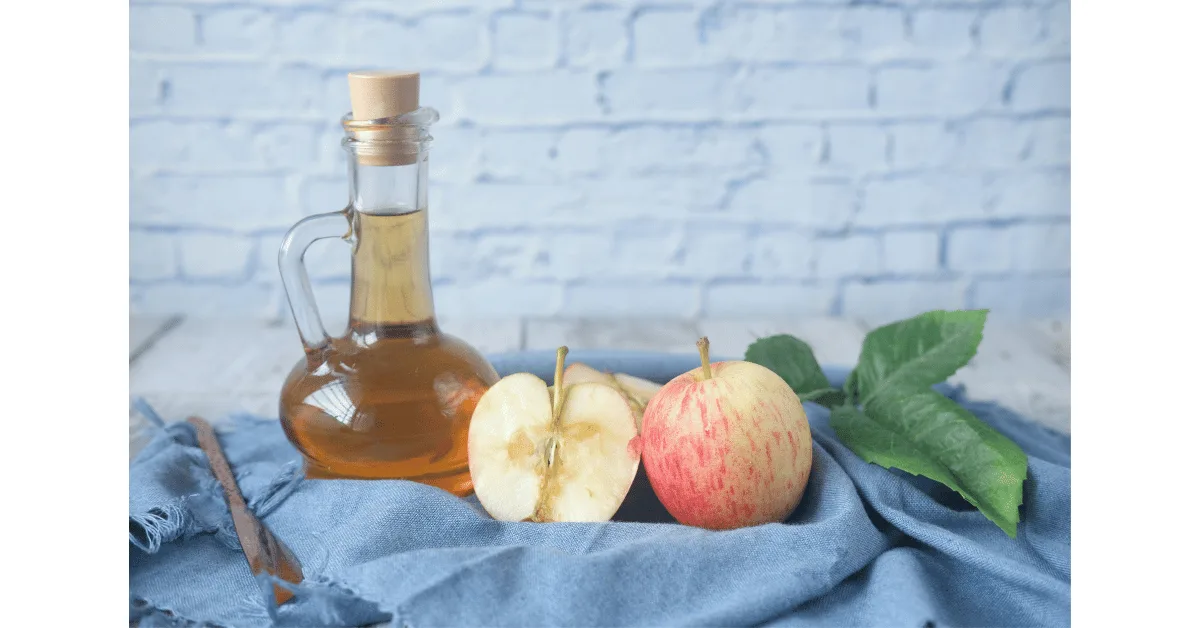
By improving insulin sensitivity, ACV may help regulate blood sugar spikes. These spikes trigger cravings.
Reducing Blood Sugar Levels
ACV shows promise in managing hypertension in individuals with type 2 diabetes.
Studies show that using ACV before meals can help lower blood sugar spikes.
The acetic acid in ACV slows the breakdown of carbohydrates in the gut, leading to a slower rise in blood sugar.
However, ACV should not replace prescribed diabetes medications.
ACV and Heart Health
Some research suggests that ACV may have benefits for heart health.
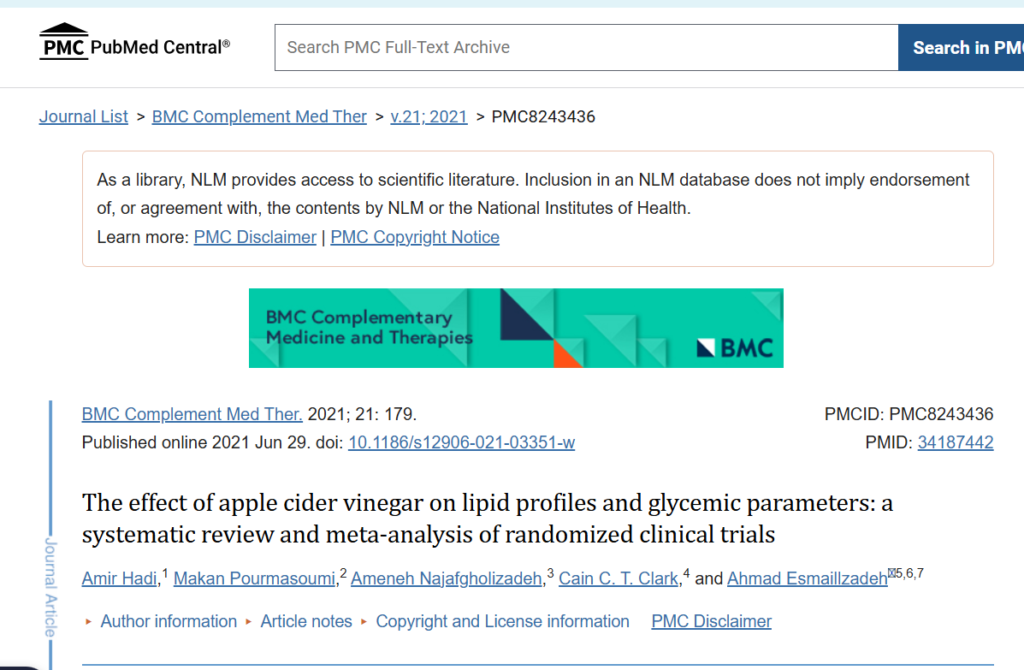
Studies show that consumption of ACV may lead to modest reductions in “bad” LDL. It also impacts cholesterol and triglycerides and increases “good” HDL cholesterol.
However, there is a need for more research to understand ACV’s impact on heart health.
A healthy gut microbiome impacts various health benefits. These include improved digestion and immune function.
But, it’s important to note that pasteurized ACV will not contain live probiotics.
Remember
While these studies show promise, we need more research. Research to enable us to understand the long-term effects of ACV consumption.
Important Considerations
Apple cider vinegar boasts potential health benefits. However, before using it, some essential factors should be considered.
Dosage and Safe Consumption
ACV is acidic, and undiluted consumption can irritate your throat and oesophagus. It’s essential to dilute ACV with water before consumption.
A standard recommendation is 1-2 tablespoons (15-30 ml) diluted in a large glass of water. Start with a smaller amount and increase if tolerated.
Side Effects and Potential Risks
Excessive ACV consumption can lead to side effects like:
Tooth enamel erosion: The acidity of ACV can erode tooth enamel over time. Consider using a straw when drinking ACV. Dilute it in water and rinse your mouth with water afterwards.
Digestive issues:
ACV may cause heartburn, nausea, or stomach upset in some individuals. Stop using it if you experience any discomfort.
Medication interactions:
ACV may hinder certain medications, such as diuretics and blood-sugar-lowering drugs. Consult your dietitian or any doctor before using ACV if you take any medications.
Not a Miracle Cure
Remember, ACV is not a magic bullet. It will not help with weight loss, blood sugar, or other health conditions.
A healthy lifestyle consists of a balanced diet and regular exercise. It would help if you practised these for your well-being. ACV may complement your efforts but shouldn’t replace healthy habits.
How to Incorporate ACV into Your Diet
Apple cider vinegar’s tangy flavour can add a delicious twist to your meals.
Here are some ways to incorporate ACV into your diet safely and enjoyably:
Salad Dressings
ACV is a classic ingredient in homemade salad dressings.
Mix olive oil, Dijon mustard, honey, and your favourite herbs and spices to make a healthy and tasty vinaigrette.
Marinades
The acidity in ACV helps tenderize meat and fish while adding a burst of flavour. Use ACV in marinades for chicken, pork, or tofu alongside herbs, spices, and your favourite oils.
Sauces and Dips
ACV can add a delightful tang to sauces and dips. Add a splash to your following barbecue sauce, chimichurri, or yoghurt-based dip.
Beverages
A popular way to consume ACV is to dilute it in water.
Mix 1-2 tablespoons of ACV with a glass of water and add a touch of honey or lemon for a refreshing drink.
You can also incorporate ACV into herbal teas or infused water recipes.
Cooking Applications
A small amount of ACV can enhance the flavour of savoury dishes like soups, stews, and stir-fries. Experiment by adding a teaspoon or two during the cooking process.
Here are some additional tips:
Tip #1: Start Slow:
If you’re new to ACV, begin with a diluted form and gradually increase the amount as tolerated.
Tip #2: Listen to Your Body:
Stop use if you experience any discomfort.
Tip #3: Quality Matters:
Choose organic, raw, and unfiltered ACV with the “mother”. It has more health benefits.
Adding ACV to your diet can let you enjoy its taste. You can also explore its health benefits.
Remember, moderation and safe consumption practices are essential.
Conclusion
Apple cider vinegar offers fascinating culinary versatility and potential health benefits.
From aiding weight management to supporting gut health, ACV may promote well-being.
Ready to explore the world of ACV?
We’ve provided some delicious and safe ways to incorporate it into your diet.
So, grab a bottle and get creative.
In the comments below, please tell us how you’re using ACV to add a tangy twist to your health routine!
Bonus Section: Apple Cider Vinegar FAQs
Apple cider vinegar has sparked much curiosity, and there is good reason! Here, we answer some of the most common questions that people have about ACV:
Q: Is Bragg’s ACV the best brand?
There are many brands of ACVs available, and Bragg’s is a popular choice.
Always look for organic, raw, and unfiltered types. They should have the “mother” for more health benefits.
Ultimately, the “best” brand depends on your preferences and what is readily available.
Q: Can I take ACV shots?
ACV shots are trendy. But remember that strong vinegar can harm your teeth and oesophagus. It’s always best to dilute ACV in water before consumption.
Q: How much ACV should I take daily?
There’s no one-size-fits-all answer, and research on optimal dosages is ongoing.
The standard recommendation is to dilute 1-2 tablespoons (15-30 millilitres) in a big glass of water.
Start with a smaller amount and gradually increase if you can tolerate it. Listening to your body and discontinuing use if you experience discomfort is essential.
Q: Can One use apple cider vinegar for cleaning or beauty purposes?
ACV has various household uses, including as a natural cleaning agent.
However, it would help if you diluted skin and hair applications. This method is crucial to avoid irritation.
Always do a patch test on a small skin area before applying it more widely.
Consult reliable online resources or a dermatologist for guidance on ACV.
Remember, this blog post provides general information. Please do not take it as medical advice.
Consult your health professional before making significant dietary changes with apple cider vinegar.
Can transitioning to a plant-based diet be challenging? Is there a way you can make it more manageable to transition to a plant-based diet? Indeed, there is hope. This article provides an overview of the benefits of transitioning to a plant-based diet for optimal health …
Here’s a guide that explores that 9 of 10 South Africans are entirely wrong about WFPB. And… Do you ever feel like everyone around you has misconceptions about healthy eating? South Africa, renowned for its braais and delectable curries, is a perfect setting for exploring …
It has a diverse plant-based scene that will delight your taste buds.
Bunny Chow
Rebel Recipes/Bunny Chow
Bunny Chow is a popular street food. It is a savoury dish that fills a hollow bread with tasty curry.
It’s traditionally made.
However, there are many plant-based versions. These have tasty fillings, such as chickpeas, lentils, or vegetables.
Vetkoek
Vetkoek is another popular street food. It is a deep-fried bread.
You can fill it with various savoury or sweet fillings.
The plant-based options include fillings. They can be spicy chutneys, curries, or sweet jams and syrups.
Take time
Explore plant-based street food in South Africa. You’ll see the country’s lively food culture.
You can do this while enjoying tasty and filling meals on the go.
Enjoy these street food delights. Immerse yourself in the local food scene.
South African Plant-Based Desserts and Sweet Treats
No meal is complete without a sweet ending.
South Africa offers plant-based desserts. They are sweet treats that will satisfy any sweet tooth.
Malva Pudding
One classic dessert is malva pudding. It’s a warm, indulgent sponge cake with a sticky sauce.
This plant-based version uses plant-based milk and oil. It makes a moist, tasty treat.
Koeksister
Another popular sweet treat is the Koeksister. It’s a syrup-soaked pastry that is like a doughnut. It’s crispy on the outside and soft on the inside.
You can make plant-based versions using plant-based butter; they taste delicious and are similar to traditional ones.
South Africa offers a variety of plant-based desserts and sweet treats.
They range from decadent puddings to sweet pastries.
Here’s the kicker
They will leave you craving for more.
Treat yourself to these indulgent creations. Satisfy your sweet tooth the plant-based way.
Plant-Based Paradise: Restaurants and Resources
The South African food scene is embracing the plant-based revolution.
Here are some resources to get you started:
Significant cities like Cape Town and Johannesburg have vegan restaurants. These restaurants serve innovative takes on local favourites. Don’t hesitate to explore—delicious surprises might await you!
Follow South African plant-based influencers on social media. Examples are Zoë Twala and Johke Steenkamp. They share recipe inspiration and local tips.
Grocery stores are stocking up on plant-based alternatives. They have milk, cheeses, and ready-made meals.
So, ditch the stereotype. South Africa offers many flavours and varieties for plant-based eaters.
Get ready to discover a delicious new way to experience the rainbow nation. It’s one bite at a time and powered by plants!
Learn about the vibrant and diverse world of plant-based eating in South Africa. See delicious examples and recipes that showcase the country’s unique flavours and ingredients.
Tips for Embracing a Plant-Based Lifestyle in South Africa
Embracing a plant-based lifestyle in South Africa is easier. Here are some tips to help you get started:
Tip #1: Explore local markets and farm stalls. South Africa has many fresh fruits, vegetables, and plant-based products, many of which come from nearby sources.
Visit local markets and farm stalls.
Tip #2: Experiment with indigenous ingredients. Add morogo, rooibos tea, and baobab powder to your meals. They give unique flavours and nutrition.
Tip #3: Connect with the plant-based community. Join online groups and attend events. Connect with like-minded people. They can support and inspire you on your plant-based journey.
Tip #4: Be adventurous with plant-based cooking. Try new recipes. Experiment with different plant-based ingredients and cooking techniques. This technique will keep your meals exciting and diverse.
Tip #5: Enjoy plant-based dining options. South Africa’s food scene is changing, and plant-based options are more readily available. Explore plant-based restaurants and cafes to enjoy delicious meals prepared by expert chefs.
Follow these tips. Then, you can embrace a plant-based lifestyle in South Africa. You will reap its many health and environmental benefits. Start your plant-based journey today and discover a world of delicious possibilities.
Conclusion
South Africa is shedding its old, meat-centric image. It is embracing the exciting world of plant-based food.
From reimagined classics to unique superfoods, the possibilities are endless.
In South Africa (Mzansi), you don’t have to sacrifice flavour or tradition. You can eat plant-based food!
Join the Movement! Are you South African or visiting? Explore the plant-based scene at local restaurants and m ifts. mifts’re seasoned, even better! Share your discoveries using #PlantPoweredMzansi on social media!
Get Cooking! Find inspiration from South African plant-based chefs and bloggers. Recreate classic dishes with a plant-based twist or experiment with new ingredients.
Spread the Word! Share this post with friends and family who might be curious about plant-based eating. South Africa’s culinary journey is taking a delicious turn – let’s explore it together!
Let’s break the mould. Let’s show the world that South Africa leads in plant-based cooking.
It’s time to dig in and discover the vibrant flavours of a plant-powered Mzansi!
Cabbage is a versatile vegetable. It is a staple in many cultures. Even my garden is full of them and ready for the plate. It’s the base for tasty dishes like coleslaw and sauerkraut. But, its uses go beyond these well-known favourites. This blog post …
That’s why we’ve compiled a list of the top food blogger Instagram accounts that will make your mouth water and inspire you to try new recipes. From food influencers to professional chefs, these accounts showcase stunning food photography. They also provide a peek into the …
This dish of pap with tomato and onion stew combines the benefits of several healthy ingredients:
Pap (Maize Meal)
It is a good source of carbohydrates for sustained energy. Some brands incorporate vitamins and minerals, such as iron and vitamin A, to enhance the product’s nutritional value.
Tomatoes
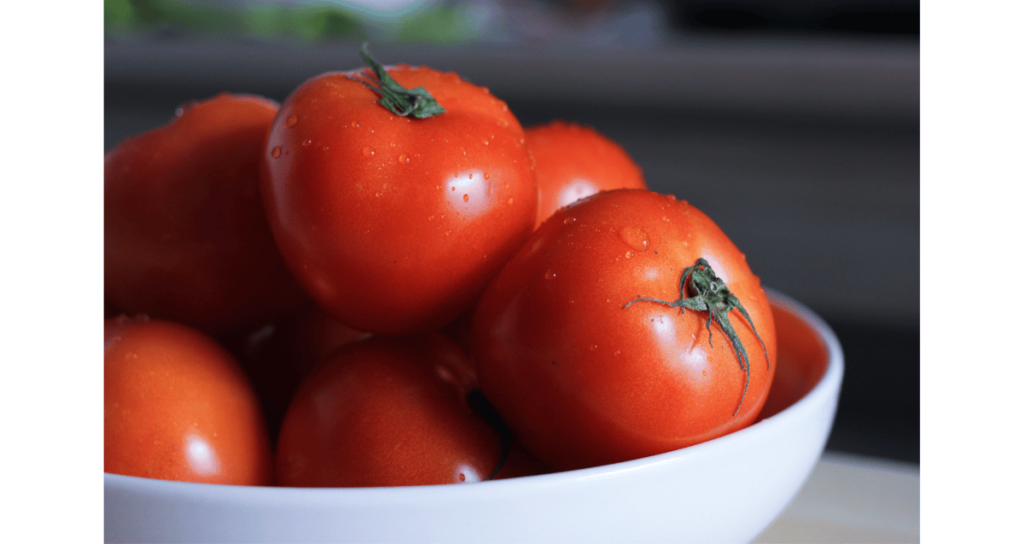
Rich in lycopene, an antioxidant that may help protect against heart disease and certain cancers [healthline.com]. They’re also a good source of Vitamin C, essential for immune function and collagen production.
Onions
Contains quercetin, another antioxidant with anti-inflammatory properties.
Garlic
Lowers blood pressure and cholesterol.
Here’s a breakdown of some potential health benefits:
Energy Source
The carbohydrates in pap provide readily available energy for your body.
Heart Health
Combining tomatoes, onions, and garlic may facilitate a healthy heart by reducing inflammation and lowering blood pressure and cholesterol.
Immune System Support
Vitamin C from tomatoes and possibly added fortification in pap can help support a healthy immune system.
Digestive Health
The fibre content in maize meals can aid digestion and promote regularity.
Remember:
The specific health benefits will depend on the ingredients used and portion sizes.
Nutritional Value
It is challenging to pinpoint the exact nutritional value of this recipe due to variations in ingredients and portion sizes.
However, we can make a general estimate based on standard serving sizes:
Pap
1 cup of maize meal provides roughly:
Calories: 327 kcal
Carbs: 86% (around 280g)
Protein: 8% (around 26g)
Fat: 6% (around 20g)
Fibre: 18% of Daily Value (DV)
Iron: 47% of DV
Vitamin A: 35% of DV (depending on fortification)
Tomato and Onion Stew
Here’s an approximate breakdown for a basic version:
Calories: will vary depending on the oil used, but a tablespoon is around 120 kcal. Vegetables typically add minimal calories.
Carbs: Tomatoes and onions contribute some carbs, around 20g.
Protein: Minimal protein content from vegetables.
Fat: Depends on the oil used, but one tablespoon adds 14g of fat.
Vitamins and minerals: Tomatoes provide Vitamin C and lycopene. Onions offer some Vitamin C and quercetin.
Putting it Together
Assuming you have a 1:1 ratio of pap to stew, a serving could have:
Calories: Around 450 kcal (depending on oil)
Carbs: High, around 300g
Protein: Moderate, around 30g
Fat: Moderate, potentially around 30g, depending on oil
Fiber: Good source of maize meal
Vitamins and minerals: Vitamin A, C, iron, and some antioxidants from vegetables.
Important to Note
These values are a rough estimate.
Portion sizes can significantly impact calorie intake.
For a more accurate breakdown, consider using a recipe calculator or nutritional information for the specific brands of ingredients you choose.
This recipe combines creamy pap with a flavorful and slightly spicy tomato and onion stew for a satisfying South African-inspired dish.
Pap with Spicy Tomato and Onion Stew
This is a quick and easy to prepare and cook South African dish. It incoporates maize meal, tomato, and onions.
1cupmaize meal (also known as samp or mielie-meal)(For Pap)
4cupswater
2tbsp vegetable oilFor preparing Spicy Tomato and Onion Stew)
1 large onion, chopped
1green chilli pepper, chopped (optional)
4Four cloves garlic, minced
400gmcan diced tomatoes
1cup chopped fresh tomatoes (or another can of diced tomatoes)
1tbspof tomato paste
1tbspof dried thyme
1/2tbspteaspoon paprika
Salt and black pepper totaste.
Method
Heat water in a pot until it boils over medium heat. Add salt. (For Pap)
Gradually whisk in the maize meal until it forms a thick porridge. Lower the heat and let it simmer for 10-15 minutes, stirring occasionally, until the pap is cooked to your liking. If it gets too thick, add a bit more boiling water.
Warm up some oil in a big skillet on medium heat. Add the onion and green chilli pepper (if using) and cook until softened and translucent, about five minutes. (For tomato and onion stew)
Add the garlic and give it another minute, stirring constantly, until fragrant.
Stir in the diced tomatoes, fresh tomatoes (if using), tomato paste, thyme, and paprika. Season with salt and pepper.
Simmer and cook for 15-20 minutes until the sauce thickens slightly. Taste and adjust seasonings as needed.
Spoon the hot pap into bowls and top generously with the tomato and onion stew. (and serve)
Sousboontjies is a delightful South African dish. It’s bursting with flavour and tradition. It isn’t just a culinary gem. Unlock this nutritional powerhouse! But wait This humble stew simmers colourful beans like a symphony. It offers various health benefits that promote optimal well-being. Sousboontjies can …