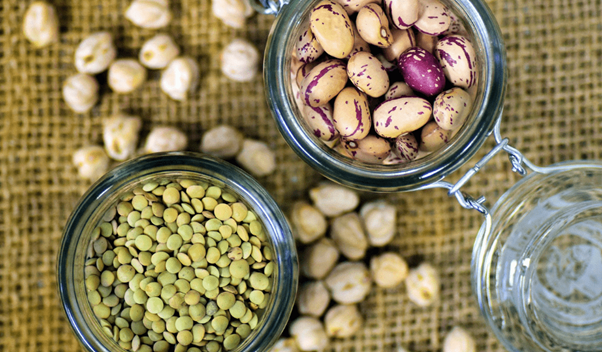
South Africa is sizzling with a plant-powered revolution! People are embracing a plant-based lifestyle. This movement is evident in bustling cities and charming coastal towns. Even in the deepest rural villages of Tzaneen, Limpopo, and the vast array of Tabase in Mthatha. People are aware …
The sizzle of boerewors hitting the grill and the smoky smell of roasting vegetables. The laughter and chatter of friends and family. A South African braai is different. But what if you, or some of your guests, follow a plant-based lifestyle? Does that mean giving …
Have you ever scrolled through endless recipe pages?
Did you find yourself closing the tab out of boredom?
We’ve all been there.
But fear not, fellow food enthusiasts!
Here’s the secret:
Engaging in recipes is about more than just about the food.
They’re about sparking excitement and igniting the imagination.
This blog post will reveal the magic recipe for crafting recipes. They shouldn’t just tempt taste buds and make you eager to dive into the kitchen.
We’ll explore turning recipes from dull instructions to culinary adventures. We’ll look at layering flavours and textures and weaving a captivating story.
So, grab your whisk and get ready to unleash your inner recipe rockstar!
The Recipe’s Secret Sauce: Flavor & Texture
When crafting an engaging recipe, flavour and texture are the dynamic duo that steal the show. Flavour and texture are the magic ingredients.
They turn a simple dish into an unforgettable meal.
Let’s dive into the secrets of harnessing these powerhouses.
Flavour Profiles
Imagine a symphony orchestra.
Each instrument plays its part, yet together, they create a harmonious symphony.
That’s the essence of a well-developed flavour profile.
It combines the five basic tastes: sweet, salty, sour, bitter, and umami.
A recipe that leans heavily on just one taste dimension becomes monotonous.
Here’s how to create depth and complexity:
Contrasting Flavours
Think sweet and savoury (sweet and sour jackfruit) or salty and creamy (think pasta with parmesan).
These contrasting elements keep your palate engaged and wanting more.
Contrasting Flavours
Certain flavours naturally sing together.
Think of the classic pairing: chocolate and peanut butter. Or the refreshing combo: strawberries and balsamic vinegar.
Explore these harmonious relationships to elevate your recipe.
Textual Contrast
Food isn’t just about taste; it’s a whole sensory experience.
Texture plays a crucial role in keeping things interesting.
Imagine a plate of limp noodles – not precisely mouthwatering, right?
Now, picture those same noodles tossed with crispy vegetables and crunchy peanuts.
The contrast in textures adds excitement and dimension to each bite.
Here’s how to play with texture:
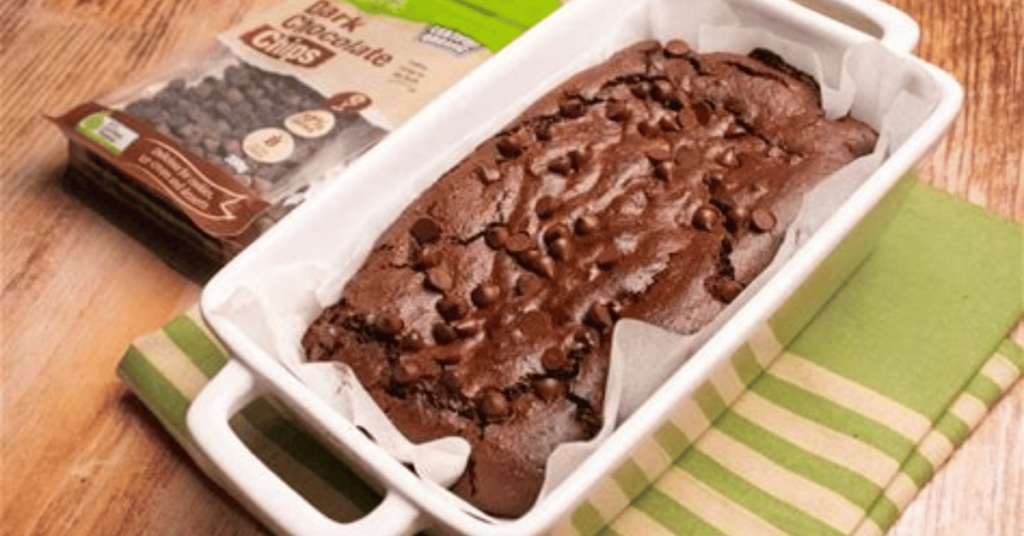
Think Crunchy vs. Creamy
Source: absoluteorganic.com.au
A velvety soup craves a crispy crouton, while a fluffy pancake begs for a drizzle of sweet, syrupy sauce.
Soft vs. Chewy
Tender fish pairs well with roasted vegetables. Chewy gnocchi matches perfectly in smooth pesto.
When you add these elements, you can create a delicious recipe. It will be a captivating adventure for the senses.
Let’s go for the ultimate: your senses.
Beyond the Plate: Engaging the Senses
A genuinely engaging recipe goes beyond just the taste and texture of the final dish.
It’s about crafting a multi-sensory experience. It draws the cook in from the start.
Here’s how to awaken all the senses and create a recipe that’s as captivating as it is delicious.
Visual appeal
We all eat with our eyes first. A visually stunning dish instantly sparks excitement and whets the appetite.
Plating Power
Remember not to underestimate the power of plating!
Use contrasting colours, appealingly arrange ingredients, and add a touch of garnish.
Fresh herbs or a balsamic reduction drizzle elevates a dish’s visual appeal.
Food Photography
Pixabay/Anelka
In today’s digital world, a captivating photo can be the key to grabbing attention.
Invest in good lighting, experiment with angles, and capture the essence of your dish in a way that makes people want to reach through the screen.
Aromatic Allure
The enticing aroma of a dish simmering on the stove can be a powerful draw. It sets the stage for the culinary experience and builds anticipation.
Fragrant Herbs & Spices
Use fragrant spices like rosemary and thyme. It would help if you used aromatic spices like cinnamon and star anise.
These ingredients don’t just add flavour. They create an irresistible scent. It draws people into the kitchen.
Sizzling Techniques
Cooking meat at high heat, browning onions, or toasting spices releases fantastic smells. They fill the kitchen and signal a tasty meal.
Storytelling Through Food
Food has the power to tell a story, and weaving a narrative around your recipe can make it even more engaging.
Family Traditions
Share a story about a recipe passed down through generations or a dish with special memories.
Cultural Significance
Explore the cultural roots of a dish and weave that history into your recipe.
Travel Inspiration
Unsplash/Jerome Jome
Did a trip abroad inspire a culinary creation? Share your travel story and the flavours that influenced your recipe.
Engage all the senses. It turns a recipe from instructions into a vibrant, immersive experience. It draws in your audience and leaves them eager to start their culinary adventure.
Practical Tips for Recipe Writing
Pexels/Shkraba
You’ve unlocked the secrets of crafting engaging flavours, textures, and sensory experiences. Now, let’s turn that magic into clear recipe writing.
Here are some tips to make sure your recipes are not only tasty but also easy to use:
Clear & Concise Instructions
Imagine a friend asking you how to make your fantastic dish. Your recipe should feel like a conversation, guiding them effortlessly through each step.
Structure is Key
Break down your instructions into numbered steps or bullet points for easy readability.
Be Specific, Not Vague
Don’t leave room for guesswork.
Specify cooking times, temperatures, and necessary adjustments based on ingredient variations.
Ingredient Accessibility
The best recipes don’t need a shopping spree for exotic ingredients.
Readily Available
Focus on using common ingredients found in most kitchens.
Embrace Substitutions
Offer suggestions for substitutions or variations for harder-to-find items.
Quantity is Key
Be precise with ingredient measurements. Spell out quantities (one tablespoon, not 1 tbsp) to avoid confusion.
Enticing Titles & Headings
Think of your recipe title and headings as your elevator pitch. They must be clear, informative, and capture the reader’s attention.
Descriptive Titles
Choose a title like “Lemon Herb-Roasted Chicken with Crispy Potatoes” instead.
Informative Headings
Use headings to break down sections, such as “For the Marinade” and “Baking Instructions.” This method will make the recipe well-organized and easy to follow.
These tips can change your recipes from hard to understand.
They empower anyone to recreate your masterpieces.
Conclusion
So there you have it, the secret ingredients to creating engaging recipes!
Focus on flavours, textures, and the senses. It can turn a simple dish into a culinary adventure.
Clear and brief instructions, easy ingredients, and enticing titles are the tools. They will help your readers to bring your creations to life.
Now, it’s your turn to unleash your inner recipe rockstar!
Don’t fear to experiment. Explore new flavours and weave your stories into your dishes.
Remember, the kitchen is your playground.
With these secrets, you can create recipes. They are delicious and ignite a passion for cooking in all who read them.
Happy cooking, and remember to share your culinary creations with us!
In the comments below, let us know what tips resonated most. Also, feel free to share your secrets for crafting engaging recipes.
Ready to put your newfound recipe-writing magic into action? Here are a couple of ways to get started and keep the culinary inspiration flowing:
Challenge Accepted!
We’d love to see you create a recipe incorporating this post’s tips. Please share what you’ve on social networks using the hashtag #EngagingRecipes, and tag us!
Recipe Swap!
Need help with recipe ideas?
Please share a favourite cuisine or flavour profile, and let’s exchange recipe ideas!
Have you ever wondered what babies drink besides milk? Cow’s milk formula has been the top choice for families who can’t breastfeed for centuries. But did you know a whole new world of plant-powered options is blooming on the shelves these days? Brewers make these …
This article provides an in-depth look at the best apple types and their health benefits. We explore them from sweet to tart and offer tips on selecting, storing, and preparing them. So, whether you’re a snacking pro or a baking lover, find your new favourite …
The reasons are as plentiful as a farmer’s market haul:
Nutrient Powerhouse
Plants are full of vital vitamins, minerals, and fibre. They promote health and keep you energised.
Heart Health Hero
Studies show that plant-based diets can lower blood pressure. Research also indicates that they reduce bad cholesterol and the risk of heart disease.
Weight Management Marvel
Plant-based meals have fewer calories and less fat. This fat property makes it easier to keep a healthy weight.
Sustainable Superstar
Raising animals for food has a significant environmental impact. Plant-based choices lighten your footprint on the planet.
Delicious Diversity
The plant-based world is full of flavour and creativity.
It has creamy avocado pasta and protein-packed bean burgers.
Embracing a plant-based lifestyle can be manageable.
Start small. Swap a meaty meal for a colourful lentil stew. Try a tofu scramble for breakfast. Or, add roasted vegetables to your dinner.
Many resources are available.
They include cookbooks full of plant-based recipes. They also have online communities full of support and recipes.
So, take a bite out of the plant-based revolution!
You might discover a world of tasty foods. They nourish your body and invigorate your taste buds.
After all, healthy eating shouldn’t be a chore; it’s supposed to be a vibrant adventure!
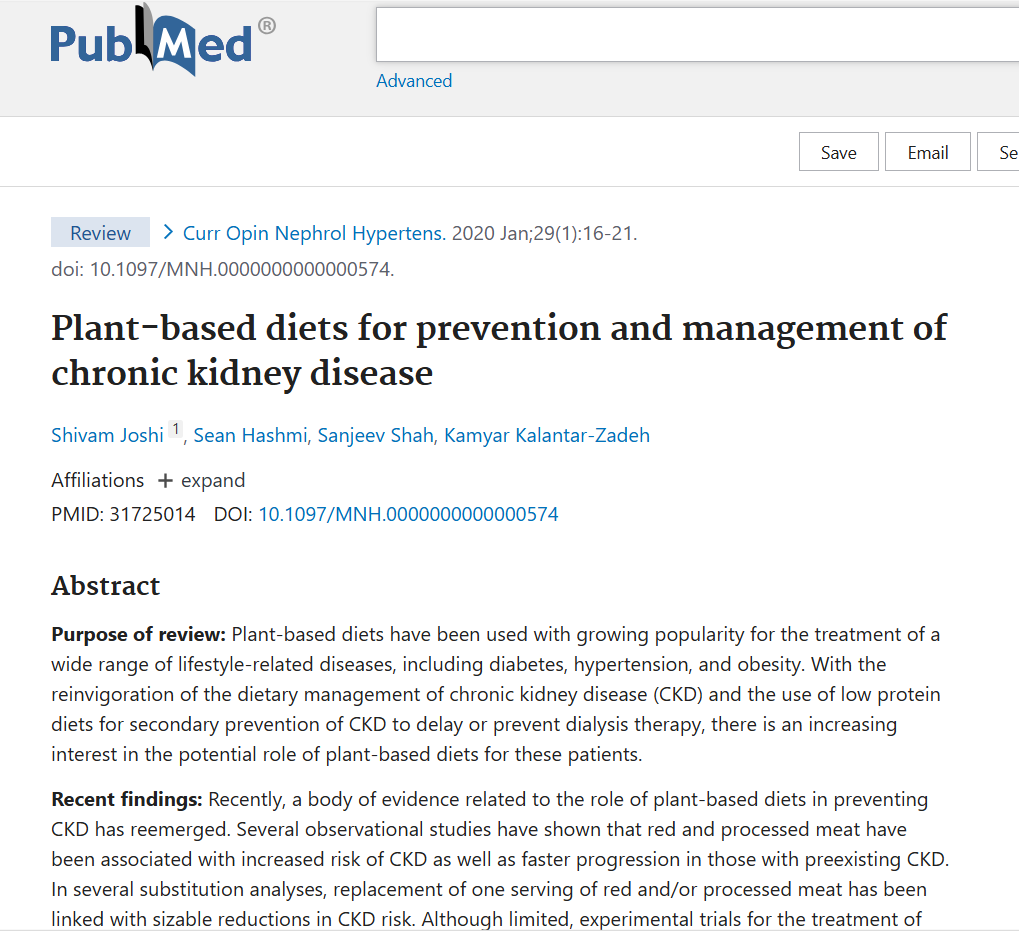
How can plant-based eating impact chronic kidney disease?
Plant-Based Bounty for Your Kidneys: A Nutritional Ally in Chronic Kidney Disease (CKD)
Suppose you’ve ever been diagnosed with chronic kidney disease (CKD). Navigating dietary restrictions can feel daunting.
But what if there was a way of eating that supports your kidney health and bursts with flavour and variety?
Enter the world of plant-based eating – a potential game-changer for those managing CKD.
Source/Plant-Based Science London
Here’s how a plant-based approach can benefit your kidneys:
Reduced Workload
Animal protein puts pressure on your kidneys for waste removal.
You can find plant-based proteins in lentils, beans, and tofu. They are generally gentler on your kidneys.
Blood Pressure Blaster
Many plant-based foods contain little sodium and lots of potassium and magnesium. These nutrients are vital for good blood pressure and crucial to CKD management.
Acidity Avenger
Plant-based diets tend to have lower acid load than animal-based ones. This acid load helps regulate blood pH levels, reducing kidney stress.
Weight Management Warrior
Maintaining a healthy weight is essential for CKD. Plant-based meals are nutrient-dense and low-fat, aiding in weight management.
Bonus Benefits
Plant-based diets help lower the risks of heart disease and diabetes. CKD has these diseases, too.
Important Considerations
Individualised Needs
Working with a doctor or dietitian is crucial. They’ll help you make a personalised plant-based plan that meets your protein needs.
It also helps check electrolytes like potassium and phosphorus. Some plant foods are higher in these.
Protein Power
While reducing protein intake is essential, complete elimination isn’t recommended.
Eat legumes, nuts, and seeds for high-quality plant protein.
Vitamin Vigilance
Specific vitamins, such as B12, might be lower in plant-based diets.
Discuss supplementation with your healthcare provider.
Embrace the Plant-Based Journey
Eating more plant-based meals boosts your health. It’s not just a trend. It gives your body many nutrients and supports kidney health.
With careful planning and guidance from your healthcare team, you can start a tasty journey to good health.
They will empower you.
Plant-Powered CKD Journey: Essential Considerations for Navigating the Path
A plant-based diet offers exciting options for managing chronic kidney disease (CKD). But, it would help if you planned carefully and got guidance from your healthcare team.
Here are some critical considerations to ensure a smooth and successful journey:
Charting Your Course with a Healthcare Professional
Doctor-Patient Dialogue
Open communication with your doctor or registered dietitian is essential.
Discuss your goals, preferences, and any limitations you might have.
Your dietitian or doctor will create a personalised plan.
It will consider your protein needs.
It will also consider your electrolyte levels, like potassium and phosphorus, and health.
Protein Powerhouse Planning
While reducing protein intake is necessary for CKD, complete elimination isn’t recommended.
Explore high-quality plant protein sources like:
Legumes
Lentils, beans, and chickpeas – are excellent sources of protein and fibre.
Nuts and Seeds
Nuts and Seeds are great. They have protein, healthy fats, and essential minerals. For example, almonds, walnuts, and pumpkin seeds.
Soy Products
Tofu and tempeh are versatile sources of complete protein.
Mind Your Electrolytes
Potassium Patrol
Some plant-based foods like leafy greens and avocados are rich in potassium.
Potassium is generally reasonable.
However, CKD patients may need to monitor their intake to avoid imbalances.
Your doctor will advise on appropriate levels and potential restrictions.
Phosphorus Focus
Certain plant foods (nuts, seeds, some grains) have higher phosphorus.
Talk to your doctor about managing your phosphorus intake. To reduce phosphorus, soak or sprout nuts and seeds.
Vitamin Attention
B12 Boost
Vitamin B12 is crucial for nerve function and red blood cell production. You find it primarily in animal products.
Discuss supplementation with your doctor. This consultation will ensure you’ve got enough B12 on a plant-based diet.
Planning and Preparation for Success
Read Food Labels
Become a label-reading pro! Pay close attention to potassium and phosphorus content to make informed choices.
Embrace Cooking
Preparing meals allows you to control ingredients and portion sizes. Explore cookbooks and online resources tailored explicitly to plant-based and CKD-friendly recipes.
Find Your Tribe
Connect with online communities or support groups. These groups focus on plant-based eating for CKD, and sharing experiences and tips can be incredibly motivating.
Remember, a plant-based approach is a journey, not a destination.
Embrace the learning process, experiment with new flavours, and celebrate your progress.
Plan with your healthcare team’s support. You can unlock the power of plant-based eating. It can nourish your body and empower your well-being on your CKD journey.
But
What plant-based plate are you going to have for your kidneys?
Plant-Based Plate for Your Kidneys: Simple Steps to Get You Started
Plant-based eating for chronic kidney disease (CKD) might seem vast. But don’t let it intimidate you!
Here’s a roadmap packed with simple steps to guide you on your delicious and healthy journey:
Baby Steps for Big Results
Start Small
Don’t overwhelm yourself with a complete overhaul. Start with one or two weekly plant-based meals and add more as you get comfortable.
Embrace the Rainbow
Fill your plate with various colourful fruits and vegetables. Each colour provides different vitamins and antioxidants, maximising your nutrition.
Whole Grains for the Win
Swap refined grains for whole grains like brown rice, quinoa, and whole-wheat bread. Whole grains provide sustained energy and valuable fibre.
Legume Love
Beans, lentils, and chickpeas are your protein powerhouses. Explore different varieties and experiment with them in soups, stews, salads, and dips.
Healthy Fats
Include healthy fats in your diet. They are in foods like olive oil, avocados, and nuts. They keep you full, help you absorb nutrients, and add flavour.
Sample CKD-Friendly Plant-Based Meals
Breakfast
Oatmeal with berries and nuts, avocado toast with a whole-wheat English muffin.
Lunch
Lentil soup with a side salad, veggie wrap with whole-wheat pita bread.
Dinner
Stir-fry with tofu and vegetables, brown rice with black beans and salsa.
Imagine a world where the key to optimal health lies not in a pill bottle but on your grocery list. What if the bright produce aisle colours hold a secret? They can fight inflammation, boost your immune system, and improve brain function. Well, buckle up …
Forget the braai for a second (we’ll return to that sizzling goodness later). South Africa’s food scene is growing something new. It’s fresh, tasty, and all plant-based! You may be a seasoned vegan. Or, you may be just trying to eat more mindfully. Finding the …
The Best Ever Food Review Show is very popular and successful.. It takes viewers on a tasty trip across the globe.
The host is charismatic and has a penchant for trying outlandish dishes. It’s no wonder that fans are curious about the secrets of the show’s success and the host’s personal life.
This article will peek behind the Best Ever Food Review Show curtain.
We’ll explore its net worth.
We’ll also cover the host’s personal life, including his wife, and discuss what makes the show a hit among food lovers.
The Recipe for Success
The Best Ever Food Review Show has found a niche in the crowded space of food vlogging. Thanks to its unique mix of humour, adventure, and genuine love for food.
The show’s success is more than luck.
It comes from careful planning. It involves knowing the audience and a fearless approach to food.
Adventurous Palate
One key element to the show’s success is the host’s willingness to try anything edible.
The show has exotic meats, insects, and more. It thrives on their shock value and the host’s reaction to them.
This daring palate entertains. It also teaches viewers about diverse food cultures around the world.
Cultural Immersion
The Best Ever Food Review Show goes beyond just taste-testing. It dives deep into the cultural significance of the dishes and the stories of the people who make them.
This immersion connects the audience to the visited places. It adds depth to the culinary experience.
Humour and Wit
A generous serving of humour is the top of the show’s appeal.
The host is witty and makes jokes well at times. They make even the oddest foods seem doable, keeping viewers returning for more laughs and food surprises.
The Best Ever Food Review Show has built a loyal community. They are food lovers.
The show engages with fans through comments, social media, and meet-ups. This customer engagement has built a sense of belonging among viewers. It turned them into loyal fans and brand ambassadors.
Merchandise and Brand Extensions
The show is popular. So, fans can buy a range of merchandise.
This merchandise option is an extra revenue stream. It also lets viewers feel even closer to the show by owning a piece of it.
Challenges and Controversies
No show is without its challenges, and the Best Ever Food Review Show has faced its fair share. The show faces ongoing challenges.
It must address cultural sensitivities. It must ensure food source sustainability. It must manage diverse viewer expectations.
Addressing Criticism
Critics have sometimes criticized the host. They criticize how he portrays certain dishes and handles cultural details.
However, the show’s team is willing to learn from these experiences. They see them as chances to improve and better understand the global culinary world.
The Future of the Show
Expanding Horizons
The show is growing. Fans can expect new destinations. They will also see more collaborations with local chefs and food personalities. They might also get spin-offs or special series on cuisines or food issues.
Legacy and Impact
The Best Ever Food Review Show has left an indelible mark on food entertainment. Its legacy is to push boundaries, foster cross-cultural understanding, and celebrate food’s universal language.
Conclusion
The Best Ever Food Review Show is more than a YouTube channel. It’s a journey into the heart of what makes us human – our connection through food.
The show and its charming host have a winning combination of adventure, humour, and a love for discovery.
They’ve captured the imaginations of millions.
We’ve peeked behind the scenes.
We’ve seen the dedication, hard work, and personal touches. They make each episode a feast for the senses.
It doesn’t matter if we’re talking about the show’s net worth, the host’s life, or the show’s workings.
One thing is clear: this food adventure is just getting started.
Imagine feeling energised. You manage your weight and cut your risk of disease. And you do it all through the power of plants! Our bodies have different needs as we age, and what we eat becomes even more critical. But fear not Plant-based eating is …