Hey there, plant-based food enthusiasts! 🌱 Do you know that experts expect the plant-based food market to reach a staggering $77.8 billion globally by 2025? That’s right, and Woolworths is riding this green wave like a pro! This article will explore Woolworths’ plant-based foods. We’ll …
This one-pot bean and potato stew is a nutritious powerhouse thanks to its combination of ingredients: Beans Beans contain plant-based protein and fibre. They can help you feel full longer and regulate digestion. Beans are also rich in folate and iron, essential for cell growth …
We’ll look at the ingredients used to create this innovative snack and where you can find it.
Whether you’re a lifelong biltong fan or a curious newcomer to the plant-based world, join us.
We will discover the future of this iconic South African treat!
The Allure of Biltong: A South African Delight
Imagine a snack that’s both intensely satisfying and bursting with flavour.
Pixabay/scooterenglasias
This dish combines sweet, salty, and savoury flavours, creating an exciting experience for your taste buds with every bite.
This allure is the magic of biltong.
It is a South African dried meat delicacy that has wowed palates for generations.
Biltong isn’t just another jerky.
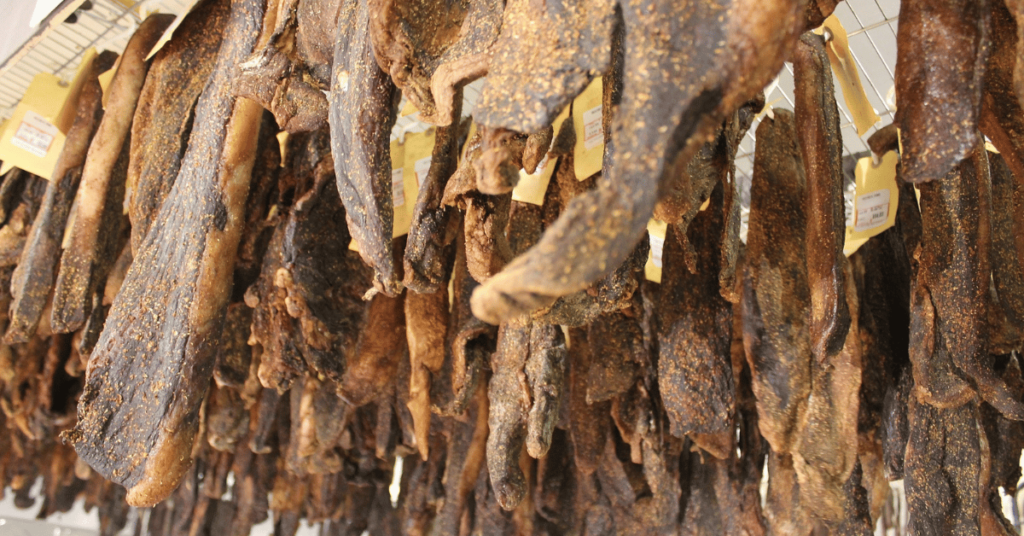
Unlike its North American cousin, biltong boasts a unique texture.
It’s air-dried, not cooked, which makes it softer and more tender. It practically melts in your mouth.
Drying intensifies the flavours. It creates a meaty and nuanced profile.
The magic starts with the spices.
Producers often marinate traditional biltong in a secret blend.
They include coriander, black pepper, rock salt, and vinegar.
This aromatic bath imbues the meat with a deep flavour that lingers long after the last bite.
But biltong’s allure extends beyond the taste.
It’s a symbol of South African ingenuity.
Dutch settlers developed biltong to preserve meat without refrigeration. It became a staple food for pioneers and explorers.
Today, people from all walks of life enjoy it, and it is a delicious reminder of the country’s rich heritage.
Biltong is great as a snack.
It’s also suitable for slicing and adding to salads or powdered for seasoning.
It offers a unique and tasty way to experience South African food.
It’s a taste of tradition, a burst of flavour, and a testament to the enduring power of culinary innovation.
Can this traditional cuisine meet the eclipse of plant-based revolution?
The Plant-Based Revolution Hits South Africa
South African food is changing. A growing appetite for plant-based options fuels it.
This trend isn’t just about trendy cafes and health food stores anymore.
It’s reaching mainstream consumers, driven by a confluence of factors:
Health-Conscious Choices
South Africans are increasingly prioritizing healthy eating habits.
Plant-based choices typically have less saturated fat and cholesterol. They are lower than traditional meat products.
Ethical Considerations
Some consumers are turning to plant-based alternatives.
They worry about how factory farming hurts animals and the environment.
The alternatives align with their values.
Environmental Awareness
The environmental benefits of plant-based proteins are undeniable.
Production requires less land and water than traditional meat farming. So, it’s a more sustainable choice.
Delicious Innovation
Gone are the days of bland, unappetizing vegetarian options. Today’s plant-based alternatives boast incredible flavour and texture, making the switch easier.
This revolution isn’t limited to tofu and lentils.
South African grocery stores now sell many plant-based meats. These include burgers, sausages, “pulled pork,” and “chicken” alternatives.
Various plant proteins make them, such as soy, pea, and mycoprotein (from fungi). They offer textures and flavours to please all cravings.
With all these innovations, where does plant-based biltong fit in?
Enter Plant-Based Biltong: A Game-Changer for Biltong Lovers
For those who love the taste and tradition of biltong. But, are taking the plant-based route.
Fear not!
Plant-based alternatives are innovative.
Manufacturers have taken a bold step into the realm of biltong.
This is a new twist on a South African classic. It offers a tasty and sustainable way to enjoy biltong.
And all without the meat.
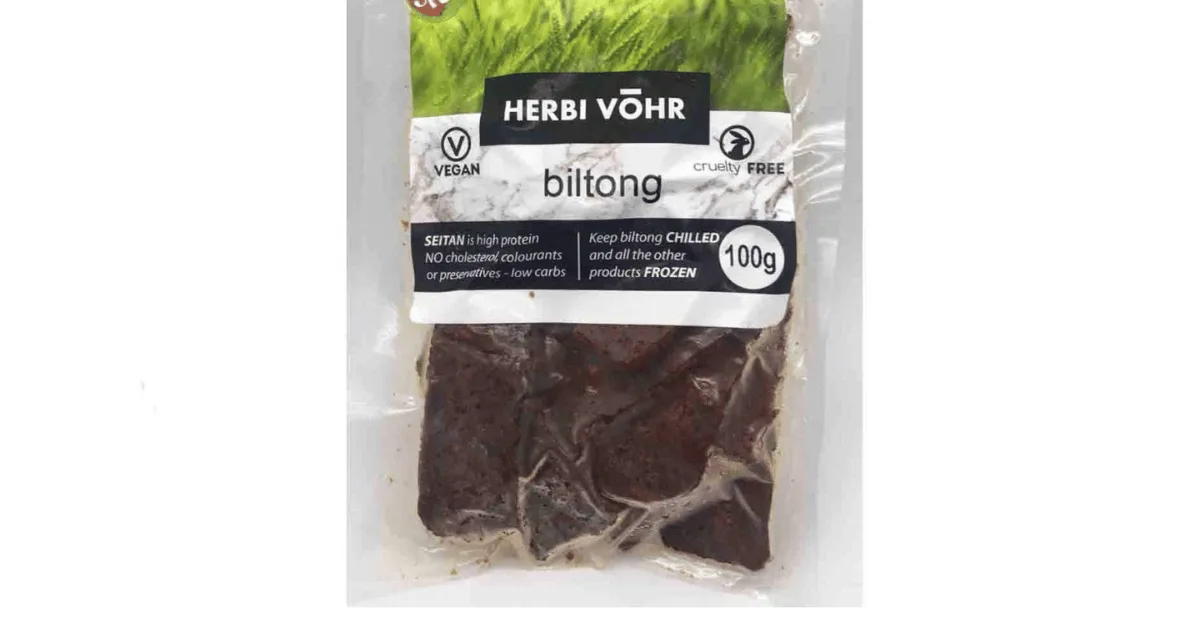
The biltong is plant-based. It gets its meaty texture and flavour from a clever mix of plant proteins.
Think of lentils, seitan, or chickpeas. They season and marinate them to replicate the taste of traditional biltong.
These plant-based heroes are then air-dried. This method copies the usual drying process that gives biltong its texture.
But the magic doesn’t stop there.
Manufacturers get creative with spices and flavourings. They use them to capture the essence of classic biltong.
Expect familiar coriander, black pepper, and rock salt notes. Also, expect innovative flavour variations like peri-peri, barbecue, or a hint of smokiness.
Plant-based biltong is about more than just satisfying cravings.
It offers many advantages:
Ethical Choice
For animal welfare concerns, plant-based biltong is a guilt-free way to enjoy biltong.
Sustainable Option
Production requires less land and water than traditional meat. Thus making it a more eco-friendly choice.
Dietary Friendly
Many biltong options are plant-based, gluten-free, and vegan, making them accessible to those with dietary limits.
Are you a lifelong Biltong fan? Are you looking for a plant-based option? Or are you new to vegan snacks? If so, try plant-based biltong.
It’s a testament to culinary innovation. It offers a tasty and sustainable way to enjoy a South African tradition.
Impressive indeed.
But wait
Where will you get this plant-based biltong?
Hitting the Shelves: Where to Find Plant-Based Biltong
Good news for South Africans seeking plant-based biltong: finding it is getting easier.
It might be less common than traditional biltong. But here are your best bets for finding it:
Specialty StoresH
Health food stores and vegan/vegetarian shops are leaders. They stock plant-based alternatives.
They’ll likely have a selection of plant-based biltong brands to explore.
Online Retailers
The Internet provides a wider variety of choices.
Several South African online stores sell plant-based products. Many plant-based biltong makers have online stores for direct purchase.
Mainstream Grocery Stores
It has yet to be as common in grocery stores.
But, many big grocery stores are starting to sell plant-based biltong. Demand is growing.
Look at the vegetarian or healthy food sections.
Price Point
Plant-based biltong tends to be priced slightly higher than traditional biltong. This pricing reflects the cost of developing and producing these innovative products.
Environmental Impact
Plant-based biltong generally has a lower environmental footprint than traditional biltong.
Making plant protein needs less land and water than raising animals. It is a more sustainable choice.
The impact can vary. It depends on the production methods and ingredients.
Look for brands that prioritize sustainability in their practices.
Eating plant-based is becoming a norm in South Africa. Plant-based biltong is gaining traction and promises a bold future.
Biltong’s Bold Future: Tradition Meets Innovation
The future of biltong in South Africa is brimming with exciting possibilities.
Plant-based biltong is just the start of a trend. It promises to change this beloved South African snack.
Here’s a glimpse of what’s on the horizon:
Flavor Explosion
Expect a continued explosion of flavour innovation in plant-based biltong.
Manufacturers will likely try new spice mixes, international flavours, and even smoky or “braaied” options to cater to diverse palates.
Nutritional Powerhouse
The focus on health and wellness will drive the development of plant-based biltong.
Manufacturers will fortify it with extra nutrients, such as vitamins and minerals.
This fortification will make it an even better snack.
Accessibility for All
The popularity of plant-based biltong is growing. It will likely become more accessible and reasonably priced in regular grocery stores.
This trend will make it accessible to a broader range of consumers.
Traditional Evolution
The rise of plant-based alternatives might influence traditional biltong producers.
We might see a focus on sustainable sourcing and the creation of hybrid biltong products, which combine plant and animal proteins.
One thing’s sure: traditional or plant-based biltong is here to stay.
Its unique flavour, rich history, and versatility make it a favourite snack. South Africans love it.
So, next time you reach for biltong, take a moment to appreciate the innovation. It’s what’s keeping this South African tradition alive.
Conclusion
The future of plant-based biltong is a delicious fusion of tradition and innovation.
You might crave the classic air-dried meat experience. Or, you might want a plant-based alternative that aligns with your values.
Either way, there’s a biltong option to tantalize your taste buds.
So, take a bite.
Enjoy the unique flavours.
Join the journey as this South African legend keeps changing.
We may discover the next biltong revolution just around the corner!
Food blogging has become a dream job for many culinary enthusiasts. From tantalising photos of meals to insightful restaurant reviews, food bloggers have the unique opportunity to share their passion for food with a global audience. But how does one transition from a food lover …
Ah, boerewors. The word “barbecue” conjures up images of smoky grills and parties. It also recalls the rich, savoury taste that is a vital part of South African cuisine. I bet no one in Mzansi isn’t touched by the sizzling sound of boerewors. But what …
You can see it in meatless Mondays and the boom in plant-based milk.
The world is moving to whole food plant-based (WFPB) diets.
But this trend isn’t just about personal health choices. It can change South Africa’s future.
With a concerning rise in non-communicable diseases (NCDs) like heart disease and diabetes, we need innovative solutions to promote student well-being.
Schools and universities are centres of possibilities for changing diets.
Pixabay/libellule789
This blog post explores how we can promote WFPB diets in schools and universities. WFPB diet is a powerful tool in our fight against NCDs.
We’ll delve into these diets’ benefits for student health and the environment and explore practical strategies for promoting WFPB options in South African schools and universities.
By this approach, we can build a healthier, more sustainable future for South Africa by fostering a generation of plant-powered learners.
Benefits of WFPB Diets for South African Schools and Universities
South African students face a double challenge: staying healthy amidst a growing NCD crisis and navigating a world increasingly focused on environmental sustainability.
Here’s the kicker
Whole food plant-based diets offer a unique solution that addresses both these concerns.
Let’s explore the specific benefits WFPB diets can bring to South African schools and universities:
Boosting Student Health
Reduced Risk of NCDs
WFPB diets are naturally lower in saturated fat and cholesterol and higher in fibre. These are all factors that impact NCDs. l
These properties translate to healthier students, fewer illness-related absences, and a better chance of reaching their full academic potential.
Improved Concentration and Learning
Studies show diets consisting of fruits, vegetables, and whole grains can enhance cognitive function, memory, and focus.
This brain enhancer is crucial for students facing exams and a demanding academic workload.
Weight Management
WFPB diets are naturally lower in calorie density and higher in fibre, promoting satiety and potentially aiding in healthy weight management.
This potency is significant considering the rising prevalence of childhood obesity in South Africa.
Is this not the right time for students at schools or universities to control obesity?
Beyond the Individual: Environmental Benefits
Sustainable Food Systems
Animal agriculture has a significant environmental footprint.
Promoting WFPB diets in schools and universities can contribute to a more sustainable food system by reducing reliance on resource-intensive meat production.
Combating Climate Change
Livestock farming contributes to greenhouse gas emissions.
Climate change has caused floods and devastation in Gauteng, KZN, the Western Cape, and the Eastern Cape in South Africa.
Integrating WFPB options can help reduce the environmental impact of school and university dining halls.
Additional Advantages
Cost-Effectiveness
Plant-based proteins like lentils and beans can be more affordable than animal protein sources. This swap is especially beneficial in low-income areas where schools can provide nutritious meals.
Ethical Considerations
WFPB diets align with growing concerns about animal welfare and factory farming practices. This concern can resonate with students who are increasingly environmentally and ethically conscious.
By embracing WFPB options, South African schools and universities can take a significant step towards fostering a healthier student population, promoting environmental sustainability, and aligning with evolving ethical considerations.
The Current Landscape: Room for Plant-Based Growth
South African schools and universities offer various food options, with cafeterias often serving traditional meals that may be high in meat, processed foods, and refined carbohydrates.
While some institutions might have begun incorporating healthier choices like salads or fruit, a consistent focus on WFPB meals must be more present.
However, there are positive signs of change. Many schools participate in the National School Nutrition Programme (NSNP), which aims to provide nutritious meals to disadvantaged learners.
While the program doesn’t explicitly focus on WFPB options, it emphasizes fresh produce and whole grains.
Additionally, some universities offer vegetarian or vegan meal options, catering to a growing student demand for plant-based choices.
However, a crucial gap exists in education surrounding plant-based nutrition for students.
A Public Affairs Research Institute (PAN South Africa) study found that most South African schools need more qualified nutritionists and need to integrate information on healthy eating habits into the curriculum.
This knowledge gap hinders students’ ability to make informed diet choices, even when healthier options are available.
By acknowledging the existing efforts and highlighting the need for more comprehensive education on WFPB diets, we can pave the way for a more plant-powered future in South African schools and universities.
Strategies for Promotion: Sowing the Seeds of Change
Integrating WFPB options into South African schools and universities requires a multi-pronged approach.
Here are some key strategies to consider:
Cultivating Healthy Habits in Schools
Curriculum Integration
Update school curriculums to include age-appropriate information on WFPB diets, the importance of balanced nutrition, and the connection between food choices and health.
The curriculum can incorporate life sciences, home economics, or environmental studies.
Cooking Up Change
Implement practical cooking classes focused on delicious and nutritious plant-based recipes. This hands-on approach allows students to develop culinary skills and confidence in preparing healthy meals.
Growing Future Leaders
Partner with local farms or organizations to offer school gardening programs.
Students can learn where their food originates from, understand the value of fresh produce, and appreciate the connection between agriculture and healthy eating.
Planting the Seeds of Choice
Offer appealing WFPB options alongside traditional meals in school cafeterias.
This approach allows students to explore plant-based alternatives without feeling restricted.
Focus on creative and flavorful dishes like lentil burgers, veggie stir-fries, or whole-wheat pasta with a vibrant vegetable sauce.
Nurturing Plant-Based Options in Universities
Academic Integration
Integrate plant-based nutrition into relevant courses, such as health sciences, nutrition, or environmental studies.
This integration gives students a deeper understanding of the science behind WFPB diets and their impact on health and the environment.
Is it possible to do more?
Workshops and Seminars
Host workshops and seminars on the benefits of WFPB diets. Invite registered dietitians or nutrition experts to speak on meal planning, healthy recipe creation, and addressing specific dietary needs with a plant-based approach.
Student Power
Partner with student organizations like environmental clubs or vegan societies to promote plant-based initiatives.
This partnership allows students to champion the cause and encourage their peers to explore WFPB options.
Campus Dining Transformation
Increase the availability of delicious and visually appealing WFPB options in campus dining halls.
This variety could involve offering dedicated plant-based stations, featuring “Meatless Monday” promotions, or partnering with student chefs to create innovative plant-based menus.
Implementing these strategies can transform schools and universities into fertile ground for promoting WFPB diets.
This strategy will benefit students’ health and well-being and contribute to a more sustainable and ethical food future for South Africa.
Addressing Challenges: Overcoming Hurdles on the Path to Plant-Based Progress
Promoting WFPB diets in schools and universities is an exciting prospect, but it’s important to acknowledge potential challenges:
Affordability
Plant-based alternatives, like certain meat substitutes, can sometimes be more expensive. However, focusing on budget-friendly options like lentils, beans, whole grains, and seasonal vegetables can create delicious and affordable meals.
Partnerships with local farmers or wholesalers can also help reduce costs.
Cultural Acceptance
South African cuisine often features meat as a central component.
Can schools and universities offer alternatives?
However, many delicious and culturally relevant plant-based dishes exist to explore. Chefs can incorporate traditional flavours and cooking techniques into WFPB options, making them familiar and appealing to students.
Dietary Needs
Schools and universities must ensure WFPB options cater to students with specific dietary restrictions.
Collaboration with registered dietitians can help develop plant-based menus that address individual needs for allergies, intolerances, or religious restrictions.
Building a Sustainable Future
Addressing these challenges requires a collaborative approach.
What can these institutions do?
Schools and universities can work with nutritionists, chefs, local farmers, and student organizations to create a supportive environment for WFPB choices.
Open communication with parents and caregivers is also crucial, ensuring everyone is on board to promote healthy eating habits at home and school.
We can overcome these hurdles by fostering a culture of education, creativity, and inclusivity. In doing so, we can empower South African students to make informed dietary choices.
Conclusion
The future of South Africa rests on the shoulders of its young learners.
By promoting WFPB diets in schools and universities, we invest in students’ academic success and overall health and well-being.
These plant-powered choices can reduce the burden of NCDs, create a more sustainable food system, and align with evolving ethical considerations.
The path forward requires collaboration between educators, policymakers, food service providers, and students themselves.
By implementing the strategies outlined above and addressing potential challenges head-on, we can cultivate a generation of South African students who are well-nourished and ready to make informed choices about their health and the planet. Let’s embrace the power of plant-based diets and create a brighter, healthier future for all South Africans.
This guide will give you the best plant-based travel tips for South Africa. (An Update) Dreaming of a South African adventure but want to find delicious plant-based food? Fear not, veggie travellers! South Africa’s food scene is bursting with fresh, seasonal ingredients, and the plant-based …
Confused about whether beans are off-limits because of lectins? Are spinach and almonds healthy choices despite containing oxalates? You’re not alone! Plant-based nutrition can complicate understanding as it uses terms like “anti-nutrients”. Lectins, phytates, and oxalates are naturally occurring compounds in various plants. While they …
This blog article explores the 11 amazing immediate benefits of a plant-based diet.
But wait
Did you know that 80% of people feel more energetic after two weeks on a plant-based diet?
Yes.
Swapping animal products for nutrient-rich plants can boost your energy for the day.
That’s right… listen to this:
Many want the health benefits of replacing animal products with plants. The potential for disease prevention and longevity is compelling.
Some ask, what’s the point of plant-based eating if there are no results?
Switching to a plant-based diet can rapidly enhance your health and well-being.
This guide explores the quick benefits of a plant-based diet.
Plant-based food can improve your life, from higher energy and glowing skin to a better mood. It can also reduce your chances of developing chronic diseases.
Get ready to unlock your potential.
And let you experience the power of plants.
Immediate Boost to Energy Levels
Tired of that afternoon slump?
Craving sustained energy to power through your day?
Iron facilitates oxygen-carrying to cells and is abundant in lentils, spinach, and tofu. Whole grains, beans, and leafy greens contain B vitamins, the body’s spark plugs.
Magnesium is crucial for energy production. It’s plentiful in nuts, seeds, and whole grains.
These nutrient-rich foods will give your body the building blocks it needs. They will create sustained energy.
Besides energy boosting, can it reduce inflammation?
Reduced Inflammation
Chronic inflammation can leave you feeling drained.
Plant-based diets have a reputation for their anti-inflammatory properties.
Reducing inflammation lets your body optimise energy and reduce sluggishness.
Improved Digestion
Say goodbye to energy crashes!
Plant-based foods are high in fibre. Fibre helps digestion and prevents blood sugar spikes. Stable blood sugar levels mean consistent energy throughout the day.
You support digestion and a steady energy supply by nourishing your gut with fibre-rich plants.
Imagine feeling refreshed, energised, and ready to conquer the day.
A plant-based diet could be the key to unlocking your full potential.
Let’s look at your glow.
Enhanced Skin Health
Ready to achieve that radiant glow?
A plant-based diet can be your skin’s new best friend.
From vibrant berries to leafy greens, these compounds help your skin. They keep it youthful and prevent premature ageing.
Hydration Benefits
Many plant-based foods have a high water content. They keep your skin hydrated from the inside out.
Think juicy fruits, hydrating cucumbers, and refreshing water-rich vegetables.
Adequate hydration is essential for plump, supple skin.
And can we explore acne and inflammation?
Reduced Acne and Inflammation
Some studies suggest that plant-based diets may improve skin, including acne.
The anti-inflammatory properties of plant foods help calm redness and reduce breakouts.
Whole, plant-based foods nourish your body. They support your skin and help it thrive.
Experience the transformative power of plants on your skin.
With a plant-based diet, you’ll be well on your way to a more precise, healthier complexion.
Weight Management Support
Struggling to shed those extra pounds and kilos?
Eating a diet based on plants can be very effective for managing weight.
Caloric Density
Foods derived from plants typically have fewer calories than those derived from animals.
You can enjoy large portions without too many calories. This method will help you feel fuller for longer.
Fibre’s Role
Fibre, abundant in plant-based foods, is a weight loss superhero.
It helps regulate your appetite, preventing overeating and cravings.
Eating a high-fiber diet can help you manage your weight.
Reduced Risk of Obesity-Related Diseases
Research shows that plant-based diets can lower the risk of obesity-related diseases. Some of the health conditions that these factors can cause are heart disease, type 2 diabetes, and certain types of cancer.
You’re supporting weight management and protecting your health by prioritising plant-based foods.
Achieving lasting weight loss involves establishing a healthy lifestyle.
Eating a diet based on plants can assist in weight management. It’s also tasty and effective.
You can be slim and sleek, but you also need brain power.
Improved Mood and Mental Clarity
Feeling foggy and frazzled?
Your diet could be playing a role.
Eating a diet based on plants can significantly improve your mental health.
Have you noticed the surge of plant-based options? They have been in grocery stores and restaurants lately. Veggie burgers “bleed.” From veggie burgers that ‘bleed’ to many other plant-based alternatives, the options are no longer niche products but diverse choices. The shift in consumer tastes …