Introduction to the Plant-Based Athletic Guide Welcome to your comprehensive guide to plant-based athletic guide! Here, we’ll demonstrate how eating a plant-based diet can improve your sports performance. Plant-based diets are becoming more popular among athletes. Anyone who wants to improve their training with plant-based …
Introduction – Why Gut Health Fibre Foods Matter in South Africa This is your simple local guide to gut health fibre foods South Africa. When we think about health in South Africa, we often think about blood pressure, sugar, and weight. However, there is another …
This is your guide to type 2 diabetes plant-based meals South Africa.
Type 2 diabetes is growing fast in South Africa.
Every year, more and more families feel the effects.
The good news is this: food choices can make a big difference.
In this guide, I’ll show you how plant-based meals can help manage blood sugar levels for people with Type 2 diabetes in South Africa. You’ll learn to use simple and affordable local foods.
This article explains Type 2 diabetes. It also shows why plant-based meals are effective.
You’ll get ideas for breakfast, lunch, and dinner. Plus, it offers tips for easy shopping and dining out.
Understanding Type 2 Diabetes in South Africa and Why Plant-Based Meals Matter
Type 2 diabetes happens when the body does not use insulin properly. This causes blood sugar to stay too high. Over time, high blood sugar can harm the heart, kidneys, eyes, and nerves.
In South Africa, millions of adults live with Type 2 diabetes.
Many people are also living with prediabetes without knowing it.
So, doctors really urge people to make lifestyle changes. This means eating healthy and moving regularly.
When blood sugar stays high, you may feel tired, thirsty, and very hungry.
You may also need to urinate often. If diabetes is not controlled, it can lead to heart disease, stroke, nerve pain, and vision problems.
Why Doctors in South Africa Talk About Lifestyle Changes First
Doctors understand that food, weight, and exercise are key to managing diabetes.
Medication helps, but daily habits matter most. This is where plant-based meals become very powerful.
What Is a Plant-Based Diet for Type 2 Diabetes in South Africa?
Simple Meaning of “Plant-Based” for Type 2 Diabetes Meals
A plant-based diet means eating mostly plant-based foods. This includes vegetables, fruits, beans, lentils, whole grains, nuts, and seeds.
It does not mean you must be 100% vegan. It simply means plants are the central part of your plate. However, I recommend an entirely plant-based option.
It is essential to understand that not all plant foods are healthy. Chips, sweets, sugary drinks, and white bread are plant-based but not suitable for diabetes.
How Plant-Based Meals Help Type 2 Diabetes Blood Sugar
Plant-based meals are rich in fibre.
Fibre slows the rate at which sugar enters your blood. This helps prevent sharp blood sugar spikes. These meals also contain less unhealthy fat, which helps your body use insulin better.
Many studies show that eating more plants can improve blood sugar control. It can also help with weight loss and improve heart health.
Core Principles: Type 2 Diabetes Plant-Based Meals South Africa
Build a Balanced Plant-Based Plate for Type 2 Diabetes
Half your plate: Non-starchy vegetables like spinach, cabbage, morogo, peppers, and green beans.
One quarter: High-fibre starch like brown rice, samp, sorghum, sweet potato, or oats.
One quarter: Plant protein like beans, lentils, chickpeas, tofu, peanuts, or soya mince.
Choose Low-GI, High-Fibre Carbs for Type 2 Diabetes Plant-Based Meals
Low-GI foods raise blood sugar slowly. Good South African options include:
Oats
Lentils
Chickpeas
Beans
Sweet potatoes
Brown rice
Sorghum (mabele)
Healthy Fats and Portion Control for Type 2 Diabetes
Healthy fats come from avocado, nuts, seeds, and olives.
These help with fullness and heart health.
However, portion size still matters. Too much fat can slow weight loss.
Everyday Type 2 Diabetes Plant-Based Breakfasts in South Africa
Low-GI Plant-Based Breakfast Bowls for Type 2 Diabetes
Oats with grated apple, cinnamon, and flaxseed make a perfect diabetes-friendly breakfast. Mabele porridge with chia seeds and berries is also a great choice.
Quick Savoury Breakfast Ideas for Type 2 Diabetes: Plant-Based Meals
Wholewheat toast with avocado and tomato.
Baked beans on toast.
Tofu scramble with spinach and peppers.
Traditional South African Breakfast Swaps
Instead of sugary cereals, choose oats.
Choose whole-wheat toast with hummus and veggies instead of white bread with processed meats.
Lunch and Supper: Type 2 Diabetes Plant-Based Meals South Africa Using Local Foods
Plant-Based Lunch Ideas for Type 2 Diabetes
Samp and beans with mixed vegetables.
Lentil bobotie with extra carrots and spinach.
Chickpea and cabbage salad with sunflower seeds.
Warm Supper Ideas: Stews, Curries and One-Pot Plant-Based Meals
Sugar bean stew with pumpkin and spinach.
Butternut and lentil curry with brown rice.
Tofu and vegetable chakalaka with steamed greens.
Snacks and Drinks for Type 2 Diabetes Plant-Based Eating
Fresh fruit
Roasted chickpeas
Carrot sticks with hummus
Water, rooibos, and herbal tea
Sample 1-Day Type 2 Diabetes Plant-Based Meal Plan (South Africa)
Breakfast
Oats with grated apple, cinnamon, and flaxseed + a small orange.
Lunch
Samp and beans with spinach, tomato, and carrot salad.
Supper
Lentil and butternut curry with brown rice and green beans.
Snacks
Apple, a small handful of nuts, and carrot sticks with hummus.
Shopping Guide: Type 2 Diabetes Plant-Based Grocery List South Africa
Plant-Based Pantry Essentials
Beans, lentils, chickpeas, split peas.
Oats, brown rice, sorghum, barley.
Spinach, cabbage, carrots, tomatoes, and onions
Apples, oranges, berries, guavas.
Peanuts, sunflower seeds, pumpkin seeds.
Reading Food Labels for Type 2 Diabetes
Always check the labels for sugar, salt, and fat. Avoid products with added sugar and choose high-fibre options.
Eating Out: Type 2 Diabetes Plant-Based Meals South Africa
Simple Restaurant Choices
Ask for grilled vegetables instead of fries. Choose beans, rice, and salad bowls. Avoid sugary sauces.
How to Talk to Staff
It is okay to ask for less oil, no sugar, and extra vegetables.
Common Challenges with Type 2 Diabetes Plant-Based Meals South Africa
Plant-Based Food Is Too Expensive
Beans, lentils, oats, and seasonal vegetables are some of the cheapest foods in South Africa.
My Family Eats Meat
Cook a plant-based base and let others add meat if they want.
I Am Scared to Change My Diet
Always talk to your doctor before changing your eating plan.
FAQs: Type 2 Diabetes Plant-Based Meals South Africa
Can a plant-based diet reverse Type 2 diabetes?
Some people reach remission when they lose weight and improve insulin sensitivity.
Is fruit safe for diabetes?
Yes. Eat whole fruit in small portions. Avoid fruit juice.
How fast can blood sugar improve?
Many people see changes within weeks.
Do I need supplements?
Vitamin B12 is essential. Talk to your healthcare provider.
Conclusion
Type 2 diabetes does not have to control your life.
Small daily choices with plant-based meals in South Africa can improve your blood sugar, weight, and energy.
Here’s your guide to the impact of dietary measures in autoimmune diseases. Autoimmune diseases are long-term health issues. In these cases, the immune system wrongly targets healthy cells in the body. Autoimmune disorders include: Although genetics has a role, lifestyle decisions—particularly diet—have a significant impact …
Here’s your anti-inflammatory plant-based SA shopping list. To feel better, move better, and reduce pain and fatigue, food is a powerful tool. This anti-inflammatory, plant-based shopping list helps South Africans shop confidently. It is simple, local, budget-friendly, and easy to follow. An anti-inflammatory plant-based diet …
Three main concerns fuel this movement: ethics, the environment, and the clear benefits of plant-based diets.
Research and personal stories show that a good whole-food diet can boost athletic performance.
The focus has changed. Now, we discuss not if plant-based diets benefit athletes, but how to use them for the best results.
First, let’s explain what a plant-based diet means for competitive athletes. Then, we’ll look at its benefits.
Defining the Spectrum of Plant-Based Nutrition for Peak Athletic Performance
The term “plant-based diet” encompasses a range of dietary habits.
Athletes need to know the differences.
A standard vegetarian diet leaves out meat, poultry, and fish. Conversely, a vegan diet excludes all animal products, such as dairy and eggs.
To boost athletic performance, focus on a whole-food, plant-based (WFPB) diet.
A WFPB diet focuses on whole, minimally processed foods.
This includes fruits, vegetables, tubers, whole grains, and legumes.
It limits or cuts out refined oils, sugars, and highly processed meat substitutes.
This approach boosts your intake of essential vitamins, minerals, and phytochemicals.
A “junk food vegan” who mostly eats fries and packaged foods may notice a drop in their athletic performance.
This happens due to low nutrient density.
A key point for dedicated athletes is that a successful switch needs variety and density.
How does this diet improve physical abilities and performance?
Enhancing Athletic Performance with Plant-Based Diets
Fueling Endurance and Aerobic Capacity with Plant-Based Nutrition
The Carbohydrate Advantage is one important advantage of a plant-based diet for athletes.
Plant foods are full of complex carbohydrates. This diet helps boost glycogen levels and keeps muscle and liver stores full.
The main energy source for moderate-to-intense endurance exercises is glycogen.
Athletes can boost endurance by increasing glycogen stores. This helps them last longer during exercise.
Furthermore, the high nitrate content in certain plant foods, such as beets, spinach, and arugula, plays a pivotal role.
Nitrates turn into nitric oxide in the body. This gas is a potent vasodilator. It relaxes blood vessels and improves endothelial function.
Better vascular function means more oxygen gets to tissues and improves blood flow to active muscles.
Consequently, studies often highlight a correlation between plant-based diets and higher VO2 max (maximal oxygen uptake), a key predictor of endurance performance.
Optimising Recovery and Reducing Inflammation: The Plant-Based Edge
Exercise is good for you, but it can also cause stress and minor muscle damage. This can lead to inflammation and delayed onset muscle soreness (DOMS). A plant-based diet has many antioxidants and phytochemicals that help repair these effects.
Athletes who eat plenty of fruits, vegetables, and whole grains gain compounds such as quercetin, curcumin, and Vitamins C and E.
These help fight free radicals and reduce oxidative stress from exercise.
This quick reduction of inflammation helps muscles heal faster and shortens recovery times.
Athletes on a plant-based diet often train more consistently. This can significantly improve their long-term performance.
Plant-Based Diets and Strength/Hypertrophy Outcomes
A persistent myth is that a plant-based diet is inadequate for strength or muscle hypertrophy.
However, research consistently shows that when total energy and protein needs are adequately met, when compared to omnivorous diets, there is no discernible difference in strength or muscular growth.
The key is strategic planning. It ensures you take in enough essential amino acids, especially Leucine.
Plant-based athletes need to focus on complementary protein sources. This means combining grains and legumes. Doing so helps them get a complete amino acid profile.
Using protein sources such as soy, pea, and rice isolates supports muscle protein synthesis (MPS). Whole foods like tofu, tempeh, and lentils also help this process.
Thus, the focus shifts from the source of the protein to the successful optimisation of total quantity and quality.
Critical Nutrient Considerations for the Plant-Based Athlete
There are many advantages to adopting a plant-based diet.
However, it needs careful attention to some key nutrients. These “red flag” nutrients are often harder to find or absorb than those in animal products.
Good planning ensures the diet helps athletes perform better rather than holding them back.
Meeting Protein Requirements on a Plant-Based Diet
High-volume athletes should eat 1.6 – 2.2 grams of protein per kilogram of body weight daily.
Meeting this target requires diligence.
You should consume plant-based protein sources throughout the day. Aim for about 2.5–3 grams of Leucine per meal. This helps maximise muscle protein synthesis.
High-quality plant sources are:
Soy products (like tofu and tempeh)
Lentils
Chickpeas
Black beans
Quinoa
Pea/rice blends (supplements)
So, variety and intentionality are key for plant-based athletes who want to perform at their best.
Micronutrients and Plant-Based Athletic Performance: Red Flag Nutrients
Vitamin B12: Vitamin B12 is vital for making red blood cells and supporting nerve health. It isn’t found in plant foods, so vegan athletes must take supplements.
Iron: Plant-based athletes get non-heme iron, which is less readily absorbed than heme iron. Combine foods high in vitamin C, like peppers and citrus, with meals high in iron, such spinach and lentils. This pairing can boost absorption. Iron is vital for moving oxygen and helps stop anaemia, which can harm endurance.
Calcium and Vitamin D: These are critical for bone health, a common concern for high-impact athletes. Sources include fortified plant milks (almond, soy, oat) and dark leafy greens. Vitamin D often requires supplementation, regardless of diet.
Zinc and Iodine: Anti-nutrients, such as phytates in some whole grains and legumes, can limit the absorption of these minerals. Soaking, sprouting, or fermenting these foods can help. Make sure to get enough zinc and iodine. Good sources include pumpkin seeds, beans, and fortified salts.
Omega-3 Fatty Acids (DHA and EPA) for Recovery and Health
Long-chain omega-3s are renowned for their anti-inflammatory properties, which aid in recovery.
While primary plant sources (flax, chia, walnuts) provide ALA, the conversion to the active forms (DHA and EPA) is inefficient.
Many plant-based athletes use algae-based DHA/EPA supplements.
This helps them maintain healthy levels for heart health and to lower inflammation.
Practical Implementation: Meal Planning for Plant-Based Athletic Performance
It’s only half the fight to know what to eat. Timing and structuring meals are what really boost a plant-based diet for top athletic performance.
This means carefully planning fuelling strategies around training sessions and competitive events.
Plant-Based Pre-Workout and Pre-Competition Fuelling
The goal of pre-exercise nutrition is to fill glycogen stores. It should also avoid any stomach issues.
Therefore, meals should be high in complex carbohydrates and relatively low in fat and fibre, especially in the 1–2 hours before activity.
Examples include rice cakes with a small amount of banana, or a bowl of oatmeal with a splash of maple syrup.
Crucially, the timing and composition of this meal are highly individualised.
Intra-Workout Nutrition for the Plant-Based Athlete
For activities lasting 60–90 minutes or more, maintaining blood glucose control is vital.
Consequently, plant-based athletes rely on easily digestible carbohydrate sources.
These include:
Commercial carbohydrate gels
Sports drinks
Whole-food options like dates, dried fruit, or diluted maple syrup with water
The focus here is on rapid absorption to sustain endurance performance.
Post-Workout Recovery Meals and Muscle Protein Synthesis
The recovery window is critical.
To recover well after exercise, you need two things: quick glycogen replacement and amino acids for muscle repair.
This is achieved by consuming a meal with a Carb-to-Protein Ratio of roughly 3:1 or 4:1 within the first hour.
Great plant-based options are a smoothie with fruit, greens, and pea protein. You could also try a bowl of rice and beans.
Delivering macronutrients simultaneously quickly stops catabolism. This also jumpstarts muscle protein synthesis.
Strategic Use of Plant-Based Supplements
Specific legal ergogenic aids can boost athletic performance in a plant-based diet, along with the needed B12.
The best evidence supports Creatine, Caffeine, and specific protein powders. Creatine is made in the body, but is often low in non-meat eaters.
Targeted protein powders, such as soy or pea/rice blends, support high protein intake. They do this without adding too much bulk.
Frequently Asked Questions (FAQs) on Plant-Based Diet and Athletic Performance
Plant-Based Diet & Athletic Performance FAQs
Is a plant-based diet better than an omnivorous diet for athletic performance?
Current evidence suggests it is at least non-inferior and may offer significant advantages. A smart plant-based diet gives you more carbs, cuts body fat, and helps fight inflammation. These factors lead to improved endurance, quicker recovery, and better heart health. Together, they boost long-term athletic performance.
Can a plant-based athlete get enough protein to build muscle?
Absolutely. However, careful planning is required to achieve the 1.6–2.2 g/kg/day target. Plant-based athletes can meet, and even exceed, their requirements for muscle protein synthesis and growth. They should focus on diverse, high-quality protein sources, such as soy, legumes, and protein powders.
What is the primary nutritional challenge for vegan athletes?
First and foremost, ensuring adequate intake of Vitamin B12, which is not found in plants. Managing iron absorption and ensuring enough DHA/EPA omega-3 fatty acids are key. This may require brilliant food pairing or supplements.
How long does it take for a plant-based diet to improve athletic performance?
You can see some changes, like better gut health, in weeks.
You’ll often see benefits such as reduced chronic inflammation and improved vascular function after following the WFPB approach for 3 to 6 months.
These long-term changes enhance training adaptation.
Conclusion: The Future of Plant-Based Athletic Performance
Adopting a plant-based diet for sports takes thought and a desire to learn.
The days of doubting this lifestyle for high-level competition are fading fast.
A well-planned plant-based diet meets all the nutrient needs for intense training. Athletes need to pay attention to a few key nutritional factors.
In summary, the benefits are clear:
Better endurance from optimal carbohydrate loading.
Quick recovery thanks to potent antioxidants.
Stronger muscles from smart protein intake.
The plant-based diet isn’t just a trend. It’s a strong, evidence-backed approach that gives athletes an edge. This makes it a key part of future sports performance.
Here’s your best cheap plant proteins in SA. Finding affordable ways to stay healthy can be hard. Many people think you need expensive powders to get enough protein. However, that is not true! You can find the best cheap plant proteins in SA (no supplements) …
Here’s your evidence-based guide to iron-rich vegan foods South Africa. If you’ve ever been told, “You’ll become anaemic on a vegan diet,” you’re not alone. As a South African plant-based eater, I’ve heard that warning more times than I can count. The good news? We …
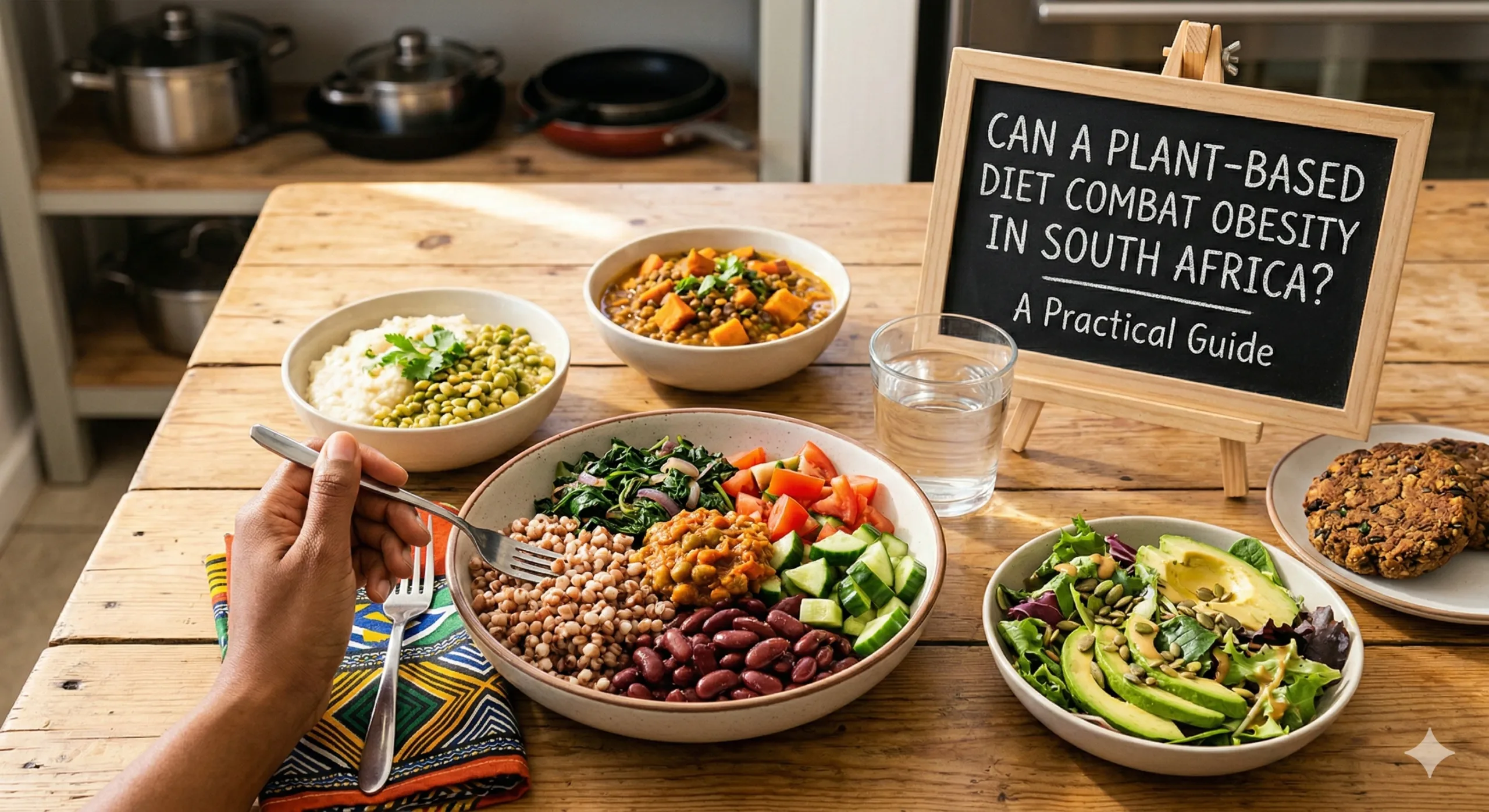
Can a plant-based diet combat obesity in South Africa?
We’ll address this question.
South Africa is in a health crisis.
Obesity rates are going up. This increase leads to more non-communicable diseases (NCDs). These include type 2 diabetes, hypertension, and heart disease.
This challenge connects to city life.
However, it affects communities all over the country. It crosses socio-economic lines.
The search for sustainable, accessible solutions is urgent. Could a shift towards plant-based eating be part of the answer for South Africa?
This guide examines how plant-based diets can help combat obesity in South Africa. It offers practical strategies and takes local needs into account.
Understanding the Obesity Crisis in South Africa
The burden of obesity in South Africa is significant and growing.
The World Health Organisation (WHO) says South Africa has very high obesity rates. It is one of the highest in Africa. This issue is especially common among women. A complex interplay of factors is linked to this rise.
Dietary Shifts: People are changing their diets. They used to eat whole foods like vegetables, legumes, and grains. Now, they eat more processed foods, sugary drinks, refined carbs, and animal products.
Urbanisation and Sedentary Lifestyles:
More processed convenience foods are available.
Physical activity has decreased because of urban planning and transport.
Job demands have shifted as well.
Socio-economic Factors: Food insecurity can contribute to obesity. When money is tight, people buy cheaper food. These foods are high in calories but low in nutrients. Access to fresh, healthy options can be limited in certain areas.
Marketing and Advertising: Unhealthy food and drinks are heavily marketed. This is especially true for kids and teens.
Cultural and Social Norms: Views on body weight and the importance of food are changing. This is especially true for high-calorie, “modern” foods.
This crisis has serious consequences. It puts a heavy strain on the healthcare system. It also affects individual well-being and productivity.
New strategies are desperately needed.
What is a Plant-Based Diet?
A plant-based diet emphasises plant-derived foods, with few or no animal products. This includes:
Vegetables: All types, including leafy greens, root vegetables, cruciferous vegetables, etc.
These may not be common in traditional SA cuisine, but they are becoming more available.
It’s important to distinguish between “plant-based” and “vegan.” Veganism excludes all animal products for ethical reasons. A plant-based diet can be flexible or strict. It often minimises animal products and focuses mainly on whole plant foods.
The Case for Plant-Based Eating for Weight Management
The evidence linking plant-based eating patterns to healthier weight outcomes is strong:
Lower Calorie Density: Plant-based foods have lower calorie density. They fill you up more than processed foods and fatty animal products. This means you can eat a satisfying amount of food while consuming fewer calories.
Higher Fibre Content: Fibre, found only in plant foods, promotes satiety (feeling full). It aids in blood sugar regulation and slows digestion. This prevents quick spikes and crashes, which can lead to overeating. High-fibre diets are consistently linked to lower body weight.
Lower Intake of Unhealthy Fats: Plant-based diets have less saturated fat. This fat mostly comes from animal products. They also contain less trans fat than processed foods. Both types of fat can cause weight gain and increase disease risk.
Better Insulin Sensitivity: A high-fibre plant-based diet helps your body use insulin more effectively. It works more effectively this way. Whole foods are key for this. This can lower the risk of type 2 diabetes. Research shows obesity is associated with type 2 diabetes.
Positive Impact on Gut Microbiome: Fibre from plant foods supports a healthy gut. Studies suggest it helps with weight control and boosts overall health.
More Micronutrients and Antioxidants: Plant foods are full of vitamins and minerals. They also have antioxidants. These help your health and boost metabolism.
People on plant-based diets often have lower Body Mass Indexes (BMIs). They also face a lower risk of obesity-related diseases.
A plant-based approach can help with weight loss. It is a sustainable way to manage weight. You don’t need restrictive, short-term diets.
Practical Guide to Plant-Based Eating in South Africa
To adopt a plant-based diet in South Africa, you must adapt the principles to fit local needs:
Embrace Traditional Staples
Legumes are Key: Legumes, like beans and lentils, are cheap and easy to find. They are high in fibre and protein. Incorporate sugar beans (a staple), kidney beans, chickpeas, and brown lentils. Prepare them in stews (curries, soups), salads, or even as bean patties.
Rediscover Traditional Grains: Move beyond refined mealie meal. Embrace sorghum (mabele), millet, and whole maize meal. Use them for porridges (baba), side dishes (putu, phutu, pap), or in baking. They are rich in fibre and micronutrients.
Leafy Greens (Morogo/Imifino): South Africa has many leafy greens. They are wild and cultivated. People call them morogo or imifino. Some examples are Amaranthus species, Swiss chard, and pumpkin leaves. These foods are very nutritious and easy to find. You can often forage for them or buy them informally. You can steam, sauté, or add them to stews.
Optimise Common Ingredients
Elevate Pap: Turn the humble pap into a nutrient-rich base. Use whole maize meal or maize meal. Serve with vegetable stews rich in beans and morogo. Experiment with adding chopped vegetables or legumes directly into the pap during cooking.
Spice it Up: Use the wide variety of spices and herbs in South African cooking. turmeric, ginger, garlic, chillies, and hinds curries. They make plant-based meals tasty and fulfilling by adding flavour without adding excessive calories.
Vegetable-Centric Cooking: Shift the focus. Make the vegetable the main attraction rather than “meat and two veg.” Consider large salads, roasted vegetable platters, substantial lentil soups, and vegetable curries.
Address Affordability
Seasonal and Local: Prioritise seasonal and locally grown produce. Check local markets (fresh produce markets, informal vendors) for the best prices. In general, seasonal fruits and vegetables are more tasty and less expensive.
Buy in Bulk: Buy staple items like beans, lentils, and whole grains. Look for brown rice, oats, nuts, and seeds. Get them in bulk whenever you can. Store them properly in airtight containers.
Grow Your Own: Even in small spaces, try container gardening. Herbs such as parsley, thyme, and basil can be grown. Leafy greens and cherry tomatoes also thrive in containers. Community gardens can also be an option.
Limit Processed Foods: Avoid expensive vegan-branded meat or cheese alternatives initially. Focus on whole, unprocessed plant foods, which are inherently more affordable.
Modify Traditional Dishes (Gently)
Chakalaka: Keep this delicious spicy relish, but reduce the oil slightly. Serve it alongside bean stews or pap.
Braais (Barbecues): Yes, you can still enjoy braais! Try marinated vegetable skewers instead of meat. Use mushrooms, peppers, onions, and zucchini. You can also substitute large portobello mushrooms for burger patties. Corn on the cob is a great option, too. If you like, add spiced tofu or tempeh if available. Baked potatoes or sweet potatoes are great sides. Focus on diverse salads and sides.
Stews: Create hearty stews using beans or lentils. Add lots of veggies, such as carrots, potatoes, sweet potatoes, greens, and cabbage. Use vegetable stock and spices for flavour. You can occasionally use “meaty” plant-based options like soya chunks or seitan.
Smart Substitution Strategies
Milk: Try plant-based milks like soy, almond, oat, or rice milk. Look for fortified options (calcium, vitamin B12). You can also make your own simple oat or rice milk.
Butter/Cooking Oil: Use plant oils like sunflower, canola, or olive oil for cooking. When baking, consider using applesauce or mashed banana in place of fat. It depends on the recipe.
Eggs: In baking, use flax eggs (1 tbsp ground flaxseed + 3 tbsp water) or chia eggs. For an “eggy” taste, try scrambling crumbled tofu with black salt and turmeric (kala namak).
Planning and Preparation
Meal Plan: Sketch out your meals for the week. This helps with shopping, reduces waste, and makes it easier to stick to your goals.
Cook in Batches: Make a lot of staples like brown rice, beans, or lentil stews on the weekend. This provides ready-to-use bases for quick weekday meals.
Keep Your Pantry Stocked: Always have canned or dried beans on hand. Keep lentils, whole grains, nuts, and seeds on hand. Don’t forget basic vegetables, too.
Addressing Local Challenges and Misconceptions
“Plant-Based is Expensive“: Speciality vegan products can be costly. A diet with whole plant foods—like beans, lentils, seasonal veggies, and local grains—can cost less. It’s a simple way to save money. It often costs less than a diet full of meat and processed foods. The emphasis must be on whole, unprocessed plant foods.
“Not Enough Protein“: You can meet protein needs on a plant-based diet. Just include beans, lentils, chickpeas, nuts, seeds, whole grains, and leafy greens. Variety is key.
“Culturally Inappropriate”: Food is deeply cultural. The goal isn’t to dismiss traditional foods. It’s about taking back and improving the plant-based ingredients we already use. This includes grains, morogo, and legumes. We aim to adapt traditional dishes in healthier ways. It’s about a “South Africanized” approach to plant-based eating.
Availability: In some places, access to fresh produce is low. This often happens in rural areas and low-income city neighbourhoods. These places are called “food deserts.”” Improving access is important. Supporting local markets helps too. Using preserved vegetables, like canned or frozen, can be a key strategy.
Lack of Awareness: Education is crucial. Public health campaigns should promote plant-based eating. They must show their benefits. They also need to give simple, relevant tips for different cultures.
Overcoming Hurdles and Staying Motivated
Start Gradually: Don’t try to change everything overnight. Begin by incorporating more plant-based meals into your weekly meals. Try Meatless Mondays. Swap one meal a day for a plant-based option.
Find Community: Connect with people exploring plant-based eating. Join online groups. Take local cooking classes. Look for support groups. Sharing experiences, recipes, and challenges makes the journey easier.
Focus on Additions, Not Deprivations: Add more tasty foods. Choose healthy and varied options. Don’t dwell on what you’re removing.
Celebrate Small Wins: Recognise your progress. This could be trying a new recipe, enjoying a meal out, or feeling more energetic.
Listen to Your Body: Pay attention to how different foods make you feel. Find a balance that works for you. Make sure to get enough important nutrients. You can do this with fortified foods or supplements. For example, consider Vitamin B12, Vitamin D, and Omega-3 fatty acids. Consult a registered dietitian for personalised guidance.
Don’t Aim for Perfection: Slip-ups happen. Don’t let a meal that wasn’t strictly plant-based derail your entire effort. Get back on track with the next meal.
Conclusion: A Healthier Path Forward
South Africa’s obesity crisis demands innovative, accessible, and culturally relevant solutions. Eating more plant-based foods helps with weight management.
It also improves health. Science backs this approach.
Authorities can make plant-based eating easier for many communities. We can use traditional South African staples like legumes, whole grains, and morogo.
By optimising these ingredients, we can also make meals affordable. Smart strategies will help with this.
This transition isn’t about rejecting culture. Instead, it’s about reconnecting with the healthy plant-based roots of traditional diets. We need to adapt these for today’s health challenges.
To overcome barriers, we need individual effort. We also need community support. System changes will help. These changes will improve access and promote education.
Starting this journey can boost well-being. It can also make South Africa healthier and more vibrant.
Choosing plant-based foods empowers you. It builds resilience. Plus, it creates a healthier future for all.
Plant-based eating is everywhere right now. You see it on menus, in grocery stores, and all over social media. But there is a big difference between following a trend and making a decision based on real science. That is exactly what evidence-based plant-based living is …