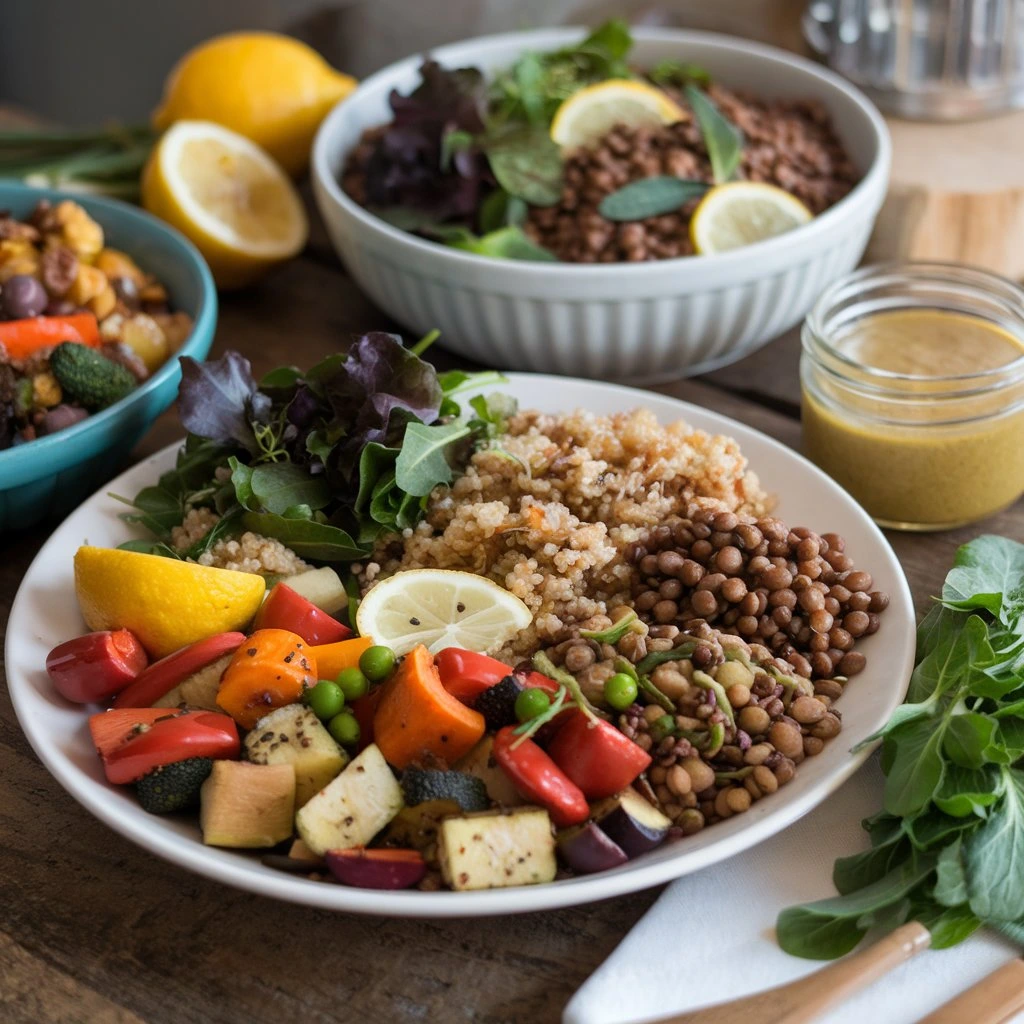
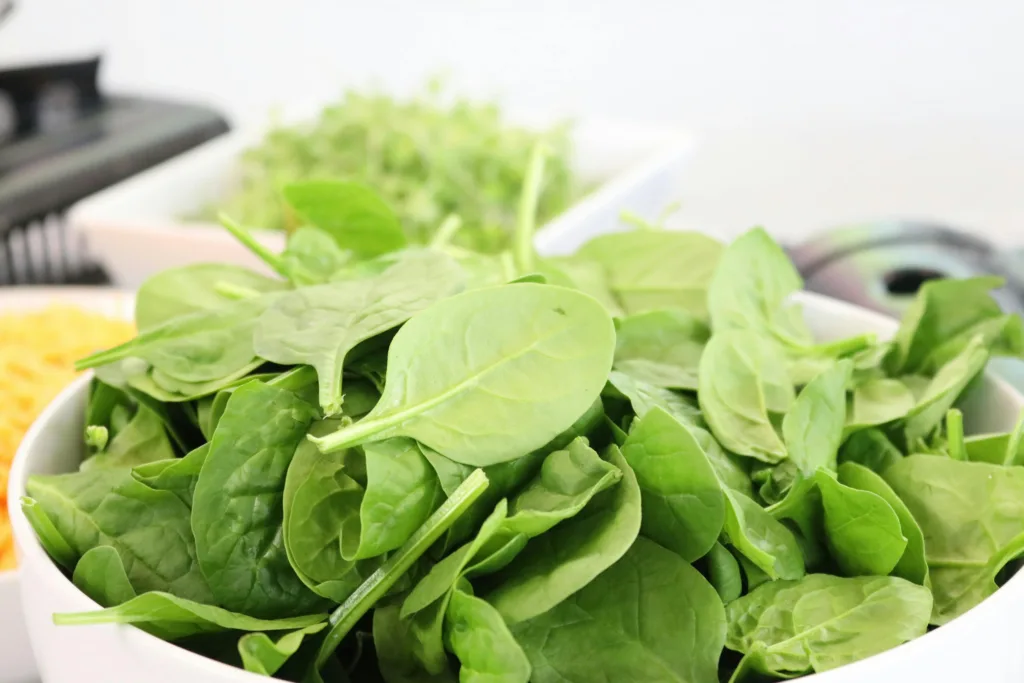
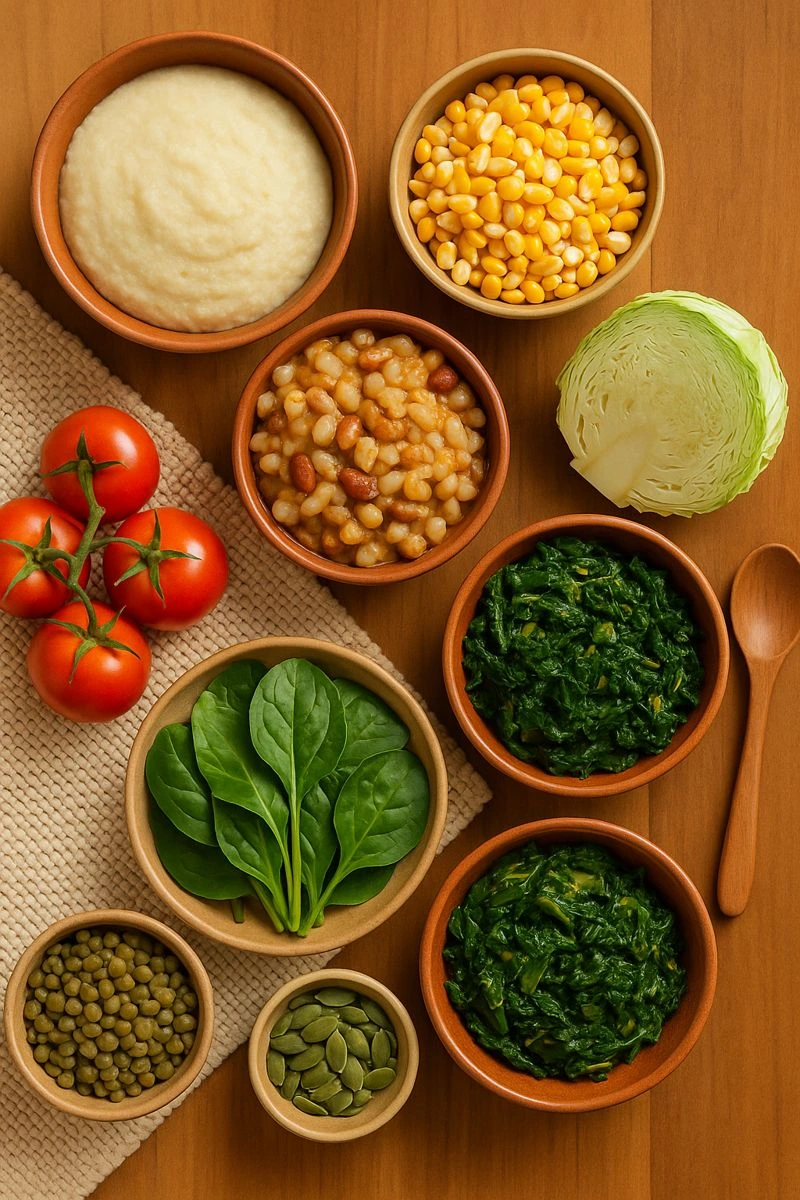
This is the ultimate plant-based pantry for beginners in South Africa. Starting a plant-based lifestyle can seem overwhelming. You might wonder what to buy, what you really need, or if it will be affordable in South Africa. Many beginners feel they must have pricey vegan …
Here’s your update guide to the best vegan restaurants in Johannesburg. Johannesburg has always been a city of transformation. “Jozi” has always changed, from the gold rush in the 1800s to the cultural boom in the 2000s. In 2026, that reinvention is happening on our …
Quick Answer: Yes, affordable plant-based eating (Africa-focused) is possible. In fact, it can be one of the cheapest ways to eat well when you use local staples like beans, lentils, maize meal, rice, sorghum, millet, seasonal vegetables, and fruit. The big secret is simple: plan first, buy smart, and cook mostly from scratch.
In this guide, you will learn how to build a low-cost plant-based pantry, shop wisely in African markets, cook beans the easy way, and follow a simple 7-day meal plan. You will also get quick meal ideas, common mistakes to avoid, and FAQs in a “People Also Ask” style.
Is Affordable Plant-Based Eating (Africa-Focused) Possible?
Yes—affordable plant-based eating (Africa-focused) works when you base meals on local staples (beans, grains, tubers, vegetables) and limit costly packaged “speciality vegan” items.
What “affordable” means in real life
Affordable does not mean you must eat the same meal every day.
Instead, it means you can:
Use budget staples as your base (beans, grains, and veggies).
Buy seasonal produce and shop where prices are better.
What “Plant-Based” Means Here (So You Don’t Overspend)
Plant-based vs vegan vs whole-food plant-based
These words can be confusing.
So, let’s make it easy:
Plant-based: You eat mostly plant foods. Some people still eat small amounts of animal foods.
Vegan: You avoid all animal products (and usually avoid animal byproducts like leather, too).
Whole-food plant-based (WFPB): You focus on whole plant foods and limit ultra-processed foods.
For affordable plant-based eating (Africa-focused), the best money-saving approach is to eat primarily whole foods and treat packaged items as “sometimes foods.”
The money rule: “More whole foods, fewer packaged foods”
Here is a simple rule you can remember:
If it grows from the ground (or comes from a basic pantry bag), it is usually cheaper.
For example, dry beans are often cheaper than:
canned beans
plant-based sausages and burgers
imported vegan snacks
fancy “superfood” powders
This does not mean you can never buy these items.
It simply means you will save more money if you don’t build your daily diet around them.
Why Affordable Plant-Based Eating Works in Africa
Africa already relies on budget-friendly staples
Across Africa, many traditional meals already use affordable staples like:
Because these foods are common and widely sold, you can often find them at better prices than imported or heavily processed foods.
The biggest cost trap: imported “health foods” and fake meats
Many people think plant-based eating means buying expensive items. However, the biggest budget trap is relying on:
meat substitutes every day
imported snacks and protein bars
special “diet” products
fancy ingredients you rarely use
Instead, you can eat very well with simple local foods. Next, let’s build your “budget plate.”
The 4-Part Budget Plate for Affordable Plant-Based Eating (Africa-Focused)
If you want affordable plant-based meals that keep you full, use this 4-part plate. It works in many African kitchens because it uses basic, familiar ingredients.
Part 1 — A starch staple (cheap energy)
Choose one:
maize meal/pap/ugali
rice
oats
sorghum or millet
potatoes or sweet potatoes
bread (preferably whole grain when possible)
Part 2 — A protein staple (cheap strength)
Choose one:
Beans (sugar beans, kidney beans, black beans, etc.)
lentils
split peas
chickpeas
soy options (like soya mince/TVP, tofu, where available)
Part 4 — A flavour + fat helper (small but significant)
Add one for taste and satisfaction:
peanut butter or groundnuts
sunflower seeds, pumpkin seeds, sesame
avocado (when in season)
a small amount of oil (optional)
onions, garlic, spices, herbs, lemon/vinegar
Transition tip: Once you learn this plate, shopping becomes easier because you always know what to buy.
The Affordable Plant-Based Pantry List (Africa Staples First)
A good pantry helps you eat well even when money is tight. Also, it saves you from last-minute takeaways.
Dry staples that stretch meals
maize meal
rice
oats
sorghum or millet
whole wheat flour (or regular flour if needed)
pasta (optional, budget-friendly)
Budget plant proteins
dry beans (different types for variety)
lentils (fast-cooking and very budget-friendly)
split peas
chickpeas
soya mince/TVP (optional for convenience)
Budget vegetables and fruit strategy
To save money, focus on seasonal and everyday items. Also, choose vegetables that last longer, such as:
cabbage
carrots
onions
potatoes and sweet potatoes
pumpkin or butternut
Tomatoes (buy in season or use tinned tomatoes when needed)
For fruit, go for what is in season and affordable in your area. Even one fruit per day can make a big difference.
The “tiny but powerful” extras
salt and pepper
curry powder, paprika, mixed herbs
stock cubes or stock powder (choose what fits your needs)
vinegar or lemons
peanut butter
tea (unsweetened or lightly sweetened)
Next: Now that your pantry is ready, let’s talk about how to shop smart.
Smart Shopping Rules for Affordable Plant-Based Eating (Africa-Focused)
Rule 1 — Buy dry beans and lentils in bulk when possible
Dry beans and lentils usually cost less per meal than canned beans. They also last longer. If you can, buy bigger bags and store them in airtight containers.
Rule 2 — Choose seasonal produce (and shop where it’s cheaper)
Seasonal produce often costs less and tastes better. Also, local markets can offer better prices than smaller convenience shops.
Rule 3 — Plan meals before you shop
Before you spend money, decide on your meals for the week. Then write a list and stick to it. This one habit can cut your bill fast.
Rule 4 — Cook once, eat twice (batch cooking)
Batch cooking means you cook a large pot of food once, then eat it over 2–3 days. This saves:
money (less waste)
time (fewer cooking days)
energy (less gas/electricity use)
Rule 5 — Limit “speciality vegan” items to treats
It’s okay to enjoy plant-based milks, vegan sausages, or vegan cheese sometimes. However, if these become daily items, your budget will struggle. Instead, build daily meals from staples first, then add extras when you can.
How to Cook Beans and Lentils the Cheap Way (Africa-Friendly)
Is plant-based eating cheaper than eating meat in Africa?
It can be cheaper, especially when you use local staples like beans, lentils, grains, and seasonal vegetables. However, it can become expensive if you rely on packaged vegan meats, imported snacks, and convenience foods.
What are the cheapest plant-based protein foods?
In many places, the cheapest plant-based proteins are beans, lentils, split peas, chickpeas, and groundnuts. Also, soya mince can be cost-effective for some households when used wisely.
How do I eat plant-based on a budget without soy?
You can skip soy and still do well. Focus on beans, lentils, chickpeas, split peas, groundnuts, seeds, and whole grains. Then build meals with vegetables and simple seasonings.
What should I buy first for a cheap plant-based pantry?
Start with a few staples you will truly use: rice or maize meal, oats, beans or lentils, onions, tomatoes (or tinned), cabbage, carrots, and a basic spice mix. Then add more items slowly.
How can I meal-prep plant-based meals to save money?
Pick 2–3 large-pot meals for the week, cook them in batches, and store portions in the fridge or freezer. This reduces waste and helps you avoid last-minute takeout.
Are canned beans okay if I’m busy?
Yes. Canned beans can save time. If they fit your budget, use them sometimes. Still, dry beans are usually cheaper per meal, so many people use dry beans most of the time and canned beans only for emergencies.
What is the simplest, cheap plant-based meal?
One of the simplest meals is beans, a starch, and greens. For example: pap + bean stew + cabbage, or rice + lentils + spinach. It is simple, filling, and flexible.
Do I need supplements on a budget plant-based diet?
Many plant-based eaters consider vitamin B12 necessary. Other needs depend on your diet, your health, and your lab results. If you are unsure, speak to a qualified healthcare professional.
Final Tips for Affordable Plant-Based Eating (Africa-Focused)
Start small, stay consistent
You do not need to change everything overnight. Instead, start with a straightforward step, like adding beans to your weekly meals. Then keep going.
Your next three steps
Pick three budget meals you can cook this week.
Shop using a list (and avoid impulse buys).
Cook in batches, so you always have food ready.
Bottom line: Affordable plant-based eating (Africa-focused) is not about being perfect. It is about using local staples, cooking simply, and making wise choices again and again.
Here’s your plant-based energy blueprint for busy professionals. How to Stay Energised, Focused, and Productive Without Burnout If you’re a busy professional, chances are you’re tired — not just physically, but mentally. Long workdays and constant screen time wear you down. Irregular meals, stress, and …
By Zama Zincume — Public Health Specialist & Plant-Based Food Writer. Originally published: 9 November 2023 | Fully updated in 2026 Quick Answer: A plant-based lifestyle in South Africa means building meals around whole plant foods — vegetables, legumes, whole grains, fruits, nuts, and seeds …
This is your evidence-based guide to the amazing health benefits of eating maize in South Africa.
Maize — commonly known as mielie meal, pap, or samp — is one of the most consumed foods in South Africa.
For millions of households, it is not just a staple, but a daily reality.
Yet maize is often misunderstood. It gets criticised for health problems like weight gain, diabetes, and inflammation.
So, the real question is not “Do South Africans eat maize?”
The question is:
Is maize healthy — and how should it be eaten for better health?
This guide looks at the nutritional value and health benefits of maize in South Africa. It also discusses its limitations. We use current nutrition science, public health data, and local eating habits.
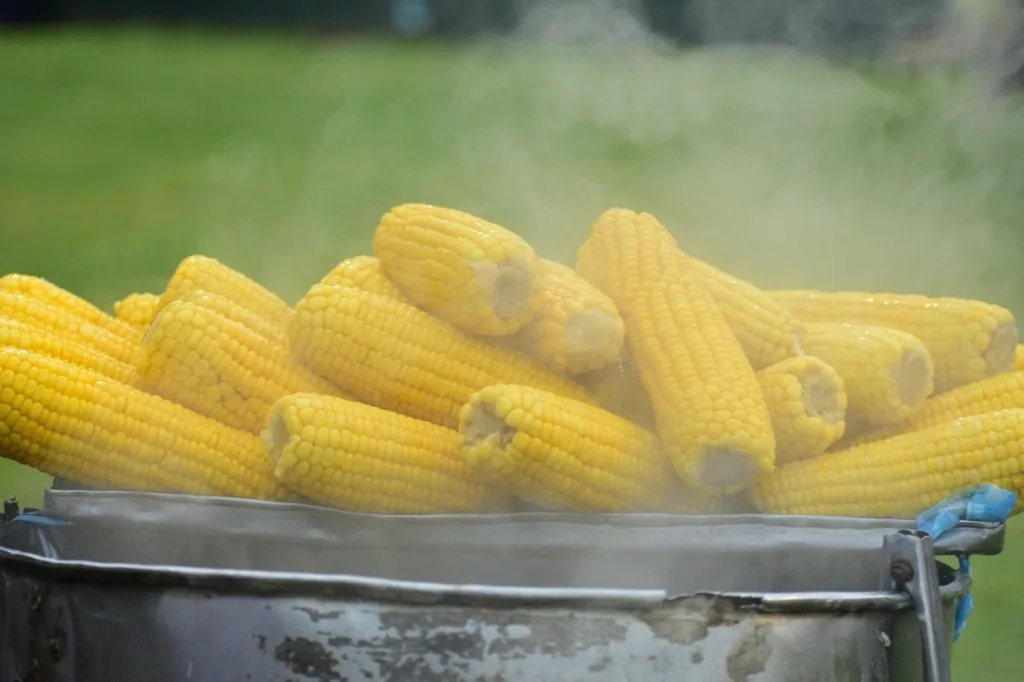
By ssanchezfermin https://pixabay.com/@ssanchezfermin
Why Maize Is So Important in South Africa
Maize plays a central role in:
Household food security.
Cultural traditions and meals.
Affordable calorie intake.
Rural and urban diets.
From stiff pap and phuthu to samp and beans, maize provides energy at a cost most families can afford.
Its health impact is essential, given how often it’s eaten. This impact can be both good and bad.
Nutritional Profile of Maize (What the Science Shows)
Maize is primarily a carbohydrate-rich plant food, but it also provides:
Complex carbohydrates (energy).
Dietary fibre (especially in whole maize).
Small amounts of protein.
Naturally occurring antioxidants.
Fortified vitamins and minerals (in South Africa).
Whole vs Refined Maize: A Critical Distinction
table
From a health perspective, processing level matters more than maize itself.
Fortified Maize Meal in South Africa: A Public Health Success
South Africa requires fortification of maize meal. This makes it a key source of micronutrients in the country.
Fortified maize meal typically contains:
Iron
Zinc
Folic acid
Vitamin A
B-vitamins (B1, B2, B3, B6)
Why Fortification Matters
Research and public health data show that maize fortification has:
Reduced iron-deficiency anaemia
Improved maternal and child nutrition.
Lowered the risk of neural tube defects.
For many households, fortified maize meal is not optional — it is a nutritional safety net.
Is Maize Good for Gut Health?
Yes — when eaten in the proper form and combinations.
Maize contains insoluble fibre, which:
Supports regular bowel movements.
Improves stool bulk.
Promotes gut motility.
Traditional Combinations Improve Gut Health
Maize becomes far more gut-friendly when paired with:
Beans, lentils, or cowpeas.
Leafy greens such as morogo or spinach,
Fermented maize preparations.
Dishes like samp and beans show smart nutrition. They mix carbs, fibre, and plant protein. This aids digestion and keeps you feeling full longer.
Maize, Blood Sugar & Diabetes: What You Need to Know
Maize is often labelled as “bad for diabetics,” but this oversimplifies the issue.
What Increases Blood Sugar Impact
Highly refined maize meal.
Large portions are eaten alone.
Lack of fibre, protein, or fat.
How to Eat Maize More Safely
Choose whole or stone-ground maize meal.
Keep portions moderate.
Always pair maize with legumes and vegetables.
Maize can fit into a diabetes-friendly eating pattern when incorporated into a balanced plant-based meal.
…it may contribute to better cardiovascular outcomes, especially within a whole-food plant-based diet.
When Maize Becomes Less Healthy
Maize is not harmful by default, but problems arise when:
It is highly refined.
Portions are excessive.
Meals lack vegetables and protein.
It dominates the diet without variety.
Ultra-processed maize products, such as chips and sweet cereals, don’t offer the same health benefits as traditional maize foods.
Maize, Affordability & Food Security in South Africa
From a realistic nutrition perspective, maize remains:
Affordable
Accessible
Culturally accepted
Easy to prepare and to store.
Eliminating maize without affordable alternatives can increase food insecurity. The healthier solution is not removal — it is improving quality, preparation, and balance.
How to Eat Maize More Healthfully (Practical Tips)
Choose fortified maize meal.
Prefer stone-ground or whole maize.
Pair maize with beans, lentils, or peas.
Add leafy greens and vegetables.
Control portion sizes.
Avoid ultra-processed maize snacks.
Frequently Asked Questions (South Africa)
Is pap healthy?
Yes. Pap can be healthy if you use fortified maize meal. Also, including fibre-rich foods like beans and vegetables makes it better.
Is maize inflammatory?
There is no substantial evidence that whole maize is inflammatory. Problems are more often linked to ultra-processed maize products.
Is Mielie Meal good for gut health?
Yes — especially when eaten with legumes, vegetables, and fermented foods.
Can maize help with weight management?
Maize helps with weight control when consumed in moderation. It works well in a high-fibre, plant-based diet.
Bottom Line: Is Maize Healthy in South Africa?
Yes — maize can be healthy.
When fortified and minimally processed, maize helps support a diverse plant-based diet:
Energy needs
Gut health
Micronutrient intake
Food security
Health outcomes depend far more on how maize is eaten than on maize itself.
Editor’s Note
This article aligns with current nutrition science, South African public health guidance, and evidence-based plant-based principles.
It’s designed to be practical, affordable, and culturally relevant. Sustainable health needs to fit into real life.
This is your 2025 price and usage analysis of the top-eaten and bought plant-based foods in South Africa. Why Plant-Based Foods in South Africa are Booming in 2025 The South African food market is changing very quickly. More people are choosing to eat plant-based foods …
For a long time, people thought the only way to get more energy was to drink more coffee or eat more protein. But in 2026, things have changed. A new health trend called Fibremaxxing is taking over. People are finding out that the real way …
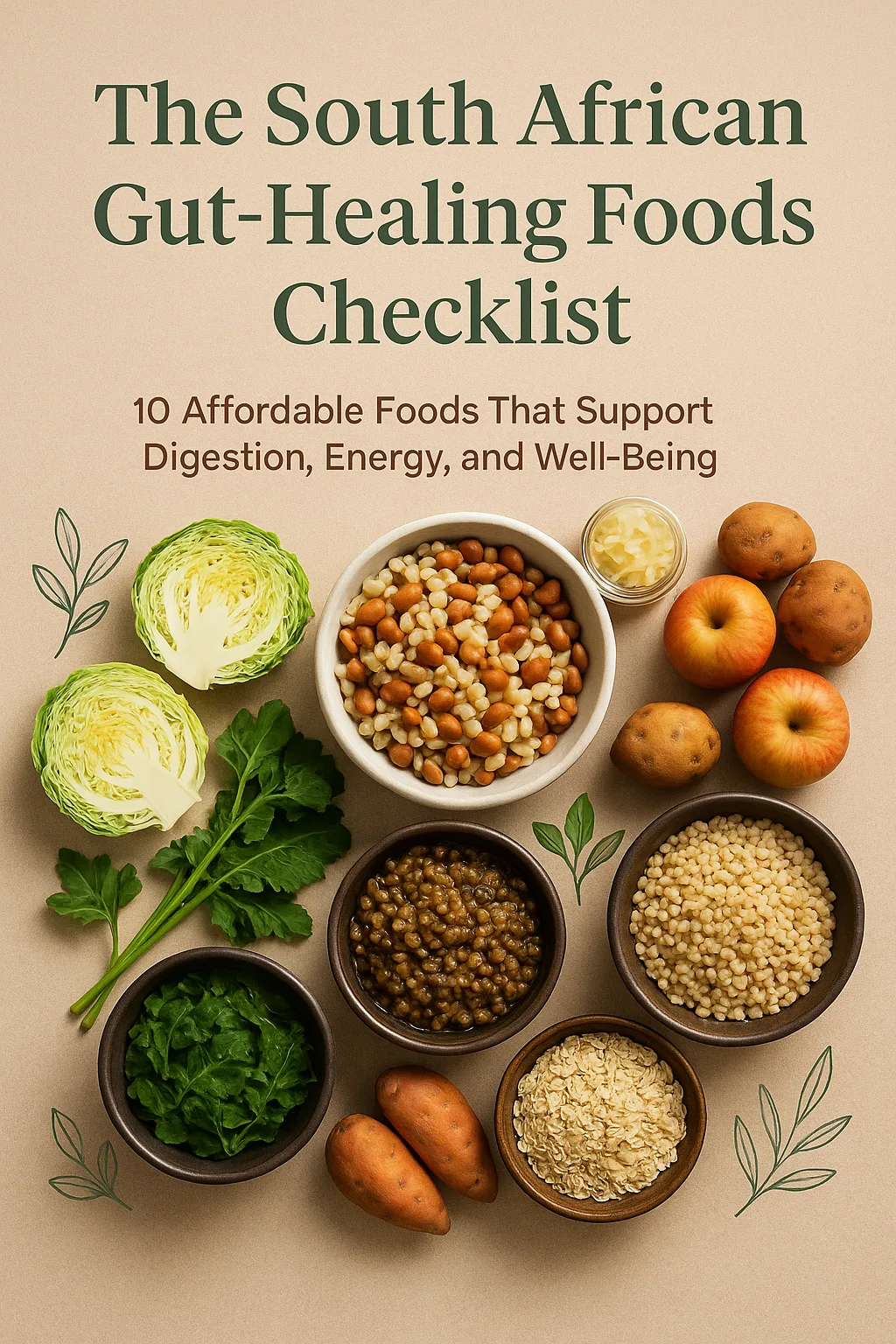
This is your evidence-based guide to 10 South African plant-based foods that heal your gut.
Your gut is more potent than you think. It affects your digestion, immune system, hormones, energy, mood, weight, and your long-term risk for chronic disease.
The best part?
South Africa already offers an incredible variety of affordable, fibre-rich plant foods that nourish and repair your gut—no expensive supplements needed.
Why Gut Health Matters in South Africa (Quick Science Review)
The gut microbiome is a community of trillions of bacteria living in your digestive tract.
When your diet is low in fibre or high in processed foods, your gut bacteria weaken, and harmful microbes begin to dominate—triggering bloating, constipation, inflammation, fatigue, and weight gain.
In South Africa, fibre intake is far below the recommended levels.
Many traditional African foods naturally contain the resistant starch, soluble fibre, polyphenols, and antioxidants the gut needs to thrive.
By returning to these foods, you can radically improve digestion, microbial diversity, and overall health.
The Best South African Plant-Based Foods for Gut Health (Evidence-Based List)
1. Samp & Beans (Umngqusho)
Samp and beans remain one of the most powerful gut-healing meals in South Africa. Beans are rich in resistant starch—fuel for beneficial gut bacteria.
Both samp and beans offer a balance of soluble and insoluble fibre, promoting bowel regularity, reducing inflammation, and feeding short-chain fatty acid (SCFA) production.
2. Lentils
Lentils are packed with prebiotic fibre and polyphenols, both of which are linked to improved gut lining health and lower inflammation. They are also budget-friendly and cook quickly, making them an ideal everyday food for gut health.
3. Morogo (Wild African Greens)
Morogo is one of the most nutrient-dense leafy greens in Africa.
High in antioxidants, fibre, and minerals, morogo helps your gut produce SCFAs—compounds that heal the intestinal lining. Greens like these support microbial diversity, which is a key predictor of long-term gut health.
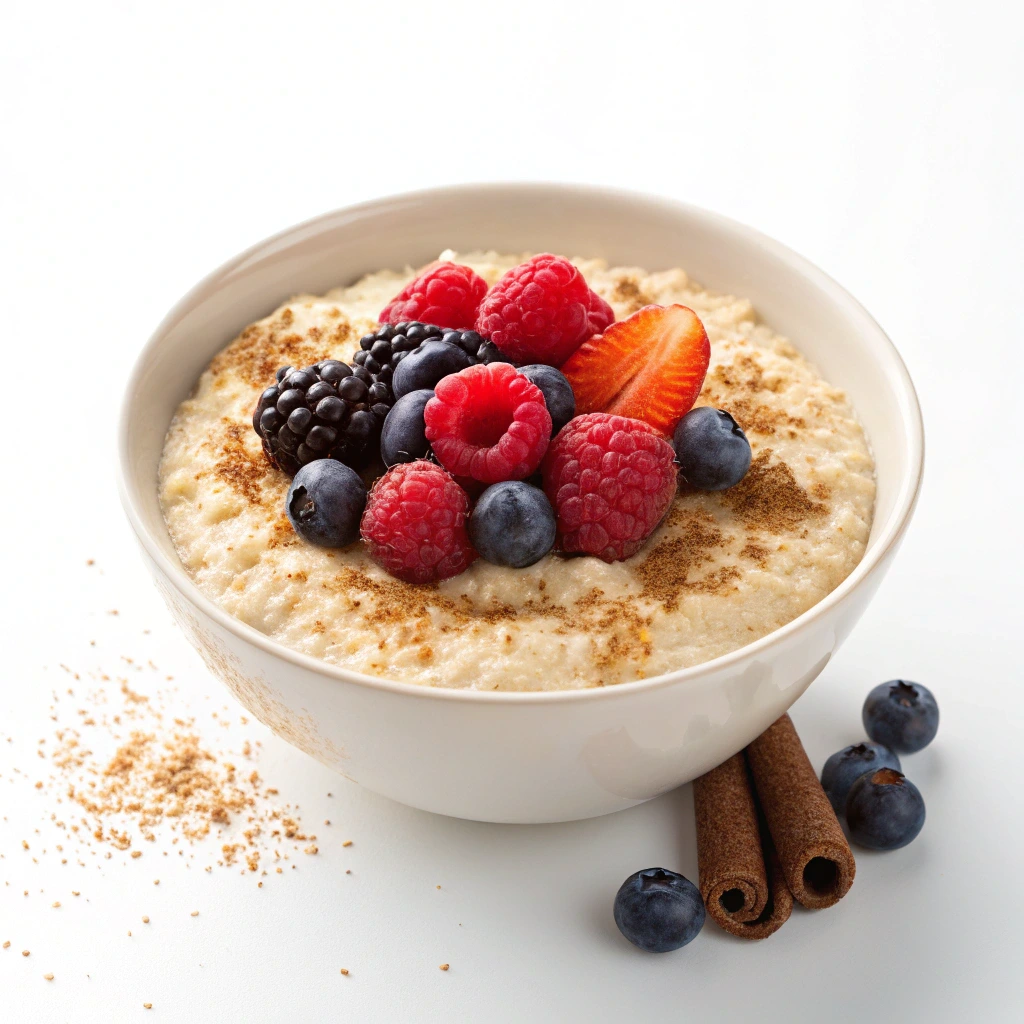
4. Oats
Oats are rich in beta-glucans, a type of soluble fibre that has been shown to reduce inflammation and feed beneficial bacteria.
They help regulate digestion, promote satiety, and balance blood sugar—essential for maintaining a stable gut environment.
5. 100% Wholewheat Bread
When made from true whole grains, 100% wheat bread provides substantial fibre and prebiotic benefits. The bran and germ support regular bowel movements and encourage the growth of helpful gut microbes. Look for “100% wholewheat” as the first ingredient for best results.
6. Sorghum (Mabele / Ting)
Sorghum is a traditional African grain rich in resistant starch. Fermented forms like ting offer additional probiotic benefits.
Sorghum is naturally gluten-free, supports digestive ease, and may help reduce systemic inflammation.
7. Cabbage
Cabbage is one of South Africa’s most affordable gut-supporting vegetables. It contains glucosinolates, compounds associated with reduced gut inflammation. Whether cooked or fermented into sauerkraut, cabbage strengthens the microbiome and supports detoxification.
8. Apples & Pears
These everyday fruits are rich in pectin, a prebiotic fibre converted into SCFAs like butyrate—fuel for the colon. Apples and pears support digestion, reduce constipation, and encourage beneficial bacteria to flourish.
9. Sweet Potatoes
Sweet potatoes offer soluble fibre, antioxidants, and a natural sweetness that supports balanced digestion.
Both the orange and purple varieties found in South Africa support reduced inflammation and improved microbiome health.
10. Fermented Foods in South Africa
Fermented foods like tini, mageu, sauerkraut, and plant-based yoghurts introduce probiotics directly into the gut.
These foods improve digestion, reduce bloating, and strengthen the gut lining. Choose unsweetened varieties for the best results.
How to Build a Gut-Healing Meal Plan with These Foods
Limit ultra-processed foods that disrupt gut bacteria
Eat colourful, whole foods for maximum microbiome diversity
FAQs — Gut Health in South Africa
Which South African plant-based food is best for digestion?
Samp & beans and lentils are top choices because they provide resistant starch that feeds the microbiome.
Are African traditional foods high in fibre?
Yes—sorghum, morogo, beans, maize, and wild greens are naturally fibre-rich and excellent for gut health.
Can I heal my gut without supplements?
Absolutely. Evidence shows fibre-rich plant foods improve the microbiome more effectively than most supplements.
Which foods reduce inflammation naturally?
Greens, oats, lentils, sweet potatoes, cabbage, and fermented foods all reduce gut and systemic inflammation.
How long does it take to improve gut health?
Positive changes begin within 72 hours of increasing fibre intake, but long-term healing takes consistent habits.
Final Thoughts: Your Gut Can Heal With Simple, Local Foods
You don’t need expensive imported products to heal your gut.
South Africa already offers everything you need — traditional grains, beans, legumes, fruits, greens, and fermented foods that naturally repair the microbiome.
When you nourish your gut with these simple, everyday foods, you nourish your entire body.
Introduction: Why Men’s Mental Health Matters in 2025 In 2025, the conversation around men’s mental health has reached a turning point. For decades, men were told to “man up” and keep their feelings inside. However, we now know that mental fitness is just as necessary …