Have you ever walked down the milk aisle and noticed how many different kinds of milk there are now? It’s not just cow milk anymore! You can find milk made from oats, almonds, soy, and even peas. These are called milk alternatives, and they are …
Transitioning to a plant-based lifestyle in South Africa has never been more accessible. The ideal year to begin is 2026. Local food innovation is rising, and people are reverting to traditional, nutrient-rich staples. This tutorial provides a concise overview of meal planning for beginners on …
In 2026, the top plant-based grocery stores in South Africa will be:
Woolworths Food (premium, largest dedicated plant-based range),
Checkers (affordable Simple Truth range, nationwide reach), and Pick n Pay (budget-friendly, flexitarian focus).
Also there’s Food Lover’s Market (fresh produce & specialty items),
Faithful to Nature (online, largest organic/vegan selection), and Wellness Warehouse (specialist health-food chain).
For affordable staples like lentils, beans, samp, sorghum, and amadumbe, local Indian grocery stores and township markets remain the best-value options across South Africa.
Why Knowing Where to Shop Is Half the Battle
Plant-based eating in South Africa has never been more accessible — but the landscape can still feel confusing.
Are the mainstream supermarkets worth it, or should you be driving to a specialist health store? Is online shopping a better bet for finding your favourite items?
And where do you find the traditional staples — samp, cowpeas, morogo, amadumbe — that are the real backbone of an affordable, nourishing plant-based pantry?
I have been shopping plant-based across KwaZulu-Natal and beyond for years, and this updated guide reflects both the practical realities and the exciting growth happening across the South African retail landscape in 2026.
The South African plant-based food market was valued at USD 89.39 million in 2024 and is projected to grow at 8.65% annually through 2033 — meaning your local supermarket’s plant-based shelf is only going to get bigger and better.
1. The Big Supermarkets: More Plant-Based Than You Think
Woolworths Food — Best for a Dedicated Plant-Based Range
If you want the broadest selection of dedicated plant-based products under one roof, Woolworths Food is still the benchmark.
Their Plant-Based range spans meat alternatives, dairy-free milks, yoghurt, cheese alternatives, ready-made meals, and an extensive fresh produce section. Quality is consistently high, and labelling is clear — great news when you are learning to read an ingredient list.
What to look for: Plant-Based burger patties, oat milk, coconut yoghurt, plant-based sausages, and a wide selection of legume-based ready meals.
Best for: Shoppers who prioritise quality and variety and are less price-sensitive.
Price note: Woolworths is the most expensive of the major chains. A typical basket of plant-based staples at Woolworths runs around 25% more than at Checkers.
Tip: Woolworths stocks a rotating selection of seasonal produce — including heritage vegetables and speciality greens — that you will not easily find elsewhere. Worth the occasional visit even if it is not your weekly shop.
Checkers — Best Value Mainstream Plant-Based Range
Checkers has made one of the most meaningful commitments to plant-based shoppers of any mainstream South African retailer. Their Simple Truth range is the standout — a private-label health-focused range that includes plant-based milks, mock meats, legume-based snacks, and organic staples at genuinely competitive prices.
What to look for: Simple Truth oat milk, chickpea snacks, plant-based mince, lentil soups, and a strong range of nuts and dried legumes.
Best for: The budget-conscious plant-based shopper who wants variety without driving to a specialist store.
Online option: Checkers Sixty60 makes it easy to shop their plant-based range online with fast delivery — look for the dedicated plant-based filter in the app.
Checkers has a dedicated ‘Live Better’ plant-based filter on their online store. Use it to cut through the noise and find exactly what you need quickly.
Pick n Pay — Best for Flexitarians and Budget Shoppers.
Pick n Pay has built its plant-based offering around the growing flexitarian movement — people who are reducing, not eliminating, animal products. Their range is more modest than Woolworths or Checkers. Still, prices are very competitive, and they stock a solid selection of whole-food staples: lentils, dried beans, canned legumes, and a decent plant-based alternatives shelf.
What to look for: Tofu (increasingly available in larger stores), canned chickpeas and lentils, oat and soy milk, and a growing range of plant-based chilled products.
Best for: Those transitioning to plant-based eating who want affordable options without being overwhelmed.
Price note: Pick n Pay’s private-label legumes and canned goods are among the most affordable in mainstream retail.
SPAR and SuperSpar — The Underrated Local Option
SPAR is often overlooked in plant-based conversations, but SuperSpar stores, in particular, have meaningfully expanded their health food sections.
varies considerably by franchise, so stores in wealthier urban areas tend to carry more.
However, for core staples — dried beans, lentils, canned tomatoes, rolled oats, and peanut butter — SPAR is reliable, accessible, and often cheaper than Checkers or Woolworths on basic items.
Best for: Everyday staples and shoppers in areas where Checkers or Woolworths may not have a nearby branch.
2. Specialist and Health Stores: Worth the Trip
Wellness Warehouse — Best In-Store Health Food Chain
Wellness Warehouse is South Africa’s most well-established bricks-and-mortar health food chain, with stores in Cape Town, Johannesburg, Durban, and other major centres.
The range is genuinely impressive: superfood powders, speciality flours, plant-based protein supplements, organic whole grains, fermented foods, and a rotating selection of plant-based snacks and convenience foods that you will not find in mainstream supermarkets.
What to look for: Vital wheat gluten, nutritional yeast, speciality seeds (hemp, flax, chia), plant-based protein powders, kombucha, and fermented foods. Best for: Shoppers who are serious about whole-food plant-based eating and want expert in-store guidance.
Price note: Wellness Warehouse sits at the premium end. Watch for their sales and loyalty programme to manage costs.
Faithful to Nature — Best Online Plant-Based and Organic Store
If you are serious about plant-based living and prefer to shop online, Faithful to Nature is the closest thing South Africa has to a one-stop dedicated natural and vegan grocery destination. Their catalogue includes the largest selection of organic foods available online in South Africa — covering everything from organic pantry staples and superfoods to plant-based milks, ethical snacks, and supplements.
What to look for: Organic rolled oats, hemp seeds, raw cacao, plant-based supplements, speciality nut butters, and ethical household products.
Best for: Online shoppers who want a curated, vetted selection of natural and plant-based products shipped nationally.
Delivery: Free delivery on orders over R400 — easy to hit when stocking up on pantry staples.
Faithful to Nature is especially valuable if you live outside a major city centre and cannot easily access Wellness Warehouse or specialist health stores. Their national delivery makes quality plant-based shopping accessible wherever you are in South Africa.
Indian Grocery Stores and Local Markets — The Unbeatable Budget Option
This is where I spend a meaningful portion of my grocery budget, and where I always direct new plant-based eaters first.
Indian grocery stores — found in Durban, Johannesburg (especially Fordsburg and Lenasia), Cape Town, and many other centres — stock legumes, lentils, dried beans, spices, and speciality ingredients at prices that mainstream supermarkets cannot match.
Dried lentils (red, green, black urad, chana dal) at a fraction of supermarket prices
A wide variety of dried beans, including fava, black-eyed peas, and borlotti
Fresh and dried chillis, curry leaves, tamarind, and whole spices in bulkSpeciality flours including chickpea (besan) flour — invaluable for plant-based cooking
Affordable tofu at some stores, particularly in Durban
In KwaZulu-Natal, the Indian grocery store network is a genuine plant-based goldmine. Whether you are in Durban’s Grey Street area, Tongaat, or Stanger, you will find a store stocked with exactly the legumes and spices that form the foundation of affordable plant-based cooking.
Food Lover’s Market — Best Produce Selection in Mainstream Retail
Food Lover’s Market earns a dedicated mention for its fresh produce section, which is consistently one of the best among mainstream South African retailers — and often significantly more affordable than Woolworths or Checkers on fresh fruit and vegetables.
They have grown to over 300 stores nationally and are particularly strong on seasonal local produce.
What to look for: Fresh seasonal vegetables, local leafy greens (including morogo at some stores), affordable avocados and tropical fruits, fresh herbs, and a good selection of legumes in their bulk and packaged goods sections.
Best for: Weekly fresh produce shopping, especially for families who go through a high volume of vegetables.
Price note: 2025 research found Food Lover’s Market to have the cheapest grocery basket among major South African chains — a meaningful advantage for plant-based shoppers who spend heavily on fresh produce.
3. Shopping for Indigenous South African Plant-Based Staples
This is the section I am most passionate about, and the one that is most underrepresented in plant-based grocery guides written for South African audiences.
Many of the most nutritious, most affordable, and most culturally rooted plant-based foods in South Africa are not in the plant-based aisle of your supermarket.
They are in the dry goods section, at a local market stall, or in a small grocery store that does not market itself as ‘health food’ at all.
Where to Find Indigenous Staples
Samp and beans (umngqusho): Available at most mainstream supermarkets (Shoprite, Checkers, Pick n Pay) in the dry goods aisle, and at significantly lower cost at spaza shops, township markets, and bulk dry goods stores.
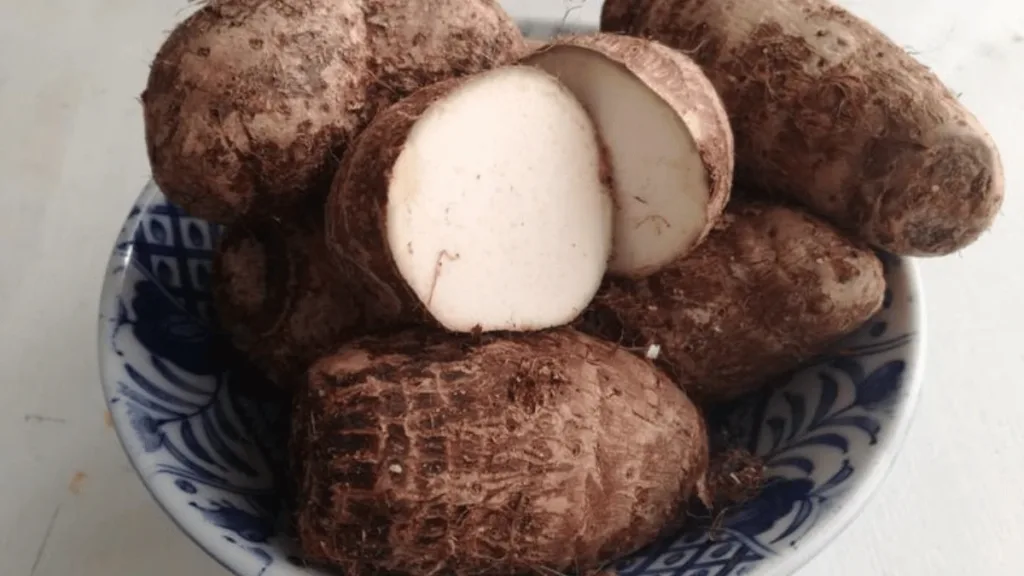
Amadumbe (African taro): Look in the fresh produce section at Food Lover’s Market, selected Pick n Pay stores, and at fresh produce markets. Indian grocery stores in KwaZulu-Natal often stock them too.
Sorghum and mabele: Shoprite and Checkers carry commercial sorghum meal (Ace brand). For whole sorghum grain, look at specialist health stores or buy directly from agricultural suppliers in farming communities.
Morogo (wild leafy greens): Fresh morogo is not widely stocked in mainstream supermarkets. Your best sources are township markets, informal produce stalls, and community gardens. In Johannesburg, the Joburg Fresh Produce Market is worth exploring. In Durban, the Victoria Street Market area.
Cowpeas (black-eyed beans): Available at Pick n Pay, Checkers, and SPAR in dried and canned form. Indian grocery stores often carry a wider variety at lower prices.
God designed the earth to provide everything our bodies need — and South Africa’s indigenous food heritage is extraordinary evidence of this. Samp, cowpeas, amadumbe, and morogo are not poor-people food or old-fashioned food. They are nutrient-dense, fibre-rich, whole foods that outperform many of the imported ‘superfoods’ on Wellness Warehouse shelves — at a tenth of the Price.
4. Online Shopping for Plant-Based Groceries in South Africa
The online plant-based shopping landscape in South Africa has matured considerably. Here is a current overview of your best options:
Faithful to Nature : Best overall for natural and organic plant-based products. Free delivery over R400. Ships nationally.
Checkers Sixty60: Best for fast, affordable mainstream plant-based grocery delivery. Use the plant-based filter to shop efficiently.
Pick n Pay Online: Good for staples and pantry items. Reliable delivery in most urban areas.
Woolworths Online: Use the plant-based search filter. Strong for premium ready meals and speciality products.
Organicule : Smaller, curated organic store with a good range of certified organic produce and pantry staples.
Dis-Chem Online: Excellent for plant-based supplements, protein powders, and speciality health items like vital wheat gluten and nutritional yeast.
5. Quick-Reference Comparison: Which Store for What?
Retailer
Key Plant-Based Offerings
Best For…
Price Tier
Woolworths Food
Premium ranges, dairy-free alternatives, specialty produce
Quality-focused shoppers
$$$$$
Checkers
Simple Truth range, plant-based milks, mock meats, Sixty60
Value + Variety
$$
Pick n Pay
Budget staples, tofu, canned legumes, flexitarian range
Beginners + Budget
$$
SPAR / SuperSpar
Everyday staples, health-focused (urban stores)
Accessibility
$$
Food Lover’s Market
Fresh produce, seasonal veg, local fruit, bulk dry goods
Online-only, largest organic/vegan range nationally
Online shoppers
$$$
Indian Grocery Stores
Legumes, spices, besan flour, specialty items
Budget + Authentic
$
Township Markets
Morogo, amadumbe, samp, indigenous staples
Local staples
$
6. Budget-Friendly Plant-Based Shopping Tips for South Africa
Build your pantry around whole-food staples first: dried lentils, dried beans, samp, sorghum, rolled oats, and seasonal vegetables. These form the foundation of an affordable plant-based diet.
Buy legumes dried, not canned, wherever possible. The cost difference is significant, and cooking from dried gives you better control over sodium content.
Use Checkers, Simple Truth, and Pick’n Pay’s private-label staples for day-to-day shopping, and visit Faithful to Nature or Wellness Warehouse for speciality items you cannot find elsewhere.
Shop seasonal produce. South Africa’s diverse climate means different produce peaks at different times of year — and in-season produce is always cheaper and more nutritious.
Explore your nearest Indian grocery store or local market before spending on imported speciality items. Besan flour, chana dal, urad dal, and fenugreek cost a fraction of what they do in mainstream health stores.
Use the Checkers Sixty60 and Pick n Pay apps to compare prices online before you shop — and look for app-exclusive promotions on plant-based items.
Plant-based eating does not have to be expensive. The most affordable plant-based diet in South Africa looks much like what our grandmothers ate: samp and beans, vegetable stews built on seasonal produce, porridge from sorghum or maize, and legumes as the primary protein source. The wisdom was always there.
Frequently Asked Questions
Where can I buy plant-based meat alternatives in South Africa?
Plant-based meat alternatives are now widely available at Woolworths Food, Checkers (Simple Truth range), Pick’n Pay, and Dis-Chem. Products include plant-based burger patties, mince, sausages, and nuggets. Online, Faithful to Nature carries a curated selection of premium plant-based meat alternatives.
Which South African supermarket has the best vegan range?
Woolworths Food has the most comprehensive dedicated plant-based and vegan range in mainstream South African retail, covering dairy alternatives, meat alternatives, ready meals, and speciality produce. Checkers offers the best value in a mainstream plant-based range through their Simple Truth label.
Can I buy amadumbe and morogo at supermarkets in South Africa?
Amadumbe is becoming more widely available, especially in KwaZulu-Natal, at Food Lover’s Market and a few Pick n Pay locations. Mainstream stores don’t often carry morogo, or African leafy greens; township markets, unofficial vegetable stands, and community gardens are still your best options.
Is Faithful to Nature the best online vegan store in South Africa?
Faithful to Nature is widely regarded as the best online destination for natural, organic, and plant-based products in South Africa. They offer the largest curated selection of organic foods available nationwide, with free delivery on orders over R400. For mainstream plant-based grocery delivery, Checkers Sixty60 and Pick n Pay Online offer faster delivery and more competitive pricing on everyday items.
How can I eat plant-based food affordably in South Africa?
The most affordable plant-based diet in South Africa is built on indigenous staples: samp, beans, cowpeas, lentils, sorghum, amadumbe, and seasonal vegetables.
These whole foods are available at most mainstream supermarkets and at even lower cost at local markets and Indian grocery stores.
The most expensive plant-based products tend to be imported speciality items and mock meats — prioritise whole foods for both budget and nutritional value.
Final Word: Shop with Intention, Eat with Roots
The plant-based grocery landscape in South Africa is growing fast.
From the expanding Simple Truth range at Checkers to the organic abundance of Faithful to Nature’s online store, options are better than they have ever been.
But the deepest, most nourishing, and most affordable plant-based eating in South Africa does not start at a specialist health store — it starts with the foods our indigenous food heritage has always centred: legumes, whole grains, leafy greens, and root vegetables.
Know your stores. Know your staples.
And remember that the most powerful plant-based pantry you can build in South Africa is one that looks a lot like what your ancestors already knew.
Updated April 2026 by Zama Zincume | EatingPlantBasedZA.com | This article is updated regularly to reflect changes in the South African plant-based retail landscape.
This is your guide to the top 10 blenders in South Africa in 2026, suitable for any kitchen and budget. If you’ve stood in the kitchen aisle at Makro, looking at blenders, you’re not alone. It can be overwhelming to see so many choices. You …
Here’s your Shoprite vegan grocery list and your budget edition on what South Africans need. You want to eat plant-based, but you’re on a South African budget, not a Woolworths Food Hall one. Good news! Shoprite is one of the best stores for affordable vegan …
Have you ever heard of a vegetable that is tougher than a weed but tastes better than spinach?
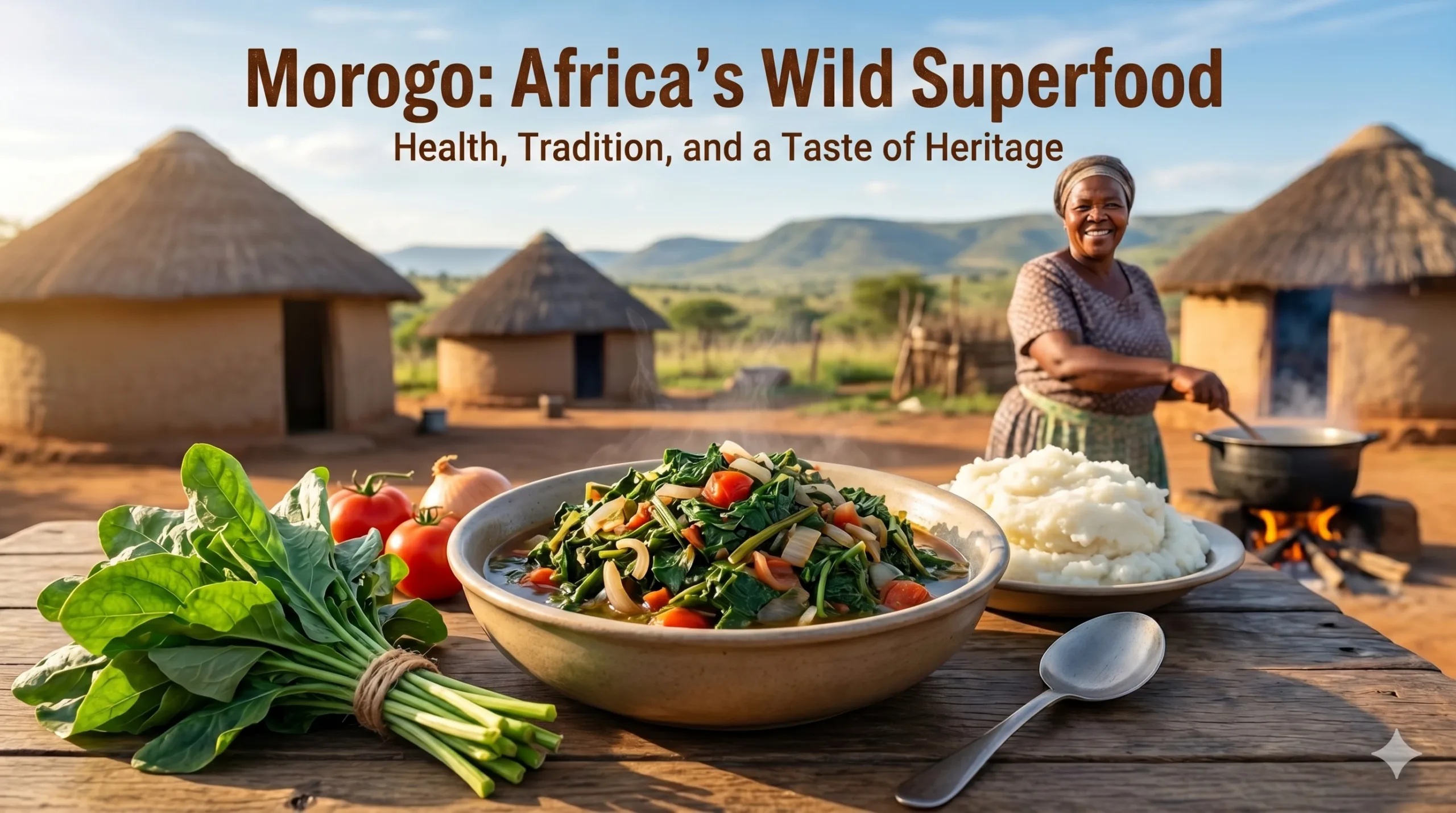
Meet Morogo.
If you live in Southern Africa, you probably know it well. If you don’t, you are about to discover a hidden gem. Morogo isn’t just one plant. It is a collection of dark green leafy vegetables that have fed people for hundreds of years.
In this guide, we will explore why Morogo is so special.
We will look at its health benefits, how to cook it, and why it is the ultimate “survival food.”
What Exactly is Morogo?
The word Morogo (or Meroogo) comes from the Setswana and Sesotho languages. It simply means “vegetables.”
However, it specifically refers to wild, dark-green, leafy vegetables.
Unlike the lettuce or kale you buy at a fancy grocery store, Morogo often grows wild. It pops up in gardens, farm fields, and even by the side of the road after a good rain.
The Different Types of Morogo
Many plants fall under the Morogo umbrella.
The three most common types are:
Amaranth (Theba): This is the most famous type. The plant has earthy leaves and is high in protein.
Spider Plant (Lerotho): This one has a slightly bitter, spicy kick. It is very popular in rural areas.
Cowpea Leaves (Dinawa): These are the leaves from the black-eyed pea plant. They are sweet and soft when cooked.
Why Morogo is a Nutritional Powerhouse
Many people call Morogo “the poor man’s meat,” but that is actually a huge compliment!
People call it that because it is so high in protein and nutrients that you don’t even need meat to have a healthy meal.
1. Loaded with Vitamins
Morogo has lots of vitamins A, C, and K. These vitamins help your eyes. They also keep your skin clear and your immune system strong.
2. High in Iron and Calcium
Do you want strong bones and lots of energy? Morogo has more iron than many expensive supplements. This makes it great for growing kids and tired adults.
3. Great for Digestion
Because it is a leafy green, it is full of fibre. Fibre keeps your tummy happy and helps prevent constipation.
How to Harvest Morogo Safely
If you are lucky enough to find Morogo growing near you, you can’t just grab any green leaf. You need to know what you are doing.
Pick Young Leaves: The smaller, younger leaves are the most tender. Old leaves can be very tough and bitter.
Check the Location: Never pick Morogo near busy roads or industrial areas. Plants can soak up pollution from cars.
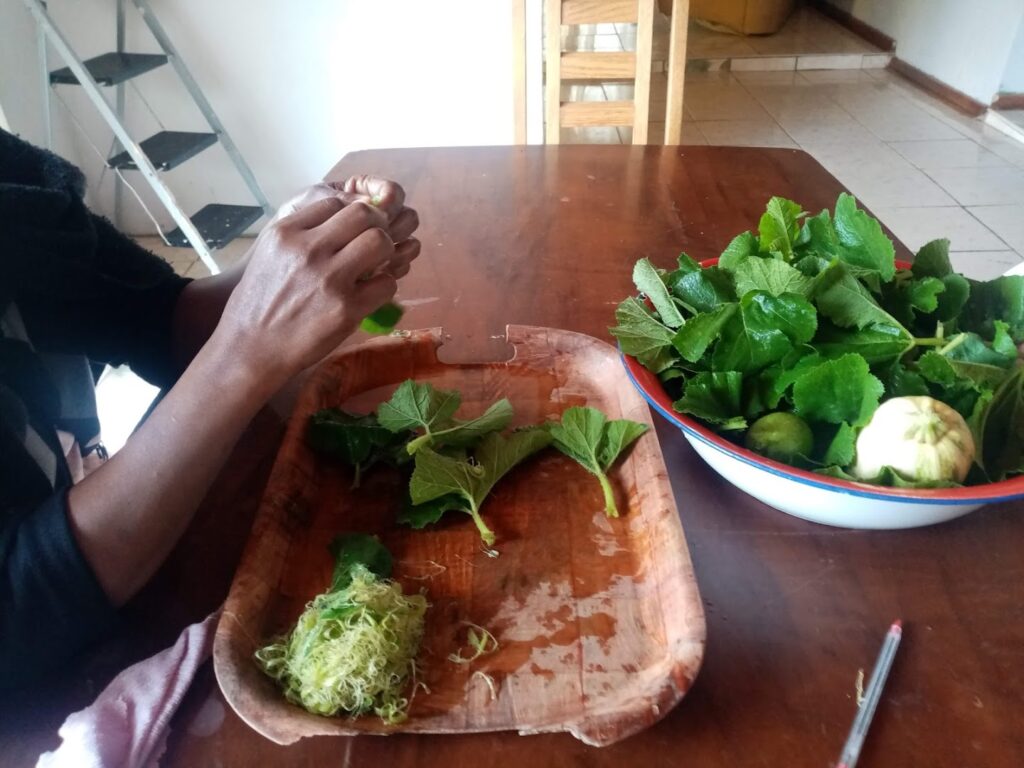
Wash Thoroughly: Wild greens grow in the dirt. You need to wash them at least three times to get all the sand out. Nobody likes a crunchy, sandy dinner!
A large bunch of fresh Morogo (cleaned and chopped).
1 small onion (diced).
2 medium tomatoes (chopped).
A pinch of salt and pepper.
A little bit of oil or butter.
Optional: A diced potato to make it more filling.
Instructions:
Sauté the Onion: Heat oil in a pot and fry the onion until it is soft and see-through.
Add Tomatoes: Toss in the tomatoes and cook until they form a thick sauce.
Steam the Greens: Add your chopped Morogo to the pot. You don’t need much water! The water left on the leaves from washing is usually enough.
Simmer: Put a lid on the pot and let it steam for about 10 to 15 minutes.
Season: Add salt and pepper. A small sprinkle of sugar or a splash of milk will assist if the Morogo is a little bitter.
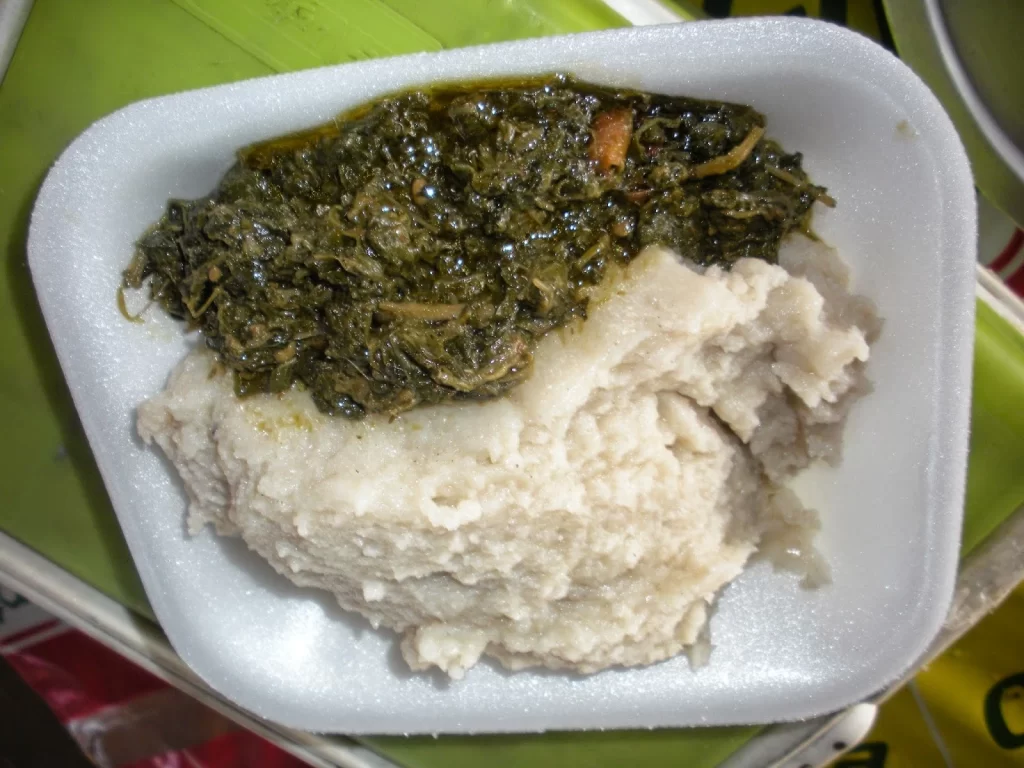
Serving Suggestion: You can serve Morogo with Pap (maize porridge). It is the ultimate comfort food!
Morogo vs Spinach: Which is Better?
You might be thinking, “Can’t I just eat spinach?” While spinach is good, Morogo has some hidden advantages.
Feature
Garden Spinach
Morogo (Wild)
Water Usage
Needs lots of water
Drought resistant
Price
Can be expensive
Often free to harvest
Protein
Low
High for a vegetable
Taste
Mild
Earthy and bold
Morogo is a sustainable crop. It doesn’t need expensive fertilisers or tons of water to grow. This makes it better for the planet!
The Cultural Importance of Morogo
In Southern African culture, Morogo is more than just food. It is a symbol of heritage. For generations, grandmothers have taught their grandchildren how to identify the right leaves.
It represents a connection to the land. When times are tough and food is scarce, Morogo is always there. It is a gift from nature that ensures no one goes hungry.
Can You Buy Morogo in Stores?
For a long time, you could only find Morogo in rural villages. But things are changing! Because people realise how healthy it is, you can now find it in:
Local Markets: Street vendors often sell bunches of fresh leaves.
Dried Form: Many shops sell dried Morogo. You soak it in water, and it’s ready to cook!
Canning: Some brands are now canning Morogo so people in cities can enjoy it easily.
Frequently Asked Questions (FAQ)
Is Morogo safe for babies?
Yes! Once babies start eating solid foods, mashed Morogo is a great way to give them iron. Just make sure it is cooked very soft.
Does Morogo taste bitter?
Some types, like the Spider Plant, have a slight bitterness. Most people like this, but you can reduce it by boiling the leaves in water and draining the water before sautéing.
How do I store Morogo?
Fresh Morogo wilts quickly. It is best to eat it the day you pick it. If you have too much, you can blanch the leaves (boil for 2 minutes) and then freeze them.
Conclusion: Give Morogo a Try!
Morogo is a true African superfood. It is cheap, healthy, and delicious. Whether you call it Theba, Muta, or Imifino, it is a vegetable that deserves a place on your plate.
Don’t pass those dark green leaves at a market the next time you see them. Get a handful, prepare some pap, and savor a little African culture. Both your money and your body will appreciate it!
Here’s your guide to 10 amazing amadumbe benefits and why you should eat this superfood. Have you ever seen a vegetable that looks like a potato but tastes like magic? If you live in South Africa, you know the amadumbe. Many people call it the …
Here’s your guide to a plant-based grocery list in South Africa. It gives you tips on what to buy and where to find it. Starting a plant-based diet in South Africa doesn’t require emptying your pantry. Instead, it’s about adding to what our grandmothers already …
Here’s your system for eating plant-based on a budget: low-cost vegan staples, meal prep, and money-saving tips.
Eating a plant-based diet in Africa is often seen as a luxury.
Many people think it is only for the wealthy. However, the truth is that traditional African diets have always been “plant-forward.”
For centuries, people across the continent have relied on grains for food. They also depend on tubers and legumes.
Choosing a vegan lifestyle can save you money.
By focusing on local ingredients and shopping smartly, you can enjoy healthy, delicious, and affordable meals.
This guide will show you exactly how to master a plant-based diet without breaking the bank.
The Foundation: Low-Cost Vegan Staples Found Across Africa
To save money, you must look at what grows locally.
According to plant-based nutrition educator Zama Zincume, imported “vegan” products like almond milk or processed meat substitutes are expensive. Instead, fill your pantry with these affordable stars.
Maize (Mealie Meal/Pap): This is the ultimate budget staple. It is filling and very cheap when bought in large bags.
Cassava and Yam: In West and Central Africa, these tubers are essential. They are versatile and can be boiled, mashed, or made into flour (fufu).
Teff and Fonio: These ancient grains are “superfoods” but are often cheaper than imported quinoa. Teff is a staple in Ethiopia, while Fonio is a hardy, gluten-free grain from West Africa.
The Power of Legumes (Protein)
You don’t need expensive meat to get protein.
Cowpeas (Black-eyed peas): These are widely available and very affordable.
Bambara Groundnuts: Often called a “complete food,” these are hardy legumes that grow well in dry soils.
Lentils and Chickpeas: These are perfect for hearty stews and are much cheaper than beef or chicken.
Indigenous Greens
Local farmers pack veggies full of vitamins. They often cost less than kale or lettuce.
Amaranth (Terere/Mchicha): A nutrient-dense green that grows quickly.
Pumpkin Leaves: Don’t throw them away! They are delicious in peanut-based sauces.
Spinach and Kale: Often grown in backyard gardens, making them nearly free for many.
Smart Shopping: Money-Saving Tips for the African Market
Where and how you shop can change your monthly food bill.
Buy in Bulk: Purchase 5kg or 10kg bags of rice, beans, and maize meal. The price per kilogram is much lower than buying small packets every day.
Visit the “Open Market”: Supermarkets often charge more for packaging and branding. Local street markets provide fresher produce for half the price. Shop in the late afternoon. Vendors want to clear their stock then.
Eat with the Seasons: If mangoes are everywhere, they are cheap. If they are rare, they are expensive. Adjust your meal plan based on what is currently being harvested.
Avoid “Vegan” Labels: A bag of lentils is naturally vegan but doesn’t have a “premium” price tag. Avoid the health food aisle and stick to the produce and bulk grain sections.
Strategic Meal Prep: How to Plan Your Plant-Based Week
Planning prevents “emergency” spending on expensive fast food.
Batch Cook Your Beans: Dried beans take a long time to cook. Boil a large pot of beans or chickpeas on Sunday. You can use them in stews, salads, or mashes throughout the week.
The “One Ingredient, Many Ways” Rule: For example, cook a large batch of millet. Use it as a hot porridge for breakfast, a base for a spicy stew at lunch, and a side for roasted vegetables at dinner.
Proper Storage: In hot climates, food can spoil quickly. Store your greens in a damp cloth in a cool place, or blanch and freeze them if you have a freezer.
High-Protein Vegan Substitutes Without the High Price Tag
You can enjoy “meaty” textures without buying expensive mock meats.
The Versatile Peanut: Peanut butter or groundnut paste is a secret weapon. Add it to spinach or kale to make a rich, protein-filled sauce. It is much cheaper than buying dairy cream.
Soya Mince: In many parts of Southern Africa, soy mince is a low-cost source of protein. It absorbs the flavour of whatever spices you use.
Mushrooms: Foraging for local types or buying them at the market adds nice texture to soups and stews.
Sample 7-Day Low-Cost African Vegan Meal Plan
Day
Breakfast
Lunch
Dinner
Mon
Maize porridge with peanuts
Bean and tomato stew with rice
Steamed greens and pap
Tue
Sweet potato hash
Leftover bean stew
Lentil dhal with sorghum
Wed
Banana and oat mash
Jollof rice (vegetable based)
Cabbage and potato stir-fry
Thu
Cassava bread/toast
Chickpea salad
Githeri (maize and beans)
Fri
Millet porridge
Vegetable soup with fufu
Peanut-sauce spinach and yam
Sat
Roasted groundnuts & fruit
Lentil burgers (homemade)
Spicy potato and kale stew
Sun
Leftover porridge
Traditional feast: Beans, rice, greens
Light vegetable broth
Overcoming Common Challenges
Transitioning to a plant-based diet can feel lonely, but you aren’t alone.
Social Pressure: When dining with family, focus on the delicious vegetable sides. Most African cultures have many naturally vegan side dishes.
Nutritional Needs: To stay healthy, make sure to eat a variety of colours. Indigenous greens provide iron, and fortified cereals can help with Vitamin B12.
FAQ: Common Questions About Plant-Based Living in Africa
Is a vegan diet more expensive than a meat-based one in Africa?
No. Studies show that whole-food plant-based diets are cheaper. They can cost 16% to 40% less than meat-based diets. The key is avoiding processed “speciality” vegan foods and sticking to local staples.
Where can I find affordable plant-based milk?
You can make your own! Blend soaked oats, peanuts, or tiger nuts with water, then strain through a cloth. It costs a fraction of the price of store-bought milk.
What are the best African vegan protein sources?
Cowpeas, lentils, chickpeas, peanuts, and soy mince are cheap and easy to find.
How do I cook dried beans faster to save on fuel?
Soak your beans overnight. It softens them and cuts cooking time. This saves you money on gas, charcoal, or electricity.
Conclusion: Embracing an Affordable Plant-Based Future
In Africa, eating plant-based food is a way to reconnect with our heritage. It’s a method to respect our finances, the environment, and our health.
Select bulk beans, seasonal vegetables, and local grains. In this manner, you can have a lively, energetic life at a low cost. Start today by substituting a substantial bean stew for one meat meal!
Unlock the power of affordable plant-based eating on Amazon.
Author:
Zama Zincume is an evidence-based plant-based wellness educator. He is also an author. His work focuses on preventing disease. He cares about affordability and African food systems.
Plant-Based Gluten-Free Recipes SA can feel tricky at first. However, it gets much easier when you know what to buy, what to swap, and what to cook on repeat. In this guide, I’ll share easy meals you can make in South Africa. You’ll use local …