
Umngqusho Benefits: South Africa’s Most Nutritious Meal
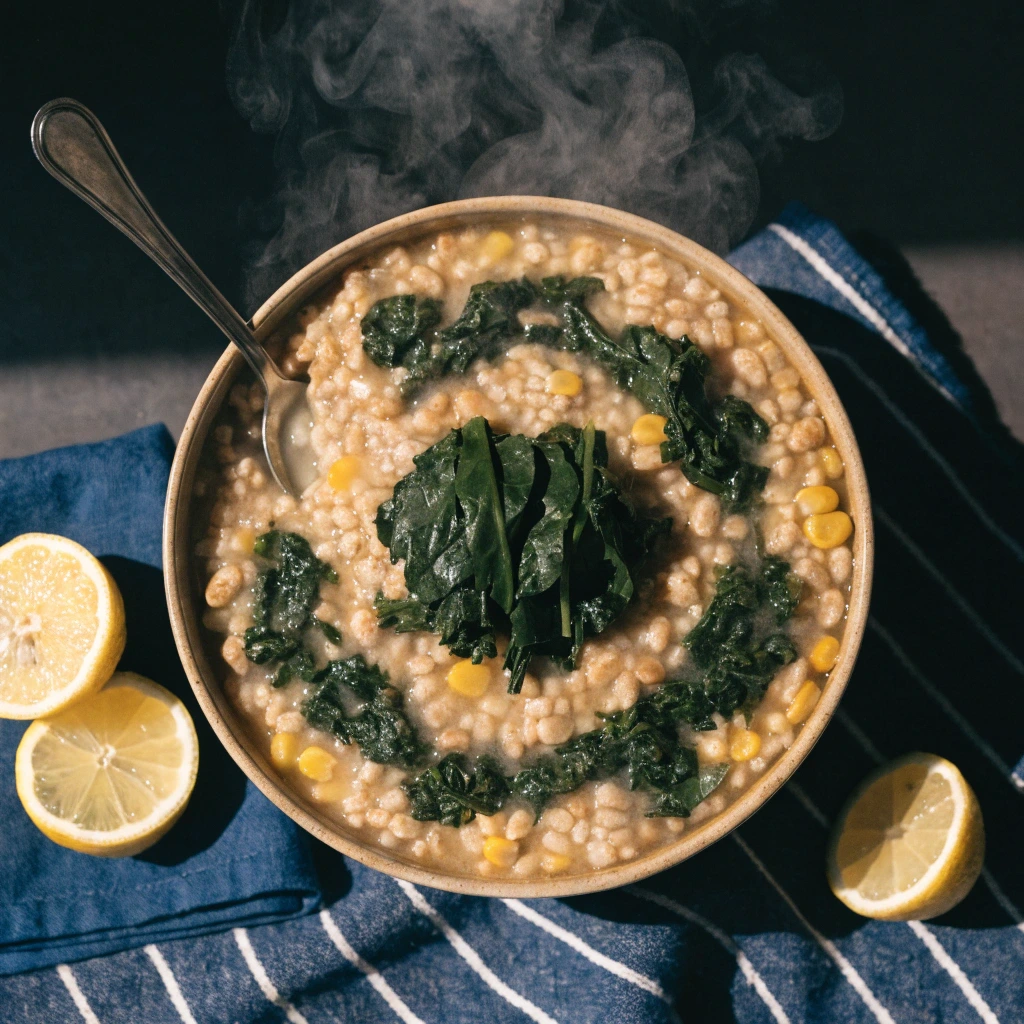
The dish your great-grandmother cooked didn’t need a nutrition label. It was the nutrition label.
A quiet revolution is changing how South Africans view food. It’s drawing us back to the pot that has simmered on our stovetops for centuries.
Umngqusho, a classic mix of samp and sugar beans, is more than just a cultural treasure or a cheap meal.
It is one of the most complete and health-promoting meals in Africa.
Wellness influencers show off quinoa from Peru and oat milk from Finland. But umngqusho has been feeding South African families for a long time. It existed before “superfood” was even a term.
Let’s look at the science, what our ancestors knew, and why this simple dish should be a staple on a plant-based plate.
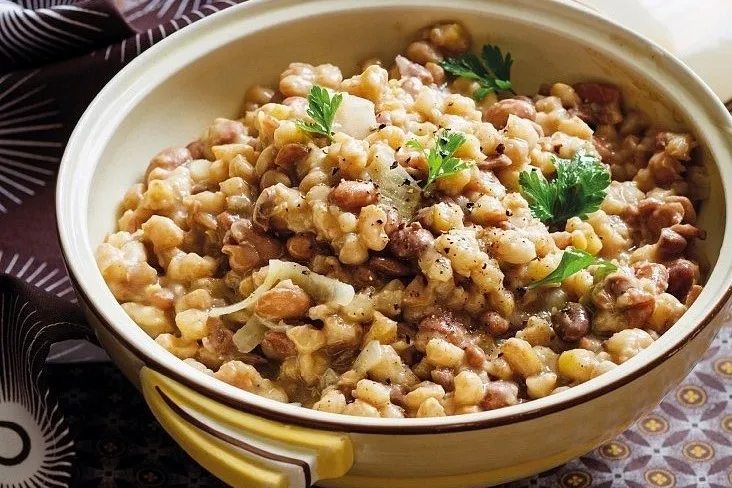
What Is Umngqusho?
Umngqusho is a traditional Nguni dish. It’s made from stamped maize (samp) and dried beans, usually sugar beans or cowpeas.
These ingredients cook slowly until tender. The flavours mix into a truly satisfying meal.
Xhosa cooking features the dish, which Nelson Mandela favoured. He even asked for it at his presidential inauguration.
In South Africa, this dish goes by different names and looks different. Some people add onion, butter, or a little chilli. Some keep things simple so the bean and grain can stand out.
But the main part of the food stays the same: samp and beans cooked slowly over low heat. It can be a main dish or a hearty side.
What makes umngqusho remarkable isn’t just its history. It’s its nutritional architecture — and that’s what we need to talk about.
The Protein Story: A Complete Amino Acid Profile Without Meat
A common myth in South African nutrition is that you can’t get enough protein from plant foods.
Umngqusho dismantles that myth with every bowl.
Samp (stamped maize) is a grain. Dried beans are a legume. Each has a partial amino acid profile. Grains are low in lysine, but legumes are low in methionine.
Combining them, as umngqusho does, creates a complementary protein. This mix contains all 9 amino acids your body needs but can’t make on its own.
This is not a happy accident.
Many traditional food cultures found this principle on their own.
For example, in India, they combine rice and lentils. In Mexico, corn pairs with black beans. Southern Africa features samp and beans. Our ancestors made a complete protein source. They didn’t know what amino acids were.
That is culinary intelligence of the highest order.
A standard serving of umngqusho (about 250g cooked) provides 10–14 grams of protein. This amount varies based on the bean-to-samp ratio.
For a plant-based eater, that’s important. Umngqusho is great, especially with other veggies or some seeds.
The Fibre Profile: Gut Health, Blood Sugar, and Beyond
Dietary fibre stands out as a key nutritional focus in modern research. Umngqusho is especially rich in this fibre.
Sugar beans and other legumes in umngqusho are rich in both soluble and insoluble fibre. They are among the best sources in any food group.
A 100g serving of cooked sugar beans contains approximately 6–7 grams of fibre.
Samp is a minimally processed whole grain. Unlike refined mealie meal, it keeps its bran and germ. This adds extra fibre to the dish.
The implications of this are wide-ranging:
Blood sugar regulation
Beans contain soluble fibre. This fibre slows the absorption of glucose into the bloodstream. As a result, it reduces the blood sugar spike after meals. Refined carbohydrates often cause this spike.
Umngqusho is a truly low-glycaemic meal. It’s not low in carbs, but its carbs come with fibre. This fibre helps the body process the meal slowly.
For South Africans with type 2 diabetes or insulin resistance, this is very important.
Gut microbiome support
The fibre that slows glucose absorption also feeds the good bacteria in your colon.
Legumes are high in prebiotic fibre. This fibre helps your gut bacteria make short-chain fatty acids, such as butyrate.
Butyrate helps reduce inflammation. It protects the gut lining. It’s also linked to mental health, immune health, and metabolism.
Eating umngqusho often helps create a healthier gut ecosystem with each meal.
Satiety and weight management
High-fibre meals take longer to digest and trigger satiety hormones earlier.
Umngqusho is a meal that fills you up and keeps you satisfied. This is why it has been a staple for generations of hardworking South Africans. That same quality makes it an asset for anyone managing their weight without hunger.
Micronutrient Density: Iron, Zinc, Magnesium, and Folate
Umngqusho offers more than just macronutrients. It is rich in important micronutrients. Many diets today miss these nutrients.
Iron
Sugar beans are a good source of non-heme iron — the plant-based form. It’s not as easy to take in non-heme iron as it is heme iron from animals. Pair umngqusho with vitamin C to boost absorption. You can serve it with tomato, lemon juice, or wild spinach (morogo). These will help a lot with iron absorption.
Folate
Legumes are great sources of folate (vitamin B9). This B vitamin is vital for DNA synthesis and red blood cell production. It’s especially important for healthy fetal development during pregnancy.
A bowl of umngqusho is a great way to meet daily folate needs. This makes it especially important for women of reproductive age.
Magnesium
Both beans and whole-grain maize contain magnesium. This mineral supports over 300 body functions. It controls blood pressure and manages blood sugar. It also supports muscle and nerve function. Magnesium also aids in sleep.
Magnesium deficiency is common. This occurs even in people who get enough calories. Refined grains and processed foods rob the body of this important mineral. Umngqusho, being minimally processed, retains it.
Zinc
Beans are a great source of zinc. Zinc is important for immune health. It also helps heal wounds and supports hormone production. Pairing umngqusho with fermented or acidic foods boosts zinc absorption from plant sources.
Potassium
Samp and beans both offer potassium. This mineral counteracts the effects of sodium and helps maintain healthy blood pressure.
In a world where people eat a lot of sodium, umngqusho’s high potassium content is a real benefit for heart health.
Umngqusho and Chronic Disease Prevention
Umngqusho is nutritious. It has a lot of fibre and good protein. It also has a low glycemic impact. Plus, it is rich in polyphenols and micronutrients.
These qualities help fight major chronic diseases in South Africa. These diseases are type 2 diabetes, heart disease, high blood pressure, and obesity.
Many big studies show that eating beans and lentils can lower heart disease risk. They also help control blood sugar. Plus, they can reduce blood pressure and lower overall deaths.
The PREDIMED study and the Adventist Health Study show that legumes are important. They help with long-term health. Many studies find the same thing.
South Africa doesn’t have to bring this healthy eating habit in from other countries. We’ve had it in the pot, on the stove, and at the table on Sunday.
The Economic Case: Nourishment Without Financial Strain
Nutritional density and affordability often don’t mix in wellness talks. But umngqusho changes that view.
A 500g bag of samp and a 500g bag of sugar beans cost less. You can buy them at Pick n Pay, Shoprite, or a local spaza. They are much cheaper than animal products that provide the same amount of protein.
Cooking these two ingredients together feeds a family of four well. Plus, the nutrition you get for each rand spent is truly remarkable.
This is not poverty food. This is sovereignty food.
It’s the food of a culture. Our ancestors knew how to make nutrition from the land and grain. This was long before anyone needed supplements.
For plant-based eaters in South Africa, finding affordable, healthy food can be tough. Umngqusho is the hidden gem that offers a great solution.
How to Prepare Umngqusho for Maximum Nutrition
Traditional preparation matters. Here are a few practices that optimise the nutritional value of umngqusho:
Soak your beans overnight
It is easier to cook dried beans if you soak them for 8 to 12 hours first. This anti-nutrient stops your body from absorbing minerals. To cook, discard the water used to soak it. This simple step boosts the bioavailability of iron, zinc, and calcium in the dish.
Cook low and slow
Umngqusho is not a rush-hour meal.
Slow cooking breaks down complex starches and softens the beans. This makes them easier to digest. Pressure cookers can reduce cooking time without compromising nutrition.
Add morogo or leafy greens.
Serve umngqusho alongside wild spinach, imifino, or any dark leafy green. Vitamin C in greens helps absorb non-haem iron. Plus, the extra micronutrients enhance the already great nutrition.
Go easy on the added fat
Traditional umngqusho is often finished with butter. From a plant-based view, a bit of olive oil works well. You can also use the creaminess of well-cooked beans. That’s enough. The dish doesn’t need enhancement — it needs respect.
Reclaiming African Food Wisdom
Traditions send a clear message when people say their foods are bad. It means that alien superfoods are the only way to get healthy. Then wellness feels like something that was brought in and then packed away.
The nutritional analysis of umngqusho goes beyond health. It is also a way to reclaim culture.
South African food includes umngqusho, morogo, amadumbe, sorghum, and cowpeas. It’s not just about scarcity. It is a cuisine born of wisdom.
Women have grown, cooked, and shared these with their families for generations. They didn’t have food experts to back up what they did. They had seen proof of towns that were doing well. Modern nutritional science is catching up.
It proves what Africans have always known about food. There is everything our bodies need in the land that we care for and understand.
Final Thoughts
Umngqusho is not a meal of the past. It’s a meal of the future. It’s nutritionally complete, environmentally friendly, and culturally rich.
Plus, it’s affordable for all South Africans, regardless of income.
If you are building a plant-based diet in South Africa, samp and beans are not a compromise. It is a cornerstone.
Cook it this week. Cook it slowly. And eat it knowing that you are not eating down to tradition — you are eating up to it.
Want to build your plant-based meals around South African staples? Get our free R500 Plant-Based Pantry Starter Guide. It shows you how to feed your family well and affordably, using African food wisdom.
For further reading, you can grab a copy of your book “Affordable Plant-Based Eating in South Africa” on Amazon.