
Sorghum (Amazimba) Porridge Benefits
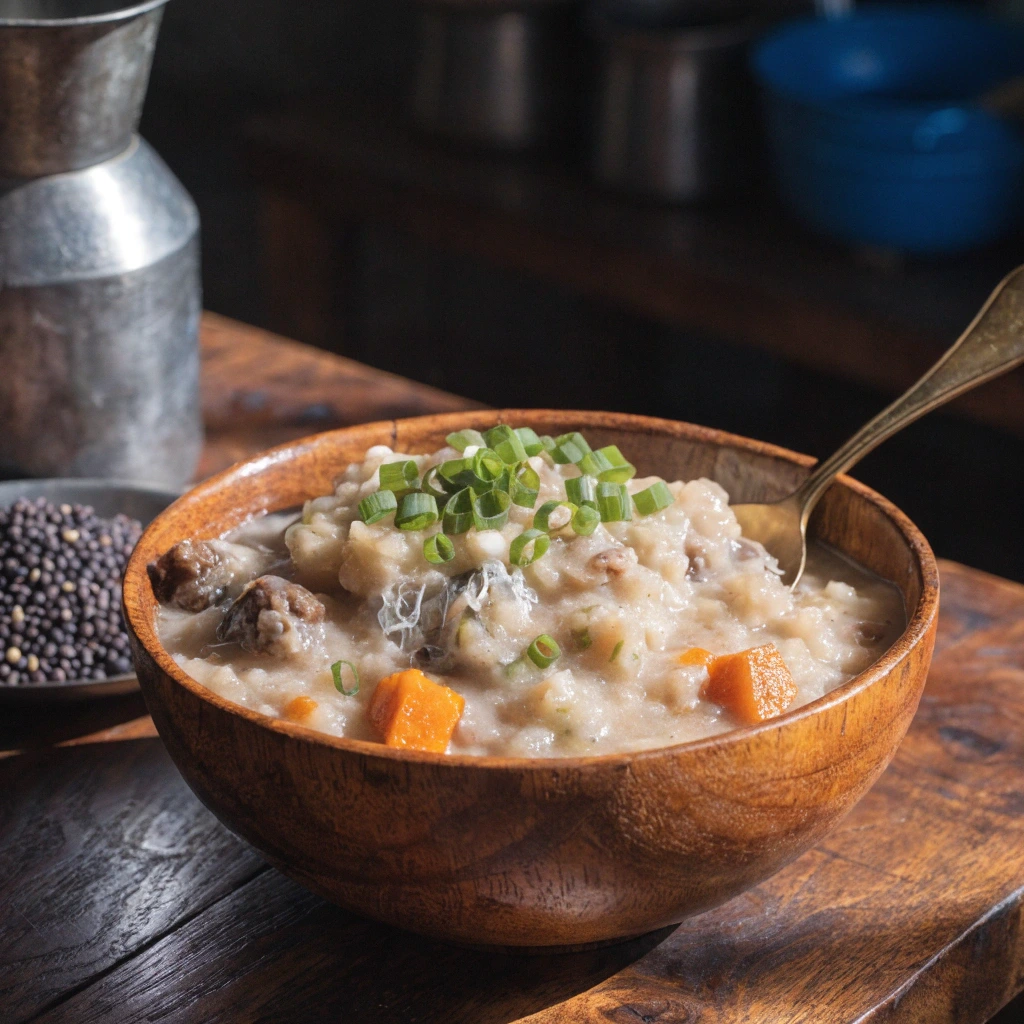
You probably walked right past it.
There it was—a dusty packet of mabele on the bottom shelf at Shoprite. It sat between the imported oats and the bright instant cereals. And you grabbed the oats.
That’s okay. Most of us did.
That humble packet of sorghum has a lot of healing power.
It’s called amazimba in isiXhosa. In isiZulu, it’s amabele, and in Sesotho and Setswana, it’s mabele. In Venda, it’s makhaha. Per spoonful, it packs more benefits than many expensive superfoods we import.
Today, we’re going to talk about the benefits of sorghum porridge.
It’s not just about nutrition.
Science shows why this ancient grain should return to your kitchen. It has fed southern African communities for over 3,000 years.
What Is Sorghum (Amazimba / Mabele)?
The food grain sorghum (Sorghum bicolor) comes from Africa.
People began farming in the Sahara about 8,000 years ago, as shown by archaeological finds. This evidence highlights the region’s long agricultural history.
In southern Africa, communities have been growing and fermenting it for a long time. They started cooking it even before maize arrived on our continent.
SA Grain Magazine calls sorghum a “resilient and versatile cereal grain.” It has fed Southern African communities for thousands of years. Sorghum grows well where other crops struggle.
Wits University researchers say this cereal crop is important. It helps with food security in Africa. They warn that we could forget it. Ultra-processed imported foods are taking over our plates.
That forgetting comes at a cost.
Our grandmothers knew sorghum porridge was good. Now, science backs this up. Studies in journals and clinical trials confirm it.
The Nutritional Profile of Sorghum: What’s in Your Bowl?
Before we get to the benefits, let’s look at what you’re actually eating when you cook a bowl of sorghum porridge.
Per 100g of dry sorghum meal, you get approximately:
- Complex carbohydrates: 72–74g — slow-release energy that keeps you going
- Protein: 10–12g — higher than most other traditional African cereals
- Dietary fibre: 6.5–8.5g — supporting digestion and gut health. Iron, magnesium, phosphorus, potassium, and calcium — all essential minerals
- B vitamins: niacin, thiamine, and riboflavin for energy metabolism
- Polyphenols and antioxidants — particularly 3-deoxyanthocyanins, tannins, and phenolic acids
Sorghum stands out in the last category: polyphenols.
Studies show sorghum has more antioxidants than blueberries and pomegranates. This is true for red, brown, and black types. Not a little more. Significantly more.
It’s naturally gluten-free. This makes it safe for those with coeliac disease and gluten sensitivity.
7 Evidence-Based Sorghum Porridge Benefits
1. It Keeps Your Blood Sugar Stable
This is probably the most talked-about benefit of sorghum, and for good reason.
South Africa is in the middle of a type 2 diabetes crisis.
The International Diabetes Federation says millions of South Africans have diabetes. Many also have pre-diabetes.
Diet is a big factor.
A 2023 review in Critical Reviews in Food Science and Nutrition (PubMed PMID: 34328387) looked at 16 studies. These included humans and animals. It found that eating sorghum helps lower blood sugar levels.
Researchers found that sorghum has a special mix of carbohydrates. It contains resistant, slowly digestible starches. This means sorghum raises blood sugar less than other cereals.
A 2025 study in PMC (PMC11314581) showed that sorghum varieties high in tannins lower oxidative stress markers. They help reduce stress in the body. They showed a 40% drop in malondialdehyde and a 63% drop in hydrogen peroxide. Both are signs of cellular damage from high blood sugar.
If you have diabetes, pre-diabetes, or a family history, swap refined maize pap or white bread. Use sorghum porridge instead. This is a simple, evidence-based food change you can make.
2. It Feeds Your Gut and Supports Healthy Digestion
Your gut needs fibre — and not just any fibre.
It needs different types of feed that support good bacteria. They also slow down transit and support your intestinal lining. Sorghum delivers on all this.
A 2024 review in the Journal of Food Science (PMC11641550) found that whole-grain sorghum is high in dietary fibre. It has slowly digestible starches and resistant starches, too.
These ingredients boost metabolism. They also help prevent chronic diseases. Resistant starch is a prebiotic. It feeds good gut bacteria and helps your microbiome thrive.
Good gut health helps your immunity. It lowers inflammation and improves mood. It may also reduce cancer risk. The gut-brain axis allows bacteria in your gut to communicate directly with your brain. When your gut is healthy, your whole body benefits.
3. It’s Loaded with Antioxidants That Fight Inflammation
Chronic inflammation causes many diseases. It leads to heart disease and diabetes. It can also cause some cancers, arthritis, and depression.
The food you eat every day either turns inflammation up or turns it down.
Sorghum turns it down.
A 2024 review in the Journal of Food Science (PubMed PMID: 38517029) included 177 researchers from 12 countries and 42 studies.
It found that “coloured sorghum” has more phenolic compounds. These include 3-deoxyanthocyanins and tannins. They help stop cancer cell activities.
This means less cell growth, tumour growth, and ROS activity.
A 2025 bibliometric analysis (PMC12694455) used Web of Science, Scopus, ScienceDirect, and PubMed. It found that sorghum has many health benefits. Its bioactive compounds are key.
Antioxidant capacity is one of its best features.
Sorghum has tannins. You mostly find these in darker, whole-grain types. Western wellness culture is just now learning about them. Our grandmothers were already using them.
4. It Supports Heart Health and Healthy Cholesterol Levels
Heart disease is the number one killer in South Africa. While many factors are involved, diet plays a central role.
A 2023 review (PubMed PMID: 34328387) found that sorghum is good for blood lipids. Eating sorghum can improve cholesterol levels.
Soluble fibre, resistant starch, and polyphenols team up. They lower LDL (“bad”) cholesterol. They also cut down chronic inflammation. This inflammation can damage blood vessel walls over time.
In 2024, researchers at the University of Wollongong studied whole-grain sorghum. They found that eating it often may boost health. This could help with heart disease and other metabolic issues (Journal of Food Science, PMC11641550).
For South Africans, sorghum is important because it’s a whole food. It’s not a supplement, a powder, or an expensive import. It’s a bowl of porridge. Accessible. Affordable. And protective.
5. It Keeps You Full for Longer — Supporting a Healthy Weight
Hunger is one of the biggest challenges with any healthy eating pattern. If your food doesn’t keep you full, you’ll be reaching for something else by 10 am.
Sorghum porridge is very filling. It has high fibre, resistant starch, and protein.
The 2023 review showed that sorghum helps with feelings of fullness. It also aids in managing weight. When you eat sorghum porridge in the morning, the complex carbohydrates are digested slowly. Your blood sugar stays stable. Hunger hormones stay quiet. You’re not fighting cravings — your food is doing the work for you.
A filling, nutritious, affordable breakfast is a form of food sovereignty. You’re choosing the original, not the imitation.
6. It’s an Excellent Plant-Based Protein Source
Sorghum porridge offers 10–12g of protein per 100g. This makes it a great source of protein. It works well with other plant proteins, too. Add cowpeas (izinamatane), groundnuts, or a spoon of natural peanut butter to your bowl. These boost nutrition.
This food pairing is something our ancestors did naturally. Now, nutrition science shows it’s a good match for amino acids.
Protein helps repair muscles. It boosts your immune system. It also aids in making enzymes. Plus, it keeps every cell in your body healthy.
Starting your day with sorghum porridge is a great choice. It’s packed with protein, fibre, and antioxidants. This bowl is a smart way to nourish your body.
7. Fermented Sorghum Porridge May Be Even More Beneficial
In Tswana culture, people call traditional fermented sorghum ting.
It has been a staple for many generations. And science is now validating what communities have always known.
A 2025 study in PMC (PMC12691922) found that fermented sorghum porridges contained higher levels of antioxidants. They had higher levels than those in non-fermented samples. They were stronger than the unfermented ones.
Fermentation boosted flavonoid levels. It also changed bound antioxidants into forms the body can better absorb and use.
Fermentation also introduces beneficial bacteria (probiotics) that enhance gut health.
When you ferment sorghum before cooking, you’re doing more than just cooking. It’s a simple process: soak mabele in water with a small piece of potato for 48–72 hours. You’re practising food medicine.
Traditional fermented sorghum porridge from southern Africa doesn’t need modernising or replacing. We need to remember it.
Sorghum Porridge vs Other Breakfast Options
Let’s be honest about the alternatives:
- Imported oats: Nutritious, yes. But they come from Scotland or Australia. They are shipped far away and cost a lot. Sorghum is grown by South African farmers. It thrives in our climate and costs much less.
- Refined maize pap (uputhu): This South African staple is made from maize endosperm. It has little fibre and nutrients. So, it ends up being high-GI and low in antioxidants.
- Commercial breakfast cereals: Often highly processed, high in sugar, and low in fibre. The colourful marketing tells a very different story from the nutrition label.
- Sorghum (whole grain): Naturally gluten-free. Low to medium GI. High in fibre, protein, iron, magnesium, and antioxidants. Culturally rooted. Climate-resilient. Affordable. South African.
There is no contest.
How to Make Sorghum Porridge at Home (The Simple Method)
What you need:
- 1 cup whole-grain sorghum meal (find it at Shoprite, Pick n Pay, Checkers, Boxer, and most spaza shops)
- 3–4 cups water
- Pinch of salt (optional)
Method:
1. In a small pot, bring 3 cups of water to a boil.
2. Mix 1 cup sorghum meal with 1 cup cold water to form a smooth paste — this prevents lumps.
3. Pour the paste slowly into the boiling water, stirring constantly.
4. Reduce the heat to low. Continue stirring for 5–10 minutes until thick and smooth.
5. Cover and allow to simmer for a further 5 minutes.
6. Serve warm.
Ways to serve it:
- With plant-based milk and banana for a naturally sweet breakfast
- Stirred with natural peanut butter and a drizzle of date syrup
- With stewed dried fruit (umuthi wesithelo) and a sprinkle of cinnamon
- Savoury style: with slow-cooked beans (izinamatane) for a protein-rich meal
A Note on Quality: Choose Whole-Grain Sorghum
Not all sorghum products are equal.
Decorticated or refined sorghum meal has had its bran removed. Without the bran, it also loses fibre, antioxidants, and micronutrients. These nutrients are what make sorghum healthy.
Look for whole-grain sorghum meal when shopping. The label should say “whole grain” or “including bran.”
In South Africa, you can find Super Tieng and Safari Sorghum. There are also store brands from Shoprite, Pick n Pay, Checkers, and Boxer. Many local health stores and African food markets also stock whole-grain varieties.
If you’re unsure, choose darker sorghum meal. It usually has more polyphenols. It also means less processing.
The Bigger Picture: Food Sovereignty and Cultural Reclamation
At EatingPlantBasedZA, we discuss Sovereign Living. This means true health comes from being in charge of what we eat, how we think, and how we shape our lives.
Sorghum porridge is an act of food sovereignty.
Wits University researchers wrote in The Conversation (2022).
Sales of ultra-processed snacks, ready meals, and noodles in South Africa rose by over 40% from 2005 to 2010.
They urged South Africans to “reinvigorate sorghum as a key food before it’s lost.” They saw that moving away from native grains has led to more obesity. It has also caused higher rates of diabetes and other diseases.
The grain that built our ancestors is still here. It still works.
The 3,000 years of use in southern Africa isn’t just a coincidence. It’s wisdom built over time, now backed by labs from Brasília to Wollongong.
Choosing sorghum porridge means picking food that suits our climate. It fits our soil and our bodies, too. It is a return — not a compromise.
Frequently Asked Questions About Sorghum Porridge
Is sorghum porridge good for weight loss?
Yes. Its high fibre and resistant starch content promote satiety and help regulate appetite. It helps manage weight and stabilises blood sugar. This is true when following a whole food, plant-based diet.
Can people with diabetes eat sorghum porridge?
Yes — and it may actually help. Studies show that sorghum has slowly digestible starch. It also contains tannins. Together, they lower the glycaemic response. This effect is stronger than in other grains. When making big changes to your food, you should always talk to your doctor first.
Is sorghum porridge gluten-free?
Yes. Sorghum (Sorghum bicolor) is gluten-free. This makes it safe for those with coeliac disease or gluten sensitivity.
Where can I buy sorghum meal in South Africa?
Most major retailers stock it: Shoprite, Pick n Pay, Checkers, Boxer, and Woolworths. Look for whole-grain varieties for maximum nutritional benefit. Many spaza shops and African food markets also carry traditional mabele/amazimba meal.
How is amazimba different from sorghum?
They are the same grain. Amazimba is the isiXhosa name. Amabele is isiZulu. Mabele is for Sesotho and Setswana. Makhaha is the Venda term. All refer to Sorghum bicolor.
The Bottom Line: Sorghum Porridge Is Whole Food Medicine
Let’s bring this home.
Sorghum porridge — amazimba — is not a health trend. It is not a wellness fad. We didn’t learn this from a podcast or an American nutritionist’s Instagram.
It is ours.
The science comes from many studies. These journals include Critical Reviews in Food Science and Nutrition, Journal of Food Science, and Food & Function. You can find them on PubMed/PMC. They show what southern African communities have always known.
Sorghum:
- Keeps blood sugar stable.
- Fills up and heals the gut.
- Delivers strong vitamins that reduce inflammation.
- Good for the heart.
- Helps you feel full.
- Offers energy from plants.
If you ferment it, it gets even healthier.
All of this. In a bowl. It costs less than a cup of coffee.
The next time you walk past that dusty packet on the bottom shelf — pick it up. Your body knows it. Your ancestors knew it. And now, science knows it too.
You can further explore sorghum as a staple food in this book.
EatingPlantBasedZA supports plant-based nutrition. We rely on evidence. We celebrate South African culture. All articles reference peer-reviewed scientific literature. This article is for educational purposes and does not constitute medical advice. For personalised diet advice, please speak with a qualified healthcare professional.
Key Scientific References
- Ducksbury C, Neale EP, Stefoska-Needham A. The effect of sorghum consumption on markers of chronic disease: A systematic review. Critical Reviews in Food Science and Nutrition. 2023;63(2):159–177. PubMed PMID: 34328387.
- Stefoska-Needham A et al. Sorghum and health: An overview of potential protective health effects. Journal of Food Science. 2024;89(S1):A30–A41. PMC: PMC11641550.
- Oliveira LL, Figueiredo LF. Sorghum phytonutrients and their health benefits: A systematic review from cell to clinical trials. Journal of Food Science. 2024;89(S1):A5–A29. PubMed PMID: 38517029.
- Health-Promoting Properties of Sorghum Bioactive Compounds — A Comprehensive Bibliometric Analysis. PMC. 2025. PMC: PMC12694455.
- Potential of Sorghum Seeds in Alleviating Hyperglycemia, Oxidative Stress, and Glycation Damage. PMC. 2025. PMC: PMC11314581.
- Passos GAL et al. Consumption of sorghum-based products and their impact on blood glucose and satiety: A protocol for systematic review and meta-analysis. PLOS ONE. 2025. PMC: PMC12410867.
- Effect of Okara Inclusion on Starch Digestibility and Phenolic-Related Health-Promoting Properties of Sorghum-Based Instant Porridges. PMC. 2025. PMC: PMC12691922.
- SA Grain Magazine. Sorghum — ancient grain, modern goodness. January 2026.
- Wits University / The Conversation. Amazing ting: South Africa must reinvigorate sorghum as a key food before it’s lost. 2022.