The dish your great-grandmother cooked didn’t need a nutrition label. It was the nutrition label. A quiet revolution is changing how South Africans view food. It’s drawing us back to the pot that has simmered on our stovetops for centuries. Umngqusho, a classic mix of …
Here’s your Shoprite vegan grocery list and your budget edition on what South Africans need. You want to eat plant-based, but you’re on a South African budget, not a Woolworths Food Hall one. Good news! Shoprite is one of the best stores for affordable vegan …
Quick Answer: Yes, affordable plant-based eating (Africa-focused) is possible. In fact, it can be one of the cheapest ways to eat well when you use local staples like beans, lentils, maize meal, rice, sorghum, millet, seasonal vegetables, and fruit. The big secret is simple: plan first, buy smart, and cook mostly from scratch.
In this guide, you will learn how to build a low-cost plant-based pantry, shop wisely in African markets, cook beans the easy way, and follow a simple 7-day meal plan. You will also get quick meal ideas, common mistakes to avoid, and FAQs in a “People Also Ask” style.
Is Affordable Plant-Based Eating (Africa-Focused) Possible?
Yes—affordable plant-based eating (Africa-focused) works when you base meals on local staples (beans, grains, tubers, vegetables) and limit costly packaged “speciality vegan” items.
What “affordable” means in real life
Affordable does not mean you must eat the same meal every day.
Instead, it means you can:
Use budget staples as your base (beans, grains, and veggies).
Buy seasonal produce and shop where prices are better.
What “Plant-Based” Means Here (So You Don’t Overspend)
Plant-based vs vegan vs whole-food plant-based
These words can be confusing.
So, let’s make it easy:
Plant-based: You eat mostly plant foods. Some people still eat small amounts of animal foods.
Vegan: You avoid all animal products (and usually avoid animal byproducts like leather, too).
Whole-food plant-based (WFPB): You focus on whole plant foods and limit ultra-processed foods.
For affordable plant-based eating (Africa-focused), the best money-saving approach is to eat primarily whole foods and treat packaged items as “sometimes foods.”
The money rule: “More whole foods, fewer packaged foods”
Here is a simple rule you can remember:
If it grows from the ground (or comes from a basic pantry bag), it is usually cheaper.
For example, dry beans are often cheaper than:
canned beans
plant-based sausages and burgers
imported vegan snacks
fancy “superfood” powders
This does not mean you can never buy these items.
It simply means you will save more money if you don’t build your daily diet around them.
Why Affordable Plant-Based Eating Works in Africa
Africa already relies on budget-friendly staples
Across Africa, many traditional meals already use affordable staples like:
Because these foods are common and widely sold, you can often find them at better prices than imported or heavily processed foods.
The biggest cost trap: imported “health foods” and fake meats
Many people think plant-based eating means buying expensive items. However, the biggest budget trap is relying on:
meat substitutes every day
imported snacks and protein bars
special “diet” products
fancy ingredients you rarely use
Instead, you can eat very well with simple local foods. Next, let’s build your “budget plate.”
The 4-Part Budget Plate for Affordable Plant-Based Eating (Africa-Focused)
If you want affordable plant-based meals that keep you full, use this 4-part plate. It works in many African kitchens because it uses basic, familiar ingredients.
Part 1 — A starch staple (cheap energy)
Choose one:
maize meal/pap/ugali
rice
oats
sorghum or millet
potatoes or sweet potatoes
bread (preferably whole grain when possible)
Part 2 — A protein staple (cheap strength)
Choose one:
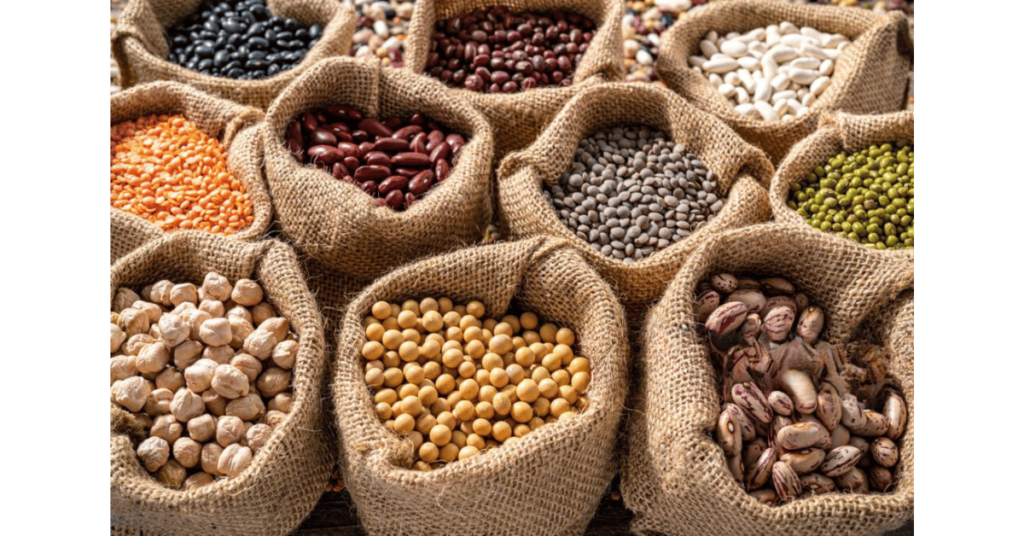
Beans (sugar beans, kidney beans, black beans, etc.)
lentils
split peas
chickpeas
soy options (like soya mince/TVP, tofu, where available)
Part 4 — A flavour + fat helper (small but significant)
Add one for taste and satisfaction:
peanut butter or groundnuts
sunflower seeds, pumpkin seeds, sesame
avocado (when in season)
a small amount of oil (optional)
onions, garlic, spices, herbs, lemon/vinegar
Transition tip: Once you learn this plate, shopping becomes easier because you always know what to buy.
The Affordable Plant-Based Pantry List (Africa Staples First)
A good pantry helps you eat well even when money is tight. Also, it saves you from last-minute takeaways.
Dry staples that stretch meals
maize meal
rice
oats
sorghum or millet
whole wheat flour (or regular flour if needed)
pasta (optional, budget-friendly)
Budget plant proteins
dry beans (different types for variety)
lentils (fast-cooking and very budget-friendly)
split peas
chickpeas
soya mince/TVP (optional for convenience)
Budget vegetables and fruit strategy
To save money, focus on seasonal and everyday items. Also, choose vegetables that last longer, such as:
cabbage
carrots
onions
potatoes and sweet potatoes
pumpkin or butternut
Tomatoes (buy in season or use tinned tomatoes when needed)
For fruit, go for what is in season and affordable in your area. Even one fruit per day can make a big difference.
The “tiny but powerful” extras
salt and pepper
curry powder, paprika, mixed herbs
stock cubes or stock powder (choose what fits your needs)
vinegar or lemons
peanut butter
tea (unsweetened or lightly sweetened)
Next: Now that your pantry is ready, let’s talk about how to shop smart.
Smart Shopping Rules for Affordable Plant-Based Eating (Africa-Focused)
Rule 1 — Buy dry beans and lentils in bulk when possible
Dry beans and lentils usually cost less per meal than canned beans. They also last longer. If you can, buy bigger bags and store them in airtight containers.
Rule 2 — Choose seasonal produce (and shop where it’s cheaper)
Seasonal produce often costs less and tastes better. Also, local markets can offer better prices than smaller convenience shops.
Rule 3 — Plan meals before you shop
Before you spend money, decide on your meals for the week. Then write a list and stick to it. This one habit can cut your bill fast.
Rule 4 — Cook once, eat twice (batch cooking)
Batch cooking means you cook a large pot of food once, then eat it over 2–3 days. This saves:
money (less waste)
time (fewer cooking days)
energy (less gas/electricity use)
Rule 5 — Limit “speciality vegan” items to treats
It’s okay to enjoy plant-based milks, vegan sausages, or vegan cheese sometimes. However, if these become daily items, your budget will struggle. Instead, build daily meals from staples first, then add extras when you can.
How to Cook Beans and Lentils the Cheap Way (Africa-Friendly)
Is plant-based eating cheaper than eating meat in Africa?
It can be cheaper, especially when you use local staples like beans, lentils, grains, and seasonal vegetables. However, it can become expensive if you rely on packaged vegan meats, imported snacks, and convenience foods.
What are the cheapest plant-based protein foods?
In many places, the cheapest plant-based proteins are beans, lentils, split peas, chickpeas, and groundnuts. Also, soya mince can be cost-effective for some households when used wisely.
How do I eat plant-based on a budget without soy?
You can skip soy and still do well. Focus on beans, lentils, chickpeas, split peas, groundnuts, seeds, and whole grains. Then build meals with vegetables and simple seasonings.
What should I buy first for a cheap plant-based pantry?
Start with a few staples you will truly use: rice or maize meal, oats, beans or lentils, onions, tomatoes (or tinned), cabbage, carrots, and a basic spice mix. Then add more items slowly.
How can I meal-prep plant-based meals to save money?
Pick 2–3 large-pot meals for the week, cook them in batches, and store portions in the fridge or freezer. This reduces waste and helps you avoid last-minute takeout.
Are canned beans okay if I’m busy?
Yes. Canned beans can save time. If they fit your budget, use them sometimes. Still, dry beans are usually cheaper per meal, so many people use dry beans most of the time and canned beans only for emergencies.
What is the simplest, cheap plant-based meal?
One of the simplest meals is beans, a starch, and greens. For example: pap + bean stew + cabbage, or rice + lentils + spinach. It is simple, filling, and flexible.
Do I need supplements on a budget plant-based diet?
Many plant-based eaters consider vitamin B12 necessary. Other needs depend on your diet, your health, and your lab results. If you are unsure, speak to a qualified healthcare professional.
Final Tips for Affordable Plant-Based Eating (Africa-Focused)
Start small, stay consistent
You do not need to change everything overnight. Instead, start with a straightforward step, like adding beans to your weekly meals. Then keep going.
Your next three steps
Pick three budget meals you can cook this week.
Shop using a list (and avoid impulse buys).
Cook in batches, so you always have food ready.
Bottom line: Affordable plant-based eating (Africa-focused) is not about being perfect. It is about using local staples, cooking simply, and making wise choices again and again.
Introduction Here’s your guide to an affordable vegan meal plan in South Africa. Let me ask you a question. Ever thought about going vegan but worried it would break the bank? In South Africa, plant-based eating is gaining popularity. More people are discovering its excellent …
Introduction A common question arises whenever someone talks about going vegan in South Africa: “Isn’t that too expensive?” Bringing it home, “Is veganism too expensive in SA?” The notion that a plant-based diet is expensive has been a common misconception, particularly in South Africa. You’ve …
Discover an affordable plant-based diet in South Africa.
Yes, I get it.
You might think about switching to a plant-based diet, but worry it will cost too much. I had the same concern when I started my plant-based journey in South Africa.
Good news!
You can enjoy plant-based meals on a budget, and you won’t have to sacrifice nutrition or flavour!
Many people assume that going plant-based means expensive speciality products and overpriced alternatives. But the reality is quite the opposite.
Traditional South African diets feature affordable, plant-based staples. These include maize meal, beans, lentils, and fresh, seasonal vegetables. It’s about knowing where to shop, what to buy, and how to make tasty, budget-friendly meals.
This guide shows you how to create a budget-friendly plant-based diet in South Africa. You’ll learn tips to keep your grocery costs low.
Discover smart shopping tips and meal-planning hacks. Learn to nourish yourself with healthy, plant-based foods without breaking the bank.
Whether in Johannesburg, Cape Town, Durban, or a smaller town, these tips will help you use what’s available locally.
If you want to live healthier and save money, let’s explore how to enjoy a budget-friendly plant-based diet in South Africa!
Understanding a Plant-Based Diet: What It Means
When I first heard about plant-based eating, I thought it was another trendy diet.
As I learned more, I saw that it’s more than just food. It’s a lifestyle focused on whole, nutrient-rich foods. A plant-based diet means eating plant foods, including fruits, vegetables, grains, legumes, nuts, and seeds.
The best part?
It doesn’t mean you must give up your favourite South African flavours or dishes!
The Benefits of a Plant-Based Diet in South Africa
One of the biggest reasons I chose a plant-based diet was for the health benefits.
Eating more plant-based foods can reduce heart disease risk. It also helps digestion and increases energy.
Plus, it’s a fantastic way to manage weight naturally without restrictive dieting. Since the switch, I’ve felt lighter, more energized, and healthier.
Debunking the Myth: Is a Plant-Based Diet Expensive?
I once thought eating plant-based in South Africa would be expensive. Then I realized it’s all about making wise choices.
Affordable foods like lentils, beans, maize meal, and seasonal veggies are essential for a plant-based diet.
Why a Plant-Based Diet is Perfect for South Africans
South Africa has many plant-based foods. It includes traditional staples like morogo (wild spinach), samp, and beans. You can also find tasty vegetable curries that are influenced by Indian cuisine. Eating more of these foods helps us stay healthy and save money. It also supports sustainable living.
Let’s make a plant-based diet affordable and sustainable in South Africa!
The Cost of Plant-Based Eating in South Africa: A Comparison of Prices
When I first considered switching to a plant-based diet, I worried it would be expensive. Changing my grocery shopping habits to whole, local foods showed me that plant-based eating in South Africa can be affordable. In fact, with the right approach, it can cost even less than a diet heavy in animal products.
Comparing Costs: Plant-Based vs Meat-Based Diet
Many people think meat is needed for every meal. Plant-based foods, like beans, lentils, and maize meal, are cheaper than meat, fish, or dairy.
A kilogram of dried lentils or beans costs much less than beef or chicken. Yet, it offers the same or even more protein, fibre, and essential nutrients.
Factors That Influence the Cost of Plant-Based Foods
Like any diet, the cost of plant-based eating depends on a few key factors:
Seasonality: Buying fruits and vegetables when they’re in season is much cheaper. In summer, tomatoes, mangoes, and spinach cost less. Winter offers better prices on butternut and sweet potatoes.
Location: You might pay more if you shop at big retail supermarkets. Buying from local markets, informal vendors, or wholesalers can save you money.
Processed vs. Whole Foods: Plant-based processed foods like faux meats and vegan cheese can be pricey. Using whole, natural ingredients like grains, legumes, and fresh produce helps you save money.
Saving Money on a Plant-Based Diet in South Africa
To make plant-based eating cheaper, I’ve picked up some money-saving tips that help:
Buy in bulk: Staples like rice, beans, and lentils are cheaper when bought in large quantities.
Plan meals and cook in batches. This helps you avoid impulse spending and reduces food waste.
Grow your food: Even a small home garden with spinach, tomatoes, or herbs can save money in the long run.
Shop at local markets. Community markets often have fresher produce at lower prices than big-chain supermarkets.
Shopping Smart: Tips for Reducing Grocery Bills
One of the best ways I’ve found to make plant-based eating even more affordable is by shopping savvy. Here are my top tips for keeping your grocery bills low:
Compare Prices: Check out supermarkets, street vendors, and local markets for the best deals.
Use a Shopping List: Sticking to a written list helps prevent impulse purchases and ensures you only buy what you need.
Buy Seasonal Produce: Fruits and vegetables that are in season are not only fresher but also much cheaper.
Skip Packaged Foods: Whole foods like dried beans and grains are usually cheaper than pre-cooked or canned foods.
Use Specials and Discounts: Many stores have bulk deals or end-of-day discounts on fresh produce.
Join Community Food Co-Ops: Some neighbourhoods have bulk-buying groups. By buying from farmers, you can get fresh produce for less.
Here are some simple shopping tips. They help me save money and enjoy a healthy, tasty, plant-based diet in South Africa!
Nutritional Considerations on a Budget: Staying Health While Saving Money
I worried about my nutrients when I started eating plant-based on a budget. I wanted to stay healthy without spending too much.
With some planning, you can get all the vitamins, minerals, and protein your body needs without spending much.
Here are some essential tips for a budget-friendly plant-based diet in South Africa.
Protein: Filling and Affordable Plant-Based sources
One of the first questions I had when starting a plant-based diet was, Where will I get my protein? The good news is that plant-based protein sources are abundant and budget-friendly.
Lentils and Beans: These are my go-to staples. They’re packed with protein, fibre, and many other essential nutrients and are incredibly affordable. Buy them in bulk to save even more. Plus, they’re versatile, working in everything from stews to curries.
Tofu and Tempeh: While sometimes a bit pricier, tofu and tempeh packs with plant-based protein and can be resourced in bulk or on sale. I love adding them to stir-fries and curries or baking them for a crunchy texture.
Peanut Butter and Nuts: These are great for healthy fats and protein to your diet. They’re filling and can be used in smoothies, sandwiches, or snacks.
Including these protein-rich foods in my meals helps me stay energized and build muscle. I can do this without relying on meat-based proteins.
Essential Vitamins and Minerals: Don’t Skip the Micronutrients
It’s easy to focus on protein, carbs, and fats. But remember, your body also needs vitamins and minerals to thrive. I’ve found ways to make my plant-based diet healthy and budget-friendly.
Vitamin B12: Since vitamin B12 is primarily found in animal products, it’s crucial to find a reliable source in a plant-based diet. I take a supplement, as it’s the most cost-effective and efficient way to ensure I’m getting enough.
Iron: Plant-based iron isn’t absorbed, and neither is animal-based iron. Pair iron-rich foods like spinach, lentils, and chickpeas with vitamin C sources. Tomatoes and citrus fruits are great options. This pairing boosts iron absorption.
Calcium: Dark leafy greens (think kale and spinach) and fortified plant milks are my go-to for calcium. I also eat a lot of tofu and tahini to boost my calcium intake, which helps with bone health and well-being.
Omega-3 Fatty Acids: Walnuts and flaxseeds are affordable sources of omega-3 fatty acids. I add them to smoothies or sprinkle them on salads for an extra nutrient boost.
I eat a variety of whole foods. This way, I get all the essential vitamins and minerals I need.
The Importance of Fibre on a Plant-Based Diet
Fibre is a significant reason why plant-based diets are so great for digestive health. High-fiber foods like beans, lentils, veggies, and whole grains keep me full longer and support digestion.
Whole Grains and Legumes: Foods like brown rice, oats, quinoa, and whole wheat bread provide a healthy dose of fibre. These are inexpensive and make for filling meals that fuel my body.
Fruits and Vegetables: In-season fruits and vegetables, such as apples, oranges, carrots, and spinach, are excellent fibre sources and affordable. By eating a wide variety, I ensure I get different fibre types that contribute to a healthy gut.
Since increasing my fibre intake, my digestion and gut health have improved. Fibre is also a cost-effective way to stay healthy.
Balancing Macronutrients for Energy and Health
At first, I ate only fruits and veggies. Then, I saw I needed to balance my macronutrients for better energy.
A budget-friendly, plant-based diet requires me to get enough carbohydrates, fats, and proteins to stay energized and satisfied.
Carbs: These are a vital energy source for my body. I use cheap, whole foods to power my day. These include potatoes, sweet potatoes, maize meal (pap), and whole grains.
Healthy Fats: Healthy fats are essential for everything from brain function to cell health. I make sure to include affordable fat sources like avocados, seeds, and nuts. They’re also great for keeping me feeling full.
Protein: I mainly get protein from legumes, tofu, and peanut butter. These options help me create balanced meals that fuel my body and are budget-friendly.
Balancing my macronutrients boosts my energy. Focusing on whole, plant-based foods also helps me stick to my budget.
Planning Nutrient-Dense Meals Without Breaking the Bank
Meal planning has been a game-changer in staying on top of my nutritional needs.
Planning meals with affordable, nutrient-rich foods helps me get the nutrients I need without spending too much.
Bulk Cooking and Freezing: I cook big batches of soups, stews, and curries with legumes and whole grains. Then, I freeze them in single portions. This ensures I always have healthy meals without wasting food or money.
Seasonal Shopping: Buying fruits and veggies in season saves money and gives me the freshest and healthiest options.
Whole Foods Matter: Sticking to whole foods like beans, grains, veggies, and fruits helps me get all the necessary nutrients. This way, I don’t have to spend money on pricey supplements or processed foods.
I can stay fit and save money by planning meals with these healthy, budget-friendly foods.
Conclusion: Nutritional Success on a Plant-Based Budget
Eating plant-based on a budget doesn’t have to be complicated.
I focus on affordable, nutrient-rich foods and thoughtful meal planning. This helps me create a diet that meets my nutritional needs and keeps me feeling great.
You don’t have to spend a fortune to eat healthy—with a little creativity, you’ll be ready.
So, if you’re worried about meeting your nutritional needs on a plant-based diet in South Africa, don’t stress. With proper planning and key ingredients, you can thrive on a budget!