Recent Posts

Testosterone Reset After 50: A Natural 30-Day Plan That Works

Testosterone Reset After 50: A Natural 30-Day Plan That Works

A testosterone reset after 50 is a structured lifestyle plan that uses food, sleep, exercise, and stress management to help your body naturally restore declining testosterone levels. It works by removing the modern habits that suppress hormone production and replacing them with science-backed daily actions. …

Affordable Plant-Based Grocery Options in Durban: Your Guide

Affordable Plant-Based Grocery Options in Durban: Your Guide

Are you looking for affordable plant-based grocery options in Durban? Many people think that eating vegan food is too expensive. They see high prices for fancy health foods and get worried. However, Durban is actually one of the best places in South Africa to eat …

The Guide to South African Plant-Based Meal Delivery Services

The Guide to South African Plant-Based Meal Delivery Services

This guide explores the best South African plant-based meal delivery services for 2026.

Whether you want to save time or eat better, these services make healthy living easy.

The Rise of the South African Plant-Based Meal Delivery Service

In 2026, eating plants is more than just a trend in South Africa. It has become a mainstream lifestyle.

More people use a South African meal delivery service. It offers plant-based options. This makes life easier for them.

In the past, being a vegan meant spending hours in the kitchen. You had to chop, soak, and prep everything from scratch.

Today, things are different.

From Cape Town to Johannesburg, busy families and professionals are choosing delivery. These services offer delicious, animal-free meals right to your door. You no longer have to worry about finding speciality ingredients at the store.

Instead, you can enjoy chef-made food that is good for you and the planet. This shift is helping South Africans stay healthy while managing their busy schedules.

Why Choose a South African Plant-Based Meal Delivery Service?

There are many great reasons to try a South African plant-based meal delivery service.

First, the convenience is unbeatable. Most people save between three and five hours every week. You don’t have to stand in lengthy checkout lines, navigate congested aisles, or prepare menus.

Second, it is much better for your health. These meals are packed with fibre, vitamins, and minerals. Eating more plants can help your heart stay strong and your gut stay happy. Many services focus on “whole foods,” which means the food is not highly processed.

Third, choosing a South African plant-based meal delivery service helps the environment.

Diets based mostly on plants typically have a reduced carbon footprint. Also, these services help reduce food waste. They give you the exact amount of food you need for each recipe. This means fewer old vegetables end up in the bin.

Lastly, it is a fun way to learn new skills.

If you use a meal kit, you get to try new cooking techniques. You might learn how to make a creamy sauce out of cashews or how to spice up firm tofu. It turns your kitchen into a tiny culinary school!

Types of South African Plant-Based Meal Delivery Services

Not every South African plant-based meal delivery service is the same.

You can select from three primary types:

  • Ready-to-Eat (RTE) Meals: These meals are ideal for individuals who have a dislike for cooking. The meals come fully cooked. You need to heat them in a microwave or oven. Brands like Plated Convenience are famous for this.
  • Vegan Meal Kits: For people who enjoy cooking but hate the prep work. You get a box with pre-portioned ingredients and a recipe card. You follow the steps to cook a fresh meal in 30 minutes. UCOOK is the most popular choice for kits.
  • Frozen Plant-Based Meals: Great to keep in your freezer for “emergencies.” They last a long time and stay fresh. We Are Food offers amazing frozen options that taste like home-cooked food.

Knowing which type you prefer will help you pick the best service for your home.

Top-Rated South African Plant-Based Meal Delivery Service Providers in 2026

If you want the best plant-based meal delivery in South Africa for 2026, check out these top options:

UCOOK

UCOOK is the king of meal kits.

Every week, they have a new menu. You can choose their “Veggie” category, which always includes tasty vegan recipes.

For example, you might find Vegan Bean Tacos or Sticky Plum Tofu. They source ingredients from local farmers, so everything is very fresh.

Plated Convenience

This service is great for people who want to reach fitness goals. They offer the Plated Centimetres Package, which includes 42 meals and 21 snacks.

Their menu has unique dishes. These are Lentil Bobotie, Cauliflower Steak with Mushroom Sauce, and Vegan Chicken Bredie.

Dinnerbox

Dinnerbox is perfect for families on a budget. They sell “boxes” of 10, 20, or 30 meals.

Their vegan menu features:

  • Chickpea & Potato Coconut Curry
  • Vegan Meatballs made from beans.

They even give you free soup with certain orders!

Simply Being Meg

If you live in a major city, Meg’s service is a treat. She focuses on fresh, daily deliveries.

Her menu has global flavours. It features Mexican Black Bean Bowls and Punjabi Inspired Red Bean Curry. Many of her meals are also gluten-free.

We Are Food

This is a female-founded business that makes high-quality frozen meals. Their Vegan Value Pack is a fantastic way to stock up your freezer. They use no preservatives, so the food tastes very natural.

Key Features of a Quality South African Plant-Based Meal Delivery Service

When looking for a South African plant-based meal delivery service, consider these features:

  1. Transparent Ingredients: The best services list every single ingredient. You need to check whether they use organic produce and whether the food contains added sugar.
  2. Flexible Subscriptions: You should be able to pause your delivery if you go on holiday. Look for services that don’t lock you into long contracts.
  3. Wide Delivery Area: Most top services deliver to Cape Town, Johannesburg, and Durban. Some even reach smaller towns.
  4. Eco-Friendly Packaging: If you eat for the planet, your packaging should be green too. Look for boxes and containers that you can recycle or compost at home.
  5. Variety: A good service should not serve the same three meals every week. Look for a menu that changes often so you don’t get bored.

Comparing Costs: Is a South African Plant-Based Meal Delivery Service Worth It?

Price is a big factor for many people.

A South African plant-based meal delivery service costs about R95 to R155 per serving.

At first, this might seem more expensive than cooking from scratch. However, you must think about the “hidden savings.”

When you use a delivery service, you don’t buy big bottles of spices or oils that you only use once. You also don’t spend money on petrol driving to the shops.

Also, these services help you avoid “impulse buys.” We all know what it’s like to go to the shop for milk and come out with chips and chocolate!

By having your meals delivered, you stick to your plan and save money in the long run.

How to Choose the Best South African Plant-Based Meal Delivery Service for You

  1. Assess Your Dietary Needs. Think about your health goals, allergies, and preferences.
  2. Check Menu Variety Look for services with a wide range of meals to keep things exciting.
  3. Read Reviews: See what others say about their experiences with different services.
  4. Consider Delivery Options. Make sure the service fits your schedule and location.
  5. Look at Pricing. Compare costs to find a service that works within your budget.
  6. Trial Options: Try a few meals first to see if you like the food and service.
  7. Sustainability Practices: Check if the company uses eco-friendly packaging and sources ingredients responsibly.

To pick the right South African plant-based meal delivery service, start with a goal in mind.

Do you want to lose weight? Then pick a service like Plated Convenience.

Do you want to be a better cook? Then UCOOK is for you.

Next, check your storage space. If you buy a 30-meal box from Dinnerbox, you need a big freezer! Daily fresh deliveries from Simply Being Meg might be more convenient if your refrigerator is small.

Finally, look for discount codes. Most services offer a “first box” discount. This is a wonderful way to test the food without spending too much money.

The Future: Trends in South African Plant-Based Meal Delivery

The South African plant-based meal delivery service industry is changing fast.

In 2026, we are seeing more Indigenous African Crops. Chefs are using sorghum, millet, and amadumbe to create healthy, local dishes.

There is also a big focus on Gut Health.

Services are adding more fermented foods and a wider range of fibres to their recipes.

Lastly, “High-Protein” vegan meals are becoming very popular for athletes. With new ways of freezing food, these meals now taste just as delicious as a meal served in a restaurant.

FAQ: Common Questions About South African Plant-Based Meal Delivery Services

What is the most affordable plant-based meal delivery in SA?

Dinnerbox is usually the most budget-friendly if you buy their bulk boxes. Their meals start at a lower per-serving price when you buy 20 or more.

Can I get vegan meal delivery if I have a gluten allergy?

Yes! Services like Simply Being Meg and Plated Convenience have many “GF” (Gluten-Free) options. Always check the website labels before you order.

After delivery, how long do the meals remain fresh?

Fresh meal kits usually stay edible for 3 to 5 days. You can keep frozen food in your freezer for up to three months.

Do these services deliver to rural areas in South Africa?

Most deliver to big cities and surrounding suburbs. Some frozen delivery services can ship to smaller towns. They use special cooling boxes for this.

Plant-Based Meals with African Staples

Plant-Based Meals with African Staples

Introduction to Plant-Based Meals with African Staples When many people think of African food, they often think of grilled meats or spicy skewers. However, the heart of traditional African cooking has always been plant-based. For centuries, communities have used “forgotten” grains. They also rely on …

Indigenous South African Plant Foods: A Complete A–Z Guide

Indigenous South African Plant Foods: A Complete A–Z Guide

By EatingPlantBasedZA | Published on EatingPlantBasedZA.com What Are Indigenous South African Foods? Indigenous South African foods are from local plants and animals. They come from the region’s soils, rivers, and ecosystems. They have been grown, gathered, and eaten by local communities for thousands of years. …

Daniel Fast Meal Plan South Africa: Your Complete 21-Day Guide

Daniel Fast Meal Plan South Africa: Your Complete 21-Day Guide

What Is the Daniel Fast?
The Daniel Fast is a 21-day partial fast based on the biblical account in Daniel 1:12, where the prophet Daniel ate only vegetables and water for ten days. It is a spiritual discipline that combines prayer and whole-plant eating to honour God, detox the body, and sharpen the mind. For South African Christians, this fast is easy to follow using local staples like amadumbe, morogo, dried beans, brown rice, and seasonal vegetables — all available at Checkers, Pick n Pay, and Woolworths.

Why South African Christians Are Turning to the Daniel Fast

January is the most popular month for the Daniel Fast in South Africa. Churches across Johannesburg, Cape Town, and Durban call their congregations to 21 days of prayer and fasting at the start of the year. But many people do not know what to eat. They feel confused and hungry by Day 3.

This guide solves that problem. It gives you a full 21-day Daniel Fast meal plan that uses ingredients you can actually find in South African stores. It also explains the biblical basis for the fast, what foods are allowed, what to avoid, and how to prepare simple, nourishing meals on a budget.

The Daniel Fast is not about suffering. It is about drawing closer to God through intentional eating. According to a 2010 study published in Lipids in Health and Disease by Richard Bloomer and colleagues at the University of Memphis, participants on the Daniel Fast showed significant improvements in blood pressure, cholesterol, and blood glucose after just 21 days (Bloomer et al., 2010).

That is good news. You can honour God and improve your health at the same time.

What Is the Biblical Foundation of the Daniel Fast?

The Daniel Fast is based on two passages in the book of Daniel.

Daniel 1:8–16: Daniel and his three companions refused the king’s rich food and wine. Instead, they asked for vegetables and water. After ten days, they looked healthier than all the other young men who ate the royal food (Daniel 1:15, NIV).

Daniel 10:2–3: Daniel mourned for three weeks. He ate no choice food, no meat, and drank no wine. He also did not use any lotions.

These two passages form the foundation of the modern Daniel Fast. The fast is not a punishment. It is an act of surrender. You give up rich, processed food so that you can focus on God.

Many South African churches, including the Dutch Reformed Church, Rhema, and various Pentecostal and charismatic congregations, include the Daniel Fast in their annual corporate prayer calendar.

Daniel Fast Rules: What You Can and Cannot Eat

Foods Allowed on the Daniel Fast

The rule is simple. Eat food that comes from seeds — whole, unprocessed, and plant-based.

  • All fruits: bananas, mangoes, pawpaw, guavas, watermelon, apples, oranges
  • All vegetables: spinach, morogo, butternut, sweet potato, amadumbe, broccoli, cabbage, carrots
  • All whole grains: brown rice, samp, oats, sorghum, millet, barley, whole wheat bread
  • All legumes: lentils, sugar beans, black beans, chickpeas, cowpeas, dried peas
  • All nuts and seeds: peanuts, sunflower seeds, flaxseeds, almonds, walnuts, sesame seeds
  • All natural oils: olive oil, coconut oil, avocado oil
  • All herbs and spices: garlic, ginger, turmeric, cumin, chilli, coriander, black pepper
  • Beverages: water, herbal tea, 100% fruit juice with no added sugar
  • Tofu and tempeh
  • Unsweetened plant milks: oat milk, soy milk, almond milk

Foods NOT Allowed on the Daniel Fast

  • All meat: beef, chicken, pork, fish, seafood
  • All dairy: milk, cheese, yoghurt, butter, cream
  • All eggs
  • All refined sugar and sweeteners: white sugar, honey, syrup, artificial sweeteners
  • All leavened bread: white bread, most commercial bread
  • All alcohol and caffeinated beverages: coffee, regular tea, energy drinks
  • All processed and packaged foods with additives or preservatives
  • Deep-fried foods
⚠️ Note: Some Daniel Fast guidelines allow whole grain bread without yeast (unleavened). Always check with your church leadership for their specific guidelines, as there are minor variations between congregations.

How to Shop for the Daniel Fast at South African Stores

Good news: the Daniel Fast is one of the most affordable ways to eat in South Africa. You do not need expensive health food. You need the basics.

Checkers

Checkers stores nationwide stock excellent Daniel Fast staples. Look for:

  • Ritebrand dried lentils, sugar beans, and chickpeas — budget-friendly and widely available
  • Checkers house brand brown rice and oats
  • Fresh morogo and spinach in the vegetable aisle
  • Seasonal fruits like bananas, mangoes, and avocados are available at great prices
  • Woolworths at Checkers (in select stores) stocks organic oat milk and natural nut butters
Traditional african morogo for Daniel Fast meal plan

Pick n Pay

Pick n Pay is ideal for variety and bulk buying.

  • PnP No Name dried beans and lentils are among the cheapest in South Africa
  • Their Smart Shopper deals often include discounts on fresh produce
  • Look for whole-grain pasta, brown rice, and samp in the grains aisle
  • PnP stocks a good range of unsweetened almond and oat milk in their health food section

Woolworths

Woolworths is the premium option, but it’s worth it for certain items.

  • Their Organic Range includes clean extra virgin olive oil, nut butters, and whole grain crackers
  • Woolworths stocks pre-washed morogo and ready-to-cook amadumbe in select KwaZulu-Natal stores
  • Their plant milk range — oat, almond, and coconut — is labelled and easy to check for additives
💡 Budget Tip: A weekly Daniel Fast grocery basket from Checkers or PnP can cost as little as R300–R450 per person when you build around dried legumes, samp, seasonal veg, and fruit. For more budget eating ideas, see our guide: Affordable Plant-Based Eating in South Africa.

21-Day Daniel Fast Meal Plan for South Africa

This meal plan is designed for one adult. Adjust quantities for your family. All meals are simple to prepare. Most use only 5–8 ingredients. Preparation time is under 30 minutes for most dishes.

The plan is divided into three 7-day blocks. Each block builds on the previous one in terms of variety and flavour.

Week 1 (Days 1–7): Getting Started

Week 1 is about keeping it simple. Stick to familiar ingredients. Build your routine.

DayBreakfastLunchDinner
Day 1Oats with banana & peanut butterLentil soup with brown breadSamp & beans with spinach
Day 2Fruit salad with seedsChickpea curry & brown riceButternut & lentil stew
Day 3Sorghum porridge with mangoBean & avocado wrap (lettuce leaf)Stir-fried morogo with garlic
Day 4Banana smoothie (oat milk, flaxseed)Amadumbe with tomato relishVegetable soup & rye crackers
Day 5Overnight oats & pawpawSugar bean stew & steamed broccoliBrown rice stir-fry with veg
Day 6Millet porridge with berriesHummus & vegetable bowlSamp, morogo & tomato stew
Day 7Fresh fruit platter with nutsLentil & sweet potato soupWhole grain pasta in tomato sauce

Week 2 (Days 8–14): Building VarietyChristian fasting meal plan

Week 2 is when many people start feeling the spiritual benefits of the fast. Your body is adjusting. Your prayer life is deepening. Add more variety to keep meals exciting.

DayBreakfastLunchDinner
Day 8Oats with grated apple & cinnamonBlack bean tacos (lettuce wrap)Amadumbe & chickpea curry
Day 9Mango & banana smoothie bowlBrown rice & roasted veg bowlLentil dal with samp
Day 10Sorghum with dates & nutsCowpea & spinach soupStuffed roasted butternut
Day 11Fruit & seed granola (no sugar)Chickpea & tomato stewStir-fried cabbage & brown rice
Day 12Oat & banana pancakes (no egg)Avocado & bean saladMorogo & sweet potato curry
Day 13Pawpaw with pumpkin seedsVegetable & lentil brothSamp with sugar beans & tomato
Day 14Overnight oats & mixed berriesTofu & veg stir-fryBrown rice & kidney bean stew

Week 3 (Days 15–21): Finishing Strong

Week 3 is the most powerful. Many people report increased clarity, deeper prayer, and physical lightness in the final week. Keep your meals nourishing and do not skip them.

DayBreakfastLunchDinner
Day 15Millet & mango porridgeChickpea salad with olivesAmadumbe & lentil stew
Day 16Oat smoothie with peanut butterMorogo & tomato soupBrown rice & roasted chickpeas
Day 17Fresh fruit & nut bowlSamp & beans with avocadoStir-fried tofu & broccoli
Day 18Sorghum with banana & flaxseedLentil & spinach curryRoasted sweet potato & bean salad
Day 19Overnight oats & kiwiBlack bean & corn saladWhole grain pasta & lentil sauce
Day 20Pawpaw & seed saladChickpea & butternut stewMorogo with samp
Day 21Celebration fruit platterFavourite lentil soupSamp, beans & morogo feast

4 Simple Daniel Fast Recipes Using South African Ingredients

1. Morogo & Tomato Lentil Stew

This is a Daniel Fast powerhouse meal. Morogo (wild spinach) is rich in iron, calcium, and folate. Lentils provide 18 grams of protein per cooked cup (USDA FoodData Central, 2023).

  • Ingredients: 1 cup red lentils, 1 bunch morogo, 2 tomatoes, 1 onion, 2 cloves garlic, 1 tsp turmeric, 1 tsp cumin, olive oil, salt
  • Method: Sauté onion and garlic in olive oil. Add chopped tomatoes and spices. Add lentils and 3 cups of water. Simmer for 25 minutes. Stir in washed morogo and cook for 5 more minutes. Serve with samp or brown rice.

2. Amadumbe & Chickpea Curry

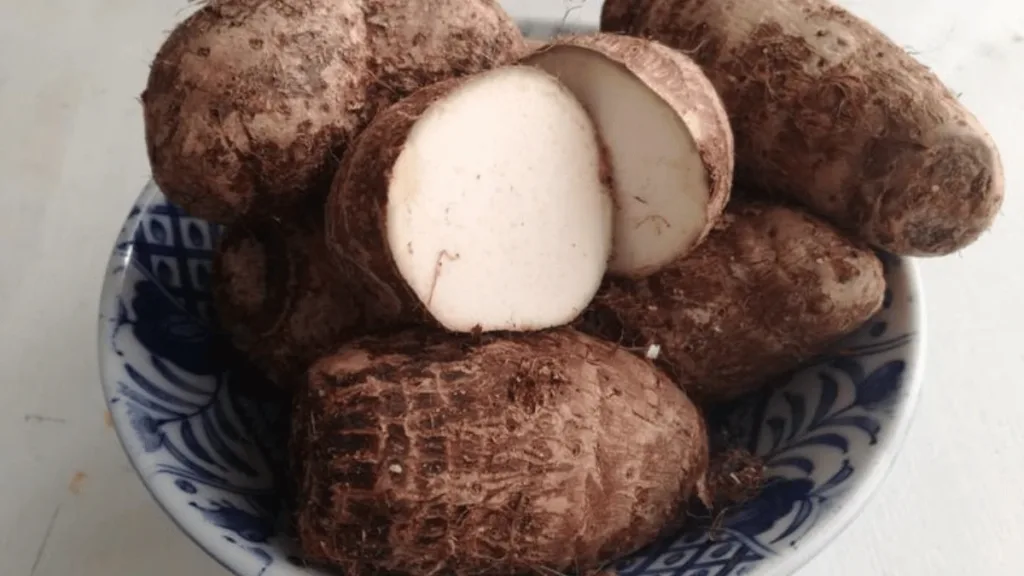
Amadumbe (taro root) is an indigenous South African ingredient. It is a complex carbohydrate with a low glycaemic index. Paired with chickpeas, this curry gives sustained energy throughout the day.

  • Ingredients: 2 cups boiled amadumbe, 1 tin chickpeas, 1 tin chopped tomatoes, 1 onion, 2 tsp curry powder, 1 tsp ginger, coconut oil, fresh coriander
  • Method: Fry the onion in coconut oil. Add ginger and curry powder. Add tomatoes and chickpeas. Simmer for 15 minutes. Add boiled amadumbe and heat through. Garnish with coriander.
Amadumbe traditional food and Daniel fast Meal Plan in south africa.

3. Umngqusho (Samp & Beans) — Daniel Fast Style

Umngqusho is a traditional Xhosa dish. It has been a staple food for generations. This Daniel Fast version removes butter and keeps it whole and plant-pure.

  • Ingredients: 2 cups samp (soaked overnight), 1 cup dried sugar beans (soaked overnight), 1 onion, 2 tomatoes, 1 tsp smoked paprika, salt
  • Method: Boil the samp and beans together for 90 minutes until soft. In a separate pan, sauté the onion and tomato with paprika. Mix into the samp and beans. Season and serve. This dish is highly filling and rich in fibre.

4. Sorghum Porridge with Banana & Peanut Butter

Sorghum is a gluten-free ancient grain grown across southern Africa. It is high in antioxidants and fibre. This breakfast is warm, sustaining, and Daniel Fast-compliant.

  • Ingredients: 1 cup sorghum meal, 3 cups water, 1 ripe banana, 2 tbsp natural peanut butter, a pinch of cinnamon
  • Method: Bring water to a boil. Whisk in sorghum meal. Stir continuously for 10 minutes on medium heat. Pour into a bowl, top with sliced banana, peanut butter, and cinnamon. Serves 2.

Common Challenges and How to Fix Them

1. Headaches in Days 1–3

This is normal. It is usually caffeine withdrawal if you normally drink coffee. Drink more water — aim for 8–10 glasses per day. Herbal rooibos tea can help ease the transition.

2. Feeling Hungry

You are probably not eating enough. The Daniel Fast allows unlimited fruits, vegetables, and whole grains. Do not restrict your portions. Eat more lentils, samp, and beans — they are filling and cheap.

3. No Time to Cook

Batch cook on Sundays. Make a large pot of lentil stew and a pot of samp and beans. Store in the fridge for 4–5 days. This reduces daily cooking to simple reheating and fresh salads.

4. Family Members Not Joining the Fast

Make one Daniel Fast base meal — like samp and beans or lentil curry — and add grilled chicken or fish on the side for family members not fasting. This saves time and money.

Spiritual Practices to Pair with Your Daniel Fast

The Daniel Fast is not just a diet. It is a spiritual practice. Food restriction without prayer and Scripture reading misses the point entirely.

  • Start each day with 15–20 minutes of prayer before eating
  • Read a chapter of Daniel each week during the 21 days
  • Keep a prayer journal. Write down what God speaks to you during the fast
  • Join a church prayer group or accountability partner for the 21 days
  • Break the fast each evening with a moment of thanksgiving before your meal

Many South African Christians pair the Daniel Fast with intercessory prayer for the nation, family healing, and financial breakthrough. The fast is a spiritual weapon, not just a health practice.

Health Benefits of the Daniel Fast Backed by Research

The Daniel Fast is one of the most-studied faith-based dietary patterns. Here is what the science says:

  • Blood pressure: A 2011 study by Bloomer et al. in Nutrition Journal found systolic blood pressure dropped by an average of 6 mmHg after 21 days on the Daniel Fast.
  • Cholesterol: The same study found total cholesterol dropped by 19 mg/dL and LDL (bad cholesterol) dropped by 14 mg/dL in 21 days.
  • Blood glucose: Fasting glucose dropped by 13% in participants, suggesting strong benefits for blood sugar regulation (Bloomer et al., 2011, Nutrition Journal).
  • Inflammation: A 2013 study in Lipids in Health and Disease found the Daniel Fast significantly reduced markers of oxidative stress and inflammation.
  • Weight: Most participants lost 1–3 kg over 21 days without calorie counting, due to eliminating processed foods and refined sugar.

These are clinically meaningful numbers. And the South African plant-based staples in this meal plan — morogo, amadumbe, sorghum, samp and beans — align perfectly with the anti-inflammatory, high-fibre pattern that drives these results.

What to Do After the 21 Days

Breaking the Daniel Fast is an important step. Do not go straight back to heavy, processed food. Your digestive system has adjusted to a clean-eating diet.

In the first week after the fast:

  • Reintroduce eggs and dairy first, before meat
  • Drink warm water with lemon in the morning to support digestion
  • Avoid alcohol and deep-fried food for at least one week
  • Consider keeping some Daniel Fast meals permanently in your weekly rotation — especially the lentil stew, samp and beans, and morogo dishes.

Many South African Christians find that the Daniel Fast is a powerful reset. After 21 days, processed food tastes less appealing. This is your body telling you something important.

Internal Resources to Support Your Journey

The EatingPlantBasedZA platform has additional resources to help you through the Daniel Fast and beyond:

Affordable Plant-Based Eating in South Africa — A complete guide to eating whole-plant foods on a South African budget. Perfect for after the fast.

R500 Plant-Based Pantry Starter Guide — A downloadable guide to stocking your pantry with South African staples that align with Daniel Fast principles.

21-Day Gut Reset for Adults Over 40 — If the Daniel Fast helped your digestion, this programme continues the healing process with a structured, science-backed approach.

Morogo, Amadumbe & South African Indigenous Foods Guide — Learn more about the nutritional power of traditional South African plant foods used in this meal plan.

External References & Citations

These external sources provide further reading on the Daniel Fast and nutritional science cited in this article:

1. Bloomer RJ et al. (2010). Daniels Fast Leads to Improved Lipids, Oxidative Stress Biomarkers, and Increased Antioxidant Status in Men and Women — Lipids in Health and Disease

2. Bloomer RJ et al. (2011). Effect of a 21-day Daniel Fast on Metabolic and Cardiovascular Disease Risk Factors — Nutrition Journal

3. USDA FoodData Central (2023). Lentils, raw — Nutritional profile

4. Holy Bible, New International Version (NIV). Daniel 1:8–16; Daniel 10:2–3. Read online at Bible Gateway

5. Jansen van Rensburg WSJ et al. (2007). Nutritional value of leafy vegetables of sub-Saharan Africa — Journal of Food Composition and Analysis (morogo nutritional data)

Final Word: Fast with Faith, Eat with Purpose

The Daniel Fast is one of the most powerful spiritual and physical resets you will ever do. It takes courage to start. It takes commitment to finish.

But you are not alone. Millions of Christians around the world begin this fast every January. And now you have a complete, locally relevant, South African meal plan to guide you through every one of the 21 days.

Use the ingredients your grandmothers knew. Morogo. Amadumbe. Samp. Beans. Sorghum. These are not old-fashioned foods. They are God’s provision — affordable, nourishing, and deeply suited to the Daniel Fast.

Eat with intention. Pray without ceasing. And watch what God does in 21 days.

— EatingPlantBasedZA | Sovereign Health. Sovereign Mind. Sovereign Wealth.

Umngqusho Benefits: South Africa’s Most Nutritious Meal

Umngqusho Benefits: South Africa’s Most Nutritious Meal

The dish your great-grandmother cooked didn’t need a nutrition label. It was the nutrition label. A quiet revolution is changing how South Africans view food. It’s drawing us back to the pot that has simmered on our stovetops for centuries. Umngqusho, a classic mix of …

Sorghum (Amazimba) Porridge Benefits

Sorghum (Amazimba) Porridge Benefits

You probably walked right past it. There it was—a dusty packet of mabele on the bottom shelf at Shoprite. It sat between the imported oats and the bright instant cereals. And you grabbed the oats. That’s okay. Most of us did. That humble packet of …

Where to Find Whole Food Plant-Based Meals in South Africa?

Where to Find Whole Food Plant-Based Meals in South Africa?

If you are like me, you love eating food that makes you feel like a superhero.

That is what Whole Food Plant-Based (WFPB) eating is all about.

It means eating plants as they are. Think crunchy apples, green broccoli, and brown rice. Avoid processed foods high in oil and sugar.

Now, you might think finding these healthy meals in a land famous for its “braais” (barbecues) would be hard.

But I have some great news! South Africa is becoming a paradise for plant-lovers. As it is clear in the comprehensive guide to a plant-based lifestyle in South Africa.

Whether you’re in Cape Town, the “Mother City,” or busy Joburg, you can find great places to eat. These meals are good for your tummy and the planet.

Let’s go on a food tour and find the best spots for WFPB meals in South Africa!

What is a “Whole Food” Meal Anyway?

Before we look at the restaurants, let’s make sure we know what we are looking for.

Not all vegan food is “whole food.” For example, a vegan doughnut is plant-based, but it’s not a whole food because it has white flour and sugar.

When we look for WFPB meals, we are looking for:

  • Whole Grains: Brown rice, quinoa, and oats.
  • Legumes: Lentils, chickpeas, and beans.
  • Fresh Produce: Lots of colourful veggies and fruits.
  • No Oil: This is the tricky part! WFPB meals usually avoid oil and use healthy fats like avocado or seeds.
Legumes and grains on display for your plant-based meals south africa.

Top Spots in Johannesburg (The City of Gold)

Johannesburg is huge, and it has some of the best hidden gems for healthy eating.

1. The Fussy Vegan (Greenside & Blairgowrie)

Don’t let the name fool you! They aren’t just for “fussy” people; they are for everyone. While they offer some “junk food”- style vegan options, they are famous for their Tofu Buddha Bowls. They pack fresh greens, grains, and protein. Just ask them to go easy on the dressing if you want to keep it strictly WFPB!

2. Fresh Earth Café (Emmarentia/Blairgowrie)

This place is like a giant hug for your body. They have a “Harvest Table” where you can pick exactly what you want. You can load your plate with fresh salads, roasted sweet potatoes, and lentil stews. It is one of the easiest places to eat WFPB because you can see everything before you buy it.

3. Leafy Greens Café (Muldersdrift)

If you want a little adventure, drive out to this farm café. It is located on a real farm! They grow a lot of their own food. Their buffet is famous for serving “real” food that chefs haven’t messed with. It’s fresh, green, and perfect for a Sunday lunch.

Healthy Bites in Cape Town (The Mother City)

Cape Town is probably the easiest place in South Africa to find plant-based food.

People there love the outdoors and staying healthy.

1. Schecter’s Raw (Sea Point)

This spot is great for “raw” food lovers. Raw food is the ultimate whole food because it hasn’t even been cooked at high temperatures. They have great smoothies and bowls. They use zucchini noodles (zoodles) and yummy nut-based sauces.

2. Prashad Café

If you love spices, this is your place. Indian food is great for WFPB eaters because it uses so many lentils (dahls) and chickpeas. At Prashad, they make traditional food that is naturally vegan. Just ask for your curry to be made with less oil!

3. Nourish’d Cafe & Juicery

This is a very “cool” spot with locations in Gardens and Observatory. They serve “Moon Bowls” and “Sun Bowls” filled with things like kale, kimchi, and quinoa. Their food looks like art, and it tastes even better.

Finding Food in Durban (The Surf City)

Durban is the king of spices.

You can find WFPB-friendly food almost everywhere, thanks to the large Indian community. Just know where to look.

1. Govinda’s (Chatsworth)

Located at the beautiful Temple of Understanding, this restaurant serves pure vegetarian food. Their bean curries and vegetable stews are hearty. They often use whole ingredients. It is also very affordable!

2. The Vegan Chef (Umhlanga)

While they do make some “fake meat” burgers, they also have amazing chickpea curries and salads. In 2026, they added more “whole” options to their menu. This change helps people who want to avoid processed foods.

National Favourites: Eating Healthy Anywhere

Sometimes you are on a road trip and can’t find a fancy café. Don’t worry!

  • Mugg & Bean: They have partnered with experts to create a “Plant-Based” menu. Look for their Sorghum Nourish Bowls. Sorghum is a local South African ancient grain that is super healthy!
  • Kauai: You can find a Kauai in almost every Virgin Active gym or shopping mall. Their “Plant-Based Princess” or “Harvest Bowls” are great. You can even swap out ingredients to make your meal 100% whole food.
  • Woolworths (Woollies): If you’re in a hurry, check out their “Plant-Based” section. They offer ready-made salads and lentil pots, ideal for a quick lunch.

Tips for Ordering WFPB in South Africa

If you go to a restaurant that doesn’t have a WFPB menu, don’t panic! Here is how to order:

  1. Ask for “Dry” Roasted: Ask the chef to roast your veggies without oil.
  2. The Salad Trick: Order a big side salad and ask for lemon juice or balsamic vinegar instead of a creamy dressing.
  3. The Potato Power: A plain baked potato or a sweet potato is your best friend. Add some beans on top, and you have a perfect WFPB meal!
  4. Check the Sides: Sometimes, the side dishes are better. Spinach, pumpkin, and steamed veggies can outshine the main meals.

Why Should You Eat This Way?

Eating whole foods in South Africa isn’t just about being “trendy.”

We have fantastic local plants! Check out Mopane worms (maybe not for vegans!), Amaranth (Morogo), and Baobab.

Eating whole plants helps local farmers and keeps us strong. This way, we can hike Table Mountain or enjoy a safari.

Summary Table: Quick Guide to WFPB Spots

CityRestaurantBest WFPB Choice
JohannesburgFresh Earth CaféHarvest Table Buffet
Cape TownNourish’dQuinoa & Veggie Bowls
DurbanGovinda’sLentil & Bean Curries
NationalMugg & BeanSorghum Nourish Bowl

Final Thoughts

South Africa’s food scene is changing fast.

In 2026, it is easier than ever to find a whole food plant-based meal that makes you feel good.

You don’t have to stay home and eat plain carrots! You can go out with your friends, enjoy the beautiful views, and still stay true to your healthy lifestyle.

Next time you are out, look for the colours of the rainbow on your plate. Your body will thank you!

External Links for More Info:

What is your favourite veggie-packed spot in South Africa?

Get more leverage on WFPB in South Africa on Affordable Plant-Based Eating in South Africa.

Author Bio

Zama Zincume is an evidence-based plant-based wellness educator, author, founder of EatingPlantBasedZA, and researcher focused on disease prevention, affordable nutrition, and African food systems.

Where to Buy Tofu in South Africa: Your Easy Guide

Where to Buy Tofu in South Africa: Your Easy Guide

Here’s your guide for where to buy Tofu in South Africa. Have you ever come across a recipe for “crispy tofu nuggets” or “creamy tofu stir-fry”? You might think, “That looks great! But where can I find tofu?“ If you live in South Africa, you …