Recent Posts

Dr Colin Campbell’s Impact in South Africa

Dr Colin Campbell’s Impact in South Africa

Here’s the report on Dr Colin Campbell’s impact in South Africa. It shows how his work on plant-based nutrition connects with the local community. Introduction Dr Colin Campbell is a name most people in nutrition circles recognise, especially for his role in shaping how the …

How to Eat Plant-Based in South Africa for R50 a Night

How to Eat Plant-Based in South Africa for R50 a Night

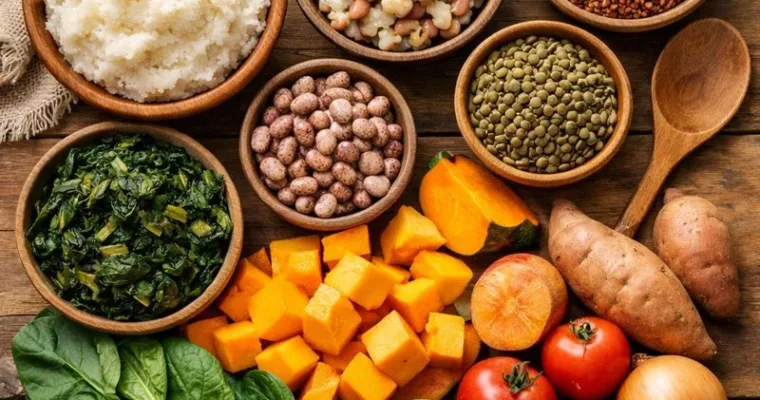
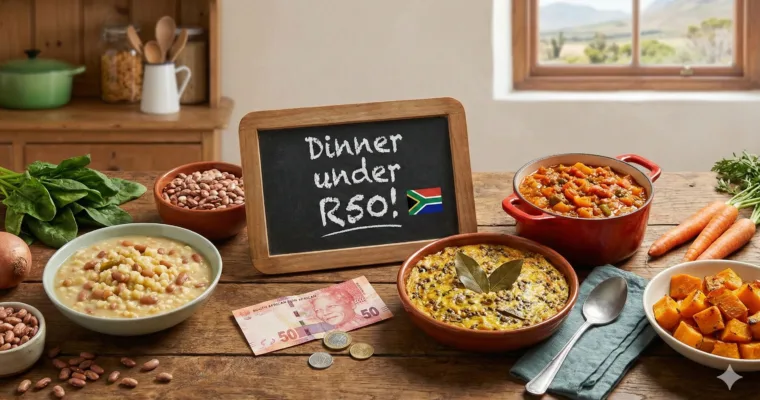
Read Time: 12 Minutes Let’s answer the question on how to eat plant-based in South Africa for R50 a night. Let’s be real for a second—have you walked down the refrigerated aisle at your local supermarket lately? Grocery shopping in South Africa is tough right …

The Plant-Powered Longevity Protocol

The Plant-Powered Longevity Protocol

Here’s your plant-powered longevity protocol.

We are currently living through a “Longevity Revolution.”

For decades, the medical field has primarily focused on lifespan. This refers to the total number of years you live.

Today, we’re talking about healthspan. This is the number of years you have lived a healthy, active life. It means you do not have chronic diseases or experience cognitive decline.

The goal isn’t just to hit 90. It’s about the bone density, mental clarity, and metabolic flexibility of someone much younger.

Silicon Valley billionaires invest millions in trendy “young blood” transfusions and gene therapies. Yet, the best way to reverse biological age is far simpler. You find it at the end of your fork.

Welcome to the Plant-Powered Longevity Protocol.

This isn’t just a “diet.” It’s a clinical, evidence-based system. It helps optimise your cells, quiets pro-inflammatory genes, and supports high-performance ageing.

A woman dancing in front of a phone living on plant-powered longevity protocol.

The Science of Ageing: Why Plants are the Ultimate “Biohack”

To understand why a Whole Food Plant-Based (WFPB) lifestyle helps us live longer, we need to look at ageing.

Let’s explore what makes our cells age.

Ageing isn’t just “getting older”; it is the accumulation of cellular damage.

  • Oxidative Stress: Think of this as internal “rusting” caused by free radicals.
  • Systemic Inflammation: Also known as “inflammaging.” It’s a low-grade inflammation in the body. This inflammation causes age-related diseases. Examples include Alzheimer’s and heart disease.
  • mTOR Signalling: This is the body’s growth pathway. Overactivating mTOR helps muscles grow, but it can also accelerate ageing and tumour growth. This typically occurs with a high intake of animal protein.

Plants are the only food group that offers a strong “antioxidant shield.” This helps neutralise oxidative stress. They also provide clean fuel to keep inflammation low.

Switching to plant-based proteins helps calm the mTOR pathway. This tells the body to shift into “repair and cleanup” mode (autophagy) instead of “growth and ageing” mode.

Pillar 1: The Antioxidant Powerhouse & DNA Protection

The hallmark of the Plant-Powered Longevity Protocol is Micronutrient Density.

You are either promoting or combating disease each time you eat. Plants have lots of phytonutrients.

They have many helpful compounds. Broccoli has sulforaphane. Blueberries have anthocyanins. Tomatoes have lycopene. These aren’t just vitamins; they are “biological response modifiers.” They talk to your DNA.

  • Sirtuins and Plants: Certain plant compounds can activate sirtuins. Resveratrol is found in grapes and peanuts. Quercetin is in onions and capers. Researchers know sirtuins as “longevity genes.” They repair DNA and help protect cells from the effects of ageing.
  • Telomere Maintenance: Research suggests that colourful, antioxidant-rich plants can lengthen telomeres. Telomeres are those caps at the ends of our chromosomes. They control how many times a cell can divide before it dies.

The Protocol Action: Aim for “The Daily Dozen” or at least five different plant colours per day. The more diverse the colours, the wider the spectrum of DNA protection.

Pillar 2: “Fibremaxxing” for Gut-Immune Health

In the longevity community, we have a saying: You are only as young as your microbiome.

Your gut has trillions of bacteria. These bacteria support your immune system. They also make neurotransmitters like serotonin.

Plus, they help control inflammation. These “good” bacteria eat only one thing: fibre.

A diet rich in meat has no fibre. This means it starves your helpful microbes.

On the Plant-Powered Longevity Protocol, we focus on Fibremaxxing. This means we prioritise legumes, whole grains, and tubers to build a diverse “inner garden.”

  • Short-Chain Fatty Acids (SCFAs): Gut microbes break down fibre. This process produces SCFAs, such as butyrate. Butyrate is a strong anti-inflammatory. It helps strengthen the gut lining and stops “leaky gut.” This condition is a major contributor to systemic inflammation in older adults.
  • The GLP-1 Effect: Fibre boosts GLP-1 production. This is the same hormone that modern weight-loss drugs target. This keeps you lean and sharp without the side effects of synthetic methods.

Pillar 3: Metabolic Mastery & The Glucose Connection

If inflammation is the fire of ageing, blood sugar spikes are the gasoline.

When your blood sugar goes up, glycation occurs. Sugar molecules stick to proteins. This forms “Advanced Glycation End-products,” or AGEs.

AGEs “caramelise” your tissues. This causes wrinkled skin, stiff arteries, and cloudy lenses.

The Plant-Powered Longevity Protocol focuses on Metabolic Flexibility.

Pick whole grains like sorghum or brown rice. Choose legumes like lentils and chickpeas. They give your body steady energy.

The high fibre content serves as a “glucose buffer.” It stops sharp spikes that cause glycation and insulin resistance.

Tools like the Glucose Spike Reset Map are essential. They offer a blueprint to keep your biological “engine” cool and clean.

Pillar 4: The “Silver Athlete” and Plant-Based Protein

One major threat to living longer is Sarcopenia. This is the reduction of muscular mass brought on by ageing.

Many people worry. They think a plant-based diet doesn’t provide enough protein for muscle growth. This is a big concern, especially after age 60.

The science says otherwise.

For muscle protein synthesis, two key factors matter. They are the amino acid profile and total calorie intake. The source of the protein doesn’t matter.

Plant proteins have fibre and phytonutrients. Animal proteins, on the other hand, usually contain saturated fat and heme iron. Heme iron can increase oxidation.

  • Clean Gains: The “Silver Athlete” can build muscle. They can get protein from tempeh, edamame, lentils, and pumpkin seeds. This way, they avoid the inflammation linked to red meat.
  • Joint Longevity: Plant-based proteins are good for your joints. They reduce inflammation and keep you active. Accordingly, you can continue to lead a healthy lifestyle well into your 80s and 90s.

Beyond the Plate: The Holistic Protocol

Longevity isn’t just about what you eat; it’s about how you live.

The Protocol includes three non-negotiable lifestyle pillars:

I. Mindful Movement & Resistance

Cardio helps the heart, but resistance training is the best insurance for longevity.

Strong bones can be maintained by lifting weights or performing bodyweight workouts like push-ups and squats. It also helps boost your metabolism.

II. Nervous System Regulation

Long-term stress keeps the body in “survival mode,” inhibiting its ability to heal.

Vagus Nerve Stimulation (VNS), such as deep breathing or humming, signals to your body that it’s safe. This allows it to focus on cellular repair and longevity.

III. The Power of Purpose

One characteristic unites the “Blue Zones”—areas where people live the longest: Ikigai, or a sense of purpose.

Having a purpose, like teaching the Bible, coaching, or gardening, can extend life. It gives you a reason to rise each day.

Frequently Asked Questions (FAQ) About Plant-Powered Longevity Protocol

1. Is it possible to get enough protein on a plant-based diet, especially as I age?

Absolutely. The “protein myth” is one of the biggest hurdles for the Silver Athlete. Eating a mix of legumes, such as beans and lentils, is beneficial. Whole grains, such as sorghum and samp, are good too. Nuts and seeds also support your amino acid needs. Plant protein is “cleaner.” It lacks the pro-inflammatory saturated fats in animal products.

2. Won’t eating more starch (like samp and amadumbe) cause my blood sugar to spike?

It’s all about the fibre-to-carb ratio. Eating whole food staples, especially with beans or greens, slows glucose absorption. This happens because of the fibre. Cool your starches, like samp or potatoes, after cooking if you’re using the Glucose Spike Reset Map. This adds resistant starch and helps lower the glycemic response.

3. Is eating plant-based food expensive in South Africa?

It can be significantly cheaper. “Vegan” processed foods can be expensive. The main foods in this diet are beans, lentils, sorghum, cabbage, and seasonal greens. They are usually the cheapest items at the store. Buying in bulk (like 5kg bags of dried beans or samp) is the ultimate budget biohack.

4. How long does it take to see results on the Longevity Protocol?

Within seven to ten days, many people report feeling more energised and having better digestion. Metabolic markers, like blood pressure and fasting glucose, often improve. This usually occurs within 3 to 6 weeks of establishing a routine.

5. Do I need to take many supplements?

The only non-negotiable for a strict WFPB lifestyle is Vitamin B12, as it is not reliably found in plants. Depending on your location and sun exposure, Vitamin D may also be beneficial. Check your levels with a healthcare professional first. Do this before taking any supplements.

6. Can I still eat traditional South African meals?

Yes! The designers created the protocol to celebrate South African heritage. It’s not about giving up your favourite foods; it’s about shifting the proportions. Make the beans and morogo the “star” of the plate, and treat the starch as the side dish.

Conclusion: Your Future Self Starts Today

The Plant-Powered Longevity Protocol is not about deprivation. It is about abundance—an abundance of colour, fibre, energy, and, ultimately, time.

Aligning your biology with nutrient-rich whole plants does more than prevent disease. It optimises every cell in your body. This way, your second half of life can be even better than the first.

Ageing is inevitable, but decay is optional.

Ready to start your journey?

If you want to master the metabolic side of this protocol, download Eating Plant-Based on a Budget: Second Edition.

Want to boost your gut health and live longer? Check out the Men’s Gut Fix After 50.

7-Day Plant-Powered Longevity Meal Plan

Theme: South African Heritage Meets Metabolic Science

This plan uses “slow carbs” to avoid glucose spikes. It also boosts fibre intake for better gut health.

DayBreakfastLunchDinner
MonSorghum (Mabele) Porridge with ground flaxseeds and berries.Red Lentil & Spinach Stew served with a small portion of brown rice.Samp and Beans (Isistambu) with extra onions, carrots, and turmeric.
TueOvernight Oats with chia seeds, grated apple, and cinnamon.Leftover Samp and Beans over a large bed of fresh garden greens.Roasted Amadumbe (Madumbes) with a side of sautéed Morogo (wild spinach) and chickpeas.
WedMabele Porridge topped with toasted pumpkin seeds and sliced banana.Chickpea “Chakalaka” Salad: Chickpeas, peppers, carrots, and cabbage in a light vinaigrette.Sweet Potato & Lentil Curry served with steamed cauliflower “rice.”
ThuSmoothie: Banana, baby spinach, peanut butter, and water or soy milk.Leftover Sweet Potato & Lentil Curry.Baked Butternut stuffed with quinoa, herbs, and chopped walnuts.
FriWhole-grain Toast with smashed avocado and a sprinkle of nutritional yeast.Black-eyed Pea Salad with diced tomatoes, cucumbers, and red onion.Vegetable Potjie: Layers of potato, cabbage, green beans, and mushrooms in a tomato base.
SatChia Seed Pudding made with coconut milk and topped with mango slices.Leftover Vegetable Potjie.Braai-style Portobello Steaks with a side of grilled corn (mealies) and a large green salad.
SunTofu Scramble with tomatoes, onions, and peppers.Sunday Roast: Roasted root vegetables (carrots, parsnips, Madumbes) and a hearty lentil loaf.Light Vegetable Soup made from the week’s leftovers and a side of steamed greens.

Daily Longevity Snack

A handful of raw nuts (walnuts or almonds) and one piece of seasonal fruit.

Why Is Plant-Based Eating Important?

Why Is Plant-Based Eating Important?

The question at hand, is why plant-based eating important. Have you ever looked at health trends online and felt like your wallet was crying? I know I have. “Healthy eating” often means buying expensive imported berries. It can also mean fancy seeds and costly fake …

The Health Benefits of Eating FutureLife Smart Food (Update)

The Health Benefits of Eating FutureLife Smart Food (Update)

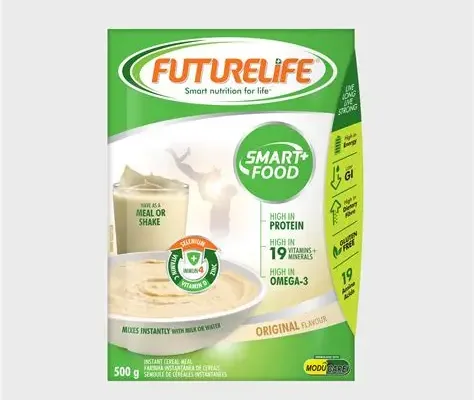
FutureLife Smart Food is a low-GI instant cereal made from whole maize and soya. One 50g bowl gives you 22 vitamins and minerals, plant protein, fibre, and Omega-3. You add water or milk. People eat it for steady energy, better digestion, and a fast, balanced …

Where to Buy Seitan in South Africa (2026)

Where to Buy Seitan in South Africa (2026)

By Zama Zincume — Public Health Specialist & Plant-Based Food Writer · Updated June 2026

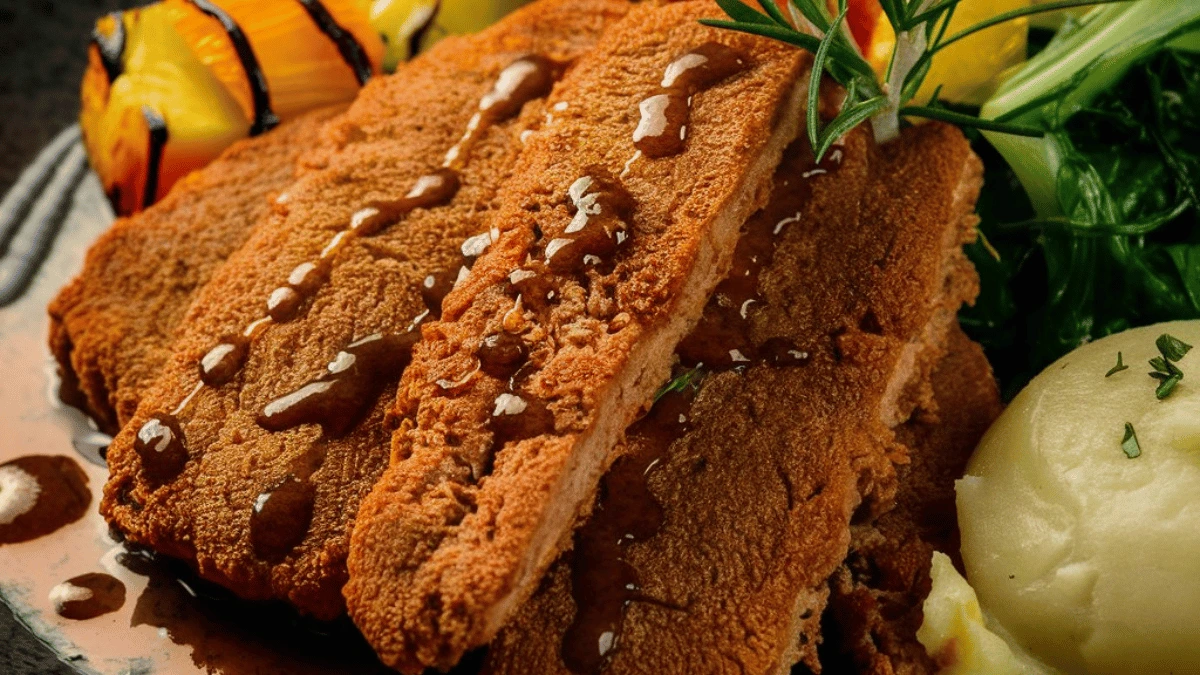
Quick answer: You can buy seitan in South Africa online from specialist vegan stores like Tabu Food (R59 / 280g), Planteful (R89 / 300g), Spice Journey (from R60) and Vegan Streetfood (R120 / 400g), or from health retailers like Wellness Warehouse (Biona, R127.95 / 350g). It’s not often found in regular supermarkets. So, the best way to save money is to make it yourself using vital wheat gluten. Most online stores deliver nationwide.

So you’re hunting for seitan in South Africa.

I know how you feel. I’ve stood in a Woolworths aisle, squinting at labels. I wondered why this “wheat meat” everyone talks about is so hard to find.

The truth is, seitan isn’t a common supermarket item here yet.

It thrives in a vibrant network of vegan makers and health stores, mostly online. Once you know where to look, getting your hands on it is easy.

I’ve done the legwork for you.

I looked at prices from trusted South African stores. Checked sizes and delivery options too. I put everything into one table.

No guesswork, no out-of-date listings.

Let’s get you sorted.

Seitan Price Comparison in South Africa (2026)

Here’s where to buy seitan right now, how much it costs, and how to get it.

All prices are in rands and were last checked in June 2026. Always check the retailer’s site before ordering, as prices and stock can change.

RetailerProduct (size)Price (ZAR)Where & delivery
Tabu FoodSeitan, 280g (Shoyu-poached)R59Online · cold delivery to Joburg, Pretoria & Cape Town (min R500 cold order)
PlantefulShredded Seitan, 300g (6 flavours)R89 (reg. R99)Online · Cape Town-based · nationwide delivery in 2–4 days
Spice JourneySeitan Chicken Pieces (frozen)R60Online · frozen · nationwide courier
Spice JourneySeitan Turkey Roast / Nut Roast (500g)R150–R200Online · frozen · great for a festive table
Vegan StreetfoodBBQ Seitan Stakes, 400g (2 stakes)R120Online + Cape Town CBD kiosk collection
Wellness WarehouseBiona Organic Seitan Pieces, 350gR127.95In-store nationwide + online
Make your ownVital wheat gluten (per batch)Cheapest by farHealth stores & online · one bag makes several meals

My takeaway: Tabu Food and Spice Journey has the best price-per-rand for plain seitan. You can cook it any way you like. Planteful and Vegan Streetfood are great for tasty, braai-style protein. They are ready to eat and need no effort at all. If you’re feeding a crowd during the holidays, Spice Journey’s roasts can’t be beat.

Where to Buy Seitan Online in South Africa

Online is, hands down, the most reliable way to buy seitan here.

You skip the disappointing supermarket trip entirely.

Here are the stores I keep coming back to.

Tabu Food

Tabu Food is my go-to for no-fuss, traditional seitan. Their 280g block is hand-made from non-GMO wheat. It’s poached in shoyu broth, giving it a lovely savoury depth. At R59, it’s one of the best-value options going. Their cold products only deliver to Joburg, Pretoria, and Cape Town. There’s a minimum of R500 for chilled orders. So, stock up or team up with a friend!

Planteful

Planteful is a Cape Town brand. They handcraft shredded seitan. It comes in six flavours: BBQ, Peri-Peri, Mozambique, Plain, Spiced Beef, and Tandoori. It’s ready to heat and serve. It’s freezer-friendly, too. At just R89 (often on special from R99), it’s perfect for burgers, wraps, and roti. They deliver nationwide in two to four days.

Spice Journey

Spice Journey has the widest range of seitan in the country, full stop. Frozen chicken pieces and strips start at R60. You can find lamb slices, rib burger patties, and great roasts. These include turkey, nut, and beef Wellington. These roasts range from R150 to R200. Their seitan is roughly 71% protein, with barely any fat — a properly clean source.

Vegan Streetfood

Vegan Streetfood brings the lekker factor. They make their ready-to-baste BBQ seitan steaks (R120 for a 400g pack of two) for the braai. Heads-up! During the festival season (September to April), shipping stops. Orders will be available for collection at their Cape Town CBD kiosk. Be sure to check the dispatch date at checkout.

Wellness Warehouse & Faithful to Nature

Wellness Warehouse and Faithful to Nature are your health-retailer route. The Wellness Warehouse sells Biona Organic Seitan Pieces (350g) for R127.95. They marinate these pieces in ginger and tamari. It’s a bit pricey, but it’s organic and stays fresh until opened. Stock of imported seitan can come and go, so it’s worth a quick search on their sites before counting on it.

Where to Buy Seitan in Stores (and the Supermarket Truth)

Let me save you a frustrating trip.

Older guides say otherwise. But big South African stores like Woolworths, Pick n Pay, Checkers, and Spar often don’t carry fresh seitan.

You can find lots of soya and pea-protein mince and burgers.

However, dedicated seitan is still hard to find.

Where you can find it on a shelf:

  • Wellness Warehouse branches — the most dependable bricks-and-mortar bet, carrying the Biona range.
  • Independent health-food stores — these are the unsung heroes. Many stock locally made seitan or vital wheat gluten, and the staff usually know their stuff. Ask at your nearest organic or whole-foods shop.
  • Asian grocers like China Mall and Oriental City sell wheat-gluten “mock meat.” This shows seitan’s connection to Chinese Buddhism. People have eaten it there since the 6th century.

If a shop near you doesn’t have it, ask anyway. Demand is what gets products onto shelves.

Buying Seitan by City

A quick rundown of where the seitan energy is strongest:

  • Cape Town is the country’s seitan capital. Planteful and Vegan Streetfood are both local. The Mother City’s whole-foods scene is the richest in South Africa.
  • Tabu Food delivers chilled meals to Johannesburg and Pretoria. Spice Journey ships frozen food all over the country. Check independent health stores in suburbs like Emmarentia and Menlyn.
  • Durban — my home turf — leans on online delivery, since local stockists are thinner on the ground. Spice Journey and Planteful both ship here, so you’re never stuck.

How Much Does Seitan Cost in South Africa?

For ready-made seitan, you’ll pay about R59 to R130 for a 280g to 400g portion.

The price varies by brand, flavour, and whether it’s local or imported.

Plain, locally made seitan is cheaper. Organic imports and ready-flavoured packs cost more.

Is that pricey next to chicken?

A little.

Seitan is dense and filling, with about 25g of protein per 100g when cooked. So, one pack goes a long way. You’re buying convenience and a genuinely clean protein.

If cost is your main concern, the next section is for you.

The Cheapest Way: Make Your Own Seitan

Homemade seitan is much cheaper than the store-bought kind. This price table doesn’t show that secret.

You need vital wheat gluten. It’s dried protein from wheat. Then, grab some seasonings from your pantry. One bag makes several meals.

Vital wheat gluten contains around 75% protein by weight, based on USDA data. This high protein content is why seitan is a powerhouse among plant proteins.

Here’s my simple base method:

  1. Mix. Combine vital wheat gluten with water, a splash of soy sauce, and garlic and onion powder.
  2. Knead. Work the dough for a few minutes until it’s smooth and stretchy. This builds the meaty texture.
  3. Cook. Simmer in vegetable broth or steam until cooked through and firm.
  4. Use. Slice, shred or cube it for stir-fries, curries, “steaks” or a braai.

Fair warning — your first attempt might look a little rustic. Mine did. It’ll still taste great, and you’ll dial it in fast. Want recipes to start with?

My plant-based protein guide and vegan substitutes for South African dishes will get you cooking.

Restaurants Serving Seitan in South Africa

Sometimes you want someone else to cook.

South Africa’s restaurant scene has caught the wave:

  • Cape Town — Lekker Vegan does legendary seitan burgers.
  • Johannesburg — Greenside-area vegan cafés serve hearty seitan steaks.
  • Durban & Umhlanga — keep an eye on the growing plant-based menus along the coast.

On a menu, seitan appears as “wheat protein.” It can also be called “plant-based steak,” “vegan schnitzel,” or “meatless meatballs.” Even some mainstream spots are in on it — Nando’s runs its plant-based “Great Pretender” range.

Never be shy to ask your server; chefs are often happy to plate up a seitan option.

FAQ: Buying Seitan in South Africa

Where can I buy seitan in South Africa?

The best choices are online specialist stores. These include Tabu Food, Planteful, Spice Journey, and Vegan Streetfood. You can also find the imported Biona range at Wellness Warehouse. Most deliver nationwide. Mainstream supermarkets generally don’t stock it.

How much does seitan cost in South Africa?

Ready-made seitan costs roughly R59-R130 per pack (280g–400g). Tabu Food (R59) and Spice Journey (from R60) offer great value. However, making your own with vital wheat gluten is even cheaper.

Is seitan available at Woolworths, Pick’n Pay, or Checkers?

Not reliably. South African supermarkets offer soya and pea-protein meat alternatives. However, dedicated seitan is harder to find. You’ll mainly see it online or in health stores.

Can I buy seitan in Durban / Johannesburg / Cape Town?

Yes. Cape Town has the most local makers (Planteful, Vegan Streetfood). Joburg, Pretoria, and Durban have great nationwide online delivery options. Spice Journey and Planteful cover these areas well. Plus, Tabu Food offers chilled delivery in the major metros.

Is seitan gluten-free?

No. Seitan comes from wheat gluten. So, people with coeliac disease or gluten sensitivity should stay away from it. If that’s you, look for soya or pea protein alternatives instead.

How much protein is in seitan?

Cooked seitan has about 25g of protein per 100g. The dried vital wheat gluten contains about 75% protein. This makes it among the highest-protein plant-based proteins available.

What’s the shelf life of seitan?

Fresh, chilled seitan lasts from several days to a couple of weeks in the fridge. Frozen seitan can last for months. Homemade seitan stores for a few days in the fridge or freezes well. Always check the pack.

Final Thoughts

Seitan is more accessible in South Africa than it’s ever been — you have to know the door to knock on.

Forget the supermarket hunt. Just bookmark a few of the online stores above. You’ll get protein-packed, braai-ready seitan delivered right to your door.

And if you’re feeling brave? Grab a bag of vital wheat gluten and make a batch yourself. It’s cheaper, deeply satisfying, and surprisingly fun.

Want the full shopping list? I’ve put together a free grocery guide of plant-based staples — including everything you need to cook seitan at home. Grab it and get cooking.

Eat well, live sovereign. — ZZ

5 South African Staples That Are Secretly Superfoods

5 South African Staples That Are Secretly Superfoods

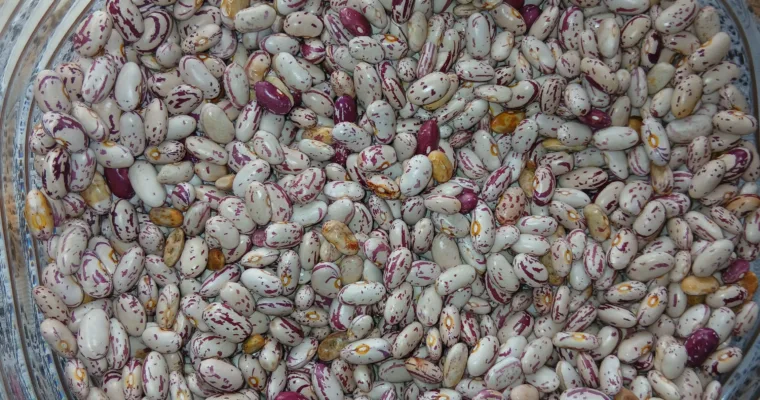
This is your guide to 5 South African staples that are secretly superfoods. Have you ever walked through the grocery store and felt like “healthy” food was just too expensive? You see the tiny bags of imported seeds and fancy powders that cost more than …

Staple-First Method Plant-Based Eating in South Africa

Staple-First Method Plant-Based Eating in South Africa

Why staple-first method plant-based eating in South Africa? Smanga, a health-conscious guy, complained that plant-based eating is too expensive. I had to answer his comment. Plant-based eating in South Africa doesn’t need imported quinoa or chia seeds. You also don’t need costly protein powders. Your …

The Definitive Guide to Online Stores in South Africa (2026 Edition)

The Definitive Guide to Online Stores in South Africa (2026 Edition)

Key Takeaways: Online Stores in SA (2026)

  • Mobile is King: Over 71% of South African shoppers now use their smartphones to buy online. If a store isn’t easy to use on a phone, shoppers will leave.
  • Takealot, Amazon.co.za, and Checkers Sixty60 lead the market as “The Big Three.” However, niche stores like Bash and Clicks are growing fast.
  • Delivery Revolution: “Pickup Points” (Pargo/Bob Box) are now just as popular as home delivery. They are cheaper and often more convenient for people who aren’t home during the day.
  • Safety Over Savings: Trust is more important than low prices. 74% of South Africans say they only buy from brands they trust, even if it costs a little more.
  • New Ways to Pay: Credit cards are still common, but many prefer Buy Now, Pay Later (BNPL) and Instant EFT. These options let you shop without falling into debt.
  • Grocery Growth: In 2026, on-demand grocery delivery will be the fastest-growing segment of South Africa’s e-commerce. They will be delivered in under 60 minutes.

Shopping has changed a lot lately. In the past, we had to get in a car and drive to a mall to buy clothes or milk.

Today, the mall is literally within your reach!

Online stores in South Africa are growing faster than ever. In fact, experts say that by the end of 2026, online shopping will account for 10% of all retail spending in the country.

That is a massive R150 billion!

Want to buy a new cell phone or get groceries delivered in 60 minutes?

This guide shows you all about the best e-commerce sites in South Africa.

Why Online Stores in South Africa are Booming in 2026

In 2026, more South Africans are using their phones to buy things than ever before.

There are three main reasons why online stores in South Africa have become so popular.

Mobile-First Shopping

Almost everyone in South Africa now has a smartphone.

Because data costs have come down and 5G is everywhere, people shop while they are on the bus or waiting for a friend.

About 77% of online shoppers now use their mobile devices to check out. It is fast and easy, and you can do it from anywhere.

Better Delivery Options

In the old days, you had to wait a week for a package. Now, thanks to “last-mile” delivery experts, you can get your items much faster.

Retailers like Checkers, Sixty60, and Amazon.co.za have changed delivery forever.

You can even choose to pick up your parcel at a “Pargo” point or a “Bob Box” at your local garage if you aren’t home.

Trust and Security

People used to fear putting their card details online.

Today, secure payment methods like Ozow, PayFast, and Peach Payments make it very safe.

Most South African e-commerce sites use “3D Secure.” This feature sends a code to your phone. It helps confirm it’s really you making the purchase.

As we move through 2026, online stores are not just for people in big cities like Johannesburg or Cape Town.

They are reaching every small town and township in the country. This makes life easier for everyone!

The Best Online Stores in South Africa for Every Shopper

If you are looking for a place to shop, you have many excellent choices.

Here are the top 10 online stores in South Africa that people love to use right now.

1. Takealot.com

Takealot is still the “king” of online shopping in South Africa. You can find almost anything there, from dog food to laptops.

They have a loyalty program called TakealotMore that gives you free delivery.

In 2026, they remain bigger than Amazon in South Africa. They understand what local shoppers want.

2. Amazon.co.za

Amazon officially arrived in South Africa a couple of years ago. They offer a wide range of products and provide very fast shipping to “Prime” members. They are a great resource for finding international brands, which can be hard to find.

3. Checkers Sixty60

This is the most popular grocery app in South Africa. They promised to deliver in 60 minutes, and they usually do! It has become so popular that other stores like Woolworths and Pick n Pay have had to work hard to catch up.

4. Bash (TFG)

If you love fashion, Bash is the place to go.

TFG (The Foschini Group) owns it. You can shop for brands like Sportscene, Markham, and Totalsports all in one app. They make it a breeze to return clothes if they don’t fit.

5. Shein and Temu

These are “international” stores that have become huge in SA. They offer very low prices on clothes and home gadgets.

Shipping takes about 1–2 weeks. Still, many young South Africans love them for the excellent deals.

6. Makro

Makro is famous for bulk shopping. Their online store is excellent if you want to buy big things like fridges, TVs, or 50 kg bags of rice. You can choose to have it delivered or “click and collect” at the store.

7. Superbalist

This is another top spot for fashion and home decor. They focus on “cool” and trendy items. Their app is very easy to use, and they often have big sales like “Showdown,” where you can get 50% off.

8. Woolworths (Woollies Dash)

For high-quality food and clothes, Woolworths is a favourite. Their Woolworths Dash service is excellent for quick grocery needs. They recognise themselves for their reliability and for offering the best fresh produce.

9. Bob Shop (formerly Bidorbuy)

Bob Shop is like the eBay of South Africa. You can buy new things or bid on second-hand items. It is a wonderful place to find unique collectables or cheaper used electronics.

10. Clicks

Clicks is the leader for beauty and health products. You can order your vitamins, makeup, and even your prescription medicine online. Plus, you still earn “ClubCard” points when you shop on their website!

Consumer Behaviour in South African Online Stores

How do we shop in 2026? We are much smarter than we used to be!

Before buying, most South Africans will:

  1. Compare Prices: We use sites like Google Shopping to find the lowest price.
  2. Read Reviews: Over 90% of South Africans will not buy from a store with bad reviews on HelloPeter or Google.
  3. Look for Coupons: We love a “deal.” Many shoppers will search for a discount code before they hit the “pay” button.

We are also very “price-sensitive.”

We search for online stores in South Africa that provide free delivery. This is due to the high costs of petrol and electricity.

In fact, most people will leave their “cart” empty if the delivery fee is too high!

Popular Product Categories in SA E-commerce

In 2026, South Africans are buying more than just books and gadgets.

Almost every part of our daily lives has moved to online stores in South Africa. If you are wondering what everyone else is adding to their carts, here are the top categories.

Electronics and Tech Gadgets

This is the biggest category for a reason.

Tech rules. It could be a new smartphone. It might be noise-cancelling headphones. Alternatively, you could use a power bank to manage power outages.

Laptops for remote work and gaming consoles, like the PlayStation 5, sell well. They are top items on Takealot and Incredible Connection.

Fashion and Apparel

In 2026, clothing will be the primary focus. Stores like Bash, Superbalist, and Zando have made it a breeze to buy clothes online. This year, younger shoppers are most interested in “oversized” streetwear and baggy pants.

These clothes fit loosely, so people worry less about size. This leads to fewer returns for stores.

Groceries and Household Essentials

Apps like Checkers Sixty60 and Woollies Dash make it easy to buy essentials online. Now, getting milk, bread, and nappies is part of our daily routine.

People like the “subscription” model. It allows them to get their favourite items delivered every week.

Home and Smart Kitchen

The “Air Fryer” craze is still going strong, but now people are looking for even smarter gadgets. Electric warming trays (to keep food hot during dinner) and smart light bulbs are very popular.

More South Africans are staying home, so they’re spending more on making their houses cosy.

How to Choose a Secure Online Store in South Africa

Shopping online is fun, but you must be careful. There are “fake” stores out there trying to steal your money.

Here is a simple checklist to make sure you are shopping at secure online stores in South Africa.

  • Check for the “S” in HTTPS: Look at the website address at the top of your screen. It should start with https:// and have a little “lock” icon. The “S” stands for “Secure.” If it only says “http,” do not enter your card details!
  • Read the Reviews: Before you buy, go to a site like HelloPeter or check the store’s Google reviews. If many people are complaining that their parcels never arrived, stay away.
  • Find Contact Details: A real store has a phone number. It also has a physical address in South Africa and an email address. If the “Contact Us” page is empty or only has a strange form, it might be a scam.
  • Trust Your Gut on Prices: Selling a brand-new iPhone for R2,000 is undoubtedly a scam. If a deal appears excessively favourable, it’s likely fraudulent!
  • Check the Return Policy: Big online stores in South Africa show you how to return items. If you’re not happy, they make it easy to get a refund. If there is no “Returns and Refunds” page, you are taking a big risk.

6. Payment Methods for South African Online Stores

(Word Count: 425)

One of the best things about online stores in South Africa in 2026 is the wide range of payment options. You don’t even need a credit card anymore!

Credit and Debit Cards

This is still the most common way to pay. Most sites accept Visa and Mastercard. To keep you safe, your bank will usually send an OTP (One-Time Pin) to your phone to approve the payment.

Instant EFT (Ozow and PayFast)

Many South Africans prefer “Instant EFT.” You can pay directly from your bank account, like FNB, ABSA, or Capitec. No need to enter your card number. It is quick, and the store receives the money immediately, allowing them to ship your order sooner.

Buy Now, Pay Later (BNPL)

Services like PayJustNow and Payflex are huge in 2026. They let you buy something today but pay for it in three or four smaller bits over a few months. The best part? There is usually zero interest, so it doesn’t cost you extra.

Digital Wallets

If you have an iPhone or an Android, you can use Apple Pay, Google Wallet, or Samsung Pay. You double-click your phone button, and the payment is done! It is the most secure way to shop because the store never actually sees your card number.

Vouchers (For Cash Users)

If you prefer cash, you can buy an OTT Voucher or 1Voucher at a local shop, such as a Spaza store or a Flash vendor. You then enter the code from the voucher during online checkout. This is a great way for everyone to join in on the South African e-commerce boom, even without a bank account.

PayShap

New for 2025 and 2026 is PayShap. This is a very fast way to send money using just a cell phone number.

More small online stores are now accepting “Shap.” It’s instant and cheap for sellers.

Shipping and Delivery for Online Stores in South Africa

In 2026, the main “battle” among online stores in South Africa is not just price. It’s about how quickly they can deliver your order to your door. We call this “last-mile delivery.”

Same-Day and 60-Minute Delivery

If you live in a big city like Pretoria, Durban, or Cape Town, you likely expect quick deliveries.

Many South African e-commerce sites now offer same-day delivery for a small extra fee. Grocery apps have raised the bar by delivering items in under an hour.

So, even stores that sell electronics or toys are speeding up their shipping. They want to keep customers happy.

The Rise of Pickup Points (Pargo and Bob Box)

Not everyone wants a courier driving to their house. You may live in an apartment block with a locked gate, or you may be at work all day. This is why pickup points have become so popular.

  • Pargo: They have over 4,000 points at stores like Clicks and FreshStop. You can collect your parcel whenever you are out shopping.
  • Smart Lockers: You might see bright yellow or blue lockers at petrol stations. These are “Bob Boxes” or “Pargo Lockers.” The courier drops your parcel inside and sends you a PIN code, and you can collect it 24/7.

Tracking Your Order

In 2026, you should never have to wonder where your package is. Most online stores in South Africa will send you a link to a map.

You can see exactly where the delivery van is and how many “stops” away it is from your door. This builds trust and makes the whole experience much more exciting!

Building Successful Online Stores in South Africa: Best Platforms

Have you ever thought about selling your products? You could make amazing jewellery or start a clothing brand. Starting online stores in South Africa is much easier than it used to be. You don’t need to be a computer genius! Here are the best platforms to use in 2026.

Shopify: The Global Favourite

Shopify’s popularity stems from its comprehensive features. It handles your website design. It also manages payments. Plus, it helps you print shipping labels.

  • Pros: It is very easy to use and looks professional. It works perfectly with South African payment tools like PayFast.
  • Cons: You have to pay in US Dollars, which can get expensive if the Rand is weak.

WooCommerce: The Flexible Choice

If you already have a WordPress website, WooCommerce is a free “plugin” you can add to turn it into a store.

  • Pros: You own everything. There are no monthly “platform fees” like Shopify. It is great for SEO (Search Engine Optimisation), which helps people find your store on Google.
  • Cons: It takes a bit more time to set up, and you have to manage your security updates.

Shopstar: The Local Hero

Shopstar is a South African company.

They built their platform specifically for local small businesses.

  • Pros: Their support team is in South Africa, so you can talk to someone who understands the local market. The prices are in Rands, so they don’t change every month.
  • Cons: It has fewer “extra” features than Shopify, but it is perfect for beginners.

Selling on Marketplaces (Takealot and Amazon)

You don’t even need your website to start.

You can become a “third-party seller” on Takealot or Amazon.co.za. They take a small fee per sale but handle delivery and storage for you.

This is a great way to reach millions of shoppers without spending money on marketing.

How to Grow Online Stores in South Africa Using Digital Marketing

Once your store is open, you need people to visit it! In 2026, e-commerce marketing is all about being where the people are: on their phones.

Social Commerce (TikTok and Instagram)

Younger South Africans don’t just use social media to see photos of their friends; they use it to shop. You can now tag products in your TikTok videos.

If someone likes the shirt you are wearing, they can click a “Buy Now” button right inside the app.

This is Social Commerce. It’s the fastest-growing part of online stores in South Africa.

Using WhatsApp for Business

In South Africa, WhatsApp is the most important app on every phone.

Successful stores use WhatsApp to:

  • Send “Order Confirmed” messages.
  • Chat with customers who have questions.
  • Send special discount codes to their best customers. It feels more personal than an email and gets a much faster response.

Influencer Marketing

You don’t need a famous movie star to promote your store.

“Micro-influencers” (people with 5,000 to 20,000 followers) often have very loyal fans.

If a local foodie shares your kitchen gadgets on Instagram, many followers will check out your online store. They might even buy something.

Local SEO

When someone types “buy leather boots South Africa” into Google, you want your store to be at the top.

This is called Search Engine Optimisation.

Use the right keywords in your product descriptions. This can give you “free” traffic from Google every day.

FAQ: Common Questions About Online Stores in South Africa

As more people start using online stores in South Africa, new questions come up every day.

Based on what people are asking Google in 2026, here are the answers to the most common queries.

What is the most popular online store in South Africa?

In 2026, Takealot.com remains the most popular and most-used online store in the country. About 32% of all online shoppers use it.

However, international retailers like Amazon.co.za and Shein are growing rapidly.

Checkers Sixty60 leads in groceries. Over 4.5 million people have downloaded their app.

Is it safe to shop at online stores in South Africa?

Yes, it is very safe if you follow the “Green Flag” rules. Most South African e-commerce sites use high-level encryption. Be careful of “copycat” sites that mimic Takealot. They might have a similar look but use a different web address.

In 2026, banks recommend using Virtual Cards for online shopping. A virtual card has a unique number, unlike your physical card. If a store is hacked, your main bank account remains secure.

How long does delivery take for SA online stores?

Delivery times have improved a lot.

  • Metros (Joburg, Cape Town, Durban): You can often get same-day or next-day delivery.
  • Small Towns: Usually, 2 to 4 business days.
  • Groceries: Thanks to “quick commerce,” you can get your food in 60 minutes or less in most urban areas.
  • International (Shein/Temu): These typically take 7 to 14 days. They must clear South African customs first.

What is the cheapest way to ship for a small online store?

If you are running your store, using a “courier aggregator” like Bob Go is the cheapest way. They let you compare prices from different companies like The Courier Guy, RAM, and Dawn Wing in one place.

Another very cheap option is Pargo, where you ship the parcel to a pickup point rather than a home. This can save you up to 30% on shipping costs.

Can I shop online if I don’t have a credit card?

Absolutely! In 2026, online stores in South Africa offer many “cash-friendly” options. You can use Instant EFT, which connects to your banking app. You can also use 1Voucher, which you buy with cash at a local shop. Another option is PayShap, which works with your cell phone number. Many stores also let you pay with a regular debit card.

What should I do if my parcel doesn’t arrive?

First, verify the tracking link the store supplied you. Should your parcel become stuck, contact out to the store’s customer service team through WhatsApp or email. If you paid with a card and the store ignores you, you can contact your bank and ask for a “chargeback.” This technique is why experts prefer paying via card or a secure gateway rather than a manual EFT.

Conclusion: Embracing the Future of Online Stores in South Africa

We have come a long way from the days when shopping meant spending hours in a crowded mall.

South African online stores now offer more variety and better prices. They also provide more convenience than ever.

In 2026, there are endless opportunities. If you’re a shopper looking for deals or an entrepreneur wanting to start a new e-commerce brand, now is your time.

The “digital mall” is always open.

You can buy a gift for a friend at midnight. You can order milk while stuck in traffic. Or, you can send a parcel to a loved one in another province with just a few clicks.

Technology like AI is making shopping more personal. “Buy Now, Pay Later” options also make items more affordable. As a result, the South African digital economy continues to grow rapidly.

Stay safe by checking for the “https” lock icon. Read reviews and use secure payment methods. This applies to online purchases as well as to local options that are fast and easy to access.

Follow the tips in this guide. You will shop with confidence. Enjoy all that South African online retail has to offer!

The future of shopping is not just online—it is local, fast, and right at your fingertips. Happy shopping!

  The South African Food-Based Dietary Guidelines (SAFBDG) Impact on Plant-Based Eating

  The South African Food-Based Dietary Guidelines (SAFBDG) Impact on Plant-Based Eating

Introduction: What are the South African Food-Based Dietary Guidelines (SAFBDG)? Learn about SAFBDG’s impact on plant-based eating. The South African Food-Based Dietary Guidelines, or SAFBDG for short, are a set of simple rules. These rules help people in South Africa choose the right foods to …