Recent Posts

Men’s Gut Fix After 50: The Complete Blueprint

Men’s Gut Fix After 50: The Complete Blueprint

By Zama Zincume — Public Health Specialist & Plant-Based Food Writer · Meta Description: Discover how men over 50 can fix sluggish digestion, repair gut dysbiosis, and boost energy naturally using evidence-based dietary and lifestyle strategies. Quick Answer How do men over 50 fix their …

How to Increase Testosterone Naturally Over 50 (Without TRT)

How to Increase Testosterone Naturally Over 50 (Without TRT)

By Zama Zincume — Public Health Specialist & Plant-Based Food Writer · Quick Answer: How to Boost T Naturally After 50 To naturally elevate free and total testosterone after 50 without relying on synthetic HRT/TRT, focus on four lifestyle levers: heavy compound strength training, targeted …

Vegan South Africa: The Complete Guide to Plant-Based Living

Vegan South Africa: The Complete Guide to Plant-Based Living

Quick Answer

Vegan South Africa refers to the country’s fast-growing plant-based food movement, now supported by 10–12% of the population identifying as vegan, vegetarian, or flexitarian, mainstream retailers like Woolworths, Pick n Pay, and Checkers stocking dedicated plant-based ranges, and a national restaurant scene stretching from Cape Town to Johannesburg to Durban. South Africa is the only African country with a sizeable vegan following, ranking among the world’s top 30 nations for vegan interest, with Johannesburg — not Cape Town — now leading the country in vegan food orders.

Key Takeaways

  • South Africa leads Africa in veganism, ranking 23rd globally for vegan popularity and holding the continent’s only sizeable vegan community.
  • 10–12% of South Africans now identify as vegan, vegetarian, or flexitarian, according to food awareness organisation ProVeg.
  • Johannesburg has overtaken Cape Town as the country’s top city for vegan food orders, according to Uber’s Annual Cravings Report.
  • The local vegan food market was valued at roughly USD 89 million in 2024 and is projected to nearly double by 2033.
  • Major retailers and fast-food chains — Woolworths, Pick n Pay, Checkers, Nando’s, Steers, McDonald’s, and Burger King — have all expanded plant-based offerings.
  • Budget is a myth-buster, not a barrier: staple South African plant foods (beans, lentils, samp, maize, seasonal veg) are often cheaper than meat.
  • Traditional South African cuisine already has deep plant-based roots, from morogo and amadumbe to umngqusho, making the transition culturally natural rather than foreign.

What Does “Vegan South Africa” Actually Mean?

When people search “vegan South Africa,” they’re usually looking for one of a few things: whether veganism is really catching on here, where to find vegan food nearby, what it costs, or how to start. This guide covers all of it.

Veganism in South Africa isn’t an imported trend bolted onto local food culture, it’s increasingly woven into it.

Indigenous staples like morogo (wild greens), amadumbe (taro), samp, sorghum, and umngqusho (samp and beans) have been naturally plant-based for generations, long before “plant-based” was a marketing term.

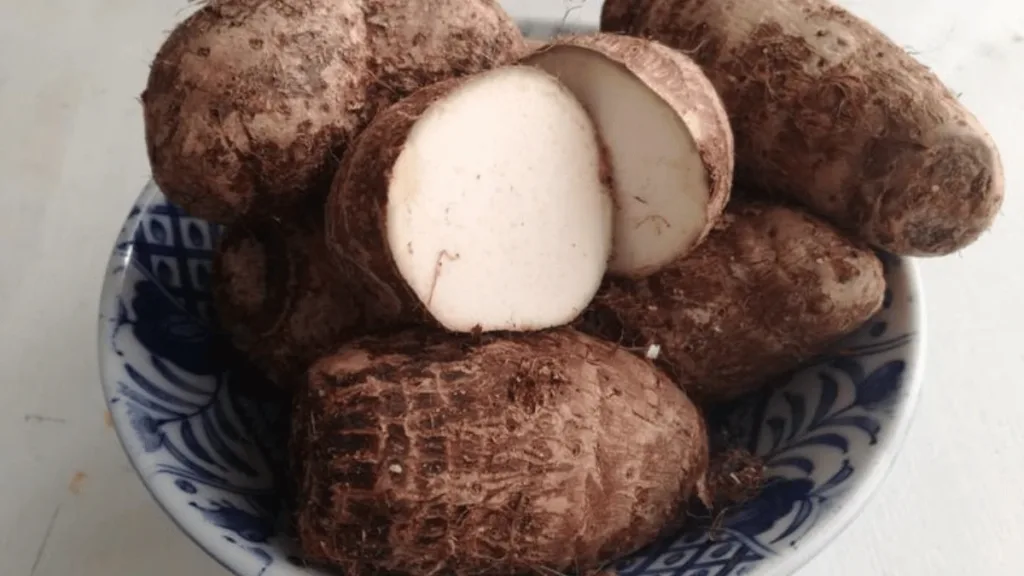
Amadumbe traditional food and their benefits.

What’s changed is visibility: more restaurants, more retail shelf space, and more people actively choosing to eat this way for health, ethical, or environmental reasons.

A Nation on the Rise, Not a Niche

South Africa is 23rd among the top 30 countries for veganism in the past year, based on Google Trends data.
It’s also the only African country with a large vegan community.

This is an important point.

It’s not just a niche interest found in a few trendy cafés. It’s a structural shift in how a growing share of South Africans eat

The South African vegan food market hit about USD 89.39 million in 2024.
It’s expected to grow to USD 188.60 million by 2033. This means a compound annual growth rate of around 8.65%.
This steady growth tells retailers and restaurant owners something important. This audience isn’t going anywhere.

Vegan South Africa by the Numbers (2026 Snapshot)

MetricFigureSource Context
Vegan/vegetarian/flexitarian share of SA population10–12%ProVeg South Africa, as of early 2024
Global vegan popularity ranking23rd worldwide, 1st in AfricaGoogle Trends / Chef’s Pencil analysis
SA vegan food market size (2024)~USD 89.4 millionIMARC Group
Projected market size (2033)~USD 188.6 millionIMARC Group
Market growth rate (CAGR)~8.65% (2025–2033)IMARC Group
Fast-food plant-based main dishes growthUp ~16.67% on menusProVeg South Africa 2023 report
Leading city for vegan food ordersJohannesburg (overtook Cape Town)Uber Annual Cravings Report

Why Are So Many South Africans Going Plant-Based?

There isn’t one single reason people are shifting their plates, it’s usually a combination of three overlapping motivations.

1. Health

Concerns about lifestyle diseases are a major driver.
More people are choosing dairy-free diets. They are also looking for foods low in cholesterol and rich in nutrients. This change stems from rising rates of obesity, diabetes, and lactose intolerance.
YouGov data shows strong local support for this change. About 61.71% of South Africans want healthier versions of their favourite foods. Also, 49.90% believe a meatless diet is healthier.

2. Ethics and Animal Welfare

South Africans have shown strong support for animal welfare policy well beyond the plate.

90% of South Africans want makeup to be no longer tested on animals, according to Dashboard Consulting.

Also, 86% support banning the sale of cosmetics tested on animals. This shows that ethical consumer values are strong and extend beyond just food.

3. Environmental Awareness

Growing understanding of animal agriculture’s footprint, deforestation, emissions, water use is pushing environmentally conscious consumers, particularly younger South Africans influenced by global trends and social media, toward plant-based choices.

4. Convenience Has Caught Up

A decade ago, “going vegan in South Africa” meant a lot of cooking from scratch and hunting down niche health shops.

That’s no longer true.

Retail giants have consistently expanded and promoted vegan product ranges, and Woolworths in particular has described this as reflecting a fundamental shift in customer eating habits, one that appeals to meat-eaters, sustainable farming supporters, and health-focused shoppers alike, not just committed vegans.

Where Vegan Culture Is Strongest: City by City

Johannesburg — The New Vegan Capital

Johannesburg, not Cape Town, is now South Africa’s best city for vegan food.

Uber’s 2023 Annual Cravings Report shows something surprising. Johannesburg users made 23% more vegan orders than those in Cape Town.

This runs counter to the belief that Cape Town is the country’s plant-based hub.

Cape Town — Still a Heavyweight

Cape Town remains a vegan powerhouse in its own right, home to well-known plant-based restaurants and a dense concentration of health-focused cafés and specialty grocers. Its reputation as a wellness-forward city isn’t undeserved — it’s simply no longer the sole leader.

Durban — The Rising Contender

Durban’s food culture brings something distinct to the table: a deep Indian-influenced culinary tradition that is naturally rich in plant-based curries, dhals, and vegetable dishes, alongside Zulu staples like morogo and amadumbe. As plant-based awareness grows nationally, Durban’s existing food culture gives it a head start most cities don’t have.

Everywhere Else

Growth isn’t confined to the big three metros. Retailers and fast-food chains rolling out plant-based menu items nationally means smaller cities and towns are catching up quickly — you no longer need to live in a metro to eat well as a vegan in South Africa.

Where to Shop for Vegan Food in South Africa

RetailerWhat to Expect
WoolworthsWidest dedicated plant-based range among major supermarkets; strong labelling
Pick n PayGrowing plant-based aisle, competitive pricing on staples
CheckersExpanding meat-alternative and dairy-free ranges
Independent health storesSpecialty items — nutritional yeast, tempeh, specific supplements
Local marketsBest value for fresh produce, legumes, and grains
Online grocery deliveryGrowing e-commerce access, especially useful outside major metros

The broadening of e-commerce and online grocery delivery has been a quiet but important driver of access, particularly for people outside city centres who previously had limited options.

Busting the Big Vegan Myths (South African Edition)

Myth 1: “Vegan Food Is Expensive”

This is arguably the most persistent myth — and the easiest to debunk locally. When you compare the cost of meat to staples like whole grains, legumes, rice, vegetables, and fruit, plant-based eating is often the cheaper option, not the pricier one. Traditional South African staples — beans, samp, maize meal, lentils, seasonal vegetables — are inexpensive, filling, and completely plant-based by default.

Myth 2: “You Can’t Get Enough Protein”

South Africa has no shortage of plant protein sources: seitan, tofu, lentils, chickpeas, various beans, spirulina, quinoa, oats, wild rice, seeds, and nuts, plus smaller but real contributions from vegetables like spinach, asparagus, and broccoli. Building muscle on a vegan diet is a matter of planning, not a structural impossibility.

Myth 3: “Dairy Is the Only Way to Get Calcium”

What your bones actually need is calcium — not dairy specifically. South African vegans can meet calcium needs through soy-based foods, beans, lentils, peas, spinach, figs, flax, chia, sesame seeds, seaweed, and almonds.

Myth 4: “Vegetarian and Vegan Are the Same Thing”

They’re not. Vegetarians typically still eat eggs and dairy; vegans exclude all animal-derived products, including honey in the strictest definitions. This distinction matters when reading South African menus, since “vegetarian” labelling doesn’t guarantee a dish is vegan.

Myth 5: “B12 Is Impossible Without Meat”

Vegans usually need a B12 supplement or fortified foods. This is because B12 comes from bacteria, not from plants or animals.
You can now easily find vegan-friendly products in South Africa.

B12-fortified cereals, tofu, non-dairy milk, and spreads are all available.

Here’s a fun fact: cattle need B12 supplements, too. Their diets often lack cobalt. So, even meat-eaters might rely on B12 without realising it.

What Does the Nutrition Research Say About South African Vegans?

It’s worth looking at actual local data rather than assumptions.

A South African study examining vegans connected through the South African Vegan Society Facebook group looked at demographics, motivations, and dietary quality.

The findings were a mixed bag worth knowing:

  • Both male and female respondents generally met recommended intakes for fibre, iron, vitamin C, B6, vitamin A, thiamine, riboflavin, folate, and vitamin K.
  • Respondents showed lower cholesterol and saturated fat intake, alongside higher polyunsaturated fat intake — generally favourable markers.
  • The diet had clear gaps. Respondents were missing calcium, sodium, vitamin D, and vitamin B12.
  • Also, some micronutrients, such as zinc, niacin, and vitamin E, didn’t meet the needs of at least one gender. Female respondents consumed more added sugar than male respondents on average.

The key point is not that a vegan diet is lacking.
Instead, like any diet, it needs careful planning for certain nutrients (B12, D, calcium, zinc). Just thinking “plant-based” means “nutritionally complete” is a mistake.
This research-backed nuance is key for your content and recipes. It builds trust with readers who are tired of oversimplified health claims.

Vegan Fast Food and Restaurants in South Africa

Fast food might be the last place people expect vegan progress, but it’s been one of the fastest-moving categories. <cite index=”4-1″>Plant-based main dishes on South African fast-food menus increased by 16.67% between 2022 and 2023</cite>, even though they still represent a small slice of total menu offerings.

Chains including McDonald’s, Burger King, Nando’s, Steers, and others have added or expanded plant-based items in response to consumer demand.

There’s a real business case behind this too: while committed vegans and vegetarians make up under 3% of the population, effective plant-based marketing can also pull in flexitarians and curious omnivores — a much larger addressable market that industry researchers say is often underestimated.

Beyond the big chains, independent vegan and vegetarian restaurants have built loyal followings in every major city — from dedicated plant-based kitchens in Cape Town to casual vegan cafés in Johannesburg.

If you’re building content around this space, restaurant round-ups by city and cuisine type (Durban curry houses, Cape Town fine dining, Joburg quick-service) are strong, searchable content angles.

Traditional South African Foods That Are Naturally Vegan

One of the most underused angles in local plant-based content is how much of South Africa’s own culinary heritage is already vegan — no substitution required:

  • Morogo — wild leafy greens, a staple across many South African households
  • Amadumbe — indigenous taro root, hearty and versatile
  • Umngqusho — samp and beans, a Xhosa staple (famously one of Nelson Mandela’s favourite dishes)
  • Sorghum and maize meal (pap) — foundational grains across the country
  • Cowpeas and groundnuts — protein- and fat-rich legumes used in many regional dishes

Framing plant-based eating as a return to indigenous food wisdom — rather than a foreign health trend — is both more accurate and more resonant with South African audiences than imported “clean eating” messaging.

How to Start Going Vegan in South Africa: A Practical Comparison

ApproachBest ForTrade-Offs
Cold turkey (full switch)People who want fast, clear resultsSteep learning curve, higher chance of falling off
Gradual (one meal at a time)Beginners, families with mixed dietsSlower results, easier to sustain long-term
Flexitarian firstHealth-focused, not ethically drivenDoesn’t fully address animal welfare/environmental goals
Veganuary-style 30-day trialTesting the waters with structure and supportRequires a defined end-date decision afterward

Whichever path you choose, local nutrition experts recommend prioritising whole, minimally processed plant foods over ultra-processed vegan substitutes — a rule that applies to everyone’s diet, not just vegans.

Frequently Asked Questions

Is veganism actually growing in South Africa, or is it a niche trend?

It’s genuinely growing. South Africa is the only African country with a sizeable, sustained vegan community, and it ranks in the global top 30 for vegan interest — well ahead of any other country on the continent.

Which South African city has the most vegan food options?

Johannesburg currently leads the country in vegan food orders, having overtaken Cape Town, though Cape Town remains a major hub with a dense concentration of dedicated plant-based restaurants.

Is it expensive to eat vegan in South Africa?

Not necessarily. Staple plant foods — legumes, grains, seasonal vegetables — are typically cheaper than meat. The expense usually comes from relying heavily on packaged vegan substitute products rather than whole foods.

Do vegans in South Africa need supplements?

Most vegans need a reliable B12 source, either through fortified foods or a supplement, since B12 isn’t produced by plants. Local research also suggests paying particular attention to calcium, vitamin D, zinc, and sodium intake.

What’s the difference between vegan and vegetarian in South African restaurant menus?

Vegetarian dishes may still contain eggs or dairy; vegan dishes exclude all animal products. Always check with the restaurant directly, since labelling consistency varies.

Are major South African supermarkets vegan-friendly?

Yes. Woolworths, Pick n Pay, and Checkers have all meaningfully expanded plant-based and dairy-free ranges over the past several years, making everyday shopping significantly easier than it was even five years ago.

Action Steps: Where to Go From Here

  1. Audit your current pantry — identify which staples you already eat that happen to be vegan (beans, pap, seasonal veg) before buying anything new.
  2. Pick one retailer to explore this week — Woolworths, Pick n Pay, or Checkers — and walk their plant-based aisle to see what’s actually available near you.
  3. Try one traditional South African vegan dish — umngqusho or a morogo-based meal — to experience plant-based eating as heritage, not deprivation.
  4. Plan your B12 and calcium sources before making any long-term dietary shift, ideally with guidance from a healthcare provider or registered dietitian.
  5. Test a 30-day trial (Veganuary-style) if you’re unsure about committing long-term — it’s a low-risk way to see how your body and routine respond.
  6. Follow local vegan communities and creators — South African-specific vegan Facebook groups, Instagram accounts, and blogs will keep your approach grounded in what’s actually available here, rather than imported (often American) advice that doesn’t translate to local shelves and prices.

Vegan South Africa in 2026 isn’t a fringe movement chasing global trends. It’s a homegrown change. It reconnects with the country’s plant-forward food heritage.
It also builds new infrastructure. This includes shelf space in stores and menus in restaurants. The market is growing quickly and shows no signs of slowing down.

For further exploration on vegan South Africa download vegan protein cheat sheet

What Are the Health Benefits of Cowpeas? | Full Guide

What Are the Health Benefits of Cowpeas? | Full Guide

Quick Answer Cowpeas (Vigna unguiculata), known locally as black-eyed peas, are a nutrient-dense legume offering roughly 24% protein, 11g of fibre per 100g, and over 150% of daily folate needs in a single cooked cup. Research links regular cowpea consumption to better blood sugar control, …

Are KOO Baked Beans Good for Blood Sugar Control?

Are KOO Baked Beans Good for Blood Sugar Control?

Quick Answer: KOO Baked Beans in Tomato Sauce are a mixed bag for blood sugar control. Small white (navy) beans are great for blood sugar control. They contain resistant starch and about 3.8g of fibre per 100g. KOO’s tomato sauce includes cane sugar and salt. …

Diabetes Reversal with Plant-Based Diet in SA: 2026 Evidence

Diabetes Reversal with Plant-Based Diet in SA: 2026 Evidence

Quick Answer

Yes — clinical evidence supports diabetes reversal with a plant-based diet. A 2024 randomised controlled trial published in Diabetologia found that a whole-food, plant-based diet with exercise put 23% of participants with moderate baseline HbA1c into remission within 24 weeks, while a 2025 systematic review in Advances in Nutrition confirmed consistent HbA1c and weight reductions across vegetarian and vegan trials. In South Africa, where 2.3 million adults now live with diabetes and 70.3% remain undiagnosed (IDF Diabetes Atlas, 2025), local programmes such as the 21-Day Diabetes Challenge have shown the same pattern using affordable indigenous staples like morogo, samp, and legumes. Reversal is not guaranteed for everyone, but for many people with early-stage Type 2 diabetes, a doctor-supervised whole-food plant-based diet is one of the most evidence-backed dietary paths to remission available today.

What’s New in This 2026 Update

Since this article was first published, three things have changed the evidence picture:

  1. The largest and longest randomised trial of its kind on plant-based diets and diabetes has now been published in full, with 24-week outcomes and medication data.
  2. The 2025 IDF Diabetes Atlas has revised South Africa’s diabetes burden upward, with fresh national figures on prevalence, undiagnosed cases, and healthcare costs.
  3. A new 2025 systematic review and meta-analysis in Advances in Nutrition has consolidated over two decades of vegetarian and vegan RCTs into a single evidence synthesis, strengthening the case that this isn’t a fringe finding but a replicated one.

We’ve woven all three into the sections below, alongside everything from the original piece.

Understanding Diabetes Reversal: Defining the Goal

We’re discussing the reversal of diabetes through a plant-based diet in South Africa.

Sounds great.

What Constitutes Diabetes Reversal?

But first, we need to clarify what we mean by “diabetes reversal.”

Honestly, that phrase may have sounded like wishful thinking for many with Type 2 Diabetes Mellitus (T2DM) in the past.

So, what exactly constitutes diabetes reversal?

Clinically speaking, it means achieving remission from diabetes. It’s not just about controlling your blood sugar. It’s also about bringing it back to a non-diabetic level, often without needing diabetes medication.

We’re focusing on key clinical markers. Your HbA1c levels should drop below 6.5%, and even lower is better. This should happen while you stop using glucose-lowering drugs.

For some, this can mean complete remission from diabetes.

In this state, the body maintains normal blood sugar levels. A person usually doesn’t need medication for long.

Now, how does diet even factor into this?

Mechanisms of Diabetes Pathogenesis and the Role of Diet

Type 2 diabetes mellitus (T2DM) mainly comes from insulin resistance. It also involves problems with beta cells.

Insulin is like a key that lets your cells take in glucose for energy. With insulin resistance, your cells don’t respond well to insulin.

So, your body produces more insulin to compensate. Eventually, the beta cells in your pancreas, which produce insulin, become exhausted. What we eat directly influences these processes.

A smart diet, such as a plant-based one, can significantly help manage diabetes.

This brings us closer to truly reversing diabetes.

It’s about moving from managing symptoms to tackling the root causes.

The Foundational Science: Global Evidence for Plant-Based Diabetes Reversal

The Landmark Trial: Whole-Food Plant-Based Diet + Exercise

The single strongest piece of new evidence is a randomised controlled trial conducted in the Marshall Islands and published in Diabetologia, the journal of the European Association for the Study of Diabetes. Its authors describe it as the largest and longest trial to date comparing a whole-food, plant-based intervention against standard medical care in adults with Type 2 diabetes.

169 adults were randomised to either an intensive whole-food, plant-based diet with moderate exercise or standard medical care over 24 weeks. The plant-based group saw significantly greater improvements in HbA1c, inflammatory markers (hsCRP), body weight, and waist circumference than the group receiving standard care.

Medication use for both diabetes and cardiovascular disease dropped more in the plant-based group than in any comparable trial published before it. Diabetes remission occurred in 8% of all participants on the plant-based protocol, rising to 23% among those who started with a moderate baseline HbA1c below 9.0% — meaning people caught earlier in the disease process saw the strongest results. (Read the study on Diabetologia)

This matters for the South African context because it demonstrates something the original version of this article could only argue from smaller studies: that dietary reversal is repeatable, dose-dependent on how early you intervene, and measurable in hard clinical endpoints — not just self-reported wellbeing.

The 2025 Systematic Review: Two Decades of Trials, One Consistent Signal

A 2025 systematic review and meta-analysis published in Advances in Nutrition, the journal of the American Society for Nutrition, pooled randomised controlled trials on vegetarian and vegan dietary patterns in adults with Type 2 diabetes.

The review’s conclusion echoes what earlier single studies suggested individually: plant-based dietary patterns consistently support healthy body weight maintenance, improved glycaemic control, and reduced risk of diabetes-related complications. (Read the meta-analysis on ScienceDirect)

What a systematic review adds that a single trial cannot is confidence that the effect isn’t a fluke of one research team, one population, or one study design.

When multiple independent trials, run in different countries over more than 25 years, converge on the same direction of effect, that is a much stronger basis for clinical and public health recommendations.

Real-World Evidence: It Works Outside the Lab Too

A 2025 study published in the peer-reviewed literature examined whether a plant-based nutrition programme could work in an ordinary primary care setting, rather than just in a tightly controlled research trial. Seventy-six adults with Type 2 diabetes joined a 12-week online plant-based nutrition intervention delivered through weekly group classes.

Among the 58 who completed it, the researchers tracked body weight, medication use, HbA1c, and cholesterol from baseline to 12 weeks. The study’s authors note that randomised trials had already established that low-fat plant-based diets produce meaningful weight loss and glycaemic improvements in Type 2 diabetes — their goal was to test whether this could be delivered efficiently in real clinical practice, where time and resources are limited. (Read the study on PMC)

This is directly relevant to South Africa’s public health system, where access to dietitians is uneven and consultation time is short. It suggests group-based, community-delivered plant-based programmes — much like the 21-Day Diabetes Challenge discussed below — are a realistic delivery model, not just a theoretical one.

How Plant-Based Diets Facilitate Diabetes Reversal

But how exactly do these green-powered plates work their magic?

Well, it boils down to several key mechanisms:

First off, high fibre content is a game-changer.

Plant foods are full of dietary fibre. This fibre slows sugar absorption. It helps control blood sugar spikes and keeps you feeling full. This can help you eat better and maintain a healthy weight, which is crucial for managing diabetes effectively.

Secondly, low saturated fat and cholesterol are vital. A whole-food, plant-based diet is low in saturated fat and cholesterol. This is different from animal products. This helps reduce inflammation and improve insulin sensitivity. When there’s less fat “gumming up” our cells, insulin can work more effectively.

Furthermore, plant-based diets are rich in a wide range of nutrients. They contain a variety of vitamins, minerals, phytochemicals, and antioxidants. These nutrients support metabolic health. They also reduce chronic inflammation, which can lead to insulin resistance.

It’s all about making the body a place where insulin works well. We also need to tackle the root causes of Type 2 Diabetes Mellitus.

Studies have shown that consuming a variety of plant-based foods can significantly benefit individuals with diabetes. Now, let’s explore how this applies to our unique context in South Africa.

For a deeper walkthrough of exactly how a plant-based approach interacts with insulin resistance day-to-day, see our ultimate guide to a plant-based diet for Type 2 diabetes.

Scientific Evidence for Diabetes Reversal with a Plant-Based Diet in South Africa: Local Research and Efforts

The South African Diabetes Burden, Updated for 2026

The scale of the problem this article addresses has grown since our original publication. According to the International Diabetes Federation’s 2025 Diabetes Atlas, South Africa now has an estimated 2.3 million adults aged 20–79 living with diabetes, up from 1.9 million in 2011. Age-standardised prevalence is 7.2%, projected to rise to 3.9 million people by 2050 as the population ages and urbanises.

The most striking figure, and arguably the most important one for this article’s argument, is this: 70.3% of South Africans with diabetes are undiagnosed. That’s roughly 1.6 million people walking around with untreated, unmanaged blood sugar right now, most of them unaware that their diet and lifestyle are already reshaping their long-term health risk.

Diabetes accounted for an estimated 24,800 deaths in South Africans aged 20–79 in the most recent reporting year, and diabetes-related health expenditure has climbed past USD 4.5 billion nationally.

Regionally, the picture is just as urgent. Across the whole IDF Africa region, diabetes prevalence is projected to grow faster than in any other world region between now and 2050 — a 142% increase, reaching 60 million people — even though Africa currently has the lowest measured prevalence of any IDF region.

Nearly three-quarters of people with diabetes across the continent don’t know they have it, and Africa receives the smallest share of global diabetes-related health expenditure despite carrying a disproportionately fast-growing burden.

This combination — rising prevalence, low diagnosis rates, and the least healthcare spending per person — is precisely why affordable, accessible dietary intervention matters more in South Africa than almost anywhere else.

These aren’t just abstract statistics. They’re the backdrop against which local plant-based interventions are being tested, and they explain why an accessible, low-cost, food-based approach carries so much public health weight here specifically.

Emerging South African Research on Plant-Based Diets and Diabetes

A key local effort remains the 21-Day Diabetes Challenge, launched by the UBUNTU Wellness Institute with support from PAN South Africa. Pilot programmes and case studies built around this model continue to show that a whole-food, plant-based diet helps South Africans with Type 2 diabetes achieve meaningful drops in HbA1c, often alongside significant weight loss — a key driver of reduced insulin resistance.

Participants in these local programmes have, with their doctors’ guidance, reduced or stopped diabetes medication altogether, moving closer to genuine remission. Just as important, participants consistently report gains that don’t show up on a lab report: more energy, improved mood, and a stronger sense of control over a condition that so often feels like it’s controlling them.

Bridging the Gap: Applying Global Evidence to the South African Context

The newer global trials strengthen, rather than replace, the case this article has always made for South Africa specifically. The Marshall Islands trial is a useful comparison point precisely because it wasn’t conducted in a wealthy, food-abundant Western setting; it was run in a Pacific Island nation with its own food access and cultural dietary challenges, not unlike aspects of the South African context.

That a whole-food, plant-based intervention worked there, with real reductions in medication use, adds weight to the argument that this approach travels across different food environments and income settings.

Local evidence, gathered through initiatives like the 21-Day Diabetes Challenge, and global evidence, gathered through rigorous RCTs and systematic reviews, are now telling the same story from two directions. That convergence is what moves this from “promising idea” to “increasingly established intervention.”

Practical Implementation of a Plant-Based Diet for Diabetes Reversal in South Africa

Do you think science proves that a plant-based diet can reverse diabetes in South Africa?

Now, you’re ready to give it a shot.

That’s fantastic!

But how do you apply this in your daily life, especially within the South African context? It’s often easier than you think.

Key Principles of a Diabetes-Reversing Plant-Based Diet

The main idea of a diabetes-reversing plant-based diet is simple: eat whole, unprocessed plant foods.

Imagine colourful fruits, fresh green veggies, and filling legumes like beans, lentils, and chickpeas. Additionally, consider whole grains, such as brown rice, oats, and whole-wheat bread. Don’t forget a mix of nuts and seeds!

The goal is to get the most goodness from the earth. This means eating fewer processed foods, added sugars, and refined carbohydrates, such as white bread and sugary cereals.

Also, avoid all animal products.

To stay healthy and energised, focus on calorie density and nutrients.

Navigating a Plant-Based Diet in South Africa: Tips and Strategies

Now, let’s talk about how to navigate this in South Africa.

Great news!

Our country offers many affordable and readily available plant-based staples.

Check out your local markets or big grocery stores. You’ll find a variety of seasonal fruits and vegetables, often at great prices. Legumes, like sugar beans, lentils, and samp, are budget-friendly powerhouses.

Try traditional South African plant-based foods.

Start with dishes featuring morogo (wild spinach), sweet potatoes, maize meal (whole-grain for pap), and various pulses. These ingredients are part of our heritage.

Meal planning and preparation can seem daunting at first, especially for busy South Africans. Simple strategies help a lot. Batch cook grains and legumes. Prepare large salads. Keep pre-chopped veggies ready.

Sourcing plant-based ingredients in South Africa is getting easier. Many stores now offer vegan-friendly options. Additionally, dedicated online vegan shops are emerging.

Nutritional Adequacy and Supplementation Considerations

A common question is about nutritional adequacy. Can you get all your nutrients from plants?

Absolutely!

A healthy, whole-food, plant-based diet offers many essential nutrients. These include protein, calcium, and iron. The only widely recommended supplement for all plant-based eaters is Vitamin B12.

It’s a good idea to consult a doctor or a registered dietitian who specialises in plant-based nutrition.

They can help you adjust your diet to fit your needs and also track your progress.

They also ensure that you receive all the vitamins and minerals necessary for good health and for reversing diabetes. This support is key to making your plant-based journey sustainable and effective.

If you’re ready to put this into practice, our guide to plant-based meals for Type 2 diabetes in South Africa walks through affordable, locally sourced meal ideas centred on morogo, samp, legumes, and seasonal vegetables.

Challenges and Future Directions for Plant-Based Diabetes Reversal in South Africa

Plant-based diets show great promise for reversing diabetes in South Africa.

However, there are challenges to face with this change.

Overcoming Barriers to Adoption

One of the biggest challenges lies in cultural perceptions.

In many South African communities, meat plays a central role in traditional diets and celebrations. Switching to a mainly plant-based diet can feel challenging or unfamiliar.

We also deal with socioeconomic issues. Whole plant foods can be very affordable. Some people think that fresh and varied produce is too expensive or too complex to obtain. These can be barriers for them.

A big challenge is the lack of awareness and education. This issue affects not only the public but also some healthcare providers. Many of them may not be aware of the strong scientific evidence that a plant-based diet can help reverse diabetes.

Finding suitable plant-based options when dining out or at social gatherings also remains a hurdle for many.

Policy Implications and Healthcare Integration

The future of diabetes reversal through a plant-based diet in South Africa depends on a few key directions.

Firstly, there’s a vital need for policy implications and healthcare integration. Plant-based nutrition must be a key part of South Africa’s diabetes guidelines. Trainers must also incorporate it into training for healthcare professionals.

Doctors and dietitians often recommend plant-based foods for managing Type 2 diabetes mellitus.

The Future of Diabetes Reversal by Plant-Based Diet in South Africa

Additionally, researchers need to conduct further research in South Africa. Extensive clinical trials will help strengthen local evidence. They will demonstrate the effectiveness of treatments for various populations.

More education and awareness can help South Africans recognise that local plant-based foods are affordable and readily available.

This will encourage them to choose a healthier future.

Why the Undiagnosed Gap Changes the Policy Conversation

With over 70% of South Africans with diabetes currently undiagnosed, the policy conversation can’t only be about treating people who already know their status; it has to include prevention at population scale.

A whole-food, plant-based dietary pattern is one of the few interventions cheap enough and culturally adaptable enough to be promoted at that scale using foods South Africans already grow, sell, and cook: legumes, morogo, pumpkin, sweet potato, and whole grains. Diabetes guidelines and primary healthcare training that build this into routine screening and first-line advice, rather than treating diet as an afterthought to medication, stand to reach people long before they reach an endocrinologist’s office.

For more on how this fits into broader non-communicable disease prevention in South Africa, see our related article on evidence-based plant-based diets for chronic disease prevention.

Frequently Asked Questions (FAQ) about Plant-Based Diet and Diabetes Reversal in South Africa

Can a plant-based diet truly reverse Type 2 Diabetes in South Africans?

Yes, for many people, particularly those in the earlier stages of the disease. A 2024 randomised controlled trial found that 23% of participants with a moderate baseline HbA1c achieved diabetes remission within 24 weeks on a whole-food, plant-based diet with exercise. Local programmes such as the 21-Day Diabetes Challenge show similar patterns among South African participants. Results vary by individual, and reversal should always be pursued under medical supervision.

How many South Africans currently have diabetes?

According to the 2025 IDF Diabetes Atlas, an estimated 2.3 million South African adults aged 20–79 live with diabetes, with age-standardised prevalence at 7.2%. Alarmingly, 70.3% of these cases are undiagnosed.

Is a plant-based diet sustainable and affordable for South Africans with diabetes?

Yes. Traditional South African staples — samp and beans, morogo, sweet potatoes, and a wide variety of seasonal vegetables and fruit — are naturally plant-based, fibre-rich, and generally more affordable than animal-based equivalents when built around whole, unprocessed ingredients.

What specific South African plant-based foods are beneficial for diabetes reversal?

Pap made from whole grains, samp, beans, lentils, morogo, pumpkin, sweet potatoes, and cruciferous vegetables is a fibre-rich, nutrient-dense staple well-suited to supporting glycaemic control and diabetes reversal.

Do I need to be a strict vegan to experience diabetes reversal?

No. While the strongest trial results come from whole-food, often vegan-leaning protocols, a more plant-focused approach that minimises animal products and highly processed food still delivers meaningful health benefits.

Should I consult my doctor before starting a plant-based diet for diabetes reversal? Absolutely, yes. As blood sugar improves on a plant-based diet, diabetes medication often needs to be adjusted quickly to avoid hypoglycaemia. Work with your doctor or a registered dietitian throughout the process.

Conclusion

The evidence base for reversing Type 2 diabetes with a plant-based diet hasn’t just held up since this article was first published — it’s gotten stronger. The largest randomised trial of its kind now has full 24-week outcomes showing real remission rates and reduced medication use.

A 2025 systematic review has confirmed the effect across decades of independent studies. And a 2025 real-world study shows the approach works outside the lab, in ordinary group-based clinical settings.

At the same time, the scale of South Africa’s diabetes burden has become clearer and more urgent: 2.3 million adults affected, more than 70% of them undiagnosed, and costs climbing past R80 billion a year. Against that backdrop, an intervention built on foods South Africans already know — morogo, samp, beans, sweet potato — carries weight far beyond any individual health story.

If you’re living with Type 2 diabetes in South Africa, this is a clear, evidence-backed option worth discussing with your doctor. If you’re a healthcare provider, policymaker, or simply someone who cares about the direction of diabetes care in this country, the case for taking plant-based nutrition seriously — not as an alternative therapy, but as frontline care — has only grown since we first wrote this piece.

By Zama Zincume — Public Health Specialist & Plant-Based Food Writer. This article was originally published on August 29, 2025, and updated in July 2026 with new global clinical trial data and updated South African diabetes statistics.


The Ultimate Guide to Durban’s Best Vegan Restaurants in 2026

The Ultimate Guide to Durban’s Best Vegan Restaurants in 2026

By Zama Zincume — Public Health Specialist & Plant-Based Food Writer. Originally published: 06 January 2025 | Fully updated in 2026. Every listing below has been re-verified for current operating status. Looking for Durban’s best vegan restaurants? You’re in the right place. I’ve eaten my …

How Can a 50-Year-Old Man Increase Testosterone Naturally?

How Can a 50-Year-Old Man Increase Testosterone Naturally?

By Zama Zincume — Public Health Specialist & Plant-Based Food Writer Quick Answer: A 50-year-old man can naturally raise testosterone by doing four things in sequence: reducing the hidden load on his body, training and eating in ways that signal strength, restoring deep sleep and …

Affordable Plant-Based Eating in South Africa: The Complete Guide

Affordable Plant-Based Eating in South Africa: The Complete Guide

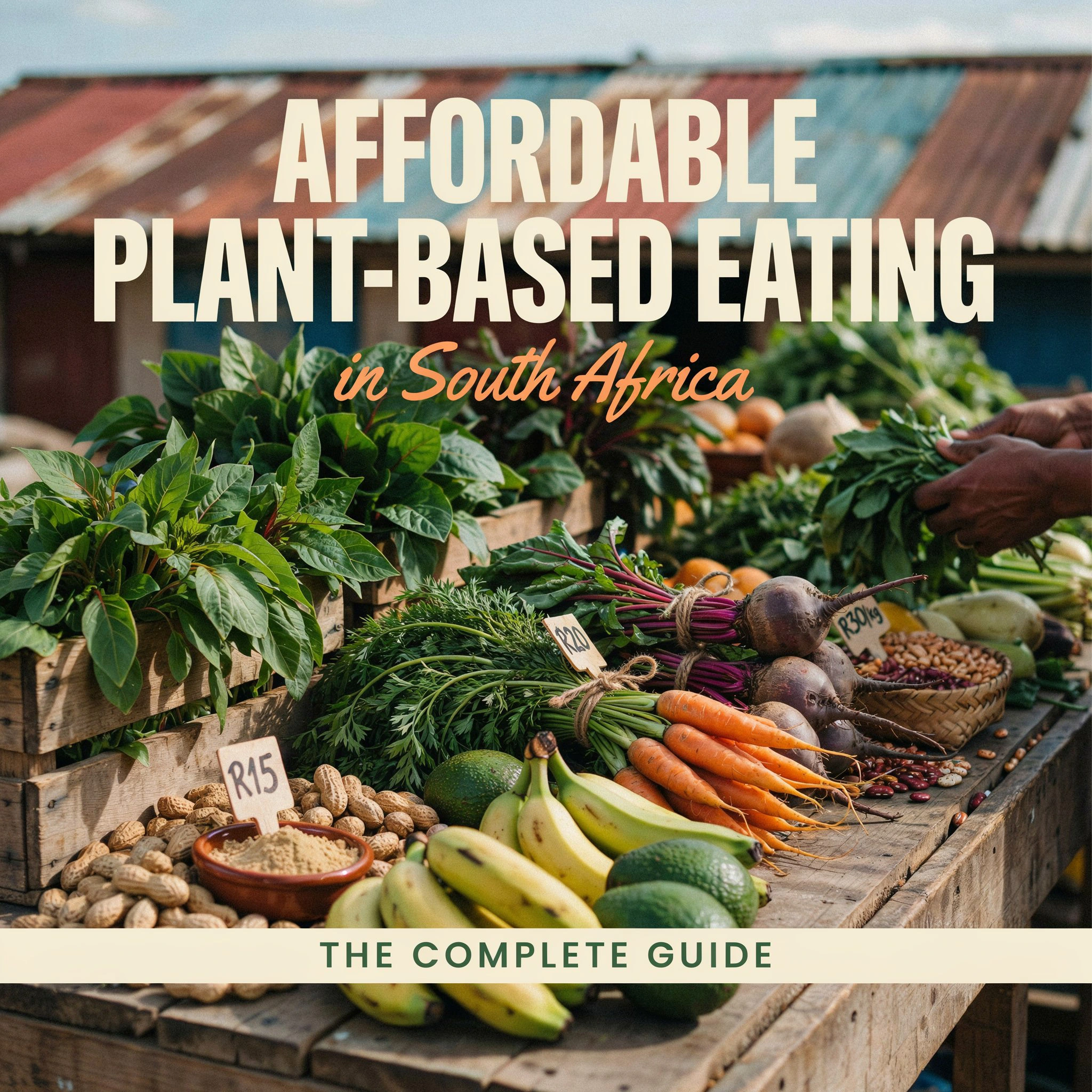
This is your guide to affordable plant-based eating in South Africa.

If you have stood in the supermarket aisle lately, calculator in your head, watching the trolley total climb while the trolley itself stays half-empty, you already understand the problem this guide solves.

Food is expensive in South Africa, and it keeps getting more expensive. Yet somewhere along the way, “eating well” got tangled up with imported chia seeds, R200 nut butters, and powders with names you cannot pronounce. The result is a quiet belief that plant-based eating is a luxury — something for people with money to burn.

I want to dismantle that belief, gently and completely.

I am a public health specialist, and I have spent years showing South Africans that the healthiest plates in this country are also the cheapest. Not despite being plant-based, but because they are.

The foods that have fed families across this land for generations — samp, dried beans, mealie meal, morogo, lentils, amadumbe — are nutritional powerhouses that cost a fraction of the trendy alternatives. This is the complete guide to eating that way on purpose: deliberately, affordably, and well.

By the end, you will know what the real cost of food is right now, which staples to build your kitchen around, how to get protein without the price tag, where to shop for less, and how to turn all of it into a week of satisfying meals. Let us begin.

The Myth That Plant-Based Eating Is Expensive

The myth comes from a simple visual confusion. When most people picture “plant-based,” they picture the wellness aisle: cold-pressed juices, imported berries, fortified faux meats, and seeds shipped halfway around the world. Those products are expensive.

But they are not what plant-based eating actually is. They are the marketing of plant-based eating — a thin, glossy layer sold to people who can afford to confuse novelty with nutrition.

Strip that layer away, and what remains is the oldest, cheapest, most sensible way humans have ever eaten: a bowl built on a starch you can buy in bulk, a legume that delivers protein for cents, and whatever vegetables are cheap and in season.

A pot of samp and beans does not need quinoa to be complete. A plate of pap and morogo does not need a superfood powder to be nourishing. The expense was never in the plants. It was in the packaging.

This matters because the confusion has real consequences. People hear “I should eat more plants” and assume it requires a budget they don’t have, so they give up before they even start. If you have ever felt that your wallet was crying at the till, you are not alone — and you are not the problem.

I unpack this exact frustration in Why Is Plant-Based Eating Important?, because the case for plants only holds up if ordinary people can actually afford it. The good news is that they can. They always could.

The Real Cost of Eating in South Africa Right Now

Let us ground this in numbers rather than feelings.

Every month, the Household Affordability Index tracks the price of a basket of basic foods across cities, including Johannesburg, Durban, Cape Town and Pietermaritzburg. In mid-2026, the average cost of that household food basket sat above R5 400 a month — and that basket is not even nutritionally complete.

It is what families on low incomes actually manage to buy, not what they would buy if money were no object.

To put a floor under it, Statistics South Africa calculates a national food poverty line — the bare minimum needed to meet daily energy requirements — at roughly R855 per person per month. Sit with that for a moment. Whatever you spend, you are spending it inside an economy where transport and electricity are paid first, and food is what gets squeezed afterwards.

Two lessons follow from these numbers. The first is that every rand of efficiency matters; small changes to how you build a plate compound can add up to real money over a month.

The second is more hopeful: the families who survive this squeeze are already doing something clever. Researchers who study the affordability index have noticed a pattern — women on tight budgets buy the core staple foods first, so that nobody goes hungry and basic meals can always be made. That instinct is not a compromise. It is a strategy. And it happens to be the foundation of the most affordable plant-based eating there is.

Build Meals Around Staples First

Here is the single most useful mindset shift in this entire guide. Stop building meals around a protein centrepiece, the expensive thing you arrange everything else around, and start building them around an affordable staple.

The staple is the anchor; everything else is decoration. You can scale up or down depending on what is in the cupboard and what is cheap that week.

This is the logic behind what I call the Staple-First Method. You do not have to adopt it as a system to benefit from the principle. The principle is simply this: a kilogram of dried sugar beans or a bag of mealie meal can underpin a dozen different meals for the price of a single takeaway. When the staple carries the meal, the “expensive” ingredients become optional flourishes rather than non-negotiable costs. Suddenly, a R30 punnet of mushrooms is a treat that elevates a meal you could have afforded anyway, not the reason the meal happened.

It also solves the variety problem. People abandon budget eating because they get bored, and boredom feels like deprivation. But the same five staples can become Mexican, Indian, Italian, or proudly South African, depending on the spices and vegetables you add.

The base stays cheap; the personality changes. That is how you eat affordably for months without feeling like you are on a punishment diet.

The Affordable Plant-Based Pantry

If you stock the items below, you can make a nourishing plant-based meal almost any night without a special trip. None of these is imported, exotic, or fragile. They store for weeks or months, they buy in bulk, and they have fed this country for generations. Many of them are quietly extraordinary — I dig into the science of several in 5 South African Staples That Are Secretly Superfoods.

The energy staples (your meal anchors)

Mealie meal (maize) is the workhorse of the South African kitchen. As pap, phutu or stiff porridge, it is filling, cheap per serving, and endlessly adaptable. Choose a less-refined or “super” maize where you can for a little more fibre.

Samp — dried, cracked maize kernels — cooks slowly into something hearty and is the heart of umngqusho.

Sorghum (mabele) is an underrated indigenous grain, naturally gluten-free, rich in antioxidants, and excellent as a breakfast porridge.

Brown rice and oats round out the category when you want a change.

The protein legumes (your price-beating muscle)

Sugar beans and other dried beans are the best-value protein in the country. Lentils (brown, red, or split) cook quickly, require no soaking, and melt into stews and soups.

Split peas make thick, comforting soups for almost nothing.

Cowpeas (dinawa / imbumba) are an indigenous legume worth rediscovering.

Soya mince is dry, shelf-stable, and rehydrates into a familiar mince texture for a fraction of the cost of meat.

Peanuts — whole or as peanut butter — add protein, healthy fat and serious flavour.

The vegetables and extras (your colour and nutrients)

Morogo (indigenous leafy greens, including amaranth and wild spinach) is often free or nearly free, and outperforms many imported “superfoods” on nutrient density. Cabbage, carrots, onions, butternut and pumpkin are cheap, store well, and stretch a pot. Amadumbe (taro) and ordinary potatoes add bulk and comfort. Tomatoes, spinach and whatever is in season fill the gaps. Buy produce when it is cheap and in season — that single habit will lower your vegetable bill more than any coupon.

Here is a rough sense of value to make the point concrete. Treat these as approximate 2026 prices — they vary by store, region, and season, but the ratios are what matter.

StapleApprox. priceWhat it gives youMeals it can anchor
Mealie meal (10 kg)~R90–R120Energy, fibre, very low cost per servingPap & morogo, phutu, breakfast porridge
Dried sugar beans (1 kg)~R35–R55Protein, fibre, iron — many servingsSamp & beans, bean stew, bean curry
Samp (1 kg)~R25–R40Slow-burn energy, very fillingUmngqusho, samp salad, samp bowls
Lentils / split peas (1 kg)~R40–R60Fast-cooking protein and fibreDhal, lentil bolognese, thick soups
Soya mince (per pack)~R20–R35Familiar mince texture, shelf-stable protein“Mince” curry, cottage-style bakes, tacos
Morogo / cabbage / seasonal vegoften free–~R20Micronutrients, colour, volumeSides, stir-fries, stretching any pot

Run your eye down that table, and the conclusion writes itself: the cheapest items are also the ones doing the most nutritional work. That is not a coincidence. It is the whole argument of this guide in a single column.

Protein Without the Price Tag

“But where do you get your protein?” is the question every plant-based eater in South Africa learns to expect. The honest answer is reassuringly boring: from the same place most of the world’s population always has — beans, lentils, peas, grains, nuts and soya. The World Health Organisation’s healthy-diet guidance and our own South African Food-Based Dietary Guidelines both point in the same direction: eat dry beans, split peas, lentils and soya regularly. This is not fringe advice. It is official, mainstream, and free.

The trick to plant protein is variety across the day rather than perfection in a single meal. Pair a grain with a legume — samp with beans, rice with lentils, bread with peanut butter — and you cover your amino-acid bases without thinking about it. Your grandmother was doing complete-protein nutrition long before it had a name.

A few affordable protein anchors deserve special mention. Soya mince is the budget hero for anyone transitioning from a meat-heavy plate, because it slots into recipes you already know. Peanut butter is calorie-dense and cheap, which matters if you are doing physical work and need food that keeps you full.

And for a convenient, fortified option, FutureLife deserves a place on the shelf — I cover its nutritional profile in detail in The Health Benefits of Eating FutureLife Smart Food. If you eventually want to experiment with higher-protein meat alternatives, my guide on where to buy seitan in South Africa lists options. However, I would treat them as occasional upgrades rather than weekly staples on a tight budget.

Where and How to Shop for Less

Affordable eating is not only about what you buy — it is about how and where. The same kilogram of beans can cost wildly different amounts depending on the format and the shop.

Buy the staples in bulk.

Dried goods are where bulk buying pays off most, because they keep. A 10 kg bag of mealie meal or a large sack of beans has a dramatically lower price per serving than the small packets, and it does not spoil while you work through it. If the upfront cost is a stretch, consider splitting a bulk buy with a neighbour or family member and dividing it — a small act of community that quietly lowers everyone’s grocery bill.

Use markets, spaza shops and farm stalls for produce.

Fresh vegetables are often cheaper at local markets, street vendors, and farm stalls than in supermarkets, and they are usually more seasonal, which means they are fresher and cheaper at the same time. Morogo and other greens are sometimes available for next to nothing, or can even be foraged or grown. Build your produce shopping around what is abundant that week rather than a fixed list, and let the prices guide the menu.

Shop online strategically

Online grocery shopping has changed the game for comparing prices and avoiding impulse buys — you can fill a basket, see the total, and trim before you pay. It also saves transport costs and the temptation of the snack aisle. I keep an up-to-date breakdown of the best platforms and how to use them in The Definitive Guide to Online Stores in South Africa (2026 Edition). Used well, online shopping is as much a discipline tool as a convenience.

Read the unit price, not the shelf price.

Train yourself to look at the price per kilogram or per 100 g, which is usually printed in small text on the shelf label. The “cheaper” packet is often more expensive per gram. This one habit will save you money on every single shop for the rest of your life.

A Week of Affordable Plant-Based Meals

Theory is comforting; a plan is useful. Below is a flexible framework for a week of plant-based eating built almost entirely on the pantry above. Treat it as a skeleton, not a prescription — swap the vegetables for whatever is cheap and in season, and scale the portions to your household and appetite.

Breakfasts (rotate freely)

Sorghum or oat porridge with peanut butter stirred through and a banana on the side. Mealie-meal porridge with a spoon of peanut butter for staying power. On busier mornings, a bowl of FutureLife with plant milk or water. These cost a few rand per serving and keep you full into the afternoon.

Lunches (cook once, eat twice)

Lunch is where leftovers earn their keep. Last night’s bean stew over rice. A samp salad with chopped tomato, onion and a squeeze of lemon. A thick lentil-and-vegetable soup with bread. Cooking slightly more dinner than you need is the cheapest lunch strategy in existence.

Dinners (the staple-first anchors)

Monday: Umngqusho — samp and beans slow-cooked together — with a side of fried cabbage.

Tuesday: Soya-mince curry with rice and whatever veg is on hand.

Wednesday: Pap with a tomato-and-onion gravy and morogo.

Thursday: Dhal (split peas or lentils) with rice and a quick cucumber salad.

Friday: Bean tacos or wraps with soya mince, shredded cabbage and a peanut or tomato sauce.

Weekend: A big pot of vegetable-and-bean stew, plus amadumbe or potatoes roasted with whatever spices you love.

To show how little this can cost, picture a single day. Breakfast is sorghum porridge with a spoon of peanut butter — a few rand. Lunch is yesterday’s leftover bean stew over rice — effectively free, because it was cooked in the same pot as last night’s dinner. Dinner is umngqusho with fried cabbage — samp, beans, and a quarter of a cabbage — again, only a few rand per serving once you have bought the staples in bulk. Three satisfying, protein-adequate, fibre-rich meals for the price of a single fast-food item. Stretch that arithmetic across a month, and the savings are not marginal; they are the difference between a budget that works and one that does not.

Notice the pattern. Five core staples — samp, beans, soya mince, lentils, mealie meal — carry an entire week, and the meals never repeat exactly because the vegetables and spices keep shifting. If you want a deeper dive into ultra-low-cost dinners specifically, I broke down how to eat well for very little in How to Eat Plant-Based in South Africa for R50 a Night. For more meal ideas and full recipes, my recipe index is the place to browse.

Batch Cooking and Stretching the Rand

The kitchen habits below are where good intentions turn into actual savings. None of them requires special equipment — just a little planning.

Cook legumes from dried, in batches. Tinned beans are convenient, but you pay heavily for the water and the can. Soak and cook a large pot of dried beans at once, then portion and freeze (or refrigerate for a few days). You will have “instant” beans at a fraction of the price of tinned beans.

Make the pot stretch. A handful of lentils or extra vegetables turns one pot of stew into two meals. Bulk is your friend on a budget — volume keeps people satisfied, and legumes and vegetables add volume cheaply.

Cook once, eat twice (or thrice). Deliberately overcook dinner so that lunch is already handled. The energy and time you spend cooking are themselves a cost; spreading one cooking session across several meals lowers that cost.

Waste almost nothing. Vegetable trimmings become stock. Stale bread becomes croutons or breadcrumbs. Slightly soft vegetables go into the soup. In a country where food is this expensive, throwing food away is throwing money away.

Season generously. Spices are cheap per use, and they are the difference between a meal you look forward to and one you endure. A well-spiced pot of beans costs almost as much as a bland one but tastes like a completely different, far more expensive meal.

Eating With the Seasons and the Regions

One of the most reliable ways to lower your food bill costs nothing to learn: buy produce when it is in season. Seasonal vegetables are cheaper. They are abundant and fresher because they have not been stored for months or shipped across the country. When you let the season write part of your menu, affordability and quality arrive together.

In the cooler months, lean on the hardy, storable vegetables that anchor a warm pot — butternut, pumpkin, cabbage, carrots, onions, potatoes and amadumbe. These are exactly the vegetables that suit slow-cooked stews, soups and bakes, which is convenient, because that is what you feel like eating when it is cold anyway. In the warmer months, tomatoes, spinach, green beans, peppers and a wider range of leafy greens become cheap and plentiful, lending themselves to lighter stir-fries, salads and quick sautés. Morogo, depending on where you live, can be available for very little throughout much of the year.

Regional eating helps too. Whatever grows well near you tends to be cheapest near you, because it has travelled the shortest distance. In KwaZulu-Natal, that might mean amadumbe and a generous supply of greens; in the maize belt, it might mean exceptionally affordable mealie meal and samp. Rather than fighting your region’s strengths by chasing ingredients that must be imported, build your staple base around what your area produces in abundance. It is cheaper, fresher, and it keeps money circulating closer to home.

The practical habit that ties this together is flexibility. Walk into the market or open the online store with your staples already decided and your vegetables undecided, then let the prices choose. A loose plan that bends to what is cheap that week will always beat a rigid shopping list that forces you to buy whatever a recipe demands, regardless of cost.

Common Mistakes That Quietly Inflate Your Budget

Even committed plant-based eaters leak money in predictable ways. Watch for these:

Chasing imported superfoods. Chia, goji berries, imported nut butters and exotic powders feel virtuous but deliver little that your local staples do not. Morogo, sorghum and beans cover the same nutritional ground for a fraction of the price.

Over-relying on processed meat alternatives. Plant-based burgers, fancy faux chicken and the like are genuinely useful for transitioning, and they have a place. But they are among the most expensive items in the plant-based world. Keep them as occasional treats, not weekly staples.

Buying small packets. Convenience packaging carries a steep premium. Bulk dried goods almost always win on price per serving.

Letting food spoil. Buying fresh produce you do not get to before it wilts is one of the most common ways money disappears. Buy what you will realistically use, and lean on hardy vegetables (cabbage, butternut, onions) that last.

Shopping hungry and unplanned. A loose, impulse-driven shop is an expensive shop. A short list built around your staples is a quiet act of financial self-defence.

Eating Well for Less Is a Form of Stewardship

I want to close the practical section with something a little bigger than rands and recipes. There is a quiet dignity in feeding yourself and your family well without overspending. It is good stewardship — of your money, of your health, and of the food traditions that were handed to you. The staples in this guide are not a downgrade from “real” healthy eating; they are real healthy eating, and they happen to be the inheritance of this land.

When you build a meal around samp and beans, you are doing three things at once: you are eating in a way that protects your long-term health, you are protecting your household budget, and you are honouring a way of eating that long predates the wellness industry’s attempt to sell it back to you at a markup. That is not deprivation. That is sovereignty over your own plate.

Frequently Asked Questions

Is plant-based eating really cheaper than eating meat in South Africa?

Yes, when it is built on staples rather than processed alternatives. Dried beans, lentils, samp, and mealie meal provide protein and energy at a much lower cost per serving than meat or fish. The exception is heavily processed plant-based products — faux meats and imported superfoods — which can cost more than meat. Build around whole staples, and the savings are substantial.

How do I get enough protein on a plant-based budget?

Lean on legumes (beans, lentils, split peas, cowpeas), soya mince, peanuts and grains, and combine a grain with a legume across the day — rice and lentils, samp and beans, bread and peanut butter. South Africa’s own dietary guidelines recommend eating dry beans, split peas, lentils and soya regularly for exactly this reason.

What are the cheapest plant-based foods in South Africa?

Mealie meal, dried sugar beans, samp, lentils, split peas, soya mince, cabbage, seasonal vegetables and morogo are consistently among the cheapest and most nutritious options. Bought dried and in bulk, they cost only a few rand per serving.

Do I need supplements on a plant-based diet?

The one supplement worth discussing with a clinic or pharmacist is vitamin B12, which is difficult to obtain from plants alone. Most other nutrients are well covered by a varied diet of staples, legumes, vegetables and fruit. For anything specific to your own health, speak to a healthcare professional rather than relying on a blog.

How do I start without it feeling overwhelming?

Start with one staple-first meal a week and build from there. Cook a pot of samp and beans, notice how cheap and satisfying it is, and let confidence grow from the plate rather than from a plan. For the bigger picture, my Comprehensive Guide to a Plant-Based Lifestyle in South Africa walks through the transition step by step.

Your Next Step

Affordable plant-based eating in South Africa was never a fantasy reserved for the wealthy. It is the most natural, traditional, and sensible way to eat in this country — you have to ignore the marketing and trust the staples. Build your meals around an anchor, keep a few cheap legumes and grains on hand, shop with intention, and cook in batches. Do that consistently and you will eat better, spend less, and feel more in control of both your health and your budget.

If you found this useful, keep going. Grab my free Whole-Food Plant-Based eBook for recipes and a starter framework, then explore the related reading below. One affordable, plant-based meal at a time — that is how this is built.

Keep reading

By Zama Zincume, a Durban-based wellness educator and author championing indigenous Southern African foods—morogo, amadumbe, samp, sorghum—through EatingPlantBasedZA.com and his Staple-First Method™. His books make whole-food, plant-based living affordable and culturally grounded, framed within a “Sovereign Living” approach to health, mindset, and faith-based stewardship.

The Gut-Brain Connection: How a Plant-Based Diet Impacts Mental Health

The Gut-Brain Connection: How a Plant-Based Diet Impacts Mental Health

This is your guide to the gut-brain connection. Introduction Did you ever experience that nervous “butterflies in your stomach” feeling? Or perhaps you experienced a “gut instinct” regarding a decision you needed to make? It appears that those feelings are not merely a figment of …