
Vegan South Africa: The Complete Guide to Plant-Based Living
Quick Answer
Vegan South Africa refers to the country’s fast-growing plant-based food movement, now supported by 10–12% of the population identifying as vegan, vegetarian, or flexitarian, mainstream retailers like Woolworths, Pick n Pay, and Checkers stocking dedicated plant-based ranges, and a national restaurant scene stretching from Cape Town to Johannesburg to Durban. South Africa is the only African country with a sizeable vegan following, ranking among the world’s top 30 nations for vegan interest, with Johannesburg — not Cape Town — now leading the country in vegan food orders.
Key Takeaways
- South Africa leads Africa in veganism, ranking 23rd globally for vegan popularity and holding the continent’s only sizeable vegan community.
- 10–12% of South Africans now identify as vegan, vegetarian, or flexitarian, according to food awareness organisation ProVeg.
- Johannesburg has overtaken Cape Town as the country’s top city for vegan food orders, according to Uber’s Annual Cravings Report.
- The local vegan food market was valued at roughly USD 89 million in 2024 and is projected to nearly double by 2033.
- Major retailers and fast-food chains — Woolworths, Pick n Pay, Checkers, Nando’s, Steers, McDonald’s, and Burger King — have all expanded plant-based offerings.
- Budget is a myth-buster, not a barrier: staple South African plant foods (beans, lentils, samp, maize, seasonal veg) are often cheaper than meat.
- Traditional South African cuisine already has deep plant-based roots, from morogo and amadumbe to umngqusho, making the transition culturally natural rather than foreign.
What Does “Vegan South Africa” Actually Mean?
When people search “vegan South Africa,” they’re usually looking for one of a few things: whether veganism is really catching on here, where to find vegan food nearby, what it costs, or how to start. This guide covers all of it.
Veganism in South Africa isn’t an imported trend bolted onto local food culture, it’s increasingly woven into it.
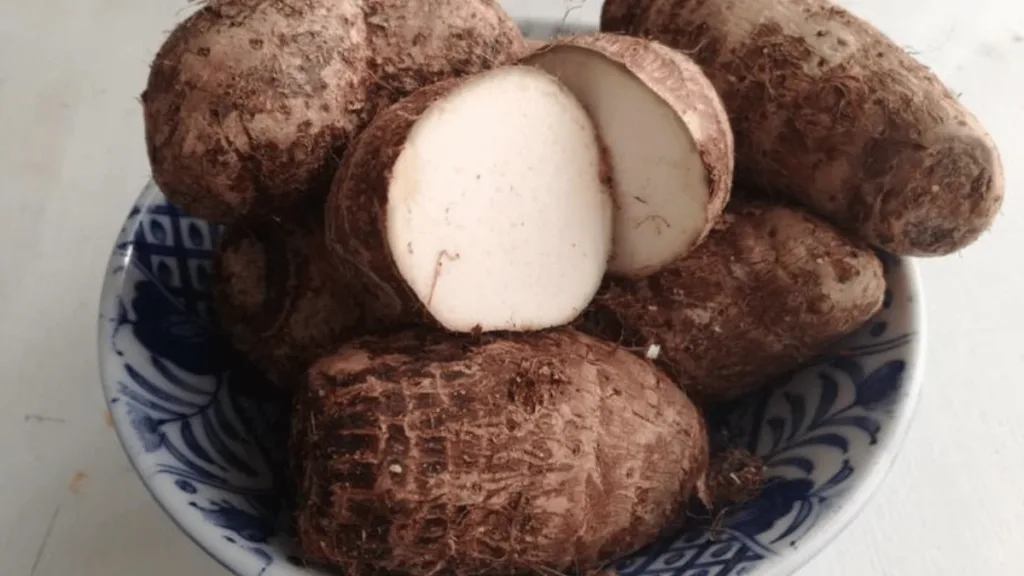
Indigenous staples like morogo (wild greens), amadumbe (taro), samp, sorghum, and umngqusho (samp and beans) have been naturally plant-based for generations, long before “plant-based” was a marketing term.
What’s changed is visibility: more restaurants, more retail shelf space, and more people actively choosing to eat this way for health, ethical, or environmental reasons.
A Nation on the Rise, Not a Niche
South Africa is 23rd among the top 30 countries for veganism in the past year, based on Google Trends data.
It’s also the only African country with a large vegan community.
This is an important point.
It’s not just a niche interest found in a few trendy cafés. It’s a structural shift in how a growing share of South Africans eat
The South African vegan food market hit about USD 89.39 million in 2024.
It’s expected to grow to USD 188.60 million by 2033. This means a compound annual growth rate of around 8.65%.
This steady growth tells retailers and restaurant owners something important. This audience isn’t going anywhere.
Vegan South Africa by the Numbers (2026 Snapshot)
| Metric | Figure | Source Context |
|---|---|---|
| Vegan/vegetarian/flexitarian share of SA population | 10–12% | ProVeg South Africa, as of early 2024 |
| Global vegan popularity ranking | 23rd worldwide, 1st in Africa | Google Trends / Chef’s Pencil analysis |
| SA vegan food market size (2024) | ~USD 89.4 million | IMARC Group |
| Projected market size (2033) | ~USD 188.6 million | IMARC Group |
| Market growth rate (CAGR) | ~8.65% (2025–2033) | IMARC Group |
| Fast-food plant-based main dishes growth | Up ~16.67% on menus | ProVeg South Africa 2023 report |
| Leading city for vegan food orders | Johannesburg (overtook Cape Town) | Uber Annual Cravings Report |
Why Are So Many South Africans Going Plant-Based?
There isn’t one single reason people are shifting their plates, it’s usually a combination of three overlapping motivations.
1. Health
Concerns about lifestyle diseases are a major driver.
More people are choosing dairy-free diets. They are also looking for foods low in cholesterol and rich in nutrients. This change stems from rising rates of obesity, diabetes, and lactose intolerance.
YouGov data shows strong local support for this change. About 61.71% of South Africans want healthier versions of their favourite foods. Also, 49.90% believe a meatless diet is healthier.
2. Ethics and Animal Welfare
South Africans have shown strong support for animal welfare policy well beyond the plate.
90% of South Africans want makeup to be no longer tested on animals, according to Dashboard Consulting.
Also, 86% support banning the sale of cosmetics tested on animals. This shows that ethical consumer values are strong and extend beyond just food.
3. Environmental Awareness
Growing understanding of animal agriculture’s footprint, deforestation, emissions, water use is pushing environmentally conscious consumers, particularly younger South Africans influenced by global trends and social media, toward plant-based choices.
4. Convenience Has Caught Up
A decade ago, “going vegan in South Africa” meant a lot of cooking from scratch and hunting down niche health shops.
That’s no longer true.
Retail giants have consistently expanded and promoted vegan product ranges, and Woolworths in particular has described this as reflecting a fundamental shift in customer eating habits, one that appeals to meat-eaters, sustainable farming supporters, and health-focused shoppers alike, not just committed vegans.
Where Vegan Culture Is Strongest: City by City
Johannesburg — The New Vegan Capital
Johannesburg, not Cape Town, is now South Africa’s best city for vegan food.
Uber’s 2023 Annual Cravings Report shows something surprising. Johannesburg users made 23% more vegan orders than those in Cape Town.
This runs counter to the belief that Cape Town is the country’s plant-based hub.
Cape Town — Still a Heavyweight
Cape Town remains a vegan powerhouse in its own right, home to well-known plant-based restaurants and a dense concentration of health-focused cafés and specialty grocers. Its reputation as a wellness-forward city isn’t undeserved — it’s simply no longer the sole leader.
Durban — The Rising Contender
Durban’s food culture brings something distinct to the table: a deep Indian-influenced culinary tradition that is naturally rich in plant-based curries, dhals, and vegetable dishes, alongside Zulu staples like morogo and amadumbe. As plant-based awareness grows nationally, Durban’s existing food culture gives it a head start most cities don’t have.
Everywhere Else
Growth isn’t confined to the big three metros. Retailers and fast-food chains rolling out plant-based menu items nationally means smaller cities and towns are catching up quickly — you no longer need to live in a metro to eat well as a vegan in South Africa.
Where to Shop for Vegan Food in South Africa
| Retailer | What to Expect |
|---|---|
| Woolworths | Widest dedicated plant-based range among major supermarkets; strong labelling |
| Pick n Pay | Growing plant-based aisle, competitive pricing on staples |
| Checkers | Expanding meat-alternative and dairy-free ranges |
| Independent health stores | Specialty items — nutritional yeast, tempeh, specific supplements |
| Local markets | Best value for fresh produce, legumes, and grains |
| Online grocery delivery | Growing e-commerce access, especially useful outside major metros |
The broadening of e-commerce and online grocery delivery has been a quiet but important driver of access, particularly for people outside city centres who previously had limited options.
Busting the Big Vegan Myths (South African Edition)
Myth 1: “Vegan Food Is Expensive”
This is arguably the most persistent myth — and the easiest to debunk locally. When you compare the cost of meat to staples like whole grains, legumes, rice, vegetables, and fruit, plant-based eating is often the cheaper option, not the pricier one. Traditional South African staples — beans, samp, maize meal, lentils, seasonal vegetables — are inexpensive, filling, and completely plant-based by default.
Myth 2: “You Can’t Get Enough Protein”
South Africa has no shortage of plant protein sources: seitan, tofu, lentils, chickpeas, various beans, spirulina, quinoa, oats, wild rice, seeds, and nuts, plus smaller but real contributions from vegetables like spinach, asparagus, and broccoli. Building muscle on a vegan diet is a matter of planning, not a structural impossibility.
Myth 3: “Dairy Is the Only Way to Get Calcium”
What your bones actually need is calcium — not dairy specifically. South African vegans can meet calcium needs through soy-based foods, beans, lentils, peas, spinach, figs, flax, chia, sesame seeds, seaweed, and almonds.
Myth 4: “Vegetarian and Vegan Are the Same Thing”
They’re not. Vegetarians typically still eat eggs and dairy; vegans exclude all animal-derived products, including honey in the strictest definitions. This distinction matters when reading South African menus, since “vegetarian” labelling doesn’t guarantee a dish is vegan.
Myth 5: “B12 Is Impossible Without Meat”
Vegans usually need a B12 supplement or fortified foods. This is because B12 comes from bacteria, not from plants or animals.
You can now easily find vegan-friendly products in South Africa.
B12-fortified cereals, tofu, non-dairy milk, and spreads are all available.
Here’s a fun fact: cattle need B12 supplements, too. Their diets often lack cobalt. So, even meat-eaters might rely on B12 without realising it.
What Does the Nutrition Research Say About South African Vegans?
It’s worth looking at actual local data rather than assumptions.
A South African study examining vegans connected through the South African Vegan Society Facebook group looked at demographics, motivations, and dietary quality.
The findings were a mixed bag worth knowing:
- Both male and female respondents generally met recommended intakes for fibre, iron, vitamin C, B6, vitamin A, thiamine, riboflavin, folate, and vitamin K.
- Respondents showed lower cholesterol and saturated fat intake, alongside higher polyunsaturated fat intake — generally favourable markers.
- The diet had clear gaps. Respondents were missing calcium, sodium, vitamin D, and vitamin B12.
- Also, some micronutrients, such as zinc, niacin, and vitamin E, didn’t meet the needs of at least one gender. Female respondents consumed more added sugar than male respondents on average.
The key point is not that a vegan diet is lacking.
Instead, like any diet, it needs careful planning for certain nutrients (B12, D, calcium, zinc). Just thinking “plant-based” means “nutritionally complete” is a mistake.
This research-backed nuance is key for your content and recipes. It builds trust with readers who are tired of oversimplified health claims.
Vegan Fast Food and Restaurants in South Africa
Fast food might be the last place people expect vegan progress, but it’s been one of the fastest-moving categories. <cite index=”4-1″>Plant-based main dishes on South African fast-food menus increased by 16.67% between 2022 and 2023</cite>, even though they still represent a small slice of total menu offerings.
Chains including McDonald’s, Burger King, Nando’s, Steers, and others have added or expanded plant-based items in response to consumer demand.
There’s a real business case behind this too: while committed vegans and vegetarians make up under 3% of the population, effective plant-based marketing can also pull in flexitarians and curious omnivores — a much larger addressable market that industry researchers say is often underestimated.
Beyond the big chains, independent vegan and vegetarian restaurants have built loyal followings in every major city — from dedicated plant-based kitchens in Cape Town to casual vegan cafés in Johannesburg.
If you’re building content around this space, restaurant round-ups by city and cuisine type (Durban curry houses, Cape Town fine dining, Joburg quick-service) are strong, searchable content angles.
Traditional South African Foods That Are Naturally Vegan
One of the most underused angles in local plant-based content is how much of South Africa’s own culinary heritage is already vegan — no substitution required:
- Morogo — wild leafy greens, a staple across many South African households
- Amadumbe — indigenous taro root, hearty and versatile
- Umngqusho — samp and beans, a Xhosa staple (famously one of Nelson Mandela’s favourite dishes)
- Sorghum and maize meal (pap) — foundational grains across the country
- Cowpeas and groundnuts — protein- and fat-rich legumes used in many regional dishes
Framing plant-based eating as a return to indigenous food wisdom — rather than a foreign health trend — is both more accurate and more resonant with South African audiences than imported “clean eating” messaging.
How to Start Going Vegan in South Africa: A Practical Comparison
| Approach | Best For | Trade-Offs |
|---|---|---|
| Cold turkey (full switch) | People who want fast, clear results | Steep learning curve, higher chance of falling off |
| Gradual (one meal at a time) | Beginners, families with mixed diets | Slower results, easier to sustain long-term |
| Flexitarian first | Health-focused, not ethically driven | Doesn’t fully address animal welfare/environmental goals |
| Veganuary-style 30-day trial | Testing the waters with structure and support | Requires a defined end-date decision afterward |
Whichever path you choose, local nutrition experts recommend prioritising whole, minimally processed plant foods over ultra-processed vegan substitutes — a rule that applies to everyone’s diet, not just vegans.
Frequently Asked Questions
Is veganism actually growing in South Africa, or is it a niche trend?
It’s genuinely growing. South Africa is the only African country with a sizeable, sustained vegan community, and it ranks in the global top 30 for vegan interest — well ahead of any other country on the continent.
Which South African city has the most vegan food options?
Johannesburg currently leads the country in vegan food orders, having overtaken Cape Town, though Cape Town remains a major hub with a dense concentration of dedicated plant-based restaurants.
Is it expensive to eat vegan in South Africa?
Not necessarily. Staple plant foods — legumes, grains, seasonal vegetables — are typically cheaper than meat. The expense usually comes from relying heavily on packaged vegan substitute products rather than whole foods.
Do vegans in South Africa need supplements?
Most vegans need a reliable B12 source, either through fortified foods or a supplement, since B12 isn’t produced by plants. Local research also suggests paying particular attention to calcium, vitamin D, zinc, and sodium intake.
What’s the difference between vegan and vegetarian in South African restaurant menus?
Vegetarian dishes may still contain eggs or dairy; vegan dishes exclude all animal products. Always check with the restaurant directly, since labelling consistency varies.
Are major South African supermarkets vegan-friendly?
Yes. Woolworths, Pick n Pay, and Checkers have all meaningfully expanded plant-based and dairy-free ranges over the past several years, making everyday shopping significantly easier than it was even five years ago.
Action Steps: Where to Go From Here
- Audit your current pantry — identify which staples you already eat that happen to be vegan (beans, pap, seasonal veg) before buying anything new.
- Pick one retailer to explore this week — Woolworths, Pick n Pay, or Checkers — and walk their plant-based aisle to see what’s actually available near you.
- Try one traditional South African vegan dish — umngqusho or a morogo-based meal — to experience plant-based eating as heritage, not deprivation.
- Plan your B12 and calcium sources before making any long-term dietary shift, ideally with guidance from a healthcare provider or registered dietitian.
- Test a 30-day trial (Veganuary-style) if you’re unsure about committing long-term — it’s a low-risk way to see how your body and routine respond.
- Follow local vegan communities and creators — South African-specific vegan Facebook groups, Instagram accounts, and blogs will keep your approach grounded in what’s actually available here, rather than imported (often American) advice that doesn’t translate to local shelves and prices.
Vegan South Africa in 2026 isn’t a fringe movement chasing global trends. It’s a homegrown change. It reconnects with the country’s plant-forward food heritage.
It also builds new infrastructure. This includes shelf space in stores and menus in restaurants. The market is growing quickly and shows no signs of slowing down.
For further exploration on vegan South Africa download vegan protein cheat sheet