
What Are the Health Benefits of Cowpeas? | Full Guide
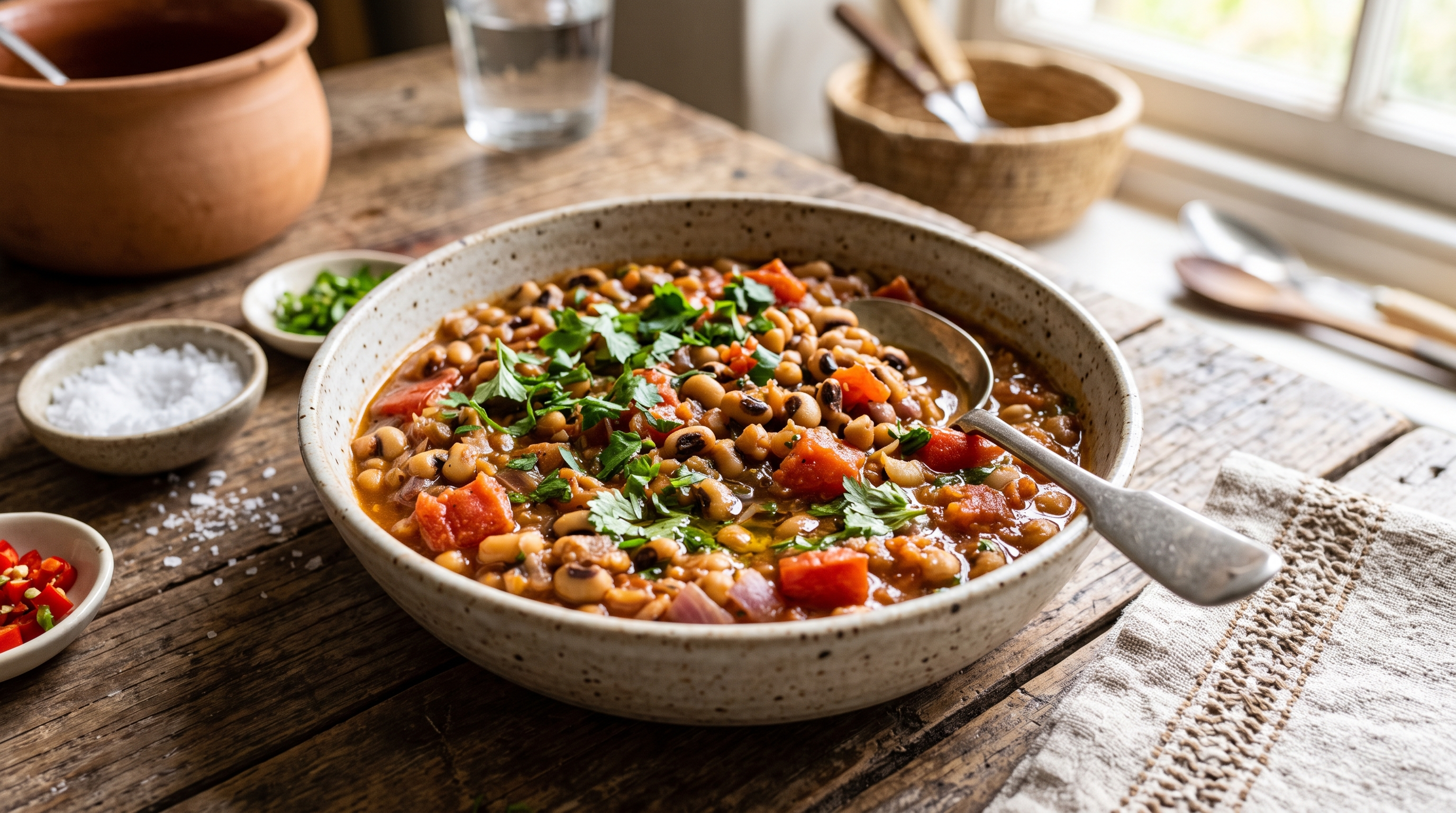
Quick Answer
Cowpeas (Vigna unguiculata), known locally as black-eyed peas, are a nutrient-dense legume offering roughly 24% protein, 11g of fibre per 100g, and over 150% of daily folate needs in a single cooked cup. Research links regular cowpea consumption to better blood sugar control, lower LDL cholesterol, reduced blood pressure, and improved gut microbiome diversity — making them one of the most affordable, evidence-backed staples for whole-food, plant-based eating in South Africa.
If you grew up in a South African household, chances are you’ve had cowpeas on your plate more than once, whether as dried beans simmered with onion and tomato, tossed into a pot of samp, or eaten as tender young leaves (imifino) picked straight from the garden.
What you may not have known is just how much nutritional weight this small, unassuming legume carries.
Cowpeas are one of the cornerstones of my Staple-First Method — the idea that some of the most powerful tools for better health are already sitting in South African pantries and gardens, not imported in a supplement bottle.
In this guide, I want to walk you through exactly what the research says about cowpeas, so you can see for yourself why this indigenous staple deserves a permanent place in your weekly meals.
Cowpea Nutrition Profile at a Glance
Here’s what you’re getting from a standard 100g serving (roughly ⅔ cup) of boiled cowpeas, according to USDA FoodData Central:
| Nutrient | Amount per 100g (cooked) | Why it matters |
|---|---|---|
| Calories | ~116 kcal | Energy-dense without being calorie-heavy |
| Protein | ~8g (raw seed ~24%) | Complete-ish amino acid profile, complements grains |
| Dietary fibre | ~6–11g (varies by prep) | Higher fibre than 91% of foods analysed |
| Folate (DFE) | 208mcg (~52% DV) | One of the richest natural folate sources |
| Iron | 2.5mg (~31% DV) | Supports oxygen transport and energy |
| Magnesium | 53mg (~13% DV) | Muscle, nerve and blood pressure regulation |
| Potassium | 278–1,112mg (raw vs varietal data) | Balances sodium, supports blood pressure |
| Fat | Under 1g | Naturally low-fat protein source |
Note: values vary somewhat depending on cultivar, soil, and cooking method — this is normal for whole, minimally processed foods and is well documented in the nutritional composition review of cowpeas published in Legume Science.
Now let’s get into what these numbers actually mean for your body.
1. A Complete, Affordable Plant Protein Source
Cowpeas contain about 24% protein by weight in their raw form. This makes them one of the higher-protein legumes in South Africa. They are similar in protein content to sugar beans and chickpeas. Plus, cowpeas are much cheaper per kilogram than most animal protein options.
Their amino acid profile is strong across the board, though like most legumes, they don’t have much of the sulfur-containing amino acids cysteine and methionine, which is exactly why traditional pairings like samp and beans, or pap and cowpeas, work so well nutritionally. Grains supply what legumes lack, and vice versa.
This is the same principle I unpack in Best Cheap Plant Proteins in SA (No Supplements) —you don’t need powders or imported products to hit your protein targets. A pot of cowpeas costs a fraction of the price of meat-based protein and delivers fibre and micronutrients that meat doesn’t.
2. Exceptional Fibre for Gut and Metabolic Health
Cowpeas rank higher in dietary fibre than roughly 91% of foods in nutritional databases, combining both soluble and insoluble fibre. Soluble fibre feeds the beneficial bacteria in your colon, while insoluble fibre adds bulk and supports regularity.
This matters more than it might sound.
A randomised controlled trial studied high-fibre, plant-based diets. It showed that greater fibre variety improved gut health. This also reduced digestive issues. Healthy adults felt fuller too.
Legumes like cowpeas are one of the most concentrated, affordable ways to get there — a theme I explore further in Whole Food Plant-Based vs Mediterranean Diet, where fibre-rich legumes come up again and again as a shared strength of both eating patterns.
3. Supports Healthy Blood Sugar and Insulin Response
One of the most consistently cited benefits in the cowpea research literature is glycaemic control.
The 22 review in the Journal of Agriculture and Food Research summarising the nutritional and phenolic status of cowpeas reported that cowpeas help maintain healthy blood sugar levels and may play a preventive role against diabetes, an effect largely attributed to their fibre and slow-digesting carbohydrate structure.
A separate overview published in the Journal of the Science of Food and Agriculture went further, describing cowpea’s anti-diabetic and anti-hyperlipidemic properties as among its best-documented health effects, driven by a combination of dietary fibre, resistant starch, phytochemicals, and bioactive proteins and peptides that slow glucose absorption after meals.
If you have insulin resistance or are at risk for type 2 diabetes, try this easy change. This problem is increasing in South Africa. Swap refined starches for a base of cowpeas and vegetables. It’s an easy, proven step.
4. Heart Health: Cholesterol, Blood Pressure and Flavonoids
Cowpeas have flavonoids and polyphenolic compounds. Research links them to a lower risk of heart disease.
The 2022 nutritional review mentioned that cowpea flavonoids might lower the risk of heart disease. Jayathilake et al. also discussed this.
The 2018 overview in the Journal of the Science of Food and Agriculture highlights cowpea seeds. They can lower blood pressure and cholesterol. They also have antioxidant effects.
Practically, this shows up in two ways:
- Cholesterol: Soluble fibre binds to bile acids in the gut, prompting the liver to pull more LDL cholesterol from the bloodstream to make more bile — a well-established mechanism shared across legumes.
- Blood pressure: Cowpeas’ potassium and magnesium content help counterbalance sodium and support healthy vascular tone, which is especially relevant given how sodium-heavy many convenience foods in South Africa have become.
5. One of the Best Natural Sources of Folate
If you want to meet your daily folate needs with food, cowpeas are a great choice.
The Legume Science review says 100g of cowpea provides over 150% of the daily folate need for a 2,000-calorie diet. This makes cowpea a great choice for women of reproductive age. It helps support healthy fetal neural tube development.
Folate also plays a broader role in DNA synthesis, red blood cell formation, and homocysteine metabolism, which ties back into the cardiovascular benefits mentioned above.
6. Iron and Minerals for Energy and Immunity
Iron-deficiency anaemia remains a public health concern in parts of South Africa, particularly among women and children. A 100g serving of cowpeas provides roughly 2.5mg of iron (about 31% of the daily value), alongside meaningful amounts of magnesium, phosphorus, copper, manganese, and zinc.
Plant-based (non-haem) iron is absorbed less efficiently than the iron in meat, but pairing cowpeas with a vitamin C-rich food — tomato, citrus, or peppers, all common companions in South African cooking — significantly improves absorption. This is worth remembering if you’ve cut back on meat and want to keep your iron levels stable.
7. Antioxidant and Anti-Inflammatory Polyphenols
A phytochemical study of 31 cowpea genotypes from Burkina Faso found that cowpea seeds exhibit antioxidant, hypoglycaemic, hypolipidaemic, and antihypertensive properties, with phenolic content varying by seed colour and cultivar — darker-seeded varieties generally testing higher in antioxidant activity.
These phenolic compounds act as free radical scavengers and metal ion chelators, mechanisms increasingly linked to lower rates of chronic, inflammation-driven disease. It’s the same reason I keep coming back to colourful, whole, minimally processed foods across The Versatility of South African Vegetables — cowpeas belong in that same “nutritional powerhouse” category as morogo and amaranth.
8. Weight Management and Satiety
Between the protein, the fibre, and the relatively low energy density, cowpeas are a genuinely satiating food. Fibre slows gastric emptying and blunts post-meal blood sugar spikes, both of which help reduce the hunger-driven snacking that derails weight management goals. Building meals around legumes like cowpeas, rather than refined starches, is one of the more sustainable levers for anyone working on their weight without resorting to restrictive dieting.
A Cornerstone of the Staple-First Method
Part of why I keep returning to cowpeas isn’t just the research — it’s what they represent. Cowpeas are drought-tolerant, nitrogen-fixing, and have been cultivated across the African continent for thousands of years. They don’t need to be imported, fortified, or marketed as a “superfood” to deserve a place on your plate; the data has caught up to what generations of South African households already knew.
This is the whole premise behind Affordable, Evidence-Based Eating in South Africa — that some of the most nutrient-dense, research-backed foods are also the cheapest and most culturally familiar. Cowpeas check every box.
How to Prepare Cowpeas to Maximise Nutrition
Like most legumes, dried cowpeas contain antinutritional compounds — primarily phytic acid — that can bind minerals like iron, zinc, and calcium, modestly reducing their absorption. A few simple steps reduce this significantly:
- Soak dried cowpeas for 6–8 hours (or overnight) before cooking, discarding the soak water.
- Cook thoroughly — boiling reduces phytic acid and other antinutritional factors more than any other common method.
- Pair with vitamin C — tomato, lemon, or peppers — to boost absorption.
- Try fermentation for improved batters — research on naturally fermented cowpea flour shows it enhances the digestibility of essential amino acids and the bioavailability of minerals compared to raw or simple preparations.
Simple Ways to Add Cowpeas to Your Plate
- Simmer with onion, tomato, garlic and a pinch of chilli for a quick weeknight stew.
- Add to samp for a South African take on umngqusho
- Toss cooked cowpeas into a salad with lemon, olive oil, and fresh herbs
- Blend into a dip with garlic and paprika as a hummus alternative
- Stir into a pot of morogo or imifino for a complete, one-pot meal
For more ways to build your pantry around staples like this, my Complete Vegan Grocery List South Africa has a full breakdown of where to source cowpeas and other indigenous legumes affordably.
Frequently Asked Questions
Are cowpeas the same as black-eyed peas?
Yes. Black-eyed peas are simply the most common variety of cowpea (Vigna unguiculata), named for the small black spot on the seed. Other cowpea varieties (crowder peas, cream peas) belong to the same species.
Are cowpeas good for people with diabetes?
Research suggests cowpeas can support healthy blood sugar management thanks to their fibre and resistant starch content, which slow glucose absorption. As with any legume, portion size and overall meal composition still matter — speak to your healthcare provider about how cowpeas fit your individual management plan.
How much protein is in cowpeas?
Raw cowpea seeds are approximately 24% protein by weight, with roughly 8g of protein per 100g cooked serving.
Do cowpeas cause bloating?
Like other legumes, cowpeas contain fermentable carbohydrates that can cause gas in people unaccustomed to a high-fibre diet. Soaking before cooking, rinsing canned cowpeas, and increasing fibre intake gradually can reduce this effect.
Can I eat cowpea leaves as well as the seeds?
Yes — cowpea leaves (a form of imifino) are edible and nutritious, commonly cooked as a leafy green in West and Southern African cuisine. However, their nutrient profiles differ from those of mature cowpea seed.