By Zama Zincume — Public Health Specialist & Plant-Based Food Writer Quick Answer After age 50, men experience a natural, gradual decline in serum testosterone, often called andropause or late-onset hypogonadism—at a rate of about 1% to 2% per year. Simultaneously, Sex Hormone-Binding Globulin (SHBG) …
By Zama Zincume — Public Health Specialist & Plant-Based Food Writer · Updated Quick Answer: A solid plant-based pantry in South Africa is built from legumes (sugar beans, lentils, chickpeas, cowpeas), grains (rice, maize meal, samp, sorghum, oats), a few oils and spices, and a …
By Zama Zincume — Public Health Specialist & Plant-Based Food Writer
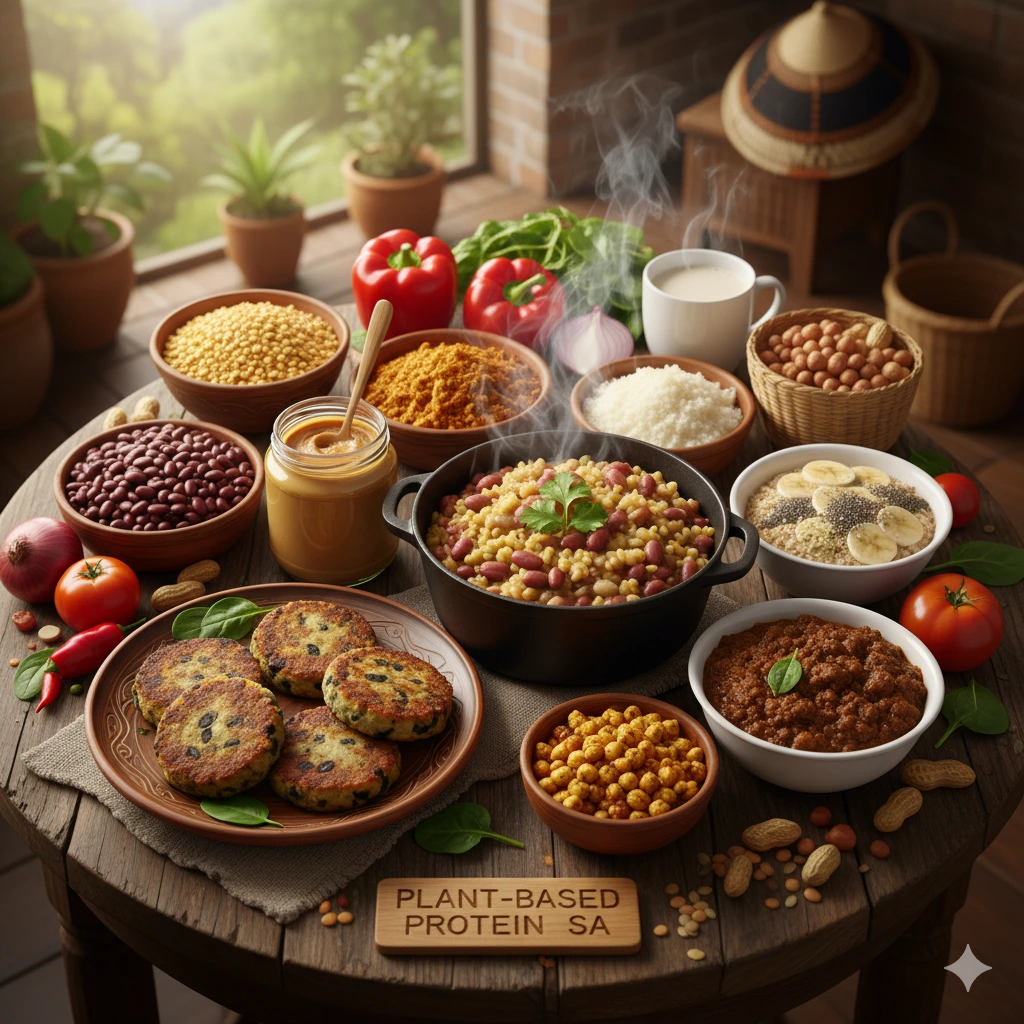
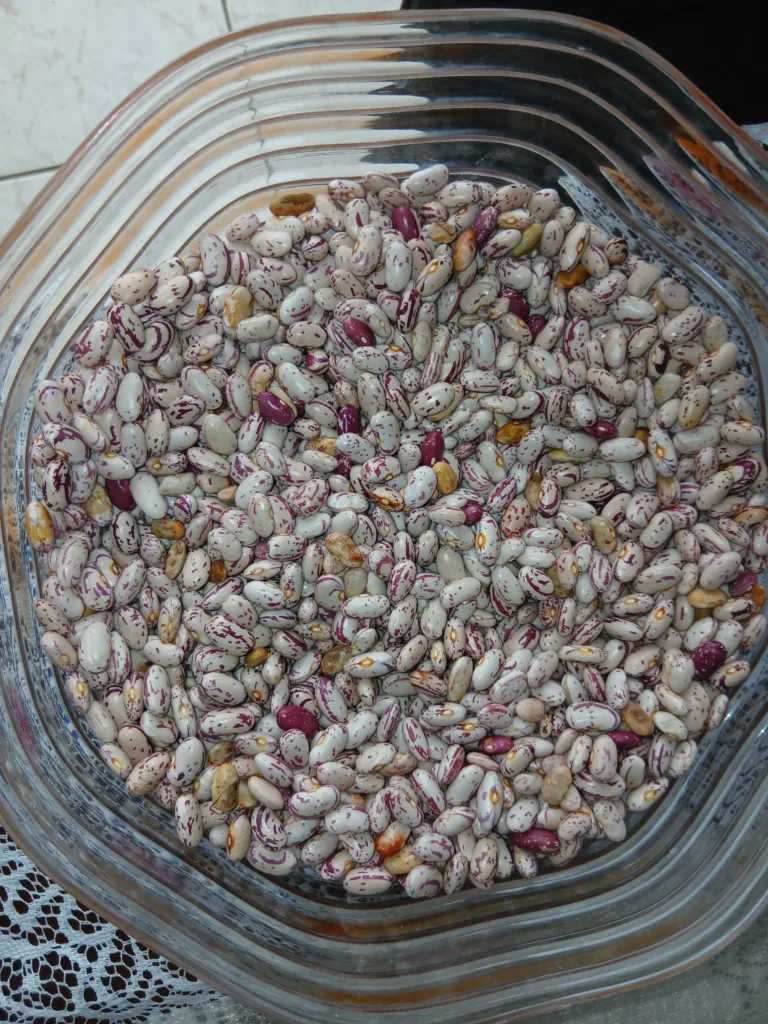
Quick Answer: The cheapest plant-based protein sources in South Africa include dried beans, lentils, cowpeas, sorghum, and peanut butter. On a cost-per-gram-of-protein basis, dried legumes consistently beat meat, chicken, and most dairy. Imbo Red Speckled Sugar Beans, for example, sell for R26.99–R28.99 per 500g at Shoprite, Checkers, and Pick n Pay, price-checked 17 September 2026.
If you are trying to eat well without spending more, you are not alone. Rising grocery prices have made every South African household watch their budget. The good news is this: some of the cheapest foods you can buy are also some of the best sources of plant protein on earth. Many of them are not new imports or trendy “health foods.” They are staples that have fed South African families for generations.
This guide breaks down verified prices where they’re available, and tells you honestly where a figure still needs checking rather than guessing.
Why Plant Protein Is Often Cheaper Than Meat
Meat and dairy carry hidden costs. Farmers feed grain to animals, and much of that grain’s protein and energy is lost along the way — you pay for that loss at the till. Plant protein skips that step: you eat the grain or legume directly.
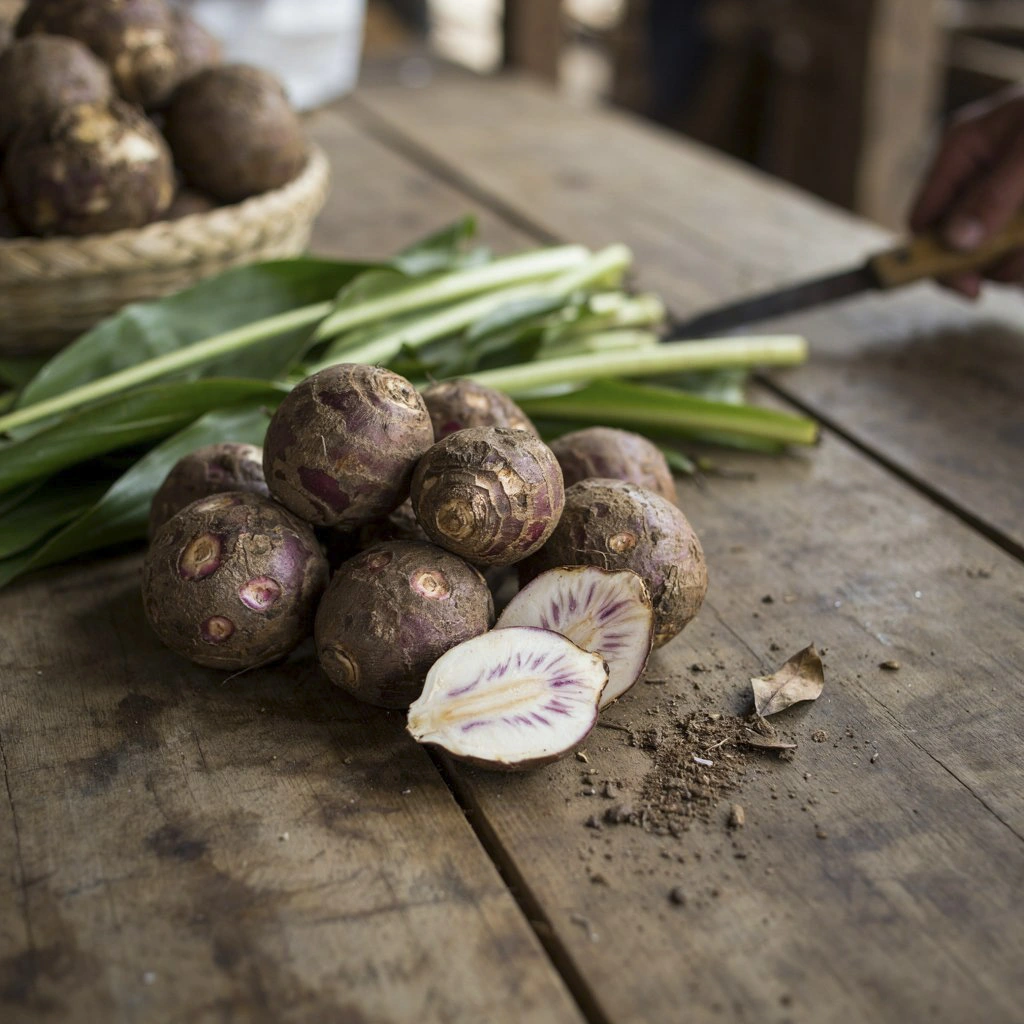
Indigenous foods like amadumbe, morogo, sorghum, and cowpeas are not “meat substitutes.” They are originals — foods that fed South African families long before “plant-based” was a marketing term.
Verified Prices: What We Know Right Now
Food
Retailer
Package
Price
Date checked
Imbo Red Speckled Sugar Beans
Shoprite
500g
R26.99
17 September 2026
Imbo Red Speckled Sugar Beans
Checkers
500g
R26.99
17 September 2026
Imbo Red Speckled Sugar Beans
Pick n Pay
500g
R28.99
17 September 2026
Imbo Brown Lentils
Checkers
500g
R29.99
17 September 2026
Imbo Brown Lentils
Pick n Pay
500g
R38.99
17 September 2026
Plain peanut butter
Checkers
400g
R38.99
17 September 2026
Plain peanut butter
Pick n Pay
400g
R42.99
17 September 2026
On price alone, dried sugar beans and lentils bought at Shoprite or Checkers are the cheapest protein-per-rand options confirmed so far — and both are cheaper at Checkers/Shoprite than at Pick n Pay in every comparison found.
1. Sugar Beans and Cowpeas: The Budget Backbone
Sugar beans and cowpeas are pantry staples in almost every South African home. Dried sugar beans (Imbo brand) come in at R26.99 per 500g at Shoprite and Checkers — cheaper than almost anything in the meat aisle per gram of protein.
Cowpeas, also called black-eyed peas, carry deep roots in Southern African food culture and are typically sold in bulk at informal markets and wholesalers for less than their branded, supermarket-packaged equivalents — though we don’t yet have a verified rand figure to quote here. If you want a deeper look at cowpeas across a full week of meals, see our cowpeas guide.
2. Lentils: Fast, Cheap, and No Soaking Needed
Lentils cook in twenty to thirty minutes with no soaking. Imbo Brown Lentils run R29.99 per 500g at Checkers, rising to R38.99 at Pick n Pay — worth comparing before you shop, since that’s a real ~30% difference for the same product.
3. Peanut Butter: The Pantry Multiplier
A tub of plain peanut butter goes further than most people expect. Checkers’ plain peanut butter comes in at R38.99 per 400g, against R42.99 at Pick n Pay. Two tablespoons on brown bread, stirred into a stew, or blended into a sauce adds protein and flavour for very little cost per serving.
4. Sorghum, Amadumbe, and Morogo: South African Originals
Sorghum, amadumbe, and morogo are staples with deep roots in Southern African food culture — sorghum for its drought resistance, amadumbe for how filling it is per meal, and morogo for how cheaply it can be grown or bought locally. We don’t have verified current prices for these three yet; once checked, they’ll likely sit at the more affordable end of this list, since all three are typically sold through informal and local channels rather than premium supermarket aisles. For a deeper look at how these fit into a full week of eating, see our Indigenous South African Plant Foods A–Z.
5. Soya Mince (TVP): The Meat-Stretcher
Textured vegetable protein, known locally as soya mince, is dehydrated, so a small bag rehydrates into a large volume of food. A flavoured, ready-to-use version (Fry’s) carries about 20g of protein per 100g; plain, unflavoured TVP typically runs much higher per 100g dry weight, though we’d want to confirm the exact SA label figure before publishing a specific number. We don’t yet have a verified South African retail price for plain soya mince — this is worth checking before publishing.
If your family is transitioning slowly, soya mince is often the easiest first swap. Mix it half-and-half with regular mince before moving to fully plant-based meals.
A Sample Cheap Plant-Based Protein Day
Breakfast: Sorghum porridge with a spoon of peanut butter stirred in
Lunch: Sugar beans cooked with onion and tomato, served with pap
Dinner: Lentil and morogo stew with rice
Snack: A slice of brown bread with peanut butter
Where to Buy These Staples for Less
Based on verified prices so far, Checkers and Shoprite beat Pick n Pay on both sugar beans and lentils. For a full list of stores and where each staple tends to be cheapest, see our guide to the best plant-based grocery stores in South Africa. If you want a higher-protein option that costs a little more, seitan is worth trying too.
A Note for Daniel Fast and Faith-Based Seasons
If you are eating plant-based for Daniel Fast season, dried beans, lentils, and sorghum all fit traditional Daniel Fast guidelines. For a full meal plan built around this season, see our Daniel Fast Meal Plan South Africa and our broader guide to the Christian Plant-Based Diet.
Frequently Asked Questions
What is the cheapest source of plant protein in South Africa? Based on verified prices, dried sugar beans (Imbo, 500g) at R26.99 from Shoprite or Checkers are among the cheapest confirmed options as of September 2026.
Are dried beans cheaper than tinned beans? Generally yes — dried beans cost less per serving, though tinned beans save time and electricity since they need no soaking or long cooking.
Is soya mince a healthy protein source? Plain, unflavoured soya mince (TVP) is a complete protein and very low in fat. Choose plain varieties and season them yourself to control sodium — flavoured, ready-to-use versions carry added salt and sugar.
Where can I buy cowpeas, sorghum, and amadumbe cheaply in South Africa? These are usually cheapest at local wholesalers, spaza shops, and African/Indian grocers rather than the major supermarket chains — see our grocery store guide for specifics.
Your Next Step
Budgeting for plant-based meals is a skill, not luck. If you want a full month of meal plans, shopping lists, and cost breakdowns, the Plant-Based Budget Blueprint course walks you through it step by step.
And if you need something quick to work from tonight, grab the free Cheapest Plant Protein Swap List — updated once the remaining prices are confirmed.
By Zama Zincume — Public Health Specialist & Plant-Based Food Writer Quick Answer A plant-based diet is one of the most affordable ways to eat in South Africa, not one of the most expensive — if you build your meals around dried legumes, whole grains, …
By Zama Zincume — Public Health Specialist & Plant-Based Food Writer Quick Answer: Cheap plant-based meals in South Africa are built from a small set of staples: dried beans, lentils, tofu, rice, and maize meal, bought in bulk and cooked simply. A pot of sugar …
By Zama Zincume — Public Health Specialist & Plant-Based Food Writer
Start a plant-based diet in South Africa by building every meal around one staple (like samp, pap, or rice), one legume (like beans, lentils, or cowpeas), and one vegetable (like morogo or butternut), then repeating that formula for at least 21 days before judging how you feel. This works because dishes South Africans already know—pap and morogo, umngqusho, samp and beans—are already complete, protein-rich, plant-based meals, most costing under R20 a serving.
This guide breaks that formula down into exact steps, using ingredients already sold at your local spaza shop or supermarket.
Why Are So Many South Africans Going Plant-Based?
More people in Durban, Johannesburg, and Cape Town are cutting back on meat and dairy for three overlapping reasons: health, cost, and faith.
Rising grocery prices have made cheap, filling legume-and-grain meals a necessity rather than a trend, and religious practices like the Daniel Fast turn eating close to the earth into an act of devotion.
South Africa already has a deep, rich tradition of plant-based eating.
Morogo (wild spinach), amadumbe (a starchy root vegetable), umngqusho (samp and beans), sorghum, and cowpeas are not trendy imports — they’re foods our grandmothers cooked long before “plant-based” became a hashtag.
Starting this way of eating isn’t about adopting a foreign lifestyle. It’s about reclaiming one that was always ours, after decades in which processed bread replaced sorghum porridge and meat became a status symbol.
What Does “Plant-Based” Actually Mean?
A plant-based diet centres on foods that come from plants — vegetables, fruits, grains, legumes, nuts, and seeds — while limiting or removing meat, dairy, and eggs. You don’t have to choose between “vegan” and “nothing.” There’s a full spectrum:
Flexitarian: mostly plants, with the occasional meat or dairy meal
Vegetarian: no meat, but dairy and eggs stay on the table
Vegan: no animal products at all, including honey
Most beginners do best starting as a flexitarian, because it removes the pressure of an all-or-nothing switch. The label matters far less than the habit you build day to day.
What’s Already in My Kitchen That Counts as Plant-Based?
You probably don’t need a special shopping list to begin.
For three days, write down every meal you eat and circle the ones that are already plant-based or close.
Do you eat samp and beans? That’s already a complete plant-based meal. Do you cook morogo with onion and tomato? Keep going. Most people are surprised to find they’re already eating plant-based two or three times a week without trying. That’s your starting point, not zero.
How Does the Staple-First Method Work?
Instead of chasing recipes, build your plate around a staple, then add a legume and a vegetable.
South African food culture is already structured this way, which makes it the simplest entry point into plant-based eating. Each row below is a complete, ready-to-cook meal on its own:
Staple
Legume/Protein
Vegetable
What You Get
Samp
Sugar beans
Steamed cabbage
Umngqusho — a traditional one-pot meal that’s naturally vegan and needs only onion, oil, and salt to season
Maize meal (pap)
Brown lentils in a tomato curry
Morogo (wild spinach)
A classic pap-and-relish plate; the lentil curry can be made a day ahead and reheated
Rice
Chickpeas in a curry sauce
Butternut, roasted
A filling, mildly spiced bowl that works well for meal-prepping four servings at once
Brown bread
Peanut butter
Sliced banana
A five-minute breakfast or snack that supplies protein, fibre, and quick energy
Amadumbe, roasted
Cowpeas (imifino), stewed
Carrots and onion
A traditional root-vegetable plate that costs less than almost any meat-based equivalent
Three staples, three legumes, and three vegetables already give you 27 possible meals without repeating a single one — and a different spice blend or chilli changes the meal again each time.
Where Do I Get Enough Protein on a Plant-Based Diet?
Cover your protein with what’s already in South African kitchens: beans and lentils (cheap, filling, sold at every spaza shop), cowpeas, peanuts and peanut butter, soy mince, and chickpeas.
Many people also ask whether a grain and a legume must be eaten in the same meal to form a “complete” protein.
According to Tufts University’s nutrition research centre, it is not necessary to eat certain foods together in one meal to meet protein needs on a vegetarian diet, as long as you eat a varied diet and meet your energy needs over the course of the day (Tufts Health & Nutrition Letter).
In practice, this means a bean stew at lunch and rice at dinner still work together; you don’t need to plate them side by side.
What Should My First Week of Meals Look Like?
Plan seven days, not a whole month.
Each row below is a standalone meal you can cook without needing the rest of the plan:
Day
Meal
Notes
Monday
Samp and sugar beans with steamed cabbage
Cook a large pot — samp keeps well and reheats for lunch the next day
Tuesday
Red lentil curry with brown rice
Ready in under 30 minutes; lentils need no pre-soaking
Wednesday
Pap with morogo and a tomato-onion relish
A traditional combination found in most South African homes already
Thursday
Chickpea and vegetable stew
Use whatever vegetables are closest to spoiling that week
Friday
Soy mince bobotie with yellow rice
A plant-based take on a Cape Malay classic, using soy mince in place of beef
Saturday
Roasted amadumbe with a peanut sauce and greens
A weekend dish that takes a little longer but needs minimal watching
Sunday
Umngqusho with a side salad
A one-pot meal that also freezes well for a weekday lunch
Feel free to reorder these around what’s on special that week. Having a plan before Monday removes the decision fatigue that most often causes people to slide back into old habits.
How Do I Keep Plant-Based Eating Affordable in South Africa?
Dried beans, lentils, samp, and maize meal are some of the cheapest items in any South African supermarket — meat is usually the most expensive part of a grocery bill, not the other way around.
A few concrete ways to keep costs down:
Buy dried beans and lentils instead of tinned; they cost less per serving and store for months.
Compare price per kilogram rather than price per packet — loose legumes are almost always cheaper than branded, pre-packaged versions.
Cook a large pot of beans or samp on the weekend and portion it for the week, which also saves electricity during load shedding.
Shop local markets for morogo and seasonal vegetables, where prices usually undercut big supermarkets.
For a fully costed example, the 7-Day Plant-Based Budget Meal Plan lays out a week of South African-inspired meals — including umngqusho, vegan bunny chow, and chakalaka with pap — with a full shopping list and an estimated total cost, so you can see exactly what a realistic week looks like on paper before you shop.
How Do I Handle Family and Social Pushback?
Food is tied to love and belonging in most South African households, so pushback is rarely really about your plate — it’s often a worry about being disconnected from you at the table.
A few ways to navigate this without an argument:
Cook a shared staple, then add your plant-based protein separately — everyone eats pap, you add beans while others add meat.
Bring a dish to family gatherings. A good pot of samp and beans usually wins people over faster than any explanation.
State your reason simply — health, budget, or faith — and leave it there. Most people respect a clear “why” more than a long debate.
What Mistakes Do Beginners Usually Make?
Relying only on processed substitutes. Plant-based meat and dairy alternatives can help, but whole foods like beans, lentils, and vegetables should stay your foundation — they’re cheaper and more nutrient-dense.
Under-eating. Vegetables alone won’t keep you full; every meal needs a staple carbohydrate and a legume.
Skipping vitamin B12. This nutrient occurs almost entirely in animal products, so anyone eating fully vegan needs fortified foods or a supplement. The B12 Expert Group, reported by Cambridge University Hospitals NHS, recommends that those moving to a plant-based diet take a certified B12 supplement at mealtimes and seek professional help if symptoms of deficiency occur (Cambridge University Hospitals NHS).
Ignoring iron pairing. Plant sources of iron — beans, lentils, morogo — are non-heme iron, which the body absorbs less easily than the iron in meat. The U.S. National Institutes of Health notes that vitamin C improves iron absorption from plant-based foods (NIH Office of Dietary Supplements), so pairing beans or lentils with tomato, citrus, or peppers at the same meal makes a real difference.
Under-seasoning. Beans and vegetables need the same garlic, onion, curry powder, and chilli that meat dishes get — a bland lentil curry puts people off; a well-spiced one converts them.
Giving up after one hard week. Taste and habit take time to shift. Give it a full month before deciding whether it’s working.
How Do I Turn This Into a Long-Term Habit, Not Just a Trial?
Build a rhythm instead of a rulebook. Once you have five or six go-to meals you can cook without thinking, the hard part is over — from there you can add new dishes at your own pace: bean burgers from leftover legumes, roasted instead of boiled amadumbe, sorghum porridge in place of pap for variety. Many South Africans find that after a few months, plant-based eating stops feeling like a diet and starts feeling like ordinary home cooking, because in many ways, it always was.
Final Thoughts
Starting a plant-based diet in South Africa doesn’t require abandoning your culture or your budget; it asks you to put foods like morogo, amadumbe, samp, sorghum, and beans back at the centre of your plate.
Pick one staple, one legume, and one vegetable. Cook it well. Repeat it until it’s easy, then add the next combination to your rotation.
For more South African-specific recipes and guides as you go, EatingPlantBasedZA publishes ongoing content on exactly this transition, written from a South African kitchen rather than an imported one.
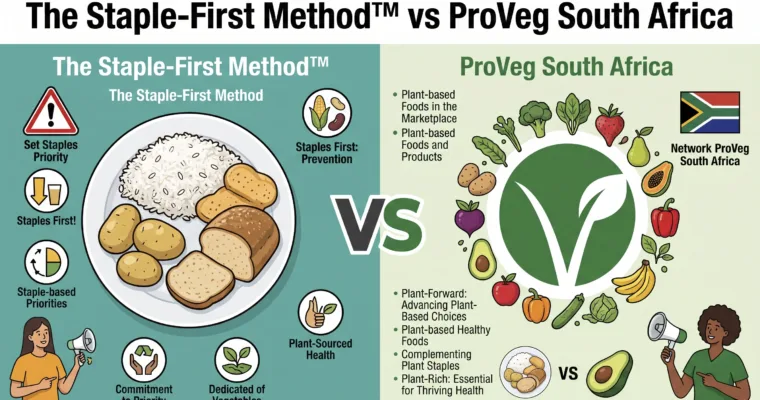
If you have searched “how to go plant-based in South Africa,” you have probably landed on two very different kinds of help. On one side, you will find ProVeg South Africa. It is a well-known, free, global advocacy organisation with a local office in Cape …
By Zama Zincume — Public Health Specialist & Plant-Based Food Writer Medically Reviewed High blood sugar does not always mean you need to stop eating carbohydrates. A better starting point is to improve the quality of your food, increase your fibre intake, move more, strengthen …
Visceral fat is not simply the fat you can see around your waist.
It sits deeper inside the abdomen, around internal organs. Higher levels of visceral fat are associated with poorer metabolic health and a greater risk of conditions such as type 2 diabetes and cardiovascular disease.
That makes reducing excess visceral fat a worthwhile health goal.
But there is a problem.
Search online, and you will find foods that supposedly “burn belly fat,” drinks that promise to “melt abdominal fat,” supplements claiming to target visceral fat, and restrictive diets promising dramatic results in days.
Your body does not work that way.
You cannot choose one food that selectively burns fat around your abdomen.
A better strategy is to improve your overall eating pattern, support healthy weight loss where appropriate, remain physically active, protect muscle, and build habits you can maintain.
Plant-based eating fits well into this approach.
Research into predominantly plant-based diets has examined body weight, waist measurements, insulin sensitivity, and visceral adiposity. Some findings are encouraging, although the evidence does not support claiming that simply becoming plant-based automatically eliminates visceral fat.
The quality of the diet still matters.
Here is how to build a practical plant-based eating pattern that supports a healthier waistline and better metabolic health.
What Is Visceral Fat?
Body fat is stored in several places.
Subcutaneous fat sits underneath your skin. It is the softer fat you can usually pinch around your abdomen.
Visceral fat is different.
It is stored deeper inside your abdominal cavity and surrounds internal organs.
Having some body fat is normal. The concern is excessive visceral adiposity, as it is associated with metabolic and cardiovascular risks.
This distinction is important because waist size and body weight tell only part of the story.
It is also why dramatic promises about “belly-fat-burning foods” should make you cautious.
No bean, vegetable, spice, tea, smoothie, or supplement selectively removes visceral fat.
Instead, focus on the overall conditions that support healthy body composition and metabolic health.
Research has investigated predominantly plant-based diets in relation to visceral fat and other measures of metabolic health. Some studies suggest potential benefits, but results across trials are not uniform.
Plant-based diets have also been studied for their effects on body weight, blood glucose, insulin sensitivity, cholesterol, and body composition.
Again, results vary by population and diet type.
So the evidence does not justify saying:
“Eat plant-based and your visceral fat will disappear.”
It supports a more useful message.
A well-planned plant-based diet can form part of an effective strategy for healthy weight management and metabolic health.
The words plant-based, though, are not enough.
French fries can be plant-based.
Sugary drinks can be plant-based.
Biscuits, refined cereals, sweets, vegan desserts, highly processed meat substitutes, and many packaged snack foods can also be plant-based.
A diet dominated by these foods is very different from one built around beans, lentils, whole grains, vegetables, fruit, nuts, and seeds.
Food quality matters.
1. Start With Whole and Minimally Processed Plant Foods
One of the simplest improvements is to make whole and minimally processed foods the foundation of your meals.
Think:
beans
lentils
chickpeas
split peas
oats
potatoes
sweet potatoes
brown rice
whole sorghum
vegetables
fruit
nuts
seeds
In South Africa, there is no need to build your diet around expensive imported health foods.
Many useful foods are already familiar.
Beans, lentils, oats, cabbage, carrots, tomatoes, spinach, morogo, sweet potatoes, amadumbe, maize meal, samp, sorghum, and maize can all fit.
The important question is not whether a food sounds fashionable.
Ask:
Can I build a nutritious meal around it and afford to eat it regularly?
That is where my Staple-First Method™ begins.
2. Use the Staple-First Method™
Healthy eating often becomes unnecessarily complicated.
Instead of starting with recipes, start with a meal structure.
Use this simple formula:
Staple + protein anchor + vegetables + flavour + supporting fat when appropriate.
For example:
Brown rice + black beans + cabbage + tomato + spices.
Or:
Sweet potato + lentils + spinach + mustard and lemon.
Or:
Sorghum + beans + morogo + tomato and onion.
Or:
Oats + fortified soy milk + apple + ground flaxseed.
This structure gives you flexibility.
You do not have to cook the same recipe every time.
If brown rice becomes expensive, use another affordable staple.
Spinach is unavailable, use cabbage or another vegetable.
If black beans cost more than lentils, change the protein anchor.
The structure stays the same.
That makes the eating pattern easier to sustain.
3. Eat More Fibre-Rich Foods
Fibre is one of the biggest advantages of a well-designed whole-food plant-based diet.
Whole grains, vegetables, fruit, beans, lentils, chickpeas, and other pulses naturally contribute fibre.
Adults are generally encouraged to consume at least 25 grams of naturally occurring dietary fibre per day.
You do not need to reach that target with fibre powders and special supplements.
Start with food.
For example, build meals around combinations such as:
Oats and flaxseed.
Beans and brown rice.
Lentils and vegetables.
Chickpeas and sweet potato.
Sorghum and beans.
Fruit and chia seeds.
Fibre-rich foods also tend to add volume to meals.
That matters when you are trying to manage body weight without spending your day feeling deprived.
There is one important caution.
If your current diet is low in fibre, do not suddenly double or triple your intake overnight.
Increase beans, whole grains, vegetables, and seeds gradually.
Give your digestive system time to adjust.
4. Include a Protein Anchor at Major Meals
Protein becomes especially important as we get older.
Ageing is associated with changes in muscle mass and function. Weight loss can also involve loss of lean tissue if nutrition and physical activity are poorly managed.
That does not mean everyone over 50 needs the same protein target.
Individual needs differ.
A simpler rule for everyday meals is:
Include an intentional protein source at each major meal.
Useful plant-based protein anchors include:
Beans.
Lentils.
Chickpeas.
Split peas.
Tofu.
Soy foods.
Peanuts.
Seeds.
A breakfast might include oats with fortified soy milk and flaxseed.
Lunch might combine sorghum and beans.
Dinner might be a red lentil curry or tofu vegetable stir-fry.
The goal is not to obsess over individual foods.
Build protein into the meal’s structure.
5. Pay Attention to Energy Density
Plant-based does not automatically mean low calorie.
This is one of the most important lessons if your goal is healthy weight loss.
Some plant foods are relatively energy-dense.
Examples include:
Nuts.
Nut butters.
Seeds.
Oils.
Avocado.
Dried fruit.
These foods can fit into a healthy eating pattern.
But portions still matter.
Take peanut butter.
A spoonful added to porridge can add flavour, fat, and protein. Several unmeasured spoonfuls can dramatically change the meal’s energy content.
You do not need to fear these foods.
Use them deliberately.
At the same time, make greater use of foods that provide substantial volume.
Vegetables, soups, legumes, potatoes, fruit, and intact whole grains can help create satisfying meals.
The goal is not to make every meal as low in calories as possible.
The goal is to build meals that support your needs while helping you maintain an appropriate overall energy intake.
6. Do Not Depend on Added Oil
There is no need to claim that all oil is harmful.
That would oversimplify the evidence.
But oils are highly energy-dense.
If you are trying to manage body weight, pouring oil freely over vegetables, salads, grains, and cooked dishes can add substantial energy without adding much food volume.
You have two practical options.
A stricter whole-food plant-based approach can exclude added oil by default.
A more flexible plant-based approach can use small amounts of predominantly unsaturated oils when appropriate.
Either way, measure rather than pour automatically.
You can also create flavour with:
Garlic.
Ginger.
Mustard.
Lemon.
Vinegar.
Paprika.
Cumin.
Curry spices.
Fresh and dried herbs.
Tomatoes.
Chilli.
Healthy food does not need to be bland.
7. Make Your Diet Affordable Enough to Repeat
The best metabolic-health diet on paper is useless if you cannot afford to follow it.
This is where staples become powerful.
Build much of your shopping list around foods such as:
Dry beans and lentils.
Oats.
Potatoes.
Sweet potatoes.
Brown rice.
Sorghum.
Samp.
Seasonal vegetables.
Frozen vegetables.
Cabbage.
Carrots.
Tomatoes.
Bananas.
Affordable seeds.
Then use more expensive foods strategically.
Batch cooking also helps.
Cook a large pot of lentils once.
Those lentils can become a lunch bowl, stuffed sweet potato, soup, bolognese, or shepherd’s pie.
Cook beans once.
Use them for breakfast toast, lunch bowls, soups, stews, or quick dinners.
This reduces food waste and decision fatigue.
8. Stop Looking for Visceral-Fat-Burning Foods
This deserves its own section.
There is no special food in your kitchen that knows where your abdominal fat is stored.
Not lemon water.
Nor apple cider vinegar.
Or chilli.
Not turmeric.
Green tea.
Not a detox smoothie.
Not one particular vegetable.
These foods or ingredients can fit into an otherwise healthy diet, but that is different from claiming that they selectively burn visceral fat.
Be especially cautious with claims such as:
“Melts belly fat.”
“Switches off fat-storage hormones.”
“Burns abdominal fat.”
“Detoxifies visceral fat.”
“Lowers insulin instantly.”
These phrases sound scientific because they refer to real biological concepts.
That does not make the promised outcome true.
Focus on the eating pattern rather than the miracle ingredient.
9. Combine Nutrition With Movement
Food is only one part of the strategy.
Physical activity also matters.
Aim to reduce long periods of inactivity and include movement you can maintain.
Walking is an excellent starting point for many people.
Muscle-strengthening exercise also deserves attention, particularly as you get older.
Maintaining muscle supports physical function and is an important part of healthy ageing.
You do not need an extreme exercise programme.
A sustainable combination of everyday movement, appropriate resistance exercise, and good nutrition is far more useful than punishing yourself with exercise after eating.
10. What About Intermittent Fasting?
Time-restricted eating has received enormous attention.
The idea is to eat within a consistent daily window and fast for the rest of the day.
It is being studied for its effects on weight and metabolic health, but results across trials are mixed.
That makes it an optional tool, not the foundation of this approach.
If eating within a consistent daily window helps you reduce unnecessary evening snacking and creates a routine you enjoy, it might be useful.
But you do not need intermittent fasting to follow a healthy plant-based diet.
It should not replace food quality, adequate nutrition, protein, fibre, physical activity, or appropriate medical care.
A Simple Visceral-Fat-Friendly Day of Plant-Based Eating
Here is what the approach might look like.
Breakfast
Apple-cinnamon oats made with rolled oats, unsweetened fortified soy milk, apple, ground flaxseed, and cinnamon.
Lunch
A sorghum and bean bowl with morogo or spinach, tomato, carrot, onion, and lemon.
Dinner
Red lentil tomato curry with vegetables and a suitable whole-grain staple.
Optional snack
Fruit with a measured portion of peanut butter, or vegetables with hummus.
Notice what is missing.
There is no detox.
No fat-burning drink.
Nor expensive superfoods.
No extreme carbohydrate restriction.
No complicated supplement protocol.
It is ordinary food organised into a useful structure.
Important Nutrients to Watch on a Plant-Based Diet
A plant-based label does not automatically guarantee nutritional adequacy.
Pay deliberate attention to vitamin B12.
A fully vegan diet requires a reliable B12 strategy through fortified foods or supplementation. Ordinary unfortified plant foods are not a dependable source.
Iodine also deserves attention. Do not assume every type of salt is iodised, and do not rely on uniodised seaweed intake.
Other nutrients worth planning include:
Calcium.
Vitamin D.
Iron.
Zinc.
Omega-3 fats.
Protein.
Fibre.
Fortified plant milks can help with nutrients such as calcium and, depending on the product, B12 and vitamin D.
Check the label.
Fortification varies widely.
A Safety Note Before Making Major Changes
If you have a diagnosed medical condition, major dietary changes sometimes require individual guidance.
This is particularly important if you use insulin or other glucose-lowering medication.
Changes in food intake and body weight can affect your glucose pattern. Do not reduce or stop medication on your own.
People with chronic kidney disease might need individual targets for protein, potassium, phosphorus, sodium, and fluids.
If you take warfarin, consistency in vitamin K intake matters. This does not mean you automatically need to stop eating leafy green vegetables.
If you take levothyroxine, medication timing matters, and large changes in soy or fibre intake can affect absorption.
Use plant-based nutrition alongside appropriate healthcare rather than treating food as a replacement for it.
The Bottom Line
You do not need to find a food that “burns” visceral fat.
Build an eating pattern that supports healthier body weight and metabolic health.
Start with affordable staples.
Add beans, lentils, chickpeas, tofu, or another intentional protein source.
Fill your meals with vegetables.
Choose whole grains and other minimally processed staples regularly.
Eat fruit.
Use nuts, seeds, peanut butter, and oils thoughtfully.
Increase fibre gradually.
Move your body.
Include muscle-strengthening activity appropriate for you.
Then repeat the meals that work.
That last step is often overlooked.
A plant-based diet only helps if you can live with it.
You do not need sixty different dinners every month.
You need a small collection of meals that fit your budget, appetite, culture, kitchen, and daily life.
Start with your next meal.
Choose the staple.
Add the protein anchor.
Add vegetables.
Keep it simple enough to make again tomorrow.
Learn more about reducing visceral fat in this book.
By Zama Zincume — Public Health Specialist & Plant-Based Food Writer · Quick answer: You can buy tempeh in South Africa at Woolworths, which stocks its own PlantLove™ Tempeh (220 g) in the plant-based protein fridge, the only mainstream supermarket that reliably carries it. Beyond that, …