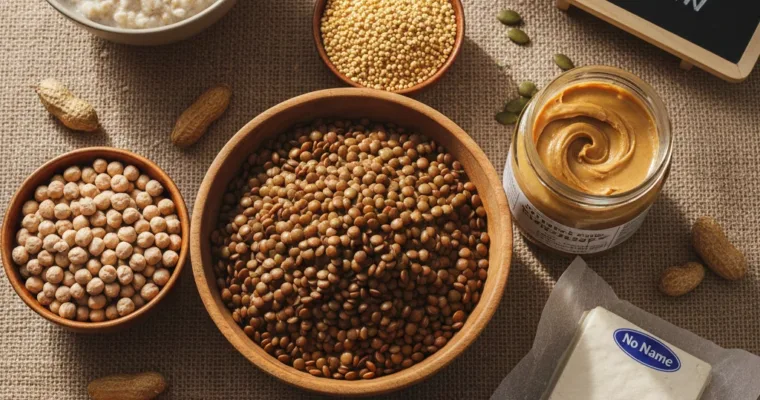
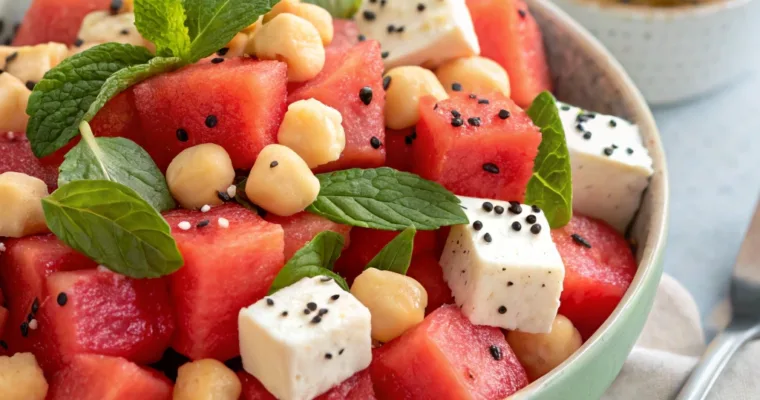
Here’s your best cheap plant proteins in SA. Finding affordable ways to stay healthy can be hard. Many people think you need expensive powders to get enough protein. However, that is not true! You can find the best cheap plant proteins in SA (no supplements) …
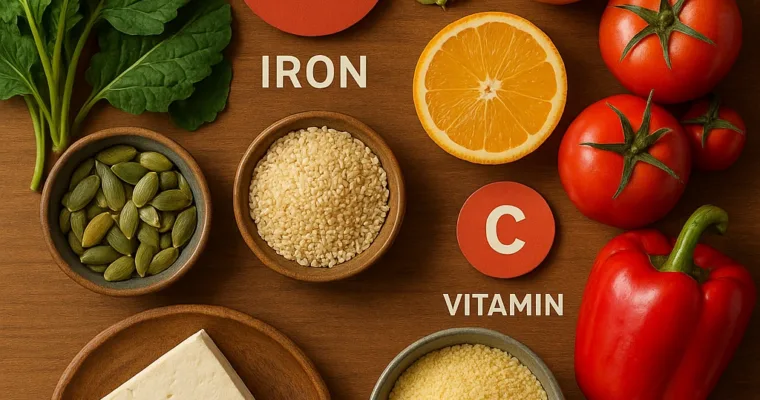
Here’s your evidence-based guide to iron-rich vegan foods South Africa. If you’ve ever been told, “You’ll become anaemic on a vegan diet,” you’re not alone. As a South African plant-based eater, I’ve heard that warning more times than I can count. The good news? We …
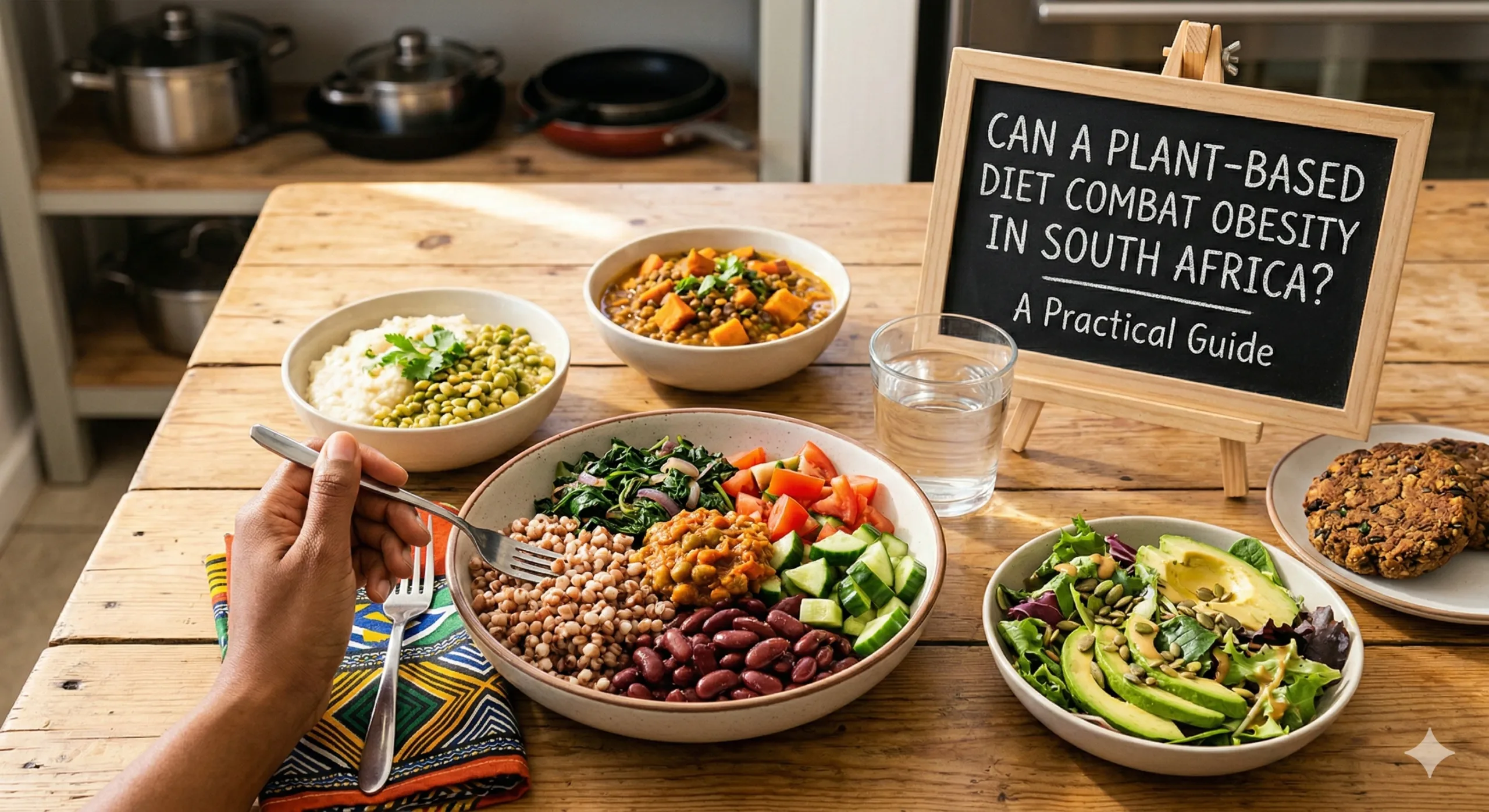
Can a plant-based diet combat obesity in South Africa?
We’ll address this question.
South Africa is in a health crisis.
Obesity rates are going up. This increase leads to more non-communicable diseases (NCDs). These include type 2 diabetes, hypertension, and heart disease.
This challenge connects to city life.
However, it affects communities all over the country. It crosses socio-economic lines.
The search for sustainable, accessible solutions is urgent. Could a shift towards plant-based eating be part of the answer for South Africa?
This guide examines how plant-based diets can help combat obesity in South Africa. It offers practical strategies and takes local needs into account.
Understanding the Obesity Crisis in South Africa
The burden of obesity in South Africa is significant and growing.
The World Health Organisation (WHO) says South Africa has very high obesity rates. It is one of the highest in Africa. This issue is especially common among women. A complex interplay of factors is linked to this rise.
Dietary Shifts: People are changing their diets. They used to eat whole foods like vegetables, legumes, and grains. Now, they eat more processed foods, sugary drinks, refined carbs, and animal products.
Urbanisation and Sedentary Lifestyles:
More processed convenience foods are available.
Physical activity has decreased because of urban planning and transport.
Job demands have shifted as well.
Socio-economic Factors: Food insecurity can contribute to obesity. When money is tight, people buy cheaper food. These foods are high in calories but low in nutrients. Access to fresh, healthy options can be limited in certain areas.
Marketing and Advertising: Unhealthy food and drinks are heavily marketed. This is especially true for kids and teens.
Cultural and Social Norms: Views on body weight and the importance of food are changing. This is especially true for high-calorie, “modern” foods.
This crisis has serious consequences. It puts a heavy strain on the healthcare system. It also affects individual well-being and productivity.
New strategies are desperately needed.
What is a Plant-Based Diet?
A plant-based diet emphasises plant-derived foods, with few or no animal products. This includes:
Vegetables: All types, including leafy greens, root vegetables, cruciferous vegetables, etc.
These may not be common in traditional SA cuisine, but they are becoming more available.
It’s important to distinguish between “plant-based” and “vegan.” Veganism excludes all animal products for ethical reasons. A plant-based diet can be flexible or strict. It often minimises animal products and focuses mainly on whole plant foods.
The Case for Plant-Based Eating for Weight Management
The evidence linking plant-based eating patterns to healthier weight outcomes is strong:
Lower Calorie Density: Plant-based foods have lower calorie density. They fill you up more than processed foods and fatty animal products. This means you can eat a satisfying amount of food while consuming fewer calories.
Higher Fibre Content: Fibre, found only in plant foods, promotes satiety (feeling full). It aids in blood sugar regulation and slows digestion. This prevents quick spikes and crashes, which can lead to overeating. High-fibre diets are consistently linked to lower body weight.
Lower Intake of Unhealthy Fats: Plant-based diets have less saturated fat. This fat mostly comes from animal products. They also contain less trans fat than processed foods. Both types of fat can cause weight gain and increase disease risk.
Better Insulin Sensitivity: A high-fibre plant-based diet helps your body use insulin more effectively. It works more effectively this way. Whole foods are key for this. This can lower the risk of type 2 diabetes. Research shows obesity is associated with type 2 diabetes.
Positive Impact on Gut Microbiome: Fibre from plant foods supports a healthy gut. Studies suggest it helps with weight control and boosts overall health.
More Micronutrients and Antioxidants: Plant foods are full of vitamins and minerals. They also have antioxidants. These help your health and boost metabolism.
People on plant-based diets often have lower Body Mass Indexes (BMIs). They also face a lower risk of obesity-related diseases.
A plant-based approach can help with weight loss. It is a sustainable way to manage weight. You don’t need restrictive, short-term diets.
Practical Guide to Plant-Based Eating in South Africa
To adopt a plant-based diet in South Africa, you must adapt the principles to fit local needs:
Embrace Traditional Staples
Legumes are Key: Legumes, like beans and lentils, are cheap and easy to find. They are high in fibre and protein. Incorporate sugar beans (a staple), kidney beans, chickpeas, and brown lentils. Prepare them in stews (curries, soups), salads, or even as bean patties.
Rediscover Traditional Grains: Move beyond refined mealie meal. Embrace sorghum (mabele), millet, and whole maize meal. Use them for porridges (baba), side dishes (putu, phutu, pap), or in baking. They are rich in fibre and micronutrients.
Leafy Greens (Morogo/Imifino): South Africa has many leafy greens. They are wild and cultivated. People call them morogo or imifino. Some examples are Amaranthus species, Swiss chard, and pumpkin leaves. These foods are very nutritious and easy to find. You can often forage for them or buy them informally. You can steam, sauté, or add them to stews.
Optimise Common Ingredients
Elevate Pap: Turn the humble pap into a nutrient-rich base. Use whole maize meal or maize meal. Serve with vegetable stews rich in beans and morogo. Experiment with adding chopped vegetables or legumes directly into the pap during cooking.
Spice it Up: Use the wide variety of spices and herbs in South African cooking. turmeric, ginger, garlic, chillies, and hinds curries. They make plant-based meals tasty and fulfilling by adding flavour without adding excessive calories.
Vegetable-Centric Cooking: Shift the focus. Make the vegetable the main attraction rather than “meat and two veg.” Consider large salads, roasted vegetable platters, substantial lentil soups, and vegetable curries.
Address Affordability
Seasonal and Local: Prioritise seasonal and locally grown produce. Check local markets (fresh produce markets, informal vendors) for the best prices. In general, seasonal fruits and vegetables are more tasty and less expensive.
Buy in Bulk: Buy staple items like beans, lentils, and whole grains. Look for brown rice, oats, nuts, and seeds. Get them in bulk whenever you can. Store them properly in airtight containers.
Grow Your Own: Even in small spaces, try container gardening. Herbs such as parsley, thyme, and basil can be grown. Leafy greens and cherry tomatoes also thrive in containers. Community gardens can also be an option.
Limit Processed Foods: Avoid expensive vegan-branded meat or cheese alternatives initially. Focus on whole, unprocessed plant foods, which are inherently more affordable.
Modify Traditional Dishes (Gently)
Chakalaka: Keep this delicious spicy relish, but reduce the oil slightly. Serve it alongside bean stews or pap.
Braais (Barbecues): Yes, you can still enjoy braais! Try marinated vegetable skewers instead of meat. Use mushrooms, peppers, onions, and zucchini. You can also substitute large portobello mushrooms for burger patties. Corn on the cob is a great option, too. If you like, add spiced tofu or tempeh if available. Baked potatoes or sweet potatoes are great sides. Focus on diverse salads and sides.
Stews: Create hearty stews using beans or lentils. Add lots of veggies, such as carrots, potatoes, sweet potatoes, greens, and cabbage. Use vegetable stock and spices for flavour. You can occasionally use “meaty” plant-based options like soya chunks or seitan.
Smart Substitution Strategies
Milk: Try plant-based milks like soy, almond, oat, or rice milk. Look for fortified options (calcium, vitamin B12). You can also make your own simple oat or rice milk.
Butter/Cooking Oil: Use plant oils like sunflower, canola, or olive oil for cooking. When baking, consider using applesauce or mashed banana in place of fat. It depends on the recipe.
Eggs: In baking, use flax eggs (1 tbsp ground flaxseed + 3 tbsp water) or chia eggs. For an “eggy” taste, try scrambling crumbled tofu with black salt and turmeric (kala namak).
Planning and Preparation
Meal Plan: Sketch out your meals for the week. This helps with shopping, reduces waste, and makes it easier to stick to your goals.
Cook in Batches: Make a lot of staples like brown rice, beans, or lentil stews on the weekend. This provides ready-to-use bases for quick weekday meals.
Keep Your Pantry Stocked: Always have canned or dried beans on hand. Keep lentils, whole grains, nuts, and seeds on hand. Don’t forget basic vegetables, too.
Addressing Local Challenges and Misconceptions
“Plant-Based is Expensive“: Speciality vegan products can be costly. A diet with whole plant foods—like beans, lentils, seasonal veggies, and local grains—can cost less. It’s a simple way to save money. It often costs less than a diet full of meat and processed foods. The emphasis must be on whole, unprocessed plant foods.
“Not Enough Protein“: You can meet protein needs on a plant-based diet. Just include beans, lentils, chickpeas, nuts, seeds, whole grains, and leafy greens. Variety is key.
“Culturally Inappropriate”: Food is deeply cultural. The goal isn’t to dismiss traditional foods. It’s about taking back and improving the plant-based ingredients we already use. This includes grains, morogo, and legumes. We aim to adapt traditional dishes in healthier ways. It’s about a “South Africanized” approach to plant-based eating.
Availability: In some places, access to fresh produce is low. This often happens in rural areas and low-income city neighbourhoods. These places are called “food deserts.”” Improving access is important. Supporting local markets helps too. Using preserved vegetables, like canned or frozen, can be a key strategy.
Lack of Awareness: Education is crucial. Public health campaigns should promote plant-based eating. They must show their benefits. They also need to give simple, relevant tips for different cultures.
Overcoming Hurdles and Staying Motivated
Start Gradually: Don’t try to change everything overnight. Begin by incorporating more plant-based meals into your weekly meals. Try Meatless Mondays. Swap one meal a day for a plant-based option.
Find Community: Connect with people exploring plant-based eating. Join online groups. Take local cooking classes. Look for support groups. Sharing experiences, recipes, and challenges makes the journey easier.
Focus on Additions, Not Deprivations: Add more tasty foods. Choose healthy and varied options. Don’t dwell on what you’re removing.
Celebrate Small Wins: Recognise your progress. This could be trying a new recipe, enjoying a meal out, or feeling more energetic.
Listen to Your Body: Pay attention to how different foods make you feel. Find a balance that works for you. Make sure to get enough important nutrients. You can do this with fortified foods or supplements. For example, consider Vitamin B12, Vitamin D, and Omega-3 fatty acids. Consult a registered dietitian for personalised guidance.
Don’t Aim for Perfection: Slip-ups happen. Don’t let a meal that wasn’t strictly plant-based derail your entire effort. Get back on track with the next meal.
Conclusion: A Healthier Path Forward
South Africa’s obesity crisis demands innovative, accessible, and culturally relevant solutions. Eating more plant-based foods helps with weight management.
It also improves health. Science backs this approach.
Authorities can make plant-based eating easier for many communities. We can use traditional South African staples like legumes, whole grains, and morogo.
By optimising these ingredients, we can also make meals affordable. Smart strategies will help with this.
This transition isn’t about rejecting culture. Instead, it’s about reconnecting with the healthy plant-based roots of traditional diets. We need to adapt these for today’s health challenges.
To overcome barriers, we need individual effort. We also need community support. System changes will help. These changes will improve access and promote education.
Starting this journey can boost well-being. It can also make South Africa healthier and more vibrant.
Choosing plant-based foods empowers you. It builds resilience. Plus, it creates a healthier future for all.
Plant-based eating is everywhere right now. You see it on menus, in grocery stores, and all over social media. But there is a big difference between following a trend and making a decision based on real science. That is exactly what evidence-based plant-based living is …
This page is your one-stop guide to vegan-friendly restaurants in SA. It features over 200 verified listings. You’ll find fully vegan restaurants and trusted spots with clear vegan options. First, you’ll find restaurants organised by province and principal city, making it easy to search near …
Here’s your guide to the best plant-based foods rich in iron & B12.
A comprehensive resource for maximising essential micronutrients on a vegan or vegetarian diet.
Introduction: Fueling a Plant-Based Diet with Essential Micronutrients
Plant-based eating is growing in popularity. Many people are discovering its health benefits and sustainability.
However, embracing a meat-free diet requires mindfulness, particularly regarding essential micronutrients.
Two components that commonly spark concern among newcomers and veterans alike are Iron and Vitamin B12.
A vegan or vegetarian diet is full of vitamins and minerals. However, you need to plan carefully for specific nutrients, especially B12.
So, people often wonder: How can I get enough Iron and Vitamin B12 from plant-based foods?
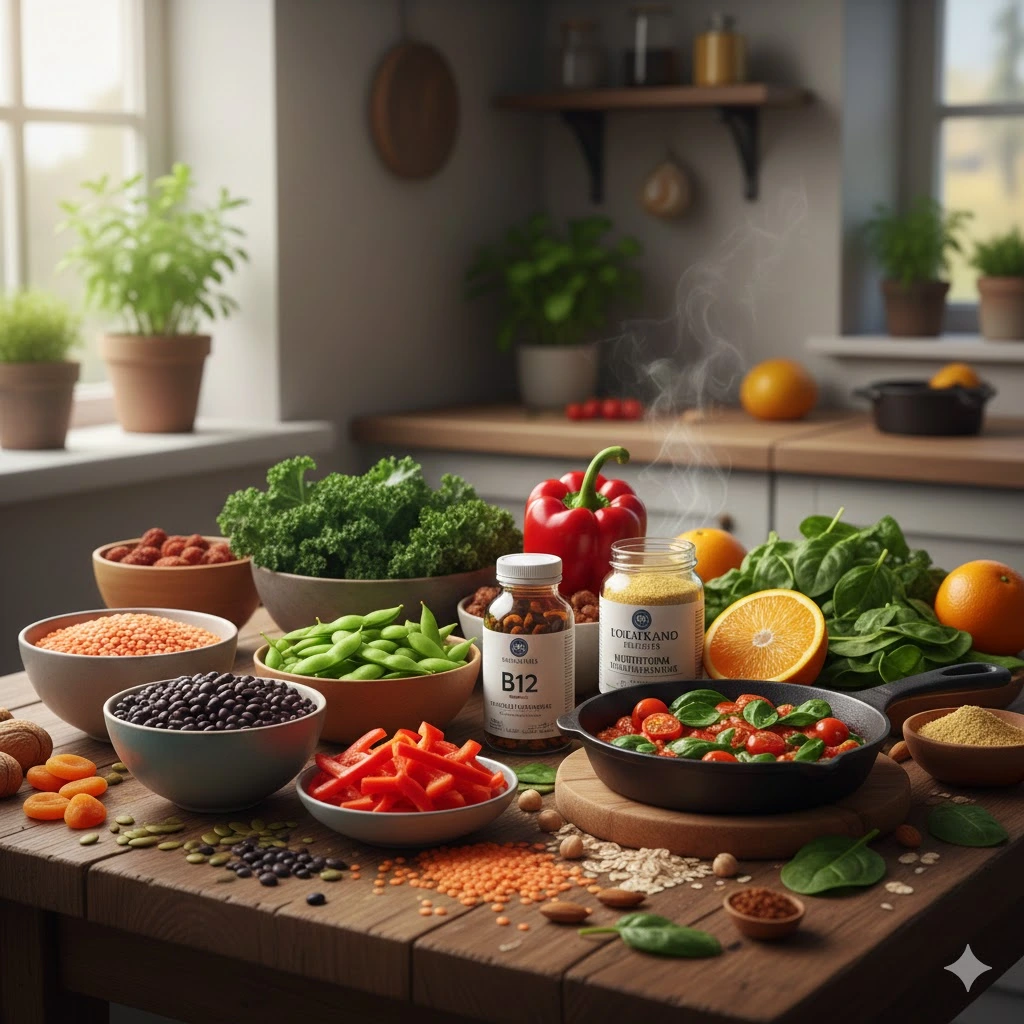
This guide showcases the top plant-based foods high in iron and B12. It also offers practical tips for better absorption and intake.
You can stay healthy on a plant-based diet. Just pick bright food pairings and reliable sources.
What are essential nutrients, and why are they vital for plant-based health?
Understanding the Essentials: The Crucial Roles of Iron and B12 in Plant-Based Nutrition
Why Iron is Essential for Plant-Based Eaters
Iron is a key mineral for life. It helps form red blood cells (erythropoiesis) and transports oxygen (haemoglobin) in the body.
On a plant-based diet, you get only non-heme iron. This type is not absorbed as well as heme iron from animal products.
Consequently, plant-based eaters need to pay extra attention to their intake to avoid Iron deficiency, which can lead to anaemia, characterised by symptoms such as extreme fatigue, weakness, and shortness of breath.
The Critical Nature of Vitamin B12 for Vegan and Vegetarian Diets
Vitamin B12 (Cobalamin) is key to nerve function. It supports DNA synthesis and the production of healthy red blood cells.
Crucially, B12 is produced by bacteria and accumulates reliably in animal tissues.
This creates a special challenge for people on a vegan diet. Plant-based foods don’t naturally provide the active form of B12.
The human body can’t store nutrients for long. If you’re deficient for too long, it can cause serious problems, like nerve damage and cognitive issues.
Therefore, proactive B12 intake is non-negotiable for anyone following a strict plant-based diet.
Now that we understand why they matter, let’s explore the best plant-based foodsthat deliver these vital nutrients.
Top-Tier Plant-Based Foods Rich in Iron: Maximising Your Iron Intake
You can easily get enough iron on a meat-free diet by eating various, rich plant-based foods.
However, remember that the bioavailability of non-heme iron is key, which we will address in detail later.
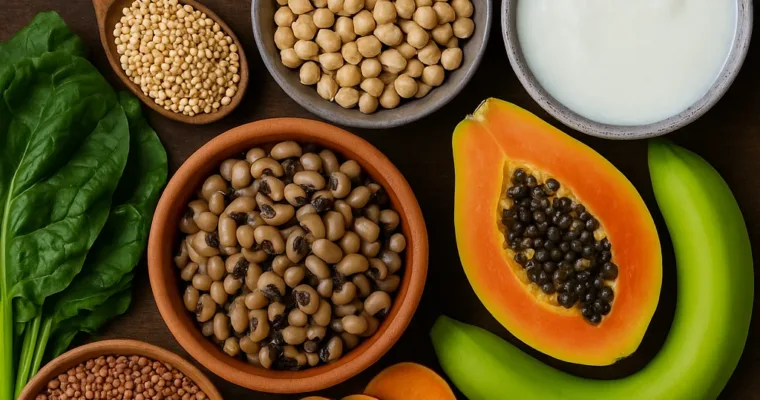
Powerhouse Pulses: Beans and Lentils for Plant-Based Iron
Pulses are the undisputed champions of plant-based iron.
They are rich in protein and fibre. Plus, each serving offers a good amount of non-heme iron.
A half-cup of cooked lentils provides about 3.3 mg of iron.
This makes lentils a key staple.
Similarly, chickpeas, kidney beans, black beans, and soybeans (edamame) are all excellent sources of iron.
Always soak and cook thoroughly to improve digestibility and mineral absorption.
Dark Leafy Greens: Iron-Rich Vegetables for a Vegan Diet
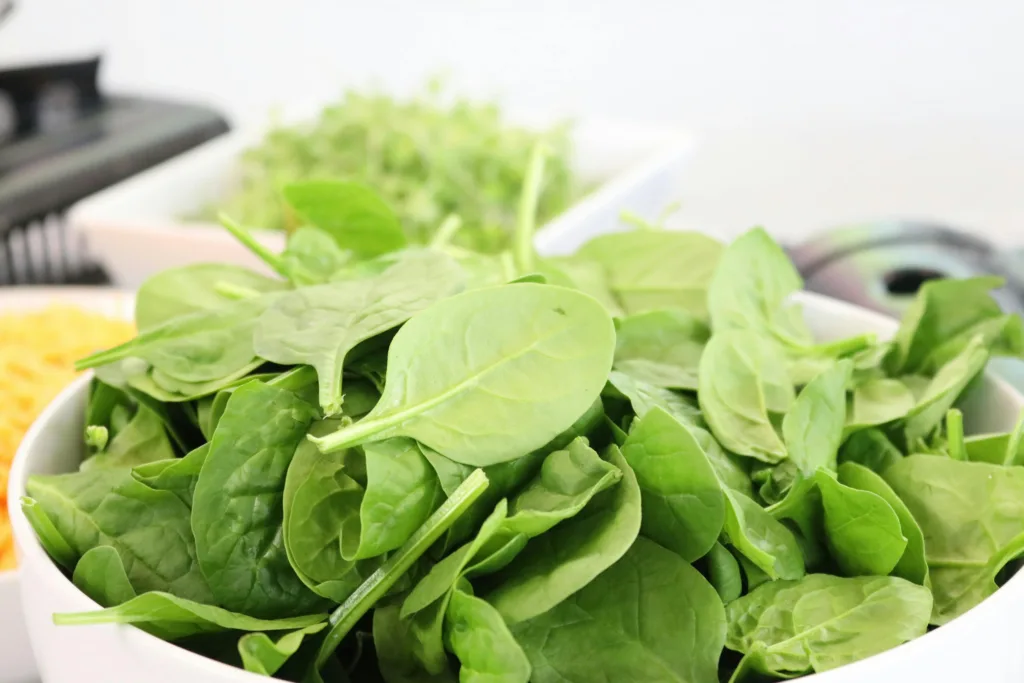
Dark leafy greens are a valuable addition to your arsenal of plant-based iron sources. Spinach and kale are famous for their mineral content.
Lightly cooking these greens lowers their oxalate levels. Oxalates can block iron absorption, but cooking helps the body take in more iron.
Other great options are Swiss chard and collard greens. They’re rich in iron and full of essential vitamins, like Vitamin K.
Iron-Fortified Grains and Cereals for Plant-Based Meals
Many common breakfast foods are specifically enhanced to provide essential micronutrients.
Fortified breakfast cereals are a great source of iron. They make it easy to kick off your day.
Whole grains like quinoa, oats, and amaranth are rich in iron. They offer natural nutrition beyond just fortification.
Whole grains have phytic acid, which can block absorption.
However, their nutritional value makes them very beneficial.
Nuts, Seeds, and Dried Fruits: Delicious Plant-Based Iron Snacks
For high concentration in a small package, look no further than nuts and seeds.
Pumpkin seeds (pepitas) and sesame seeds (tahini) are rich in iron. A quarter-cup serving provides about 4 mg of iron.
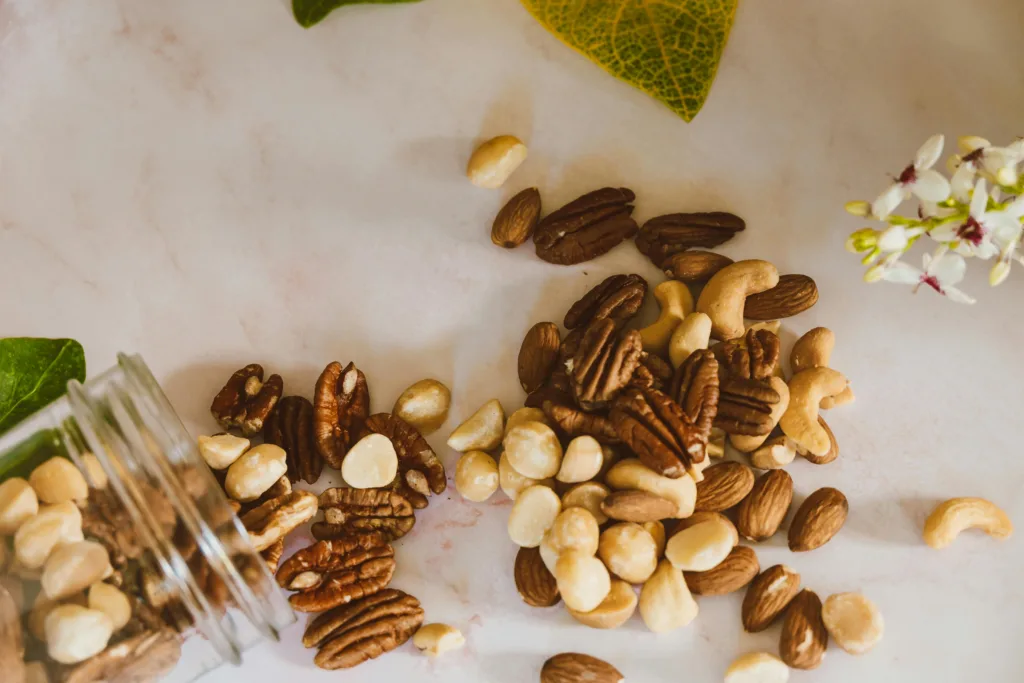
Cashews and almonds are also good sources of iron.
By Jess Loiterton, https://www.pexels.com/@Jess Loiterton
For a sweet, iron-rich snack, try dried fruits like apricots, prunes, and raisins. They’re convenient, but watch out for their higher sugar content.
Reliable B12 Sources: Plant-Based Strategies for Vitamin B12 Intake
When it comes to Vitamin B12, the approach must differ from that of iron.
Vegans often miss out on a reliable source of B12 from plant foods. So, fortification and supplements are key to ensuring enough intake.
B12-FortifiedPlant-Based Milks and Yoghurts
A straightforward way to add B12 to a plant-based diet is by drinking fortified beverages.
Most commercial plant-based options, including soy, almond, and oat milks, are crucial for vegan B12 intake.
Check the nutrition labels to see if the product is fortified. The amount can vary widely between brands and types.
Drinking one cup of fortified milk twice a day is a common strategy to meet daily needs.
Nutritional Yeast: The Vegan‘s Cheesy Secret to B12
Often referred to as “nooch,” nutritional yeast is a popular condiment for plant-based eaters due to its cheesy flavour.
However, its value is significantly enhanced when fortified with B12.
A single tablespoon of fortified nutritional yeast can often provide more than the daily requirement of Vitamin B12.
You can sprinkle this tasty addition on pastas, soups, and veggies. It’s a great way to boost your B12 intake.
Fortified Tofu, Tempeh, and Meat Alternatives
The market for plant-based meat is growing fast. Many companies fortify these products, along with some brands of tofu and tempeh. This helps vegans meet their micronutrient needs.
Always inspect the packaging to confirm Vitamin B12 fortification.
Note: Unfermented soy products and non-fortified fermented foods, such as tempeh and miso, often lack sufficient B12.
Do not assume fermentation provides active B12 unless specifically labelled.
B12 Supplementation: The Most Reliable Plant-Based Strategy
For peace of mind, a dedicated B12 supplement is the best plant-based choice.
Vitamin B12 is water-soluble. The body absorbs only a small amount at once. So, high-dose supplements are often suggested weekly or bi-weekly for strict vegans.
Recommended dosages are about 10 μg daily or 2000 μg weekly.
This ensures adequate intake regardless of dietary variables.
Simply eating iron-rich foods isn’t enough; we need to optimise how the body utilises this non-heme iron.
Enhancing Absorption: Practical Tips to Maximise Plant-Based Iron Utilisation
To boost iron absorption from plant-based foods, pair them wisely.
Non-heme iron isn’t as well absorbed. So, mixing foods can boost your intake of this vital mineral.
The Vitamin C Connection: Boosting Iron Bioavailability
This is the most critical tip for plant-based eaters.
Vitamin C (ascorbic acid) boosts non-heme iron absorption. It changes iron into a form that’s easier for the body to absorb. You should always aim to consume a source of Vitamin C alongside your main iron-rich meals.
Here are some great pairings: add bell peppers or a citrus dressing to your spinach salad. You can also enjoy lentils with tomato sauce.
Other sources of Vitamin C include strawberries, broccoli, and kiwi.
Inhibitors of Iron Absorption: Foods to Separate from Iron-Rich Meals
Certain compounds can significantly inhibit non-heme iron absorption. Be mindful of:
Phytates (Phytic Acid): Found in whole grains, nuts, seeds, and legumes. You can lessen their impact by soaking, sprouting, or fermenting your pulses and grains before eating.
Tannins: Present in coffee and tea (both black and green). It is best practice to avoid consuming these beverages for at least an hour before and after eating a major iron-rich meal.
Calcium: High levels of calcium, mainly from supplements or fortified plant milks, can hinder iron absorption. If you take a calcium supplement, try to consume it at a different time of day than your primary iron source.
Cooking Methods for Iron Retention
Believe it or not, the pan you use matters!
Using cast-iron cookware is a timeless way to boost the iron in your plant-based meals.
This works exceptionally well with acidic foods, like tomato sauces.
B12 Absorption Factors (Digestive Health)
Food pairing isn’t the main way to get B12. Instead, focus on good digestive health.
You need enough intrinsic factors and stomach acid to help release B12 from its binding proteins.
If you have digestive health issues or take specific medications, talk to your doctor about having your B12 levels checked.
Frequently Asked Questions (FAQ) about Plant-Based Iron & B12
Can I get enough Vitamin B12 without a supplement on a Vegan Diet?
The short answer is no, not reliably. The only good sources of B12 for a strict plant-based diet are fortified foods. This includes plant milks, nutritional yeast, and supplements. Some fermented or ocean-based plant foods may have small amounts of vitamin B12. However, these are often inactive forms. They can also block the absorption of active B12. So, it’s a good idea to take a B12 supplement if you’re on a strict plant-based diet.
How much iron do vegetarians and vegans need compared to meat-eaters?
The World Health Organisation and other health groups say plant-based eaters need about 1.8 times more iron than those who eat meat. This is because non-heme iron from plant foods is less available for the body to absorb. This is particularly relevant for high-risk groups, such as menstruating women. Constantly monitor your ferritin levels with a healthcare provider.
Are Iron-Rich Plant Foods like Spinach really a good source of Iron?
Yes, spinach is highly concentrated in iron, but its absorption is significantly limited by its high oxalate content. However, the overall nutritional value of spinach remains high. Always eat plant-based iron with a strong source of Vitamin C. Good options include lemon juice or tomatoes. This helps improve absorption.
Does soaking beans and lentils improve iron absorption?
Soaking, sprouting, or fermenting foods like beans and lentils reduces phytic acid (phytates). Phytates block non-heme iron absorption, so these preparation methods are key. They help you get the most nutrition from iron-rich plant foods.
Where can I find the Iron Fact Sheet from the NIH?
The National Institutes of Health (NIH) provides key information on dietary supplements. Their Iron Fact Sheet covers recommended daily allowances and trusted sources. Consulting such expert guidance is essential for navigating plant-based health effectively.
Conclusion: Thriving on a Plant-Based Diet with Iron & B12
A good plant-based diet can provide enough iron. You can find iron in tasty foods like pulses, seeds, and leafy greens.
To succeed, know the difference between non-heme and heme iron. Pairing your iron with Vitamin C can boost absorption.
To tackle the B12 challenge, focus on B12-fortified foods or a dependable B12 supplement. This is the best way to ensure you get enough B12 for a healthy vegan or vegetarian lifestyle.
Try different foods, think about how they pair, and you’ll improve your plant-based diet.
The African Gut Health Diet: Why Gut Health Matters in Africa Today This is your guide to the African Gut Health Diet. Over the last few decades, many African countries have seen a sharp rise in lifestyle-related conditions like obesity, type 2 diabetes, high blood …
This is your comprehensive guide to reversing hypertension on a plant-based diet. Hypertension, or high blood pressure, is often called the silent killer. It affects billions around the world. It is a significant risk for serious heart problems, like heart attacks and strokes. Medication is …
Did you know that Nando’s South Africa is now one of the most vegan-friendly chain restaurants?
I’ll never forget the first time I tried their Great Pretender burger. It changed how I view fast-food plant-based options!
Finding plant-based options on Nando’s menu can be tough. This is true whether you’re a committed vegan, trying Veganuary, or want to eat less meat.
Here’s the exciting part: Nando’s South Africa has many more vegan options than most people know.
Savour deliciousness with their flame-grilled plant-based patties and popular PERi-PERi chips.
In this guide, I’ll cover all the vegan options at Nando’s South Africa. I’ll also highlight some hidden gems not clearly marked on the menu.
I’ll share insider tips from my many visits on how to customise your order. You can achieve maximum flavour without using any animal products!
Nando’s Vegan Main Dishes in South Africa
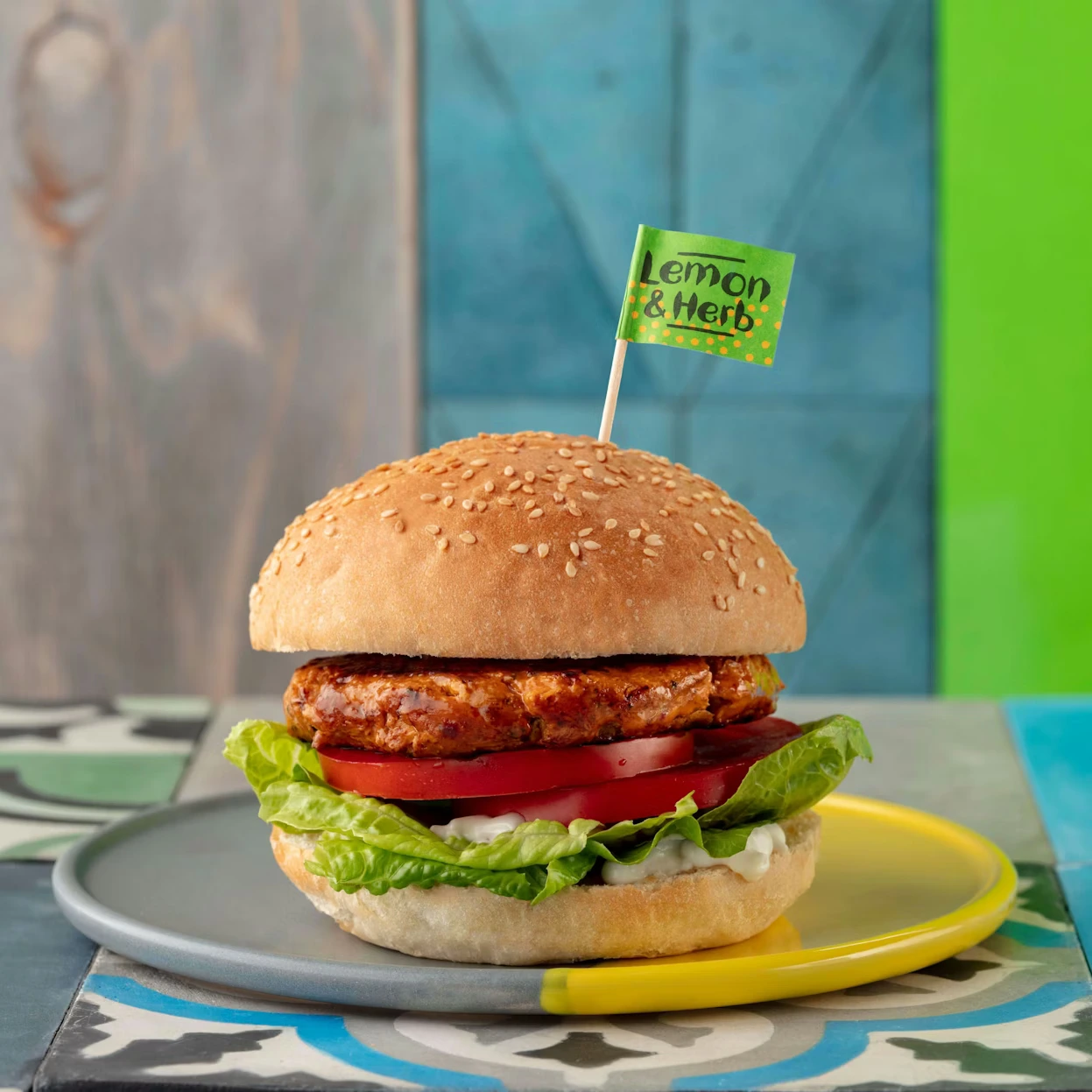
The Great Pretender Burger
Let me tell you, when Nando’s launched The Great Pretender burger, I was sceptical.
After years of disappointing veggie burgers at chain restaurants, I wasn’t expecting much. But wow, was I wrong!
The Great Pretender is honestly a game-changer.
It’s a thick, juicy plant-based patty that actually has that chargrilled flavour Nando’s is famous for.
The texture?
Surprisingly meaty! My omnivore husband couldn’t tell the difference when he took a bite.
The burger costs about R89.90 (prices may vary by province). This is similar to their chicken options, which seem fair given the quality.
What really gets me excited is how they prepare it.
The patty gets the same flame-grilled treatment as the others. This gives it beautiful char marks and a smoky flavour.
I’ve seen them make it a few times now (yes, I’m that person). They use a different part of the grill. This helps with cross-contamination issues.
The wrap situation is where things get interesting. You can absolutely get a vegan wrap – ask for The Great Pretender patty in a wrap instead!
I usually load mine up with lettuce, tomato, onion, and that heavenly PERi-PERi sauce.
Pro tip: ask for extra sauce on the side because the wrap can get a bit dry otherwise. The wraps are vegan-friendly. I’ve confirmed this with several locations. Still, it’s good to double-check, as suppliers can change.
Vegan Bowls at Nandos
Now, let’s talk about the bowls. This is actually my favourite hack that nobody seems to know about! Make an amazing vegan bowl by mixing spicy rice, chopped The Great Pretender patty, salad, and roasted veggies.
It’s filling, nutritious, and costs about R95-110 depending on your add-ons. I’ve been ordering this combo for months, and it never gets old.
Availability can be a bit tricky.
Most major spots in Joburg, Cape Town, and Durban always have plant-based options. However, I’ve faced problems at smaller branches.
One time in Bloemfontein, they were out of the vegan patties for a whole week! Always worth calling ahead if you’re travelling to a smaller town.
The Sandton, V&A Waterfront, and Gateway stores usually have everything in stock. This is likely due to higher demand.
Complete List of Vegan Sides at Nando’s SA
Peri-Peri Chips
Okay, can we take a moment to appreciate those PERi-PERi chips?
They’re just perfect—crispy outside, fluffy inside, and that spice blend? It’s so addictive!
The regular portion (R34.90) is decent for one person, but honestly, I always go large (R44.90) because they’re that good. And yes, they’re 100% vegan! They’re cooked in vegetable oil, not animal fat like some other chains do.
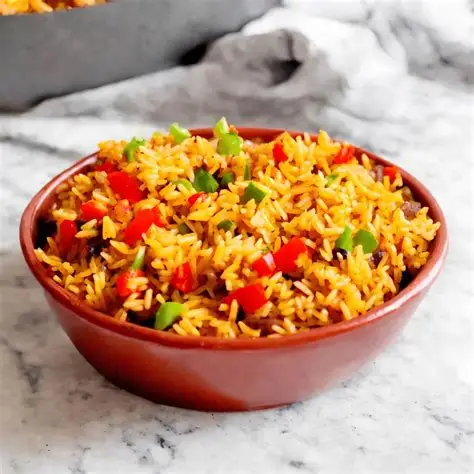
The Spicy Rice
The spicy rice has become my go-to base for everything. It’s fragrant, has a nice kick, and at R34.90, it’s reasonable. The ingredients are simple – rice, spices, vegetables, and oil. No butter, no chicken stock.
I checked with their head office. I felt worried after discovering that another restaurant’s rice contained chicken powder.
Source: scrumptiously.com
Mixed Salad at Nandos
Mixed salad is where you need to be careful, though. The standard one comes with feta, which isn’t vegan.
But here’s what I do – I ask for it without cheese and add extra tomatoes and onions instead.
Most servers don’t even charge for the extra veggies!
Sometimes they offer mayo-based dressings. Stick with olive oil and balsamic. Even better, try the PERi-PERi sauce as a dressing.
The Corn on the Cob
The corn on the cob is a revelation when done right. Ask for it without butter (super important!) and have them baste it with a lemon-and-herb marinade instead. Game changer! It’s sweet, tangy, and at R29.90, pretty affordable.
Nandos Vegan Menu: Roasted Vegetables
Their roasted vegetables deserve more hype.
You’ll enjoy a mix of peppers, onions, and sometimes butternut. They’re all chargrilled to perfection. The portion is generous for R42.90, and I often order two portions to make a meal with some rice. Just make sure they don’t add butter during grilling – some branches do this automatically.
The Vegan Portuguese Roll
Portuguese rolls are generally vegan, but I’ve learned always to ask. Some locations brush them with butter before toasting. When they’re done dairy-free, they’re perfect for making chip rolls (slap chips on a roll with sauce – trust me on this one!).
Vegan-Friendly Sauces and Seasonings
This is where my Nando’s obsession really shows.
I’ve tried every sauce combo. So, I know what’s vegan and what’s not.
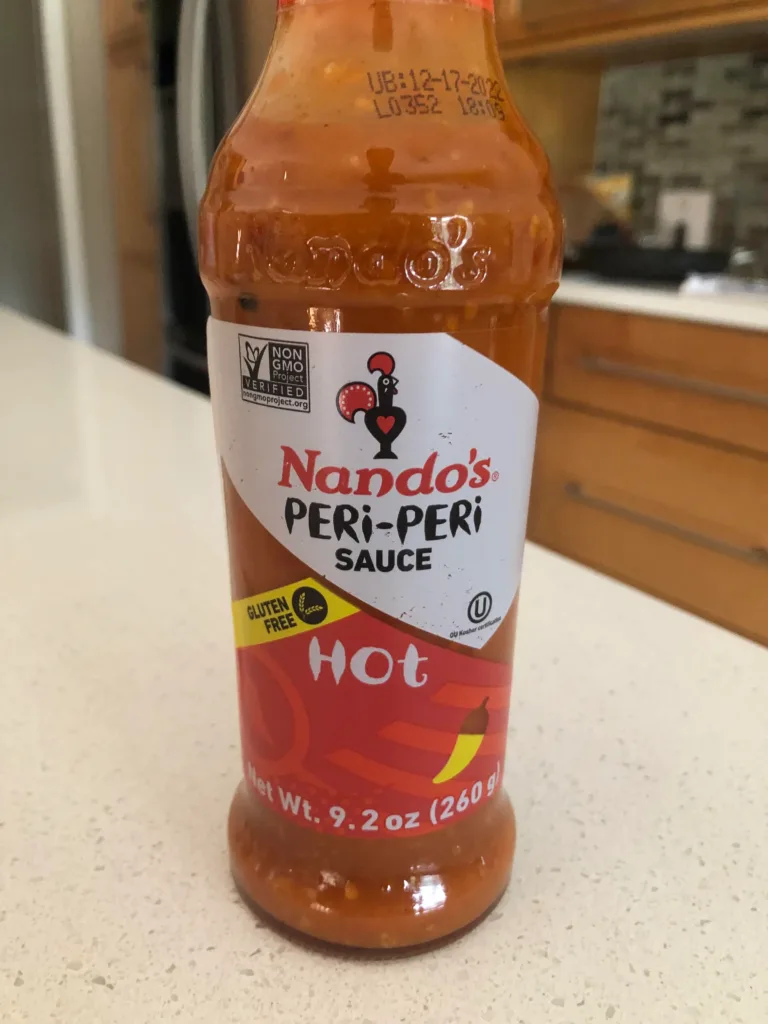
Most of the PERi-PERi sauces are vegan!
The Lemon & Herb, Medium, Hot, and Extra Hot are all plant-based.
They’re made with African Bird’s Eye chilli, lemon, garlic, onion, and spices. No dairy, no eggs, nothing funky. The Extra Hot is my favourite. It has a slow-burning build that doesn’t overwhelm your taste buds right away.
But here’s the heartbreaker – the Garlic sauce isn’t vegan. It contains mayo and dairy. I learned this the hard way after drowning my chips in it for months. The Mild sauce is also questionable at some locations, so I avoid it.
The Lemon & Herb Marinade
The Lemon & Herb marinade is basically my everything sauce now. It’s tangy and herby, adding moisture to everything. I get it on my veggie burgers, drizzled over roasted vegetables, even mixed into my rice sometimes. And yes, confirmed vegan!
The Peri-Peri Sprinkle
The PERi-PERi sprinkle (that magical red dust) is completely plant-based. I always ask for extra sachets to take home. It transforms everything – popcorn, roasted chickpeas, even avo toast. No joke, I’ve got about 20 packets in my kitchen drawer right now.
When ordering, always ask for sauces on the side.
Some servers can be heavy-handed. There’s nothing worse than a meal swimming in sauce when you just wanted a drizzle.
Plus, having them on the side lets you mix flavours.
My current favourite combo?
Half Lemon & Herb, half Hot. It’s perfectly balanced, as all things should be.
How to Order Vegan at Nando’s South Africa
After three years of being vegan and eating at Nando’s a lot, I’ve created a smooth system for ordering.
First thing – don’t just say “I’m vegan.” I’ve found that some servers panic or immediately say they can’t help. Instead, I say, “I’d like the Great Pretender burger meal, no mayo, extra tomato, please.” Specific is better. Then I might add, “I don’t eat dairy or eggs, so no cheese or butter on anything, please.”
Cross-contamination is something you need to decide on based on your comfort level. They share the grills, though they use different sections. If you’re strict about it, ask them to clean the grill section first or use a pan.
Most kitchens are accommodating, especially during quieter times. I don’t stress about it too much, but that’s just me.
The Nando’s app actually makes life easier. You can add notes to each item, and I always write “VEGAN – no butter, no cheese, no mayo” in caps. Seems aggressive, but it works!
The app shows ingredients for most items. This helps a lot when checking new menu additions.
Avoid peak lunchtime (12–2 p.m.) and the dinner rush (6–8 p.m.) if you’re making special requests. The kitchen’s slammed, and mistakes happen more often.
I learned this after getting a butter-slathered corn during a Friday night rush. Tuesday afternoons around 3 p.m.? Perfect. The staff have time to get your order exactly right.
Nutritional Information for Vegan Options
Alright, let’s talk numbers because I track everything (recovering gym bro here, don’t judge).
The patty has about 250 calories, which is less than that of a chicken breast. Add a bun and you’re at about 450 calories total.
The spicy rice packs about 200 calories per portion and 4 grams of protein. Not massive on protein, but the fibre content is decent at 3 grams. I usually pair it with the patty or beans to bump up the protein content.
Speaking of which, did you know you can add black beans to most dishes? Game changer for protein – adds another 7 grams.
Those PERi-PERi chips everyone raves about? Regular is 280 calories, large is 420. Not exactly health food, but hey, we’re not here to eat lettuce all day.
The fat in these chips is typical, but it comes from vegetable oil instead of saturated animal fats.
The roasted vegetables are the nutrition heroes here. Only about 120 calories per portion, but packed with vitamins A and C, plus decent fibre. I’ve started ordering double portions instead of chips sometimes (I said sometimes, okay?).
Vegan options usually have more fibre than meat-based meals. That’s interesting!
My typical order of the Great Pretender bowl with rice and veggies gives me about 12 grams of fibre. That’s almost half your daily requirement! Try getting that from a chicken burger.
For my gym crew tracking macros: A Great Pretender burger, large spicy rice, and roasted veggies provide about 35g protein, 85g carbs, and 20g fat.
That’s a balanced meal, especially post-workout.
Vegan Menu Prices at Nando’s South Africa 2026
Let’s talk money because eating out as a vegan in South Africa can get expensive fast. I’ve been tracking Nando’s prices for a while now (spreadsheet nerd alert), and here’s the real deal.
The Great Pretender burger alone costs R89.90 in most locations, but I’ve seen it at R94.90 in the V&A Waterfront. The meal, which includes regular chips and a drink, costs about R134.90. That’s R5 less than the chicken butterfly meal. Small victories!
For the best value, try this combo: Great Pretender patty (no bun), large spicy rice, and roasted veg. It costs about R165. It’s filling, nutritious, and cheaper than most of their “proper” meals. Plus, you get more food than the standard burger meal.
Student discounts are a thing! Show your student card and get 10% off, but here’s the catch – it doesn’t work on specials or through the app. Still, every bit helps when you’re living on that NSFAS budget.
The family platters are trickier for vegans, but I’ve managed to make it work.
The Full Platter costs R479.90. You can’t replace all the chicken with plant-based options, but you can order sides-only platters.
Four people can share:
Two large rice dishes.
Two large chips.
Four corn cobs.
Two roasted veggie portions.
All for about R280.
Add some Great Pretender patties separately and you’re still under R500 for four people.
Price differences between provinces are fundamental. Cape Town is generally R5-10 more expensive per item than Johannesburg. Durban sits somewhere in the middle.
The airport locations? Don’t even get me started – add 20% to everything.
Secret Vegan Hacks and Customisations
Okay, lean in close because these are the tricks that took me years to figure out.
First hack: Order The Great Pretender patty on its own (R54.90) and add it to a large garden salad. Ask them to chop it up and mix it in. Boom – you’ve got a protein-packed salad for under R100 that’s twice the size of their standard offerings.
The double veggie burger isn’t on the menu, but most locations will make it. Two patties, extra veg, special sauce arrangement. It’s around R130, but it’s massive and keeps me full for hours. The Rosebank branch makes this perfectly every single time.
Here’s something wild – you can ask for your chips to be “extra PERi-PERi’d” at no extra charge. They’ll dust them multiple times. I discovered this by accident when a server misheard me, and now I can’t go back to regular chips.
Seasonal specials are where it gets interesting.
Last winter, they offered a butternut and sweet potato dish. It wasn’t labelled vegan, but it was once I checked the ingredients. Always ask about limited-time sides – they often forget to mention the vegan ones.
For birthday meals, they used to limit vegan options. Now, most branches will give you a free Great Pretender if you’re in their database. Just mention it’s your birthday when ordering and show ID. Got my free burger last month!
Catering is easier than you think.
I organised a year-end function and had them set up a “build your own bowl” station with rice, veggies, and plant patties on the side. Fed 30 people for under R2000, and even the meat-eaters were happy.
Nando’s Vegan Menu vs Other SA Chains
Right, let’s get honest about how Nando’s stacks up against other chains because I’ve done the research (and gained the weight to prove it).
Spur’s vegan burger is sad – I’m sorry, but it is. It tastes like cardboard and costs MORE than Nando’s. Plus, Spur’s sides are limited unless you want to live on chips and onion rings. Their chips are good, though, I’ll give them that.
Ocean Basket is trying with its plant-based sushi options, but it’s hit-or-miss. Their vegan rolls are R85 for four pieces – highway robbery if you ask me. Plus, you need to order like three rolls to feel full. At Nando’s, one meal actually fills you up.
RocoMamashas that Beyond Meat option, which is pretty good, not gonna lie. But it’s R125 just for the burger! Add chips and a drink, and you’re pushing R200. Their variety is also limited – it’s basically burger or nothing. At least Nando’s lets you get creative with combinations.
Mugg & Bean offers more vegan cakes, especially the vegan chocolate cake! However, their main meals are pricey and not very filling. R145 for a Buddha bowl that’s mostly lettuce?
No thanks.
Please give me a Nando’s bowl with actual substance for less money.
Fast food-wise, Nando’s is killing it in SA.
McDonald’s doesn’t even try here (where’s our McPlant, McDonald’s SA??). KFC’s vegan burger was a limited-time thing that disappeared.
Burger King has that Veggie Whopper, but it’s cooked on the same grill as meat with no separate section.
Accessibility across provinces varies wildly, though.
Western Cape and Gauteng lead in availability. Almost every Nando’s offers vegan options. KwaZulu-Natal is getting better, especially in Durban.
But good luck finding consistent vegan options in Limpopo or Mpumalanga chains. When I visited Polokwane, the Nando’s didn’t even have The Great Pretender on their system yet.
The price comparison really shows Nando’s value. A filling vegan meal at Nando’s: R130-150. Spur: R160-180. Ocean Basket: R180-220. RocoMamas: R180-200. Mugg & Bean: R150-195. For a chain restaurant with consistent quality and actual flavour? Nando’s takes the crown.
Conclusion
Gone are the days when vegans had to settle for just chips and a salad at Nando’s!
South Africa’s favourite flame-grilled chicken spot has upped its plant-based menu. They now serve protein-packed burgers and those tempting PERi-PERi chips we all love.
The best part?
You don’t have to sacrifice that iconic Nando’s flavour when choosing vegan options.
You can mix and match ingredients to make meals that are just as satisfying. Often, these meals are even more colourful and nutritious than meat-based ones.
Whether you’re dining in Johannesburg or ordering from the app in Cape Town, these vegan options are always available across South Africa.
Ready to try Nando’s vegan menu for yourself?
Try the Great Pretender burger combo. Trust me, your meat-eating friends will be impressed!
Don’t hesitate to ask the staff for changes. They are usually very accommodating with dietary needs.
Fuel your body the WFPB way! Find the best whole food, plant-based nuts and seeds recipes in South Africa. Enjoy dishes like Dukkah and rusks while discovering their proven health benefits. Introduction: The WFPB Heroes on the South African Table South Africa boasts a rich …