
Plant-Based Meat in South Africa
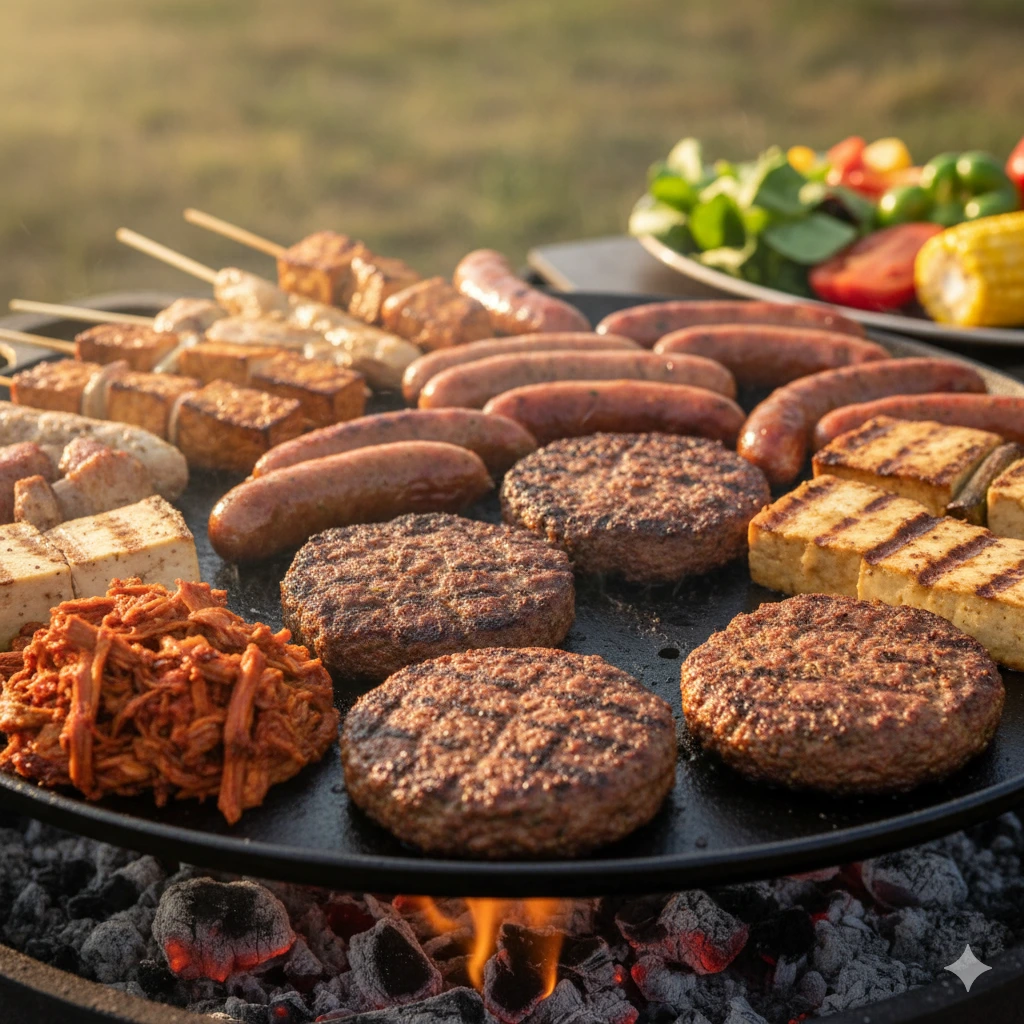
Introduction: The Rise of Plant-Based Meat in South Africa
Have you noticed the rise of plant-based meat in South Africa?
Let’s talk about it.
The South African food landscape is undergoing a silent but powerful revolution.
The traditional “braai culture” and meat-heavy diet face a challenge. More people are choosing conscious consumerism. They care about health, ethics, and the environment.
This shift is most clear in South Africa’s growing plant-based meat market.
We’re excited but cautious about the growing evidence for Whole Food Plant-Based (WFPB) nutrition.
Meat alternatives are growing. This makes it easier for people to switch from animal products. However, not all “plant-based” is created equal.
We focus on exploring this exciting market. And we prioritise whole, unprocessed foods and use the best local options.
The South African Plant-Based Market Boom
Plant-based meat is growing in South Africa. This isn’t just a global trend; it’s also a significant change in our economy and culture.
- Market Growth and Potential: The South African plant-based meat alternatives market is growing fast. Forecasts project significant growth from USD 9.6 billion in 2025 to USD 26.8 billion by 2031, exhibiting an 18.9% Compound Annual Growth Rate (CAGR). Growing customer demand for sustainable, healthful protein options is driving this expansion. The country accounts for over half of the alternative meat market in African.
- Many South African consumers are open to alternative proteins, according to research. Many studies show that most South Africans are eager to try and buy plant-based meat. Younger generations, such as the Born Free and Millennials, show much higher acceptance. This signals a lasting cultural change.
- The Drivers of Change:
- Health Concerns: More people are aware of the health risks of eating too much red and processed meat.
- Sustainability and Ethics: Many people worry about climate change. They also care about animal welfare. Traditional livestock farming can harm the environment. This includes land use, water use, and greenhouse gas emissions.
- Innovation: Food technology has advanced. These improvements enhance the taste and texture of alternatives. As a result, they attract more people, including flexitarians.
WFPB vs. Highly Processed “Fake Meat”
As WFPB advocates, our philosophy centres on foods in their most whole, unprocessed state. This means prioritising legumes, grains, vegetables, fruits, nuts, and seeds.
The WFPB Gold Standard (Whole Food Alternatives)
From a WFPB perspective, the best “plant-based meat” choices are minimally processed. They keep their natural nutrients.
- Tofu and Tempeh: These staples, derived from soybeans, are complete proteins. Tofu (soybean curd) can be pressed and marinated to mimic a range of textures. Made from fermented soybeans, tempeh is nutrient-dense. It has a firm, nutty texture. This makes it an excellent base for stews or grilling. Look for locally produced, non-GMO options.
- Legumes (Lentils, Beans, Chickpeas): The original, unprocessed “plant-based meat.” They are abundant in protein, fiber, and vital micronutrients. They form the perfect basis for homemade patties, stews, and mince substitutes.
- Mushrooms: Varieties such as King Oyster and Portobello offer a hearty texture. They make a great meat substitute in dishes like pulled “pork” or grilled “steaks.”
- Seitan (Wheat Gluten): It’s a processed food made from isolated wheat protein. It’s high in protein and has a meat-like texture that many people love. For those without gluten sensitivity, it’s a versatile ingredient for homemade “meats.”
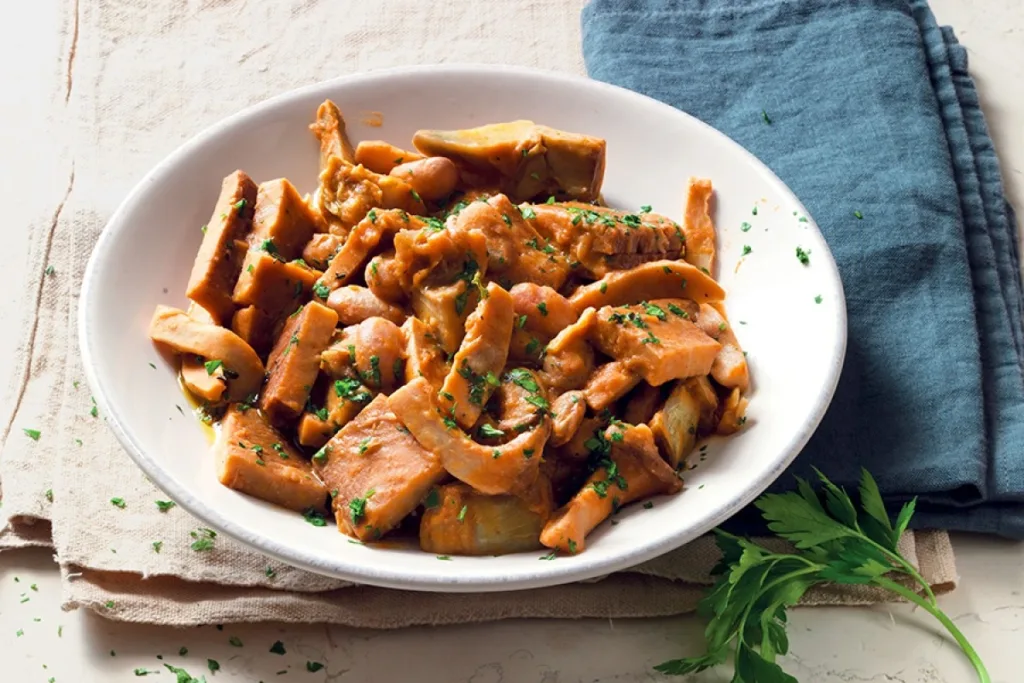
The Ultra-Processed Debate (Next-Gen Meat Alternatives)
The new wave of plant-based meats uses isolated proteins like pea, soy, and wheat. They also include high fats like coconut oil, binders, and flavourings. These mimic the “meat experience.”
- The Trade-Off: These products shine in texture and flavour. They help newcomers and flexitarians transition to plant-based eating more easily. They offer convenience and satisfy cravings for fast food, like burgers and sausages.
- The WFPB Critique: They often contain high levels of sodium and saturated fat. Also, they are seen as ultra-processed foods. The WFPB philosophy warns against relying on these convenient products. It suggests enjoying them as occasional treats rather than everyday foods. The focus should always return to the whole food source for maximum health benefit.
Navigating the South African Plant-Based Meat Aisle
The accessibility of plant-based meat in South Africa has skyrocketed. You don’t have to go to a niche health store anymore. Major retailers and local companies now offer a wide range of products.
South African Plant-Based Innovators
South Africa boasts dynamic local producers. Many are creating healthier, local alternatives.
- The Fry Family Food Co.: A global success story originating in Durban, offering a wide range of sausages, burgers, and schnitzels. They often use a blend of soy and vegetable proteins.
- Green Fields Vegan: Provides burgers and “beef” and “chick’n” flavours. They focus on natural foods and local sourcing. Plus, they commit to being free of preservatives and additives.
- HERBI VŌHR makes plant-based meat alternatives. They use ingredients such as wheat protein (seitan), tofu, chickpeas, and beets. Delivering genuine flavor and texture is their aim.
- Local Artisans: Companies like Tabu (tofu and tempeh), Falafel King, Naked Leaf (veggie burgers), and Lilah’s Kitchen make it easy to find whole foods.
Where to Buy
Major South African retailers have jumped on this trend. Now, these products are easy to find:
- Woolworths has a special “Plant-Based Protein” section. It features both local and international brands, like Beyond Meat.
- Checkers has expanded its plant-based ranges to include many options.
- Dischem and Clicks often carry smaller, health-focused brands. They also stock WFPB pantry staples, like textured vegetable protein (TVP).
- Local Online Stores: A variety of regional and handcrafted goods are available at Wildsprout and Vegan Streetfood. You can also find unique items like seitan shreds or pea-protein mince.
The Environmental and Ethical Imperative
South Africa’s move to plant-based diets helps boost food security and protect the environment.
Animal agriculture is strongly linked to climate change. Plant-based options provide a real solution.
- Reduced Carbon Footprint: Plant-based proteins, like peas or tofu, require almost 100 times less land to produce the same amount of protein as beef or lamb. A global shift to plant-based diets could reduce agricultural land use by 75%.
- Water Conservation: The difference in water usage is staggering. For example, making one beef hamburger needs about 3,000 litres of water. That’s what you’d use for two months of showering!
- Ethical Sourcing: Many South Africans choose based on their deep commitment to animal welfare. Choosing a plant-based alternative is a direct rejection of industrial farming practices.
The Health Case: Evidence-Based WFPB
Ultimately, the strongest case for a plant-based diet is health.
Some “meat” alternatives are ultra-processed, so be careful. Still, the evidence shows that a shift away from animal products is a good idea.
- Chronic Disease Prevention: WFPB diets can reduce the risk of chronic diseases in South Africa, according to studies. These include several types of cancer, heart disease, and type 2 diabetes.
- Gut Health and Fibre: The backbone of a WFPB diet—legumes, whole grains, fruits, and vegetables—is rich in dietary fibre. A healthy gut microbiome is essential. It connects to many things, including immunity and mental health. Most meat and highly processed alternatives are deficient in this crucial nutrient.
- Saturated Fat and Cholesterol: Picking options other than regular meat can help people decrease their saturated fat intake. It also removes dietary cholesterol, which is a key risk factor for heart disease. Choose processed options that don’t swap animal fat for excessive tropical oils, like coconut oil.
WFPB Advocate’s Strategy for Plant-Based Meat in South Africa
To match the ease of “plant-based meat” with WFPB principles, here’s a simple strategy for South African consumers:
- Prioritise Whole Foods: Make lentil mince, bean patties, and marinated tofu/tempeh your primary “meat” alternatives. They are the most nutrient-dense, high in fibre, and cost-effective.
- Read Labels Vigorously: When buying commercial alternatives, follow a strict criterion:
- Low Sodium: Aim for other options with the lowest possible sodium content per serving.
- Low Saturated Fat: Check the ingredient list for the type of fat. Avoid products that use coconut oil as a primary ingredient.
- Fewer Ingredients: The shorter the ingredient list, the less processed the product usually is.
- Use Processed Alternatives as Transition Tools: Try the realistic burgers and sausages. They’re great for braais, dining out, or busy weeknights. They help you stay on the WFPB path while enjoying traditional SA food.
- Seek Local, WFPB-Friendly Brands: Look for local businesses like Green Fields or Tabu. They focus on natural, locally sourced ingredients and use few additives.
Conclusion: Celebrating a Healthier Future
The rise of plant-based meat in South Africa isn’t just a trend. It shows a more profound desire for a healthier, more sustainable, and more ethical food system.
As WFPB advocates, we can shape this trend. We ensure accessibility supports health.
The future of eating in Mzansi is vibrant and plant-powered.
Choosing whole foods and local plant-based options helps South Africans. It supports their health, their communities, and the beautiful environment around them.