
Plant-Based Recipes South Africa: Your Complete Guide (2026)
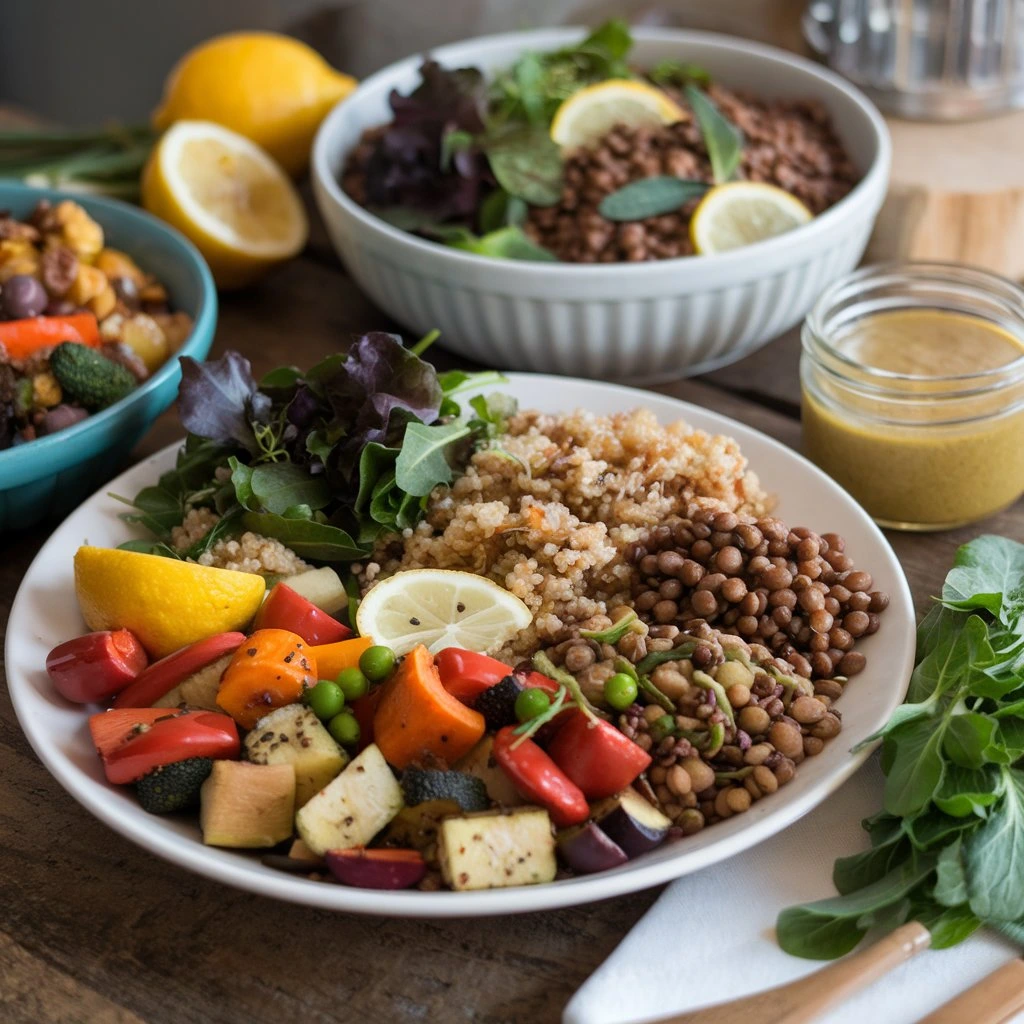
Introduction: Why are plant-based recipes in South Africa thriving
Here’s your complete guide to plant-based recipes in South Africa.
More South Africans are embracing plant-based recipes that reflect their culture. This trend isn’t just about global veganism; it also celebrates South Africa’s rich food heritage.
No matter where you are, whether in Cape Town, Durban, or Joburg, people want hearty, tasty meals that are meat-free but full of flavour.
In this article, you’ll learn how to:
- Stock your pantry.
- Cook classic South African dishes vegan-style.
- Prepare quick weekday meals.
- Plan for the braai.
- Make smart ingredient swaps.
All of this is designed for the South African context.
What makes South African plant-based recipes unique?
Plant-based recipes in South Africa stand out. They blend indigenous staples, regional spices, and rich cultural traditions.
For example:
- The use of maize (mealie meal, also known as pap) and local grains as foundational starches.
- Indigenous leafy greens, such as morogo (wild spinach) or umkhomo, lend a local character.
- Cape Malay curry flavours, Durban’s Indian spice blends, and communal braai culture are now adapted for vegan and plant-based eaters.
- South Africa’s supermarkets now offer a wider range of legumes, soya-based mince, and plant-based milks. This makes it easier than ever to try plant-based recipes.
- In South Africa, transitioning to plant-based recipes is easier. This change is not about adopting something new.
- It means using familiar flavours and ingredients from the local food culture.
Essential pantry for plant-based recipes in South Africa
To succeed in making plant-based recipes in South Africa, keep a well-stocked pantry. This helps you utilise local ingredients efficiently. Here are some must-haves:
- Dry legumes and pulses: sugar beans, lentils, split peas, soya mince or textured soya protein.
- Maize meal (mielie meal) or pap-friendly maize flour, sorghum, millet — starches are very familiar in South Africa.
- Coconut milk, as well as plant milks (such as soy, almond, and oat), are ideal for creamy sauces and custards.
- A spice rack featuring curry powder, turmeric, ground coriander, cumin, chilli, and local favourites like masala blends.
- Indigenous greens and seasonal vegetables include:
- Morogo
- Baby spinach
- Local cabbage
- Carrots
- Butternut
- Brinjals (eggplant)
- Chutneys, raisins, sultanas, dried fruit, and nuts are common in South African dishes. They add a sweet touch that balances savoury spices, like in bobotie.
- Budget-friendly staples:
- Buy dry beans in bulk.
- Shop for seasonal vegetables at markets.
- Choose maize meal.
- These are all smart moves.
- This pantry is practical because it aligns with South Africa’s dietary guidelines. These guidelines emphasise the consumption of pulses, grains, and plant-based proteins. Open Knowledge FAO+2sajs.co.za+2
Classic South African plant-based recipes
Here are some iconic South African dishes reimagined as plant-based favourites:
Vegan Bobotie
Bobotie is a classic South African dish. In this version, we use lentils, mushrooms, or soya mince instead of meat. It’s layered with curry spices and topped with a plant-milk custard.
It’s richly spiced and deeply satisfying.
For example, Contentedness Cooking offers a mushroom-rich version of vegan bobotie. Contentedness Cooking..
There’s also a version using lentils as the base. Vegan Meal Prep Sunday Method snapshot:
- Sauté onions, garlic, and mushrooms (or soy/vegetable mince) with curry powder, turmeric, cumin, raisins, and a bit of chutney.
- Add lentils or beans (if using), vegetable stock, and simmer until flavours are absorbed.
- Pour the custard made from plant milk and custard powder (or vegan cream) over the mixture in a baking dish. Then, bake it until golden.
- Serve with yellow rice, a side salad or green veg. This gives you that classic sweet-savoury flavour South Africa is famous for, but without any animal products.
Vegan Bunny Chow
Heading to Durban for inspiration: bunny chow is hollowed-out bread filled with curry.
The vegan version uses a bean or lentil curry, filled into bread just as it would be traditionally.
And the vegan adaptation by Meera Sodha showcases how familiar flavours adapt well. The Guardian Method snapshot:
- Make a spicy bean or chickpea curry. Use cumin, garam masala, and turmeric. Add chopped vegetables like cabbage, spinach, and chilli peppers. Enjoy!
- Hollow out a loaf (or quarter loaf), fill with the curry, and serve with salad or chutney. A fun dish that’s perfect for sharing and works excellently as a plant-based recipe in South Africa.
Chakalaka
Chakalaka is a spicy vegetable relish that pairs with pap, bread or beans.
For plant-based cooking, it’s perfect. Just fill it with beans, lentils, peppers, onions, carrots, and chilli. It becomes a vibrant, quick dish full of South African character.
Pap & Morogo
Pap, made from maize or mielie meal, is earthy and filling. When paired with morogo, or local greens, it becomes a dish rich in culture.
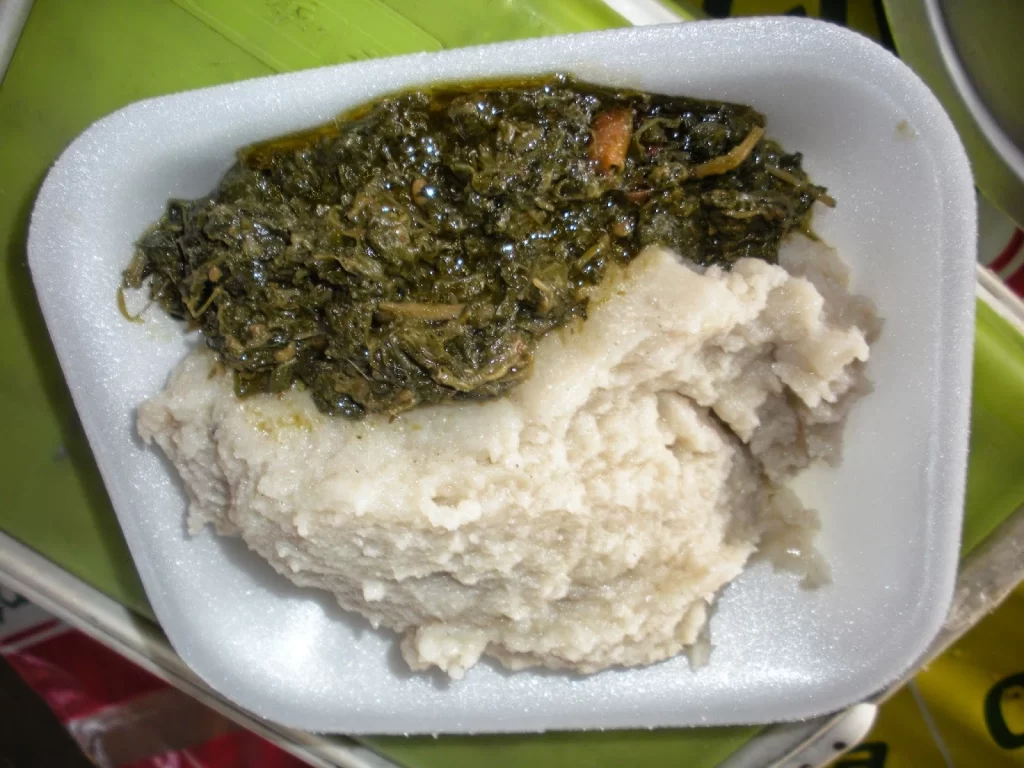
To make it plant-based:
- Cook the pap as usual (without dairy).
- Sauté morogo or spinach with garlic, onions, a bit of oil, and chilli.
Serve together with bean gravy or tomato chilli sauce.
Samp & Beans (Umngqusho)
A well-known South African dish made from samp (crushed maize) and sugar beans.
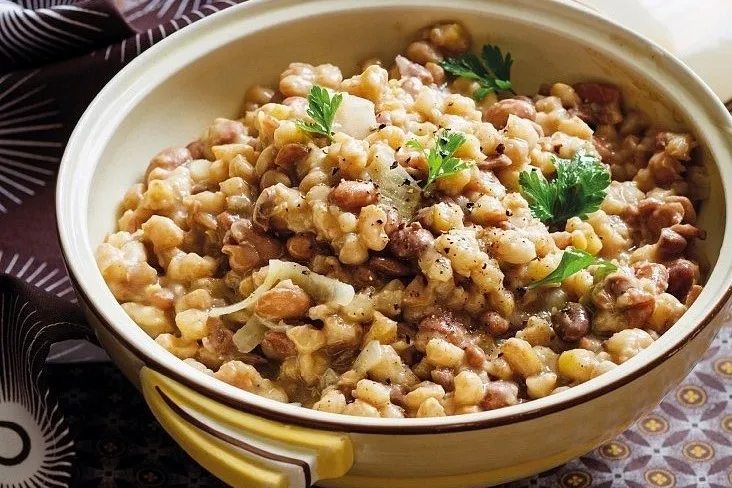
Use the pressure-cooker shortcut to make it quicker, add herbs, tomatoes and spices. It’s a hearty, one-pot dish that’s perfect as a main course or a side dish.
These classic South African plant-based recipes burst with bold flavours, reflect cultural roots, and offer nutritious goodness.
Quick weekday vegan recipes South Africa (20-30 min)
When you’re short on time, you can make a few plant-based recipes from South African favourites in 20–30 minutes:
- Lentil bolognese served over whole-grain pasta or maize-meal-based “noodles”.
- Sugar-bean curry: beans in a tomato-coconut sauce with curry powder. Serve it with pap or rice.
- Chakalaka wraps: load chakalaka, beans and salad into whole-grain wraps for quick lunches.
- Harissa-lentil & brinjal bowls: roasted brinjal, lentils, harissa spice, fresh greens.
- Tofu or tempeh stir-fry with local veggies like butternut squash, carrots, and green beans. It’s topped with a tasty soy-ginger sauce. Use local ingredients, with legumes as the base, and add a minimal amount of meat substitute if desired. Plant-based recipes in South Africa can be quick and easy.
Budget & seasonal tips for plant-based recipes in South Africa
One significant advantage of plant-based recipes in South Africa is their cost-effectiveness when planned well. Here are some innovative strategies:
- Buy dry legumes (beans, lentils) in bulk – much cheaper per serve than tinned options.
- Use seasonal vegetables from local markets: seasonal vegetables are often less expensive and fresher. As I’ve explained in my article, “Seasonal Whole Food Shopping Guide for South Africa.“
- Use maize meal, pap, sorghum, or millet as your primary sources of starch. These are staples in South African diets and are budget-friendly.
- Plan meals around supermarket specials and bulk prep a couple of legume dishes to freeze.
- Use simple flavourings like onion, garlic, chillies, and curry powder. Avoid exotic imports. With food prices rising in South Africa, it’s essential to stretch your plant-based cooking budget.
Plant-based braai South Africa: grills, sides & sauces
The braai is a South African icon. You can also enjoy it with plant-based recipes that stand out.
- Grilled mushroom “boerewors” or vegan sausage alternatives on the braai grid.
- Spiced cauliflower “steaks” brushed with peri-peri or curry marinade.
- Sides: pap and chakalaka, grilled corn (mielie) with herb oil, and potato salad made without eggs (use vegan mayo or avocado-yoghurt).
- Sauces: tomato-atchar, chilli relish, peanut-butter inspired sauce for bean burgers.
- Vegan vetkoek: fried dough split open and filled with bean chilli or sautéed mushrooms and spinach.
- These plant-based recipes from South Africa show that you can still enjoy a braai. You need to adjust the menu slightly.
Meal-prep & smart swaps for plant-based recipes South Africa
To make plant-based recipes sustainable in your week:
- Batch-cook legumes (e.g., sugar beans, lentils) and freeze in portions.
- Swap dairy: use coconut/almond/soy milks in custards, sauces, scrambles.
- And Swap eggs: For malva pudding or vetkoek, use flaxseed or chia with plant milk. Another option is to use a commercial vegan egg substitute.
- Use soy mince or textured vegetable protein for classic textures, such as in bobotie or “mince” curries.
- Use maize-meal pap and sorghum instead of relying solely on imported grains. With these smart swaps and meal-prep tips, plant-based recipes in South Africa become a fun and lifestyle-changing choice, not a chore.
Where to shop for vegan ingredients in South Africa
Here are practical tips on where to find ingredients for plant-based recipes in South Africa:
- Major supermarket chains: look in their “plant-based” or “free from” aisles for tofu, tempeh, plant mince, and plant milks.
- Bulk stores or wholesale clubs offer dry legumes, maize meal, and sorghum at better price points.
- Local farmers’ markets offer seasonal vegetables, local greens (morogo), and fresh produce for sides and salads.
- Health-food and vegan stores offer:
- Vegan cheese
- Speciality flours
- Ready-made plant-based sausages for the braai
- Online shops: If you live in a remote area or prefer delivery, many retailers now offer a wide range of legumes, plant-based milks, and vegan substitutes.
- Get to know local ingredients. You can incorporate plant-based recipes into your daily life in South Africa. They’re not just for special occasions.
Frequently Asked Questions (FAQs)
What are traditional South African dishes that are naturally plant-based?
Dishes such as pap, morogo, chakalaka, and samp & beans (umngqusho) are central to South Africa’s food culture. They can easily be made entirely plant-based.
Is a plant-based diet affordable in South Africa?
Yes, meals based on legumes, maize meal, seasonal veggies, and simple spices are cost-effective in South Africa. Plant-based recipes can save you money. Bulk dry beans and seasonal buys stretch the budget.
How do I get enough protein from local recipes?
Plant-based foods like lentils, sugar beans, soy mince, tempeh, and nuts or seeds offer a great source of protein. South Africa’s dietary guidelines emphasise pulses and legumes as key sources of plant protein. sajs.co.za+1
What can vegans eat at a braai?
At a braai, you can grill mushrooms or vegetable skewers. You can also make bean burgers or vegan sausages. Serve sides like pap and chakalaka, then add vegan-friendly sauces and relishes. These are all part of plant-based recipes in South Africa.
Are plant-based recipes healthy for the heart/blood pressure?
Well-planned plant-based diets lower the risks of heart disease, type 2 diabetes, and obesity.
According to South African standards, consuming balanced plant-based or vegetarian meals can help reduce cholesterol and improve overall health.
According to South African standards, consuming balanced plant-based or vegetarian meals can help reduce cholesterol levels and improve overall health. sajs.co.za+1
Where do I find gluten-free vegan ideas in South Africa?
Many plant-based recipes in South Africa are gluten-free. For example, try pap with morogo, lentil curries, and bean stews.
For baked goods or breaded “meats,” check health-food stores for gluten-free flours like sorghum, millet, or maize.
Conclusion: Your plant-based recipes South Africa game plan
Here’s a quick three-step action plan to get planting:
- Stock your pantry with these staples: legumes, maize meal, spices, and plant milks.
- Choose two classic plant-based recipes from South Africa this week. For example, try vegan bobotie and a bean curry wrap. Make a plan to cook them!
- Plan a tasty plant-based dish for the weekend: grilled cauliflower steaks with chakalaka and pap. This combination proves that South African plant-based recipes are rich in flavour and tradition. Enjoy! Follow this plan to shift your mindset. Instead of saying, “I’ll try one plant-based recipe,” say, “I cook plant-based recipes South Africa-style all the time.” Let’s get cooking!
External Links (for further reading)
- South Africa’s Food-Based Dietary Guidelines (overview) — Anchor text: South Africa’s Food-Based Dietary Guidelines
- Heart-healthy benefits of legumes & plant-based proteins — Anchor text: Healthy-Eating advice for South Africa
- Eating Plant-Based South Africa Guidelines — Anchor text: Eating Plant-Based South Africa: A guideline