
The Beginners’ Guide to a Plant-based Eating in South Africa
Introduction
This is your essential beginners’ guide to a plant-based eating in South Africa.
The world is waking up to the power of plants.
Millions worldwide are enjoying a diet full of fruits, vegetables, grains, and legumes. South Africa is also part of this trend.
This shift, known as plant-based eating, offers profound benefits for your health, the environment, and animal welfare. For the South African beginner, this journey is uniquely exciting.
South Africa is lucky to have plenty of affordable local produce. This makes it easy to switch to a plant-based diet.
Are you looking to boost your energy, improve your digestion, or simply make more conscious food choices?
This beginners’ guide is your step-by-step roadmap. We’ll show you how to check out local stores. You’ll find tasty options for your favorite foods. We’ll help you thrive on a nutrient-rich, plant-based diet.
Embarking on a plant-based eating journey is a rewarding and simple transition, especially with the resources available to the South African beginner.
Understanding Plant-Based Eating and the South African Palate
What Exactly is Plant-based Eating for the South African Beginner?
The terms “vegan,” “vegetarian,” and “plant-based” are often mixed up. However, they have important differences.
For this beginners’ guide, we focus on plant-based eating, which is a dietary pattern that prioritises whole, unprocessed plant foods (fruits, vegetables, whole grains, nuts, seeds, and legumes). It moves away from animal products and highly refined foods.
Why South Africa is Ideal for Plant-based Eating:
Our climate and agricultural diversity make it easy and affordable.
Affordable staples like samp, beans, lentils, maize meal, and seasonal produce come from plants. They form the foundation of a healthy diet.
A plant-based diet has clear nutritional benefits. It boosts fiber for gut health, provides essential vitamins, and packs powerful antioxidants. This makes it a smart choice for any South African beginner.
Addressing Common Concerns for South African Beginners
Let’s be honest: South Africa has a vibrant culinary heritage that often revolves around meat. The thought of giving up biltong and braai is the biggest hurdle for many.
But this isn’t about restriction; it’s about replacement.
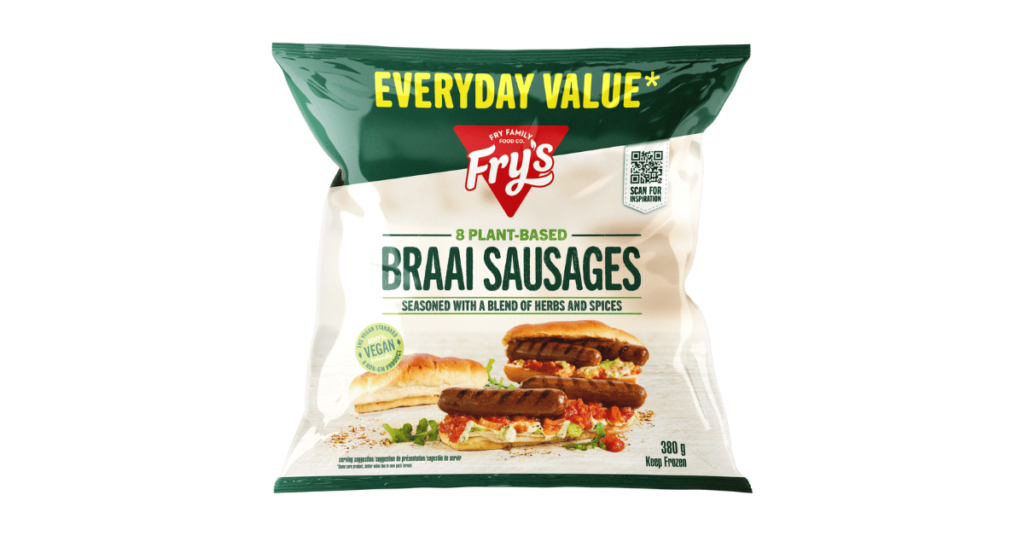
Enjoy smoky vegetable skewers, marinated mushrooms, or gourmet plant-based sausages. They’ll satisfy your braai craving.
Crucially, plant-based eating in South Africa isn’t inherently expensive. Focusing on bulk buying dried staples like legumes and grains, plus seasonal local produce, can help lower your grocery bill a lot.
The Step-by-Step Transition: Your South African Plant-based Eating Roadmap
The most successful plant-based eating transitions are gradual. Trying to go fully vegan overnight can be overwhelming and lead to burnout.
Follow this roadmap for a smooth start to your plant-based eating journey.
Phase 1: The Gradual Approach to Plant-based Eating
Start with an achievable goal.
- Meatless Mondays: Commit to just one fully plant-based day per week. This allows you to experiment with recipes and ingredients without pressure.
- “Crowding Out”: Instead of focusing on what you’re cutting out, focus on adding more plant foods to every meal. Adding spinach to your omelette or lentils to your stew is a great way to eat more plants.
- Stocking Your South African Pantry: Before you make any major swaps, ensure you have the basics. A well-stocked pantry is the foundation of a successful plant-based diet.
Phase 2: Mastering Plant-based Grocery Shopping in South Africa
- Focusing on Fresh Produce: Check out local markets or stalls. They offer the best prices and the freshest seasonal fruits and vegetables in South Africa. Buying what’s in season is a game-changer for flavour and budget. (See the link below for a useful guide).
- Reading Labels: As a beginner, you need to be eagle-eyed. Watch for hidden animal ingredients in processed foods. These include whey, gelatine, casein, and dairy powders. The rise of great “Simple Truth” (Checkers) and “Plant-Based” (Woolworths/PnP) lines makes this easier.
- Key Plant-based Swaps for South African Kitchens:
- Milk: Switch to oat, soy, or almond milk. Oat milk is often the creamiest.
- Meat Alternatives: Soya mince is an affordable, versatile staple. Tofu (especially calcium-set) and mushrooms are fantastic alternatives.
- Cheese Flavour: Nutritional yeast, or “nooch,” gives a cheesy taste. It’s a must for anyone new to plant-based eating.

Phase 3: Basic Plant-based Cooking Skills for Beginners
- Batch Cooking: Dedicate an hour a week to prepare bulk ingredients. Cook big batches of rice, quinoa, and cheap dry pulses like kidney beans or brown lentils. This ensures you have quick-access protein for any meal.
- Flavour Building: The trick to great plant-based food is spice and acid. Use local flavour profiles: curry powders, chilli, smoked paprika, lemon, and vinegar. Try exploring the amazing variety of herbs and spices in South Africa. Don’t hesitate to experiment!
Essential Nutrition: Thriving on a Plant-based Diet in South Africa
A common fear for any beginners’ guide to a plant-based eating focuses on deficiencies.
A balanced, varied plant-based diet offers complete nutrition.
However, focus on these four key nutrients.
Ensuring Adequate Protein on a Plant-based Eating Plan
It’s a persistent myth that it’s hard to get enough protein from plant foods. Protein is abundant in:
- Legumes: Lentils (cheap and easy to cook), chickpeas, black beans, and black-eyed peas.
- Soy Products: Tofu, tempeh, and soya mince.
- Grains and Seeds: Quinoa, oats, hemp seeds, and flaxseeds.
A simple, complete protein meal for a South African beginner could be a bowl of samp and beans or a lentil curry served with brown rice. These traditional dishes are naturally high in protein and fibre.
Key Nutrients for Plant-based Beginners (and Where to Find Them)
- Vitamin B12: This is the most critical supplement. Vitamin B12 is primarily found in animal products and is not reliably present in plant foods. Everyone on a plant-based diet should take a B12 supplement or eat fortified foods regularly. This is non-negotiable for long-term health.
- Iron: Iron-rich plant foods include dark leafy greens (spinach/morogo), lentils, and pumpkin seeds. The key to absorption is pairing them with Vitamin C-rich foods. For example, have your leafy green stew with a glass of orange juice or some tomato relish.
- Calcium: Get your calcium from fortified plant milks, tofu (if set with calcium), kale, and sesame seeds (tahini).
- Omega-3s (ALA): Found in walnuts, chia seeds, and ground flaxseeds. Grind the flaxseeds just before eating them to ensure your body can absorb the Omega-3s.
Vitamin D in South Africa
While our sunshine is plentiful, modern life often means we spend too much time indoors. If you don’t get 15–20 minutes of midday sun on your skin most days, think about taking a Vitamin D supplement. That’s general dietary advice.
For a detailed look at essential nutrients, check the Official South African Dietary Guidelines.
Plant-based Eating in South African Restaurants and Social Settings
Navigating social events and restaurants is often where beginners feel the most anxiety.
Don’t let social pressure derail your commitment to plant-based eating in South Africa.
Navigating Dining Out as a Plant-based Beginner
The landscape of plant-based dining is growing rapidly in South Africa.
- The Power of Asking: Don’t hesitate to ask if dishes are made with butter, cream, or stock. Simple curries, pasta dishes (without cream/meat), and shisanyama sides are often easy to veganise.
- Check for Naturally Plant-based Options: South African menus often have plant-based items like:
- Chakalaka (often made with oil, not lard).
- Pap (maize meal) and Morogo (wild spinach).
- Side salads and vegetable curries (confirm the base is oil or coconut milk).
Plant-based Braais and Gatherings
The braai is a national institution, and you don’t have to miss out!
- Bring Your Own: Take a beautifully marinated dish to share. Plant-based braai favourites include:
- Glazed portobello mushroom ‘steaks’.
- Corn on the cob, wrapped in foil and seasoned.
- Skewer combinations with peppers, onions, tomatoes, and marinated tofu/halloumi alternatives.
- Say it simply: “I’m eating more plant-based foods for my health, so I brought a tasty dish to share!” This keeps the conversation positive and focused on the food.
FAQ: People’s Questions on Beginners’ Guide to a Plant-based Eating in South Africa
We’ve compiled answers to the most common questions beginners have when starting a plant-based diet in South Africa.
Frequently Asked Questions on Plant-based Eating
Is plant-based eating expensive in South Africa?
No. Processed meat substitutes can be expensive. Instead, you can save money by focusing on affordable plant-based staples. Dried beans, lentils, maize meal, oats, peanut butter, and seasonal local produce are all great options. They are much cheaper than a meat-heavy diet.
Where do I get B12 on a South African plant-based diet?
Vitamin B12 needs to come from a good supplement or B12-fortified foods. This includes options like some plant milks and nutritional yeast. It’s not usually found in plant foods.
What is the first thing a beginner should do to go plant-based?
Start with an easy commitment. Make your breakfast 100% plant-based (e.g., oats with fruit and nuts) or commit to Meatless Mondays. Small, consistent wins build momentum.
Can I build muscle on a plant-based diet?
Absolutely. Athletes across every sport thrive on plant-based diets. To get enough calories, eat protein-rich plant foods. Focus on lentils, chickpeas, soy, and whole grains.
How do I get enough iron from plant foods?
Eat iron-rich plant foods (spinach, lentils) along with a source of Vitamin C (citrus, tomatoes, peppers). The Vitamin C dramatically improves iron absorption.
Conclusion: Thriving on Your Plant-based Eating Journey
The choice to move toward plant-based eating is a rewarding step towards a healthier and more sustainable life.
This beginners’ guide shows you easy steps to succeed. It uses the unique abundance and low cost of ingredients in South Africa.
Remember, the goal isn’t immediate perfection; it’s progress. Every plant-based meal you choose is a positive step.
Stock your pantry with affordable staples like pulses and legumes. Enjoy the great variety of South African seasonal produce. Also, don’t forget your Vitamin B12 supplement.
Embrace the flavour, the fun, and the health benefits that come with this exciting new chapter.
Start your plant-based eating in South Africa journey today—you’ll wonder why you didn’t start sooner!