
Traditional South African Plant Foods & Health
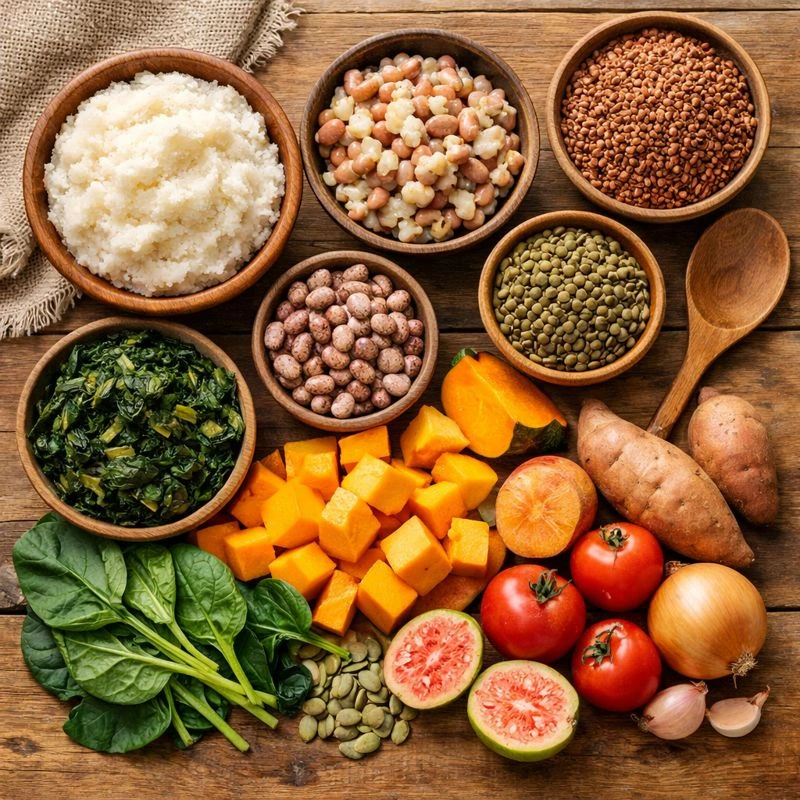
Here’s your guide to traditional South African plant foods & health.
Evidence-Based Nutrition From Indigenous Foods
South Africa boasts a rich food heritage that predates the rise of ultra-processed foods and fast-food culture.
This heritage is also essential in the fight against the rising burden of lifestyle diseases.
Long before refined sugars, white bread, and industrial seed oils were popular, many South Africans ate whole, plant-based foods.
Their diets included grains, legumes, leafy greens, seasonal vegetables, and fruits.
Heart disease, type 2 diabetes, obesity, and digestive issues are all on the rise nowadays. This has sparked renewed interest in traditional South African plant foods.
These foods bring back memories, but they also help our health. They support gut health and can prevent disease.
This guide looks at traditional South African plant foods. It covers their nutritional value and the science behind their health benefits.
You’ll also learn how to prepare them for long-term wellness.
African Diets Before Modern Processed Foods
Before the widespread availability of ultra-processed foods, traditional African diets were essentially:
- Plant-forward or fully plant-based by default.
- High in dietary fibre.
- Based on whole grains and legumes.
- Seasonal, local, and minimally processed.
Animal foods, when consumed, were often occasional rather than daily staples. Meals were centred on maize, sorghum, millet, beans, leafy greens, pumpkins, squashes, and wild vegetables.
These diets align with modern research: high-fibre, whole-food diets. They support gut health and lower the risk of chronic diseases.
What Are Traditional South African Plant Foods?
Traditional South African plant foods differ by region and culture. However, many have common roots.
These foods are still easy to find and affordable. They are also a big part of local food culture.
Core categories include:
- Whole grains
- Legumes
- Leafy greens and wild vegetables
- Root vegetables and squashes
- Indigenous fruits

Maize and Maize-Based Foods: Nutrition and Health
Maize (mielie meal) remains one of the most consumed staple foods in South Africa. Often misunderstood, maize itself is not inherently unhealthy — how it is processed and prepared matters.
Nutritional profile of whole maize:
- Carbohydrates for energy
- Dietary fibre (especially in less refined forms)
- B-vitamins (some lost with refinement)
- Plant compounds that support gut bacteria
Is pap healthy?
From an evidence-based perspective:
- Highly refined white maize meal is lower in fibre.
- Whole or less-refined maize supports better blood sugar control.
- Pairing pap with beans, legumes, and vegetables improves nutrient balance.
Traditional meals such as pap with beans, morogo, or vegetable stews naturally create a more balanced, fibre-rich plate.
Samp and Beans: A Traditional Protein-Fibre Powerhouse
Samp and beans are a highly nutritious dish from South Africa.
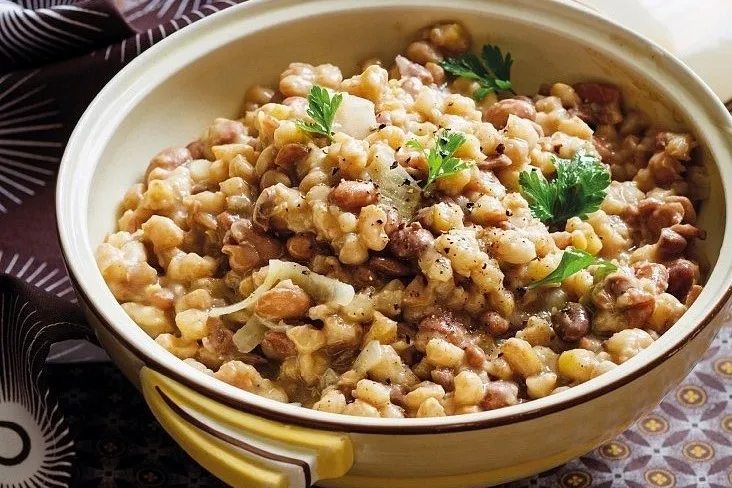
Why samp and beans stand out:
- Combines whole grains + legumes
- High in dietary fibre.
- Provides plant-based protein.
- Supports blood sugar stability.
- Feeds beneficial gut bacteria.
This combination is excellent for gut health. It acts like a prebiotic meal, boosting microbial diversity, which is essential for a healthy gut.
Modern nutrition science consistently shows that legume-rich diets are associated with:
- Lower cholesterol
- Reduced risk of type 2 diabetes
- Improved digestive health
Sorghum and Millet: Ancient African Grains
Sorghum and millet are some of Africa’s oldest grains. Still, they are often overlooked in today’s diets.
Nutritional benefits:
- Naturally gluten-free.
- High in fibre.
- Rich in antioxidants and polyphenols.
- Slower digestion compared to refined grains.
Research shows that sorghum may:
- Improve blood sugar responses
- Reduce inflammation markers.
- Support gut microbial diversity.
Traditional sorghum porridges and fermented foods are often easier to digest. They are also more nutritious than modern refined options.
Morogo and Wild Leafy Greens: Micronutrient Density
Morogo (African wild spinach) and other native leafy greens were key foods in many rural communities.

Nutritional highlights:
- Iron
- Calcium
- Magnesium
- Vitamin A precursors
- Phytochemicals with anti-inflammatory properties
These greens contribute significantly to micronutrient adequacy, especially in plant-based diets. When eaten regularly, leafy greens are associated with:
- Improved cardiovascular health
- Better gut health
- Reduced inflammation
Legumes in Traditional South African Diets
Beans, lentils, and peas were key in traditional meals. They served as primary sources of protein, not just side dishes.
Common traditional legumes include:
- Sugar beans
- Cowpeas
- Bambara groundnuts
- Split peas
From a health perspective, legumes are:
- High in fibre.
- Rich in plant protein.
- Naturally low in saturated fats.
- Strongly linked to longevity.
People who eat legumes often have lower rates of heart disease and metabolic issues.
Root Vegetables and Squashes
Pumpkins, butternut, sweet potatoes, and other root vegetables provided energy, fibre, and micronutrients.
Health benefits:
- Complex carbohydrates for steady energy.
- Beta-carotene and antioxidants.
- Gut-friendly fibre.
Traditional preparation methods — boiling, steaming, and stewing — preserved nutrients without excessive fats.
Indigenous Fruits and Seasonal Eating
Seasonal fruits were part of traditional diets, but not eaten year-round.
Examples include:
- Marula
- Guava
- Wild berries
- Melons
These fruits provided:
- Natural sweetness
- Vitamin C
- Antioxidants
Seasonal consumption helped regulate energy intake and supported metabolic health.
Health Benefits of Traditional South African Plant Foods
1. Gut Health and Fibre Intake
Traditional diets were naturally high in dietary fibre, often exceeding modern intake levels.
Fibre:
- Feeds beneficial gut bacteria.
- Produces short-chain fatty acids.
- Reduces inflammation.
- Improves digestion and regularity.
Modern research strongly supports the role of fibre as a foundational nutrient for health.
2. Blood Sugar Control
Whole grains and legumes digest more slowly than refined foods, leading to:
- Lower blood sugar spikes
- Improved insulin sensitivity
- Reduced diabetes risk
This is especially important in South Africa. Type 2 diabetes is becoming more common there.
3. Cardiovascular Health
Traditional plant foods are:
- Naturally low in saturated fats.
- Free of dietary cholesterol.
- Rich in potassium and antioxidants.
These factors contribute to:
- Lower blood pressure.
- Improved cholesterol profiles.
- Reduced cardiovascular risk
4. Inflammation and Chronic Disease
High-fibre, plant-based diets are associated with:
- Lower inflammatory markers.
- Reduced risk of autoimmune conditions.
- Improved immune regulation.
Many traditional foods contain phytochemicals that actively reduce oxidative stress.
Are Traditional Foods Still Healthy Today?
Traditional foods themselves remain healthy — but modern preparation and context matter.
Challenges today:
- Over-refinement of grains.
- Reduced vegetable intake.
- Excessive addition of salt, sugar, and oils.
- Displacement by ultra-processed foods
How to eat traditional foods healthfully:
- Choose whole or minimally refined grains.
- Combine grains with legumes and vegetables.
- Limit added fats and processed sauces.
- Emphasise variety and balance.
Traditional South African Foods in a Modern Plant-Based Diet
Traditional foods fit naturally into a whole-food plant-based framework.
A balanced traditional plant-based plate:
- Whole grain (maize, sorghum, samp)
- Legume (beans, lentils, peas)
- Leafy greens or vegetables
- Seasonal fruit
This approach aligns with modern dietary guidelines and evidence-based nutrition.
Common Myths About Traditional South African Foods
“Pap is unhealthy”
Pap itself is not the problem — refinement and lack of balance are.
“Traditional foods are old-fashioned”
In reality, they are nutritionally modern and align with current science.
“Plant-based diets are not African”
Plant-forward eating has deep African roots.
FAQs — Traditional South African Plant Foods & Health
Are African diets naturally plant-based?
Historically, many African diets were predominantly plant-based with limited animal foods.
Is pap bad for weight or diabetes?
Refined pap alone may affect blood sugar levels, but when paired with fibre-rich foods, it can fit into a healthy diet.
Can traditional foods support modern health goals?
Yes — when eaten in whole, balanced, minimally processed forms.
Are traditional foods affordable?
Yes, many traditional staples are among the most affordable foods in South Africa.
Final Thoughts: Reclaiming Health Through Food Heritage
Traditional South African plant foods are not old-fashioned. They play a key role in tackling modern health issues.
When prepared thoughtfully and eaten in balanced combinations, these foods support:
- Gut health
- Metabolic health
- Cardiovascular health
- Long-term disease prevention.
Reconnecting with traditional plant foods isn’t a step back. It’s a way to move forward by combining evidence, culture, and sustainability.