
Going Vegan: 90-Day Transition Plan — Your Guide
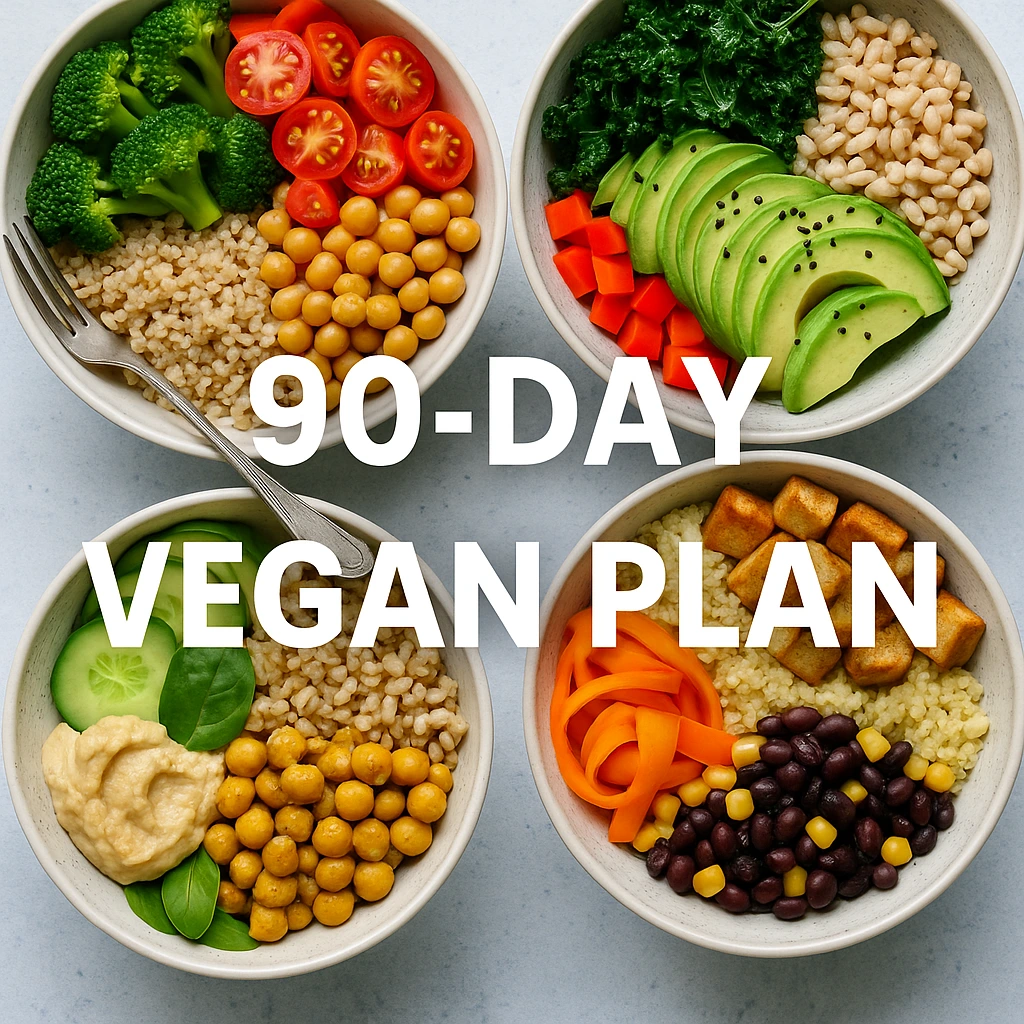
Here’s your step-by-step guide to going vegan.
Thinking of going vegan but not sure where to start?
You’re not alone.
I’ve helped many South Africans, including myself, go from curious to confident.
The truth is, you can build a strong vegan lifestyle in just 90 days.
In this guide, I’ll show you a simple plan. It will change how you shop, cook, eat, and think about food. We’ll do this one week at a time.
Why a 90-Day Vegan Transition Plan Works
Stretching your transition over three months gives you time to learn and adapt. This way, you can build lasting habits.
A gradual approach helps you avoid feeling overwhelmed. It cuts cravings. You can focus on real, whole foods instead of quick fixes.
In 90 days, you’ll master shopping lists, balanced plates, meal prep, and social situations—stress-free and guilt-free.
What “Going Vegan” Really Means
Going vegan means choosing a diet free of animal products — no meat, poultry, fish, eggs, or dairy. I explain this concept further in my article, “how going vegan can improve your health.”
Whole plant-based foods, like grains, legumes, fruits, vegetables, nuts, and seeds, are what you put on your plate instead.
It’s not just about what you cut out — it’s about what you gain: more fibre, antioxidants, energy, and compassion.
Key Nutrients in a Vegan Diet
To thrive on a vegan diet, balance is everything. Here are the essentials I focus on daily:
- Protein: Lentils, beans, tofu, tempeh, edamame, quinoa, and nuts.
- Iron: Found in spinach, chickpeas, and pumpkin seeds — pair with vitamin C foods like oranges or bell peppers to boost absorption.
- Calcium: Fortified plant milks, tofu set with calcium sulfate, sesame seeds, and broccoli.
- Omega-3s: Flaxseeds, chia, hemp seeds, and algae-based supplements.
- Vitamin D: Sunshine when possible, or fortified milks.
- Vitamin B12: The one non-negotiable supplement for every vegan.
Supplements and Simple Lab Checks
While food does most of the heavy lifting, some nutrients need extra help.
I suggest using a good vitamin B12 supplement, especially if you’re vegan. Based on your lifestyle, consider taking vitamin D, iodine (if you don’t use iodised salt or seaweed), and omega-3s from algae.
Ask your doctor to assess your B12 levels if you can. vitamin D, ferritin (iron), and thyroid levels at the start and after 3 months.
Setting Up Your Vegan Pantry
Your pantry is your secret weapon. Stock it once and you’ll save time, money, and stress.
Here’s my South-African-friendly starter list:
- Whole grains: brown rice, oats, maize meal, quinoa, and whole-wheat pasta.
- Legumes: lentils, chickpeas, beans (tinned or dry).
- Plant proteins: tofu, tempeh, peanut butter, tahini.
- Flavour boosters: soy sauce, spices, garlic, onion, lemon, and nutritional yeast.
- Veggies: fresh, frozen, or tinned — whatever fits your budget.
- Fortified plant milks and iodised salt.
The 90-Day Vegan Transition Plan Overview
We divide this plan into three phases, each lasting 30 days. You’ll build new habits week by week — starting small and ending strong.
Learning to drive is a good example. First, you start the engine. Next, you gain confidence behind the wheel. Finally, you’re cruising.
Phase 1 (Days 1-30): Foundation — Start Going Vegan
Week 1: Breakfast & B12 First
Begin by swapping out dairy milk for fortified plant milk in your cereal or coffee. Try oats with soy milk, flaxseed, and fruit. Start your daily B12 supplement. This week is all about awareness — reading labels and realising how easy the first step can be.
Week 2: Legume Lunches
Add beans or lentils to your midday meal. Try a chickpea salad sandwich, lentil soup, or a bean-and-corn wrap. You’ll feel fuller, longer, and boost your iron and fibre without even noticing.
Week 3: Whole-Grain Dinners
Build colourful dinners using the “grain-bean-veg” formula. A simple example: brown rice, stir-fried veg, and tofu drizzled with tahini. Batch-cook for the week to save time and avoid last-minute takeaways.
Week 4: Smart Snacks & Iodine Awareness
Stock healthy snacks — nuts, hummus, fruit, or edamame. Check your salt label for “iodised.” If not, switch to an iodised brand to protect your thyroid health.
Phase 2 (Days 31-60): Skills — Building a Confident Vegan Routine
Week 5: Meal-Prep Power
Dedicate one morning a week to cooking a grain, a legume, and a tray of roasted vegetables. Mix and match these for effortless weekday meals.
The more you prep, the less tempted you’ll be by convenience foods.
Week 6: Flavour & Protein Mastery
Learn how to make your meals pop. Press tofu before cooking, steam tempeh, and use bold flavours like miso, smoked paprika, or lemon-garlic marinades. Once you crack the flavour code, vegan eating feels gourmet.
Week 7: Eating Out & Social Events
Vegan dining is growing across South Africa. Check menus beforehand, ask for plant-based swaps, and keep snacks handy. Don’t apologise for your choice — own it. I’ve learned most chefs love the challenge of creating a vibrant vegan plate!
Week 8: Nutrient Check-In
Review your supplements and diet variety. Are you getting enough legumes, greens, and fortified foods? Consider an algae omega-3 if you’re active. This week is about fine-tuning your routine for long-term success.
Phase 3 (Days 61-90): Optimisation — Living Vegan for Life
Week 9: Performance & Recovery
If you work out or have an active job, focus on your post-workout meals. Try a smoothie made with soy milk, banana, and flaxseeds. Or enjoy a chickpea curry with brown rice. Your muscles need carbs and protein to recover — and plants deliver both.
Week 10: Budget & Batch Scaling
Buy grains and beans in bulk, use seasonal produce, and freeze leftovers.
Affordable vegan eating is all about planning — not fancy ingredients. Remember, samp and beans cost less than chicken and last longer.
Week 11: Troubleshooting Plateaus
Feeling low energy or bloated? Adjust your fibre gradually and check that you’re eating enough calories. Replace processed mock meats with whole foods and keep hydrated. Simple tweaks often fix significant issues.
Week 12: Sustain & Celebrate
Reflect on how far you’ve come. By now, veganism feels natural — not restrictive. Celebrate with a homemade vegan feast or brunch out with friends. You’ve earned it.
Eating Out, Travel, and Social Life
Prep makes everything simple, whether you’re road-tripping on the Garden Route or enjoying a braai.
Look for veggie-rich sides, bring a bean salad or vegan patties, and keep fruit, nuts, or snack bars in your bag. Most restaurants can adapt dishes — ask with kindness and confidence.
Meal-Prep Templates
I like to rotate three base templates:
- Grain + Bean + Veg + Sauce: Think quinoa + chickpeas + roasted peppers + tahini drizzle.
- Soup/Stew + Bread + Side Salad: Perfect for batch cooking and freezing.
- Stir-Fry + Tofu + Noodles: Quick, high-protein, and endlessly versatile.
Troubleshooting Common Mistakes
Don’t worry — everyone stumbles.
Here are common beginner missteps:
- Skipping B12 supplements.
- Eating too little and feeling tired.
- Ignoring iodine (no iodised salt).
- Over-relying on mock meats instead of whole foods.
- Increasing fibre too quickly — ease in gradually.
Vegan on a Budget: Save Time and Money
Plan repeating weekly menus, use frozen vegetables, and prep in batches.
Pressure cookers or slow cookers cut costs and time.
Focus on staples — beans, grains, veggies — not pricey alternatives. Going vegan can be cheaper than an omnivorous diet if you keep it simple.
Going Vegan: 90-Day Transition FAQs.
Can I really go vegan in 3 months?
Yes! By making small weekly swaps, you’ll adjust smoothly and avoid the “all-or-nothing” trap. Three months is enough to rewire habits and feel confident cooking plant-based meals.
Will I get enough protein?
Absolutely. Beans, lentils, tofu, tempeh, soy milk, and nuts all pack plenty of protein. Spread them throughout the day and you’ll easily meet your needs — no protein powders required.
Which supplements do vegans need?
Vitamin B12 is essential for everyone on a vegan diet. Many also benefit from vitamin D, iodine, and omega-3 fatty acids. Consult a medical professional before beginning a new supplement regimen.
How may an iron deficiency be prevented?
How do I avoid iron deficiency?
Pair iron-rich foods (lentils, spinach, beans) with vitamin C sources like citrus or tomatoes. Cooking in cast-iron pans can also boost iron intake.
Is going vegan healthy long-term?
Indeed, as shown to the Academy of Nutrition and Dietetics, a thoughtful vegan diet
Conclusion: Your 90-Day Vegan Next Step
You’ve got everything you need to begin.
Start small — swap your milk, plan a legume lunch, explore new recipes. Keep a journal, celebrate progress, and remind yourself why you started.
Going vegan isn’t about perfection — it’s about progress, compassion, and vitality. Begin today — your 90-day transformation starts with one plant-powered meal.
Helpful Resources
- NHS – Vegan Diet: Fortified Foods and Key Nutrients
- Academy of Nutrition and Dietetics: Official Position on Vegan Diets
- The Vegan Society – Reliable B12 for Vegans
Written by Zama Zincume, founder of EatingPlantBasedZA.com, where evidence meets daily vegan life in South Africa.