
How to Start Eating Plant-Based in South Africa
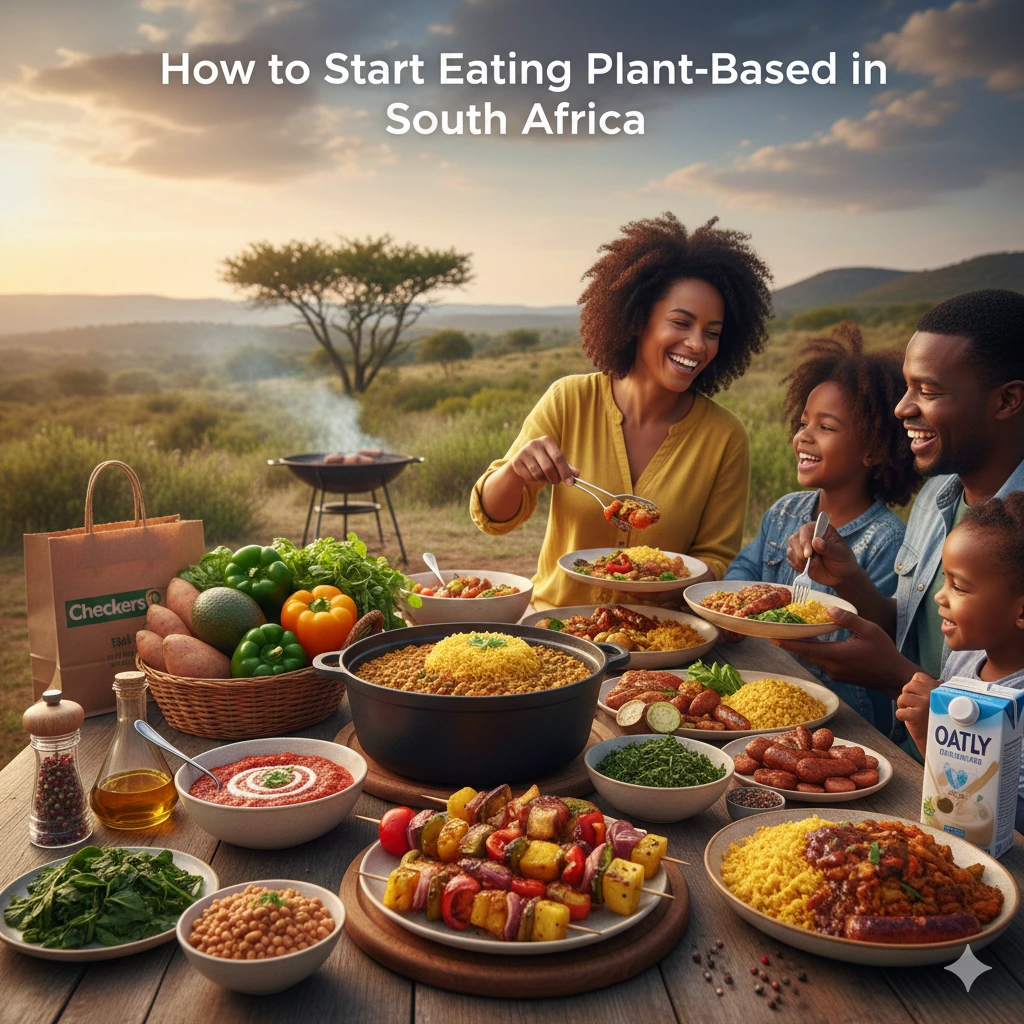
Starting a plant-based diet in South Africa is more popular than ever before.
Whether you live in a big city like Johannesburg or a small town in the Karoo, moving away from meat is a great choice.
Many people think it might be hard in a country that loves a braai, but it is actually effortless. In fact, South Africa has some of the best plant-based foods and traditions in the world!
A “plant-based” diet means focusing on foods from plants. This includes fruits, vegetables, grains, beans, and nuts. Some people go 100% vegan, while others want to eat less meat.
This guide will help you switch to tasty, local, and affordable meals.
The Amazing Benefits of a Plant-Based Diet in South Africa
Eating more plants is one of the best things you can do for yourself and your country.
Better Health for All South Africans
You can feel better and stronger by following a plant-based diet. Research has shown that it can lower the risk of type 2 diabetes and heart disease.
These are big health problems in South Africa. When you eat more fibre from plants, you also manage your weight better and have more energy for your busy day.
Saving Money at the Till
Meat can be costly. However, local staples like brown beans, lentils, and maize meal are some of the cheapest foods you can buy. Using these as your main protein can save you a lot of money on your monthly grocery bill.
Helping Our Environment
South Africa is a water-scarce country. It takes much less water to grow a kilogram of beans than it does to produce a kilogram of beef.
Choosing plants helps save our water and land for future generations. It is a win-win for everyone!
Step-by-Step Guide: How to Start Eating Plant-Based in South Africa
You do not have to change everything overnight.
Here is a simple plan to help you get started:
Start with “Meat-Free Mondays
A great way to begin is to join the Green Monday SA movement. This means you only eat plant-based meals on Mondays. It is an easy way to try new recipes without feeling overwhelmed. Once you feel comfortable, you can add more meat-free days to your week.
Veganize Your Favourite Mzansi Meals
You don’t have to stop eating the food you love. You need to change a few ingredients!
For example:
- Chakalaka and Pap: This is already mostly plant-based. Just ensure you use vegetable stock instead of chicken stock.
- Lentil Bobotie: Use brown lentils instead of minced meat. Add raisins and a yellow turmeric rice for a perfect traditional meal.
- Veggie Stew: Use potatoes, carrots, and beans to make a thick, hearty “potjie” style stew.
Focus on Additions, Not Subtractions
Think about what you can add, not what you can’t eat. Try adding a side of morogo (wild spinach) to your dinner.
Add a handful of seeds to your oats in the morning. By filling your plate with good plant foods first, you will naturally have less room for meat.
Be Kind to Yourself
If you accidentally eat something with dairy or meat, don’t give up! Every plant-based meal makes a difference. Just start again at your next meal.
Shopping List: Top Plant-Based Foods and Brands in South Africa
Shopping for plant-based food in South Africa is now easier than ever.
You can find everything you need at your local supermarket.
Local Supermarket Star
Most major stores have special sections for plant-based eaters:
- Woolworths: Look for the green “Leaf” icon on their packaging. They have amazing dairy-free yoghurts and ready-made meals.
- Checkers: Their Simple Truth range is very affordable. They offer everything from vegan chocolate to plant-based milks.
- Pick n Pay: They stock a wide variety of local and international plant brands.
Best Plant-Based Meat Brands
If you miss the taste of meat, try these local favourites:
- Fry’s Family Food Co.: A world-famous South African brand. Their “polony,” nuggets, and burgers are delicious and easy to find.
- Urban Vegan and Herbi Vōhr: These brands make great “steaks” and “ribs” made from plants.
- Outcast Foods: They make easy-to-prepare burger and falafel mixes.
Essential Pantry Staples
To prepare quick meals, keep these goods in your cupboard:
Legumes
Chickpeas, lentils, and canned or dried beans.

Grains
Brown rice, sorghum, samp, and maize meal (pap).
Plant Milks
Look for almond, soy, or oat milk. The best prices are frequently found for local brands like First Choice, Simple Truth, or Checkers.
Traditional Greens
Purchase fresh imifino or morogo from nearby markets. These are packed with vitamins and iron.

Eating Out: Best Plant-Based Friendly Restaurants in South Africa
Eating out as a plant-based person is fun in South Africa!
Johannesburg vs. Cape Town
Cape Town is often called the “Vegan Capital” of Africa because it has so many plant-only cafes. Johannesburg is quickly catching up. It has many trendy spots, especially in Rosebank and Sandton.

Fast Food Options
According to the ProVeg South Africa ranking, many big chains now have great options:
- Simply Asia: They are currently ranked as the most plant-friendly! Their Chefs can make Thai dishes vegan.
- Spur: Try their “Veggie Burger” or their new vegan-friendly breakfast.
- Steers and Burger King: Both offer plant-based burger patties.
- Kauai: Perfect for healthy wraps and smoothies.
Local Success Stories
For a treat, check out Lexi’s Healthy Eatery or The Fussy Vegan in Randburg. These establishments demonstrate how elegant and satisfying plant-based cuisine can be. When you go out, always check menus for the “V” or “VE” symbols.
Overcoming Challenges: The South African Braai and Social Pressure
The biggest challenge for many South Africans is the braai. It is a big part of our culture. But you don’t have to miss out on the fun!
How to Handle a Braai
- Bring Your Own: Always bring your own plant-based sausages or burger patties.
- Make Veggie Skewers: Use peppers, onions, mushrooms, and pineapple. Grill them over coals after brushing them with barbecue sauce.
- The “Braaibroodjie”: You can still have this! Use dairy-free cheese or fill it with tomato, onion, and chutney.
- Vegetable Potjie: A veggie-only potjie with butternut and beans is often the star of the show.
Dealing with “Silly” Stereotypes
Some people might tease you or ask why you aren’t eating meat.
Just be patient!
Tell them you are trying it for your health or to save money. Often, once they taste your delicious plant-based food, they will want some too.
Remember, about 20% of South Africans are already trying to reduce their meat intake, so you are not alone.
Plant-Based Nutrition: Getting Enough Protein in South Africa
A common question is: “Where do you get your protein?” In South Africa, we have many amazing plant proteins.
Local Protein Sources
- Beans and Peas: Sugar beans, black-eyed peas, and chickpeas are full of protein.
- Indigenous Greens: Morogo and Amaranthus are surprisingly high in protein and iron.
- Nuts and Seeds: Pumpkin seeds and peanuts are great local snacks that keep you full.
- Soy and Tofu: Tofu is like a sponge; it takes on the flavour of whatever you cook it with. Because it has every necessary amino acid your body need, it is a “complete” protein.
The Power of Fortified Foods
Many South African foods, such as certain maize meals and cereals, are “fortified.” This means vitamins and minerals are added to them.
When you drink plant milks, check the label to see if they have added Calcium and Vitamin B12. This helps make sure your body stays strong while you enjoy your new diet.
FAQ: Common Questions About Starting a Plant-Based Diet in South Africa
Is it expensive to eat plant-based food in South Africa?
Not if you focus on “whole foods.” Beans, lentils, and seasonal vegetables are much cheaper than beef or lamb. However, processed “mock meats” can be pricey, so use them as a special treat rather than every day.
Do I have to be 100% vegan to start?
No! You can be a “flexitarian.” This means you eat mostly plants but still have meat occasionally. Every plant-based meal you choose helps your health and the planet.
Can I get enough protein without meat?
Yes, definitely. If you eat a variety of beans, nuts, and grains, you will get more than enough protein. Many of the world’s strongest animals, like elephants and rhinos, only eat plants!
Are there vegan options at Spur or Wimpy?
Indeed! Spur offers burgers and nachos on a special vegan menu. Wimpy frequently serves dairy-free coffee and vegetable burgers. Always request the newest plant-based options from your waiter.
Conclusion: Your Journey to a Healthier Mzansi
Starting a plant-based journey in South Africa is an exciting adventure.
You will discover new flavours, save money, and feel much healthier. Remember to start slow, enjoy our local Mzansi flavours, and don’t be afraid to try new things at your next braai.
Whether you are doing it for your heart, your wallet, or the environment, you are making a great choice.
2 thoughts on “How to Start Eating Plant-Based in South Africa”