
The South African Food-Based Dietary Guidelines (SAFBDG) Impact on Plant-Based Eating
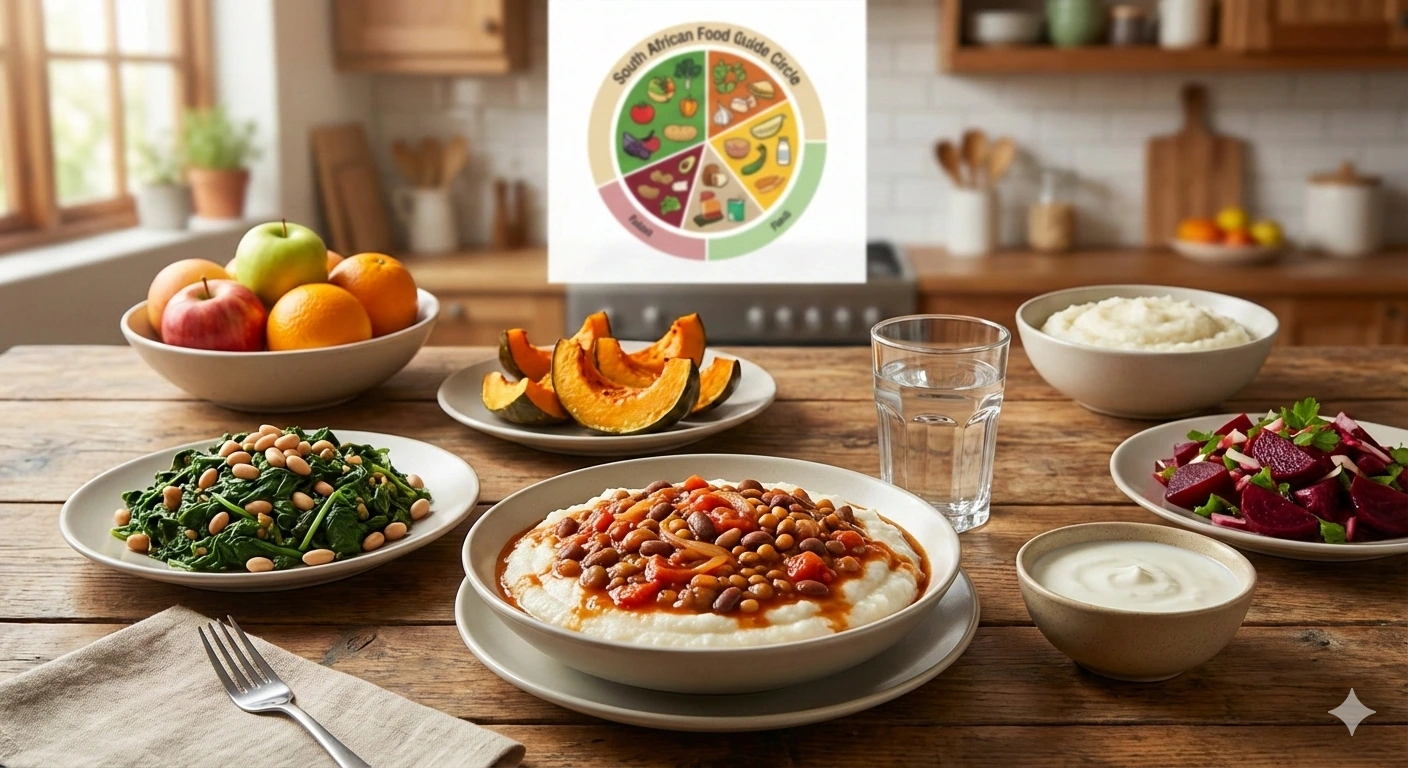
Introduction: What are the South African Food-Based Dietary Guidelines (SAFBDG)?
Learn about SAFBDG’s impact on plant-based eating.
The South African Food-Based Dietary Guidelines, or SAFBDG for short, are a set of simple rules.
These rules help people in South Africa choose the right foods to stay healthy.
The government issued these guidelines because many people became ill from contaminated food.
Some people weren’t getting enough food. Others were eating too much unhealthy food.
In 2012, the experts revised these rules to make them better for everyone.
These guidelines have been developed primarily to reduce the likelihood of developing diseases such as diabetes and cardiovascular disease.
We call these “non-communicable diseases.”
They also want to make sure children grow up strong and healthy.
One of the most significant changes we see today is the focus on plants. More people are looking for ways to eat less meat and more beans, fruits, and grains.
This is why the South African Food-Based Dietary Guidelines (SAFBDG) impact on plant-based eating is such an important topic in 2026.
Transition: To begin, we must examine how these rules help people choose better food for their bodies every day.
The SAFBDG serves as a map. It shows us which foods to eat more of and which to eat less of. By following this map, we can improve our health and help our country.
Many of these rules actually tell us to eat plants. This makes it easier for people who want to try a plant-based diet.
A Breakdown of the 11 Pillars of the SAFBDG
The SAFBDG is built on 11 main pillars.
These pillars are like the legs of a table. They hold up your health. If you follow all of them, your “health table” stays strong.
Many people think these rules are only about meat or milk, but that is not true. Most of these rules focus on plants.
Here are the 11 pillars:
- Enjoy a variety of foods.
- Be active.
- Make starchy foods part of most meals.
- Eat plenty of vegetables and fruit every day.
- Eat dry beans, split peas, lentils, and soya regularly.
- Have milk, maas, or yoghurt every day.
- You can eat fish, chicken, lean meat, or eggs daily.
- Use fats sparingly; choose vegetable oils instead of hard fats.
- Use sugar and sugary drinks sparingly.
- Use salt and salty foods sparingly.
- Drink lots of clean, safe water.
Transition: Furthermore, most of these pillars naturally lean toward a plant-forward lifestyle. For example, Pillar 1 tells us to enjoy a “variety of foods.” This means we should not eat the same thing every day.
In South Africa, we have many different plants we can eat. We have maize, sorghum, and many wild greens. When we eat many different plants, our bodies get different vitamins.
Pillars 3, 4, and 5 are the most important for plant-based eating. They tell us that starch, vegetables, fruit, and beans should be the main parts of our meals.

This shows that the South African Food-Based Dietary Guidelines (SAFBDG) have a powerful impact on plant-based eating.
Even Pillar 8 talks about vegetable oils. This helps people avoid animal fats like butter or lard. By following these 11 rules, you are already halfway to a plant-based diet!
It is a great way to start eating better without feeling like you are missing out.
The South African Food-Based Dietary Guidelines (SAFBDG) Impact on Plant-Based Protein Consumption
When people think about plants, they often worry about protein. They ask, “How will I get strong without meat?”
The SAFBDG has a clear answer for this. Pillar 5 says: “Eat dry beans, split peas, lentils, and soya regularly.” This rule is key to the impact of the South African Food-Based Dietary Guidelines (SAFBDG) on plant-based diets. It tells us that we do not need meat at every meal to get protein.
In South Africa, beans and lentils are very cheap. It is possible to purchase a large bag of dried beans for the same price as a small piece of steak.
These beans are full of protein and fibre.
Fibre is something meat does not have. It helps your stomach stay healthy and keeps you feeling full for longer. Soya is another great plant protein. Many South Africans already eat soya mince. It is easy to cook and tastes like meat if you add the right spices.
Transition: In addition to protein, the guidelines also emphasise energy-rich plant foods. Because protein is expensive, the SAFBDG suggests these plant alternatives to save money.
This is a massive benefit for many families.
In 2026, meat prices rose significantly. Using beans and soya helps families eat well even when money is tight.
Legumes like cowpeas and Bambara groundnuts are also part of this group. These are indigenous to Africa. They grow well in our soil and require little water.
Eating these foods supports the South African Food-Based Dietary Guidelines (SAFBDG). It promotes plant-based eating and helps our local farmers. It is a win-win for everyone!
Starchy Foods: The Foundation of SAFBDG Plant-Based Eating
Starchy foods give us energy.
Pillar 3 says to “Make starchy food part of most meals.”
In South Africa, our most famous starch is maize meal, also called pap. We also eat a lot of bread, rice, and potatoes. These foods are the foundation of our diet.
The South African Food-Based Dietary Guidelines (SAFBDG) focus on plant-based eating. They advise keeping these foods minimally processed.
What does “minimally processed” mean?
It means the food is close to how it grew in nature.
For example, brown bread is better than white bread. Whole maize is better than very refined white maize.
This is because the outer layer of the grain has most of the vitamins.
In South Africa, our maize meal is “fortified.” This means the government adds vitamins and minerals, such as iron and Vitamin A, to it. This helps people stay healthy even if they cannot afford many different foods.
Transition: Using starch as a base is a smart way to eat. It is cheap and filling.
Many plant-based meals use starch as the main ingredient. Think about a bowl of sorghum porridge with fruit or a plate of brown rice with lentils. These are classic plant-based meals that follow the guidelines perfectly.
Sorghum is an ancient African grain that is making a big comeback in 2026. It is very healthy and gluten-free.
Highlighting these starches on your plate supports the South African Food-Based Dietary Guidelines (SAFBDG) for plant-based eating.
Vegetables and Fruit: Maximising the SAFBDG Impact on Health
Pillar 4 tells us to “Eat plenty of vegetables and fruit every day.”
This is one of the most famous parts of the guidelines. We often hear “five-a-day,” which means eating five portions of fruit and vegetables.
In South Africa, we have excellent fresh produce. From Cape apples to KwaZulu-Natal bananas, there is so much to choose from.
The South African Food-Based Dietary Guidelines (SAFBDG) suggest eating “different coloured” vegetables.
Why different colours?
Because different colours mean different vitamins!
Orange vegetables like pumpkins and carrots have Vitamin A. This helps your eyes see in the dark.
Green leafy vegetables, such as spinach or “morogo,” are rich in iron and calcium. Morogo and imifino are traditional African greens. They are often even healthier than the store-bought spinach. They grow wild in many places and are full of nutrients.
Transition: Because these foods are so important, they help fight many sicknesses. They act as a shield for your body.
When you eat plenty of plants, your immune system becomes robust. This helps you fight off colds and other germs.
The SAFBDG wants every South African to have at least two fruits and three vegetables every day. If you are eating a plant-based diet, you will likely eat even more than that!
This is a great way to ensure you are getting all the micronutrients your body needs to stay happy.
Health Benefits: SAFBDG Impact on Non-Communicable Diseases
Eating plants is not just a trend; it is a way to stay alive longer.
South Africa has a big problem with “non-communicable diseases” or NCDs. These are diseases you cannot catch from someone else, like a cold. Instead, you get them from your lifestyle.
Examples include Type 2 diabetes, high blood pressure (hypertension), and heart disease.
The South African Food-Based Dietary Guidelines (SAFBDG) are key for encouraging plant-based diets. This approach helps combat various diseases.
When you eat more plants and less meat, your cholesterol usually goes down.
Cholesterol is a type of fat that can clog your heart. Plants have zero cholesterol! They also have “phytochemicals.” These are tiny helpers that protect your cells from damage.
Research shows that following the SAFBDG and eating plenty of beans and veggies lowers the risk of getting sick.
Double Burden of Malnutrition
We also have a “double burden of malnutrition.”
This means some people are too thin because they don’t have enough food. At the same time, others are too heavy because they eat the wrong foods.
Plant-based eating helps both. It provides high-quality nutrients for children who need to grow. It allows adults keep a healthy weight. Plants are often lower in calories than fatty meats.
Furthermore, these health benefits benefit our entire country. When people are healthy, they can work and take care of their families.
Our hospitals also don’t get as crowded.
The South African Food-Based Dietary Guidelines (SAFBDG) show that plant-based eating is a shared effort, not just for one person.
It is about the health of our whole nation. By choosing a salad or a bean stew over a greasy burger, you are helping yourself and South Africa.
The Economic Impact of SAFBDG on Affordable Plant-Based Eating
In 2026, the cost of living is a significant concern.
Food prices, especially meat prices, have risen significantly. Many people are looking for ways to save money while still eating well.
The SAFBDG provides a perfect solution. The South African Food-Based Dietary Guidelines (SAFBDG.) show that a healthy diet is cheaper.
Think about the price of a kilogram of beef versus a kilogram of dried lentils.
The lentils are much cheaper! Plus, when you cook lentils, they grow in size, making even more food. A small amount of plant protein can feed a large family.
The guidelines encourage people to use these affordable options. They even mention soya. It’s one of the most inexpensive sources of high-quality protein.
Transition: However, saving money is not the only benefit; we must also think of the planet.
When we choose affordable plants, we are often choosing foods that are easier to grow in South Africa.
Maize, beans, and indigenous greens don’t need expensive imports. This keeps our food system strong. It also helps with “food security.” This means that everyone has enough food to eat every day.
By following the plant-based tips in the SAFBDG, families can eat like kings on a budget.
Environmental Sustainability and the SAFBDG Impact
The world is changing, and our climate is getting warmer. To help the earth, we need to change how we eat.
The South African Food-Based Dietary Guidelines (SAFBDG) make plant-based eating a “green” choice.
Growing plants uses much less water and land than raising cows or sheep. In a dry country like South Africa, saving water is very important.
The guidelines align with the Global Sustainable Development Goals (SDGs). These are goals to make the world a better place by 2030.
One goal is to stop climate change. By eating more plants, we reduce our “carbon footprint.” This is the amount of pollution we create.
Animals produce gases that warm up the planet. Plants, on the other hand, help clean the air.
Transition: Plants benefit the earth, so the SAFBDG is focusing on greater sustainability. Legumes like beans are especially significant.
They have a special trick: they put nitrogen back into the soil. This makes the soil healthy for the next crop. This means farmers don’t have to use as much chemical fertiliser.
When you eat a bowl of beans, you are literally helping the soil stay alive! This link between our food and our land is a big part of the South African Food-Based Dietary Guidelines (SAFBDG) impact on plant-based eating.
Addressing Nutrient Gaps in Plant-Based SAFBDG Patterns
While plants are amazing, you have to be careful to get everything your body needs. Some nutrients are harder to find in plants.
One example is Vitamin B12. Products derived from animals are the primary source of this vitamin. You might need to take a supplement or consume meals that have been “fortified” if you only consume plant-based foods.
The SAFBDG mentions that we should have “milk, maas or yoghurt every day.” If you are strictly plant-based, you should look for soya milk that has added Calcium and Vitamin B12.
Iron is another important one. You can find iron in beans and dark green leaves like spinach.
However, plant iron is harder for the body to absorb. The trick is to eat something with Vitamin C at the same time!
For example, add some lemon juice to your spinach, or eat an orange with your beans. This helps your body absorb iron.
Transition: Despite these minor challenges, it is very easy to get a complete diet from plants.
The South African Food-Based Dietary Guidelines (SAFBDG) affect plant-based eating. They ensure staples, such as maize meal, are fortified.
This means even if you don’t eat meat, you are still getting many essential minerals.
Remember to consume a wide range of plant foods to meet all your nutritional needs!
FAQ: Common Questions About SAFBDG and Plant-Based Eating
What are the 11 South African Food-Based Dietary Guidelines?
The 11 guidelines are rules to help you eat well. They include eating a variety of foods, staying active, and having lots of starchy foods, vegetables, and beans. They also advise using less salt, sugar, and fat.
Can you follow the SAFBDG if you are a vegan or a vegetarian?
Yes! Most of the guidelines actually focus on plant foods. Vegans can replace dairy and meat with fortified plant options. Soya milk and legumes are great choices.
Which plant-based foods are cheapest in South Africa?
Dry beans, split peas, lentils, and maize meal are the most affordable. Indigenous greens like morogo are also often free or very cheap.
How do the guidelines help with weight loss?
The guidelines encourage eating high-fibre foods like vegetables and whole grains. These fill you up so you don’t feel hungry, helping you naturally eat fewer calories.
Are plant-based proteins as good as meat according to the SAFBDG?
Yes. The guidelines state that legumes and soya provide high-quality protein. Beans and lentils are key foods to eat regularly. Meat is an option, but not necessary.”
Conclusion: The Future of Plant-Based Eating in South Africa
In conclusion, the South African Food-Based Dietary Guidelines (SAFBDG) greatly influence plant-based eating.
These rules show us that a plant-heavy diet is healthy, affordable, and good for the planet.
By eating more beans, grains, and vegetables, we can protect our hearts and our country’s future.
Whether you want to go fully vegan or eat a bit less meat, these guidelines are your best friend.
Let’s embrace our local, plant-based foods for a better South Africa!