
5 South African Staples That Are Secretly Superfoods
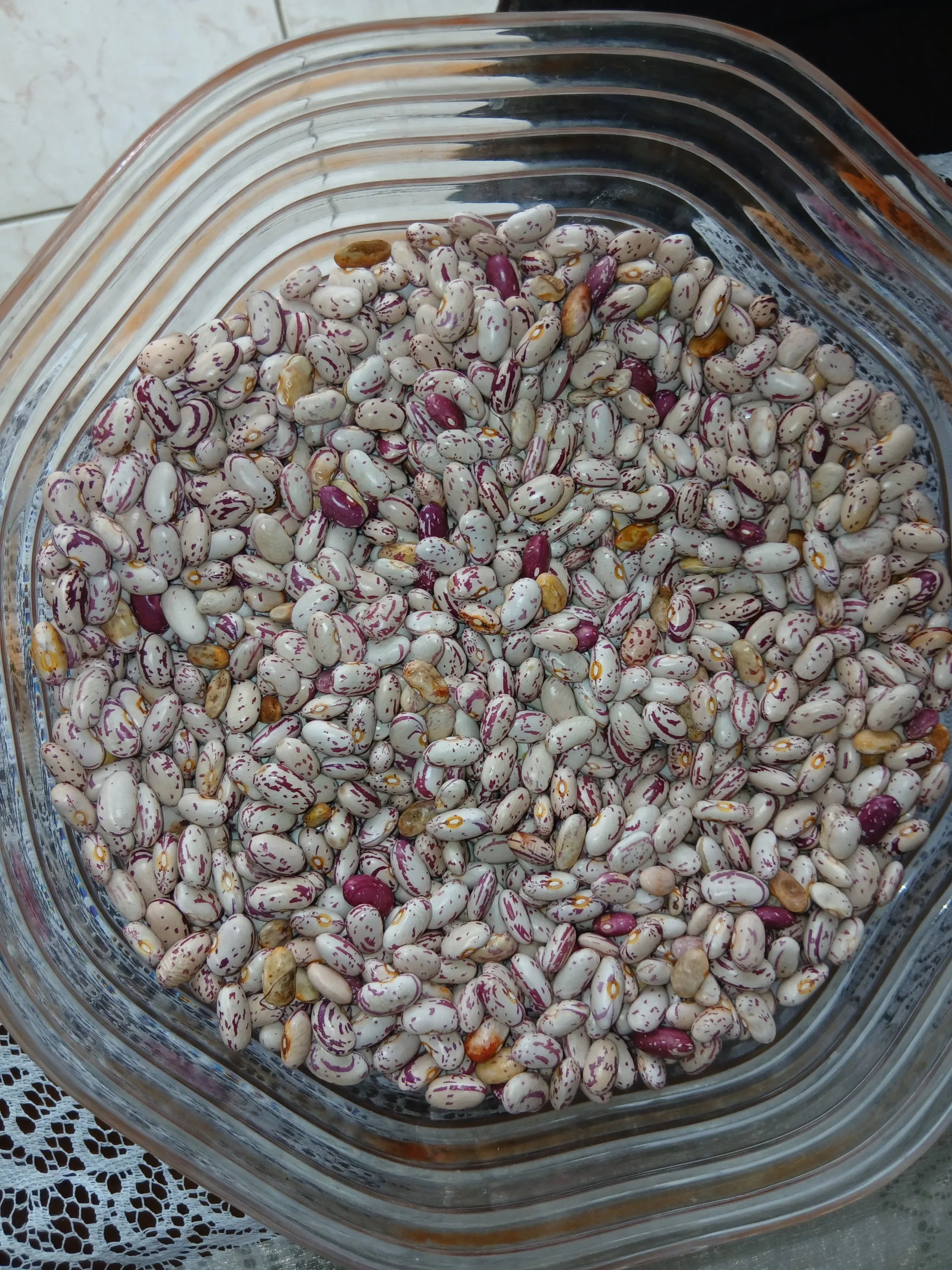
This is your guide to 5 South African staples that are secretly superfoods.
Have you ever walked through the grocery store and felt like “healthy” food was just too expensive?
You see the tiny bags of imported seeds and fancy powders that cost more than a whole week of electricity.
It can make you feel like being healthy is only for people with lots of extra money.
Well, I have some fantastic news for you!
The secret to living a high-energy, healthy life isn’t found in a fancy health shop. It is actually hiding in the basic aisles of your local Shoprite or Checkers.
In South Africa, we have amazing “superfoods” that have been here for generations.
Today, we’ll explore five South African staples. These foods are hidden nutritional powerhouses. These foods are cheap, delicious, and exactly what your body needs to feel its best.
Let’s dive into the “Abundant SA” way of eating!
Sugar Beans: The High-Protein Heart of Mzansi
When most people think of protein, they immediately think of meat.
Sugar beans are among the top plant-based protein sources in South Africa. They are the stars of the show in many of our favourite traditional dishes, and for good reason!
Why they are a superfood
Fibre packs sugar beans. Fibre is essential. It acts like a broom, keeping your digestive system moving smoothly.
It also helps you feel full longer, so you won’t reach for snacks an hour after lunch.
Furthermore, beans are great for your heart because they can help lower cholesterol.
The “Secret” Power
Beans are a “slow-release” energy source.
This means they don’t give you a quick sugar rush and then a crash. Instead, they provide steady energy all afternoon.
To learn more about how different foods give you energy, you can check out this guide on the benefits of fibre for your body.
How to eat them
Don’t just stick to basic bean stew! You can blend them into a creamy dip, toss them into salads, or use them as a wrap filling.
They are the ultimate budget-friendly muscle builder.
Maize Meal (Pap): More Than Just a Side Dish
Almost every South African home has a bag of maize meal in the pantry.
Some people think pap is just “filler” food. It is actually a great energy source, especially when you choose the right kind.
Why is it a superfood
Maize meal is an excellent source of carbohydrates, which are the primary fuel your brain and muscles use to work. But here is the real secret: most of the maize meal in South Africa is fortified.
The government requires companies to add extra vitamins and minerals to the flour. This includes Iron, Vitamin A, and B vitamins.
The “Secret” Power
Pap is naturally gluten-free, which is excellent for people with sensitive stomachs. Plus, when you eat it alongside beans or greens, it creates a complete meal that keeps you strong.
For more information on why fortified foods are essential, read this article about vitamins and minerals for health.
How to eat it
Try making “Pap Fries” by letting your pap cool, then slicing it into sticks and baking it until it’s crispy.
Try a breakfast porridge with peanut butter on top. It gives you a big energy boost in the morning!
Pumpkin and Butternut: The Vitamin A Powerhouses
In South Africa, we love our “boerepampoen” and roasted butternut.
These bright orange veggies are tasty and act like a natural multivitamin for your eyes and skin.
Why they are a superfood
That bright orange colour comes from something called beta-carotene.
Your body changes beta-carotene into vitamin A. This vitamin helps you see in the dark. It also keeps your skin glowing and healthy.
The “Secret” Power
Pumpkin is very low in calories but very high in nutrients. This makes it a “volume food”—you can eat a lot of it to feel full without feeling heavy. It is also great for your immune system, helping you fight off colds and flu during the winter months.
How to eat them
Roast them with a little bit of cinnamon for a sweet treat, or blend them into a thick, creamy soup. You can even use mashed pumpkin in your baking to make your bread and muffins extra moist and healthy!
Cabbage: The Gut-Health Hero of 2026
People used to see cabbage as a “boring” vegetable, but in 2026, it has become the biggest star in the health world!
It’s very cheap, lasts long in the fridge, and helps your gut a lot.
Why is it a superfood
Cabbage is part of the “cruciferous” family, just like broccoli and kale. It contains special compounds that help your liver detoxify your body.
Most importantly, it is a prebiotic. This means it provides the “food” that the good bacteria in your stomach need to survive.
The “Secret” Power
Cabbage contains a lot of vitamin C—sometimes even more than oranges! This helps your body heal wounds and keeps your teeth and gums healthy.
If you want to dive deeper into why these veggies are so good, look at this info on the power of cruciferous vegetables.
How to eat it
This is where our Gourmet Cabbage Steaks come in! Slice the cabbage thick and roast it with oil and spices until the edges char and turn sweet. It turns a humble veggie into a luxury dinner for less than R20.
Peanuts and Peanut Butter: The Healthy Fat Essential
Farmers grow peanuts in South Africa. They are an affordable source of healthy fats and extra protein for your diet.
Why they are a superfood
Your brain consists of about 60% fat, so it needs healthy fats to function correctly!
Peanuts are rich in monounsaturated fats. These are the healthy fats that help protect your heart. They also contain vitamin E, which is an antioxidant that protects your cells from damage.
The “Secret” Power
Peanuts are very satisfying.
Just a spoonful of peanut butter in your porridge or a handful of nuts as a snack can keep you full for hours. It is the ultimate brain food for students and busy workers.
How to eat them
Make a savoury “Peanut Satay” sauce for your roasted veggies, or enjoy a spoonful on a slice of apple.
Please choose peanut butter with little added sugar and no extra oils.
Putting it All Together: The Abundant SA Way.
Now you know these five foods are superfoods. Eating healthy in South Africa can be easy!
When you combine these staples, you get a diet high in protein, rich in vitamins, and very kind to your wallet.
Imagine the following meals:
- Breakfast: Maize meal porridge with a swirl of peanut butter.
- Lunch: A hearty sugar bean salad with roasted pumpkin cubes.
- Dinner: Charred cabbage steaks served over a small portion of pap.
This entire day of food would cost very little, yet your body would get premium fuel.
This is “Abundance”—having plenty of health and flavour without a big budget.
Why Local is Better Than Imported
Sometimes we think that if food comes from far away in a fancy box, it must be better for us.
But actually, eating local staples like the ones we discussed is better for three reasons:
- Freshness: Local food doesn’t have to travel across the ocean, so it keeps more of its vitamins.
- Price: You aren’t paying for expensive shipping or import taxes.
- Community: Buying local supports South African farmers and our economy.
By picking these five staples, you help your body, your bank account, and your country!
Common Mistakes to Avoid
Even superfoods can become less healthy if we don’t prepare them correctly.
Here are three things to watch out for:
- Adding Too Much Sugar: We often add lots of sugar to our pap or pumpkin. Try using cinnamon or a tiny bit of honey instead to maintain the health benefits.
- Overboiling Your Veggies: If you boil cabbage or pumpkin for too long, it can get mushy. This means all the vitamins stay in the water! Try roasting or steaming them instead to retain the nutrients.
- Buying Highly Processed Versions: Choose dried beans instead of canned. Canned beans often have too much salt. Look for natural peanut butter rather than those filled with icing sugar.
Ready to Start Your 21-Day Reset?
If you liked learning about these secret superfoods, you’ll love my new guide. It’s called Abundant SA: The 21-Day Reset.
I have taken these five staples (and a few more!) and turned them into a complete three-week meal plan.
I show you exactly how to shop for these items at your local stores for under R500 a week. You’ll get the grocery lists, the recipes, and the confidence to take control of your health.
Eating plant-based food in South Africa should be a joy, not a luxury. It’s about celebrating the incredible food we have.
What is your favourite way to cook beans or pampoen? Tell me in the comments below! I love hearing your family recipes.
Would you like me to send you my free “R500 Grocery Checklist” to help you on your next shopping trip?
Frequently Asked Questions: Eating Healthy on a Budget in SA
Is maize meal (pap) actually healthy, or is it just “empty” carbs?
In South Africa, maize meal is a fantastic energy source because it is legally fortified. This means it’s boosted with essential nutrients like Iron, Vitamin A, and B vitamins. To make it healthier, limit sugar and butter. Pair it with fibre-rich foods like beans or green leafy veggies (Imifino). This will help keep your blood sugar stable.
Are dried beans better than canned beans?
Both are excellent, but dried beans are the “budget king.” A bag of dried sugar beans is significantly cheaper than cans and contains less sodium (salt). Canned beans save time on busy weeknights. Rinse them well under cold water to remove extra salt.
Can I get enough protein on a 100% plant-based South African diet?
Absolutely! By combining beans, lentils, and peanuts with grains like maize or rice, you create a “complete protein.” This provides all the amino acids your body needs to build muscle and repair tissue. Traditional South African diets have long focused on plants. They are also naturally high in protein.
How do I stop cabbage and beans from making me feel bloated?
This is a common concern! For beans, try soaking them overnight and rinsing them well before cooking. For cabbage, try roasting it (like our Cabbage Steaks) instead of boiling it. Adding spices like ginger, cumin, or fennel helps your digestive system. They make it easier to process fibre-rich foods.
Where is the best place to buy these staples for under R500?
To stay within the Abundant SA budget, buy house brands like Ritebrand or No Name. You can find these at Shoprite, Checkers, or Pick n Pay. Search for local street vendors or “spaza” shops to find seasonal veggies like pumpkin and cabbage. The prices are usually lower, and the produce often comes from nearby farmers!
The full system is inside the book, Eating Plant-Based on a Budget – Second Edition.
About the Author
Zama Zincume is a wellness advocate. He created EatingPlantBasedZA. This platform helps South Africans live healthier, plant-based lives.
Zama faced rising grocery costs and tight budgets for years. So, he created a system. It turns local staples like sugar beans and cabbage into gourmet, high-protein meals.
Zama, located in Pretoria, mixes traditional Mzansi flavours with modern nutrition. You can thrive without a big budget.
Zama loves to cook, especially when making the perfect “pap fry.” When he’s not in the kitchen, he shares budget hacks and meal prep tips. His community on Pinterest and Instagram is growing, with thousands of followers.
Want to join the movement? Follow Zama Zincume on @eatingplantbasedza for daily budget-friendly inspiration.
1 thought on “5 South African Staples That Are Secretly Superfoods”