
Why Is Plant-Based Eating Important?
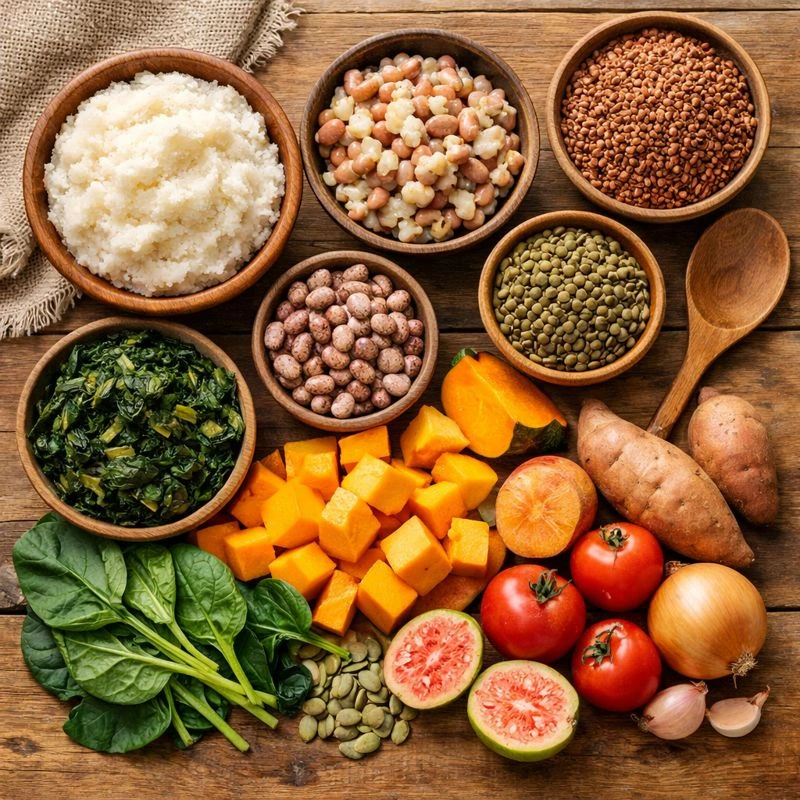
The question at hand, is why plant-based eating important.
Have you ever looked at health trends online and felt like your wallet was crying?
I know I have.
“Healthy eating” often means buying expensive imported berries. It can also mean fancy seeds and costly fake meats.
These can cost more than a whole braai pack.
Let me tell you a secret: real health does not belong to the wealthy.
As a health and wellness expert, I want to share something important.
The best medicine for our bodies is right in our local supermarkets and spaza shops. It is completely plant-based. Best of all, it is affordable.
Our economy is struggling, and rising living costs force everyone to save money. So, taking care of our health is more important than ever.
Today, we are going to dive into why plant-based eating is important for every South African.
We’ll explore the science, clear up common myths, and share a simple trick: the Staple-First Method.
The Silent Health Crisis in South Africa
Before we talk about the food, we need to look at what is happening to our health across the country.
We are facing a massive storm of sickness, and it is holding our families back.
The International Diabetes Federation (IDF) says millions of South Africans have Type 2 diabetes. This affects many people.
In fact, local health groups like the Diabetes Alliance note that diabetes is now one of the top causes of death in our nation.
At the same time, high blood pressure (hypertension) is rising fast. These are not just random numbers on a page. These are our mothers, our fathers, our uncles, and our children.
The Good News: Type 2 diabetes and high blood pressure are not the only illnesses we have to put up with, according to peer-reviewed study. They are often avoidable, manageable, and even reversible.
How?
By altering the foods we eat.
Eating a whole-food, plant-based diet acts as a shield for your body.
When you cut out processed meats and heavy dairy, and focus on plants, your blood vessels relax. Your body becomes much better at handling sugar.
The medical evidence is clear: plants are the key to a long, healthy life.
What Exactly Is the Staple-First Method?
If plant-based eating is so good for us, why isn’t everyone doing it?
Simple.
Because people think it is too expensive.
This is where my Staple-First Method comes in. It is a completely different way of thinking about your food budget.
Many people start meal planning by choosing a piece of meat. Then, they add a vegetable. Finally, they try to figure out how to pay for everything.
With the Staple-First Method, we flip the script. We build the meal around our traditional, deeply rooted South African starches first.
These staples are the heroes of your plate. They are cheap, they fill you up, and they pack you with nutrition. Let’s look at the champion foods you should build your meals around:
- Maize Meal (Pap): The ultimate foundation of South African cooking. It gives you long-lasting energy.
- Sorghum: An ancient African grain that is incredibly rich in iron and antioxidants.
- Samp and Beans: A classic combo that forms a complete protein to keep your muscles strong.
- Amadumbe and Sweet Potatoes: Native root vegetables that are full of healthy fibre and vitamins.
When you start with these items, you fill your belly without emptying your wallet. You don’t start with an expensive salad.
You begin with the hearty, satisfying foods that our ancestors enjoyed for generations.
[Pick Your Staple First: Pap, Sorghum, or Samp] ↓ [Add Your Legume: Brown Lentils or Cowpeas] ↓ [Top with Local Veggies: Morogo or Spinach]
Busting the 4 Big South African Plant-Based Myths
Let’s be honest.
When you hear the words “plant-based eating,” you might think of a few reasons why it won’t work for you.
Let’s tackle those myths directly with some hard facts.
Myth 1: “It is too expensive!”
Buying imported vegan cheeses and processed veggie burgers can be quite pricey. But if you shop using the Staple-First Method, it is actually much cheaper than eating meat.
Food pricing reports from Statistics South Africa show that meat prices can spike heavily due to local animal diseases. Local grains, beans, and lentils are still the cheapest foods available.
Myth 2: “It won’t satisfy my hunger.”
People think plant-based eating means chewing on lettuce leaves all day. No wonder they think they will be hungry! Whole plant foods pack dietary fibre. Fibre is the secret weapon for feeling full. A big bowl of maize meal topped with a hearty brown lentil stew will keep you full and satisfied for hours.
Myth 3: “You won’t get enough protein.”
This is the oldest myth in the book. Where do you think big animals like cows and rhinos get their protein? They get it from plants!
Eating brown lentils, cowpeas, and split peas gives you clean, high-quality protein. Plant protein has no harmful saturated fats. These fats can clog arteries and raise blood pressure.
Myth 4: “It ruins our braai culture.”
In South Africa, a braai is about community, laughter, and coming together. It is not just about the meat.
You can still sit by the fire! Place seasoned sweet potatoes, sweetcorn (mielies), or thick slices of butternut on the grill. You can still enjoy the smoke, the chakalaka, and the gees without hurting your health.
Why Plants Are Best for Your Wallet and Your Body
Let’s look at how choosing plants changes your life on a practical level.
table
When the economy is down, every rand matters.
Think about how much a kilo of beef costs compared to a kilo of dried brown lentils. Lentils are cheap, last for months without spoiling, and expand to feed many.
Switching to plant-based staples saves you money at the supermarket today.
You’ll also save money on medical bills, clinic visits, and chronic medications in the future.
How to Get Started with the Staple-First Method Today
You do not need to change your whole life overnight. Small, steady steps are what create permanent health.
Here is how you can start practising evidence-based, affordable plant-based eating this week:
Step 1: Stock up on the essentials
Stock up on split peas, brown lentils, dried cowpeas, maize meal, and sorghum the next time you visit the store. These are the fundamental building blocks.
Step 2: Bring back the greens
Add local greens like morogo or spinach to your meals. Cook them beautifully with onions, tomatoes, and mild spices. Morogo is packed with calcium and vitamins that protect your eyes and heart.
Step 3: Upgrade your favourite dishes
You do not need to learn completely new recipes. Just swap out the meat. If you love pap and stew, make the stew using brown lentils and carrots instead of beef. If you love samp, cook it with extra beans and a rich tomato gravy.
Final Thoughts: Health Is Your Birthright
Why is plant-based eating important? Because it gives you control over your life, your health, and your money.
We do not have to let Type 2 diabetes and high blood pressure decide our future. We do not have to let a tough economy stop us from feeding our families nutritious meals.
Eating whole plant foods from our African soil can make us strong. It also helps us save money.
Let’s drop the expensive, fancy trends. Let’s look back at our roots, trust the scientific evidence, and put staples first. Your body and your wallet will thank you.
Do you want to learn more about budgeting for healthy meals?
Visit our website for free, easy recipe guides. They’ll help your family use the Staple-First Method!
1 thought on “Why Is Plant-Based Eating Important?”