
Are KOO Baked Beans Good for Blood Sugar Control?
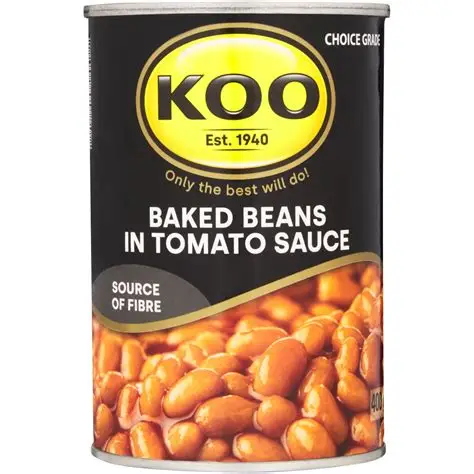
Quick Answer: KOO Baked Beans in Tomato Sauce are a mixed bag for blood sugar control. Small white (navy) beans are great for blood sugar control. They contain resistant starch and about 3.8g of fibre per 100g. KOO’s tomato sauce includes cane sugar and salt. This raises the glycemic index of canned baked beans into the medium range, around GI 40–48. It also increases sodium to about 502mg per 100g. KOO Baked Beans can fit into a blood-sugar-conscious diet. Just eat a half-cup portion. Pair them with protein, vegetables, or a splash of vinegar for the best results. Eating them straight from the tin as a big solo portion isn’t the best choice. They have added sugar and sodium. So, enjoy them in moderation. They’re not a good option for controlling glucose.
Baked beans on toast is about as South African a comfort food as pap and wors. It’s cheap and filling. You can find it in nearly every pantry from Cape Town to Polokwane.
For busy families, it’s often the quickest source of plant protein available. So, when a reader with prediabetes asked me directly, “ZZ, can I still eat my KOO Baked Beans?”
I realised this needed a proper, evidence-based answer instead of just a shrug.
This article explains what’s in a tin of KOO Baked Beans in Tomato Sauce. It also looks at how these beans affect your blood sugar.
Lastly, it shares tips on enjoying them while supporting your glucose control.
This is general nutrition education, not medical advice. If you have diabetes or prediabetes, read this with your doctor or dietitian.
What’s Actually in a Tin of KOO Baked Beans?
Before we talk about blood sugar, it helps to know what you’re eating. According to KOO’s own product listing, the ingredients in Baked Beans in Tomato Sauce are:
Small white beans (61% or more). Tomato sauce (water, tomatoes 26% or more, reconstituted from tomato paste). Cane sugar. Salt (non-iodised). Chemically modified maize starch (E1401/E1422) and spices.
Notice what’s clear: the standard variety has no meat. It contains no dairy and no artificial sweeteners.
Those are only in the “Lite” version, which uses sucralose instead of some sugar.
It’s a simple, mostly plant-based product. But “simple” doesn’t mean it has a low impact on blood sugar.
Cane sugar and salt are important to watch. They affect blood sugar and blood pressure.
KOO Baked Beans Nutrition Facts (per 100g/100ml)
| Nutrient | Amount |
|---|---|
| Energy | 416 kJ / 99 kcal |
| Protein | 5.1 g |
| Carbohydrates | 16.0 g |
| — of which sugars | 7.0 g |
| Fat | 1.0 g |
| — of which saturated fat | 0.2 g |
| Dietary fibre | 3.8 g |
| Sodium | 502 mg |
A standard 410g tin has about 29g of sugar and just over 2,000mg of sodium if eaten all at once. However, most people use it as a side rather than a full meal.
The World Health Organisation advises adults to limit free or added sugar to 25–50g daily. They also recommend keeping sodium intake under 2,000mg each day.
A generous half-tin serving of KOO Baked Beans can eat up a big part of both budgets. This is key to the discussion of blood sugar.
The Glycemic Index of Baked Beans: Better Than You’d Think, Worse Than Plain Beans
Here’s the interesting part: “beans” and “baked beans” affect blood sugar differently.
Plain cooked or canned beans — navy, butter, kidney, and sugar beans — are among the lowest-glycemic-index foods in the human diet. Depending on the variety, they sit somewhere between GI 16 and 39. Navy beans (the base of baked beans) specifically have a GI of around 31–39 on their own. This low number results from three factors:
A tough seed coat that limits how quickly enzymes can reach the starch inside.
Resistant starch that your small intestine can’t fully break down.
A dense mesh of soluble fibre that slows digestion.
Canned baked beans, because of the added sugar in the tomato sauce, test higher — typically GI 40–48. That’s still a “medium” GI food, not high. However, it raises blood sugar more than the beans alone.
Glycemic load — which factors in both the GI and the amount of carbohydrate in your portion — tells a similar story. A half-cup of home-cooked beans usually has a glycemic load of 3–5 (minimal impact).
A full cup of canned baked beans has a glycemic load of 17–21. It behaves more like a starchy carb than a “free” vegetable protein.
None of this makes baked beans a “bad” food. A GI of 40 still puts them below foods like white bread (GI ~75), white rice (GI ~73), or a baked potato (GI ~85).
Baked beans don’t belong in the same “eat freely” group as plain butter beans. They are different from lentils, too.
Why the Fibre and Protein Still Matter
KOO Baked Beans aren’t just a simple “avoid.” They pack 3.8g of fibre and 5.1g of protein per 100g. That means they’re still contributing to your metabolism.
Soluble fibre creates a gel in your gut.
This gel slows how quickly sugar from food enters your bloodstream. This is why beans help reduce blood sugar spikes, even with other carbs.
Protein slows gastric emptying. It also triggers hormones that help control the glucose response.
There’s a fascinating phenomenon in bean research called the “second-meal effect.”
When you eat beans, the resistant starch and fibre ferment in your colon. This takes four to eight hours. It produces short-chain fatty acids.
These acids can improve insulin sensitivity at your next meal.
In other words, the beans at lunch can help flatten your blood sugar response at dinner.
Sugar in the sauce doesn’t negate this effect. It just means the beans aren’t working at their best for blood sugar control.
The Sodium Question (Because Blood Sugar Isn’t the Only Thing at Stake)
KOO Baked Beans contain 502mg of sodium per 100g. This amount is moderate to high for canned food. A half-cup serving, around 130g, has about 650mg of sodium. That’s nearly a third of the WHO’s daily limit of 2,000mg in just one side dish.
This is important for blood sugar management. High blood pressure and type 2 diabetes often occur together. Insulin resistance and sodium-driven hypertension have similar pathways. Many people deal with both conditions at the same time.
The World Health Organisation says most people eat too much sodium. They consume about twice the recommended amount. Canned convenience foods contribute a lot to this. They add the salt during production, so it’s already in the food by the time it reaches your plate.
One tin of beans won’t raise your blood pressure on its own. But small amounts from bread, stock cubes, sauces, and processed meats add up. Soon, your daily total is much higher than it should be.
To cut down on sodium and sugar, drain canned beans. Rinse them under running water for about 30 seconds. This can cut added sodium by up to 40%, with little loss of fibre or protein.
It only takes 15 seconds at the sink, but it can significantly change the meal’s nutritional value. It’s a rare case where a “trick” works and isn’t just wellness folklore.
So, Are KOO Baked Beans Good or Bad for Blood Sugar?
Neither, really — they’re situational. Here’s the honest, balanced verdict:
In favour of KOO Baked Beans for blood sugar control:
- The base legume (navy beans) is genuinely one of the best low-GI, high-fibre foods available
- 5.1g of protein and 3.8g of fibre per 100g both slow glucose absorption
- Medium GI (40–48) is still far better than most convenience carbs — white bread, rice, most breakfast cereals, or a plain baked potato
- Extremely convenient and shelf-stable, which matters for actually sticking to a healthier eating pattern long-term
- The “second-meal effect” of resistant starch and fibre carries forward into your next meal
Against KOO Baked Beans for blood sugar control:
- Adding cane sugar raises the GI compared to plain beans
- 502mg sodium per 100g is high, and sodium and glucose management are often linked concerns
- Chemically modified maize starch (a thickener) classifies the product as ultra-processed under the NOVA food classification systems, even though the core ingredient is a whole legume
- Easy to overeat in one sitting since it’s a soft, spoonable food — portion creep is real
How to Eat KOO Baked Beans If You’re Watching Your Blood Sugar
You don’t have to give up your baked beans on toast.
A few small adjustments make a real difference to the glucose (and blood pressure) impact of the meal:
- Rinse before eating. Tip the beans into a sieve and run them briefly under water. This significantly reduces sodium and slightly dilutes the sugary sauce without ruining the flavour.
- Keep the portion to about half a cup (roughly 130g). This is the difference between a glycemic load in the “modest” range versus the “substantial” range.
- Never eat them alone. Pair with a protein (eggs, tofu scramble, tempeh) and a non-starchy vegetable (spinach, tomato, peppers). Both further blunt the post-meal glucose spike.
- Add acid. A splash of vinegar, a squeeze of lemon, or a spoonful of chutney on the side has been shown to lower post-meal glucose response by roughly 15–25% by slowing starch digestion.
- Choose wholegrain toast over white, or skip the toast altogether and serve the beans over steamed greens for a lower-GI base.
- Watch the “Lite” trade-off. KOO’s Lite version has less sugar (roughly 59 calories per 100g) but leans on sucralose to compensate for flavour — a reasonable option if you’re strictly limiting sugar grams. However, some people prefer to avoid non-nutritive sweeteners altogether. Read the label and decide what fits your own approach.
- Think about timing and what surrounds the meal. A serving of baked beans eaten at breakfast, alongside a walk to work, will be handled differently by your body than the same serving eaten late at night on the couch. Movement after a carbohydrate-containing meal — even ten minutes of walking — measurably improves how your muscles clear glucose from the bloodstream, which is a free, zero-cost lever on top of everything else in this list.
Take Note
To put the portion advice in concrete terms: a typical “beans on toast” serving in most South African households is closer to a full cup (200–250g) than the half-cup this article recommends.
Halving that portion, adding two scrambled eggs or a handful of chickpeas on the side, and swapping white toast for a wholegrain or rye slice turns a medium-to-high-glycemic-load meal into a genuinely moderate one, without asking you to give up the dish you grew up eating.
The Homemade Alternative: More Control, Same Convenience
Making baked beans from scratch helps you enjoy fibre and protein. You get all the benefits without added sugar or too much sodium. You control everything!
This is the idea behind my Sousboontjies (South African Bean Salad) recipe. It’s a classic bean dish. It provides benefits from soluble and insoluble fibre. You can change the amount of salt and sugar to your liking. This way, you’re not stuck with a factory recipe.
Cooking dried beans is simple. You can also spice up canned beans with tomato and onion. This keeps your kitchen blood-sugar-friendly.
If dried beans seem like too much work, try canned beans. Rinse and season butter beans, sugar beans, or red kidney beans. They give you 90% of that homemade “baked beans” flavour without added sugar.
Where Baked Beans Fit in a Bigger Blood-Sugar-Friendly Pattern
One tin of beans won’t change anyone’s glucose control. What matters more is the pattern of what you eat throughout the week.
If you’re worried about blood sugar, read my article. It’s about Diabetes Reversal with a Plant-Based Diet in South Africa. It shows what studies say. Plant-based diets can affect HbA1c levels.
Legumes contain important compounds. One is phytates. You can find phytates in beans, lentils, and grains. For more info, see my Comprehensive Guide to Lectins, Phytates, and Oxalates.
Phytates also show promise for blood sugar control. This adds to the benefits of resistant starch and fibre mentioned earlier.
If you like baked beans in “samp and beans” or “pap and beans,” read my article. It’s about maize. Check it out: The Amazing Health Benefits of Eating Maize in South Africa.
It explains how mixing maize with beans and veggies can help your blood sugar. Just eating maize isn’t as good.
Canned beans are a cheap source of protein. You can get baked or plain. They are great for a budget pantry. For more tips, check the guide here.
For the Men Managing Blood Sugar After 50
For men over 50 who have prediabetes, high fasting glucose, or belly fat that won’t go away, food swaps can help. They do their best when they have a plan. Sleep, muscle mass, and insulin sensitivity should also be important parts of this plan.
My book, The Men’s Blood Sugar Fix After 50, explains the STEADY Method™. It focuses on practical nutrition, movement, and lifestyle changes. These are tailored for men in midlife dealing with blood sugar issues.
It’s normal for this article to make you think more than it answers. It’s a natural next step for you to explore your numbers.
Frequently Asked Questions
Is KOO Baked Beans in Tomato Sauce diabetic-friendly?
In moderate portions, about half a cup, and with protein and vegetables, it’s a good choice. The medium glycemic index and solid fibre content support this.
Eating a lot of added sugar can cause a bigger glucose spike than plain beans.
How much sugar is in KOO Baked Beans?
About 7g of sugar per 100g comes mostly from added cane sugar, not from the beans.
Are baked beans healthier than white bread for blood sugar?
Generally yes. Baked beans have a medium glycemic index (roughly 40–48), while white bread has a much higher one (around 75), meaning bread produces a faster, sharper blood sugar rise for the same amount of carbohydrate.
Should people with diabetes avoid canned baked beans completely?
Not necessarily. Many organisations recommend legumes, including baked beans, in moderation as part of a balanced diet — the key is portion size, rinsing to reduce sodium, and pairing them with protein or vegetables rather than eating them as a standalone starchy side.
Is the “Lite” version of KOO Baked Beans better for blood sugar?
It has less sugar and fewer calories, largely because sucralose replaces some of the sugar. It can be a reasonable option if you’re actively counting grams of sugar. However, it doesn’t fundamentally change the sodium content or the underlying GI mechanics as much as portion control and pairing strategies do.
The Bottom Line
KOO Baked Beans in Tomato Sauce aren’t a health food like plain legumes, but they’re not a food to fear either.
Navy beans provide real blood-sugar benefits thanks to their fibre and resistant starch. Even with the sauce’s added sugar and sodium, these benefits still hold strong.
Treat them like a medium-GI convenience food. Keep portions sensible. Rinse if you watch sodium. Pair with protein and veggies. They can fit on your plate, even if you’re managing blood sugar.