Author: Zama Zincume

Complete Directory of Vegan-Friendly Restaurants in SA

Complete Directory of Vegan-Friendly Restaurants in SA

This page is your one-stop guide to vegan-friendly restaurants in SA. It features over 200 verified listings. You’ll find fully vegan restaurants and trusted spots with clear vegan options. First, you’ll find restaurants organised by province and principal city, making it easy to search near …

Best Plant-Based Foods Rich in Iron & B12: The Essential Guide

Best Plant-Based Foods Rich in Iron & B12: The Essential Guide

Here’s your guide to the best plant-based foods rich in iron & B12. A comprehensive resource for maximising essential micronutrients on a vegan or vegetarian diet. Introduction: Fueling a Plant-Based Diet with Essential Micronutrients Plant-based eating is growing in popularity. Many people are discovering its …

The African Gut Health Diet: How Traditional African Foods Heal Your Microbiome Naturally

The African Gut Health Diet: How Traditional African Foods Heal Your Microbiome Naturally

The African Gut Health Diet: Why Gut Health Matters in Africa Today

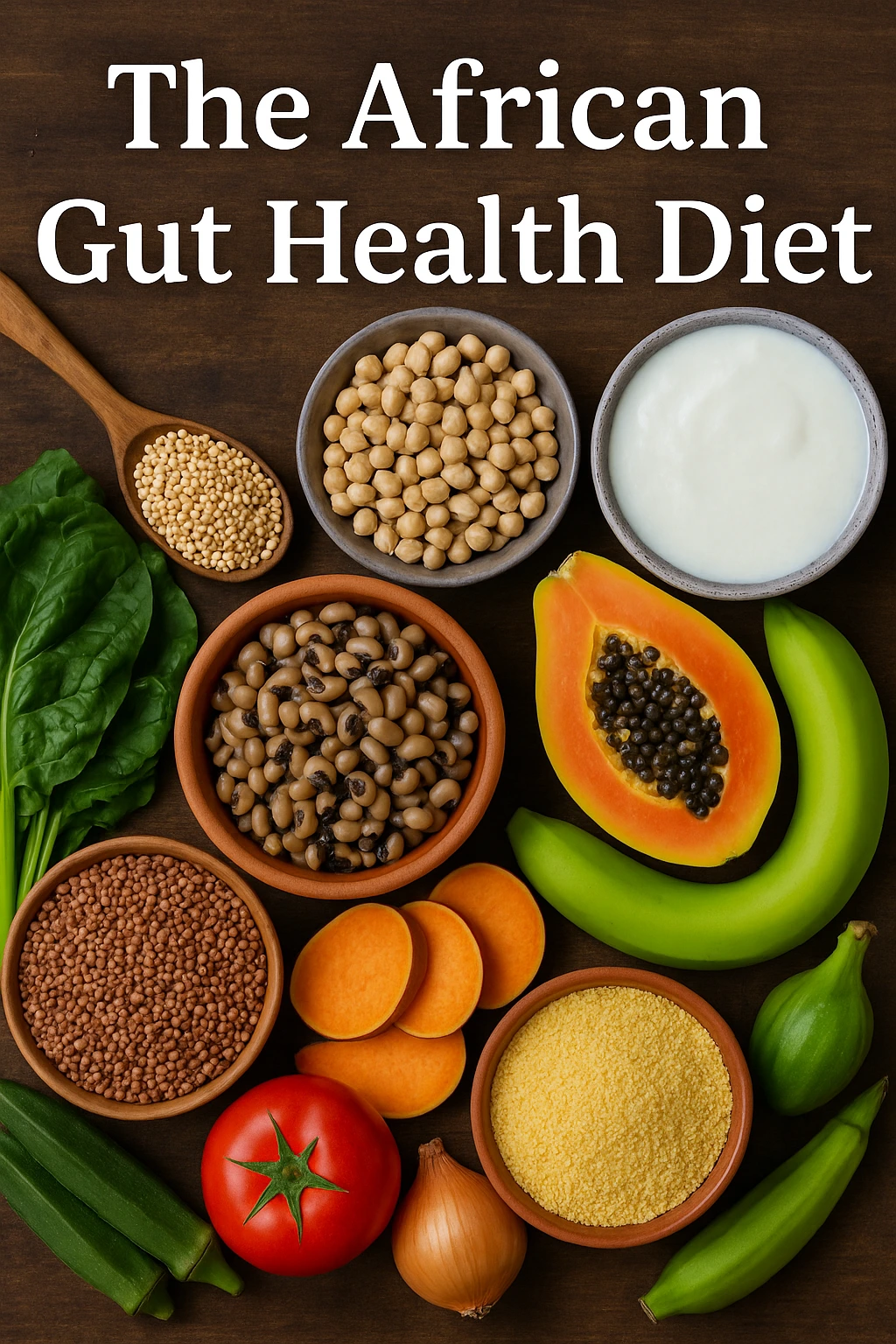
This is your guide to the African Gut Health Diet.

Over the last few decades, many African countries have seen a sharp rise in lifestyle-related conditions like obesity, type 2 diabetes, high blood pressure and autoimmune issues.

At the same time, our plates have slowly shifted away from the traditional African foods our grandparents lived on.

Instead of whole grains, beans and leafy greens, we’re often eating more ultra-processed foods, refined starches, sugary drinks and fast food.

One powerful but often overlooked link in this story is the gut.

Your gut is home to trillions of microorganisms – bacteria, yeasts and other microbes – that together make up your gut microbiome.

These tiny residents help digest food, produce vitamins, regulate immunity, and even influence your mood.

The African Gut Health Diet is really about returning to the foods that naturally nourish this inner ecosystem: our heritage grains, legumes, leafy greens, roots, fruits and fermented foods.

In this article, I’ll walk you through what the African Gut Health Diet looks like in everyday life:

  • Why it works, which traditional foods support a healthy microbiome,
  • and how you can start building gut-friendly African meals for yourself and your family.

What Is the African Gut Health Diet? Definition, Principles & Benefits

Defining the African Gut Health Diet

When I talk about the African Gut Health Diet, I’m not referring to a strict, branded plan.

Instead, it’s a pattern of eating built around traditional African staples that are:

  • High in fibre from whole grains, beans, lentils and vegetables.
  • Rich in natural prebiotics that feed beneficial gut bacteria.
  • Supported by traditional fermented foods that act as probiotics.
  • Low in ultra-processed foods, refined sugar and highly refined oils.

Think of it as a modern, science-backed way of eating that honours African heritage and uses local foods to build a stronger, more resilient gut.

Key Principles of an African Gut Health Diet

Some core principles of this way of eating include:

  • Whole, minimally processed staples: sorghum, millet, maize, brown rice, beans, lentils, cowpeas, black-eyed peas and chickpeas.
  • Plenty of vegetables and leafy greens: morogo/imifino, sukuma wiki, pumpkin leaves, okra, cabbage, carrots, beets and onion family vegetables.
  • Regular fermented foods: amasi/maas, amahewu/mahewu, ogi, and other traditional grain-based fermented drinks and porridges.
  • Healthy fats in small amounts: avocado, nuts, seeds, groundnuts and cold-pressed oils instead of deep-fried fast foods.
  • Limited ultra-processed products: fewer sugary drinks, chips, sweets, processed meats and instant noodles.

When you follow these principles consistently, you create the perfect environment for beneficial gut microbes to thrive, while harmful bacteria and chronic inflammation slowly lose their grip.

African Gut Health Diet vs Westernised Diet in African Cities

In many African cities, it’s now common to see Western-style fast food outlets on every corner.

Traditional meals like samp and beans, millet porridge, lentil stews and morogo are sometimes seen as “poor people’s food” or “old-fashioned”.

Yet, from a gut health perspective, those heritage dishes are pure gold.

A Westernised pattern is often:

  • Low in fibre.
  • High in sugar, salt and refined fats.
  • Loaded with additives and preservatives.

This combination feeds the wrong kind of gut microbes, increases inflammation and is strongly linked with chronic disease risk.

The African Gut Health Diet does the opposite by bringing back whole, fibre-rich, plant-forward meals that our microbiome understands and loves.

The African Gut Microbiome: How Diet Shapes Gut Health

Gut Microbiome Basics – Fibre, Fermentation and Short-Chain Fatty Acids

Most of the fibre you eat doesn’t get digested in your small intestine.

Instead, it travels down to your large intestine, where your gut bacteria ferment it.

During this fermentation process, they produce short-chain fatty acids (SCFAs), including butyrate, acetate, and propionate.

SCFAs:

  • Feed and protect the cells lining your colon.
  • Help regulate inflammation in the body.
  • Support blood sugar balance and appetite control.
  • Communicate with your immune system and even your brain.

A high-fibre African diet encourages the growth of bacteria that produce these health-promoting SCFAs, while a low-fibre, high-sugar diet starves them out.

African Gut Microbiome vs Western Gut Microbiome

Studies comparing rural African communities with Western populations have shown striking differences in the gut microbiome.

People eating traditional, plant-rich diets usually have:

  • Greater microbial diversity (more types of beneficial bacteria)
  • More fibre-fermenting species that thrive on whole grains, beans and vegetables
  • Microbial profiles associated with lower inflammation and better metabolic health

In contrast, a low-fibre, high-processed diet tends to reduce diversity and favour bacteria linked to inflammation and disease.

The message is clear: when we move away from our heritage foods, our gut microbes change too – and not for the better.

What African Gut Research Tells Us

Emerging African microbiome research is confirming what our elders always knew: traditional foods keep people strong.

High-fibre staples, fermented foods and a wide variety of vegetables create a robust gut ecosystem that helps protect against disease.

The exciting part is that when people switch back to a more traditional pattern, the gut microbiome can start improving in a matter of weeks.

You don’t need fancy imported products for this shift. You need to build your meals around the kinds of foods that have consistently grown in our soils.

Traditional African Foods That Power the African Gut Health Diet

High-Fibre African Heritage Grains

African heritage grains are some of the most gut-friendly foods on the planet.

They are naturally rich in fibre, minerals and plant compounds that support microbial diversity.

Key examples include:

  • Sorghum: whole sorghum porridge, sorghum pap, or sorghum flatbreads provide slow-release energy and plenty of fibre.
  • Millet: another gluten-free, fibre-rich grain used for porridges, breads and fermented drinks.
  • Whole maize/mealies: when eaten as whole maize or coarse meal rather than refined white maize, it offers valuable fibre and nutrients.
  • Brown rice and African rice varieties: less processed and more supportive of stable blood sugar and gut health.

Swapping refined starches for these whole grains is one of the simplest ways to start following an African Gut Health Diet.

Cassava, Yams, Plantains and Other Resistant Starch Staples

Roots and starchy staples like cassava, yams, sweet potatoes and plantains can be powerful allies for your microbiome, especially when cooked and cooled.

Cooling allows some of the starch to turn into resistant starch, a type of carbohydrate that “resists” digestion and becomes fuel for gut bacteria.

You might enjoy:

  • Boiled and cooled cassava served with beans and greens.
  • Green plantains are boiled or steamed, then used in stews or salads.
  • Yams or sweet potato pieces are cooked in vegetable-rich soups and curries.

These foods can keep you full, support balanced blood sugar and feed beneficial microbes at the same time.

African Leafy Greens, Vegetables and Fruits for a Diverse Microbiome

The African Gut Health Diet celebrates the incredible diversity of vegetables and fruits available across the continent:

  • Leafy greens: morogo/imifino, sukuma wiki, pumpkin leaves, cowpea leaves, spider plant, and other wild or cultivated greens.
  • Vegetables: okra, pumpkin, carrots, beetroot, cabbage, onions, garlic, tomatoes, peppers and more.
  • Fruits: bananas, pawpaw/papaya, mangoes, citrus fruits, guavas, berries (where available) and local seasonal fruits.

Different colours and plant families bring various types of fibre and polyphenols, which feed different groups of gut bacteria.

The more variety you eat, the more diverse and resilient your microbiome becomes.

Fermented African Foods and Probiotics for Gut Health

Amasi, Maas and Fermented Dairy in African Gut Health

Fermented dairy products like amasi/maas (in Southern Africa) have traditionally been a staple in many households.

They are created by allowing raw or pasteurised milk to ferment naturally with lactic acid bacteria.

These live cultures act as probiotics, helping:

  • Support a healthy balance of gut bacteria.
  • It improves lactose digestion for some people.
  • Modulate the immune system and reduce inflammation.

If you tolerate dairy, a small serving of amasi alongside a high-fibre, plant-rich meal can be a powerful gut-friendly combination.

And if you’re vegan, you can look for or make plant-based fermented options, like homemade yoghurt made with soy, oats, or coconut milk, with added cultures.

Amahewu, Ogi and Other Fermented Grain Drinks

Across Africa, people have long used fermentation to transform grains into nourishing, tangy drinks and porridges such as amahewu/mahewu (fermented maize/sorghum drink) and ogi (fermented cereal pudding typical in West Africa).

These traditional drinks:

  • Introduce beneficial microbes into the gut.
  • Improve the digestibility of grains.
  • May increase the availability of specific vitamins and minerals.
  • Offer a refreshing, low-cost alternative to sugary soft drinks.

Enjoying a small glass of amahewu as a snack, or having ogi for breakfast with fruit, are gentle ways to boost your microbial diversity.

Fermented Vegetables, Condiments and Regional Specialities

In addition to dairy and grain-based ferments, many cultures have their own fermented vegetables and condiments.

These might include pickled vegetables, fermented cassava or plantain products, and locally developed sauces or side dishes.

Each one brings its own mix of microbes to the table.

From a gut health perspective, the exact recipe is less important than the pattern: regularly including small amounts of naturally fermented foods helps keep the microbial community active and dynamic.

How Often Should You Eat Fermented Foods?

You don’t have to eat fermented foods at every meal to benefit.

For most people, including them a few times per week is a great start.

If you’re new to fermented foods, begin with small portions and build up slowly so your digestion can adjust.

Remember that fermented foods work best alongside a high-fibre, plant-forward diet.

They are not a magic fix, but a powerful partner to your daily staples.

Gut Health Challenges in Modern African Lifestyles and How the Diet Helps

Urbanisation, Fast Foods and Ultra-Processed Diets

Rapid urbanisation has changed the way many Africans live and eat.

Busy schedules, long commutes and tight budgets push people towards cheap, convenient food: deep-fried takeaways, sugary drinks, white bread, processed meats and instant noodles.

These foods are often low in fibre and nutrients but high in salt, sugar and unhealthy fats.

Over time, this pattern can:

  • Starve beneficial gut bacteria of fibre.
  • Encourage overgrowth of harmful species.
  • Increase gut permeability (“leaky gut”).
  • Fuel chronic inflammation throughout the body.

Antibiotics, Stress and Sedentary Habits

Beyond diet, modern life brings other gut disruptors.

Frequent courses of antibiotics, high stress levels, poor sleep and sedentary habits can all shift the microbiome in unhelpful directions.

While we can’t control everything, we can take back control of our plates.

Why Returning to the African Gut Health Diet Is Protective

When you rebuild your meals around whole, plant-rich, heritage foods and incorporate fermented dishes regularly, you give your gut microbiome a chance to recover.

Over time, many people notice:

  • Better digestion and more regular bowel movements.
  • Improved energy and more stable moods.
  • Fewer cravings for ultra-processed foods.
  • Possible improvements in markers like weight, blood sugar and cholesterol (especially alongside movement and lifestyle changes).

The African Gut Health Diet is not restrictive or fancy.

It’s simply a conscious return to the roots of African eating – with the benefit of modern nutritional science to back it up.

How to Build a Daily African Gut Health Diet Plate

African Gut Health Breakfast Ideas

A gut-friendly African breakfast doesn’t need to be complicated.

Some simple options include:

  • Thick sorghum or millet porridge topped with banana slices, ground flaxseed and a sprinkle of nuts or seeds.
  • Whole-grain brown bread with mashed avocado and a side of fresh fruit.
  • Ogi or another fermented grain porridge served with fruit and a small portion of amasi (if you include dairy).

Aim for:

  • At least one whole grain.
  • One or two fruits.
  • Some healthy fat (nuts, seeds, avocado) to keep you full.

African Gut Health Lunch and Dinner Ideas

For lunch and dinner, focus on hearty, fibre-packed meals.

For example:

  • Samp and beans with tomato, onion and spinach or morogo.
  • Lentil or chickpea stew served over brown rice, sorghum, millet or whole maize pap.
  • Vegetable-rich curries and stews packed with pumpkin, okra, carrots, cabbage and leafy greens.
  • Grain bowls combining whole grains, beans or lentils, roasted vegetables, and a fermented side.

Snacks, Drinks and Condiments for Gut Health

Snacks are another opportunity to feed your microbiome:

  • Fresh seasonal fruit.
  • Handful of nuts or roasted chickpeas.
  • A glass of amahewu instead of a sugary cool drink.
  • Herbal teas like rooibos, ginger or peppermint rather than energy drinks.

When possible, flavour your meals with onions, garlic, ginger, herbs and spices.

Many of these have gentle prebiotic or anti-inflammatory effects.

Portion Balance on an African Gut Health Diet

A simple way to structure your plate is:

  • Half the plate: vegetables and leafy greens
  • Quarter of the plate: whole grains
  • Quarter of the plate: beans, lentils or other plant proteins (or modest portions of animal protein, if you choose)
  • An optional small side of fermented food

This balance naturally boosts fibre and keeps meals satisfying without overloading your system.

Health Benefits of the African Gut Health Diet: Immunity, Weight and Mood

African Gut Health Diet and Immune System Support

Around 70% of your immune system sits in and around your gut.

When your microbiome is well-fed and balanced, it helps your immune cells identify real threats and stay calm the rest of the time. SCFAs produced by fibre-fermenting bacteria can reduce chronic, low-grade inflammation – a key driver of many lifestyle diseases.

African Gut Health Diet and Weight Management

Because the African Gut Health Diet is naturally high in fibre and low in ultra-processed foods, it tends to be satisfying without being calorie-dense.

High-fibre foods slow digestion, stabilise blood sugar and help you feel full for longer.

Over time, this can support healthy weight management, especially when combined with regular movement.

Gut–Brain Axis: African Gut Health Diet and Mental Wellbeing

Your gut and brain are constantly communicating through nerves, hormones and immune signals.

A balanced microbiome can help produce mood-supporting compounds and regulate stress responses.

While food is not a replacement for professional mental health care, many people report that eating more whole, traditional foods and fewer ultra-processed products helps them feel calmer, more energetic and more balanced.

How to Start the African Gut Health Diet Step by Step

Simple Swaps for an African Gut Health Diet

You don’t need to overhaul everything at once.

Start with a few simple swaps:

  • White bread → brown or whole-grain bread
  • Refined maize porridge → coarse maize, sorghum or millet porridge
  • Sugary breakfast cereals → traditional porridges with fruit and seeds
  • Sugary soft drinks → water, rooibos tea or small amounts of fermented grain drinks

Gradually Increasing Fibre and Fermented Foods

If your current diet is low in fibre, increase it slowly to avoid excessive gas and discomfort.

Add one extra serving of vegetables or beans at a time, and drink enough water to help fibre move through your system.

Introduce fermented foods gradually and pay attention to how your body responds.

Budget-Friendly Tips for Families

The African Gut Health Diet does not require expensive health products.

In fact, some of the most potent gut health foods are also the most affordable:

  • Dried beans, lentils, cowpeas and split peas.
  • Bulk bags of maize meal, sorghum, millet and brown rice.
  • Seasonal vegetables and fruits from local markets.
  • Homemade fermented drinks and porridges.

Cooking in bulk, freezing leftovers and planning simple, repeatable meals can help you feed the whole family well without breaking the budget.

7-Day African Gut Health Diet Sample Menu (Overview)

Example Week of Gut-Friendly African Meals

Here’s a simple example of how an African Gut Health Diet might look over a week:

  • Breakfasts: sorghum or millet porridge with fruit; ogi with seeds and nuts; whole-grain toast with avocado and tomato.
  • Lunches: bean and vegetable stews; lentil curries; grain bowls with brown rice, chickpeas and roasted vegetables.
  • Dinners: samp and beans with leafy greens; sweet potato and pumpkin stews; okra and tomato dishes served with whole grains.
  • Snacks: fresh fruit, nuts, roasted chickpeas, amasi or amahewu, herbal teas.

You can mix and match these ideas based on your culture, budget and taste.

The key is to keep fibre high, variety wide and ultra-processed foods low.

African Gut Health Diet FAQs: Your Top Questions Answered

What is the best African gut health diet plan for beginners?

Start simple: fill half your plate with vegetables, add a quarter plate of whole grains and a quarter plate of beans or lentils. Include fermented foods a few times a week, drink more water, and cut back on sugary drinks and processed snacks. You don’t need perfection – just consistent, small steps.

Which African foods are best for gut health and digestion?

Some of the best choices include sorghum, millet, whole maize, brown rice, beans, lentils, cowpeas, morogo, sukuma wiki, pumpkin leaves, okra, onions, garlic, bananas, papaya, mangoes and naturally fermented foods like amasi and amahewu. The more variety you include, the better.

How long does it take for an African gut health diet to improve inflammation?

Everyone is different, but research suggests that positive changes in the microbiome and inflammatory markers can begin within a few weeks of shifting to a high-fibre, plant-rich diet. Long-term habits matter most, so think in months and years, not just days.

Can I follow the African gut health diet if I’m vegan or mostly plant-based?

Absolutely. In many ways, the African Gut Health Diet is naturally plant-centred. You can enjoy grains, legumes, vegetables, fruits, nuts, seeds and plant-based fermented foods. If you avoid dairy, you can use plant yoghurts and fermented vegetables instead of amasi.

Do I need probiotic supplements on an African gut health diet?

Most people can focus on food first: high-fibre staples plus fermented foods like amasi, amahewu and other traditional ferments. Probiotic supplements may be helpful in certain medical conditions or after repeated antibiotic use, but it’s best to discuss this with a qualified healthcare provider.

The African Gut Health Diet: Bringing Heritage Foods Back to Your Table

The African Gut Health Diet is not a fad.

It’s a science-backed way to return to whole, vibrant foods that have nourished African communities for generations.

By building your meals around local grains, beans, leafy greens, roots, fruits and fermented dishes, you can support a healthier microbiome, stronger immunity and more stable energy – all without giving up flavour or culture.

You don’t have to change everything overnight.

Start where you are, with the ingredients you already know, and let your gut slowly thank you.

If you have complex health issues or take chronic medication, work with a healthcare professional or dietitian who understands both gut health and African food traditions.

Together, you can craft an African Gut Health Diet that fits your body, your family and your lifestyle.

How to Reverse Hypertension on a Plant-Based Diet

How to Reverse Hypertension on a Plant-Based Diet

This is your comprehensive guide to reversing hypertension on a plant-based diet. Hypertension, or high blood pressure, is often called the silent killer. It affects billions around the world. It is a significant risk for serious heart problems, like heart attacks and strokes. Medication is …

Nando’s Vegan Menu South Africa 2026

Nando’s Vegan Menu South Africa 2026

Introduction Did you know that Nando’s South Africa is now one of the most vegan-friendly chain restaurants? I’ll never forget the first time I tried their Great Pretender burger. It changed how I view fast-food plant-based options! Finding plant-based options on Nando’s menu can be …

Best Plant-Based Nuts and Seeds Recipes in South Africa

Best Plant-Based Nuts and Seeds Recipes in South Africa

Fuel your body the WFPB way!

Find the best whole food, plant-based nuts and seeds recipes in South Africa. Enjoy dishes like Dukkah and rusks while discovering their proven health benefits.

Introduction: The WFPB Heroes on the South African Table

South Africa boasts a rich culinary heritage.

Chefs know it for its vibrant flavours and diverse ingredients. There’s also a growing focus on health and sustainability.

Amidst this evolution, the Whole Food Plant-Based (WFPB) diet is gaining significant traction—and for good reason.

It’s a diet centred on fresh fruits, vegetables, whole grains, legumes, nuts, and seeds. It limits or avoids animal products, oils, refined sugars, and refined flours.

At the heart of this diet’s success are nuts and seeds.

Many people underestimate or fear fats because of their content. Fats are essential for living longer, staying heart-healthy, and avoiding diseases.

This article is your go-to guide for the best plant-based nut and seed recipes in South Africa. It’s based on solid evidence.

It will help you add these dishes to your whole-food, plant-based lifestyle.

We’ll explore nutritional science and feature local South African favourites. Plus, we’ll share tasty, oil-free, sugar-free WFPB twists on beloved SA classics.

Tradition and taste may coexist in healthy eating!

The Science Behind the Crunch: Evidence-Based Benefits

Eating nuts and seeds every day is key to the WFPB diet. This advice is based on years of robust scientific research.

These tiny powerhouses pack essential micronutrients, healthy fats, and fibre. They significantly boost health.

The Nutritional Superstars

  • Omega-3 Fatty Acids (ALA): Alpha-linolenic acid (ALA) is abundant in walnuts, chia seeds, and flaxseeds. This is an essential plant-based source of Omega-3 fats. ALA helps lower chronic inflammation in the body. This is important because inflammation drives many non-communicable diseases (NCDs). Consistent consumption of ALA-rich seeds supports The Power of Omega-3 ALA for Heart Health.
  • Heart-Healthy Fats: Whole nuts, like almonds, macadamias, and pecans, are rich in unsaturated fats. This is different from the saturated fats found mainly in animal products and processed oils. These fats can improve cholesterol levels. They lower LDL (bad) cholesterol and reduce the risk of heart disease.
  • Fibre for Gut Health: Nuts and seeds are exceptionally high in dietary fibre, which is vital for the Role of fibre in a Healthy South African Gut. Fibre helps digestion and keeps you regular. It also feeds good gut bacteria. As a result, short-chain fatty acids (SCFAs) are produced. SCFAs are essential for immune function and brain health.
  • Mineral Density: They are potent sources of minerals often lacking in the standard Western diet.
    • Magnesium is key for muscle function, nerve signals, and blood sugar control. You can find it in pumpkin seeds, almonds, and cashews.
    • Zinc: Essential for wound healing and immune system performance (rich in sunflower and pumpkin seeds).
    • Vitamin E is a potent antioxidant. It’s found in high amounts in sunflower seeds. It helps protect cells from damage.

WFPB and Disease Prevention

Studies consistently show that incorporating nuts and seeds into a WFPB eating pattern contributes to lower rates of:

  1. Cardiovascular Disease: Healthy fats, fibre, and antioxidants work together. They help keep arteries flexible and blood pressure in check.
  2. Type 2 Diabetes: The high fibre and healthy fats slow glucose absorption. This helps control blood sugar levels.
  3. Obesity: Many studies show that eating nuts can help with weight management. Even though they are high in calories, nuts are very filling. They keep you feeling full longer.

In summary, choosing whole nuts and seeds over refined oils and saturated fats is a wise WFPB choice. This decision brings substantial, measurable health benefits.

WFPB Nuts & Seeds for the South African Table

The WFPB approach emphasises whole ingredients. We pick whole almonds, not almond oil. We also choose ground flaxseeds instead of flaxseed oil.

South Africa is fortunate to be a significant producer of several world-class nuts. Choosing local is not only sustainable but often more affordable.

WFPB StapleSA Availability/FocusWFPB Use Case
Pecan NutsWidely grown in SA; excellent source of antioxidants.Raw chopping over oats, ground into pie crusts, or used in ‘nut loaf’ recipes.
Macadamia NutsSA is a major global producer and is high in monounsaturated fats.Creamy dairy-free sauces, WFPB ‘cheese’ alternatives, or crumbled salad toppings.
Sunflower SeedsHighly affordable and rich in Vitamin E, Magnesium, and Zinc.The ultimate Cashew alternative for creamy sauces, added to bread doughs, or homemade nut/seed butter.
Pumpkin Seeds (Pips)Excellent source of zinc and protein.Toasted as a snack, sprinkled on pap, or added to salad dressings.
Ground Flaxseeds (Linseeds)Essential for Omega-3 ALA absorption.SA is a major global producer, high in monounsaturated fats.

The WFPB Difference: Always choose raw or dry-roasted, unsalted, and unflavoured varieties. For the best cost and freshness, check out Purchasing Affordable Nuts and Seeds in Bulk in SA.

Recipe Section 1: Savoury Staples

One key part of WFPB cooking is using whole nuts and seeds. They help create rich, creamy textures and bold flavours. Plus, you don’t need refined oils or dairy.

Creamy Sunflower Seed South African Curry Base (Oil-Free)

Many creamy curries rely on coconut cream or dairy. This WFPB recipe features sunflower seeds. They are a cost-effective and nutritious substitute for cashews. This makes them ideal for creating a creamy base in lentil or bean bunny chow.

Sunflower seeds have more protein, fibre, and minerals like magnesium and vitamin E than cashews.

This makes them an excellent option for a WFPB budget.

Ingredients:

  • 1 cup raw, unhulled sunflower seeds, soaked in hot water for 30 minutes.
  • 1 cup water (or vegetable broth).
  • 1 large onion, chopped.
  • 3 cloves garlic, minced.
  • 1 tbsp mild SA curry powder.
  • 1 tsp turmeric.
  • 1/2 tsp smoked paprika (for depth).
  • Juice of 1/2 lemon.
  • Salt-free vegetable bouillon powder, to taste.

Method:

  1. Drain and rinse the soaked sunflower seeds.
  2. In a food processor, blend the soaked seeds with the 1 cup of water until completely smooth. This is your thick, oil-free cream.
  3. Sauté the onion in a splash of water/broth (no oil) until soft, then add garlic, curry powder, and turmeric. Cook for 1 minute until fragrant.
  4. Add the sunflower cream, lemon juice, and bouillon powder. Bring to a gentle simmer after stirring well.
  5. Mix this base with cooked chickpeas, butter beans, or lentils. You’ll get a hearty, authentic, and fully WFPB curry.

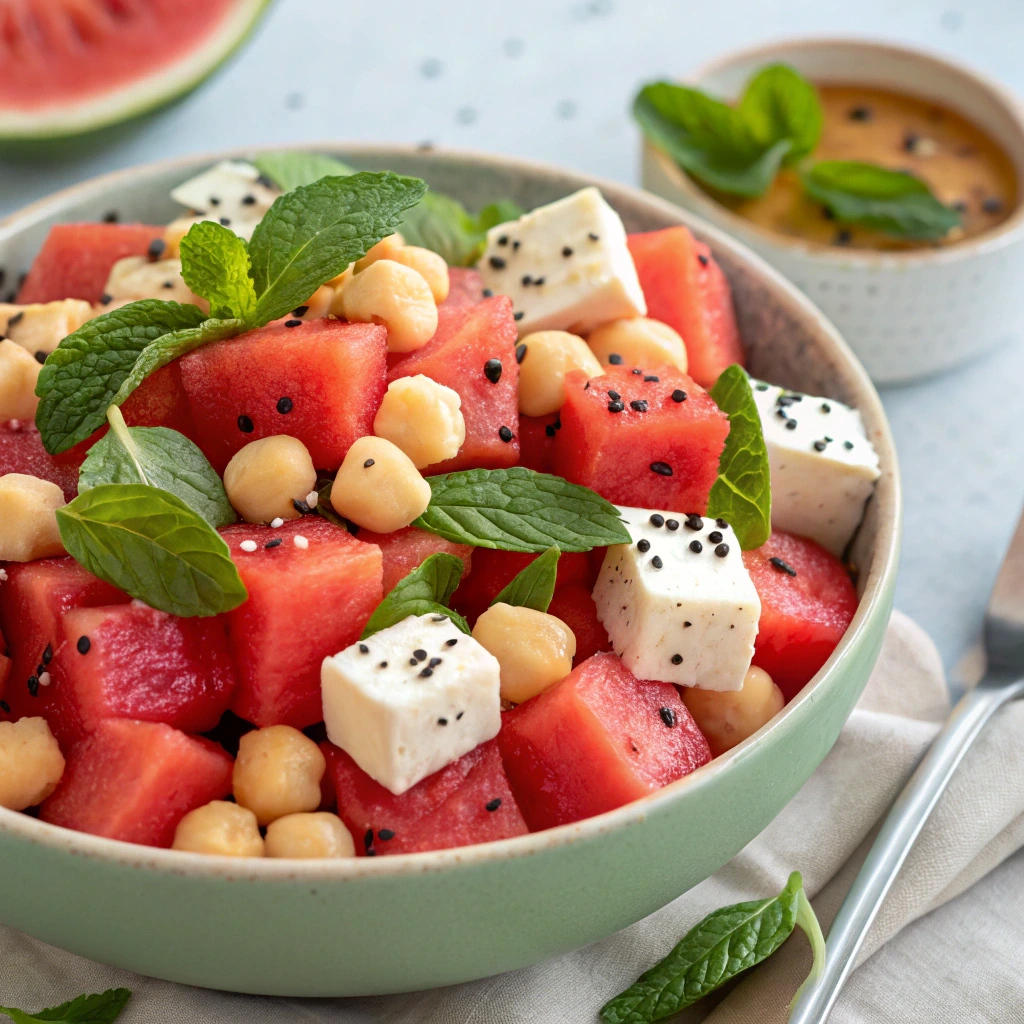
WFPB Macadamia “Feta” & Watermelon Salad

Macadamia nuts, a prized South African crop, are the key to this dairy-free, crumbly “feta.”

Ingredients:

  • 1 cup raw macadamia nuts.
  • 1/4 cup nutritional yeast (for cheesy flavour).
  • 1 tbsp apple cider vinegar.
  • 1 tsp dried origanum.
  • Pinch of garlic powder.
  • 1/2 block of cubed watermelon.
  • Fresh mint leaves.

Method:

  1. Make sure not to overprocess the macadamia nuts into butter; pulse them in a food processor until they crumble finely.
  2. Transfer the macadamia crumble to a bowl. Mix in the nutritional yeast, apple cider vinegar, origanum, and garlic powder. The vinegar and yeast provide the characteristic salty-tangy flavour of feta.
  3. Gently mix the “feta” crumble into the cubed watermelon, then top with fresh mint leaves. Serve immediately.

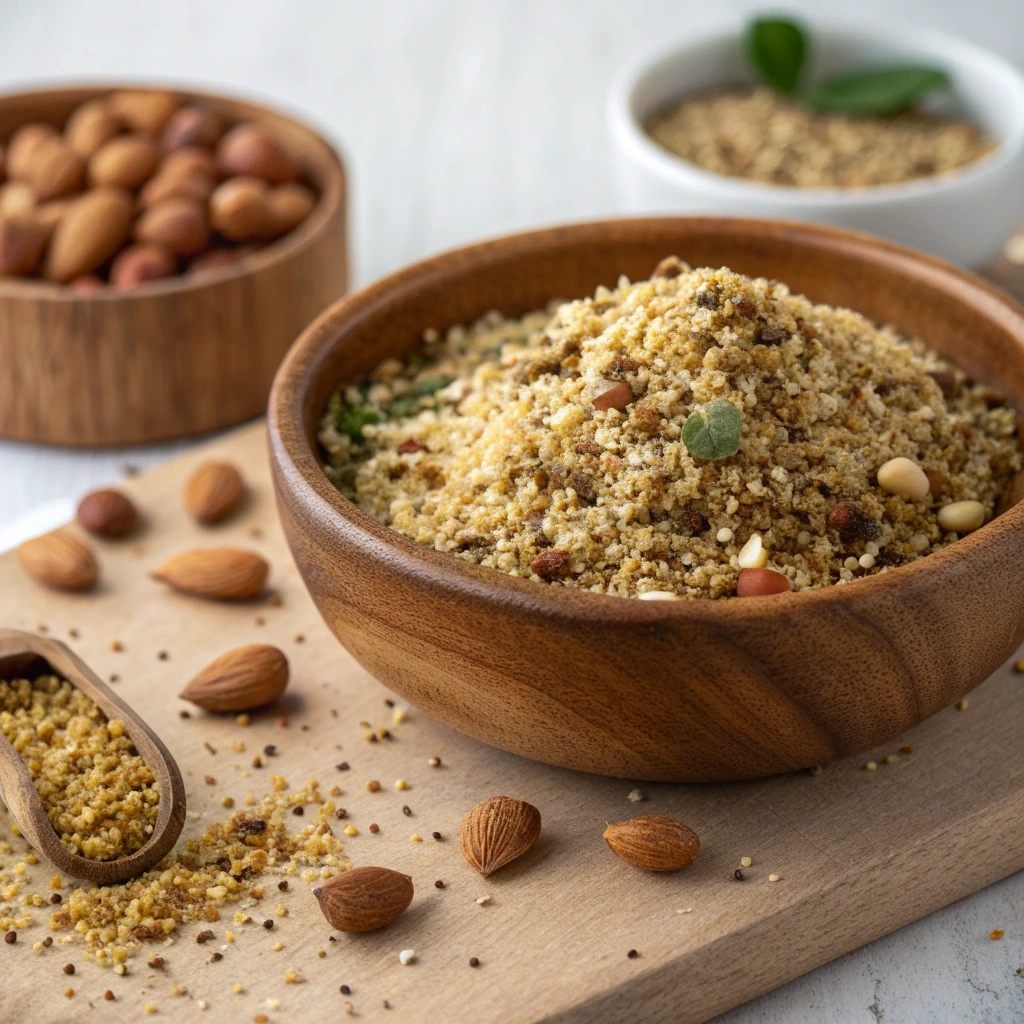
Homemade SA-Style Seed & Nut Dukkah

Dukkah is a fragrant blend of nuts and spices from Egypt. It’s now a popular staple in South Africa.

Homemade SA style seed & nut dukka on a wooden board and a bowl of nuts.

This recipe uses lots of seeds and local spices. It’s a WFPB dish that boosts flavour while keeping sodium low.

Ingredients:

  • 1/4 cup pumpkin seeds (pips).
  • 1/4 cup sunflower seeds.
  • 1/4 cup sesame seeds.
  • 1/4 cup Pecan nuts (or almonds/hazelnuts).
  • 1 tbsp coriander seeds.
  • 1 tbsp cumin seeds.
  • 1 tsp black peppercorns.
  • 1 tsp smoked paprika.

Method:

  1. Dry Toast: In a dry pan over medium heat, combine all the seeds, nuts, cumin, coriander, and peppercorns. Toast, stirring constantly, until fragrant (about 3–5 minutes). The seeds will begin to “pop.”
  2. Remove from heat and let cool completely.
  3. Pulse: Transfer the cooled mixture to a food processor or use a pestle and mortar. Pulse or pound until you have a coarse, rustic crumble—not a fine powder.
  4. Stir in the smoked paprika.
  5. Serve: Sprinkle generously over hummus or roasted veggies like sweet potato or butternut, or mix into a WFPB yoghurt dip.

Recipe Section 2: Sweet & Snack Heroes (WFPB Compliant)

Nuts and seeds are key to making tasty, nutrient-rich sweet treats. They follow the WFPB rule of no added sugar or oil.

Plant-Based Bran Rusks (WFPB Adaptation)

The South African rusk is an icon—perfect for dipping in coffee or tea. This WFPB adaptation swaps out butter, oil, refined flour, and sugar. It uses whole ingredients like bananas, dates, and a potent mix of nuts and seeds instead.

Ingredients:

  • 2 cups whole wheat or spelt flour.
  • One cup of rolled oats.
  • 1 cup wheat bran or oat bran.
  • 1/2 cup pumpkin seeds.
  • 1/2 cup chopped Pecan nuts.
  • 1/4 cup ground flaxseeds.
  • 1 tsp baking soda.
  • 2 large, very ripe bananas, mashed (binder/sweetener).
  • 1/2 cup date paste (made by blending soaked dates with minimal water).
  • One cup of plant milk (almond or soy) without sugar.

Method:

  1. Preheat oven to 180°C.
  2. Combine the dry ingredients (flours, oats, bran, seeds, nuts, flaxseeds, and baking soda) in a large bowl.
  3. Mix the plant milk, date paste, and mashed banana in another bowl.
  4. The liquid mixture should be combined with the dry ingredients. Mix until just combined—it will be a very thick, dense dough.
  5. Press the dough evenly into a lined rectangular loaf pan or tray (this dough is firm, so press hard).
  6. Bake for 35–40 minutes until golden brown and firm to the touch.
  7. The Drying Stage: Let the loaf cool completely. Slice it into traditional rusk fingers. Put the fingers on a baking sheet. Then, please return them to the oven at a low temperature (about 100°C) for 2 to 4 hours. You should scorch them until they are crunchy. Store in an airtight container.

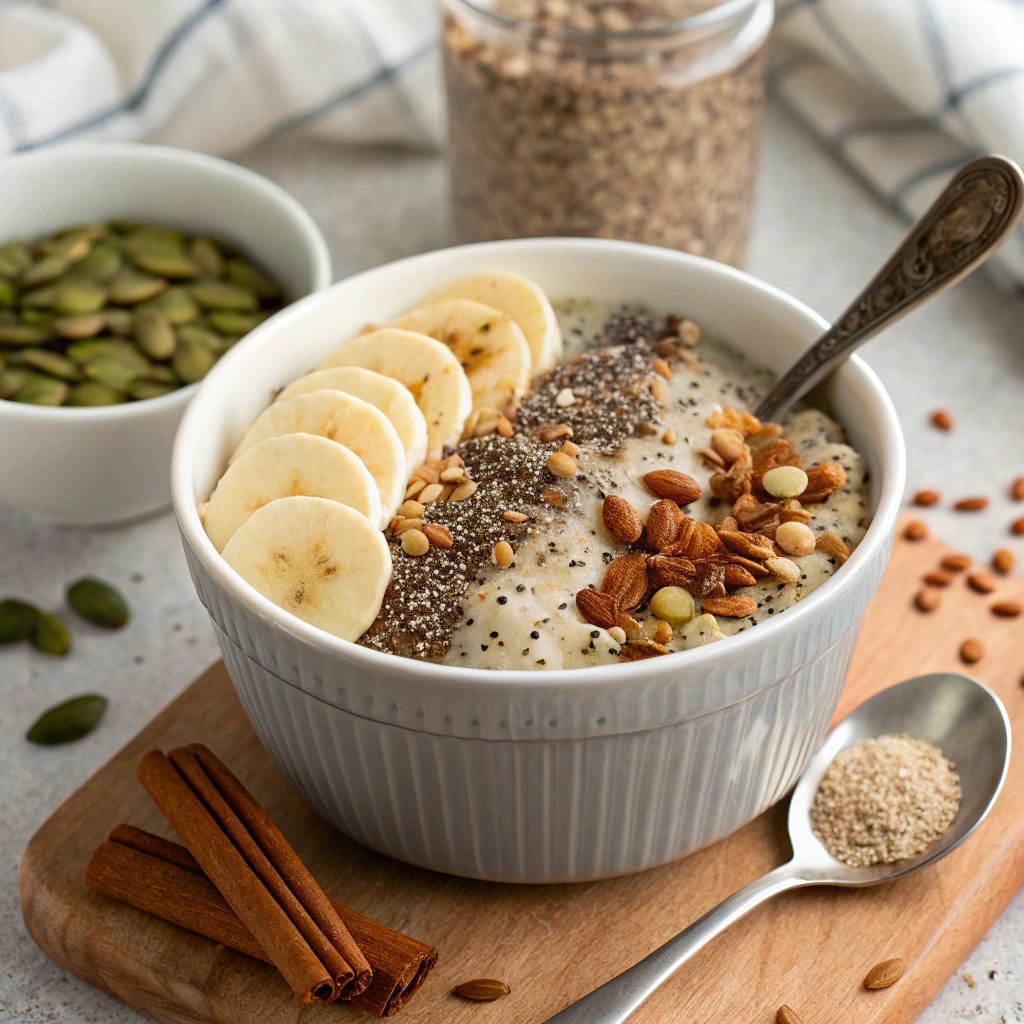
Quick Chia Seed ‘Mielie Pap’ Breakfast Bowl

Quick Chia Seed 'Mielie Pap' Breakfast Bowl in a white bowl with a glass container of chia seeds and a small white bowl of pumpkin seeds.

Traditional mielie pap (maize porridge) is a staple, but it can be low in fibre and Omega-3s. We boost it with chia and flaxseeds to create a true WFPB super-breakfast.

Ingredients:

  • 1/2 cup prepared, cooked mielie pap (or substitute with quick-cooking oats for faster prep).
  • 1 tbsp whole chia seeds.
  • 1 tbsp ground flaxseeds.
  • 1/4 cup mixed nuts/seeds (e.g., pumpkin and sunflower).
  • 1/2 cup plant milk (to desired consistency).
  • 1/2 sliced banana or other fresh fruit.
  • Pinch of cinnamon.

Method:

  1. Combine the warm pap with chia seeds, ground flaxseeds, and plant milk. Stir well. The chia and flax will thicken the mixture rapidly.
  2. Let it stand for 5 minutes.
  3. Top with the mixed nuts/seeds, fresh fruit, and cinnamon. The seeds add important fibre and Omega-3s. They turn a basic starch into a nutritious meal.

Practical Tips for WFPB Success in SA

Adopting a WFPB diet in South Africa is getting easier.

However, to fully enjoy the benefits of nuts and seeds, follow these key practices:

  • Portion Control is Key: Nuts and seeds are calorie-dense. The WFPB philosophy doesn’t limit whole foods. A general serving suggestion is around 30g, which is a small handful, each day. This prevents unintentional high-calorie intake while still delivering maximum nutritional benefit.
  • Soak It Up: Soaking nuts, like almonds and cashews, and seeds, like sunflower and pumpkin, for a few hours helps with digestion. It also boosts nutrient absorption by reducing phytate levels. Consult a Guide to Soaking and Sprouting Nuts for best practice.
  • The Power of Ground Flax/Chia: To truly access the Omega-3 ALA in flaxseeds and chia seeds, you must ground just before use. The whole seeds pass through the digestive system largely intact. When necessary, grind the entire flaxseed in a blender or a tiny coffee grinder, and store it in the freezer.
  • Cost-Effective Swaps: Always remember the cashew/sunflower seed swap. Sunflower seeds are usually much cheaper. They also provide nutritionally similar, if not better, WFPB creamy sauces and dips.
  • Look Local: Use the quality and abundance of South African Macadamia and Pecan Production to find top-notch, local ingredients.

Conclusion

The Whole Food Plant-Based diet isn’t just a trend. It’s a proven way to achieve better health.

Nuts and seeds are essential. They provide Omega-3s, fibre, minerals, and healthy fats. These nutrients help fight chronic diseases.

Using the best plant-based nuts and seeds recipes, like an oil-free curry or a crunchy WFPB rusk, changes more than just your diet. You’re choosing a sustainable, tasty lifestyle that’s great for your body.

Start today by making a simple change.

Use sunflower seed cream instead of dairy in your next savoury dish. Or, add a daily tablespoon of ground flaxseed to your morning pap. Both your sense of taste and your body will appreciate it.

Plant-Based Meat in South Africa

Plant-Based Meat in South Africa

Introduction: The Rise of Plant-Based Meat in South Africa Have you noticed the rise of plant-based meat in South Africa? Let’s talk about it. The South African food landscape is undergoing a silent but powerful revolution. The traditional “braai culture” and meat-heavy diet face a …

The Ultimate Guide to Vegan Retreats in South Africa

The Ultimate Guide to Vegan Retreats in South Africa

Here’s your ultimate guide to vegan retreats in South Africa. Ethical travel is on the rise, and South Africa stands out. It’s a beautiful place in Africa that also cares deeply for its people and environment. For plant-based travellers, a guilt-free getaway is now possible. …

The Latest Vegan News South Africa

The Latest Vegan News South Africa

Plant-based living is taking off worldwide, especially in South Africa’s lively food scene.

The movement is speeding up like never before. It includes big retail chains and creative local startups.

This guide offers the latest Vegan News South Africa. It covers key market trends, new products, and vibrant dining scenes.

It also highlights the ethical reasons why South Africa is a leading plant-based innovator in Africa.

Why Vegan News South Africa Matters Now

The choice to go vegan or eat more plants is growing fast in Mzansi.

People are motivated by ethics, health, or environmental issues. What started out as a specialized trend is now spreading throughout society.

Foodies, business owners, and conscientious consumers should all keep up with the most recent Vegan News South Africa.

South Africa’s vegan market is growing fast. This growth comes from local food traditions, like pap and vegetables, and global trends.

This article is your go-to source for key updates. It highlights the innovation and accessibility of the South African vegan scene.

State of the South African Vegan Market: Key Trends and Data

Analysing the Latest Vegan Market Trends in South Africa

The numbers speak for themselves. The South African vegan Food Market was valued at about USD $89.39 million in 2024. Analysts expect it to grow to over USD $188.60 million by 2033.

This indicates a robust 8.65% Compound Annual Growth Rate (CAGR) for this period. This booming growth trajectory confirms the profound shift in consumer behaviour.

Market analysis indicates that about 10-12% of South Africa’s population are plant-based, vegetarian, or flexitarian consumers (ProVeg, 2024).

Young South Africans are driving the demand for vegan products. Social media influences global trends. This push for accessible and creative options is growing.

Consumer Shifts: Who is Driving Veganism in South Africa?

New data shows that Johannesburg has now surpassed Cape Town as the top spot for ordering vegan food. This shift marks a change from the past, when major metro areas like Cape Town led the movement.

This change shows that veganism is spreading beyond its usual base. It’s becoming a real national trend.

The primary motivations are Animal Welfare (35%), Health (27%), and Environmentalism (21%). Convenience also plays a significant role.

Investment and Growth: Major Players in South African Vegan Food

Investment in the sector is booming.

Major retailers like Woolworths, Pick n Pay, and Checkers are continually expanding their vegan product lines. They set up special sections and launch exclusive lines just for these items.

This retail expansion is key. It will boost the availability and visibility of Vegan Products South Africa for everyday shoppers.

Hot Off the Press: Latest Vegan Product News from South Africa

Exciting New Vegan Product Launches in South Africa

Recent innovations focus on advanced options, moving beyond basic soy and tofu.

  • Plant-Based Seafood: Local producers seek alternatives to canned fish, shrimp, and other seafood. They often use konjac root, soy, or wheat. This follows international trends. This is poised to be one of the hottest upcoming trends in new South African vegan products.
  • Alternative Meats Innovation: The meat-alternative sector remains the largest segment of the market. Companies are now working hard to enhance texture and flavour. They are making plant-based versions of local favourites. This includes biltong and boerewors for the South African braai.

The Rise of Local Vegan Brands in South Africa

Homegrown businesses are the backbone of innovation in the South African Vegan Market.

Brands like The Vegan Chef, known for its gourmet cruelty-free comfort food, are growing in Gauteng and KwaZulu-Natal.

Their expansion includes both physical and dark kitchens. This means tasty, accessible vegan meals are now easier to find than ever.

Retail and Accessibility: Where to Find Vegan Products in South Africa

The accessibility of Vegan Options South Africa is transforming.

Specialised health shops are still important, but supermarkets are now the main battleground.

  • Supermarket Dominance: Private-label vegan lines are growing fast. Brands like Woolworths’ Plant-Based, Checkers’ Simple Truth Plant-Based, and Pick n Pay’s LiveWell offer more choices. Now, oat milk, cashew cheese, and ready-made meals are easy to find. The ample shelf space for vegan products in major chains shows strong market confidence.
  • Convenience Focus: A key trend is the rise of frozen, ready-to-cook plant-based meals. These options cater to the demand for quick, healthy choices. They often feature local flavours like chakalaka and Cape Malay masala.

The South African Vegan Dining Scene: Restaurant News

South Africa’s Top Vegan Restaurant News and Openings

The vegan restaurant scene in South Africa is vibrant and competitive. Long-standing institutions keep their reputation strong. New places are opening, and popular favourites are expanding.

  • Comfort Food Expansion: Restaurants are focusing on familiar, comforting, and cruelty-free dishes. This shows that veganism is about innovation, not sacrifice.
  • Gauteng’s Growth: Johannesburg is seeing a surge in vegan food orders. This change is creating more diverse restaurant choices. It’s also challenging Cape Town’s traditional dominance.
  • Local Flavour Focus: Chefs are now using local ingredients like Sorghum and Amaranth. This connects the modern vegan diet to South African heritage and flavour.

Mainstream Eateries Embracing Vegan Food in South Africa

A clear sign that this trend is popular now is the significant increase in plant-based options at non-vegan chains.

Plant-based main courses and sides at popular fast-food chains grew by over 20% from 2022 to 2023. This trend is likely to keep increasing.

Major coffee shops and fast-casual dining spots now offer many vegan mains and dairy alternatives. This makes them reliable places for everyday vegan choices in South Africa.

Vegan Food Festivals and Events News in South Africa

Events are crucial for community building and product promotion.

The Plant Powered Show started online during the pandemic. Now, it hosts in-person events in big cities. It remains a key showcase for the plant-based sector.

Major retailers often support these interactive events. This shows that Vegan Events South Africa is both popular and profitable.

Ethical and Environmental Vegan News South Africa

Vegan Advocacy and Activism News in South Africa

The ethical foundation of veganism continues to drive much of the Vegan News South Africa.

Animal rights organisations and activists remain pivotal in challenging norms.

A big political fight is happening over a new law from the Department of Agriculture, Land Reform, and Rural Development. This law would allow them to use meat terms, like “burger” and “sausage,” for plant-based products.

Vegan Activism South Africa is strongly against this. They say it confuses consumers and hurts competition. The push for clear rules keeps the debate over ethical food labelling alive.

The Environmental Impact: South Africa’s Shift to Plant-Based

Many South Africans find the environmental reasons for plant-based eating compelling. This is especially true given the country’s severe water scarcity issues.

Vegan diets help cut greenhouse gas emissions. They also reduce environmental footprints.

Local ingredients like Rooibos and Baobab are in demand for functional foods. This shows a strong commitment to health and sustainability.

South Africa’s Growing Vegan Fashion and Lifestyle News

Beyond the plate, the Vegan Lifestyle South Africa is expanding.

Demand for cruelty-free goods grew significantly. Categories such as cosmetics, toiletries, fashion, and household products attracted more interest.

This shows that consumers want to align their purchases with their ethical values.

Frequently Asked Questions (FAQ) about Vegan News South Africa

People Are Asking: Popular Queries about Veganism in South Africa

Here are answers to some common questions about Vegan News South Africa, based on popular searches and community talks:

  • Is Veganism Expensive in South Africa?
    • Speciality mock meats and cheeses can be expensive. But a basic vegan diet is very affordable. Traditional African cuisine is mostly plant-based. It uses affordable staples like beans, lentils, maize (pap), and seasonal vegetables. The low cost of these key ingredients makes veganism easier for lower-income groups. This is especially true when compared to meat prices.
  • How Many Vegans are There in South Africa?
    • Exact numbers for strict vegans can be tricky to find. However, estimates show that vegans, vegetarians, and flexitarians make up about 10-12% of the total population. This number is rapidly increasing, indicating a significant and expanding market.
  • What is the Best Vegan Protein Powder in South Africa?
    • Answer: Local and international brands offer a variety of options. Pea protein and rice protein are popular for their comprehensive amino acid profiles. Choose powders with Vitamin B12. Also, pick those that use local ingredients when you can.
  • Are Vegan Products Available in Small South African Towns?
    • Central cities offer the most choices, but things are changing. More supermarkets are adding plant-based products. Core vegan items like plant milk, basic meat alternatives, and pulses are now easier to find. This is true even in smaller towns. Online retailers also bridge the gap for more specialised goods.
  • Where to Find the Latest Vegan News in South Africa?
    • Reliable sources are industry reports, food and lifestyle magazines, and local advocacy groups.

Future Outlook: What’s Next for Vegan News South Africa?

Predictions for the South African Vegan Movement

The Future of Veganism in South Africa points toward continued integration and innovation.

We expect greater focus on upcycled snacks and drinks made from food waste, such as fruit by-products. This will attract eco-conscious consumers.

Functional foods will grow. This is especially true for those using local superfoods like Baobab and Rooibos. They offer significant health benefits.

The flexitarian consumer will lead market growth. This trend pushes restaurants and retailers to provide tasty, high-quality plant-based options.

These options should appeal to everyone, regardless of dietary choices.

Continued Growth of Vegan News South Africa

South Africa is leading the plant-based movement in Africa to keep the news active.

Expect more product launches and greater investment. Also, ongoing ethical debates will shape the country’s food identity.

Conclusion: Stay Connected to Vegan News South Africa

Vegan News South Africa is growing fast. It’s full of new ideas and is becoming easier to access.

The movement is now a big part of our national culture. It shows in the strong market growth and the rise of tasty, local, plant-based restaurants and products.

Stay informed about the latest trends. Consumers and businesses can be part of the growing movement for ethics, the environment, and good food.

Stay updated with Vegan News South Africa. The revolution is happening, one plant-based meal at a time.

Evidence-Based Plant-Based High-Protein Recipes SA

Evidence-Based Plant-Based High-Protein Recipes SA

Here’s your guide to evidence-based plant-based high-protein recipes SA. The common question, “Where do you get your protein?” on a plant-based diet can stop here. Welcome to the ultimate guide that connects WFPB nutrition to science and links it to the South African pantry. If …