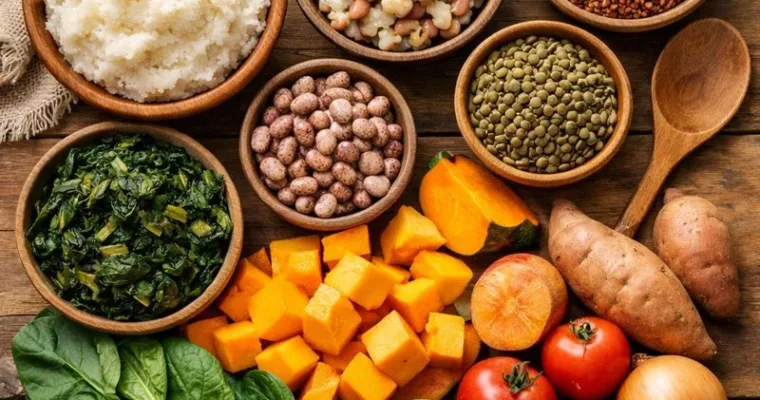
Here’s your guide to traditional South African plant foods & health. Evidence-Based Nutrition From Indigenous Foods South Africa boasts a rich food heritage that predates the rise of ultra-processed foods and fast-food culture. This heritage is also essential in the fight against the rising burden …
Introduction: The Growing World of Vegan Events South Africa Here’s your guide to vegan events in South Africa. Setting the Scene: The Rise of Veganism in South Africa The shift toward a plant-based diet is a global phenomenon, and South Africa is at the forefront …
Many people said they only spend a small amount, often under R60, on plant-based products. As a result, price was one of the main reasons people did not buy these foods more often (Mhlongo, 2024).
Product Compliance: Are Labels and Rules Followed?
Next, the research looked at product compliance.
This means checking whether plant-based foods comply with South African food laws. These laws cover labels, ingredients, and health claims.
The study showed that some products met the rules, but others did not.
For example, some labels were unclear or missing important information.
As a result, consumers may feel confused or unsure about what they are buying.
Transparent and honest labels matter. This is key for people with allergies or special diets (Mhlongo, 2024).
What Manufacturers Say
The research also asked manufacturers about their experiences. Many producers said that making plant-based foods is challenging. Ingredients can be expensive, and there is intense competition from big brands.
Manufacturers saw growth opportunities, too. More people show interest in health and sustainability.
Manufacturers said they need more precise guidance. They also want more substantial support in complying with food laws.
Clear rules help products improve. They also build trust between companies and consumers (Mhlongo, 2024).
Key Takeaways from the Study
To sum up, the 2024 KwaZulu-Natal study shows three important points:
People are interested in plant-based foods, but price limits how often they buy them.
Some products do not fully follow food rules, which can confuse shoppers.
Manufacturers see growth potential, but they need more straightforward rules and more substantial support.
The study finds that better regulation could help plant-based foods in South Africa.
Education and affordable options are also important (Mhlongo, 2024).
Why This Research Is Useful for the Future
Finally, this research is important for policymakers, businesses, and everyday shoppers.
It provides local evidence to guide better food policies and smarter product choices.
This study gives clear insights into plant-based food in South Africa. It covers consumption, compliance, and production.
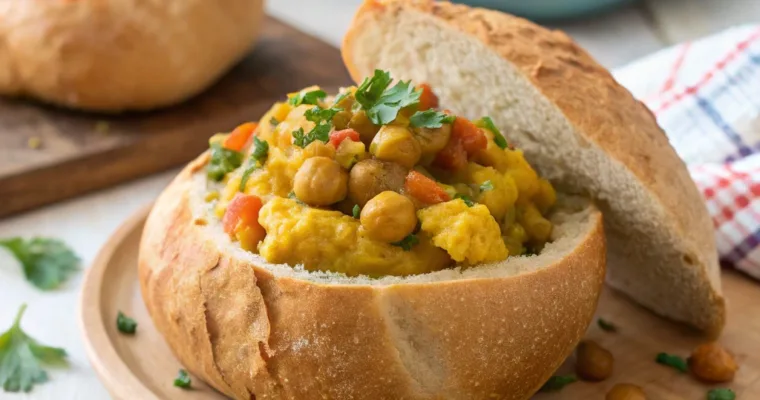
Here’s your guide to the best South African plant-based oil-free recipes. When I switched to a plant-based diet, I was afraid I’d lose the rich, bold South African flavours I loved. From chakalaka to bobotie to bunny chow, so much of our food culture is …
Introduction This is your essential beginners’ guide to a plant-based eating in South Africa. The world is waking up to the power of plants. Millions worldwide are enjoying a diet full of fruits, vegetables, grains, and legumes. South Africa is also part of this trend. …
By Zama Zincume — Public Health Specialist & Plant-Based Food Writer
Quick Answer: Yes, you can eat a complete, nutritious plant-based diet in South Africa for roughly R500 per week by building meals around affordable local staples — dried beans, lentils, samp, sorghum, soya mince, oats, peanut butter, seasonal vegetables, and indigenous greens like morogo. The key is shopping in bulk for protein-rich legumes and grains rather than buying processed meat substitutes, which keeps the per-meal cost low while still meeting daily protein, fibre, and micronutrient needs.
Here’s a peek at the R500-a-week plant-based grocery list.
Eating healthy doesn’t have to be costly. A plant-based diet should fit your budget, too.
In South Africa, food prices often seem unpredictable. With the rising cost of living, many believe a plant-based lifestyle is too expensive or unrealistic.
Fortunately, it doesn’t have to be that way.
You can create healthy, colourful, fibre-rich plant-based meals for just R500 a week.
These meals boost energy, support gut health, balance hormones, help manage weight, and support lasting wellness. And the best part is this: most of these foods are already familiar staples in South African homes.
You’ll also find a simple meal plan and practical money-saving tips.
These tips are easy to use, whether you’re shopping for yourself, a couple, or a small family.
Why Eating Plant-Based Food Can Be Affordable in South Africa
When people hear “plant-based,” they often imagine imported vegan items, expensive dairy-free cheeses, or fancy meat substitutes.
Understandably, that can feel unsafe if you are watching every random.
However, a whole-food plant-based lifestyle doesn’t rely on speciality products at all. Instead, it thrives on simple, everyday foods that have been in African kitchens for generations. South Africa is rich in these ingredients.
You can find many cheap, nutrient-dense foods such as samp, beans, maize meal, potatoes, morogo, cabbage, lentils, brown rice, and oats.
They are the foundation of many traditional diets in the country.
These foods nourished our parents and grandparents long before “plant-based” became a trend.
Even better, these staples are naturally high in:
Fibre – amazing for gut health, satiety and blood sugar balance.
Resistant starch – fuel for beneficial gut bacteria.
Plant protein – supports muscles, hormones and immune function.
Slow-release energy – keeps you fuller for longer.
Anti-inflammatory nutrients – great for long-term health.
Food prices can change monthly, but a thoughtful, simple plant-based basket is still one of the cheapest ways to eat in South Africa.
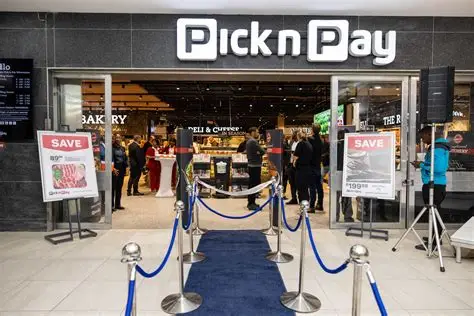
Prices will vary by store and province, but this gives you a solid starting point. I built this list using typical prices from Shoprite, Checkers, Pick n Pay and Food Lover’s Market in 2025.
Staples (± R180 total)
Oats – 1 kg (R35–R45) Breakfast for the whole week. High in fibre, budget-friendly and very versatile.
Rice (brown or parboiled) – 2 kg (R40–R50). Forms the base of many cheap, filling meals.
Maize meal – 2.5 kilograms (R30–R35) Perfect for porridge, pap bowls and stews.
Dried lentils – 1 kilograms (R35–R45) A plant-protein superstar that cooks quickly and stretches across multiple meals.
Dried beans (sugar beans or black beans) – 1 kg (R25–R35) High fibre, filling and highly economical. Cook once and use three ways.
Soup mix – 500 g (R18–R20). Ideal for bulking up soups and stews without spending extra.
Vegetables (± R150 total)
Cabbage – whole head (R20–R30). One cabbage can easily stretch into several meals.
Carrots – 2 kg bag (R25–R30) Great for snacks, grating into oats, adding to stews or roasting.
Onions – 2 kg bag (R25–R30). The flavour base for almost every hot savoury meal.
Potatoes – 2 kg bag (R25–R30) Affordable, satisfying and incredibly versatile — from mash to curry.
Spinach or morogo – 1 big bunch (R15–R20) Nutrient-dense greens that support gut health and wellness.
Fruit (± R60 total)
Apples – 1.5 kg bag (R25–R30). Long shelf life, travel well, and are perfect for snacks or oats.
Bananas – 1 kg (R15–R20) Naturally sweet and ideal for smoothies or on-the-go energy.
Seasonal fruit – ± R15–R20 Choose whatever is on special: pears, oranges, naartjies or guavas.
Protein & Extras (± R110 total)
Chickpeas – 2 cans (R25–R30) Great for quick curries, stews, salads or creamy chickpea “mayo”.
Peanut butter – 400 g (R35–R45) A budget-friendly source of healthy fats and plant protein.
Frozen mixed veg – 1 kg (R35–R40). Adds colour, fibre and convenience to soups, stir-fries and one-pot meals.
Approximate Total: ± R500
Shop smartly. Use store loyalty cards and look for specials. This way, you can often spend less than expected. For example:
Shoprite – often totals around R470–R490.
Checkers – usually close to ± R500.
Food Lover’s Market – great for bulk vegetables.
Pick’n Pay – Smart Shopper points & discounts help a lot.
What You Can Cook With This R500 Grocery List
Now that you have your basket, you might be wondering: “But what do I actually cook with all this?”
The good news is that eating plant-based on a budget is simple, creative, and about using leftovers wisely. These foods are perfect for batch cooking, which saves both time and money.
Below is a simple 7-day plant-based meal plan using your R500 grocery list. Feel free to swap days around, repeat your favourite dishes, or adapt the portions to your household size.
Breakfast Options
Option 1: Warm Oats with Fruit
Cook oats with water (or a splash of plant milk if you have it), then top with grated apple or sliced banana. Add cinnamon for flavour. For extra staying power, stir in a spoon of peanut butter.
Option 2: Mealie Meal Porridge
Serve a smooth porridge made from maize flour with banana slices or a peanut butter drizzle. This keeps you full for hours and costs just a few rand per bowl.
Lunch Ideas
1. Lentil and Veg Stew
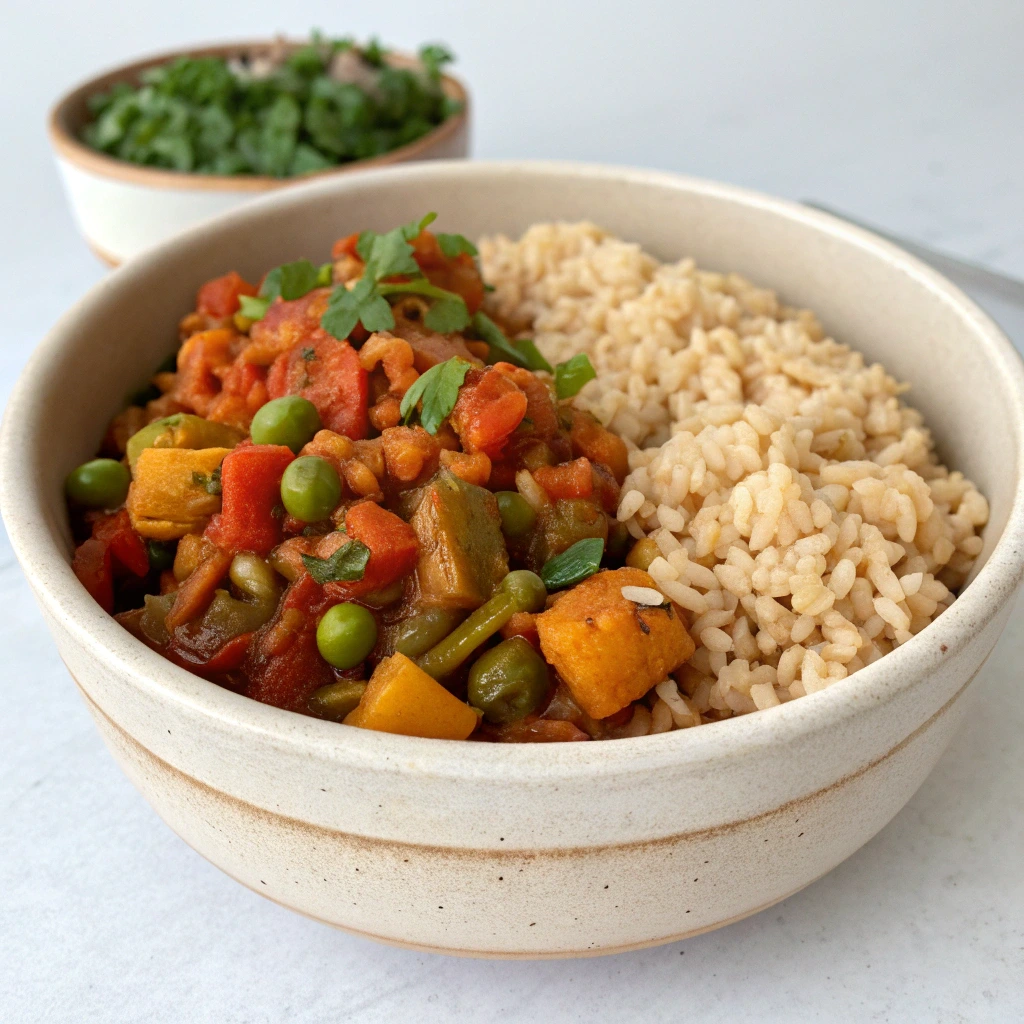
Simmer lentils with onions, carrots, frozen mixed veg and soup mix. Serve this hearty stew over rice or pap. It’s rich in fibre, protein and flavour.
2. Samp, Beans and Greens Bowl
Combine cooked beans with maize meal or rice, then add sautéed cabbage or spinach. A touch of lemon or a little vinegar enhances the flavour.
3. Veggie Stir-Fry with Rice
Stir-fry frozen mixed veg with onions and cooked rice. If you have soy sauce or spices in your cupboard, this becomes a quick, satisfying lunch.
Dinner Ideas
1. Potato and Spinach Curry
Gently cook chopped potatoes with onions and spices. If you have garlic, add it too. Then, stir in shredded spinach at the end. Serve with rice or pap for a nourishing evening meal.
2. Chickpea and Cabbage Stew
Use tinned chickpeas, sliced cabbage, onions and carrots in a tomato-based sauce (or just seasoned water and spices). Packed with fibre, this stew pairs beautifully with maize meal.
3. Hearty Bean Soup
Combine beans, soup mix, onions, and carrots with plenty of water, then simmer until everything is soft and flavourful. This makes a big pot that can stretch over several nights.
Simple Snack Ideas
Fresh apples or bananas
Carrot sticks dipped in peanut butter.
Leftover samp and beans
A small spoon of peanut butter straight from the jar
These snacks are cheap, portable and far more filling than many processed alternatives.
Why This R500 Plant-Based List Works So Well
This grocery list is built around three pillars: nutritional density, affordability and versatility. Each item works in many recipes, goes well with other ingredients, and keeps you feeling full.
1. Fibre is the Foundation
Almost every food in this basket is high in fibre. This leads to better digestion, less constipation, improved blood sugar control, and steadier energy all day. Your gut bacteria absolutely love this way of eating.
2. Plant Protein is Cheaper and Powerful
Lentils, beans, chickpeas, and peanut butter are excellent sources of protein. They cost much less than meat or processed meat products.
When you combine them with grains like rice and maize meal, you get meals that are both filling and balanced.
3. Traditional Foods are Smart Foods
Foods like samp, beans, maize meal and morogo have been part of African food culture for generations.
They survived in our kitchens because they are affordable, nourishing and satisfying. When we bring them back to the centre of our plates, we support both our health and our wallets.
4. Seasonal Produce Keeps Costs Low
Buy what’s on sale each week, rather than focusing on specific fruits and vegetables.
This small change can save R20–R40. You won’t lose any nutrients, since each colour offers unique benefits.
5. Batch Cooking Eliminates Waste
The less food you throw away, the more money stays in your pocket.
Cooking a large pot of beans or lentils is a smart way to save money. You can use them in stews, salads, or bowls. This method helps stretch your food budget effectively.
Money-Saving Tips to Stretch Your R500 Even Further
To make this R500 plan even more powerful, here are a few extra strategies you can layer on top.
Buy store brands. House brands like No Name, Ritebrand or store-brand maize meal and rice are usually cheaper but just as good.
Shop with a list. Decide what you need before you go and stick to it as much as possible.
Don’t shop hungry. It sounds simple, but going to the store on an empty stomach almost always means impulse buys.
Cook once, eat twice. Turn tonight’s lentil stew into tomorrow’s rice bowl, wrap filling or soup.
Skip vegan luxury items (for now). Vegan cheeses and faux meats can be fun, but they eat up your budget quickly.
Shop veggie markets late in the day. Many markets drop prices in the afternoon or on Sundays to clear stock.
Use every part of your vegetables. Cabbage cores, spinach stems, and carrot tops are edible and can be added to soups and stews.
Build Your Own R500-a-Week Plant-Based Basket
Once you understand this structure, you can customise your own basket. Just stay within a similar budget.
The easiest way to do this is to follow a simple formula:
Choose two main grains – for example, oats + rice, or maize meal + brown rice.
Choose 2–3 legumes, such as lentils, beans, and chickpeas.
Choose 5–7 vegetables – focusing on what is in season and on special.
Choose two fruits – apples, bananas, pears, oranges or whatever is most affordable.
Add one healthy fat – peanut butter or seeds if your budget allows.
By sticking to this pattern and watching unit prices (rand per kilogram), you’ll usually hit around R500—sometimes even less.
Sample Price Breakdown (2025)
Item
Estimated Price
Oats (1kg)
R40
Rice (2kg)
R45
Maize Meal (2.5kg)
R35
Lentils (1kg)
R40
Beans (1kg)
R30
Carrots (2kg)
R28
Onions (2kg)
R27
Potatoes (2kg)
R28
Cabbage
R22
Apples (1.5kg)
R28
Bananas (1kg)
R18
Chickpeas (2 cans)
R28
Peanut Butter
R40
Frozen Veg (1kg)
R38
Total± R489
This still allows for some price changes, herbs, spices, or a special find on the shelf.
Final Thoughts: You Can Eat Plant-Based on a Budget
Eating plant-based food in South Africa doesn’t need to feel overwhelming or expensive.
With the right staples and some planning, you can nourish your body well. It’s easy to eat healthy on a tight budget.
Instead, it leans on the traditional, affordable foods that have always been here: grains, beans, vegetables and fruit.
Frequently Asked Questions
Can you eat a plant-based diet in South Africa on R500 a week?
Yes, you can eat a complete, nutritious plant-based diet in South Africa on roughly R500 per week by building meals around affordable local staples — dried beans, lentils, samp, sorghum, soya mince, oats, peanut butter, seasonal vegetables, and indigenous greens like morogo. The key is to shop in bulk for protein-rich legumes and grains rather than buying processed meat substitutes, which keeps the per-meal cost low while still meeting daily protein, fibre, and micronutrient needs.
What are the cheapest sources of plant protein in South Africa?
The cheapest plant proteins in South Africa are dried legumes and soya products bought unprocessed and in bulk: dried sugar beans, lentils, split peas, chickpeas, cowpeas (dinawa), and soya mince all deliver high protein per rand. A 1kg bag of dried beans or soya mince typically costs a fraction of the equivalent protein in meat, and peanut butter, oats, and brown bread add inexpensive protein on top. Buying these dried rather than canned, and avoiding branded vegan meat-substitutes, is what keeps the cost down.
Is morogo a good source of nutrition on a budget?
Yes. Morogo (indigenous African leafy greens, also called imifino) is one of the most cost-effective sources of nutrients available in South Africa, often gathered wild or grown cheaply. It is rich in iron, calcium, vitamin A, vitamin C, and fibre, making it a strong staple for a budget plant-based diet. Pairing iron-rich morogo with a vitamin C source improves iron absorption, and it works well cooked with samp, beans, or pap as a complete, affordable meal.
How do you get enough protein on a cheap plant-based diet in South Africa?
You meet daily protein needs on a cheap plant-based diet by eating a variety of legumes, grains, and soya across the day rather than relying on a single food. Combining staples such as beans or lentils with samp, sorghum, rice, or maize meal provides all essential amino acids, and soya mince, peanut butter, and oats add concentrated protein at low cost. Eating these foods in adequate quantities at breakfast, lunch, and supper reliably meets the protein needs of most adults without any special products or supplements.
What does a R500 weekly plant-based shopping list look like in South Africa?
A practical R500 weekly plant-based shopping list in South Africa centres on bulk staples plus fresh produce: dried beans or lentils, soya mince, samp, maize meal or sorghum, oats, rice, peanut butter, brown bread, cooking oil, and onions, supplemented with seasonal vegetables such as cabbage, carrots, spinach or morogo, tomatoes, and bananas. Buying the dried staples in larger bags spreads the cost across multiple weeks, so the weekly spend stays near R500 while still covering breakfast, lunch, and supper for one person.
This is your ultimate guide to Massmart vs Woolworths plant-based products in South Africa. The plant-based movement in South Africa is no longer a niche trend—it’s a full-blown revolution! As more people opt for ethical, sustainable, and healthier meals, South Africa’s retail giants are racing …
Introduction: Navigating the Plant-Based Aisle with Pick n Pay Vegan Guide Here’s your ultimate guide to Pick n Pay Vegan guide for South Africa. More people in South Africa are choosing plant-based diets. Worries about ethics, health, and the environment drive this change. As a …
Whenever someone asks me, “Can you really be vegan in South Africa?” my answer is simple: yes — absolutely.
Becoming vegan in South Africa is easier, cheaper, and more exciting than many realize.
Our food landscape has changed quickly. Major supermarkets now offer plant-based products, and many traditional meals are vegan.
South Africa is becoming one of the most vegan-friendly countries in Africa. With its growing communities, restaurants, and even vegan tourism, the country is leading the way.
In this guide, I’ll cover all you need to know. We’ll discuss shopping, eating out, budgeting, nutrition, local dishes, and how to transition step by step.
What Does It Mean to Be Vegan in South Africa Today?
In South Africa, veganism means living in a way that avoids the use of animals for food, clothing, or any other purpose.
But on the ground, most people here understand veganism from two angles:
Plant-based for health – whole foods, disease prevention, better energy.
Vegan for ethics or environment – avoiding animal products entirely.
It’s important to note how these terms show up culturally. South Africa is big on braais, stews, chakalaka, and Sunday lunch traditions.
Many people assume vegans only eat salads — but that’s far from true. You can still enjoy comforting, flavour-filled meals using plants.
Vegan vs Plant-Based in the South African Context
Many South Africans start with a “mostly plant-based” lifestyle before going fully vegan — and that’s perfectly okay.
Both approaches can benefit your health and the environment. The goal is progress, not perfection.
Can You Really Be Vegan in South Africa? Facts, Stats and Trends
Over the past few years, interest in veganism has exploded across South Africa.
Searches for vegan recipes, vegan restaurants, and plant-based diets have increased dramatically.
Cape Town ranks as one of the world’s top vegan-friendly cities. South Africa also scores high on global vegan-interest lists.
Local vegan communities are thriving. They connect through Facebook groups, WhatsApp, and city meetups.
More South Africans are trying vegan eating. They do this for health, weight management, cost, sustainability, and to help the environment.
Is South Africa Vegan-Friendly Compared to Other Countries?
South Africa stands out on the African continent. It offers many vegan options, supermarkets, restaurants, and online resources.
Our major cities rival many Western cities in terms of vegan-friendly convenience.
Where Can You Be Vegan in South Africa? Supermarkets, Health Shops and Markets
You can shop vegan almost anywhere. Major supermarkets stock a variety of plant-based foods:
Woolworths – the widest range of plant-based meals, dairy alternatives, snacks, and mock meats.
Checkers – excellent vegan ranges with competitive prices.
Pick n Pay – good selection of staples, plant milks, tofu, and frozen options.
Spar – varies by store, but many carry vegan-friendly essentials.
Dis-Chem – vegan pantry items, dairy-free products, and supplements.
If you prefer whole-food dishes, South African basics already support vegan living.
Think of beans, lentils, rice, maize meal, potatoes, seasonal vegetables, fruits, and tinned tomatoes. You can find them almost anywhere.
Eating Out Vegan in South Africa: Restaurants, Fast Food and Travel
South Africa’s restaurant scene has embraced vegan options.
In Cape Town, Johannesburg, and Durban, you’ll find vegan cafés and health-focused spots. Many regular restaurants also offer vegan-friendly choices.
Even fast-food chains have introduced plant-based burgers, wraps, and sides.
To find the best local vegan spots, tools like HappyCow and local vegan blogs make discovering new places easy.
Can You Be Vegan When Travelling in South Africa?
Absolutely, yes. For road trips and longer travel:
Self-catering is widely available.
Safari lodges will prepare vegan meals if you notify them in advance.
Most petrol station shops stock nuts, fruit, hummus, baked beans, and wraps.
Is It Expensive to Be Vegan in South Africa? Budget Vegan Living
One of the biggest myths is that veganism is expensive.
In reality, vegan eating becomes expensive only when you rely heavily on vegan convenience foods.
The most affordable foods in South Africa are naturally plant-based:
Dry beans and canned beans.
Samp & beans.
Rice, oats, maize meal.
Cabbage, potatoes, carrots, spinach.
Tinned tomatoes and lentils.
These form the backbone of smart budget-friendly vegan meals.
Can You Be Vegan in South Africa on a Tight Budget?
You absolutely can. Many families already eat mostly plant-based for affordability. You can build meals around:
Pap & chakalaka
Lentil curry
Bean stews
Veggie stir-fries
Homemade soups
All nutritious, filling, and extremely cost-effective.
Traditional South African Foods That Are Naturally Vegan
One of the best-kept secrets is that many traditional South African dishes are already vegan or easily veganised.
These include:
Pap and Beans
Samp and Beans
Morogo (African spinach)
Chakalaka
Pumpkin mash
Vegetable bredies and curries
How to Be Vegan at a South African Braai
The easiest hacks include:
Marinated mushrooms, tofu or veggie kebabs
Vegan boerewors or burger patties
Fresh salads and garlic bread
Pap, chakalaka, and tomato relish
You can still enjoy the flavours, social vibe and fun — without the meat.
Vegan Nutrition and Health in South Africa – Is a Vegan Diet Healthy?
Research shows that a well-planned vegan diet can support optimal health at all stages of life. In South Africa, you can meet all your needs using local, accessible foods.
“You can’t build muscle on a vegan diet.” — You can. Protein is abundant in legumes, tofu, and whole foods.
“Vegan diets are too carb-heavy.” — Whole carbs fuel energy and are essential. The key is balance.
“Vegan diets lack nutrients.” — Only B12 requires supplementation; everything else is widely available in plants.
How to Go Vegan in South Africa: Step-by-Step Transition Plan
You don’t need to change your entire lifestyle overnight. Here’s a simple local transition plan:
Start with one plant-based meal a day.
Add more plant-based dinners in Week 2.
Replace dairy with plant-based milk.
Veganise your favourite South African meals.
Do a 30-day challenge like Veganuary SA.
Can You Be Vegan in South Africa If Your Family Isn’t?
Yes. You can cook shared “base meals” like rice, stews, chakalaka, and veg, then add your plant protein separately. Communication and planning help tremendously.
Common Challenges of Being Vegan in South Africa (and Realistic Solutions)
Social pressure at braais or family events → Bring your own dishes, offer to cook, or show alternatives.
Small town shopping → Focus on staples: beans, rice, potatoes, frozen veg.
Label reading → Look out for whey, casein, gelatin, shellac, certain E-numbers.
Finding community → Join local vegan groups, WhatsApp groups, or online communities.
Mindset Shifts to Make Vegan Life Easier
Vegan living isn’t about perfection — it’s about doing the best you can with what you have. Small steps add up.
FAQs – Can You Be Vegan in South Africa If…?
Is It Easy to Be Vegan in South Africa?
In big cities, yes — extremely. In smaller towns, with a little planning, it’s still completely doable.
Can You Be Vegan in South Africa on a Low Income?
Definitely. Many traditional, affordable meals are plant-based by default.
What Do Vegans Eat in South Africa Every Day?
Oats, fruit, lentil stews, pap & veg, bean curries, veggie bowls, peanut butter sandwiches, soups and stir-fries.
Is South Africa a Vegan-Friendly Destination for Tourists?
Yes — vegan lodges, restaurants, markets and eco-stays are increasing every year.
Can Children and Families Be Vegan in South Africa?
With proper planning and guidance, yes. Many families already eat mostly plant-based meals.
Is It Hard to Be Vegan in a Traditional African Household?
It can require communication, but most dishes can be adapted easily — and many are already vegan.
Conclusion – Yes, You Can Be Vegan in South Africa
Being vegan in South Africa is not only possible — it’s practical, budget-friendly, and increasingly accessible.
Support is strong for plant-based traditional dishes. Many supermarkets offer options, and big cities have vegan restaurants. Plus, there’s a growing online community.
You don’t need to get everything perfect. Start with one meal, one habit, one change.
Over time, your lifestyle shifts to a plant-based one. You’ll notice benefits in your body, emotions, and ethics.
If you’re ready to take the next step, explore more guides and recipes on EatingPlantBasedZA.com, or download a beginner-friendly shopping list to help you get started today.
Here’s your guide to the best plant-based recipes in South Africa. They say food tells the story of a nation — and South Africa’s story is bursting with plant-based flavour! When I began my journey, I didn’t expect dishes like morogo, samp and beans, or …