
How I Prep a Week of Plant-Based Meals Under R500
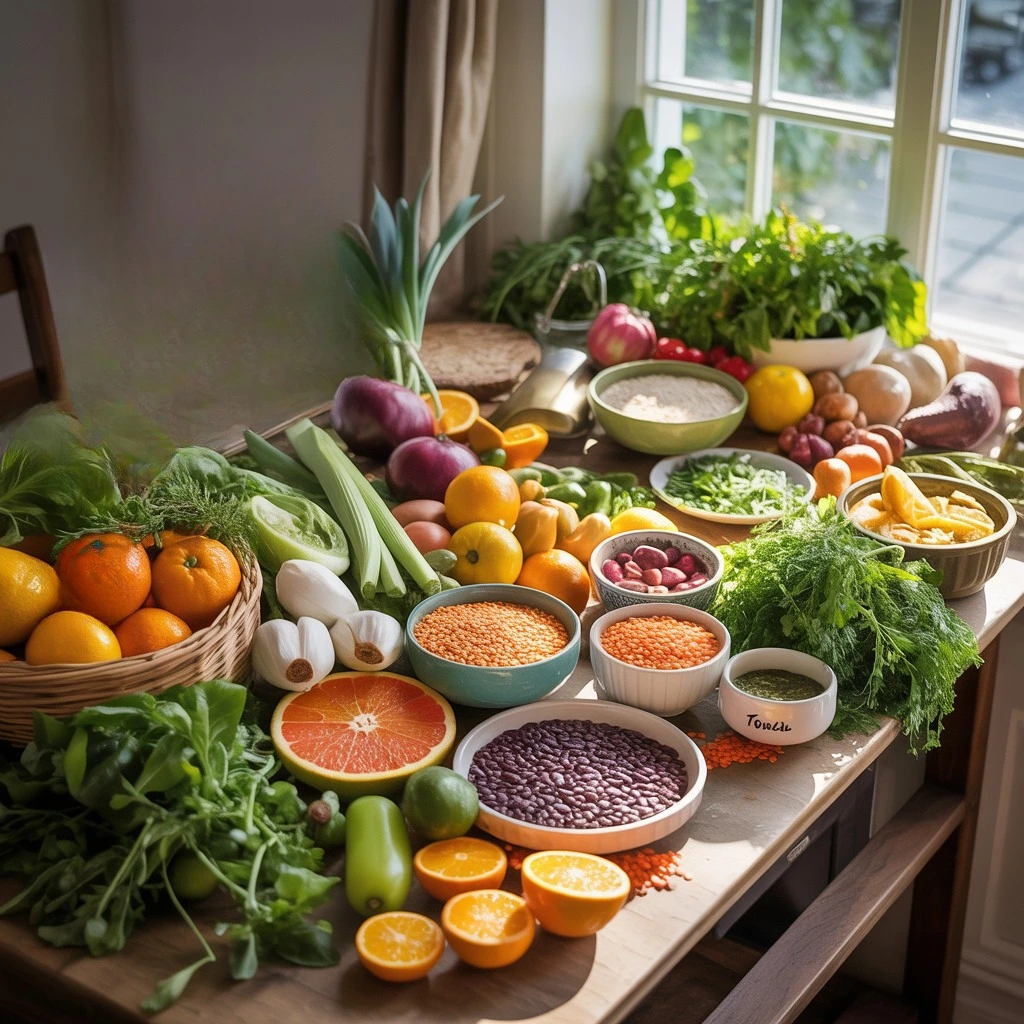
Let me tell you how I take on one of the biggest food-budget headaches—and win. I’m talking about how I prep a week’s worth of plant-based meals for under R500.
Yes, you read that right: seven days, whole-food vegan-friendly, budget-tight, and still delicious.
How I Prep a Week of Plant-Based Meals Under R500: Hook, Promise & Who This Helps
Here’s the deal: food prices in South Africa keep climbing, you’re busy, you want nutrition, not gimmicks.
And you’d like it to cost less than R500 for the whole week of meals. That’s precisely what this article delivers.
I’ll walk you through my budget boundaries, shopping list, batch-cooking flow, 7-day menu and smart swaps—all in the context of eating plant-based in SA.
Under R500: My Ground Rules, Budget Assumptions & Portion Targets (SA Context)
To keep things realistic, I’m assuming one adult, no meat substitutes that cost an arm and a leg, and shopping at mainstream grocery stores or local markets in a mid-size city in KwaZulu-Natal.
I’ll aim for ~3 meals + 1 snack per day, over 7 days.
Calories?
Good nutrition?
Yep.
Plant-based staples like pulses, grains and seasonal veg make the budget stretch. According to SA guidelines, legumes form an essential part of a healthy, affordable diet.
“How I Prep a Week of Plant-Based Meals Under R500″: What R500 Buys Right Now in SA
So what exactly does this R500 budget cover?
Think: dry beans, lentils, rice or maize meal, seasonal vegetables (cabbage, butternut, carrots, potatoes), fruit (bananas/apples), some spices, and a basic oil.
Because pulses are cheap and nutrient-dense, they’re a core part of my shopping. Research shows that legumes are both cost-effective and beneficial for health.
Budget Staples I Always Use for Plant-Based Meal Prep Under R500 (What & Why)
Here are the staples I lean on and why they keep the cost low while delivering nutrition:
- Dry beans, lentils, split peas, soya mince/chunks – high in protein and fibre, low cost.
- Grains: maize meal, brown rice, oats, maybe whole-wheat pasta – good volume and energy.
- Vegetables: onions, carrots, cabbage, butternut/pumpkin, spinach or morogo – seasonal and local favourites.
- Fruit: bananas, apples – affordable, fibre-rich snacks.
- Flavour boosters: basic curry powder, garlic, lemons, chilli, stock cube – inexpensive but high impact.
By mainly using whole foods (no fancy vegan cheeses or niche substitutes) and shopping smart (bulk, house brands, seasonal veg) I stay within budget and still cover the nutritional bases.
The Under-R500 Shopping List (Quantities & Estimated Spend)
Here’s a sample shopping list with approximate quantities.
Adjust local pricing as needed. This is how I allocate the budget to hit under R500:
- Dry beans/split peas/lentils – e.g. 2 kg total
- Brown rice or maize meal – e.g. 1.5 kg
- Oats – large pack
- Cabbage – 1 whole head
- Carrots – bag
- Butternut/pumpkin – 1 large
- Spinach or morogo (or leafy green) – 1 large bag
- Onions – bag
- Bananas – bunch
- Apples – bag
- Tinned tomatoes – 2 x cans
- Basic oil (small bottle), stock cube, garlic, curry powder/chilli
With sane pricing (and savvy use of specials and bulk buys), this list can come in under R500.
The key: shop store-brands, choose dried legumes over canned, pick seasonal veg.
For context: SA food-basket reports show that pulses remain among the more affordable, nutrient-dense foods.
How I Meal-Prep on Sunday in 90 Minutes (Batch Flow That Stays Under R500)
Here’s how I spend my Sunday block of time to set up the week:
1. Soak the beans/lentils overnight if needed (for tougher beans) so they cook faster.
2. Cook a big pot of beans/lentils and split into portions.
3. Cook a large batch of grain (rice or maize meal) and perhaps pasta for the week.
4. Make three modular “sauces” or base stews: – Tomato-lentil curry – Sugar-bean chilli/stew with cabbage & carrots – Veggie marinara with pasta + lentils
5. Roast a tray of mixed seasonal veg (butternut, carrots, onion, spinach at the end) for sides or lunches.
6. Prep raw slaw (cabbage/carrot/leafy green) portioned for lunches.
7. Portion fruit and prepare overnight oats or porridge for breakfast.
8. Package everything into labelled containers so you know what you’ll eat each day. This flow means you’ll hit Monday ready to go and eliminate “what’s for dinner?” stress mid-week.
7-Day Plan: How I Eat a Week of Plant-Based Meals Under R500 (Menu Overview)
Here’s my menu blueprint – you can swap foods but maintain structure:
Breakfasts: oats or maize-meal porridge + banana/fruit + a spoon of seeds/peanut butter.
Lunches: Grain + legumes + roasted veg/slaw (Monday: rice + bean curry + slaw; Tuesday: maize meal pap + bean stew + veggie; etc).
Dinners: – Monday: Tomato-lentil curry + brown rice.
– Tuesday: Sugar-bean stew + maize meal.
– Wednesday: Veggie marinara with pasta + lentils.
– Thursday: Roasted butternut & carrot + beans + rice.
– Friday: Lentil chilli + maize meal.
– Saturday: Leftover medley (mix of sauces + veg + grain).
– Sunday: “Treat” plant-based dinner using remaining veg/beans (e.g., bean tacos using wraps if bought or rolled maize meal cakes).
Snacks: banana/apple, carrot sticks, popcorn (cheap) or a piece of fruit + a handful of seeds. With this structure, you get variety, simplicity, minimal waste, and all within budget.
Smart Swaps to Stay Under R500 Across Seasons & Stores
Because prices fluctuate and different stores cost different amounts, these swaps keep you on track:
– Butternut ↔ pumpkin (use whichever is cheaper)
– Cabbage ↔ spinach/morogo (leafy green) – Beans ↔ split peas/lentils (whichever has sale)
– Rice ↔ maize meal (if maize meal is cheaper) – Store-brand spices/oil ↔ premium brand – the flavour difference can be negligible.
Also: compare unit prices (R per kg or R per 100 g) rather than only the pack price. Local markets or greengrocers may beat supermarkets for seasonal veg.
Nutrition Check: Protein, Iron, Zinc, Calcium, Omega-3 on a Budget
Plant-based doesn’t mean nutritional compromise—and on this budget, it can still hit well:
Protein: The beans, lentils, soya mince, and grains provide ample protein. E.g., pulses deliver ~twice the protein of many grains.
Iron: Beans/legumes provide non-haem iron; pair them with vitamin C-rich veggies (tomatoes, cabbage) to boost absorption.
Zinc & Calcium: Lentils, beans, and green leafy veg contribute; if you choose fortified plant milk (optional), you can boost calcium.
Omega-3: A small spoon of ground flaxseed or chia seed (if the budget allows) is a great low-cost source. The point: you don’t need exotic super-foods—whole plant staples will do the job when you plan smart.
Food Safety & Storage: Keep Your R500 Prep Fresh All Week
Batch-prep is fantastic, but you must pay attention to storage:
– Cool cooked food within 2 hours and refrigerate.
– Portion and label with date.
– Re-heat to steaming before serving.
– Freeze any portion you won’t eat within 3–4 days to avoid waste.
– Soak beans/legumes where required and rinse well to reduce digestion issues (bloat/gas) as recommended in the SA dietary guidelines.
SA-Specific Ways I Keep Plant-Based Meal Prep Under R500
Because you’re in South Africa (and I am too), here are local tricks I use: – Buy large (2 kg-ish) bags of dry legumes when they’re on special.
– Choose in-season produce and watch the markets (smaller stores often have better deals).
– Embrace local staples like maize meal & samp & beans.
– Use a pressure cooker (if you have one) to save energy/time—important given load shedding and rising electricity cost.
– Check store loyalty cards, specials, and clearance veg bins.
– Cook once, eat twice: freeze half of each batch or reserve for next day lunch.
This local lens makes the “under R500” goal really work.
Mistakes That Blow the R500 Budget (And How I Avoid Them)
Here are pitfalls I’ve learned to dodge:
– Buying too many “meat substitute” products (they’re convenient but costly).
– Relying purely on fresh, exotic veg—stick to seasonal local.
– Skipping the plan and buying on impulse.
– Not cooking in bulk (so you end up buying take-away).
– Letting waste pile up—portion, freeze, finish leftovers.
FAQs: How to Prep a Week of Plant-Based Meals Under R500 — People Also Ask
Is R500 realistic for one person for a week in South Africa?
Absolutely—to one adult, yes. If you use the staples above, shop smart (bulk, house brands, seasonal), and avoid high-cost substitutes, you can easily stay under R500. It becomes harder if you add premium veganised products, organics only, or a family of four, but for one, it’s very doable.
What are the cheapest high-protein plant-based foods in SA?
Dry beans, lentils, split peas, and soya mince/chunks top the list. They’re inexpensive per serving, nutrient-rich and widely available.
How do I get enough protein without pricey meat alternatives?
Simple strategy: combine legumes + grains (complementary proteins), stick to whole foods. For example, beans + maize meal or lentils + brown rice. You’ll get good protein, fibre, and minerals. No need to buy every new vegan “meat”
How can I keep variety without overspending?
Rotate your base staples and sauces as in the 7-day menu. Use one base stew and switch up the spices, grains, and veggies. Seasonal swaps help. That keeps your meals interesting without adding cost.
Can I do this without a pressure cooker?
Yes—soak tougher beans overnight, simmer them. The key is batch cooking and using your time wisely. A pressure cooker helps speed things up, but it isn’t essential.
What about B12 and iodine?
Good question. On a plant-based diet, you’ll want to ensure you get enough B12 (via fortified foods or a low-cost supplement) and use iodised salt for iodine. This article focuses on everyday budget meals, but keep these micronutrients on your radar.
Is this plan kid-friendly?
Definitely, use milder spices, mash bean stews if needed, and turn the lunches into wraps or bowls with toppings that kids like. The budget stays the same.
Conclusion & Your Turn to Prep a Week of Plant-Based Meals Under R500
So there you have it: exactly how I prep a week of plant-based meals under R500 in South Africa. It’s about smart staples, batch cooking, savvy local pricing, and minimal waste.
Now it’s your turn.
Download your shopping checklist, pick your Sunday batch-cook time, shop with your budget in mind—and tag me on socials when you hit your under-R500 goal.
Let’s show that healthy, plant-based eating doesn’t need to cost the earth.
1 thought on “How I Prep a Week of Plant-Based Meals Under R500”