Growing up in KZN, you get used to various vegetable curries. Eggplant, zucchini, and pumpkin vegetable curry give you power for optimal health. Eating plant-based curries will give you health and longevity. You get various health benefits when you delight yourself with this vegetable curry. …
From an early age, mushrooms have always been my favourite. You may wonder. Where were the mushrooms in the rural villages of KZN? After every thunderstorm, there was always a feast of harvest, the harvest of mushrooms. Mushroom stir-fry was the norm. Not the stir …
Did you ever imagine seeing people in the deep rural areas of KwaZulu Natal and the dry and patched lands of the Northen Cape?
Soni, a childhood friend, passed on a few months ago. He was attacked a few days before by a stroke.
We grew up together in a village surrounded by indigenous trees and natural fauna. When you cast your eyes northwest, you face the rondavel-type mountain top.
Beyond the mountain are kudu, springboks, and various birds under the management of Intsikeni Game Reserve.
On both sides of the village are rivers teeming with fish.
On the mountain are a plethora of wild berries, umsobo, and many natural edible wild plants.
Can a person growing up in this area with abundant plant-based foods suffer from stroke?
Unbelievable. But true.
The prevalence of stroke in South Africa is 316 per 100,000 persons. It is also affecting people of younger age and in rural areas.
Globally, stroke is becoming the leading cause of disability and death.
However, it is incredible how, when we change our diet, it also affects our health outcomes.
What is Stroke?
A stroke results from a blood clot inside the brain artery or a lump formed anywhere in the body that travels to the brain.
Stroke also results from a chronic inflammatory process that causes arterial damage.
Type of Strokes
There are three types of strokes.
Ischemic Stroke
Ischemic stroke results from a blood clot that forms inside the brain’s artery (thrombotic stroke). At other times, a clot forms somewhere in your body that travels to the brain (embolic stroke).
Thus, Ischemic stroke happens when the brain’s blood vessels become narrowed or blocked. Thus causing severely reduced blood flow (ischemia).
Thrombotic stroke happens because of unhealthy blood vessels becoming clogged. Blood vessels become clogged with a buildup of fatty deposits. And also calcium or blood clotting factors such as fibrinogen, homocysteine, and LDL-cholesterol.
Haemorrhagic Stroke
Haemorrhagic strokes occur when an artery ruptures, causing bleeding in the surrounding brain.
Haemorrhagic stroke may involve an artery within the brain (intracerebral haemorrhage). It can also apply to an artery on the brain’s surface (subarachnoid haemorrhage.
Haemorrhagic strokes include a variety of causative factors:
Unbridled hypertension
Overuse of blood thinners.
Bulges in your blood vessel walls (aneurysms)
Traumatic situations (such as a car accident)
Protein deposits in blood vessel walls. Leading to weakness in the vessel wall (cerebral amyloid angiopathy) and
Ischemic stroke leads to bleeding.
Transient Ischemic Attack (TIA)
A transient ischemic attack is a ministroke. It is a temporary period of symptoms like those in a stroke. This stroke doesn’t cause permanent damage.
A transient Ischemic Attack is when there is a temporal blockage of blood flow to the brain. In this type of stroke, the artery becomes unblocked quickly. Sometimes, a new path opens, and regular blood flow resumes, so symptoms disappear.
When TIA occurs, it is a warning that a full-blown stroke may occur.
Symptoms of Stroke
You may experience the following symptoms if attacked by stroke:
Immediate numbness or weakness in the face, arm, or leg. These usually happen on one side of the body.
Experience of sudden confusion, trouble speaking, or difficulty understanding speech.
Having trouble seeing in one or both eyes.
You experience severe headaches out of nowhere.
Sudden trouble walking, dizziness, loss of balance, and lack of coordination.
Causes and Risk Factors of Stroke
Pexels: Chokniti Khongchum
What caused my friend Soni to be attacked by a stroke and die? Did he notice some risk factors leading to a stroke attack?
Look out for the following causes and risk factors of stroke.
Several cardiovascular diseases or irregular heart rhythms.
High cholesterol.
Smoking has been linked to fatty buildup in the carotid artery. The carotid artery is the main neck artery supplying blood to the brain. The blockage in this artery is the leading cause of stroke. Smoking tends to thicken the blood and makes it more likely to clot.
Overweight or obesity.
Being physically inactive
Heavy or binge drinking. Or when you use illegal drugs such as cocaine and methamphetamine.
Obstructive sleep apnea.
Several other factors prone to a higher risk of strokes:
Age — People aged 55 or older have a higher risk of stroke than younger people.
Race or ethnicity — Some ethnicities are prone to a higher risk of stroke.
Sex – Males have a higher risk of stroke than females.
Hormones — Using birth control pills or hormone therapies, including oestrogen, increases risk.
Most risk factors are modifiable lifestyle factors. These risk factors are affected by modifiable lifestyle factors, thus leading to the understanding that confident lifestyle choices may significantly impact stroke risk.
Diet and Stroke
The INTERSTROKE Study findings show that plant-based eating may reduce several risk factors linked to stroke.
These risk factors include hypertension, diet quality, cardiac causes, waist-to-hip ratio, and lipid profile.
Hypertension is the most significant factor in stroke.
Effects of Foods and Other Dietary Patterns
Studies of various foods about stroke show that consuming fruits and vegetables is protective.
The protective relationship is slightly more robust with fruit than with vegetable consumption.
There is consistency in several studies on the benefits found with fruit and vegetable consumption.
Research shows an inverse correlation between consuming various nutrients in fruits and vegetables. These nutrients include folate, vitamin C, flavanol, and fibre.
Studies show whole grains to be protective against cardiovascular mortality.
Generally, vegetarian and vegan diets are unlikely to yield maximal benefits. These foods are far higher in processed foods (added fats, refined grains, and added sugars) than the whole-food, plant-based diets. Whole food, plant-based diets may halt or reverse atherosclerotic heart disease.
Evidence suggests that a healthy plant-based diet lowers the risk of stroke. A plant-based diet is associated with a modest risk of the common ischemic stroke.
However, evidence also shows no association between a healthy plant-based diet and reduced risk of haemorrhagic stroke.
Veganism and the Risk of Stroke
Several warnings concerning veganism and stroke abound.
Many consumers shy away from plant-based foods, fearing an attack of stroke.
A healthy, plant-based diet facilitates lowering your risk of stroke. Nonetheless, not all vegetarian diets are created equal, significantly reducing the risk of stroke.
Suppose you follow a whole foods plant-based lifestyle to promote brain health. It is critical to eat whole grains and fresh fruits and vegetables. Avoid refined grains, added sugar, and fats.
Conclusion
Plant-based diets are associated with lowering the risk of stroke and related cardiovascular diseases.
However, there are concerns about the nutritional adequacy of vegetarian diets. Eating whole foods plant-based is crucial to lower your risk of stroke.
Introduction This article will look at cucumber’s health benefits and side effects. But what are cucumbers? Cucumbers (Cucumis sativus) are part of the family Cucurbitaceae, as are pumpkins, watermelons, cantaloupe, and squash. Cucumbers originated in Southern Asia and the Northern parts of Southeast Asia. Different names are …
Did you know you can make a variety of beetroot and orange salads? Today, you’ll enjoy a salad of boiled beetroot and oranges. You can mix the orange juice or sprinkle it on top. The salad has beetroot, which contains high levels of potassium. Potassium …
This is a quick, easy, and delicious meal to cook.
Combining tomato and beans will give you maximum impact on your health.
Tomato contains an excellent source of vitamin C, A, and B complex vitamins, potassium, and phosphorus. Tomatoes also contain other phytonutrients that fight diseases, such as zero-carotene, phytoene, and phytofluene.
Tomatoes contain lycopene. Lycopene enhances the activity of liver enzymes that metabolize and detoxify potentially harmful chemicals. Research has shown that lycopene shields against environmental and food toxins. Lycopene also supports vascular health and is a natural cancer-fighting agent.
What happens if you add beans and make your casserole dish?
Beans improve heart health. Beans contain magnesium, iron, zinc, and potassium, especially red kidney beans.
Phytonutrients in beans, such as diosgenin, inhibit cancer cells from multiplying. In beans, there are essential enzyme-enhancing minerals called molybdenum.
Molybdenum is responsible for detoxifying sulfides.
Maybe it’s just me. But getting these health benefits with a quick combination of tomato and bean casserole?
No added oils or cheese, just a tomato combination, and you enjoy a tasty bean and tomato casserole recipe.
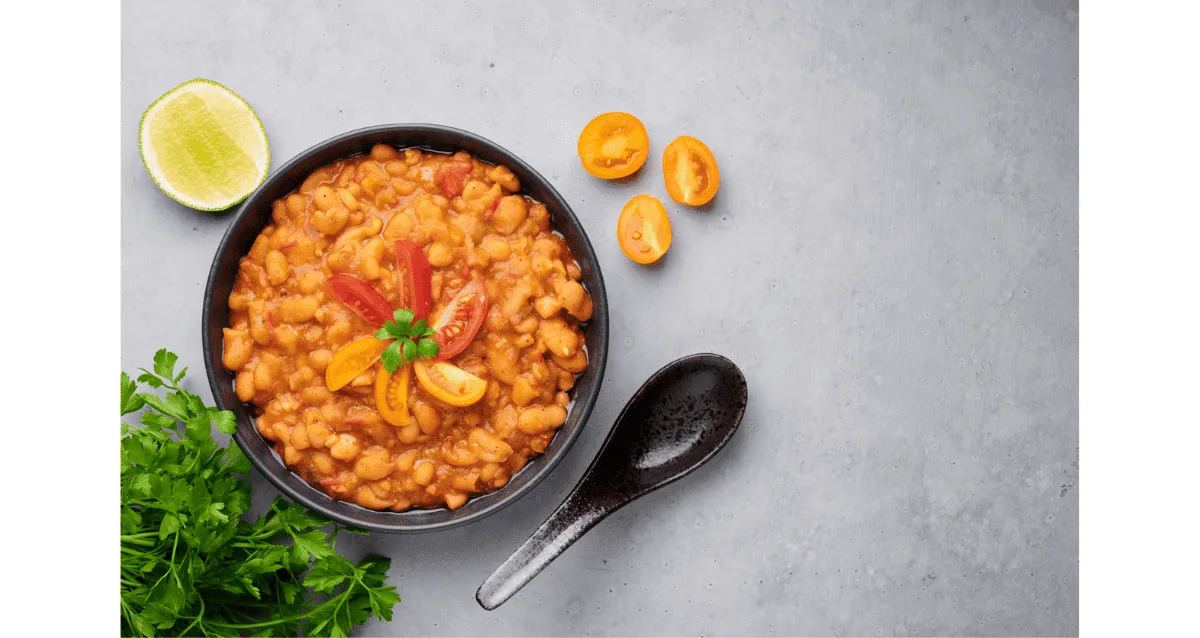
Bean and Tomato Casserole
This is a quick and easy to prepare recipe. It iasa combinaton of beans and tomatoes. These are plant-based foods with a health bang.
Explore the health benefits of tomatoes in South Africa. Before exploring the benefits of tomatoes, you might ask yourself. Are tomatoes a fruit or vegetable? What do they do for your body? But more importantly, are they good for you? Or do they have hidden …
Here’s your guide to the health benefits of eating mushrooms in South Africa. Have you ever experienced the excitement of hunting mushrooms after a severe lightning and thunderstorm? It is an exciting adventure through the valleys, crags, and mountains. Living in the countryside gives you …
It is of the same family as broccoli, cauliflower, kale, Bok choy, and Brussels sprout. This family belong to the same Brassica plant species.
The Romans and Celts used cabbage in the Mediterranean in the early centuries. They use it as a tonic.
Cabbage broth is beneficial for various ailments, including cancer. It also alleviates diarrhoea, ulcers, gout, and headaches.
Types of Cabbage
Besides the green and red cabbage, there are several varieties. They include Savoy and Chinese cabbage.
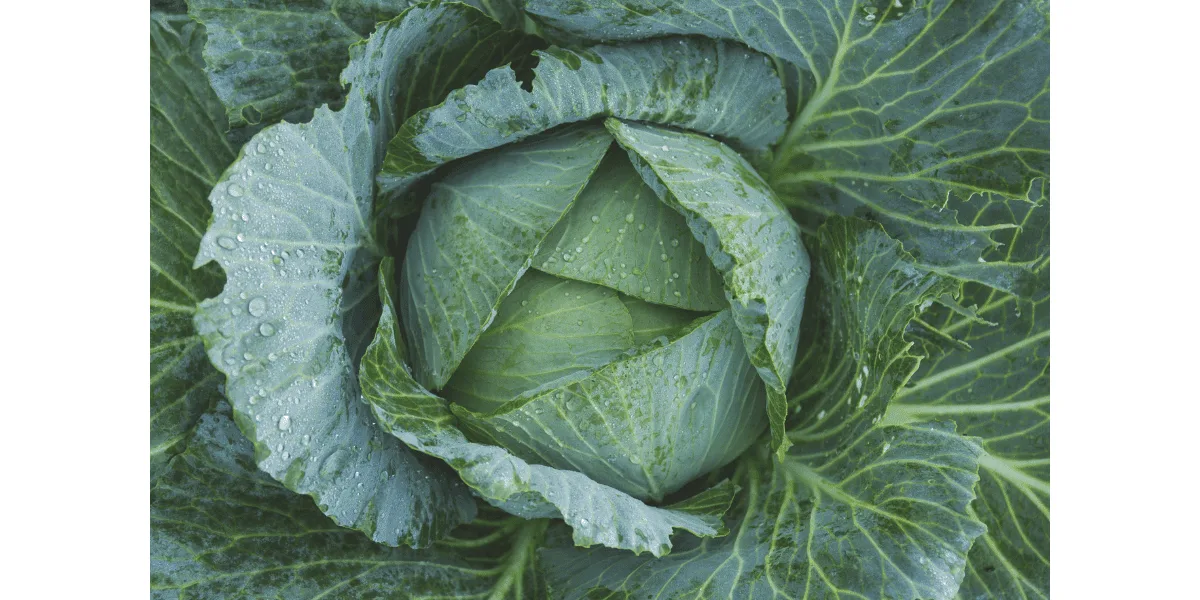
Green Cabbage
Unsplash: Natasha Skov
Most people are familiar with this type of cabbage. It is green, pale green, and even almost white. Its tightly packed leaves have prominent veins and appear almost waxy on the outside.
Green cabbage has a mustardy flavour. When cooked, it tends to become sweeter and milder. You can also serve it raw.
Green cabbage has a larger head than other types. Varieties include Cannonball, Early Jersey Wakefield, King Cole, and Early Flat Dutch.
Savoy Cabbage
Pexels: John Riches
Savoy cabbage is darker green and has a milder, sweeter flavour. Its leaves are less compact than those of green cabbage.
It derives its name from the Savoy region in France, which is located in the Western Alps, along the border with Italy and Switzerland.
Savoy cabbage varieties include Savoy King, Tundra, Winter King, Tardivo di Milano, Des Vertus, Ormskirk, and Savoy Ace.
Red Cabbage
Pexels: Ron Lach
The red cabbage has a dark reddish-purple colour tinged with white veins. After cooking, it is also known as Blaukraut. The red cabbage mimics a pigment that belongs to anthocyanins.
Red cabbage has dense, waxy leaves and a mildly bitter or peppery flavour. It also holds less water than other types of cabbage and is richer in nutrients than other types. Its dark colour indicates that it’s full of phytochemicals and antioxidants.
Red cabbage varieties include Red Meteor, Ruby Ball, and Red Drumhead.
Chinese Cabbage
Pexels: Laker
Chinese cabbage grows into an oblong shape rather than the round heads of other varieties. It has thick stems and oval-shaped leaves frilling out toward the edges. Chinese cabbage is better eaten cooked. Chinese types include Napa and Baby Choi Sum.
Cabbage Nutrition Facts
It is suitable for you because it is nutrient-dense. Cabbage is also a hydrating food.
Most varieties of cabbage are good sources of potassium, folate, Vitamin K, riboflavin, and iron. Cabbage’s calories are low and high in fibre.
The nutritional value of cabbage in one cup raw chopped.
Calories 22
Protein 1.14 g
Fiber 2.22 g
Calcium 35.6 mg
Potassium 151 mg
Nutritional Facts of cooked cabbage, one cup boiled contains:
34 calories
95g protein
1.42g fibre
36mg calcium
147mg potassium
Notably, many phytochemicals are abundant in cruciferous vegetables like cabbage. Other cabbage phytochemicals include flavonoids, indoles, ascorbic acid, carotenes, and tocopherol.
Another compound in cabbage is choline, which is more challenging in plant foods.
Choline is an essential nutrient. It is vital for healthy cells, metabolism, memory, mood, brain function, and muscle control.
Other varieties of cabbage contain compounds called glucosinolates. Glucosinolates are precursors to sulforaphane, a bioactive compound in cruciferous vegetables responsible for many health benefits.
Sulfuraphane and other sulfur-containing compounds in cabbage give it its unique smell. However, the health benefits you receive from sulforaphane outweigh the scent.
Health Benefits of Cabbage
Here are evidence-based health benefits if you have been shunning away from eating and enjoying cabbage.
Cabbage and Cancer Prevention
Sulphoraphane is a cancer-fighting compound found in cabbage.
Over the past three decades, research has shown that cruciferous vegetables lower cancer risk.
Researchers have pinpointed the sulfur-containing compound sulforaphane. It gives cruciferous vegetables their bitter taste and cancer-fighting power.
Researchers have discovered that sulforaphane can inhibit the harmful enzyme histone deacetylase (HDAC). This enzyme plays a role in the progression of cancer cells.
Red cabbage contains the powerful antioxidant anthocyanin. It gives colour to other red and purple fruits and vegetables their vibrant colours.
In the lab, anthocyanins slow cancer cell proliferation. They also kill already-formed cancer cells and stop the formation of new tumours.
Cabbage contains a compound called Indole-3-carbinol (I3C) that helps in cancer prevention.
Researchers implemented a 2021 case-control study among Polish-born migrant women in the United States. The study found that higher consumption of total and raw, lightly cooked cabbage lowers the risk of breast cancer.
Eating Cabbage Supports Liver Health
Research on cabbage suggests that it supports the liver. It may even help counter liver diseases by reversing oxidative damage.
An Animal Study published in Oxidative Medicine and Cellular Longevity observed that eating red cabbage for two months could reduce oxidative damage. Eating red cabbage also helps widen arteries.
Cabbage contains Vitamin C and sulfur, which help remove toxins such as free radicals and uric acid from the body.
Cabbage juice contains Indole-3-Carbinol antioxidants. This antioxidant plays a vital role in detoxifying the liver.
The Journal Hepatology published research stating that “indole,” a natural compound in cruciferous vegetables, effectively prevents fatty liver disease.
Eating Cabbage Helps Improve Digestion
Fibre-rich cabbage helps to improve your digestive health.
Cabbage is full of gut-friendly insoluble fibre, a carbohydrate that does not dissolve easily in the intestines.
Insoluble fibre removes waste and promotes bowel regularity. Soluble fibre provides fuel for friendly bacteria.
Like kimchi and sauerkraut, fermented cabbages abound with anti-inflammatory and immune-supportive nutrients.
Promoting your good gut bacteria with fermented foods benefits your health. It protects against a plethora of chronic diseases. Brassica vegetables, like cabbage, tend to provide significant benefits to the gut microbiome.
Keep your digestive system healthy by adding cabbage to your diet.
Cabbage is Good for Your Heart
According to a 2021 study published in the British Journal of Nutrition, older women over age 74 who ate more cruciferous vegetables reduced abdominal aortic calcification by 46 percent. Aortic calcification can be a predictor of future cardiovascular events.
The study further concluded that eating more cruciferous vegetables can protect against calcium build-up and ultimately benefit heart disease.
Cabbage, particularly red cabbage, seems to raise levels of beta-carotene, lutein, and other heart-protective antioxidants. It also assists in lowering “oxidized” LDL, which is linked to the hardening of the arteries. As these antioxidants ease inflammation, they can help prevent heart disease.
A report in the American Journal of Clinical Nutrition linked the intake of flavonoid-rich foods with a reduction in cardiovascular disease deaths.
Evidence has shown that cabbage’s high polyphenol content reduces the risk of cardiovascular disease. Polyphenols in cabbage prevent platelet build-up and lower blood pressure.
Eating Cabbage Helps Manage Diabetes
Cruciferous vegetables like cabbage are an excellent choice for those affected by diabetes. Cabbage has a high fibre content and contains glucosinolates.
Glucosinolates are chemical compounds that combat oxidative stress and inflammation.
Eating cabbage may also help improve blood sugar regulation.
Cabbage’s Anti-inflammatory Effects
Inflammation is good for you as it protects your body from injury and infection.
However, chronic inflammation over time is associated with many diseases.
Cabbage contains many different antioxidants that reduce inflammation.
Antioxidants such as sulforaphane and kaempferol are likely responsible for their anti-inflammatory effect.
Adverse Effects of Cabbage
Flatulence
Cabbage contains significant quantities of raffinose, an indigestible sugar. Raffinose is an oligosaccharide that may trigger gas, bloating, and other somewhat annoying gastrointestinal symptoms.
Raffinose is unique because humans lack the enzyme α-GAL necessary to break it down. Instead, gas-producing bacteria ferment raffinose in the lower intestine with the α-GAL enzyme.
The process produces carbon dioxide, methane, and hydrogen, leading to flatulence.
However, don’t let this discourage you from eating cabbage. Raffinose is a beneficial compound that acts as a prebiotic, feeding good gut bacteria.
Other symptoms associated with flatulence occurring after eating cabbage include belching, abdominal discomfort, and bloating.
Hypothyroidism
Cabbage also contains other compounds called goitrogens, found in other cruciferous vegetables.
These naturally occurring phytochemicals disrupt the uptake of iodine in some people. A lack of iodine could affect the function of the thyroid gland.
You need not concern yourself with dietary goitrogens if you get enough iodine and selenium. Further, cooking foods that contain them destroys goitrogenic compounds.
Theoretically, vast amounts of goitrogenic foods could trigger hypothyroidism (underactive thyroid). Hypothyroidism will only occur when your diet consists of raw cabbage and other Brassica vegetables for this to happen.
However, people with hypothyroidism or other thyroid health issues may want to cook cruciferous vegetables like cabbage to reduce goitrogens.
Medication Interaction
Cabbage contains high amounts of vitamin K. This vitamin helps your blood clot.
Overeating cabbage can interfere with blood-thinning medications. However, a 2-cup serving of green cabbage should provide the desired amount of vitamin K without inducing adverse effects.
Consult your doctor before consuming vitamin K foods, especially if you are taking blood-thinning medication.
How to Prepare and Cook Cabbage
Please take your time washing the cabbage. Rinse cabbage leaves thoroughly under running water before cutting or eating.
Raw cabbage is excellent in chopped salads, coleslaws, stews, tacos, wraps, fresh-pressed juices or green smoothies.
If you include some uncooked cabbage in your diet, you will reap the benefits of more sulforaphane. You can activate the power of sulforaphane by just eating a tablespoon of shredded raw cabbage.
Preparing red cabbage with stainless steel knives would be best.
Cook red cabbage with an acidic ingredient like vinegar to avoid colour change.
Steaming
Always cut cabbage into quarters and remove the core from each piece. Steam your prepared, shredded cabbage for 6–8 minutes until tender.
Steaming is best for green and Savoy cabbage.
Boiled or Blanched
Slice cabbage into quarters or wedges and put them in a pan. Bring them to a boil and cook them in about a half-inch of water for 3–5 minutes.
To blanch, cover with water and boil for 3 minutes.
Frying
Add chopped cabbage and make a veggie stir-fry. Use water or vegetable broth over medium heat, or use avocado oil.
When using vegetable broth, stir-fry until the cabbage wilts, then add 75ml vegetable stock. Cover and cook for 3 minutes, until just tender.
You can also braise or grill your cabbage to suit your taste.
Remember that water-based cooking methods, like boiling and steaming, will result in some loss of nutrients from the cabbage.
The cabbage liquid can be used to make soup or to cook grains. Steamed cabbage retains nutrients for your health.
Reduce the smell of cooked cabbage by adding an acid like vinegar or lemon juice.
Don’t be discouraged by its aroma; go for its health benefits!
Cabbage Recipes
Enjoy these delicious cabbage recipes and power all the nutrients you eat for optimum health.
Let’s explore the health benefits of eating plant-based foods in South Africa. But wait Before we dig in, how does eating plant-based benefit your health? It is a question most people who want to transition to a plant-based lifestyle ask themselves. Is there any benefit …