Introduction High Blood Pressure or hypertension is one of the most severe risk factors for death from heart disease and stroke. These are responsible for 13 % of all deaths globally. In South Africa, hypertension is responsible for 1 in every five heart attacks. The …
Introduction Can you imagine eating a whole food plant-based breakfast and leaving that brekkie of bacon and eggs with fried chips? Is it possible? It is not just possible; it is doable. Opting for whole food plant-based breakfast is a lifestyle that will give you …
Introduction Have you ever wondered where the bright red colour of tomatoes and guavas comes from? Lycopene is a red pigment. It is one of the dynamic anti-inflammatory oxidants found in some food sources. These foods include tomatoes, guavas, and watermelons. Lycopene protects against many …
Introduction Every aspect of life has its experts. We have whole food, plant-based experts, and doctors. Advocates of different fields and countries are available. You can only talk about South Africa by linking it to Nelson Mandela. You can only exhaust physics by referring to …
Maize is rich in iron and potassium. Dietary fibre is in abundance in maize.
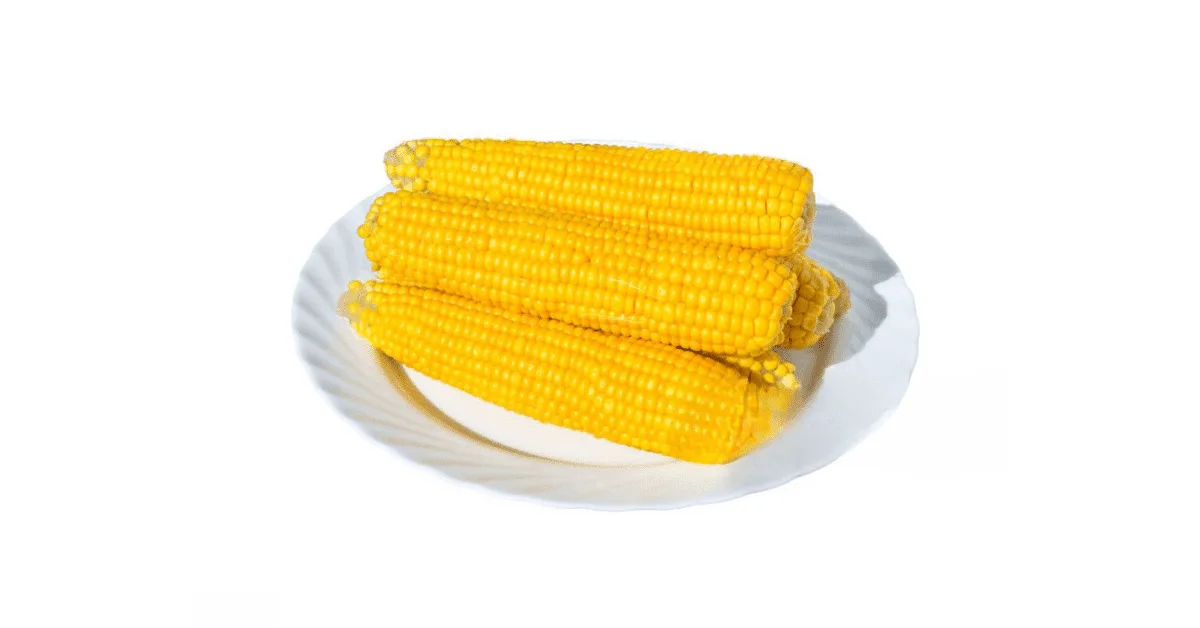
Eating this plant-based boiled green maize recipe will give you various health benefits. These benefits include eye health, lowering blood pressure, regulating blood sugar, and treating anaemia.
This quick and easy-to-make plant-based boiled green maize recipe is for you. It will optimize your health.
Plant-Based Boiled Green Maize Recipe
This Boiled Green Maize Recipe gives you antioxidants and other minerals for your vitality in health. Quick, easy, and delicious meal. Can be used as a snack or main meal.
Introduction Do you remember the time when you grilled maize outside? In the darkness of the evening and experiencing a slight blowing wind with that maize aroma? I can imagine you never thought of the health benefits of eating maize. Maize or mielies is the …
This is your guide to the health benefits of eating Jackfruit in South Africa. Is it surprising to see Jackfruit trending in South Africa? Perhaps the opening and inauguration of Vegan Life Magazine South Africa in 2017 caused this buzz. Jackfruit is taking its rightful …
This is your guide to broccoli benefits and side effects in South Africa.
Are there any health benefits of the vegetable Broccoli?
The relationship of Broccoli in people is one of love and hatred.
I love Broccoli. My garden boasts of flowery Broccoli and cauliflower.
I remember arriving at a public health meeting with a basketful of cruciferous vegetables. My colleagues couldn’t dance to that. Leaves? Why?
Meat has become a norm, even for those who you think know better.
Enough of that.
What is Broccoli?
In this blog, “Eating Plant-BasedZA,” I promote the health value of plant foods such as Broccoli. I will show you how Broccoli is good for you.
Italians domesticated Broccoli or Brassica oleracea italica from wild cabbage. This vegetable spread throughout the Mediterranean basin. Italian Asparagus is its name in England.
Broccoli is, in fact, a large edible flower. The Latin word brachium means branch, shoot, or arm.
Broccoli is in the same family as cabbage, Brussels Sprouts, kale, and cauliflower, all edible plants called cruciferous vegetables.
Types of Broccoli
A familiar type of Broccoli is Calabrese broccoli, the head variety with a thick green stalk.
However, many other kinds of Broccoli exist, including Green King, Green Magic, and Tendergreen.
Romanesco broccoli has cone-shaped spirals and a bright yellowish-green colour.
Baby broccoli is a broccolini, a mix between Broccoli and kale.
Chinese Broccoli, also known as Chinese kale, has large leaves and robust stems.
Purple Broccoli achieves its distinctive hue through natural anthocyanins.
There is also a bright green broccoli raab (rapini).
Broccoli Nutrition Facts
It is a nutrient-dense vegetable and a superfood. This nutrient density results from its high levels of vitamins, minerals and antioxidants. Broccoli is a good source of fibre and water. These two nutrients enable you to feel satiated.
One cup of Broccoli has fewer than thirty calories.
Broccoli contains vitamins C, K1, and A, folate (and other B vitamins), and potassium. It also boosts calcium and manganese.
Glucoraphanin and glucosinolates are two health-promoting compounds in Broccoli.
As we digest food, our bodies convert glucoraphanin into sulforaphane. Sulforaphane fights many cancers.
Did you know that raw Broccoli contains almost 90% water, 7% carbs, 3% protein, and virtually no fat? 90 grams of raw Broccoli have the following:
· Energy: 141kJ
· Protein: 2.3 g
· Carbs: 5.6 g
· Fiber: 2.2 g
· Fat: 0.3 g
· Vitamin C: 91% of the Daily Value (DV)
· Vitamin K: 77% of the DV
· Folate: 15% of the DV
Broccoli is rich in vitamins C, K1, and A. It also contains folate, potassium, iron, manganese, and calcium.
Other compounds are Indole-3-carbinol. This unique nutrient found in cruciferous vegetables may be beneficial against cancer.
Carotenoids found in Broccoli contain lutein and zeaxanthin. There’s also beta-carotene. Betacarotene benefits your eye health.
Broccoli also contains kaempferol, which protects against heart disease, cancer, inflammation, and other allergies.
Broccoli has quercetin, an antioxidant with many benefits. It also lowers blood pressure in those affected with high levels.
Health Benefits of Broccoli
Pexels/Tima Miroshnichenko
Broccoli contains another chemical compound, 3,3—diindolylmethane (DIM), which is produced by the digestive system and prevents cervical cancer.
This vegetable is the absolute master of nutrient-dense foods.
Broccoli strengthens many different bodily systems through its antioxidant effects on cellular health. The florets, leaves, and stems of broccoli contain high concentrations of antioxidants.
Do yourself a favour by not throwing away leaves and stems when you chop your Broccoli for a stir-fry or side.
While raw Broccoli provides lots of glucosinolates, steamed Broccolidelivers more bioavailable antioxidants.
Broccoli and Weight Loss
Broccoli’s high water and fibre content can help promote satiety. It also reduces overeating, leading to shedding weight.
Broccoli and Blood Sugar
Eating Broccoli supports better blood sugar control in people with diabetes.
Glucoraphanin reduces obesity-caused inflammation. Glucoraphaim also accelerates the burning of white adipose tissue.
Broccoli is also a good source of fibre.
Some research indicates that a higher dietary fibre consumption may lower blood sugar. And also improve diabetic control.
Broccoli is Good for Your Heart Health
Research shows that Broccoli supports heart health.
Eating green cruciferous vegetables like Broccoli lowers your odds of developing heart disease.
If you hate eating raw vegetables, steam your Broccoli. This vegetable and other cruciferous vegetables increase the ability to lower LDL cholesterol.
Broccoli Contains Cancer Protective Compounds
Broccoli contains various bioactive compounds. These compounds may reduce cell damage caused by certain chronic diseases.
Eating Broccoli may reduce your risk for certain types of cancer. At the same time, all leafy greens and all fibre-rich vegetables have anti-cancer benefits. Broccoli has more potency.
Sulphoraphane in Broccoli acts against cancer formation. This cancer formation happens at the molecular level by reducing oxidative stress.
Broccoli Good For Your Eyes?
Broccoli is rich in the carotenoids lutein and zeaxanthin. It has beta-carotene, converted to vitamin A, necessary for eye health. In 2003 and 2006, a study showed that compounds in Broccoli protect against maculopathy and cataracts. These compounds also protect against macular degeneration and night blindness. Broccoli helps your eye health.
Is Broccoli Good for Your Bones?
Broccoli contains nutrients that work together to support skeletal health. It is rich in calcium, potassium, and phosphorus and also contains vitamin K. Calcium and vitamin K are vital nutrients for maintaining strong, healthy bones.
Consuming Broccoli Promotes Healthy Digestion and Reduced Constipation
Broccoli is rich in fibre and antioxidants. Fibre in Broccoli facilitates healthy bowel function and digestive health.
Eating Broccoli maintains healthy gut function.
Consuming Broccoli May Slow Mental Decline and Support Healthy Brain Function
Broccoli contains nutrients and bioactive compounds that enable a slow mental decline. Eating Broccoli supports healthy brain and nervous tissue function.
Sulforaphane is another potent bioactive compound found to support brain health.
Broccoli and Anti-aging
The ageing process results from oxidative stress. It also reduces metabolic function throughout your lifespan.
Ageing is an unavoidable natural process. However, food quality significantly determines the development of age-related diseases.
Research shows that sulforaphane can slow the biochemical process of ageing. Sulforaphane increases the expression of antioxidant genes.
Broccoli and the Immune System
Brassicas, like Broccoli, are rich in sulfur. Hence, they support gut health and, as a result, improve your defence against infection.
The human immune system is complex and requires many nutrients to function correctly. Vitamin C present in Broccoli is the most essential nutrient for immune function.
Broccoli Oral and Dental Health
Nutrients in broccoli support oral health and prevent dental diseases.
Broccoli is a good source of vitamin C and calcium. These nutrients help decrease the risk of periodontal disease. Kaempferol, a flavonoid found in Broccoli, also plays a role in preventing periodontitis.
However, remember that good health doesn’t come from any single food.
Risk of Eating Broccoli
Although many people eat Broccoli without any problems, some experience adverse effects.
Medical Conditions
If you take warfarin or Coumadin, seek medical advice when eating Broccoli. It may interfere with certain blood-thinning medications. Broccoli is high in vitamin K.
Broccoli and Fibre
It is high in fibre and has an impact on your digestive system.
Suppose you need to get used to a fibre-rich diet. It will help to increase your fibre intake slowly. Doing so can reduce the digestive side effects of a sudden influx of fibre. Taking fibre reduces bloating, constipation, and gassiness.
However, among others, high-fiber foods may cause bloating and gas.
Broccoli Allergy
There were a few reported cases of broccoli allergy.
Broccoli contains proteins like those found in the pollen of mugwort flowers.
Some may suffer from broccoli-induced pollen–food allergy syndrome.
How to Prepare Broccoli?
Pexels/Alesia Kozik
Many of us know soggy or poorly prepared Broccoli. Hence, people lose its excellent taste. However, there are ways to prepare Broccoli that bring out its deliciousness.
You can eat both stems and florets of Broccoli, raw or cooked.
Steaming
Thoroughly wash your Broccoli and cut it into bite-sized pieces. Steam the broccoli for 5-7 minutes until tender.
Microwaving
Place the Broccoli in a microwave in water until tender.
Sauteing
Saute broccoli in a pan over medium-high heat. Add garlic and cook for 30 seconds.
Roasting
Preheat your oven to 218°C. Roast for 20-25 minutes until tender.
Boiling
You can also boil your broccoli and cook it for 3 – 5 minutes.
Different Ways to Use Broccoli
You can prepare broccoli using a variety of methods. You can also use Broccoli in many dishes. Different types of meals, including:
Soups.
Stir-fries
Mixed green salads
Homemade veggie burger patties or veggie nuggets
Breakfast scrambles
Casseroles
Pasta dishes
Baked potato/sweet potato (chopped on top)
Served raw with hummus or another dip.
Conclusion
Now that the guide on broccoli benefits and side effects in South Africa has ended, what action will you take?
Indeed, Broccoli is the most nutrient-dense food on planet Earth. Sulforaphane is vital to your health and in reducing cancers.
Therefore, enjoy Broccoli raw or cooked in various ways as part of a whole-food, plant-based diet.
Introduction Colorectal Cancer (CRC) is a term including colon and rectum cancers. It is a prevalent and life-threatening disease. There is an increasing number of cases diagnosed worldwide. Researchers and healthcare professionals are continuously exploring innovative approaches to prevention and treatment. The World Health Organization …