
The Top Health Benefits and Side Effects of Rooibos

This is your guide to the top health benefits and side effects of rooibos.
Rooibos tea is a delicious, comforting drink rich in wellness benefits. It might be just what you need!
I enjoy sharing details about this unique South African herbal brew. It’s becoming popular worldwide for its fantastic health benefits.
Like all good things, Rooibos tea has its upsides and downsides.
Let’s dive into its whole story.
What is Rooibos?
Rooibos (Aspalathus linearis) is a plant that grows naturally in South Africa’s fynbos region.
Rooibos tea stands out because it’s naturally caffeine-free. It’s also low in tannins, which makes it a calming choice for almost everyone.
Hot or iced, its mild, sweet taste and bright red colour make it a delightful daily treat for many.
Top Health Benefits of Rooibos
Why are so many people swapping their regular cup of tea for Rooibos?
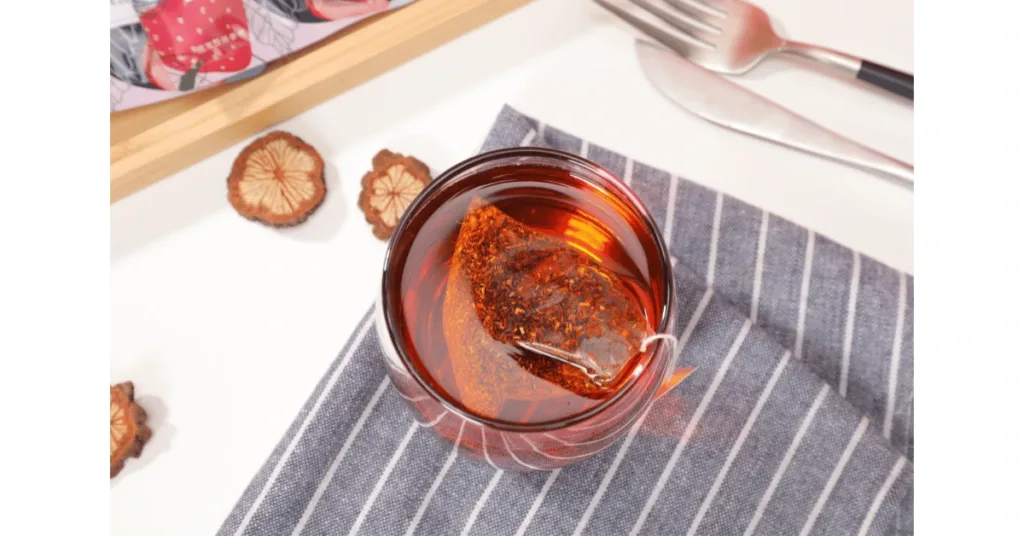
Let’s break down the evidence-based benefits.
1. Packed with Antioxidants
Rooibos is well-known for its high content of antioxidants, including aspalathin and quercetin.
These compounds protect cells from oxidative stress.
This lowers the chance of chronic diseases. It also strengthens your body’s defences against illness.
- Antioxidants in Rooibos may help combat inflammation, lower the risk of cancer, and support overall long-term wellness.
- Lab studies and research with people show that Rooibos boosts good antioxidant markers in the body.
For more information on Rooibos’s antioxidants, refer to this detailed review of recent research (anchor: “review of recent research”).
2. Heart Health Hero
Drinking Rooibos regularly could be good news for your heart.
This tea’s polyphenols and flavonoids have been shown to:
- Inhibit the angiotensin-converting enzyme (ACE) to lower blood pressure.
- Improve cholesterol profiles—raising HDL (“good”) cholesterol and lowering LDL (“bad”) cholesterol.
- Reduce inflammation and protect against heart disease. This includes heart attacks and strokes.
3. Friendly to Blood Sugar Levels
Rooibos is a promising choice for individuals seeking to manage their blood sugar levels.
- Aspalathin is a unique antioxidant. It helps maintain stable blood sugar levels and enhances insulin’s performance. This could support diabetes prevention and management.
- Animal and human studies show that Rooibos might help reduce blood sugar spikes. However, more high-quality research in humans is needed.
4. Stress-Free and Caffeine-Free
Tired of feeling jittery after your cup of tea?
Rooibos is caffeine-free.
This means it won’t raise your anxiety, disturb your sleep, or cause dehydration.
- It’s a soothing beverage for the whole family—even kids and pregnant people can enjoy it safely.
- Rooibos has almost no tannins. This means it doesn’t block iron absorption like other teas. This is particularly important for individuals at risk of anaemia.
5. May Support Weight Management
Trying to lose a few kilos or maintain a healthy weight? Rooibos could help support your goals:
- It’s naturally calorie-free—unless you add sugar or honey, of course!
- Rooibos may slightly boost metabolism, reduce appetite, and inhibit the growth of new fat cells, according to animal studies.
6. Bone Health and Beyond
Rooibos might help keep bones strong:
- Some laboratory studies suggest that rooibos compounds can help osteoblasts, the cells responsible for forming and maintaining bone. They may also slow down osteoclasts, which are responsible for breaking down bone. However, there isn’t much data from humans.
7. A Natural Ally Against Neurodegenerative Conditions
New research from South Africa suggests that Rooibos tea may help protect the brain from oxidative stress.
This could lower the risk of diseases like Alzheimer’s and dementia. However, research in this area is still in its early stages of development.
Soothing Traditional Uses: Digestion, Allergies & More
Historically, South Africans turned to Rooibos for all sorts of discomforts:
- It’s often used to calm upset stomachs, relieve cramps, and ease indigestion. This is due to its natural anti-inflammatory and antispasmodic compounds.
- Rooibos tea may help alleviate allergies, asthma, and mild skin irritation. However, researchers need to conduct more large-scale studies.
Side Effects and Precautions: What You Should Know
Rooibos is generally considered safe for most people; however, it’s essential to address some critical caveats.
1. Rare Liver Concerns
Some case reports connect high Rooibos intake to liver toxicity. This is especially true for people on liver-metabolised medications or those with liver issues.
However, these cases are rare and often involve drinking extremely high volumes daily.
2. Medication Interactions
Rooibos may affect blood sugar levels, blood pressure, and cholesterol levels.
It could interact with:
- Blood pressure medicines (especially ACE inhibitors).
- Diabetes medications.
- Cholesterol-lowering drugs like statins.
Consult your healthcare provider before adding Rooibos to your routine if you take any of these medications.
For a thorough overview, check this medical fact sheet on drug interactions (anchor: “Rooibos drug interactions”).
3. Hormone-Sensitive Conditions
Phytoestrogens naturally present in Rooibos may mimic the effects of estrogen in the body.
For most people, Rooibos is generally safe and even beneficial.
If you have hormonally sensitive issues, like some cancers or fertility problems, be cautious with Rooibos. Consult with a doctor for guidance.
4. Potential Allergic Reactions
Though rare, some people may experience digestive upset, rash, or other allergy-like symptoms. Stop drinking Rooibos if unusual symptoms develop and consult your doctor.
5. Safety in Pregnancy and Children
Rooibos is great news for pregnant women and kids. It’s safe because it’s caffeine-free and has low tannins. Still, it’s always wise to introduce new drinks or foods slowly.
How Much Rooibos Is Too Much?
For most people, enjoying 1–6 cups per day is considered both safe and beneficial.
Avoid mega-doses, which means more than 2 litres a day. This is especially important if you’re on medication or have liver issues.
How to Get the Best Out of Your Rooibos
- Select reputable brands to minimise the risk of contamination.
- Drink it plain, or spice it up with lemon, ginger, or mint for extra flavour—and skip the sugar to keep it calorie-free.
- Try both fermented (traditional red) and unfermented (green) types. This provides a blend of flavours and antioxidants.
Final Thoughts: Is Rooibos Tea Right for You?
I always say, Rooibos is a little cup of wellness—with big science to back it up!
This South African treasure offers many benefits. It supports heart health, provides antioxidants, and helps relieve stress. Plus, it’s safe for nearly everyone to enjoy. No wonder it’s gaining fans worldwide!
Remember: moderation is key.
This is especially true if you have liver issues, take medications for a long time, or have hormone-sensitive conditions.
If you’re unsure, consult a doctor before incorporating Rooibos into your routine.