
What Doctors Say About a Plant-Based Diet
Do you want to know what doctors say about a plant-based diet?
Have you ever questioned why your physician consistently advises you to consume vegetables?
It is not just a polite suggestion.
Today, doctors increasingly see a plant-based diet as a strong way to stay healthy and treat diseases. In fact, many medical experts now call food “the best medicine.”
In this article, we will examine the basic evidence supporting these diets.
We’ll look at how shifting from processed meats to natural plants can transform your life.
Introduction: Why Doctors Love Plant-Based Eating
Doctors used to focus primarily on pills and surgery. While those are important, modern science shows that what you put on your plate matters as much.
When doctors talk about a “plant-based diet,” they are looking at evidence from thousands of people over many years. This evidence shows that people who eat more plants tend to live longer and feel better.
To begin, let’s look at what doctors mean when they talk about eating more plants.
It is not about being “perfect” or about everyone never eating meat again. Instead, it is about making plants the star of the show. Whether it is a bowl of oatmeal for breakfast or a hearty lentil soup for lunch, these choices add up.
Doctors appreciate this method. It’s a safe, low-cost way to prevent common health issues worldwide.
What Exactly Is a Whole Food Plant-Based Diet?
Not all plant diets are created equal.
You could eat soda and potato chips and technically be a “vegan,” but a doctor would not call that healthy.
Doctors specifically recommend a Whole Food Plant-Based (WFPB) diet.
This means eating foods that are as close to their natural state as possible. Think of an ear of corn instead of a corn chip, or an orange instead of orange-flavoured candy.
A WFPB diet focuses on:
- Vegetables: Leafy greens, carrots, and peppers.
- Fruits: Berries, apples, and bananas.
- Legumes: Beans, peas, and lentils.
- Whole Grains: Brown rice, oats, and quinoa.
- Seeds and Nuts: Walnuts, chia seeds, and almonds.
Eating “whole” foods helps you avoid extra salt, sugar, and unhealthy fats. These are often found in processed foods.
Heart Health: The Number One Benefit
Heart disease is the leading cause of death worldwide, but doctors say it doesn’t have to be.
A strong reason to choose a plant-based diet is its heart-protective benefits. Plants contain zero cholesterol and are very low in saturated fats.
When you switch to a plant-based diet, your blood pressure often drops naturally. This is because plants are high in potassium and fibre, which help your blood vessels relax.
Furthermore, a plant-based diet can lower “bad” LDL cholesterol levels.
Famous studies by Dr Dean Ornish show that a strict plant-based diet can clear clogged arteries.
Doctors often point to the “Adventist Health Studies,” which followed thousands of people. They found that those who ate plant-based foods had much lower rates of heart attack.
Many cardiologists now recommend beans and greens. They often recommend these foods, either with or instead of some blood pressure meds.
Reversing Type 2 Diabetes with Plants
Many people think diabetes is just about eating too much sugar. However, doctors explain that it is often caused by “insulin resistance.”
Fat builds up in your cells. This makes it hard for insulin to move sugar out of your blood.
Simple evidence shows that a low-fat, plant-based diet helps clear fat from cells. When the fat is gone, insulin can work again.
According to studies, the risk of type 2 diabetes is 34% lower for those who follow a plant-based diet.
Some patients may be able to lower or stop their medication by changing their diet and working with a doctor.
Plants are high in fibre. This helps keep your blood sugar steady. Unlike sugary snacks or white bread, they don’t cause “spikes” or “crashes.”
Managing Your Weight Without Counting Calories
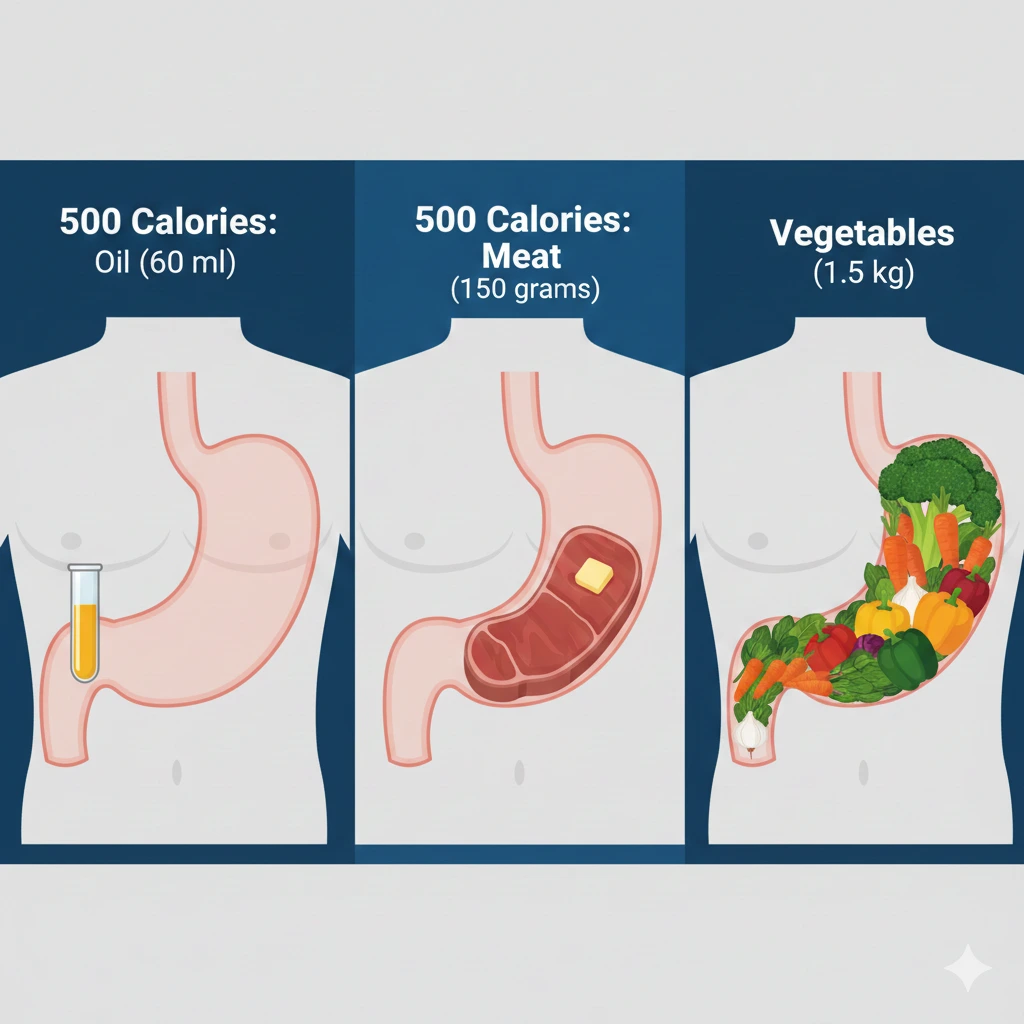
One of the most complex parts of dieting is feeling hungry all the time. Doctors say a plant-based diet solves this through something called calorie density.
Foods like meat, cheese, and oil have a lot of calories in a minimal amount.
Meanwhile, vegetables and fruits have few calories. They fill your stomach quickly because they contain a lot of water and fibre. This means you can eat a large, satisfying plate of food and still lose weight.
According to studies, those who follow a plant-based diet frequently have lower body mass indices (BMIs).
In many clinical trials, people lost more weight on a plant-based diet than on other diets. This was true even when they didn’t have to limit their food intake. They felt full faster.
Therefore, it is a great long-term strategy for staying at a healthy weight without the stress of counting every calorie.
Fighting Inflammation and Boosting Immunity
Inflammation is like a tiny fire burning inside your body. If it remains active for too long, it can cause pain, fatigue, and diseases such as arthritis.
Doctors say that animal products and processed foods can increase inflammation.
Plants, however, are packed with antioxidants and phytochemicals. These are natural “fire extinguishers” that protect your cells from damage.
Colourful foods, like purple grapes, green spinach, and orange carrots, are great for your immune system.
These foods provide the tools needed to fight germs and keep your body balanced.
Many patients notice that their joint pain or skin problems improve soon after they increase their intake of plant foods.
Gut Health: Your Body’s Second Brain
Did you know that trillions of tiny “good” bacteria live in your gut? These bacteria help you digest food and even affect your mood. Doctors call this the microbiome.
The one thing these good bacteria love more than anything else is fibre. Since fibre is only found in plants, a plant-based diet is like a feast for your gut health.
Feed these bacteria well. They produce specialised acids that reduce inflammation and boost your immune system.
On the other hand, a diet high in meat and low in plants can promote “bad” bacteria linked to heart disease. By eating more beans, grains, and veggies, you are keeping your “second brain” happy and healthy.
Cancer Prevention: The Protective Power of Plants
Doctors say that about one-third of all cancers can be prevented by changing our diet.
Eating more plants lowers the risk of many cancers, especially colorectal cancer.
Why is this?
Plants have special compounds that can actually block cancer-causing chemicals. Also, the high fibre in plants helps waste move through your system quickly. This keeps your colon healthy.
Furthermore, a plant-based diet reduces your risk of obesity-related malignancies and helps maintain a healthy weight.
No diet can promise you won’t get sick, but doctors say plants are a strong defence.
Addressing the “Protein Myth” and Other Concerns
The most common question doctors get is: “Where do you get your protein?”
The simple answer is: from the same place the animals get it—plants!
Strong animals like elephants, rhinos, and bulls are all plant-eaters. Doctors say you can get all the protein you need from beans, lentils, peas, nuts, and even some vegetables.
As long as you eat enough calories and a variety of foods, protein deficiency is seldom an issue.
However, there is one crucial thing doctors want you to know: Vitamin B12.
Bacteria make this vitamin, which is not naturally found in plants today. If you go 100% plant-based, you must take a B12 supplement or eat fortified foods.
Doctors suggest watching your iron and Vitamin D. You can easily get these from a balanced diet with leafy greens and some sunshine.
Simple Tips to Start Your Journey
Starting a plant-based diet doesn’t have to be scary.
Doctors recommend starting small. You don’t have to change everything overnight to see benefits.
Here are some easy ways to transition:
- Meatless Mondays: Set aside one day each week to eat entirely plant-based meals.
- The “Half-Plate” Rule: Vegetables should make up half of your plate at every meal.
- Swap the Milk: Try almond, soy, or oat milk instead of cow’s milk.
- Focus on Addition: Instead of thinking about what you are “quitting,” think about adding one new fruit or veggie to your day.
In addition to these tips, remember that progress is better than perfection. Every plant-based meal you choose is a win for your health.
FAQ: People Also Ask
Is a plant-based diet actually healthy?
Yes. Major medical groups, such as the American Heart Association and the Academy of Nutrition and Dietetics, state that a well-planned plant-based diet is healthy for people of all ages.
Do doctors recommend being 100% vegan?
Not necessarily. Many doctors see great results from a 100% vegan diet. Most folks think a “plant-forward” diet, heavy on plants and light on meat, is really good for health.
What are the risks of a plant-based diet?
The main risk is not getting enough Vitamin B12. It is also essential to consume enough calories and a variety of foods, so you don’t miss out on minerals like zinc and iron.
Can a plant-based diet reverse heart disease?
Yes, clinical evidence from doctors like Dr Caldwell Esselstyn has shown that a very strict whole-food, plant-based diet can actually shrink arterial blockages and improve blood flow.
Conclusion: A Prescription for a Long Life
The verdict is in: eating more plants is great for your body.
A plant-based diet clearly protects your heart. It increases your energy and helps you maintain a healthy weight.
Plants can help prevent future illness or manage existing conditions.
You don’t need a fancy kitchen or expensive supplements—just a trip to the produce aisle. Your body will thank you for years to come.
1 thought on “What Doctors Say About a Plant-Based Diet”