
Staple-First Method Plant-Based Eating in South Africa
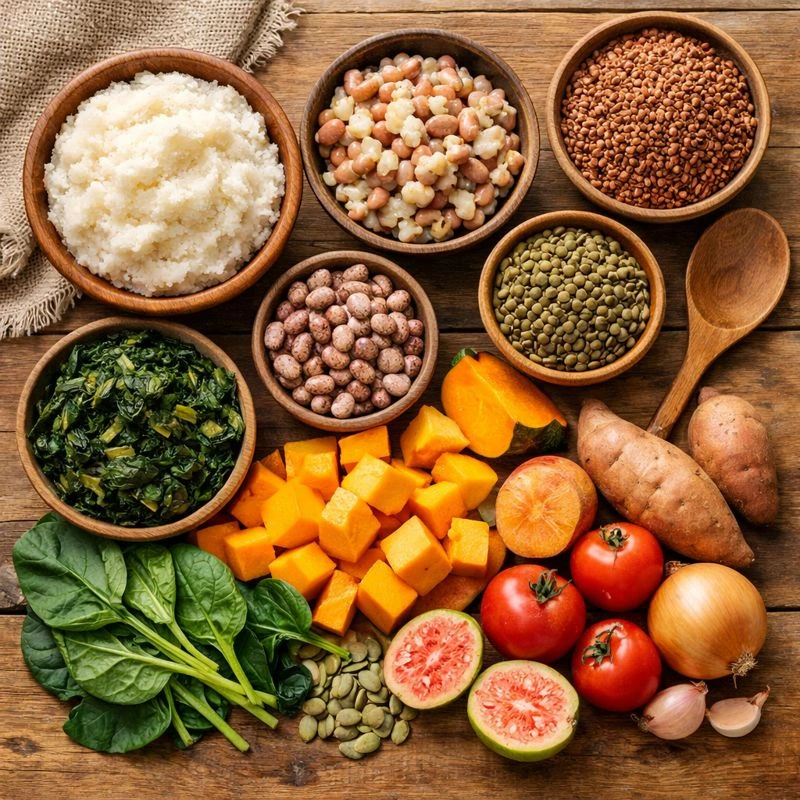
Why staple-first method plant-based eating in South Africa?
Smanga, a health-conscious guy, complained that plant-based eating is too expensive. I had to answer his comment.
Plant-based eating in South Africa doesn’t need imported quinoa or chia seeds. You also don’t need costly protein powders.
Your pantry holds the foundation already.
The Staple-First Method focuses each meal on a cheap South African grain or legume. It keeps meals simple and budget-friendly. You add vegetables, beans, and flavour on top.
This method feeds a family. It cuts grocery costs. Plus, it meets your daily nutrition needs.
This guide covers how the method works, which staples to use, how to mix them for protein, and how to plan a week of meals.
What the Staple-First Method Means
Many diet tips start with meat. Pick out a chicken breast or a piece of fish, then build the plate around it.
With the Staple-First Method, the order is switched.
You begin with a base of grains or beans. Most of the plate consists of beans, sorghum, maize, or samp. The next part is vegetables and extra protein. Taste is what makes a dish whole.
The reason is clear. Foods that aren’t meat cost more per gram. They keep things for months without a fridge at Staples. Every day, your body needs vitamins, fibre, and protein, which you can find in staples.
You spend less and waste less when you base a meal on a staple. You also eat less processed foods and more whole foods.
The method uses South African staples by design.
These foods grow in local soil. They sit on every supermarket shelf and in every spaza shop. You know how to cook them already. Heritage and health point in the same direction here.
I also share the exact staples-first system I use.
Why South African Staples Win on Cost
Maize feeds most of the country.
Between 67 and 83 per cent of South Africans eat maize meal or maize-based products. The reason is price.
Prices for white corn at the bulk level went down in October 2025. These numbers were 36% less than the year before. After a large harvest nationwide, this change occurred. The same weight of chicken or beef would cost a lot more than a bag of cornmeal.
Dried beans tell a similar story.
Bean prices rose from 2024 into 2025. Dried beans increased nearly 12 per cent in just one year. Even after the rise, a kilogram of dried beans delivers far more protein per rand than any cut of meat.
One kilogram of dried beans yields about three kilograms of cooked beans. You stretch a single purchase across many dinners.
Compare a meat-first plate with a staple-first plate.
A meat-first dinner for four leans on 500 grams of chicken plus side dishes. A staple-first dinner for four leans on samp and beans, a handful of vegetables, and a small amount of oil. The second plate costs less than half as much. The second plate still delivers protein, fibre, and iron. The savings repeat every night you cook this way.
Make the math work over a month. Change four meat dinners a week to meals that start with a staple. For the same amount of money every month, you feed the same number of people.
The Benefits of Heritage
South African basics are good for you and cheap, but they do more than that. They carry history.
Morogo, amadumbe, sorghum, and umngqusho fed families for many years. This was long before processed cereals and snacks came into being.
The Staple-First Method returns these foods to the centre of your plate.
The advantage runs deeper than nostalgia.
Indigenous foods suit the local climate and grow with less water and fewer inputs.
A morogo patch survives a dry spell better than a tray of imported lettuce. Sorghum ripens in conditions where maize struggles.
It helps local farmers and cuts down on supply lines when you cook with these crops.
You also learn new things from what your family already knows. Talk to an older family member about how they cooked umngqusho or which wild greens they picked as kids.
Local information is important to the method. It doesn’t trade your culture for a foreign style.
The Question of Protein
People who eat only plants worry about getting enough energy. With a simple pairing, the Staple-First Method takes away the stress. You eat both a grain and a bean at the same time.
Maize and beans work together.
Each food supplies amino acids that the other lacks. Eaten as one dish, the pair gives your body a fuller protein profile than either food alone.
South African cooks made this pairing in umngqusho long ago. This was centuries before anyone talked about amino acids.
The numbers back the approach.
One cooked cup of chickpeas holds 14.5 grams of protein and 12.5 grams of fibre. A serving of whole-grain sorghum has about 10 grams of protein. That’s nearly double the protein found in quinoa.
Add beans to a grain base across the week, and you reach your protein target without meat. You also gain fibre, which most South African diets lack.
The Six Staples to Build Your Meals Around
Maize and pap
Pap forms the base of countless South African meals. White maize meal is cheap, filling, and quick to cook. Pair pap with beans and morogo for a full plate.
Choose coarser maize meal when available. Rougher grades have more fibre, which is better for your gut.
Sorghum, or mabele
When it comes to nutrition, sorghum is better than many new grains. About 7 grams of fibre are in half a cup of whole-grain sorghum, which is about a quarter of your daily fibre goal. There are about 10 grams of plant protein in each serve. Iron, zinc, magnesium, and B vitamins are all found in sorghum.
The grain is gluten-free and low on the glycaemic index, so blood sugar rises slowly after a meal. Research links regular whole-grain sorghum to better blood glucose control and lower cholesterol. Cook sorghum like rice, or use mabele meal for a warm breakfast porridge.
Samp and umngqusho
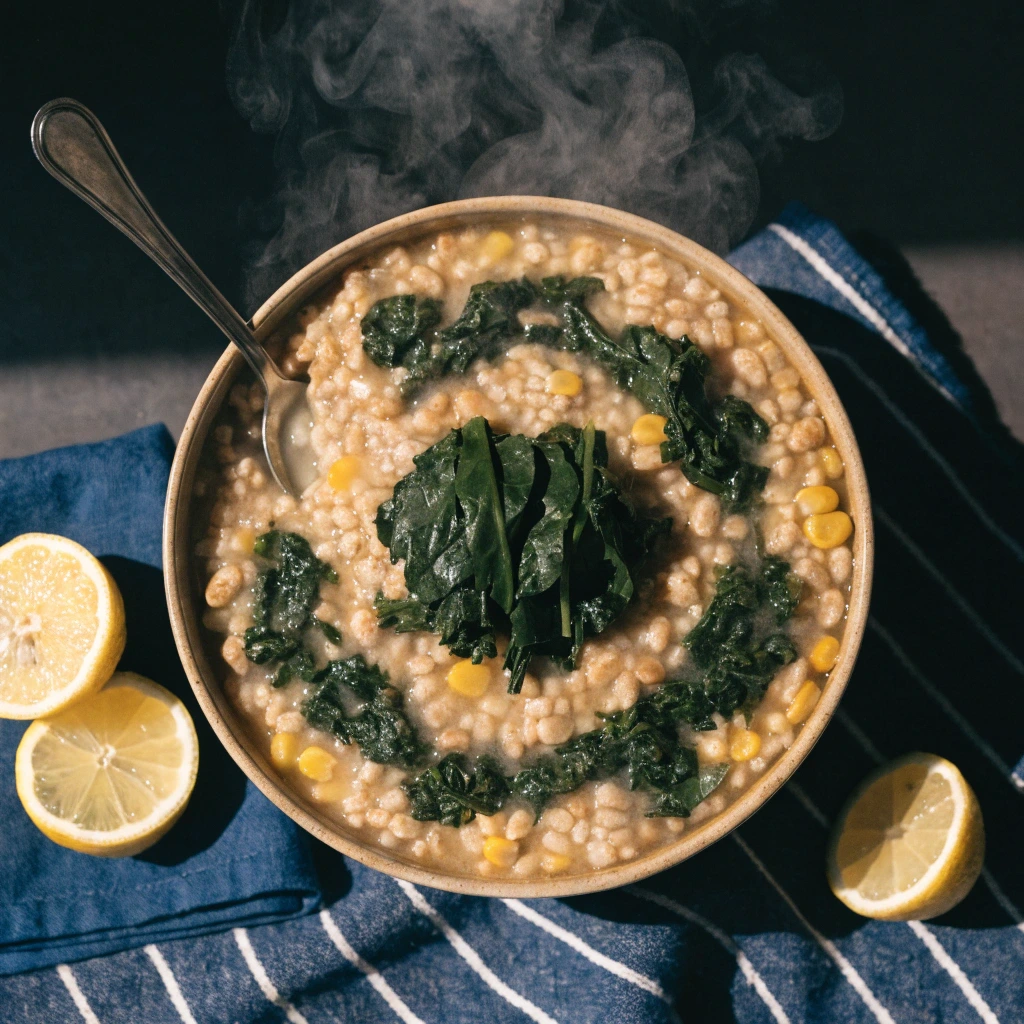
Samp is dried, cracked maize. Umngqusho combines samp and sugar beans into a single dish. The pairing carries the protein advantage covered above. Umngqusho stores well, reheats well, and feeds a crowd from one pot. Cook a large batch on a weekend and eat from the pot for days.
Amadumbe
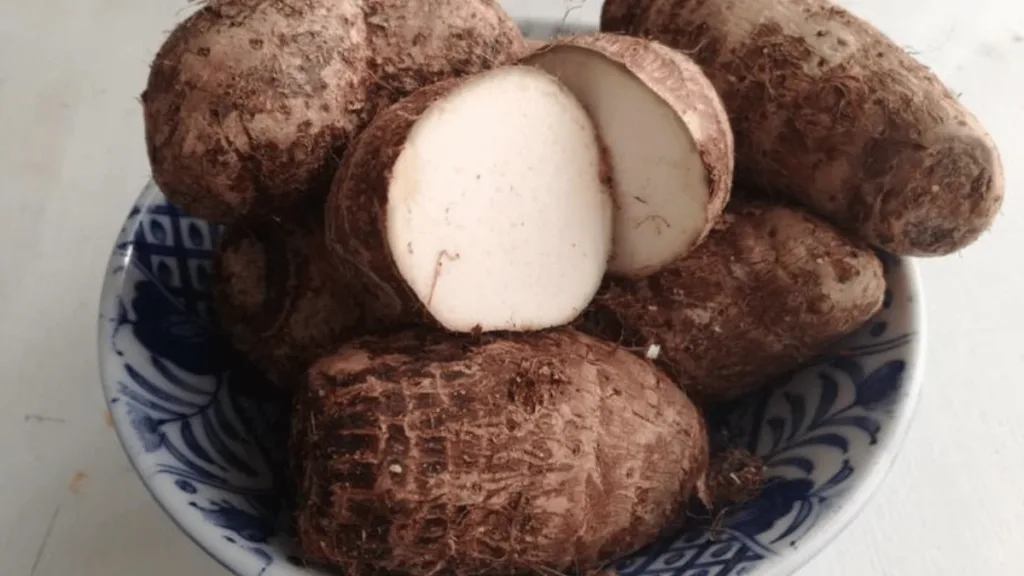
Amadumbe, the taro root common in KwaZulu-Natal, works as a starch base in place of potato. The root provides fibre and resistant starch. These nutrients feed your gut bacteria and keep your energy steady. Boil amadumbe, peel, then serve with a bean stew or a vegetable curry. The mild flavour suits almost any topping.
Cowpeas and dried beans
Legumes anchor the protein side of the method.
Heart disease risk drops by 22% if you eat beans four or more times a week. This is based on long-term research from Harvard. Legume-rich diets lower LDL cholesterol by around 6 per cent. Cowpeas, sugar beans, lentils, and chickpeas all deliver similar returns.
The American Heart Association suggests including beans and legumes in a healthy diet. Cowpeas grow well across South Africa and cook faster than larger beans.
Morogo
Morogo, the wild African leafy green, beats imported greens on minerals.
Studies of South African children found that morogo gave 21% to 39% of their calcium. It provided 19% to 39% of their iron. It also gave 42% to 68% of their vitamin A. Wild morogo has more calcium and magnesium than spinach and Swiss chard.
The leaves cost little, and many families grow them at no cost. Add a handful to any staple base for a mineral-rich meal.
Cook morogo gently and save the cooking water. Boiling and throwing away the water removes the minerals.

How to Build a Staple-First Plate
Just use a simple ratio. Put a root or grain in the middle of half of your plate. Put beans in one quarter. You should put veggies in the last quarter. For fat and flavour, add a little oil, nuts, or seeds.
A worked example looks like this. Start with samp as your base. Add sugar beans for protein. Add morogo and a chopped tomato for vegetables.
Finish with a spoonful of peanut butter stirred through the greens. The plate delivers protein, fibre, calcium, iron, and healthy fat. The cost stays low.
Season with onion, garlic, chilli, and curry spice. Flavour keeps a plant-based plate satisfying, so you reach for fewer processed snacks later in the day. A bland plate sends you to the biscuit tin. A well-seasoned plate keeps you full.
Change the amount to fit your family. A family can share a pot of base grain for not much extra cost. For teens who are growing or people who work out hard, add more beans. For older family members who need more vitamins and fibre, add more morogo or pumpkin. The base doesn’t change. The fillings are changed for each person.
A Sample Staple-First Week
Plan your week around a different base each night. Cook beans in bulk on Sunday and reheat them throughout the week.
Monday:
Pap with morogo and a sugar bean stew.
Tuesday:
Umngqusho with a side of grated carrot and onion.
Wednesday:
Grilled pumpkin, beans, and chilli in a sorghum bowl.
Thursday:
Yum, amadumbe with a tomato and chickpea soup.
Friday:
Samp and beans with peanut sauce and morogo.
Saturday:
As for dinner, Mabele had a bean and vegetable soup after breakfast.
Sunday:
There is a sorghum salad with cucumber, lemon, and cowpeas.
For every meal, there is a main dish. There is a legume and a veggie added to every meal. Since you buy the same things every week, shopping is easy, and the bill stays cheap.
Once you cook, you eat twice. Any leftover umngqusho is eaten for lunch on Tuesday. The beans on top of Wednesday’s sorghum bowl are leftovers.
Cost and Shopping Tips
Learn a lot of simple things. A 10-kg bag of cornmeal or a 2-kg bag of dried beans costs less per serving than a small pack. Cans of beans save time on busy nights, but buying dried beans costs less.
Cook legumes in large batches. Soak beans overnight, boil once, then freeze portions.
A single cooking session covers several dinners and cuts your gas or electricity use. Grow morogo, spinach, or amaranth in a small garden or in pots. Fresh greens then cost you nothing.
Keep a short list of flavour staples ready. Include onions, garlic, tomatoes, curry powder, chilli, and peanut butter. These six turn plain grains and beans into meals your family asks for again.
Watch the maize meal grade. Super-fine maize meal cooks fast but loses fibre in milling. Special or coarse grades hold more of the grain and keep you full longer for the same price.
Track your spending for one month. Write down the cost of your staple-first dinners and the cost of the meat dinners you replaced. The gap shows you the method’s real return in rands, not in theory.
Many families view the savings fund as a big bean purchase. They also see it as a few seed packets for a morogo patch. Some think of it as an upgrade to coarse-grade maize meal. The method pays for its own improvements.
Common Mistakes to Avoid
Skipping the legume. A grain alone leaves the plate short on protein. Always pair the grain base with beans, lentils, or cowpeas.
Discarding the cooking water from morogo. The minerals leach into the water. Cook the greens lightly and serve the liquid with the dish.
Refining the base too much. The fibre is removed from the cheapest, whitest cornmeal. An extra few rands will get you a rougher grade that suits you better.
Forgetting the taste. If the food on a plant-based plate gets old, it doesn’t work. If you start using spices early on, you’ll keep doing it that way.
Start this week
Pick a night. Prepare one main dish first.
A good starter is samp and beans with morogo.
The ingredients are cheap, and you can make mistakes with this cooking method. Write down how much it costs and compare it to a dinner with meat. The gains are felt right away by most families.
Build from there.
Add a second staple-first night next week.
In a month, your default plate begins with a grain or legume. Your grocery bill shows this change.
South African staples offer nutrition, heritage, and great prices.
Put them first.
Explore the staple-first method in this book.
For Further Reading
https://nutritionsource.hsph.harvard.edu/legumes-pulses/
https://health.clevelandclinic.org/sorghum-benefits
https://pmc.ncbi.nlm.nih.gov/articles/PMC11641550/
https://scielo.org.za/scielo.php?script=sci_arttext&pid=S0038-23532009000600016
4 thoughts on “Staple-First Method Plant-Based Eating in South Africa”